
Boston
Boston is one of the oldest and most European cities in the U.S. The only surprising thing is that it was founded a whole seven years later than New York. For some reason, the author always thought it had to be the other way around.
Boston is the cultural capital of the United States. The city has whole clusters of universities. Harvard, MIT, Boston College, and another dozen smaller institutions are located here.
The American War of Independence began in Boston when, in 1773, the Americans and the English had a dispute over tea.
Britain taxed its colonies in America. The colonists didn’t like this, and they staged protests that sometimes escalated into massacres. After one such clash, Britain repealed many of the taxes but kept the tax on tea, which Americans at the time were drinking in large volumes.
In response, the Americans boycotted British tea and switched to Dutch tea, which was smuggled in illegally. To avoid bankrupting their tea company, the British abolished import duties on their tea and made it even cheaper than the Dutch tea.
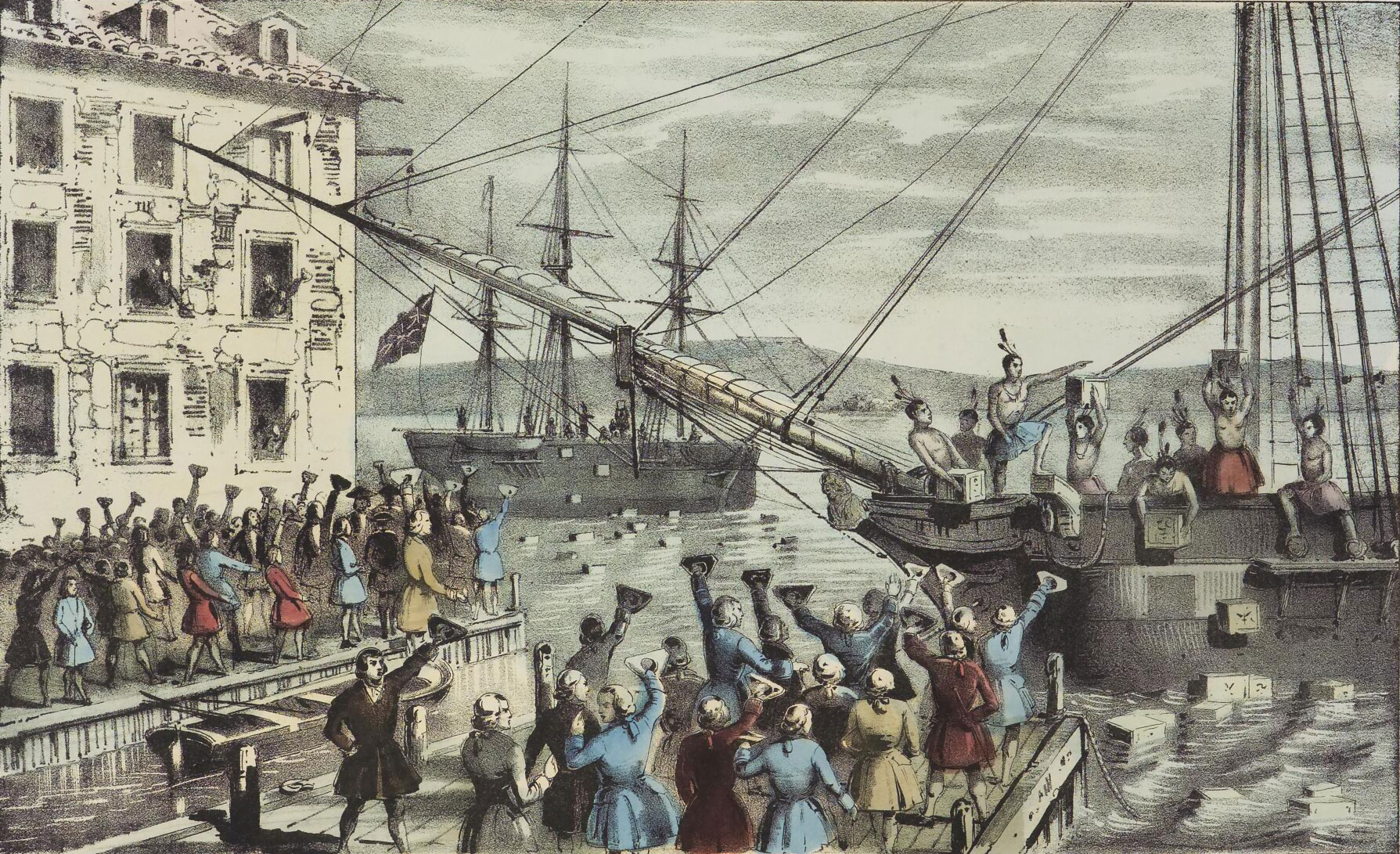
To the astonishment of the English, this not only failed to calm the Americans, but only made them angrier. The colonists declared that the issue was not the price at all, but the very principle: Britain was collecting taxes on tea, yet not allowing them to vote in parliamentary elections. And when another ship carrying tea arrived from Britain, the colonists, disguised as Indians, snuck aboard and threw the tea into the sea.
This act went down in history as the Boston Tea Party and became the trigger for the War of Independence.
Today Boston is a very pleasant city that doesn’t really feel like the United States. The waterfront is more reminiscent of Copenhagen.
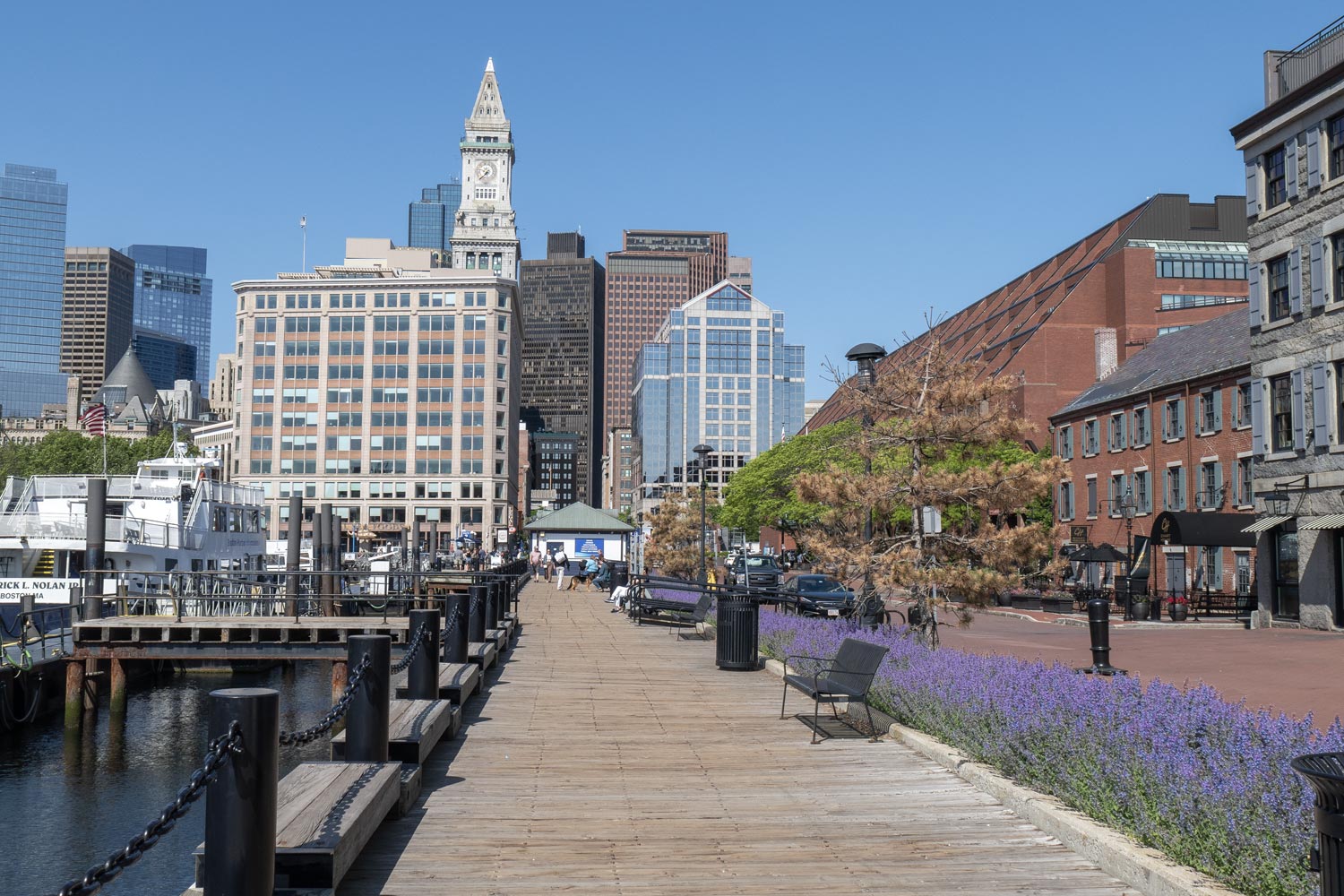
There are no tea crates left in the port. Since then everything has been removed, no monument was put up.
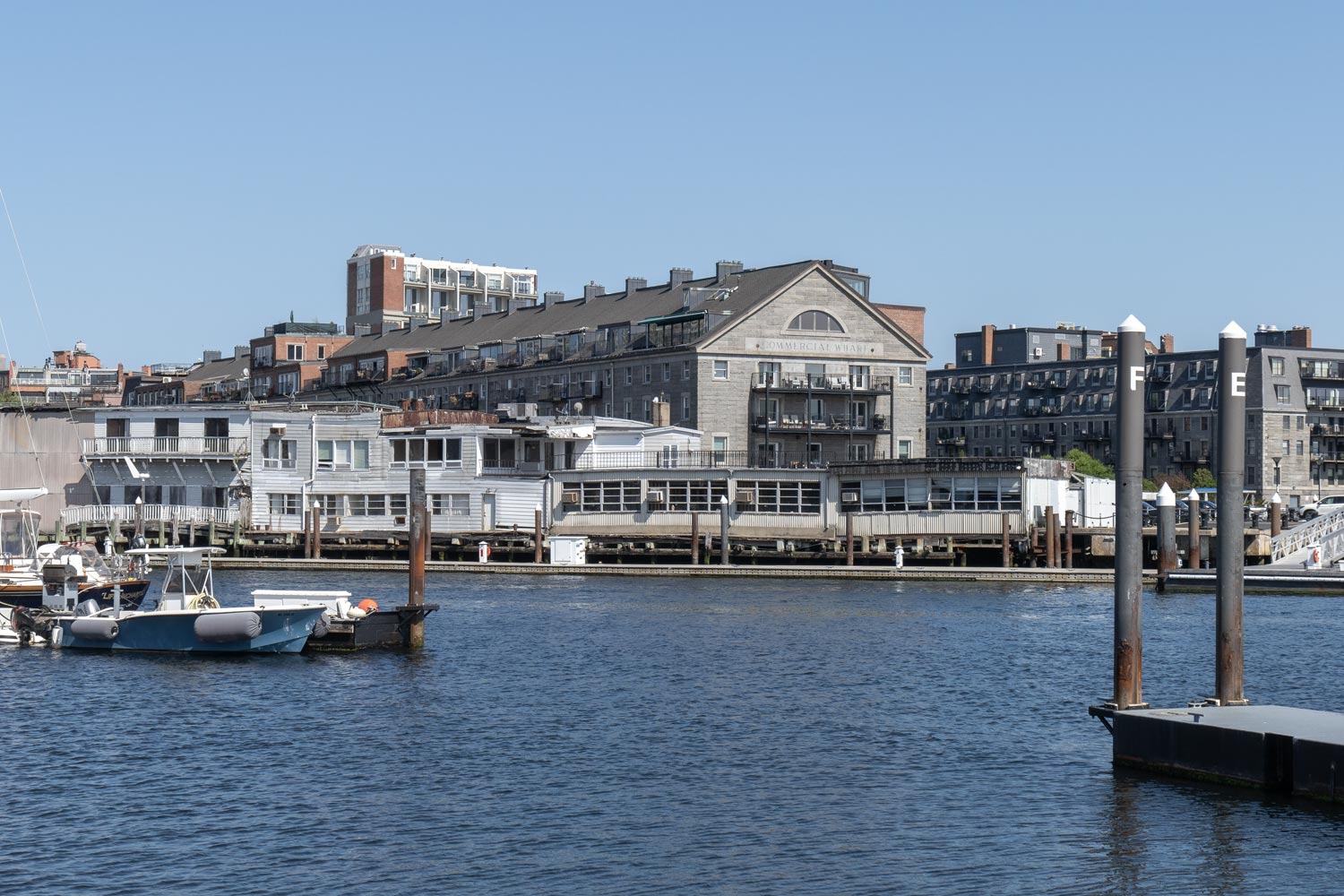
Downtown Boston is still called “downtown,” in the American tradition, but it looks much more like a classic European city center.
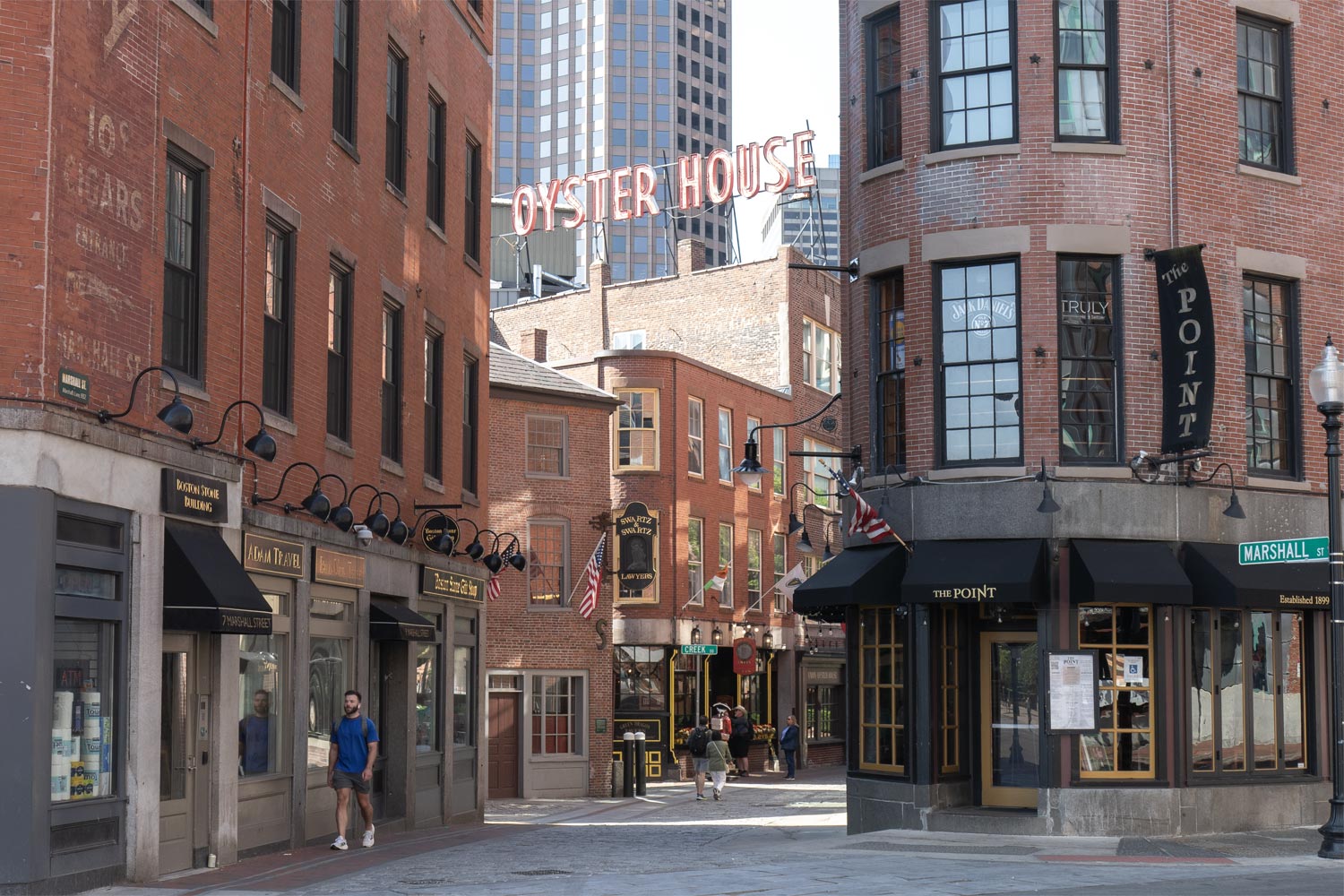
The historic quarters aren’t even built on a grid; they’re more like a tangle of streets and alleyways, like a plate of spaghetti.
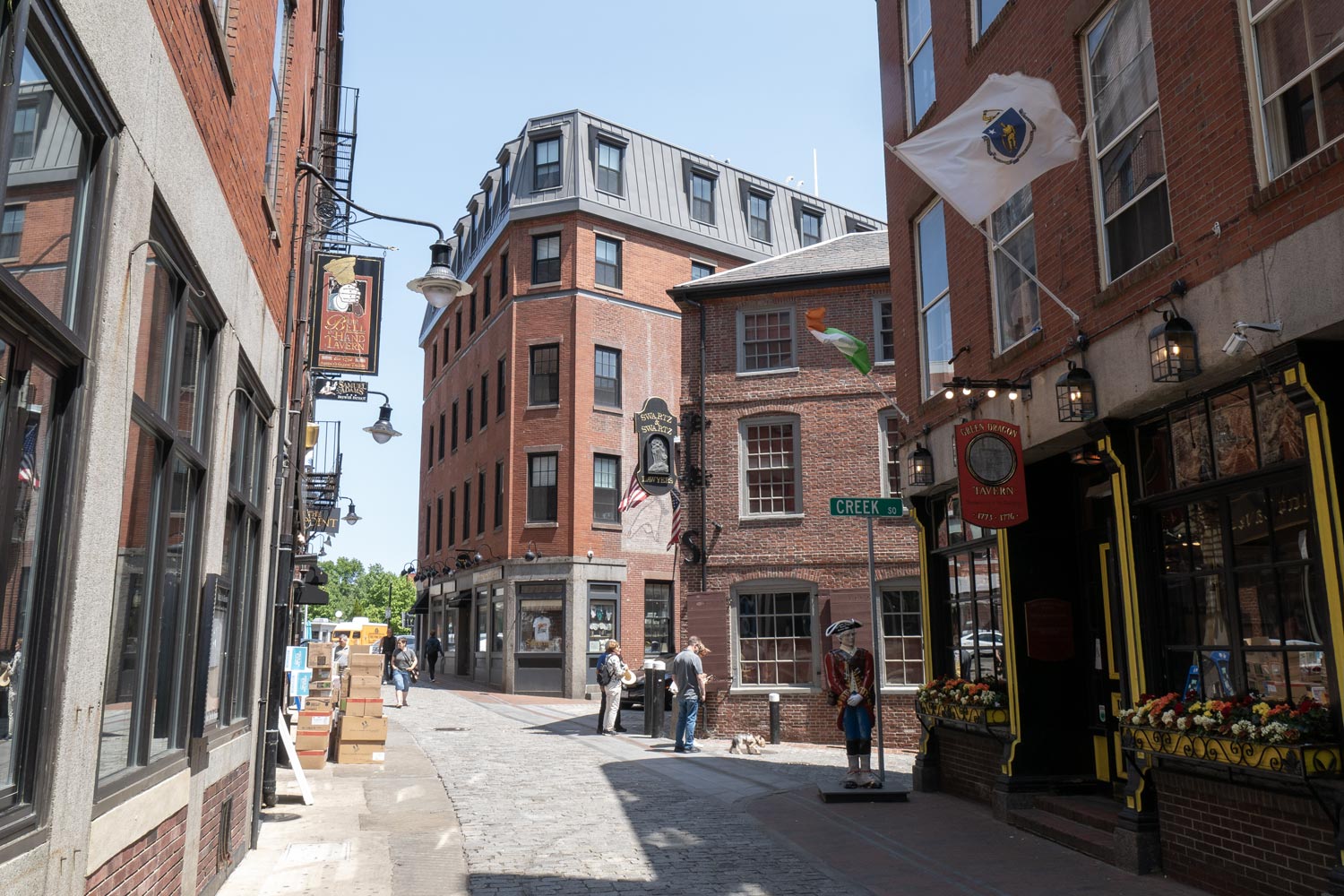
The brick architecture is exactly like in some English city such as Manchester.
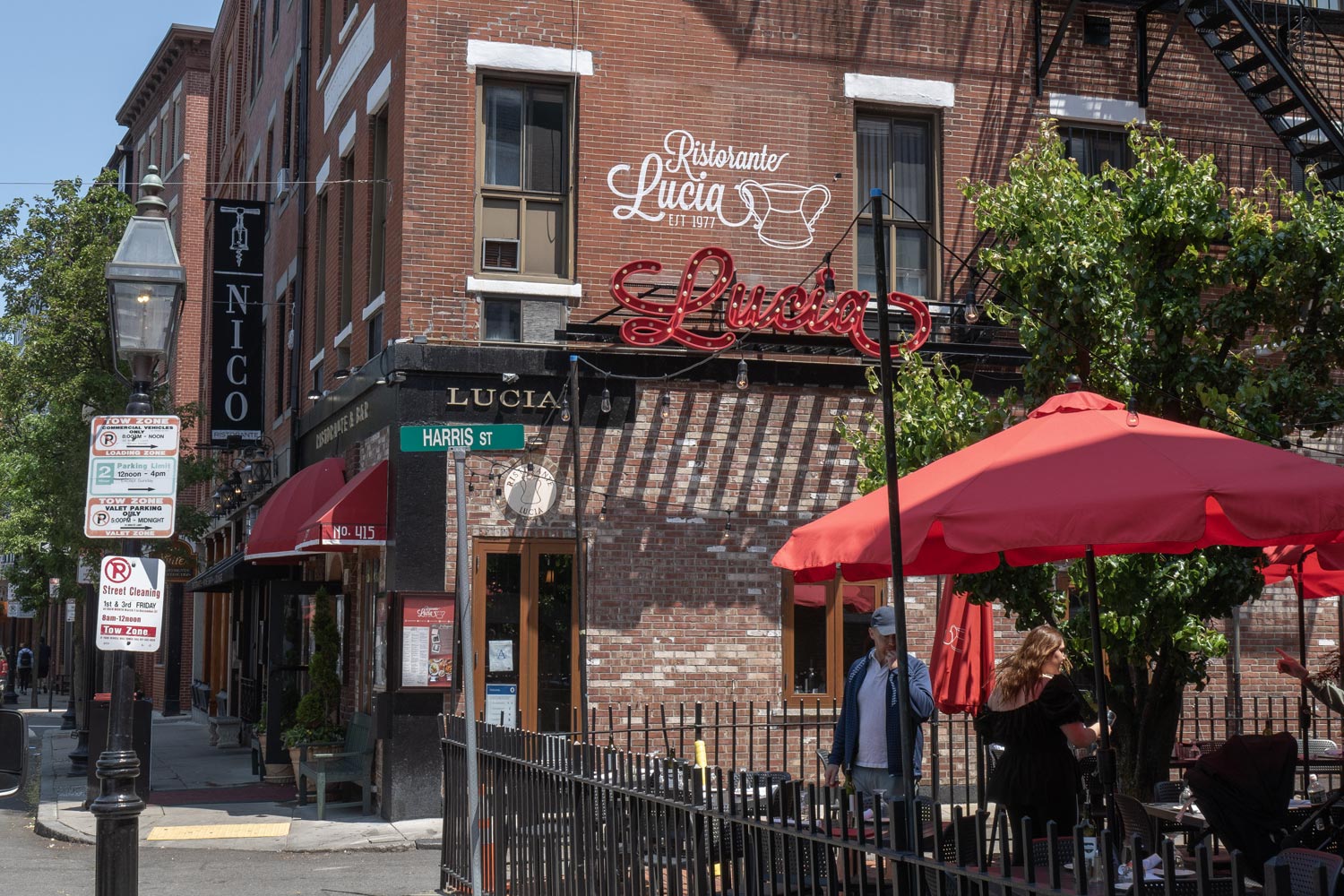
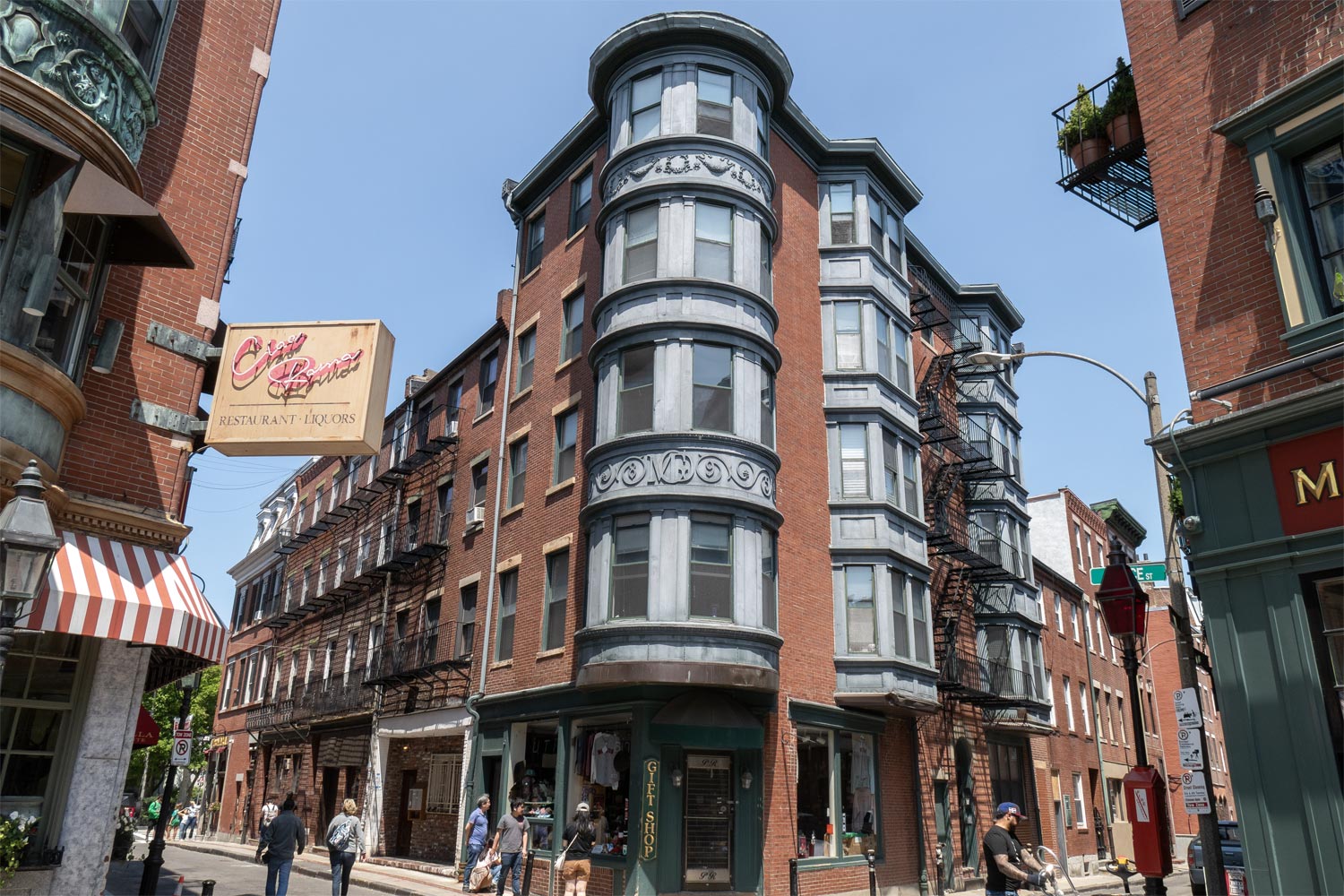
Some shops even style their signs to look like they’re from the 19th century so as not to spoil the city’s design.
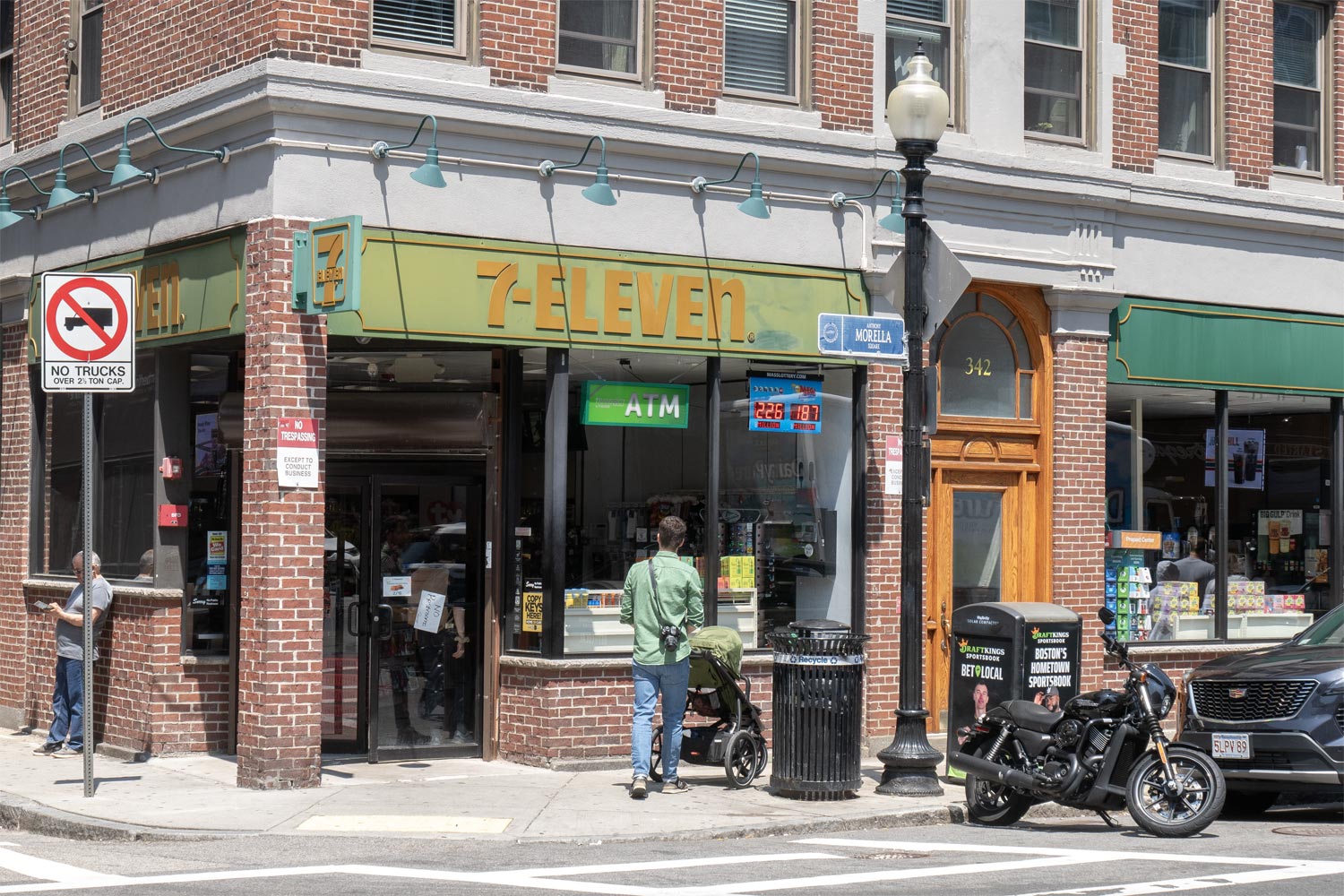
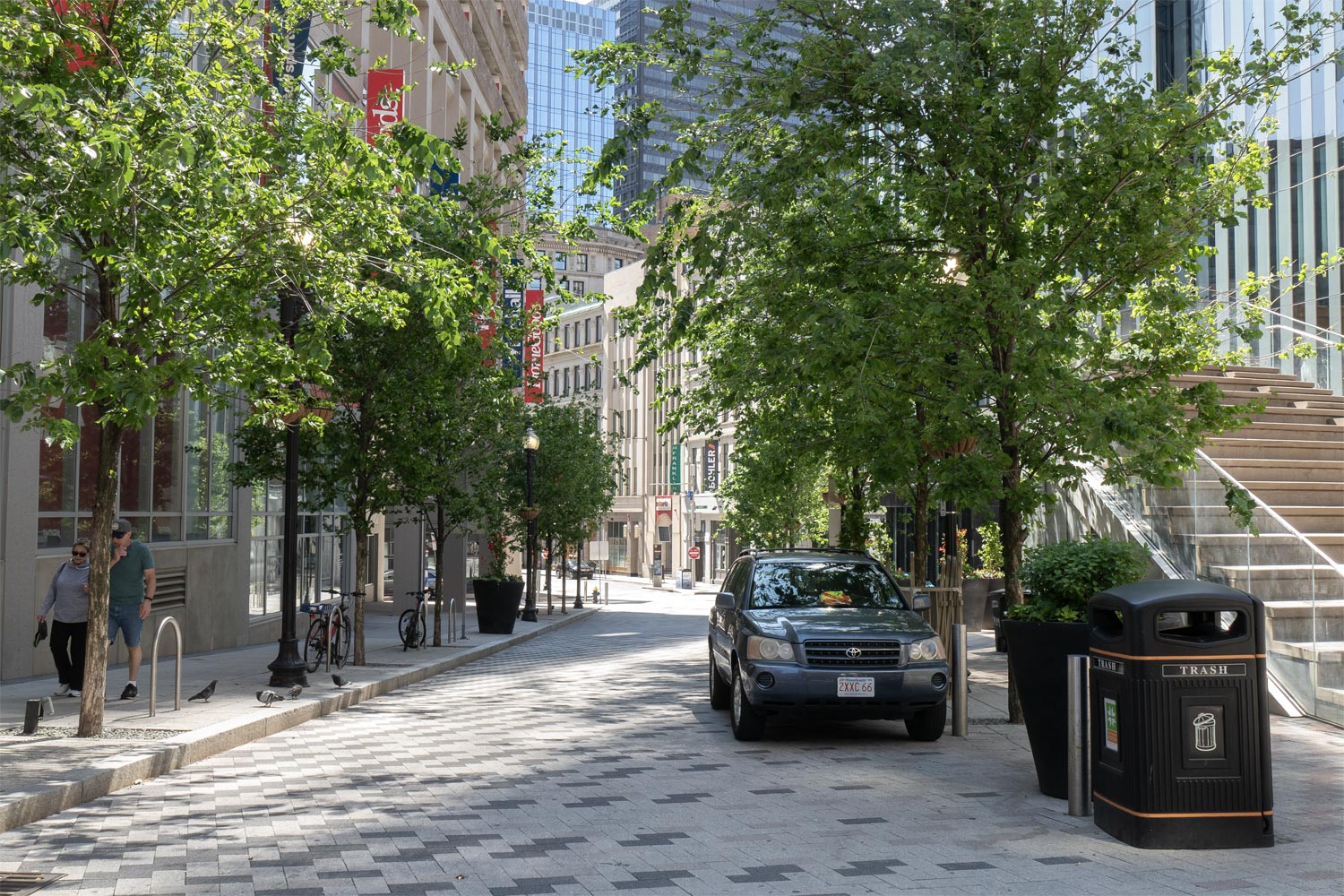
On some streets you wouldn’t even be able to tell that they’re in America.
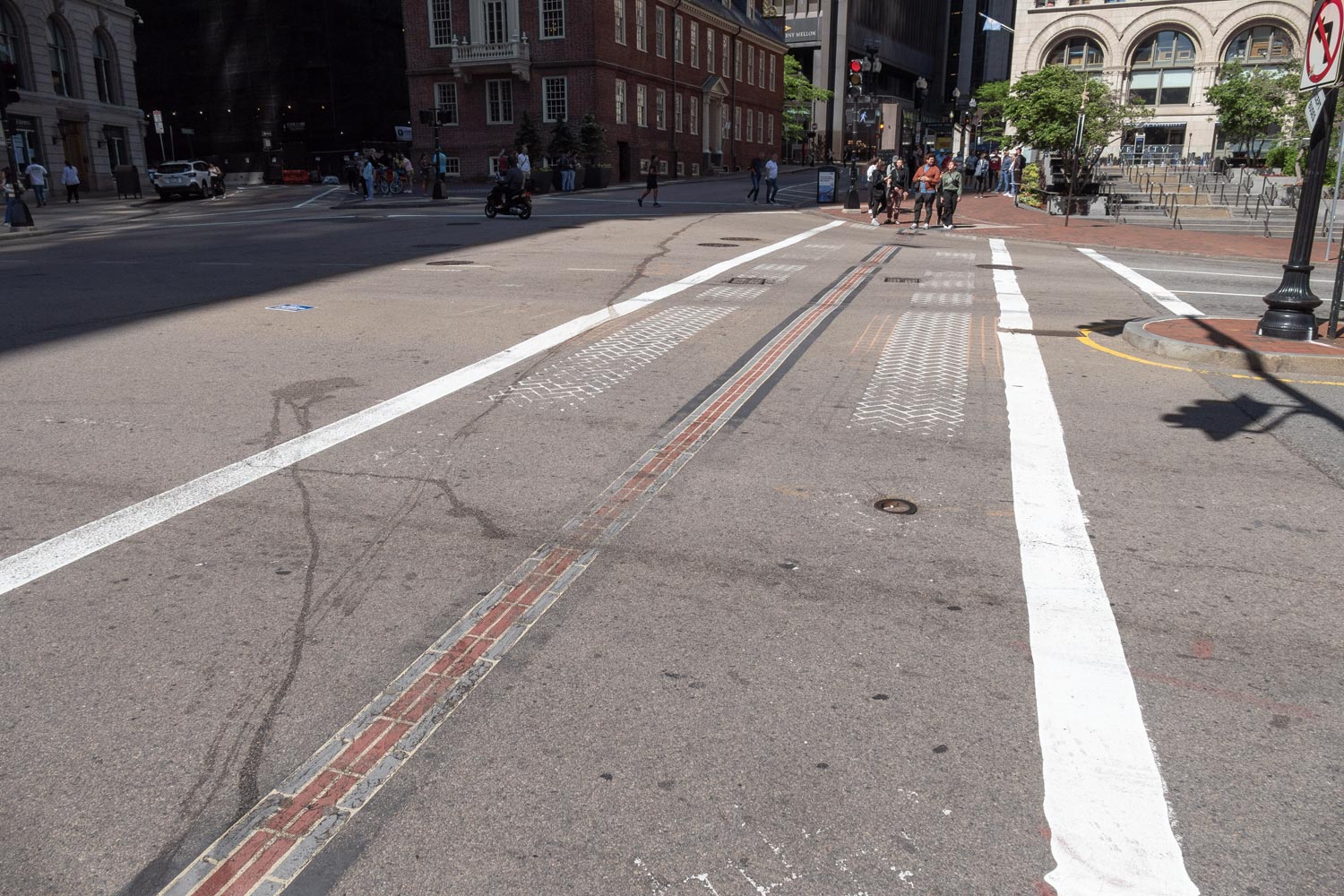
Boston is so European that an official tourist route runs through the city. It’s called the Freedom Trail, goes past all the city’s landmark sites, and is laid right into the sidewalk as a line of red bricks.
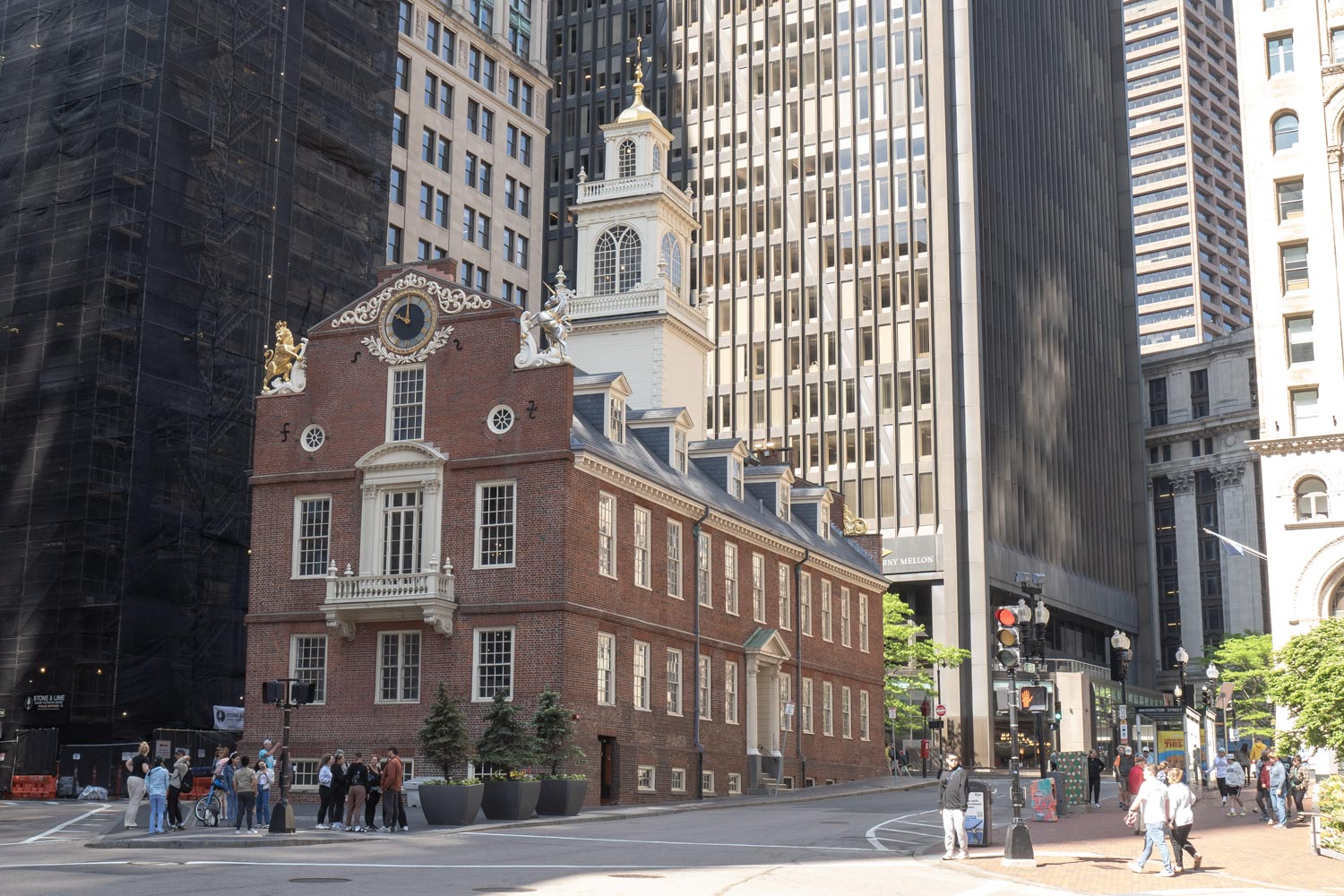
The main point on the Freedom Trail is the Old State House, where the colonial government once met. It was from the balcony of this building that the Declaration of Independence was first read aloud.
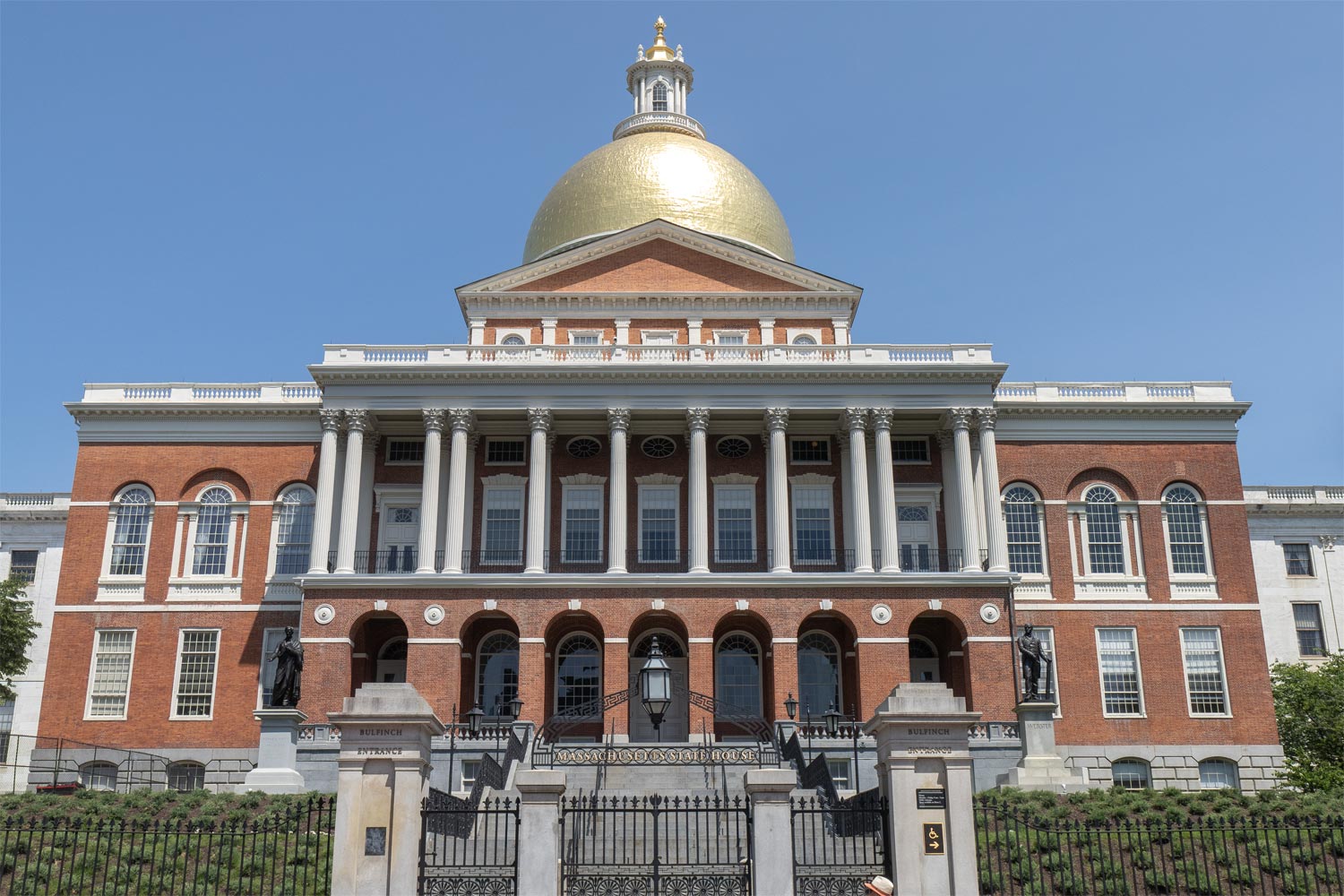
The new Capitol looks much more impressive.
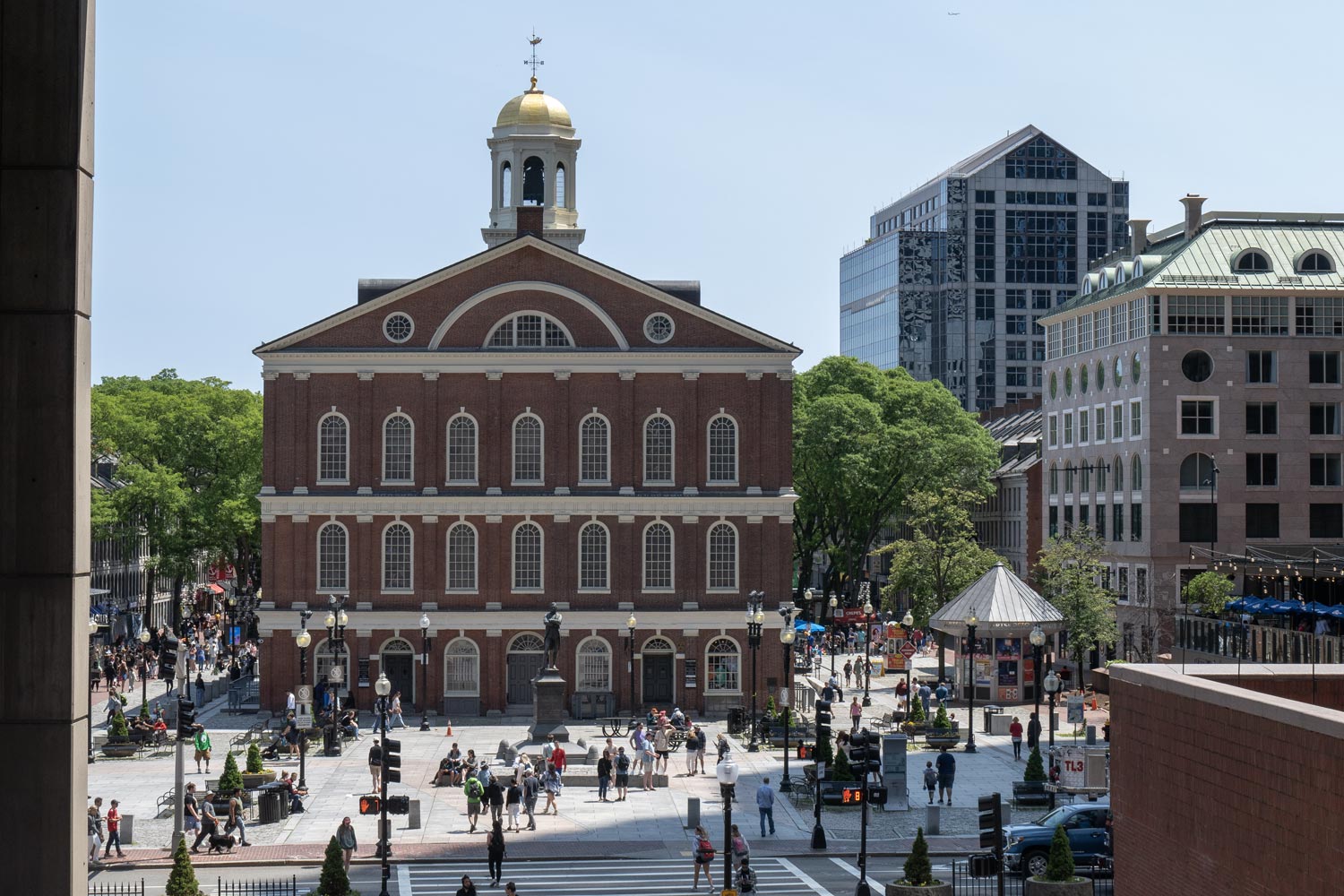
Another important point along the trail is Faneuil Hall, where speeches were delivered and meetings were held in protest against British taxes.
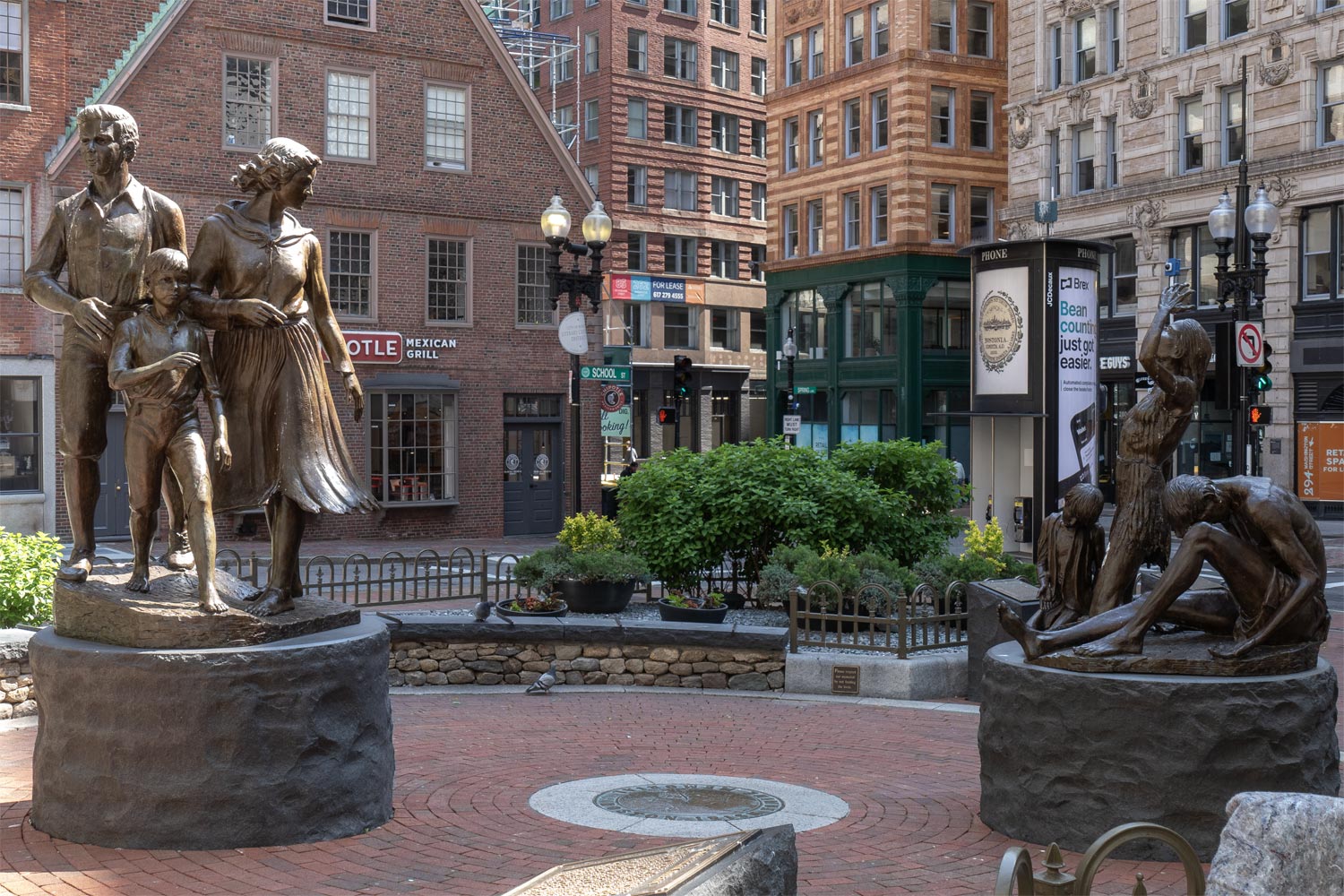
In short, Boston’s atmosphere is all about classic English brick, bourgeois façade decor, and a muted, restrained style that makes it feel like a city-size bookcase.
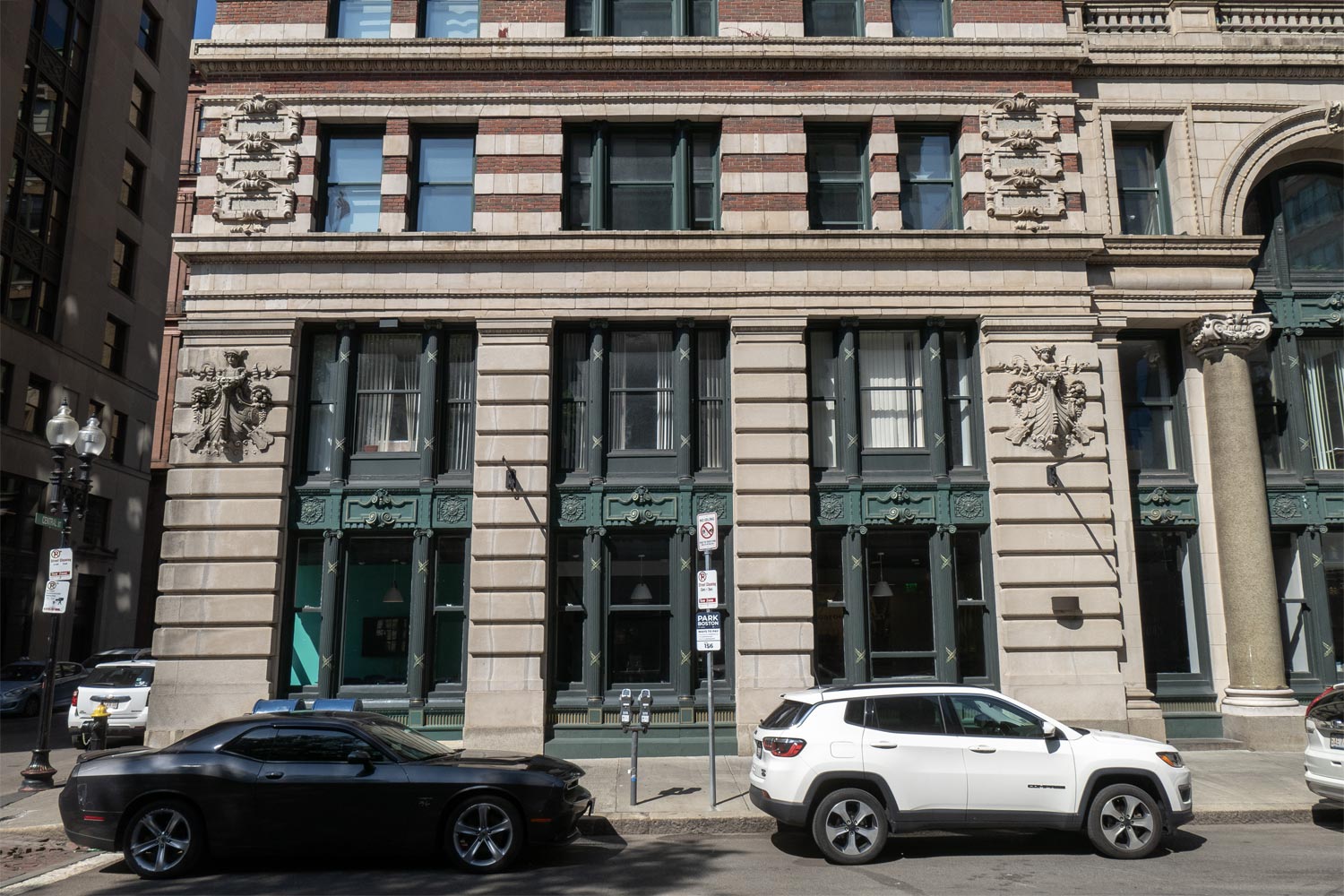
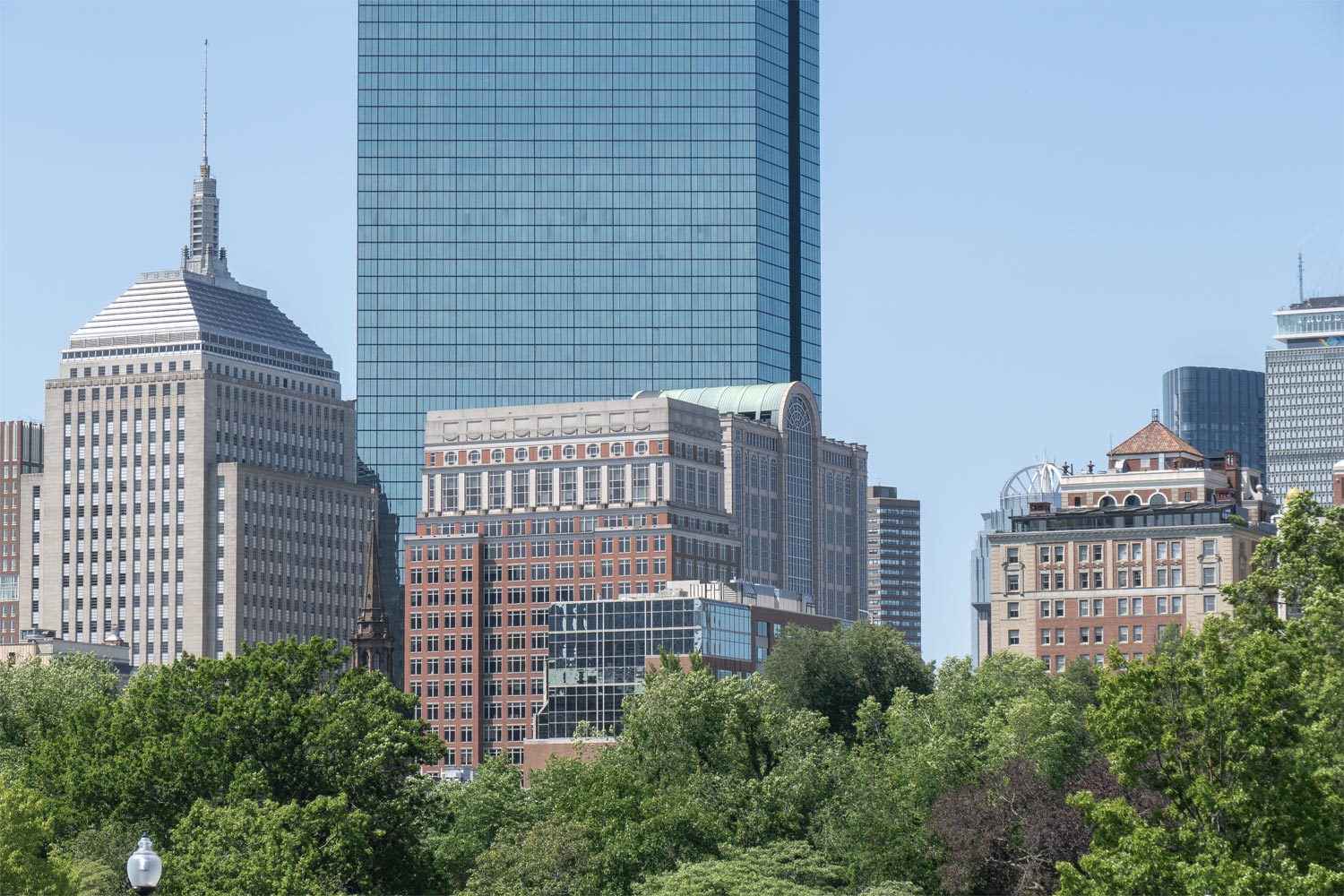
Of course, Boston couldn’t do without skyscrapers. As in New York, they only serve to highlight the historical details against their backdrop. Old brick against gleaming glass — what could be better?
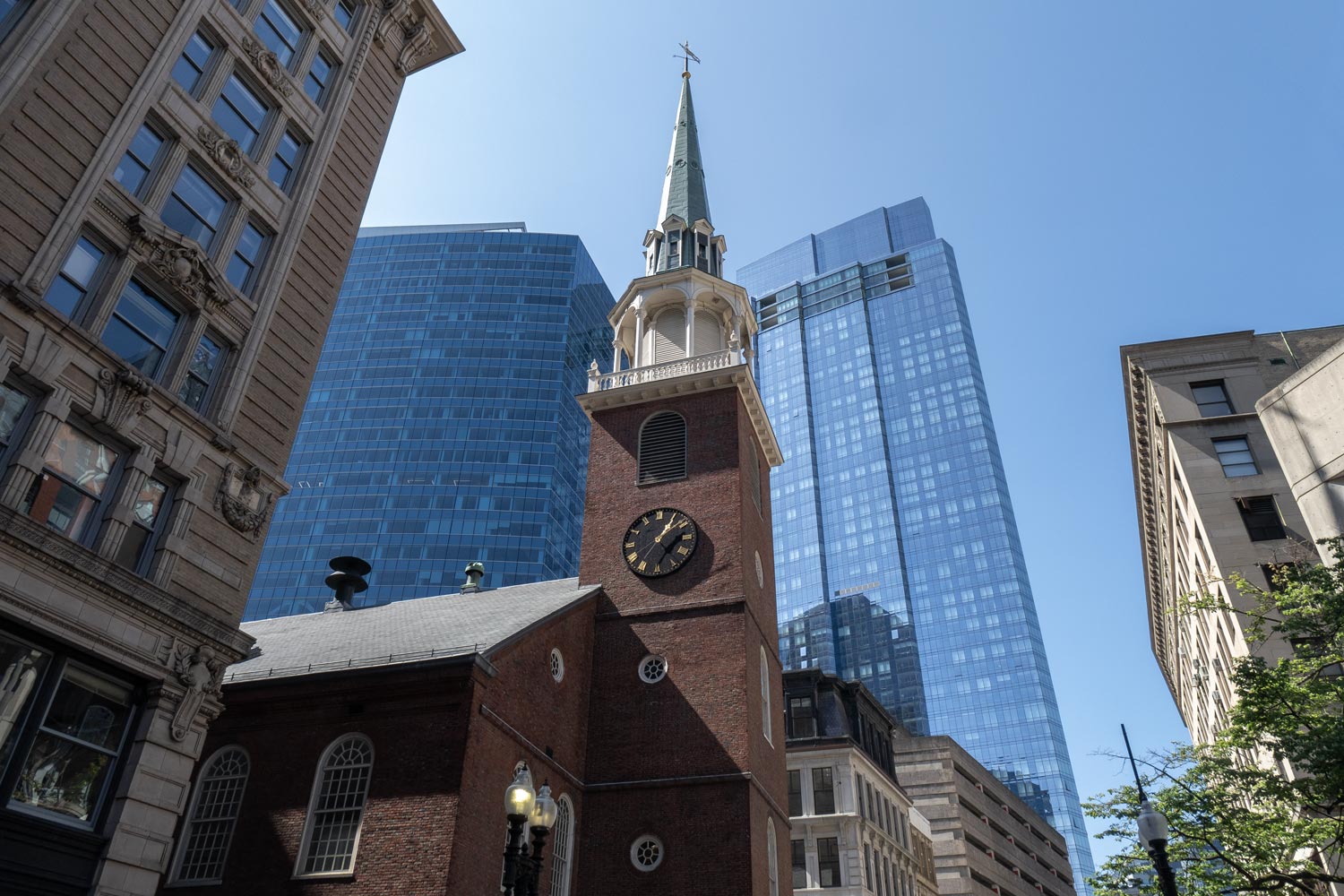
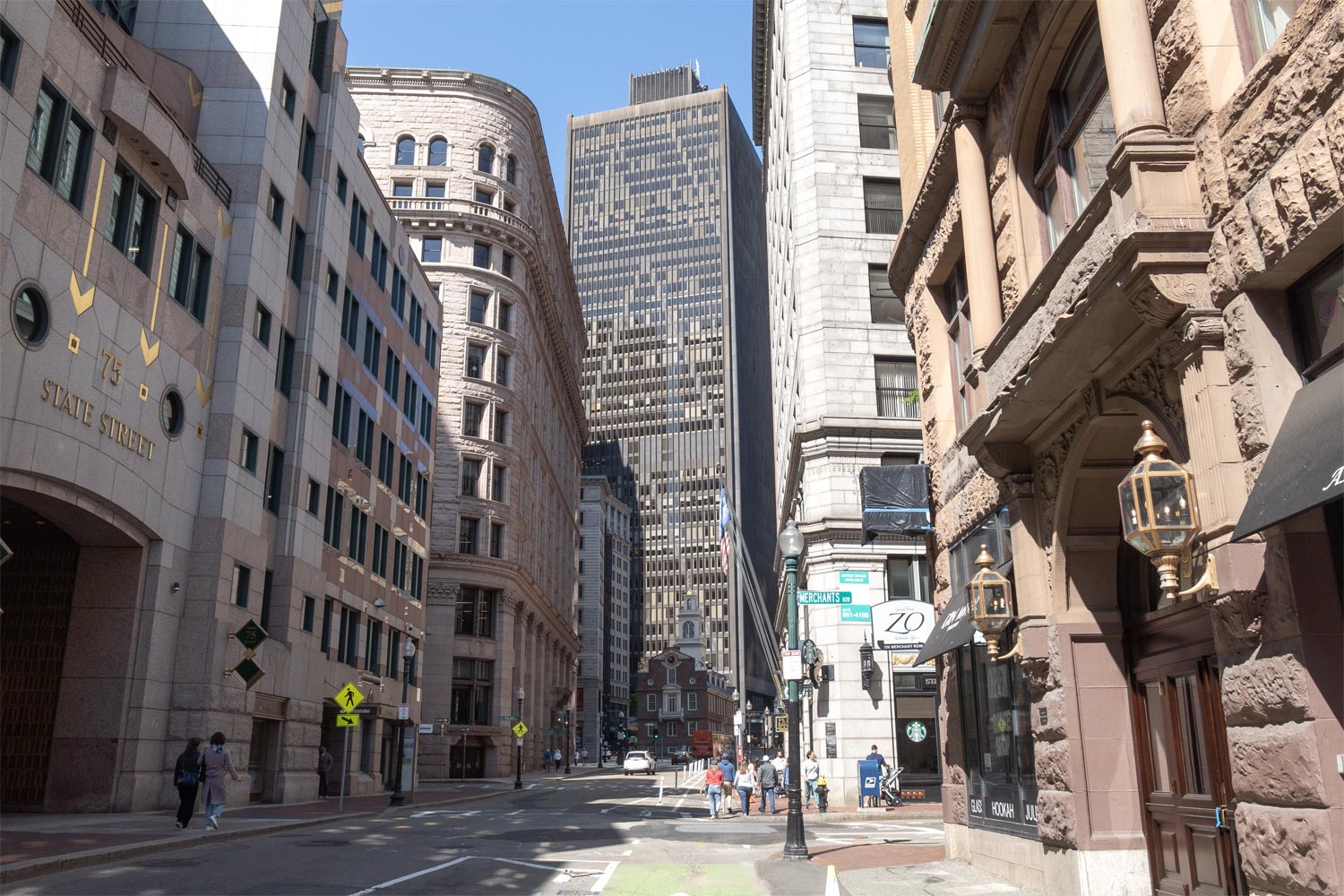
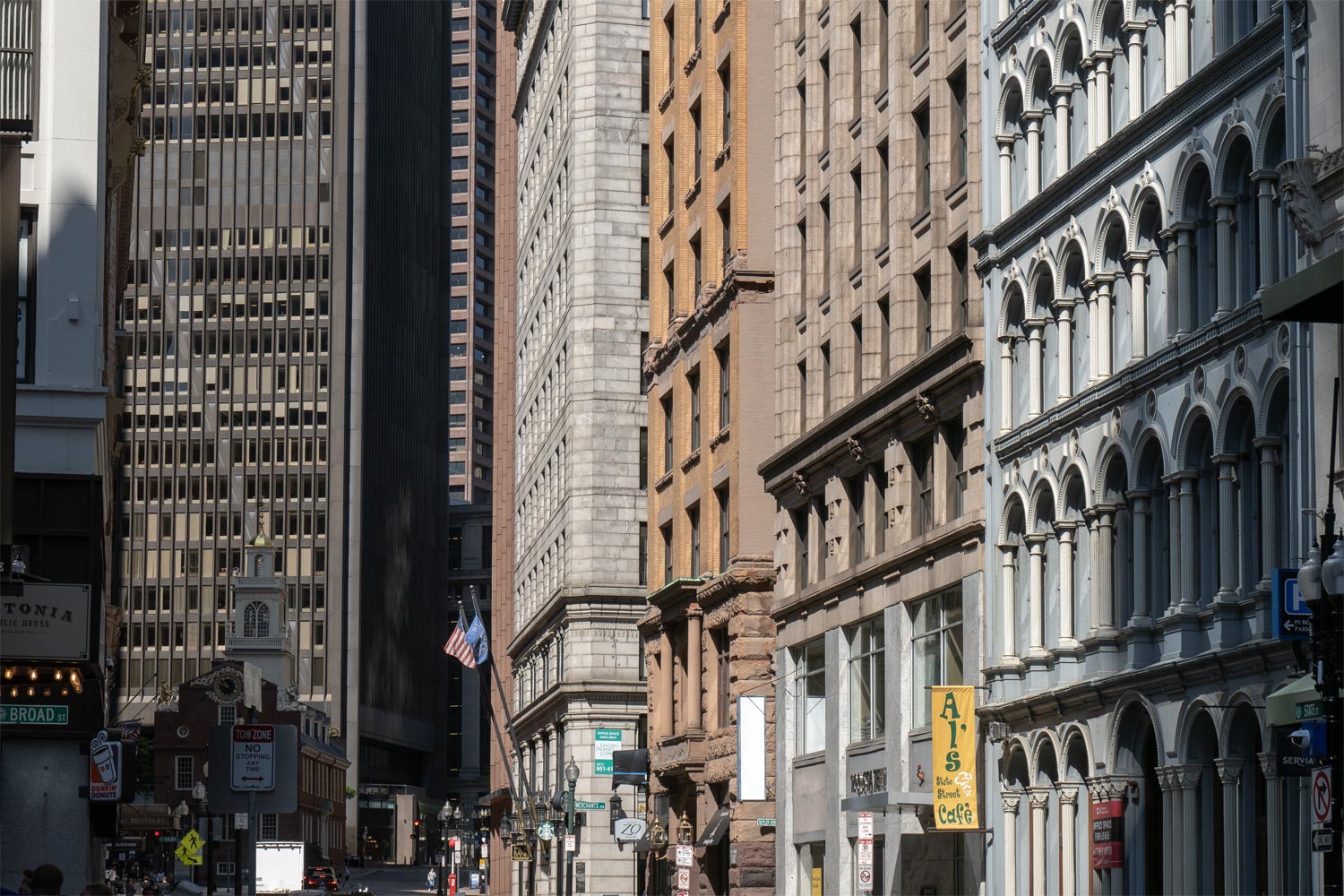
Many skyscrapers are reminiscent of those in New York. The muted beige, brown, and gray tones are the neoclassical style.
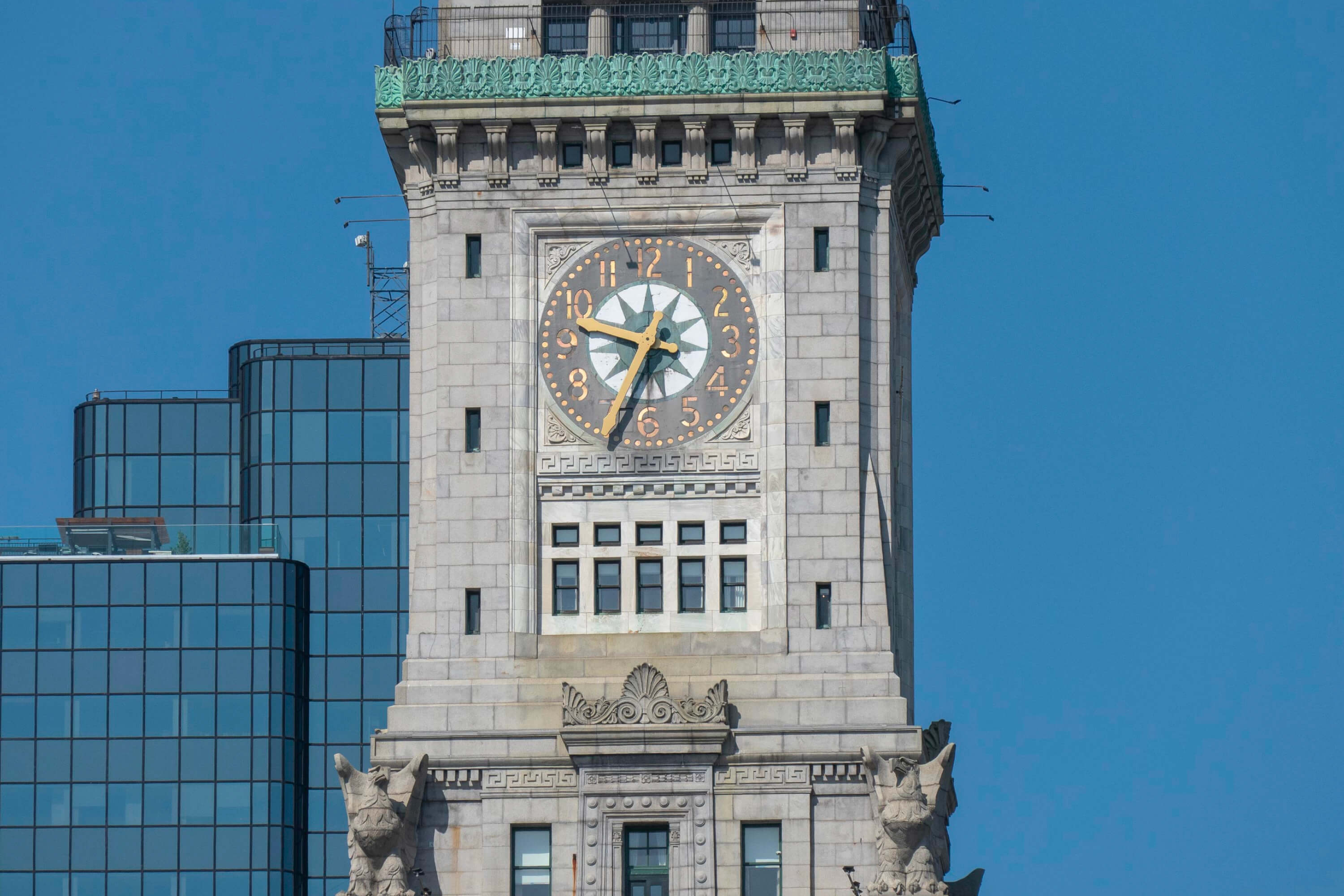
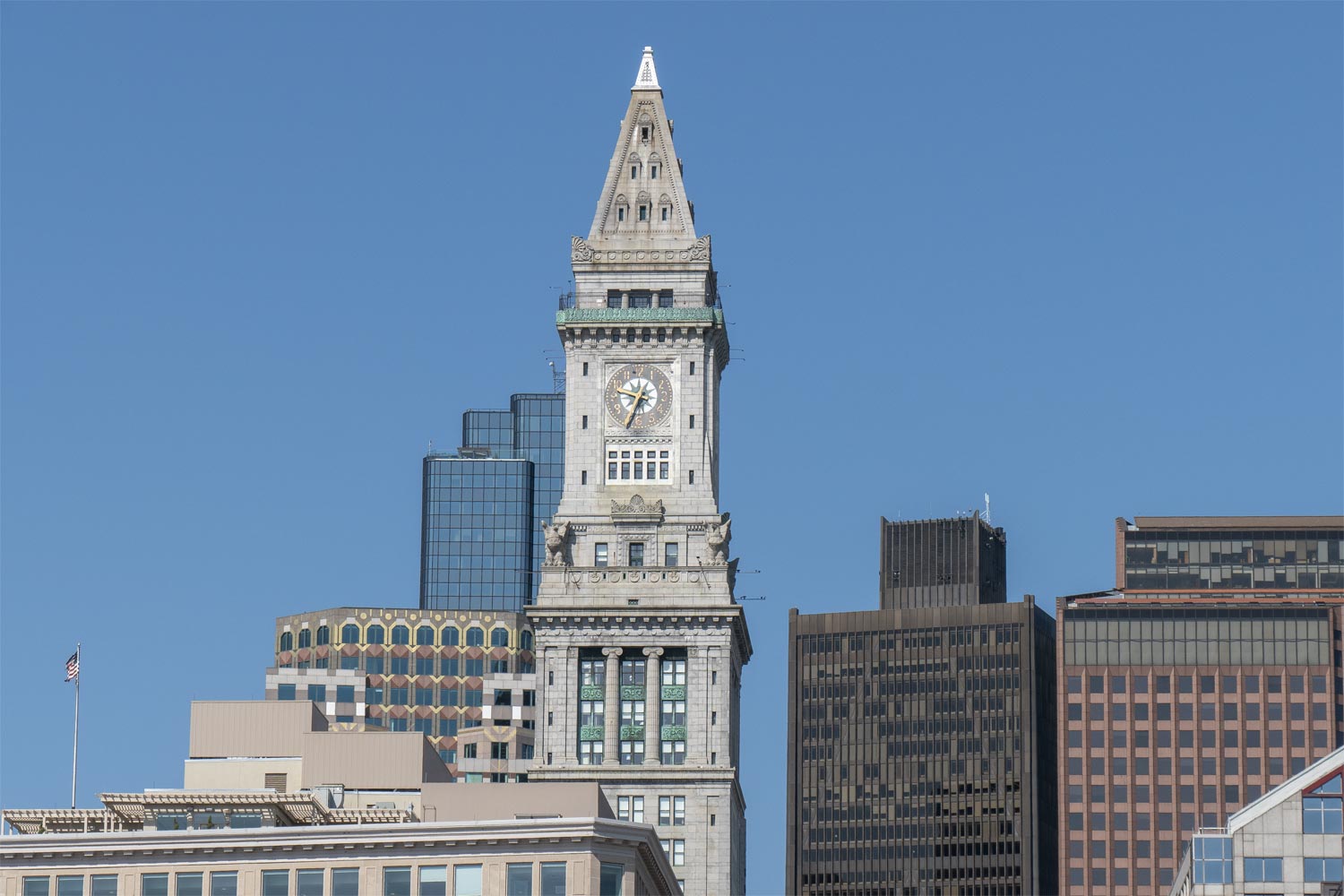
The Customs House Tower is Boston’s most recognizable skyscraper, built in 1915.
Small details lighten the atmosphere. On one of the streets we found a free library. Anyone can take a book and leave one of their own in return.

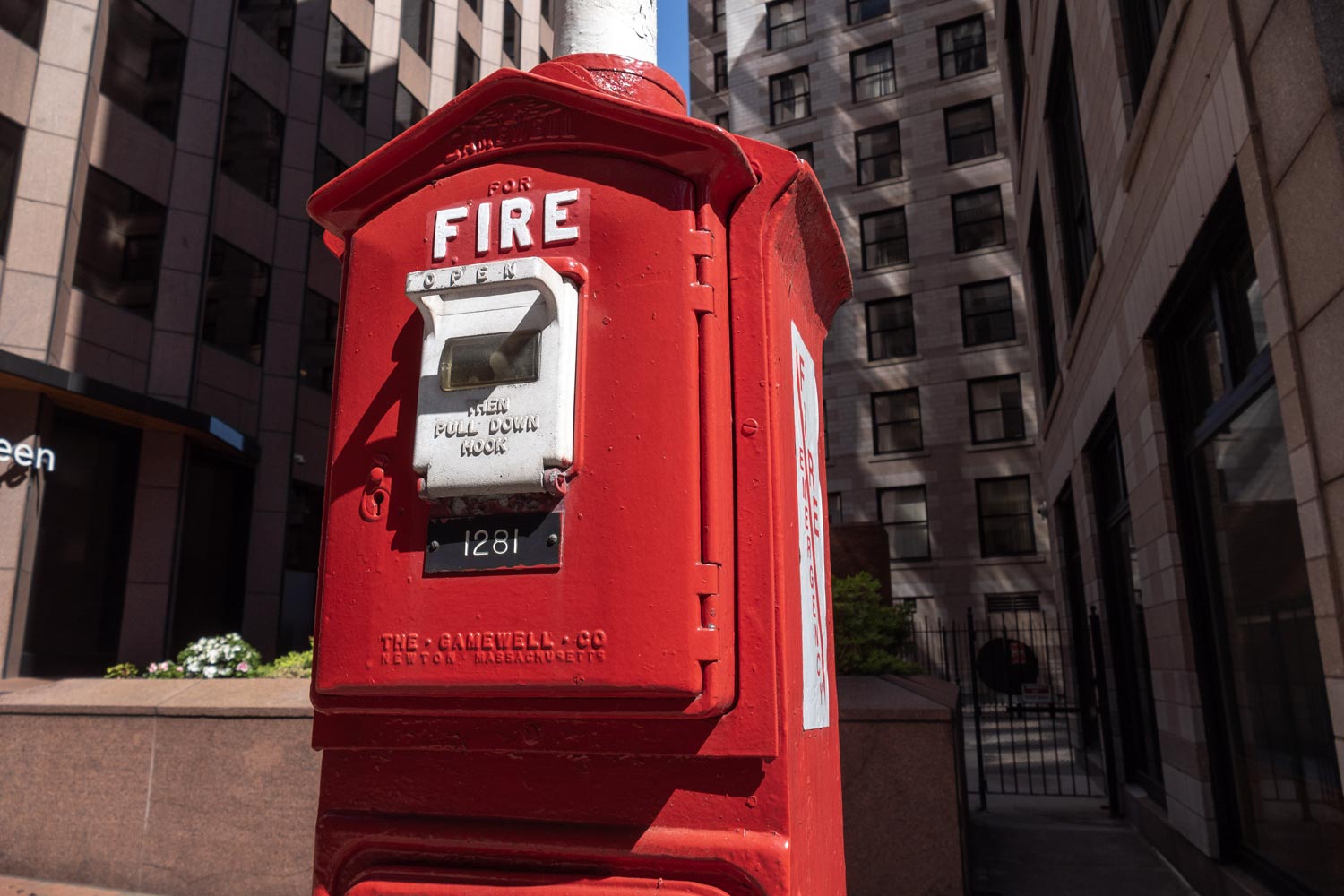
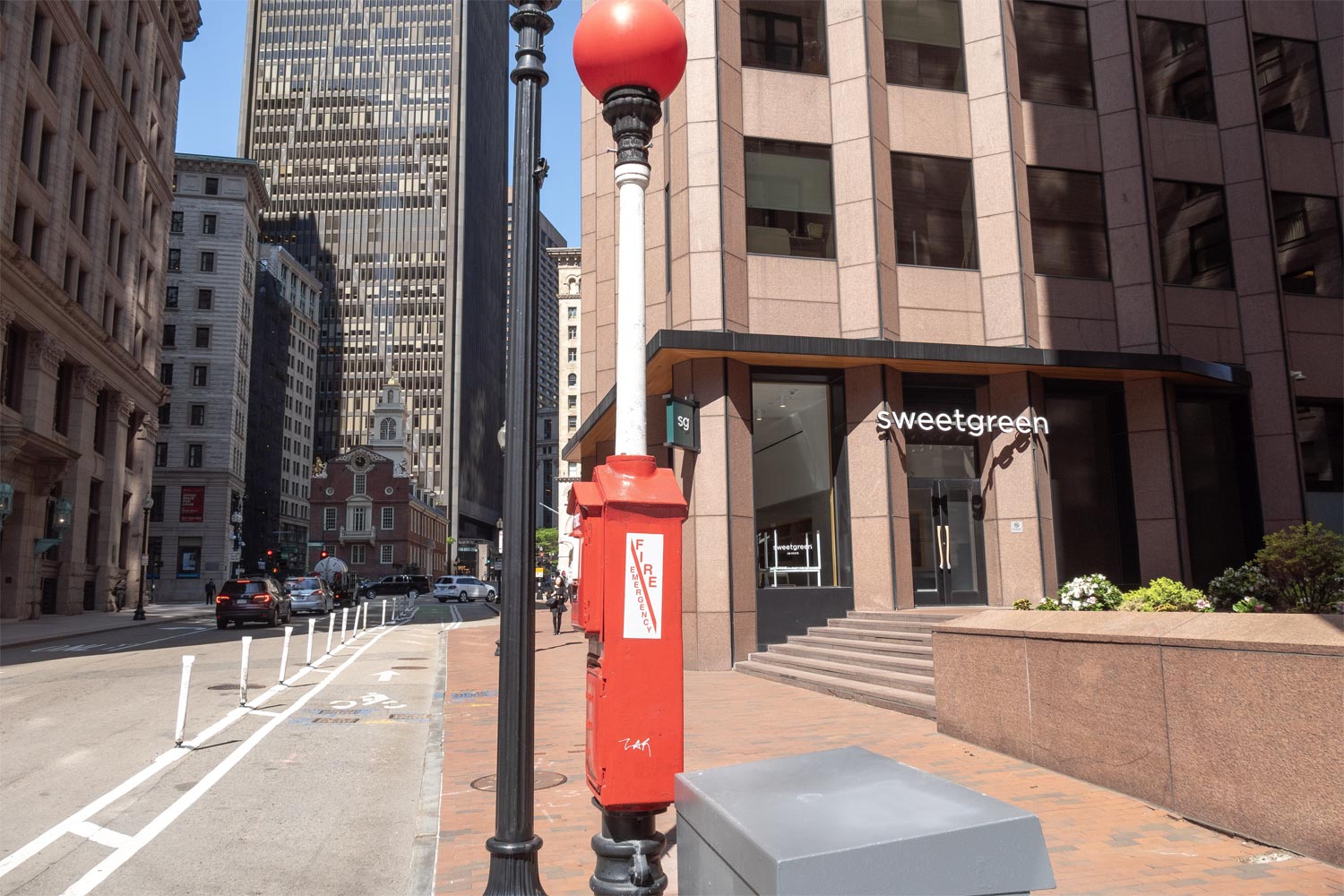
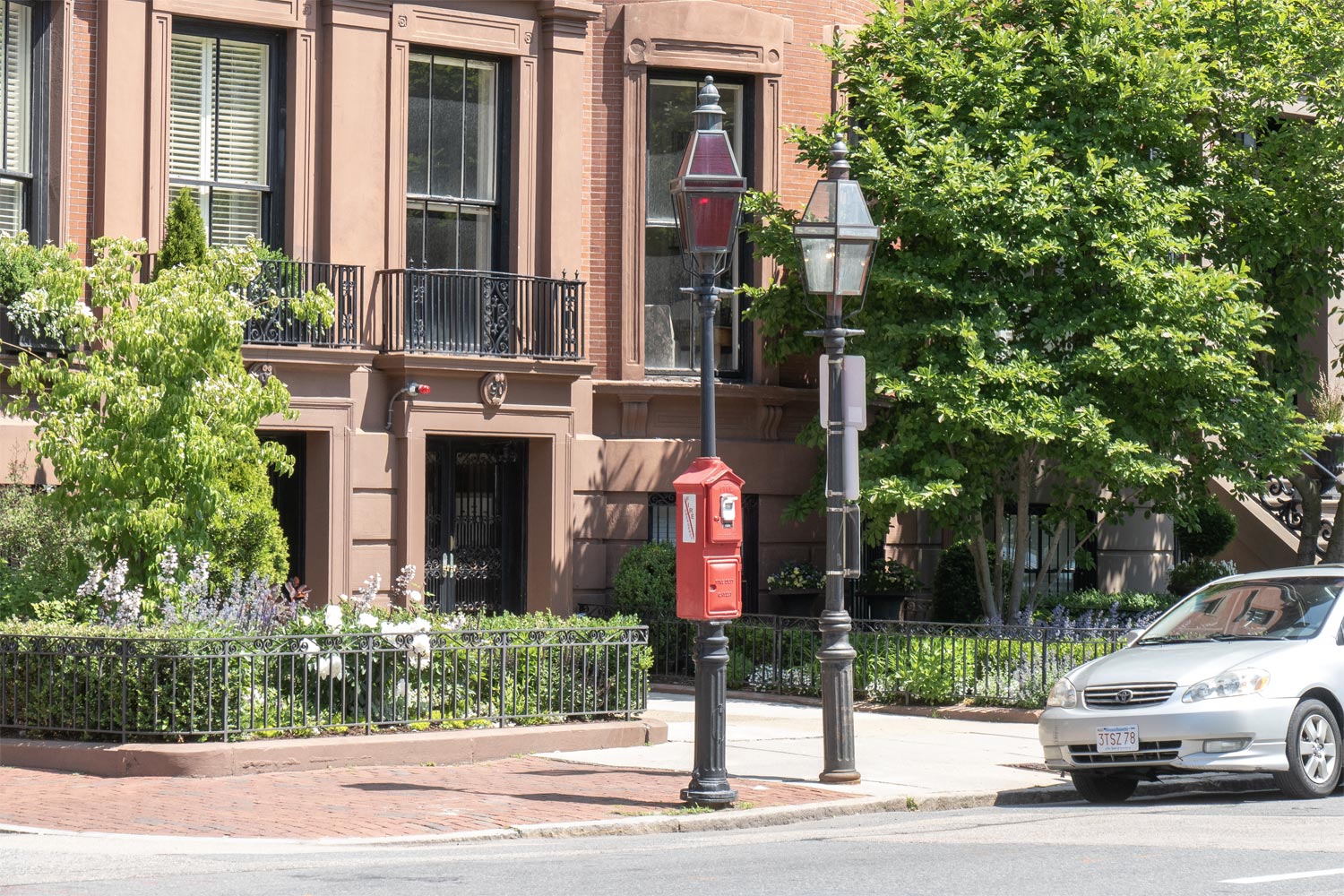
The first fire alarm system in the world was created in Boston. The old red boxes are still standing around the city. In case of fire, you had to pull the lever — then the device would send a signal to the fire department by telegraph, and a red light above the box would turn on.
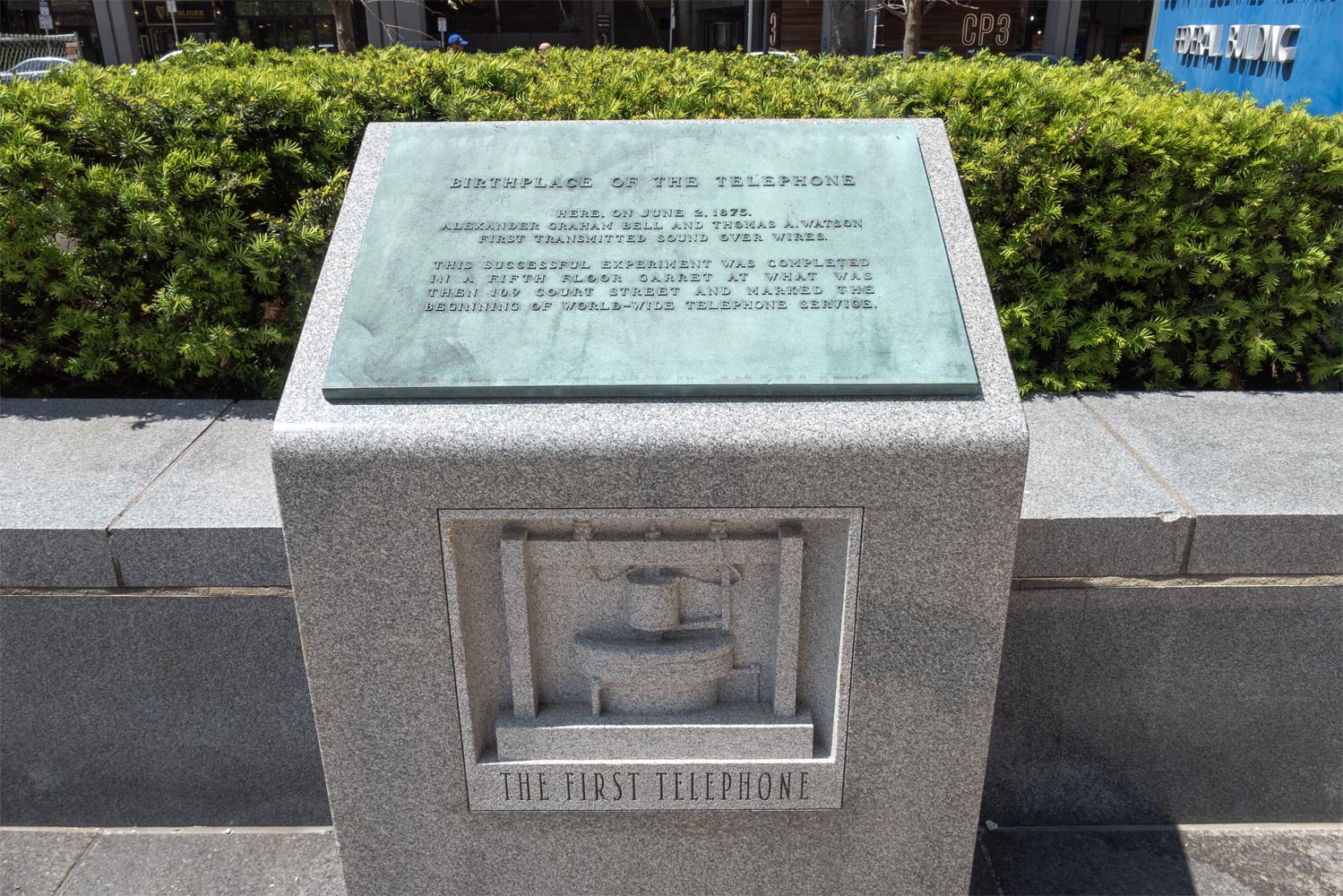
Alexander Bell, the inventor of the telephone, also worked here. He conducted his first successful experiment on Boston’s central square in 1875.
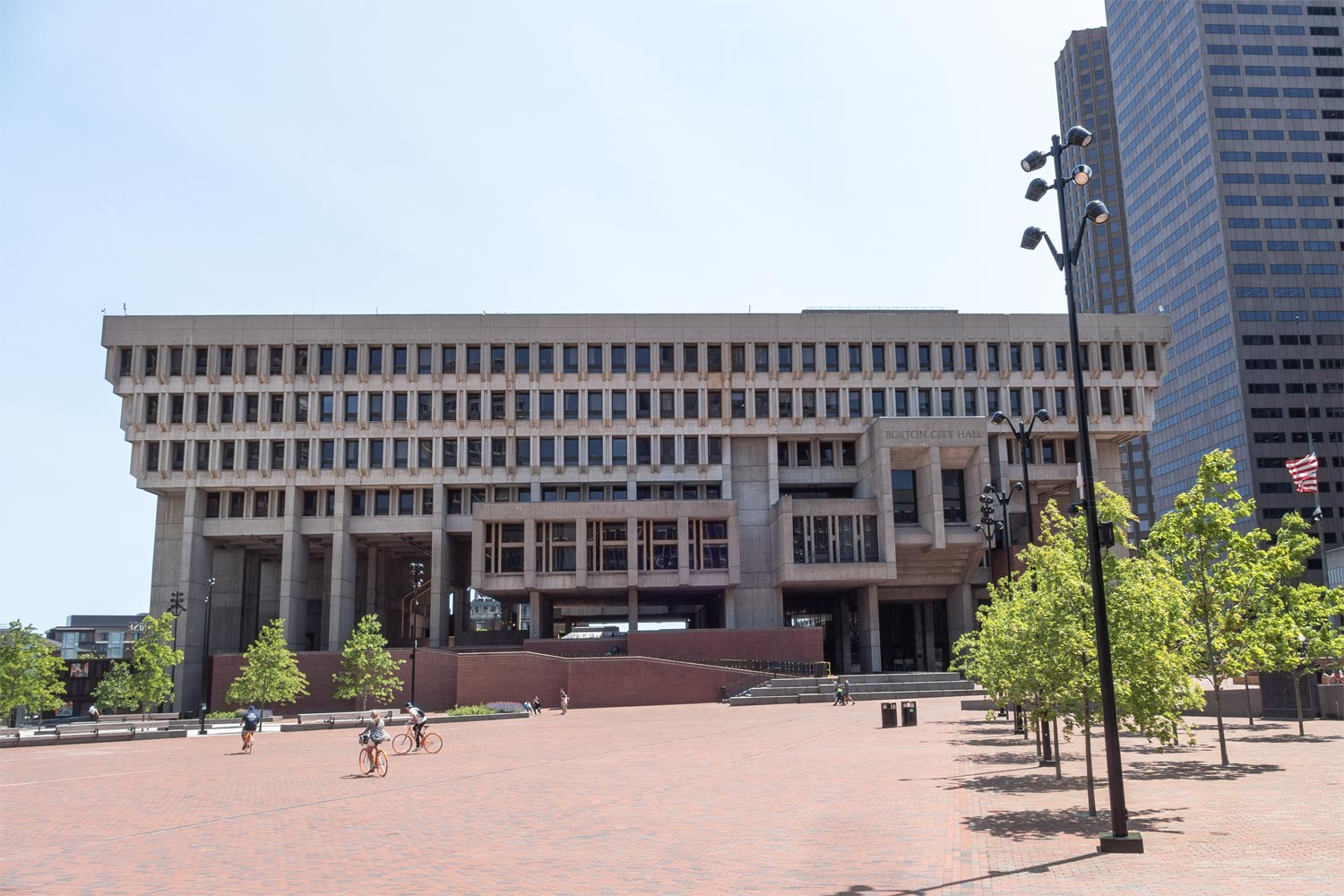
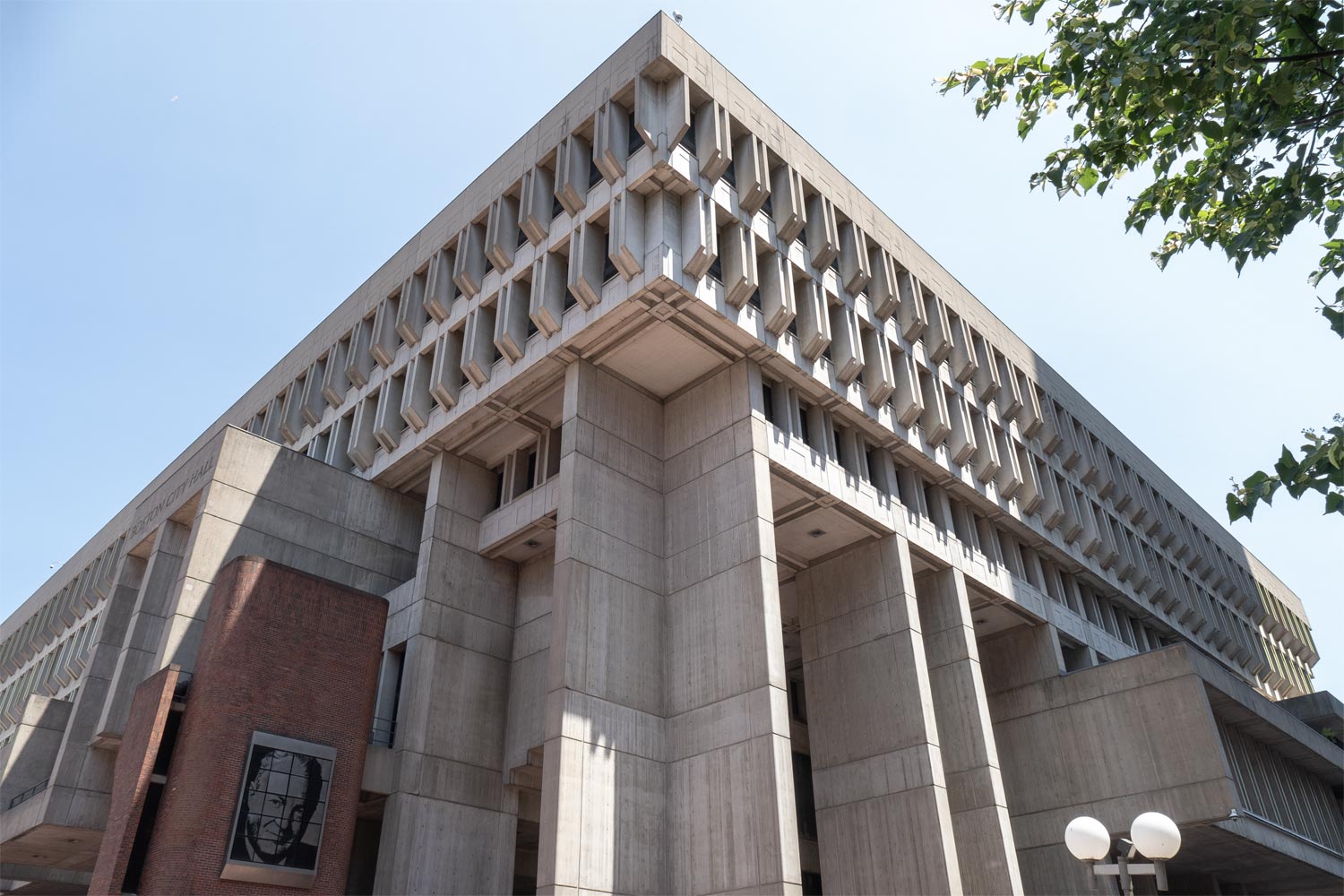
The bad apple in the Boston’s barrel of tea is the City Hall building. In the 1960s, a wave of modernism that had come from Europe and the USSR swept across the United States. In many cities they began putting up concrete boxes that were considered progressive architecture.
Trouble didn’t spare Boston either. In the city center, amid all those beautiful colonial houses and marvelous skyscrapers, there now stands an incredible eyesore in the Brutalist style. The Bostonians themselves hate this building and have long wanted it torn down.
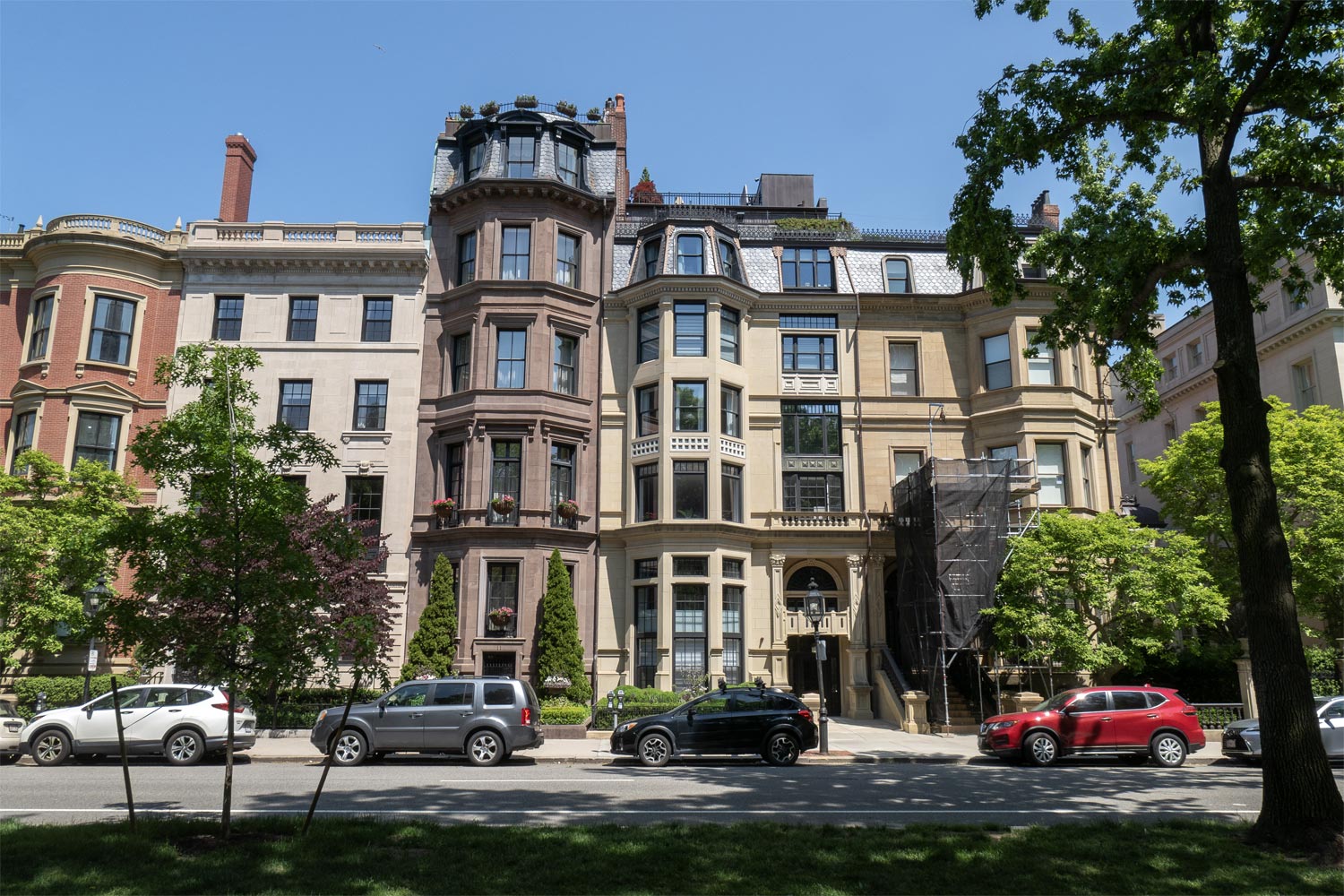
Not far from the center, upscale residential buildings begin. This is the best neighborhood in Boston, Beacon Hill. Apartments in a building like this can have a dozen rooms and living rooms with a fireplace, and they cost millions of dollars.
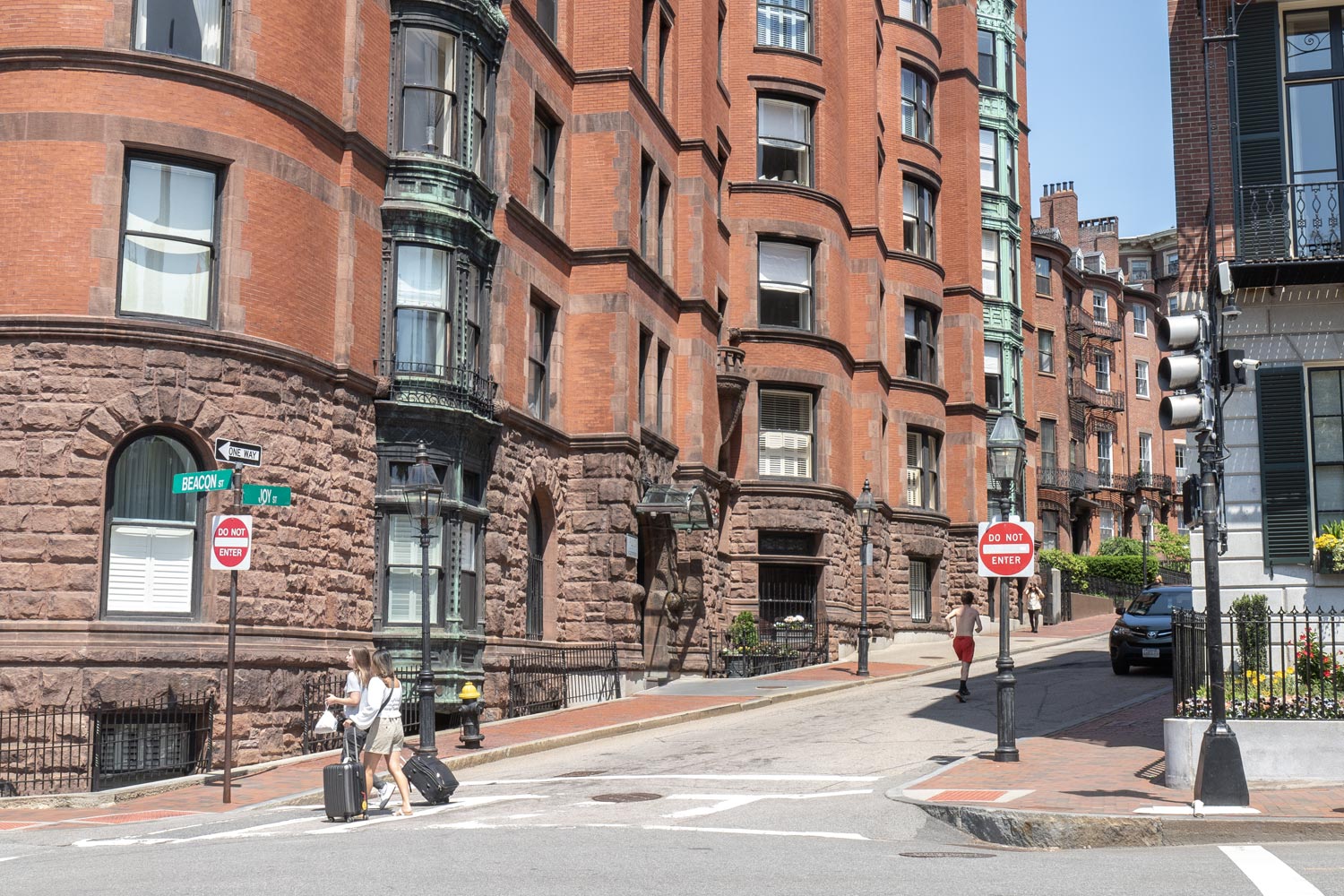
Beacon Hill faces Boston Common.
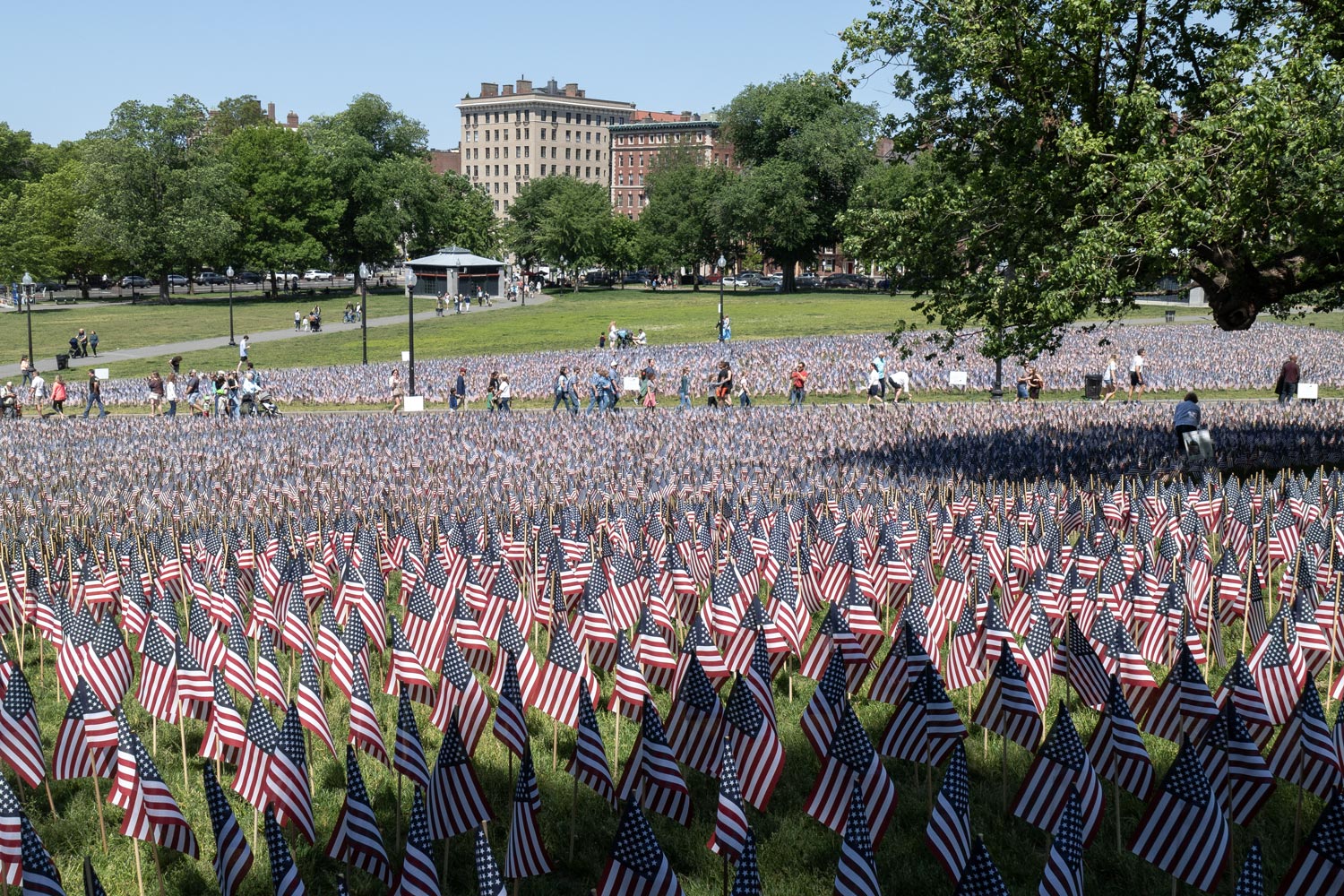
The park is much smaller than the one in New York, but on Memorial Day they stick an insane number of American flags all over it.

As for Harvard, its campus is located a bit away from Boston. More precisely, Harvard is in its satellite city, Cambridge. Another kind of American humor.
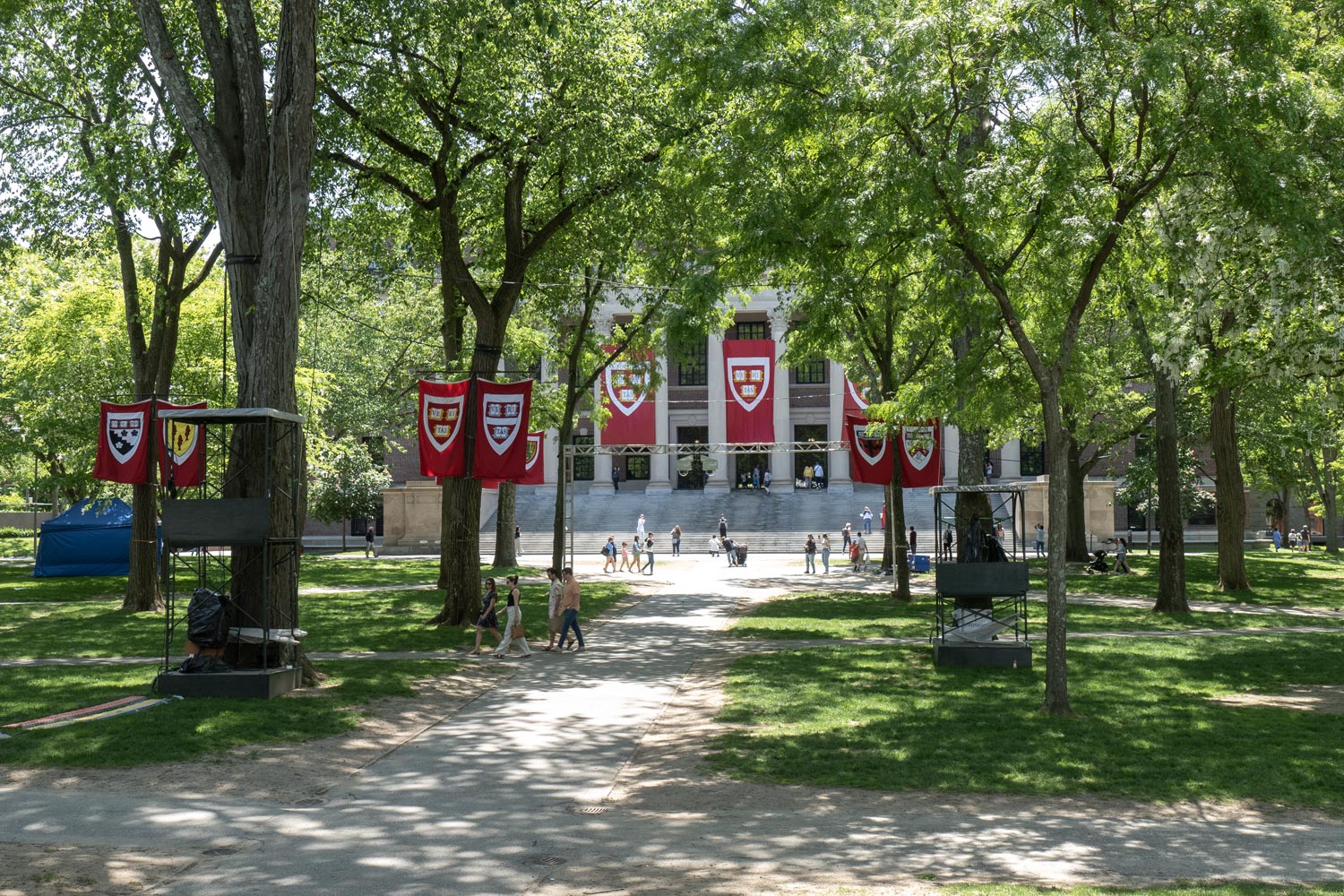
Major U.S. universities are modeled after those in England. Harvard, like Oxford, is not one large building like Moscow State University, but an entire university town.
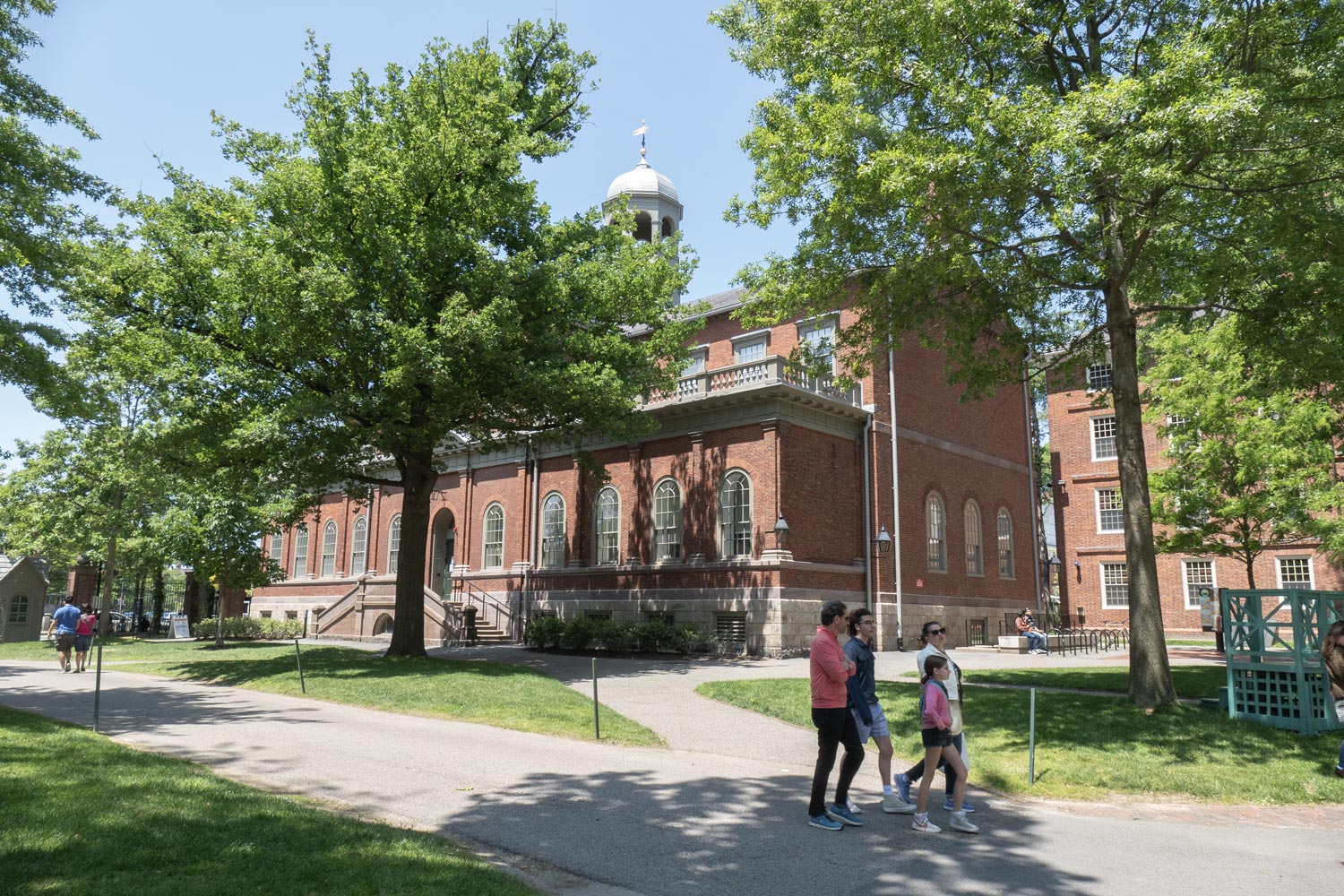
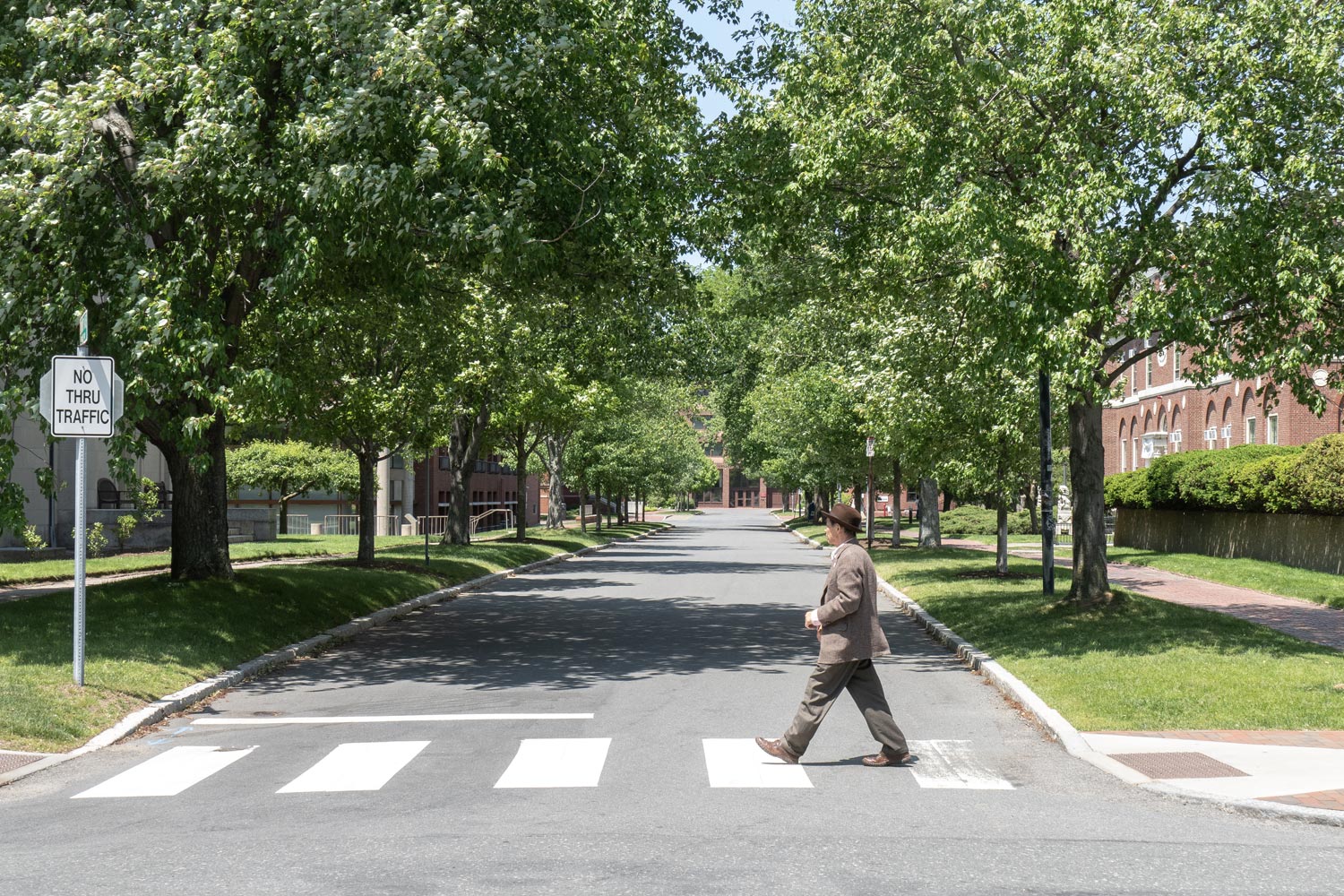
It seems the students live on Harvard’s grounds themselves, while the professors live in a nearby town. In any case, the campus is constantly teeming with colorful characters straight out of the 19th century.
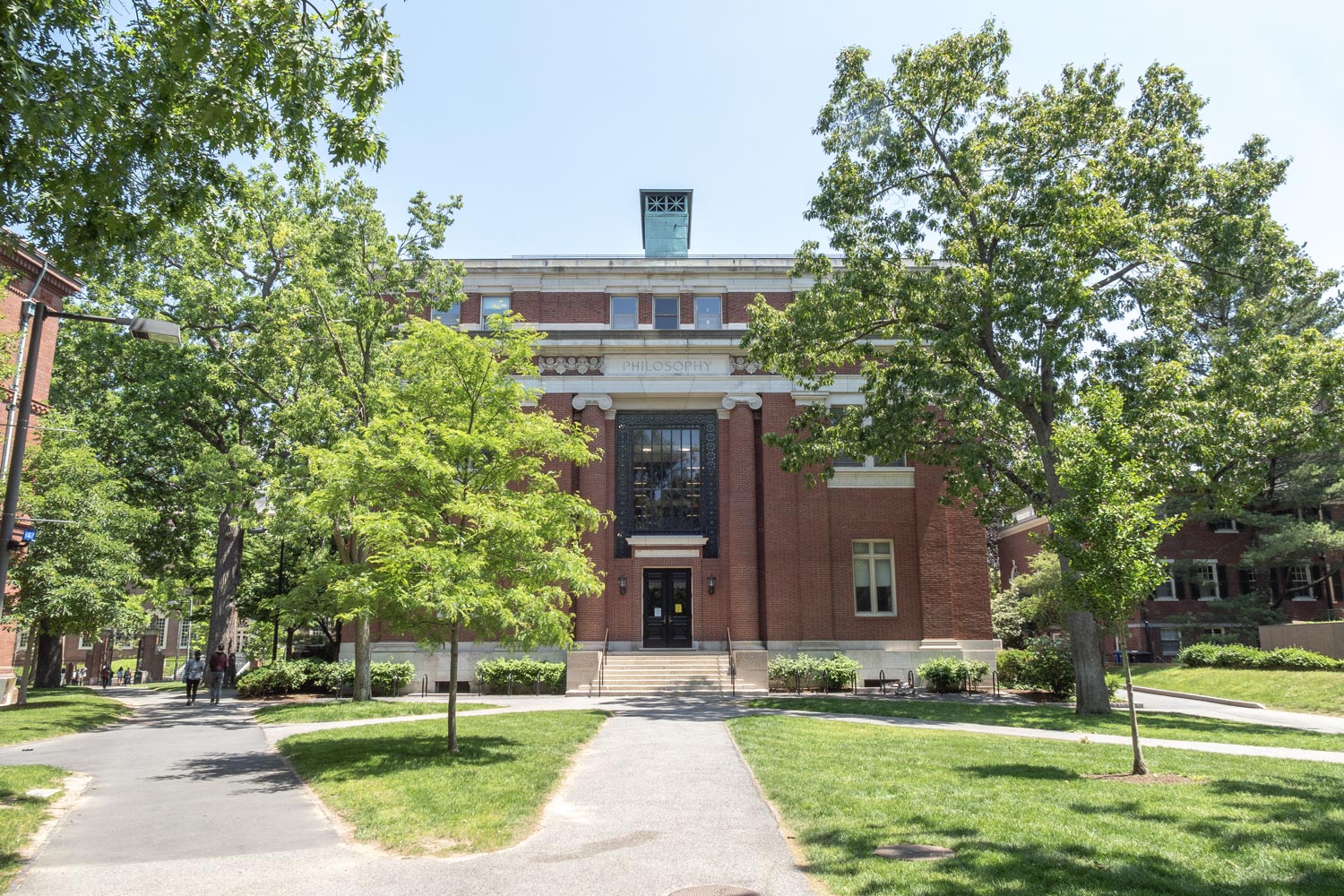
Each faculty is located in a separate building or even in a complex of buildings. Faculty of Philosophy:
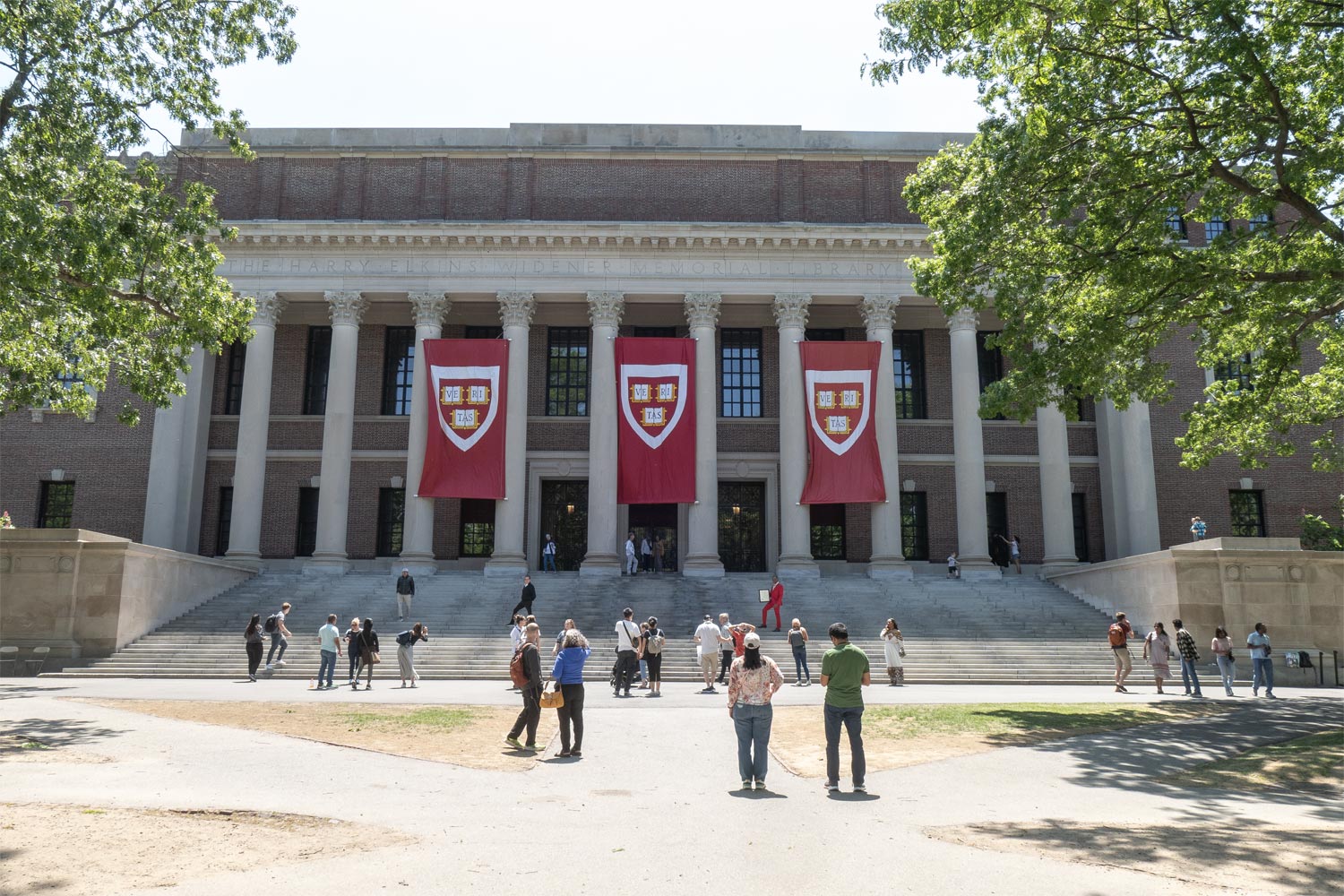
Library:
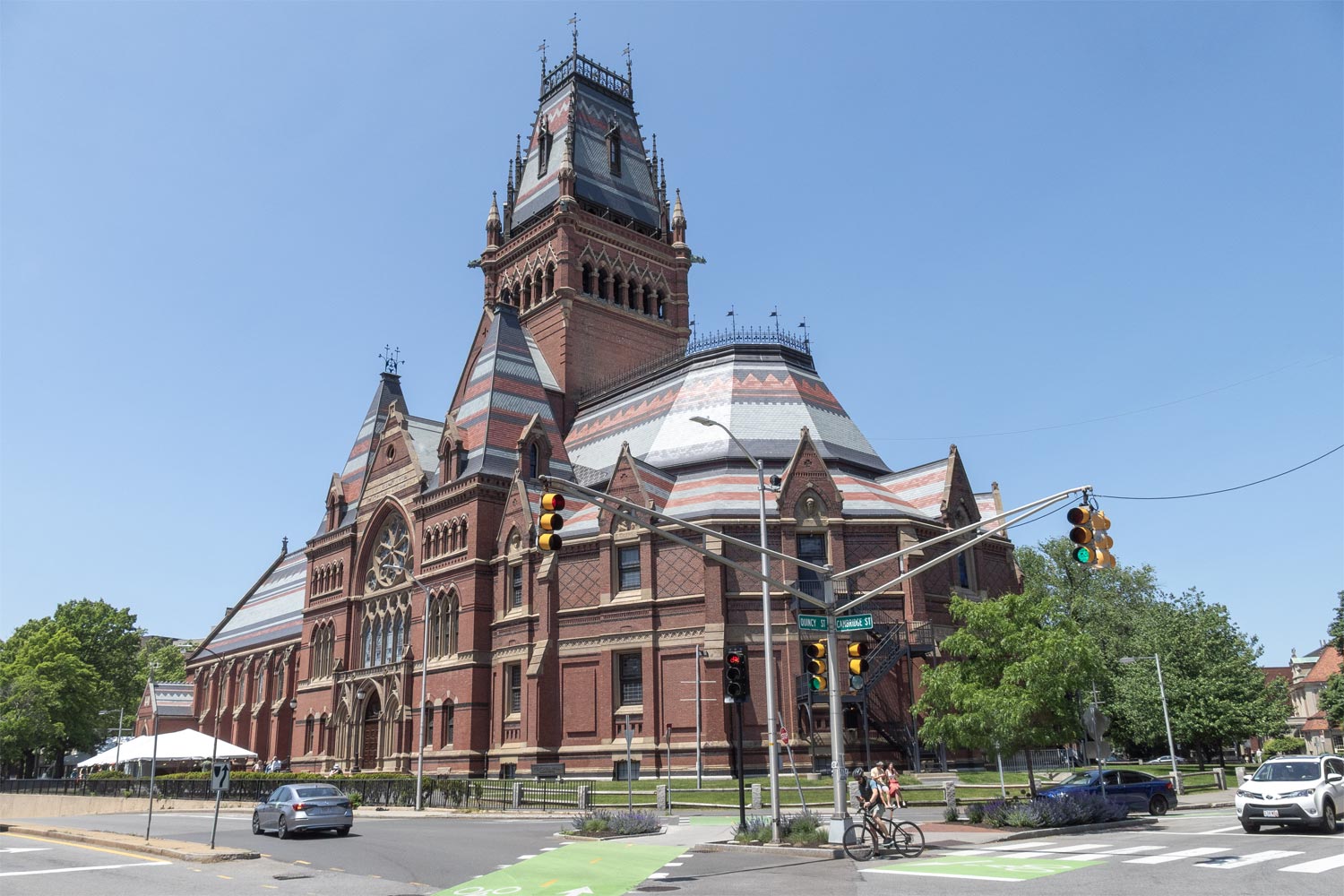
However, the grandest Harvard building — Gothic in style and with luxurious halls — is a student dining hall.