New York. Part Two. midtown and Harlem
Washington Square Park is the last bastion of downtown. Right after it, midtown begins.
The midtown is twice as big and sits in the middle of the island, so you can’t walk across it in twenty minutes. Walking along takes even longer: Central Park alone stretches for four kilometers and doesn’t come close to covering all of midtown.
Unlike downtown, midtown was built in the 20th century, so there isn’t even a hint of classic streets. Only the grid, only hardcore.
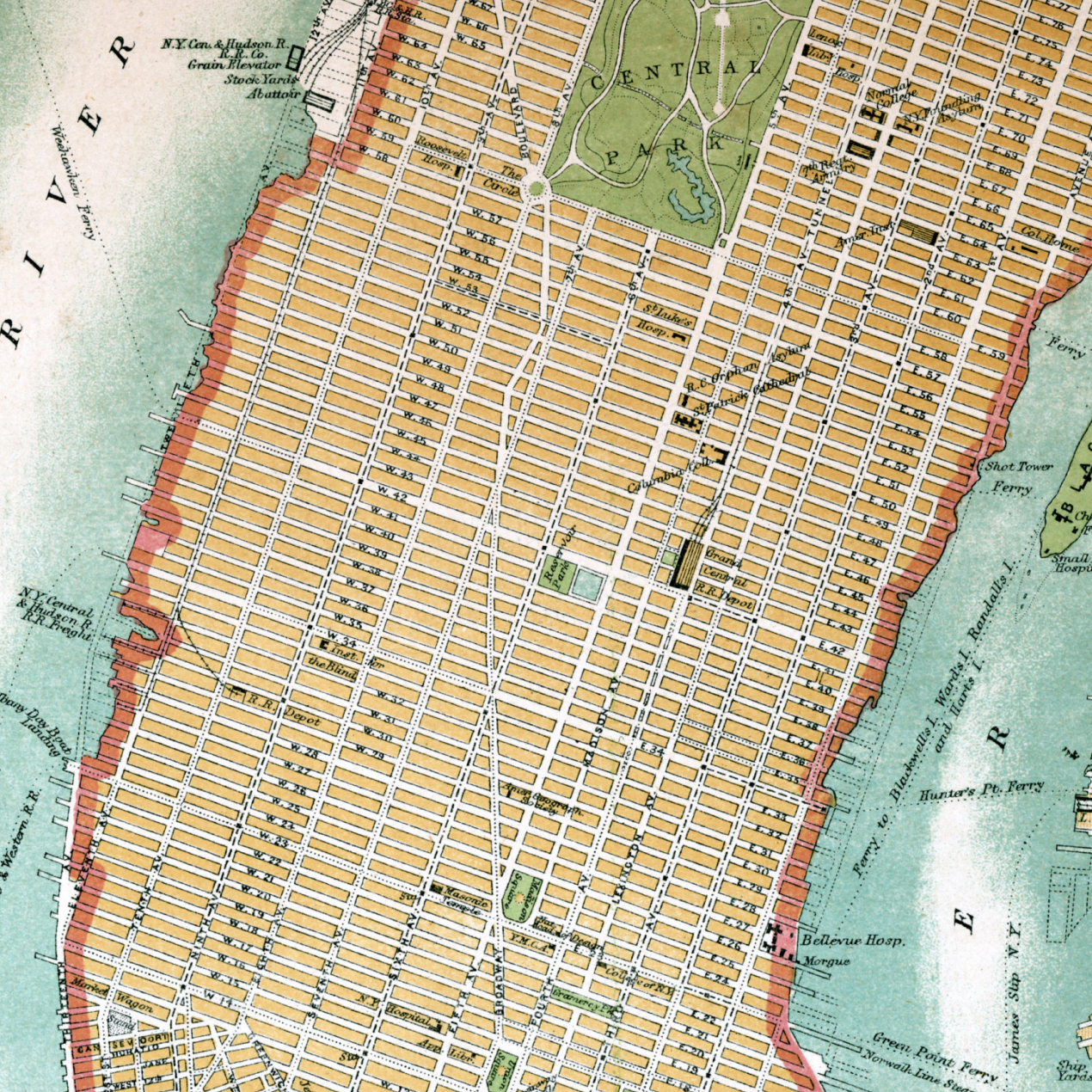
Midtown
Taking a break after Chinatown and Soho, New York bursts into bloom with a new forest of skyscrapers in midtown. The first of them is the famous Flatiron Building.
The Flatiron has been under restoration for many years. I visited it twice, two years apart, to get a good photo, but the iron still stood there wrapped in scaffolding.
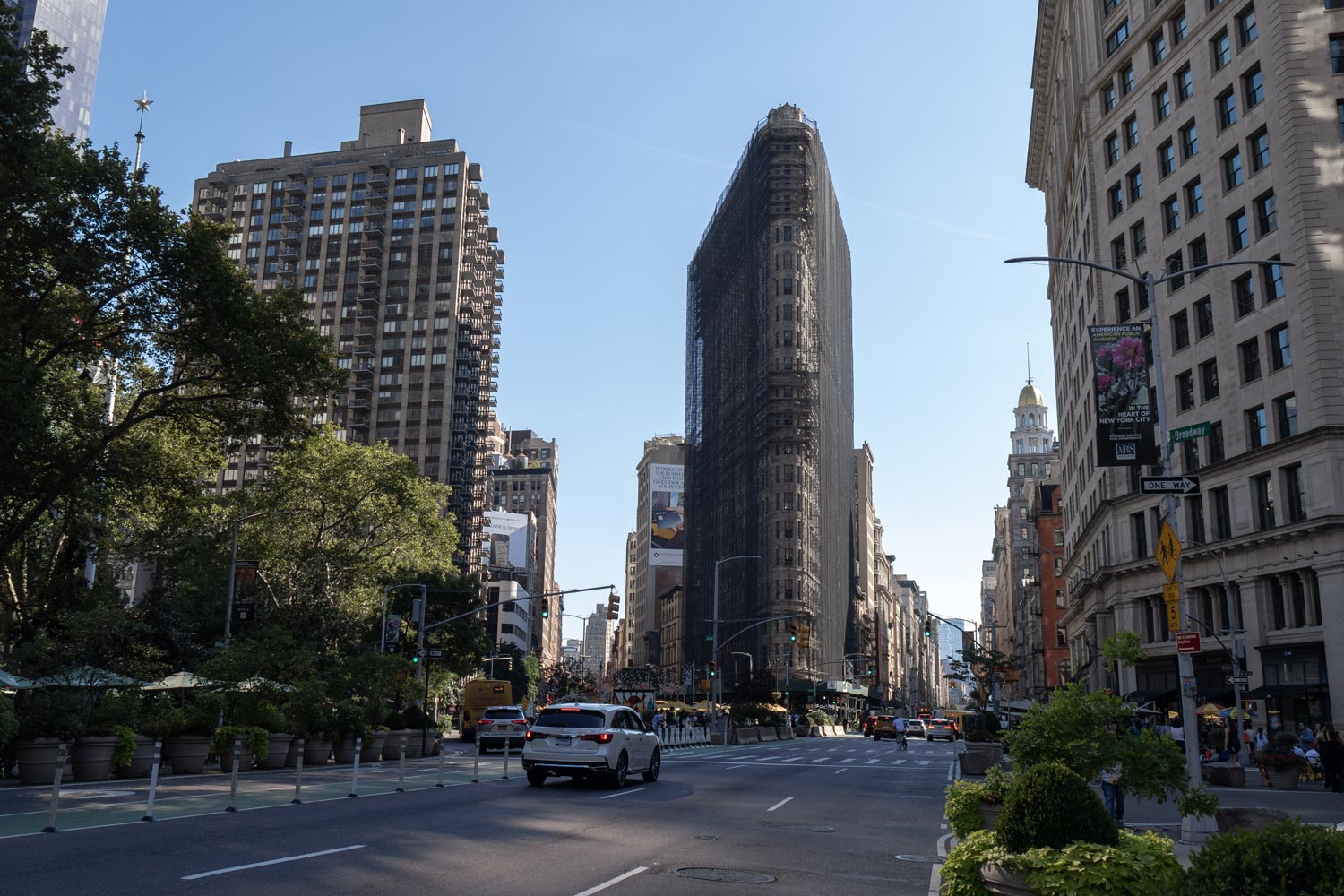
The Flatiron, of course, isn’t exactly a skyscraper. It’s more just a building. But right next to it stands a real skyscraper, which, at the beginning of the 20th century, was the tallest in the world for four years — until the skyscraper race began. That tallest tower had a whole 50 floors! Today, even residential buildings in Africa are built taller.
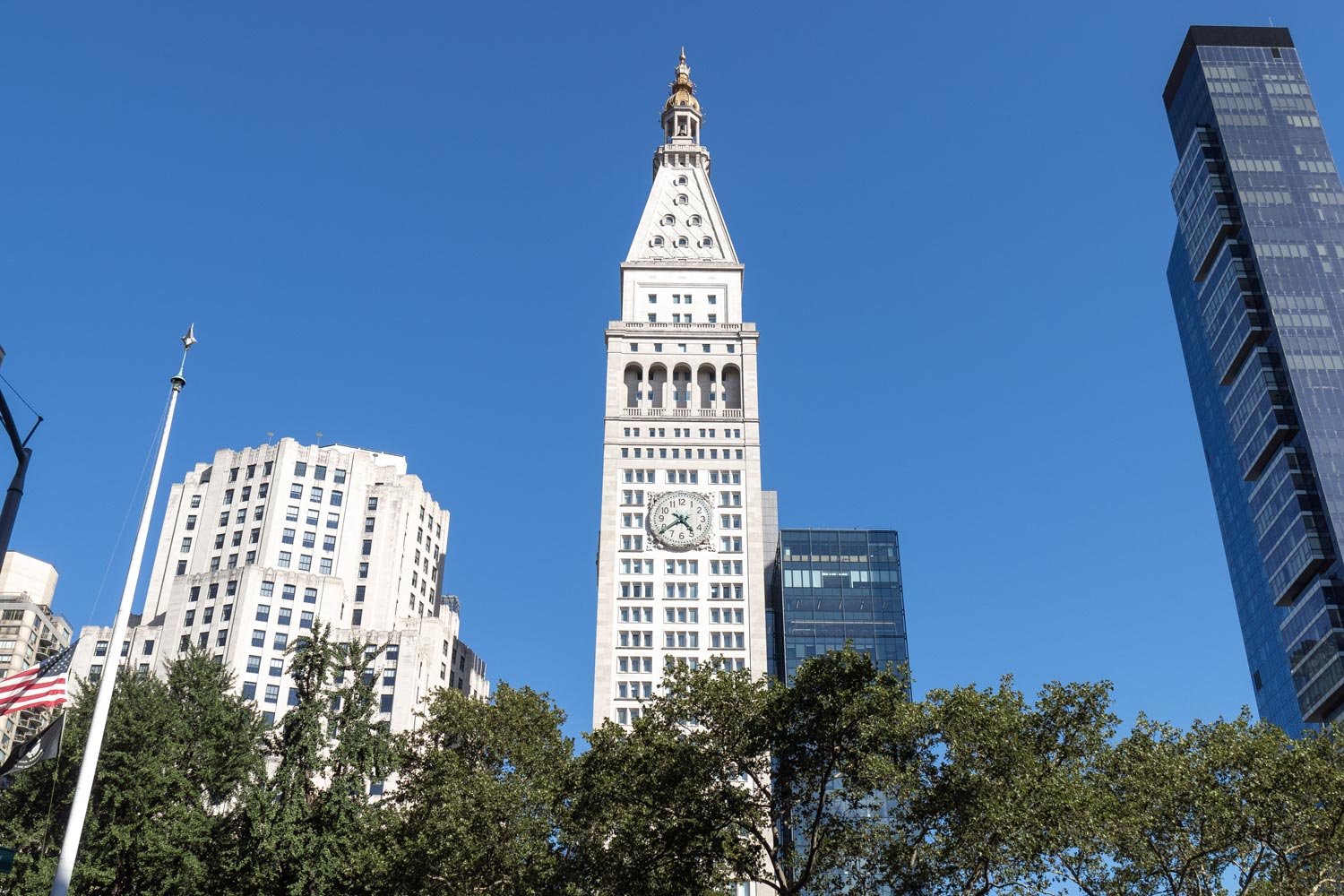
The architects borrowed the skyscraper’s shape from an old bell tower in Venice and rendered it in a New York style. It used to house the offices of the MetLife corporation, but it was recently sold and converted into a hotel.
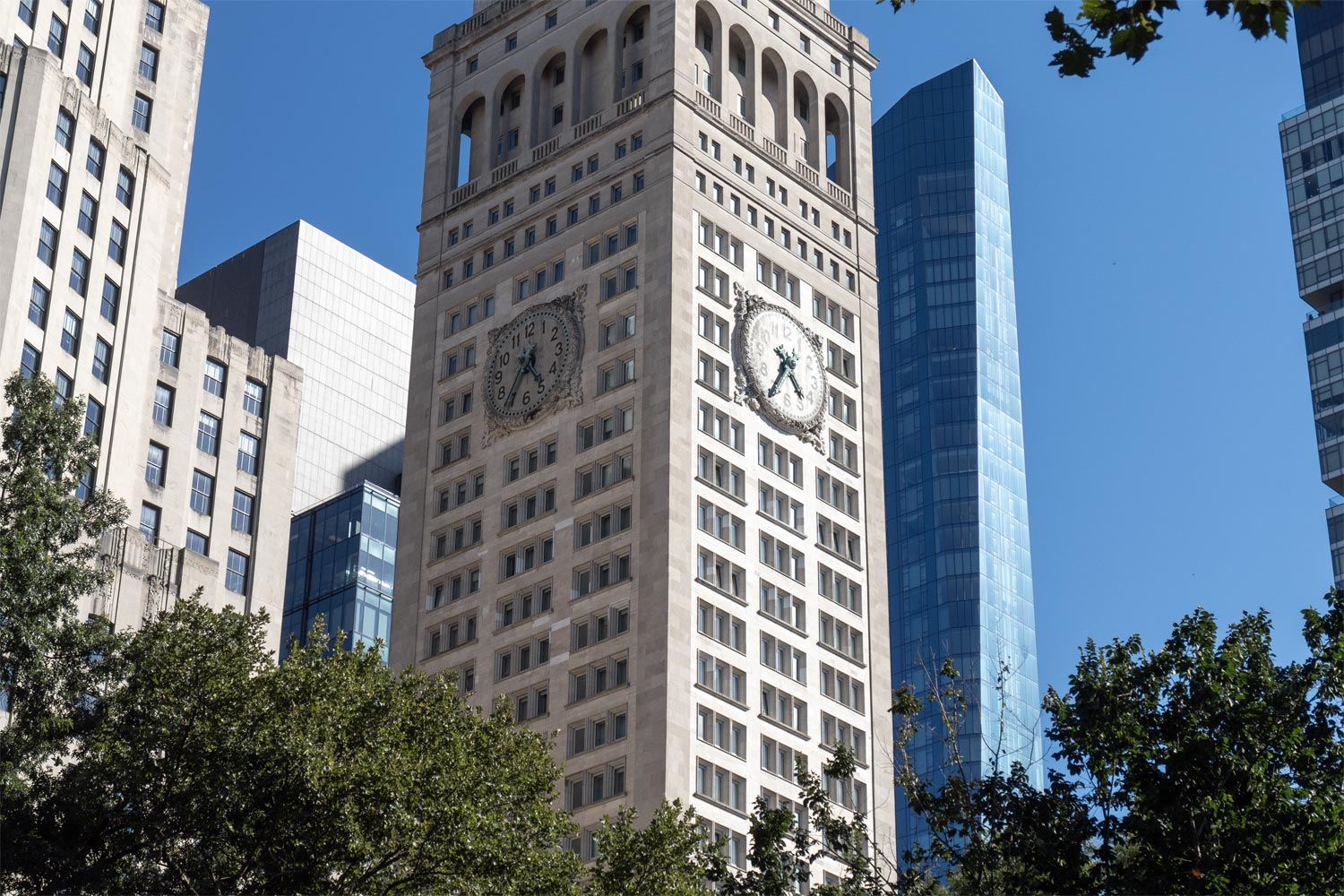
Between the iron and tower lies Madison Square Park. Small parks tucked between skyscrapers are another hallmark of New York. From another country, it might seem like this city is a concrete jungle. In a way, it is, but at the same time there are many small, very green parks scattered all over the city, where New Yorkers love to lie on the grass.
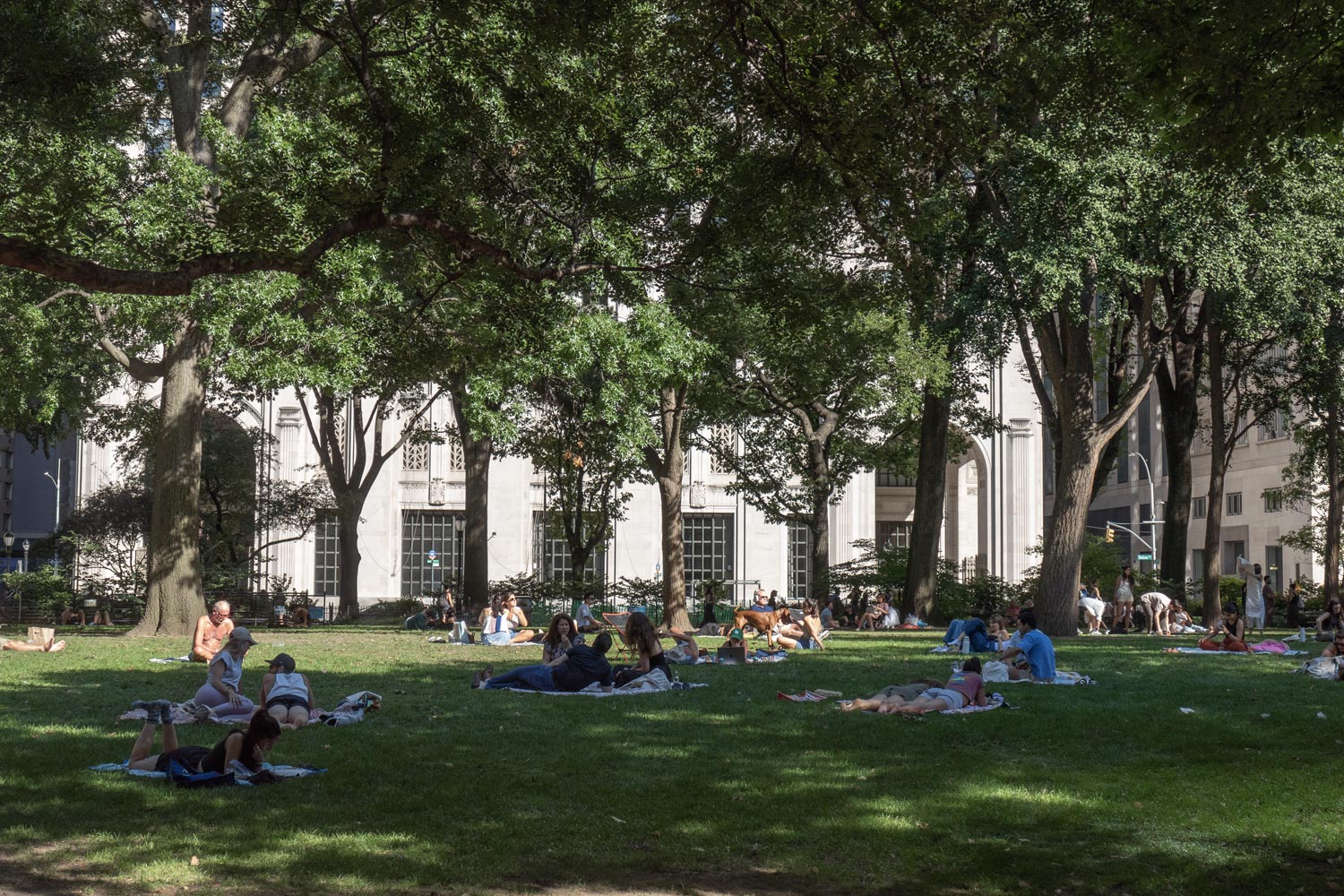
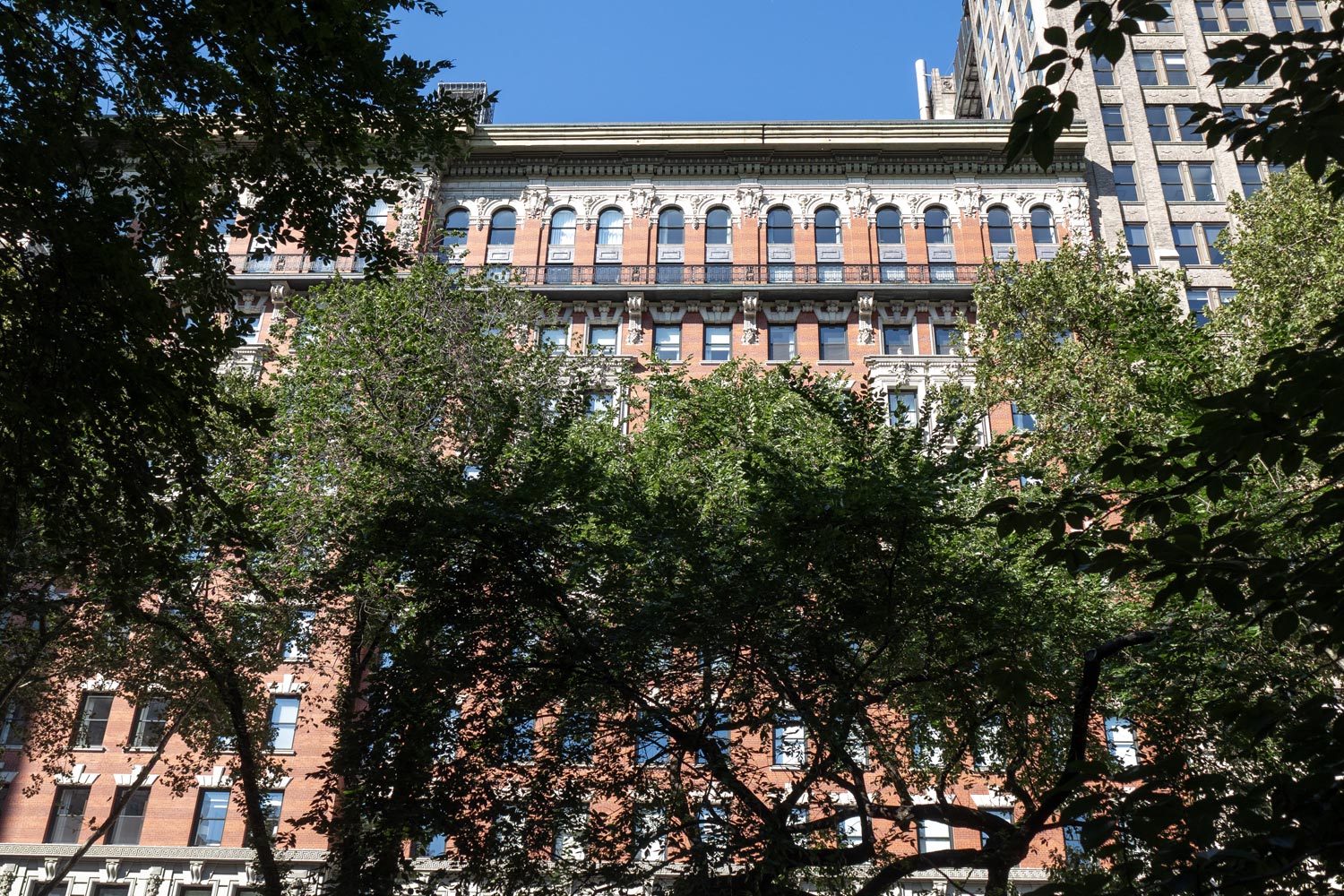
Madison’s park is especially nice. Not only trees grow there, but also gorgeous New York buildings.
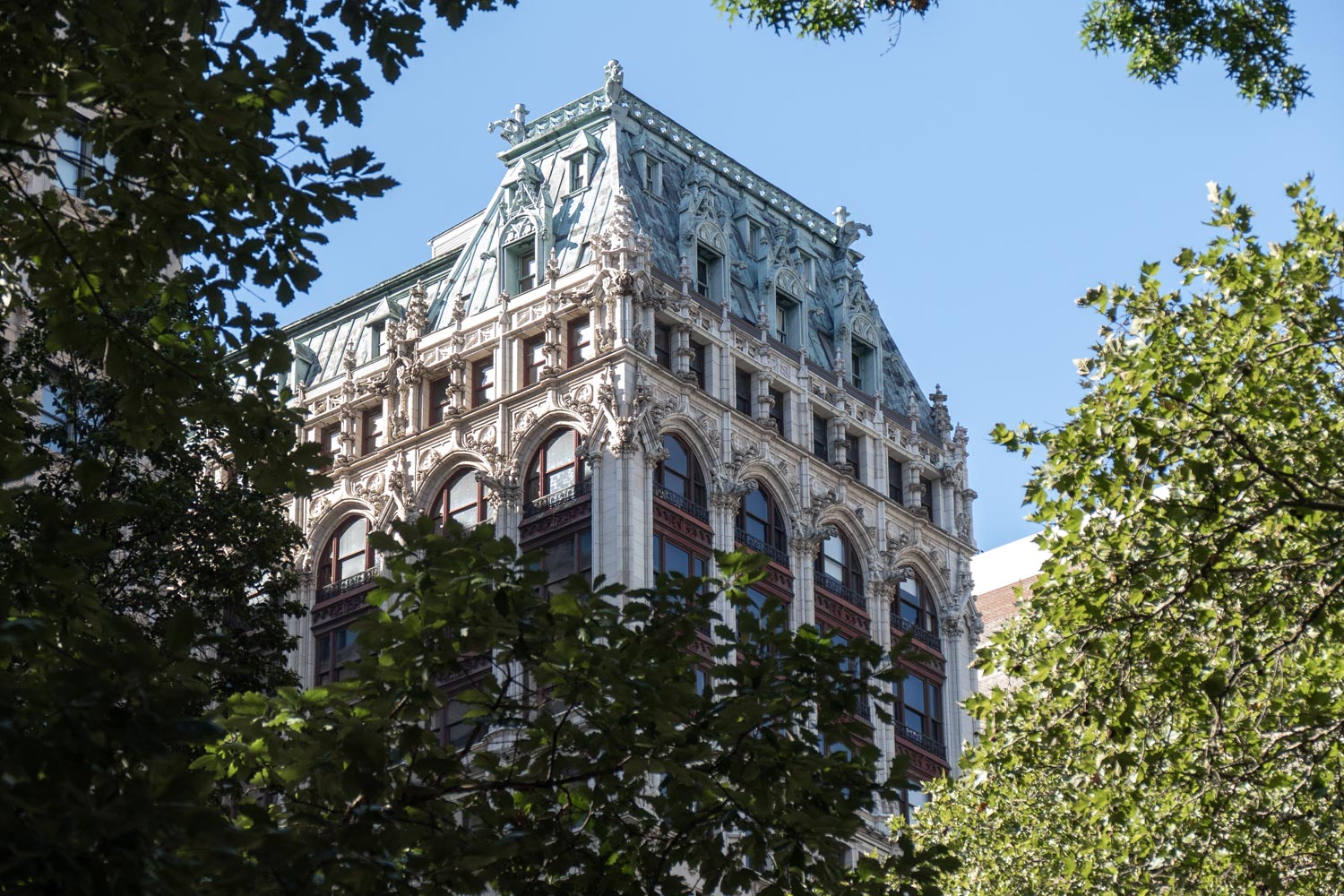
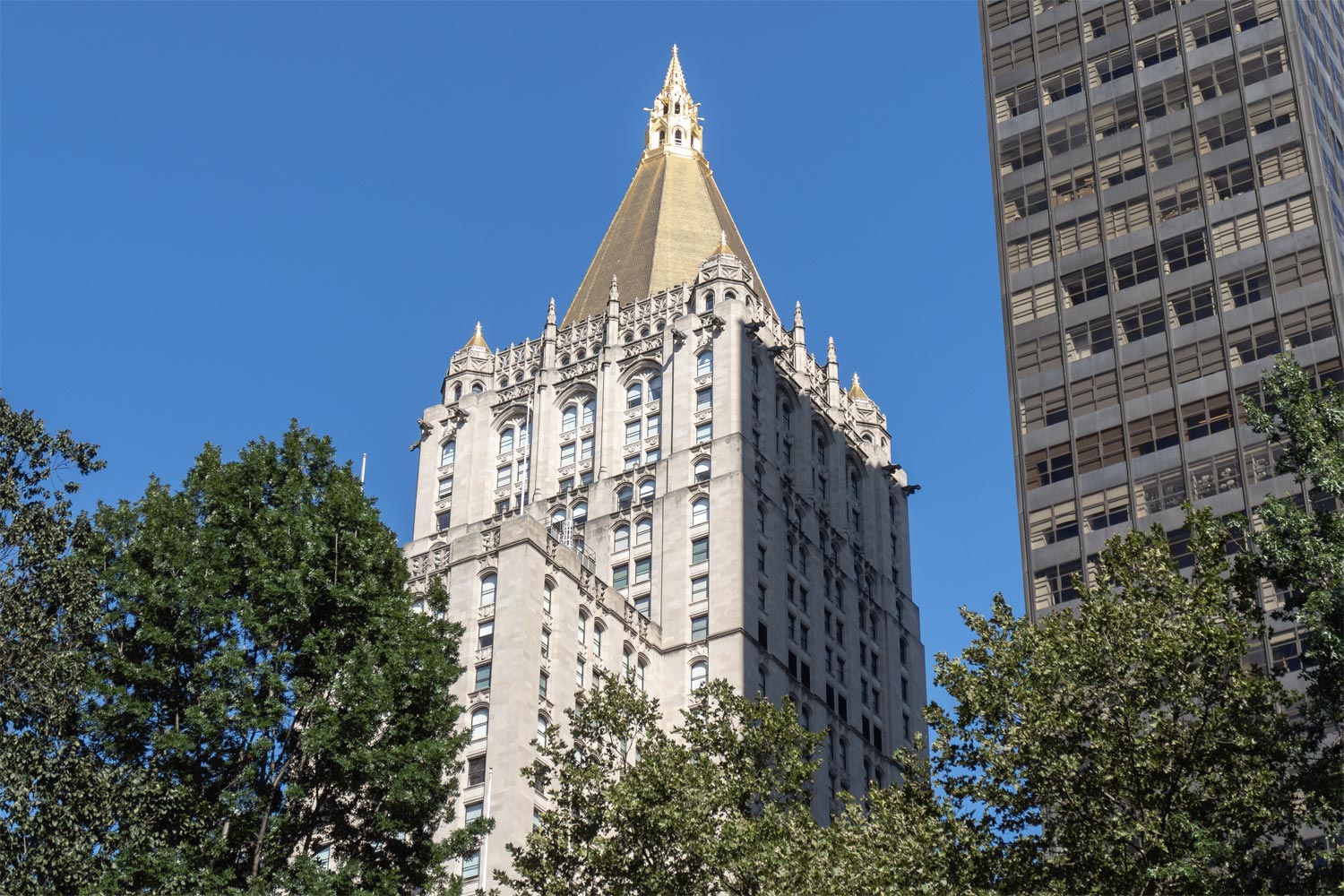
At the same time, just two steps away from the park, the real New York begins: with roads, traffic jams, yellow cabs, and hot dog stands.
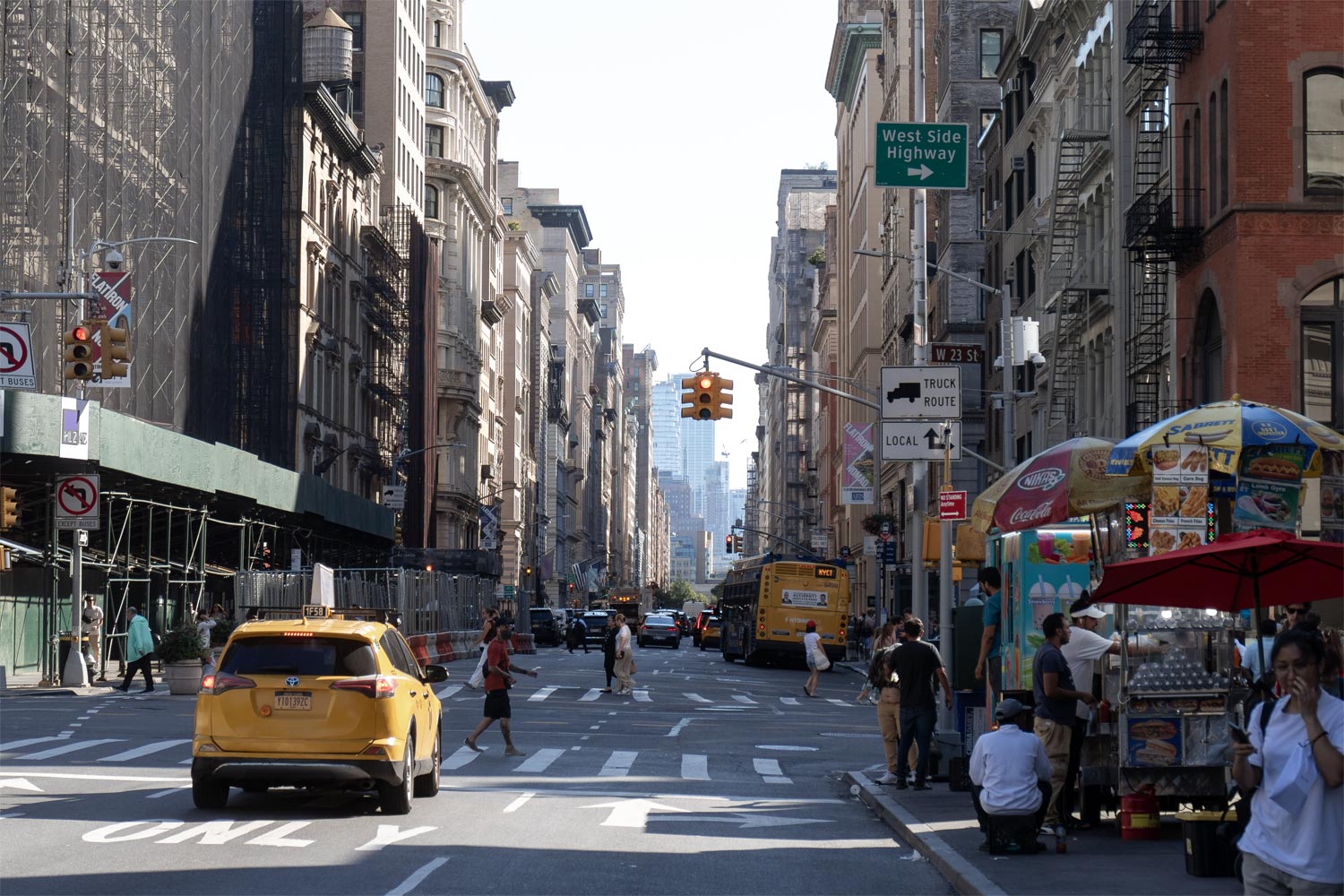
Above the street chaos rises New York’s most famous skyscraper, clearly visible from the streets around Madison’s Park. This is the Empire State Building. Every U.S. state has a nickname. New York is called “The Empire State,” hence the name.
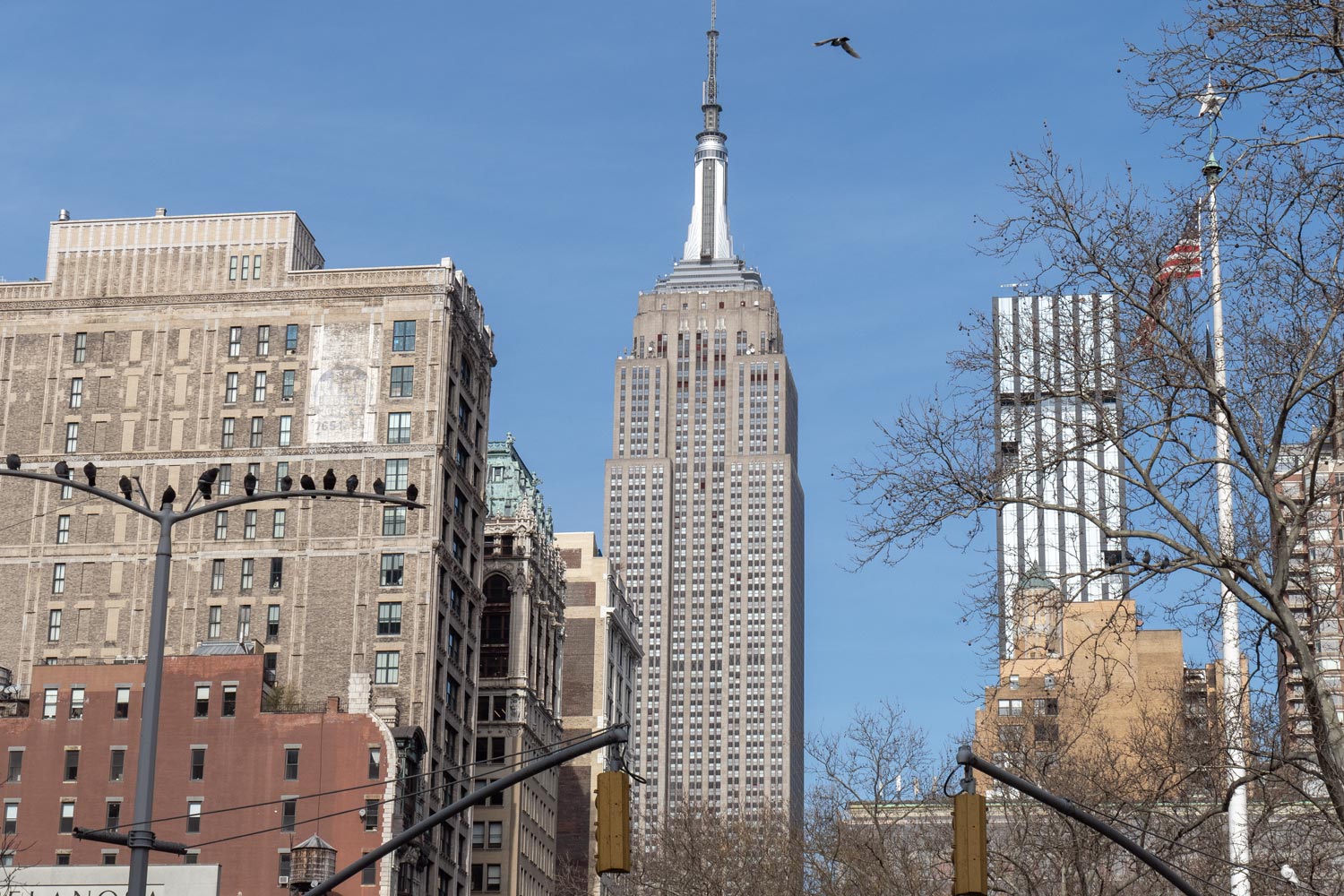
They built the Empire State Building in just 410 days — very fast even by 21st‑century standards, let alone for the 1930s. The Art Deco style is easy to recognize by the decorative rays on the spire.
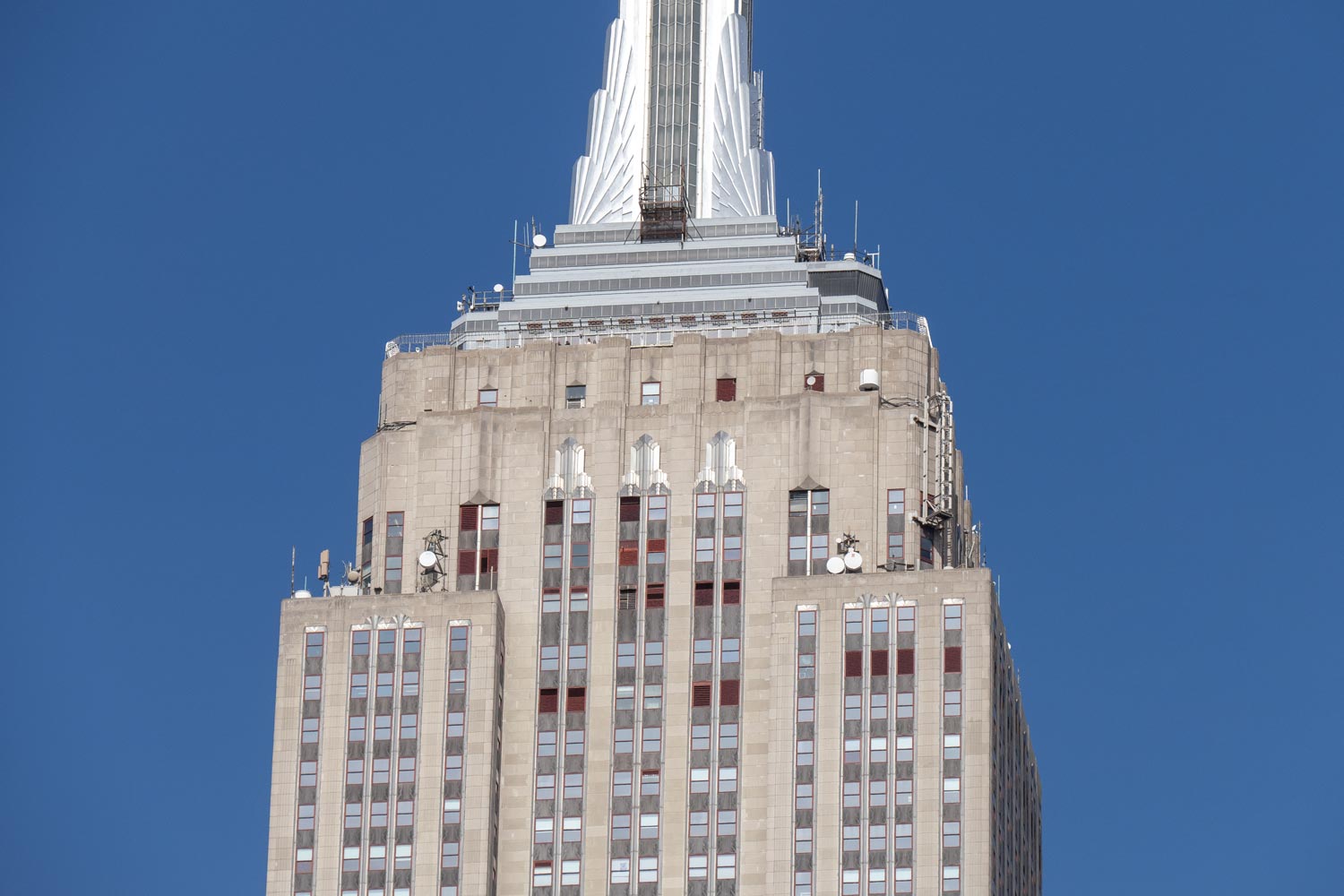
To be honest, it’s not the most beautiful skyscraper. It’s just the most famous one because it stands in the center of Manhattan and is therefore very convenient for filming various movies. It’s the one King Kong climbed.
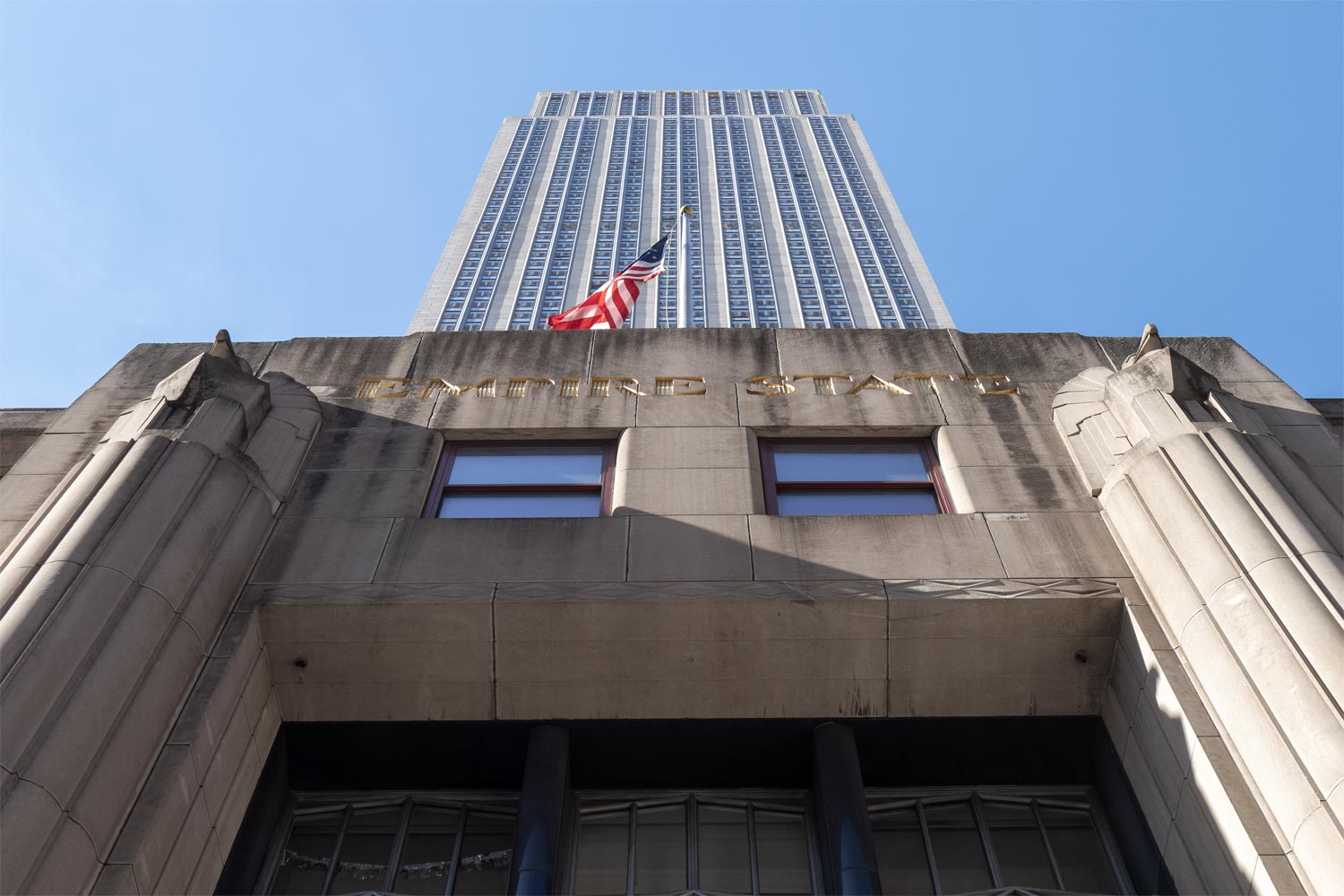
The Empire State Building is often confused with the Chrysler Building. The latter was built in the same years by the Chrysler automobile company.
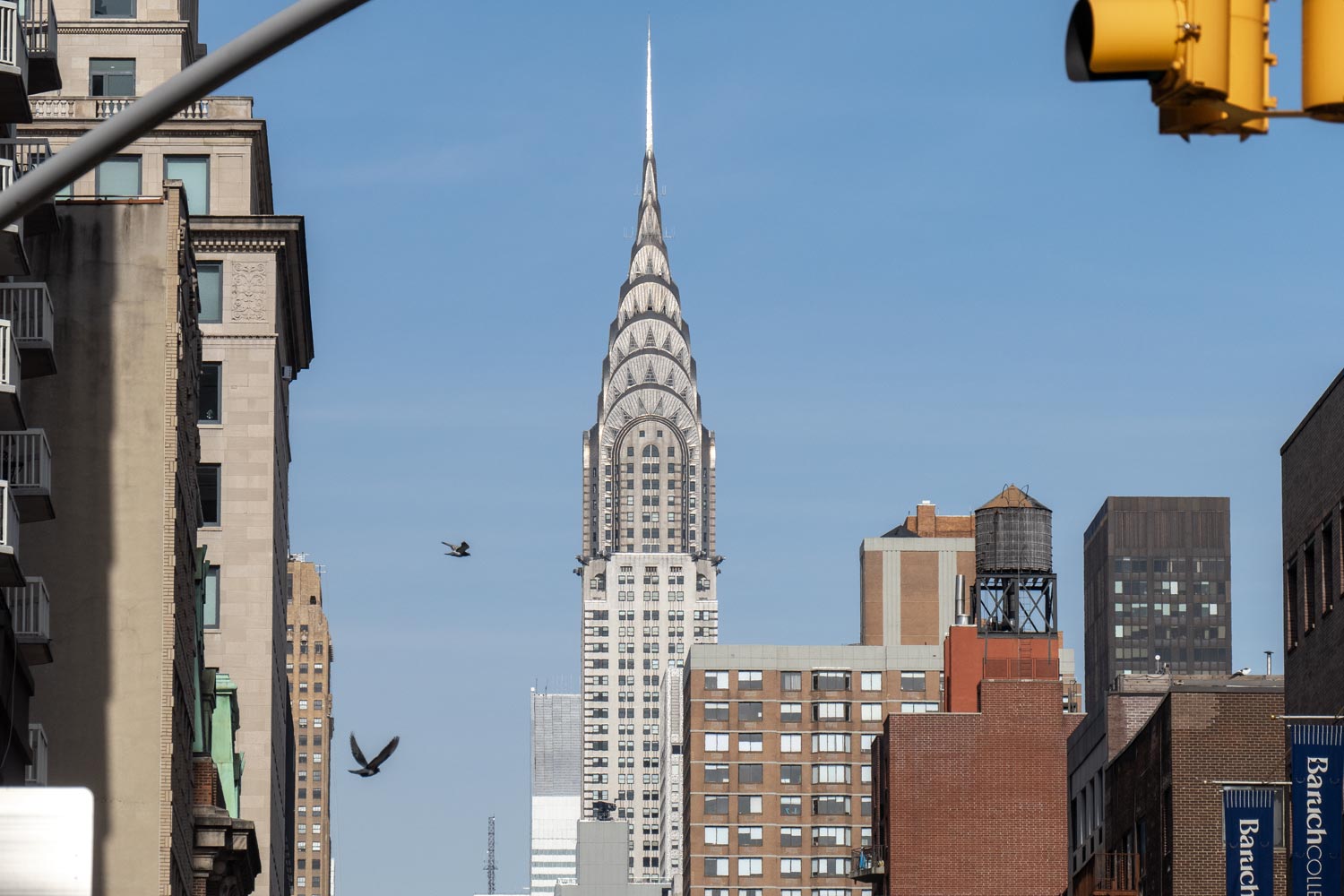
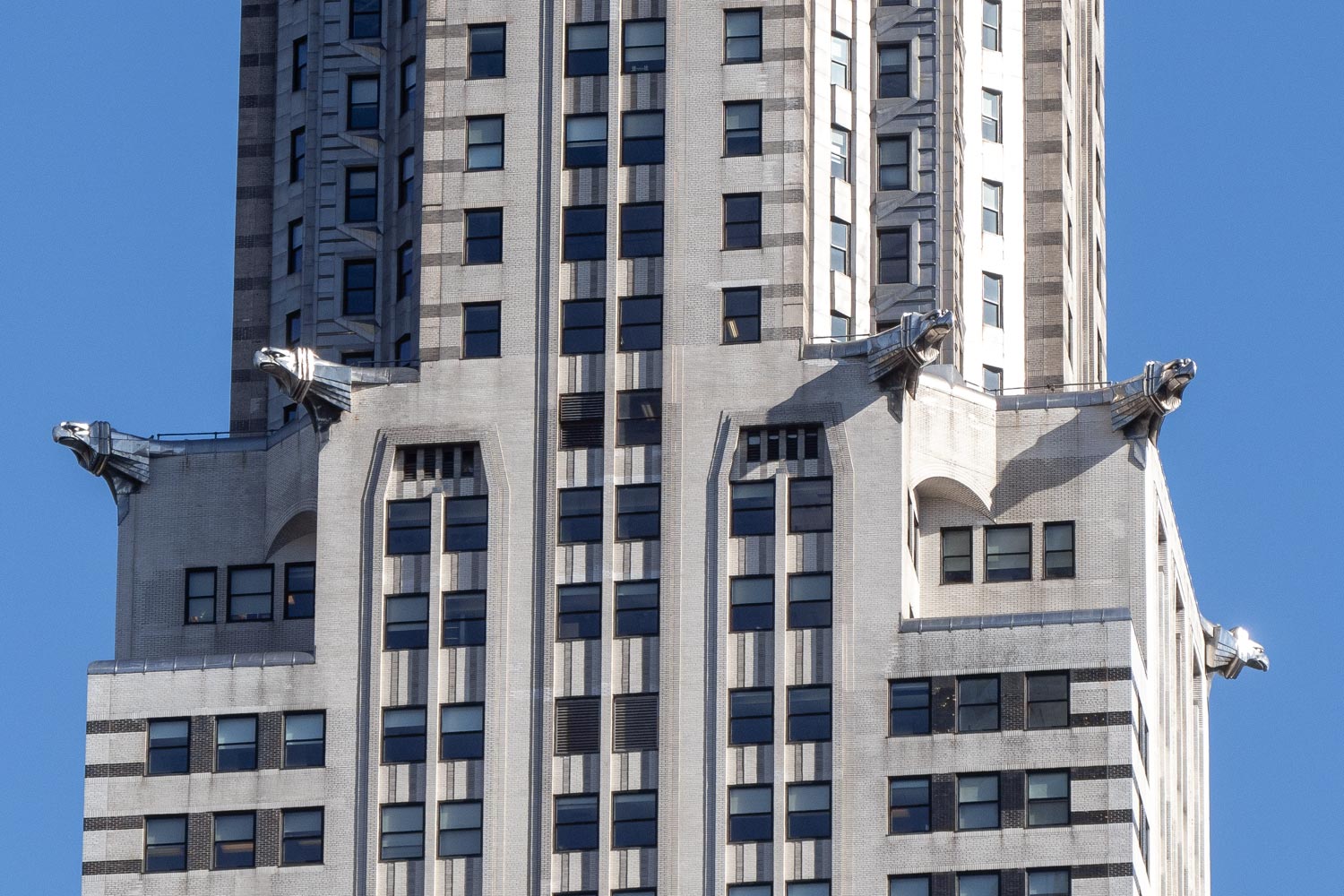
The Chrysler — that’s the one, the most beautiful skyscraper. Its stainless-steel spire, flaring upward in concentric arcs, is not just a reference but the very benchmark of Art Deco style.
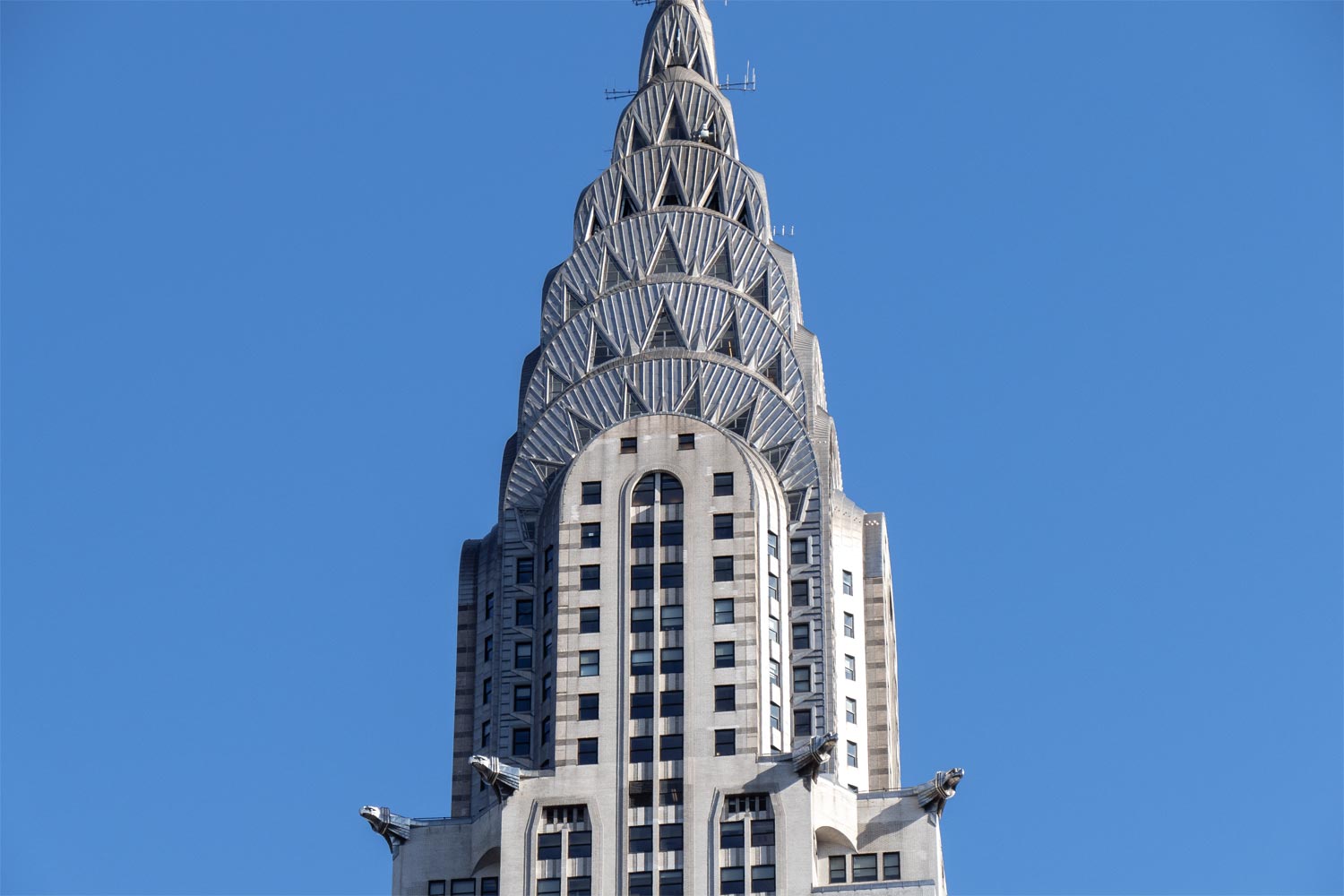
Around the skyscraper’s waist, at the base of the spire, eagles stand guard, resembling the gargoyles of the Paris cathedral. They are the building’s main highlight. The same kind of eagles stood on Chrysler hoods in the 1930s. The concentric rings on the spire are also a reference to automobile wheel caps.
Chelsea
Manhattan Island, on which the main part of New York stands, is squeezed between two rivers. On the east it is washed by a river that is simply called the East River. On the west the island is bordered by the Hudson River.
If you walk toward the Hudson from the Empire State Building, you’ll come out at a monument whose bizarre shape would be hard to describe even for the mathematician Perelman. This thing is called The Vessel.
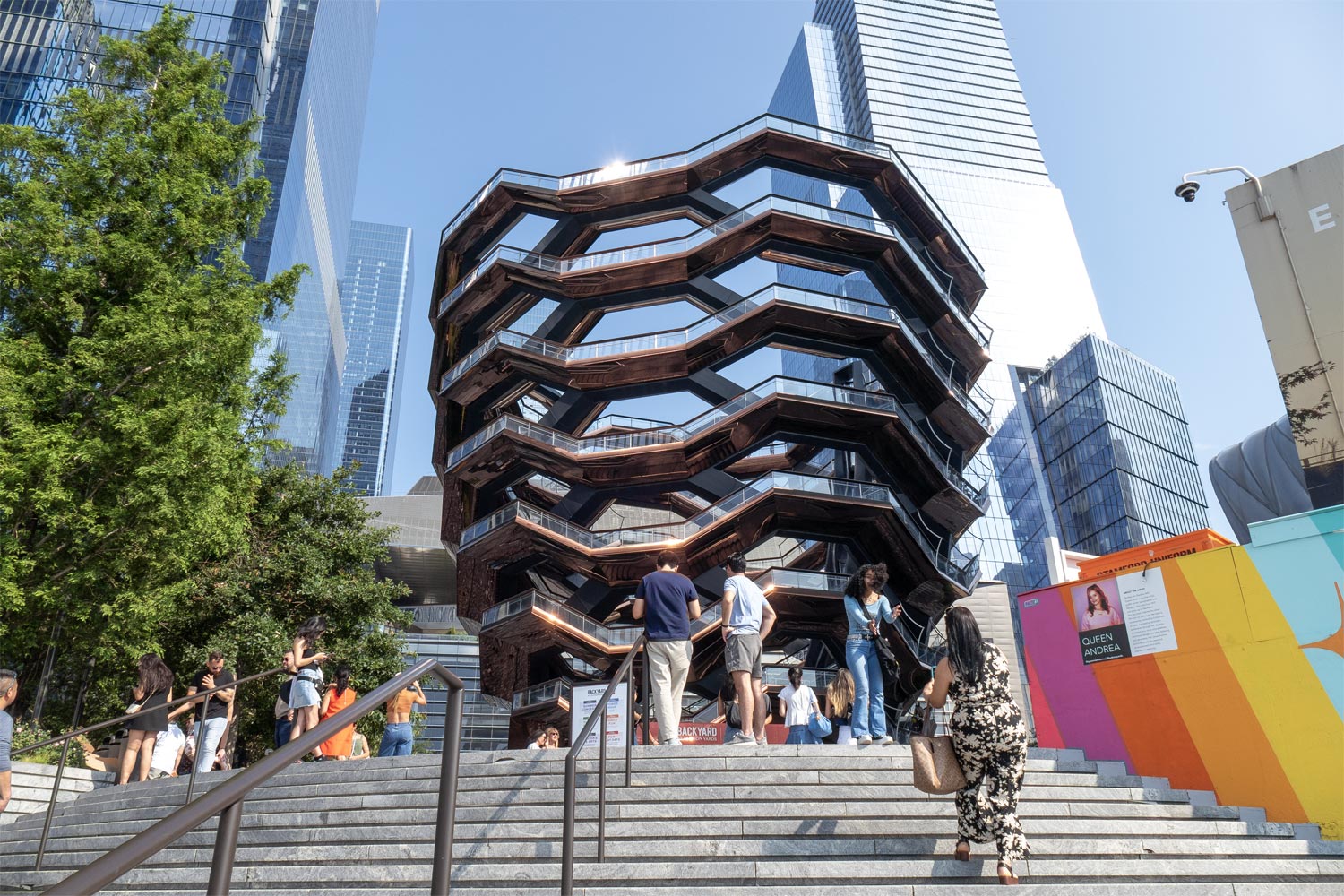
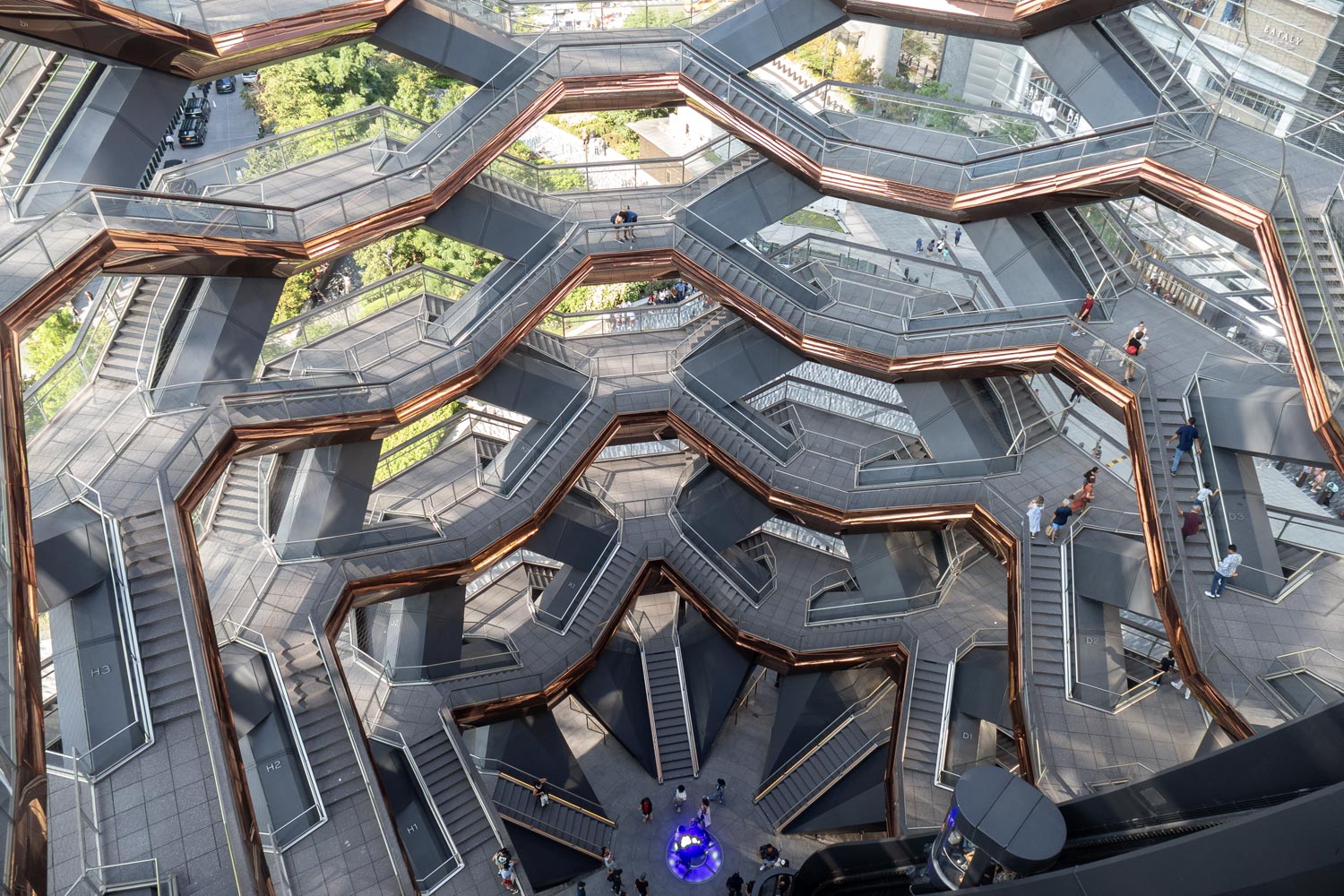
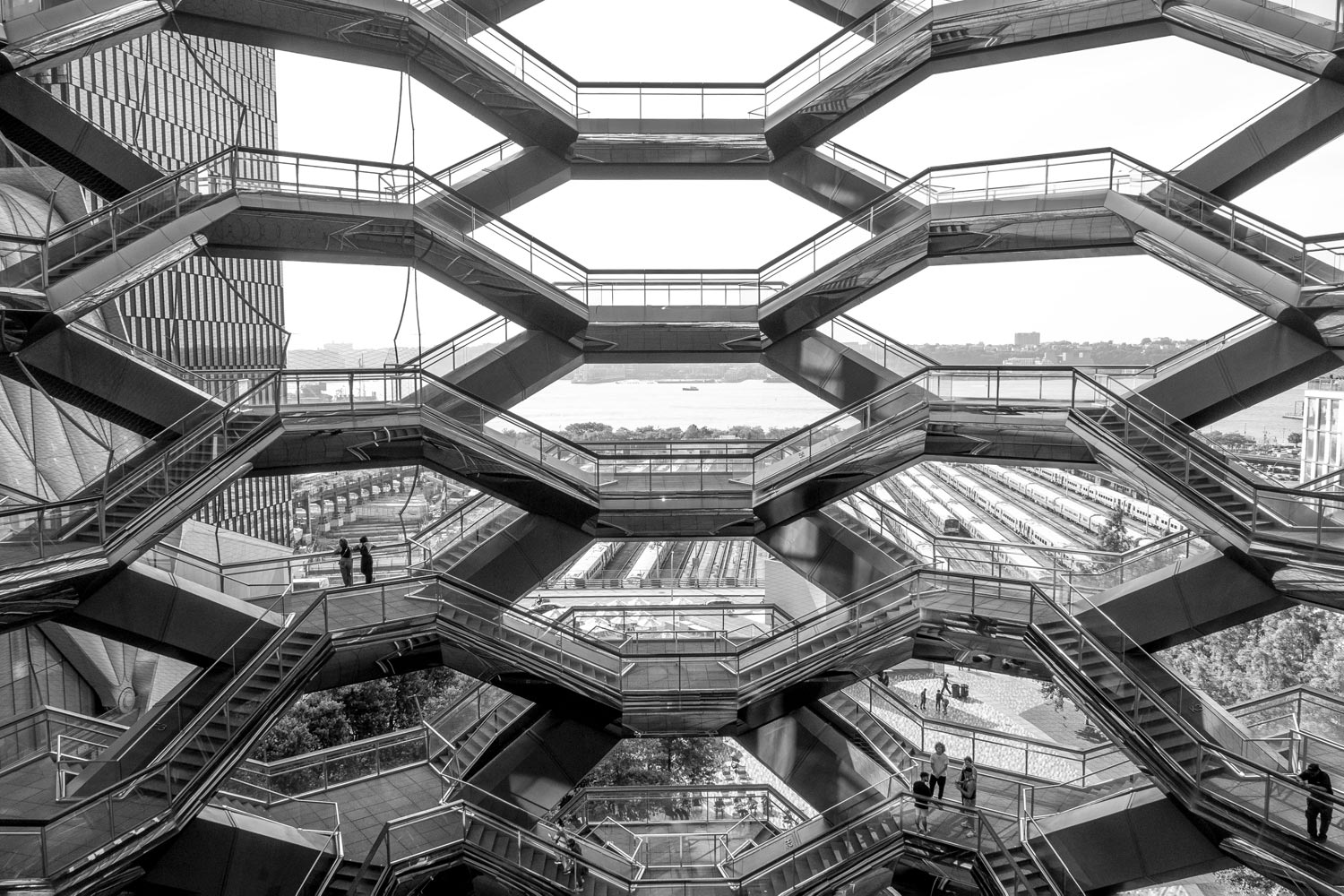
The Vessel looks even less like a vessel than the Oculus looks like a dove. It’s not just made of bits of metal. Each rib is a whole labyrinth of staircases and platforms that can take you all the way to the top. Entry is by ticket only, but inside it’s a real paradise for photographers.
At the foot of the Vessel begins the High Line. A regular street suddenly turns into a walkway where people stroll right in front of other people’s windows.
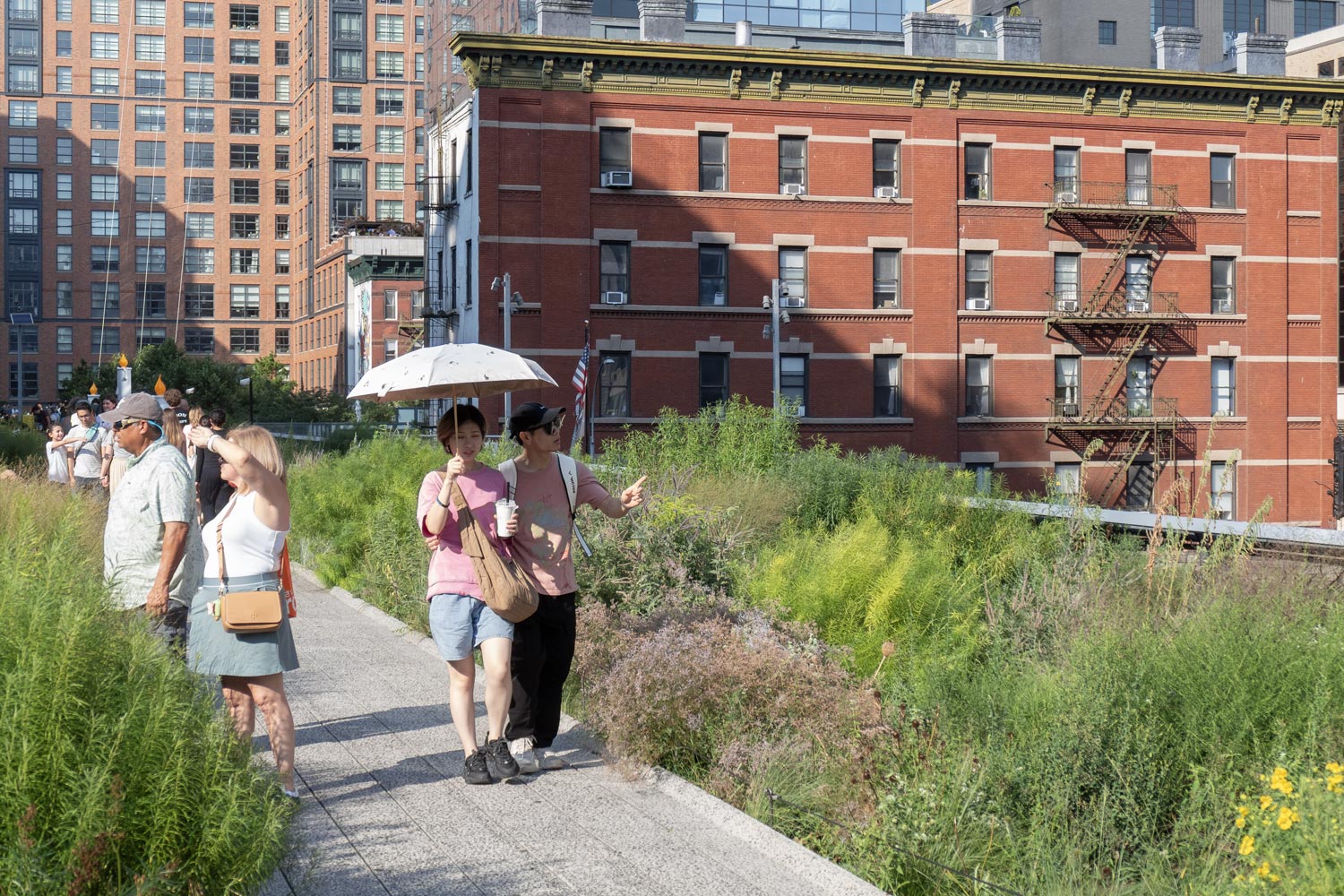
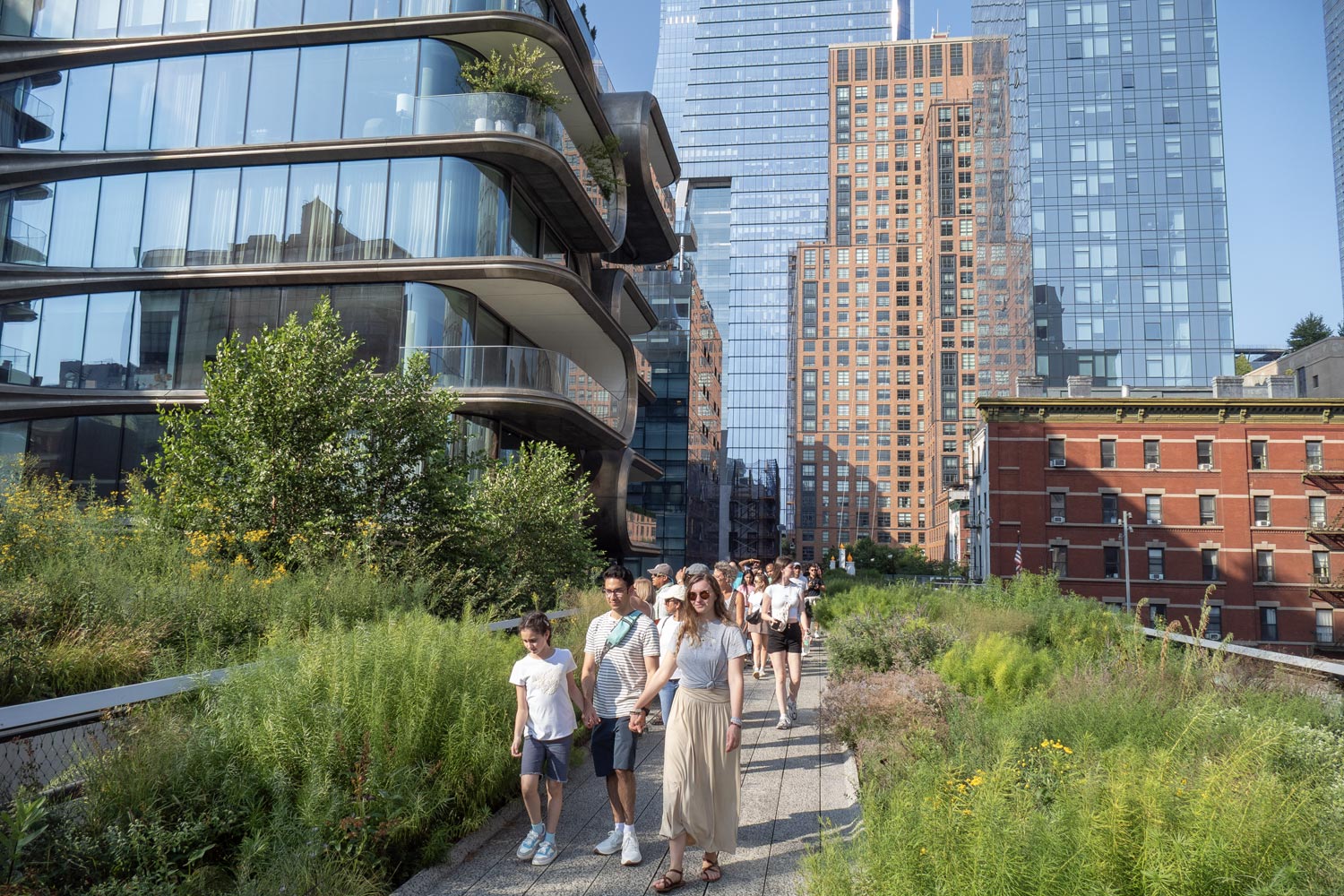
On both sides of the narrow granite path, grass grows, imitating thickets and creating the complete impression that this is not the center of New York, but the shore of an overgrown pond in a village.
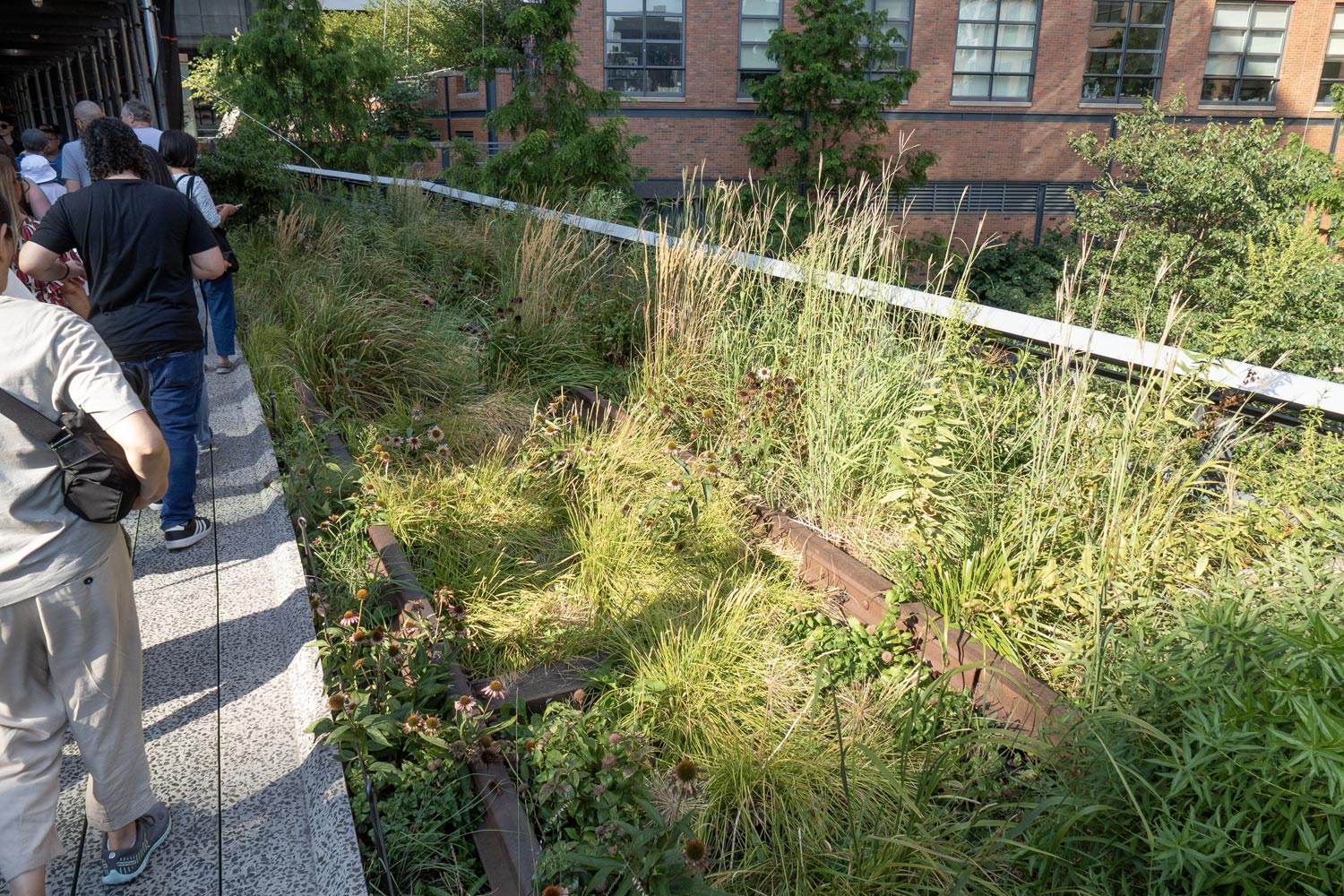
If you look closely, you can make out rusty rails among the overgrown grass: this is a former freight rail line that has been turned into a hanging garden.
The whole High Line is a bit different from place to place. In some areas it imitates wild field grass, in others it’s a smooth lawn. In different parts of the overpass you can find a couple of cool art objects — for example, a huge candle shaped like a snail.
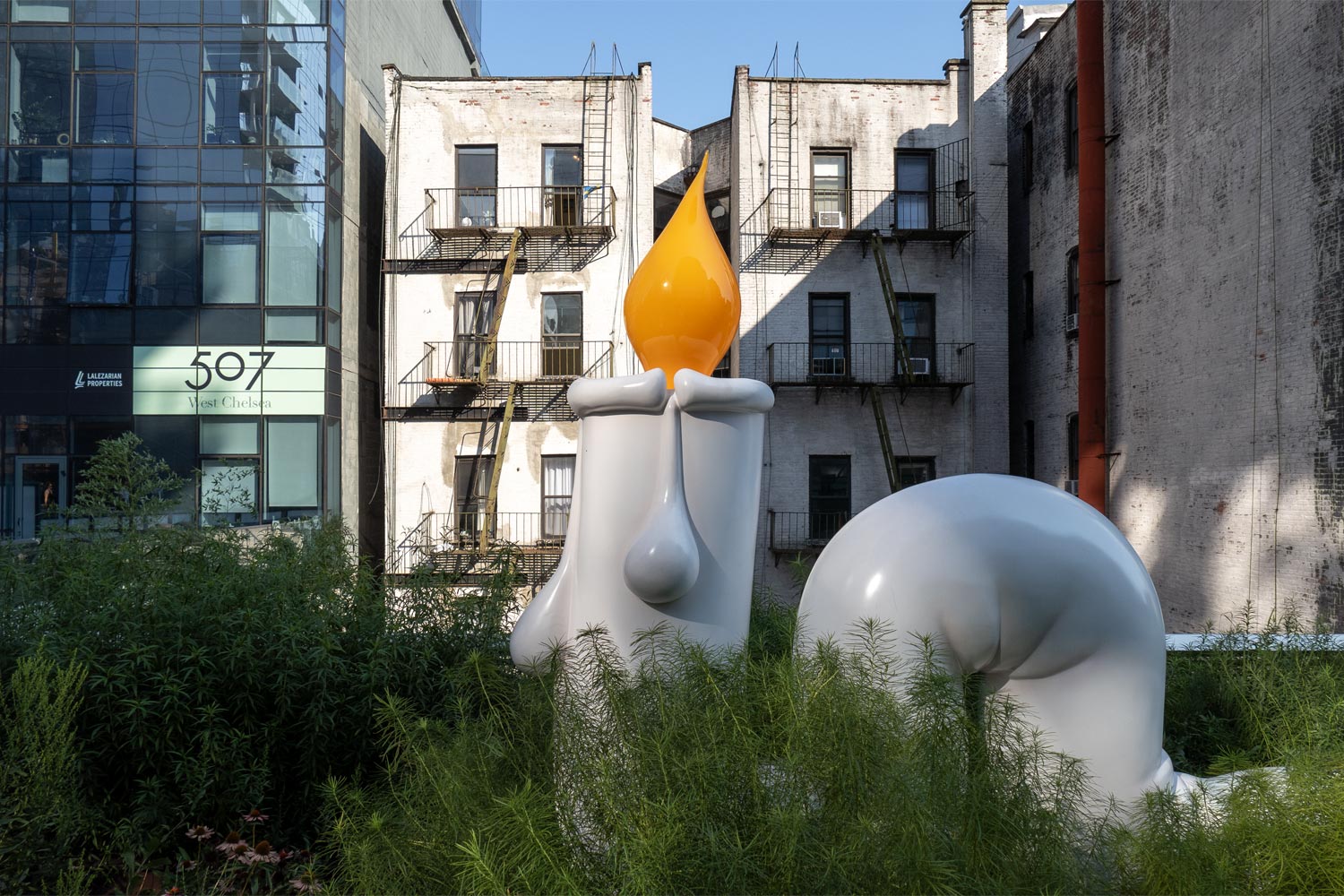
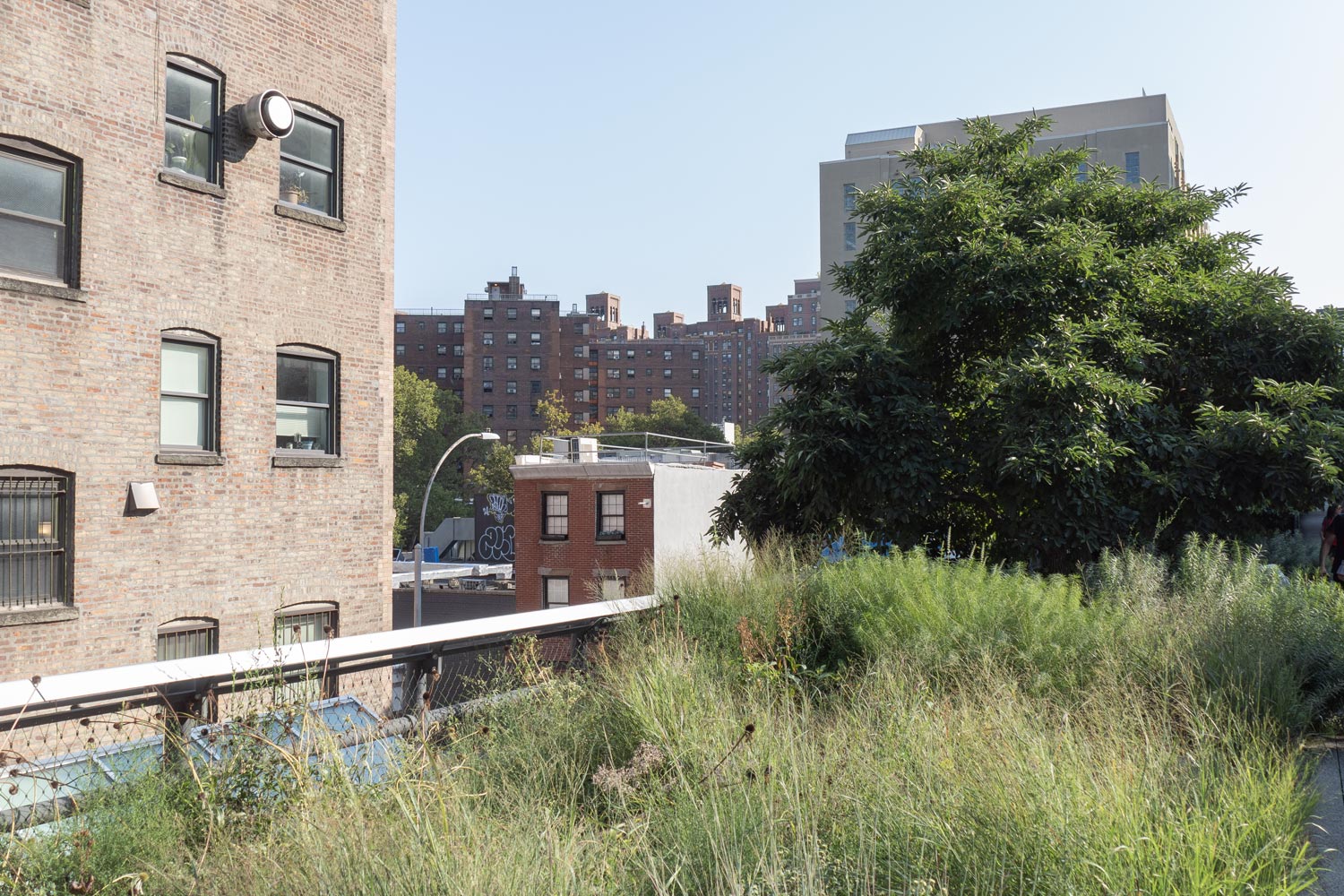
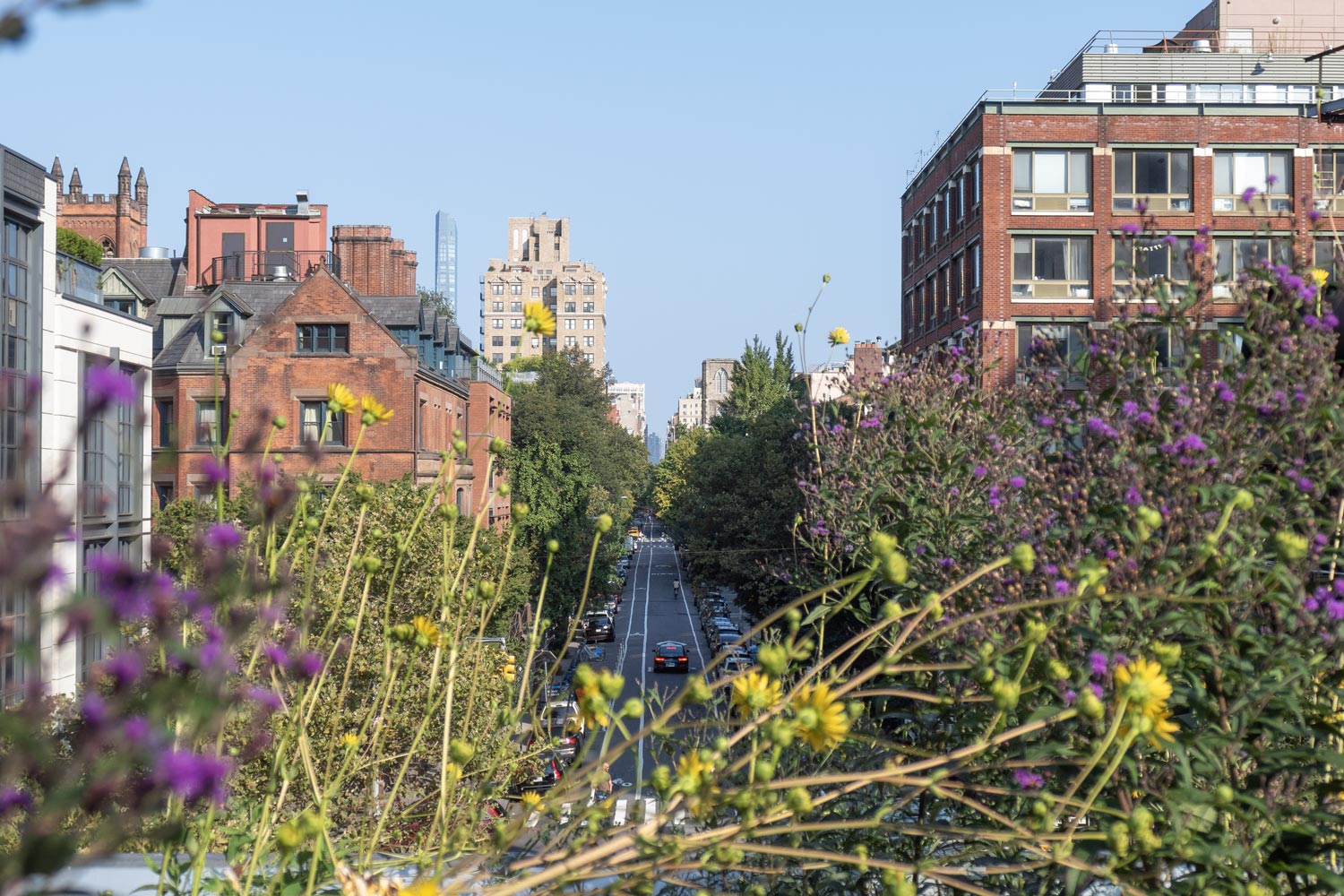
Through the thickets you can glimpse the brick buildings of Chelsea. As with Soho, the Americans stole this neighborhood’s name from the English. More precisely, it was named after London’s Chelsea by some major who built the first mansion here in the 18th century, having previously served in London.
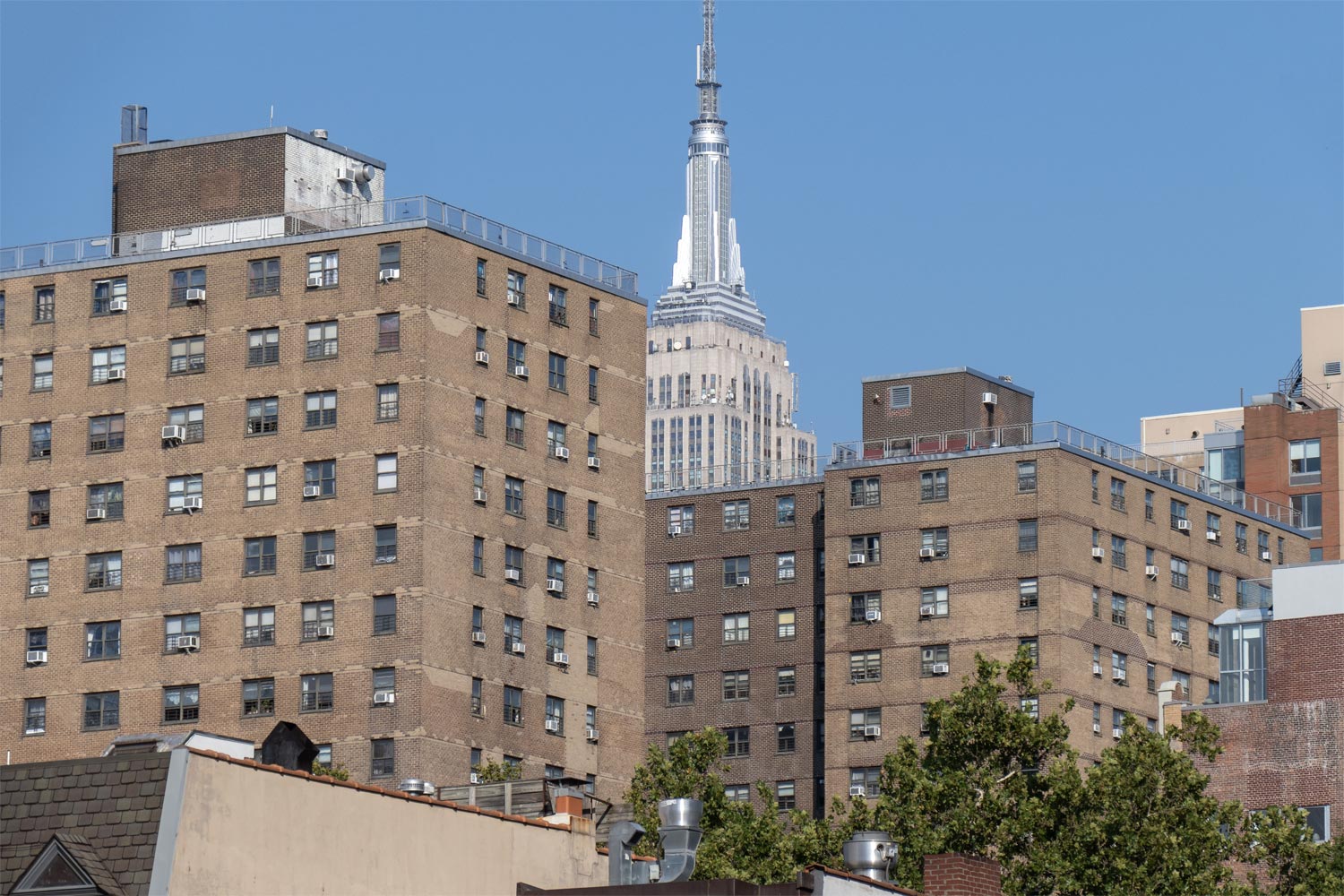
Although Chelsea is quite a wealthy neighborhood, there’s still plenty of shabby housing in it. Grim gray high-rises loom right behind the expensive lofts, and somewhere behind them sticks out the massive spire of the Empire State Building.
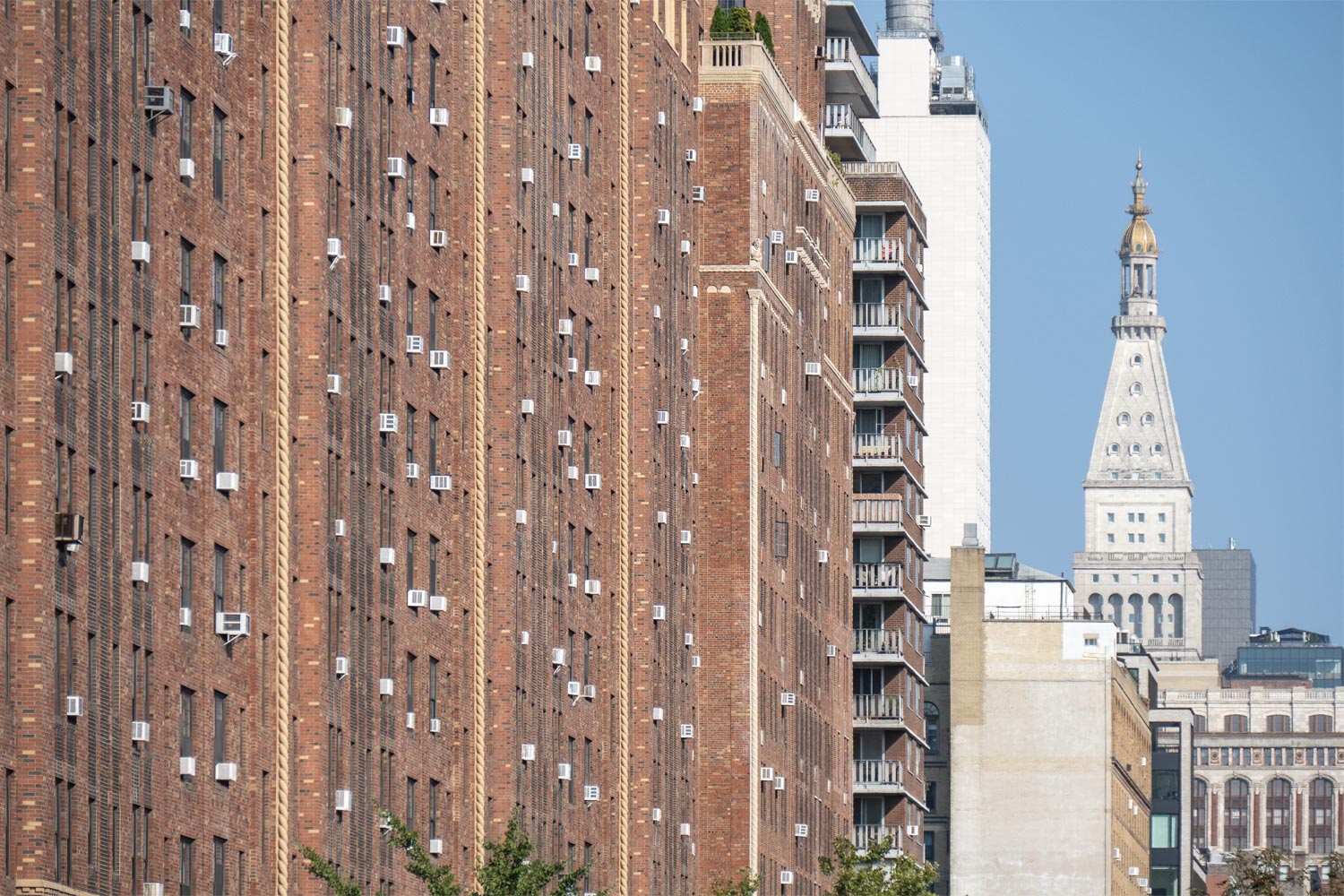
Along one of the streets, a monstrous twenty-story building stretches like an endless orange wall. No ledges, no balconies. Only white dots of air conditioners, jutting out of far from every window.
New York is a roller coaster. In just one step you can dive from a glittering trendy neighborhood back into the time of the Great Depression — and just as quickly surface again.
Times Square
A little further upstream from midtown lies Times Square — the most hyped square in all of America. Worldwide, it can only really be rivaled by Red Square in Moscow, Trafalgar Square in London, and St. Peter’s Square in the Vatican.
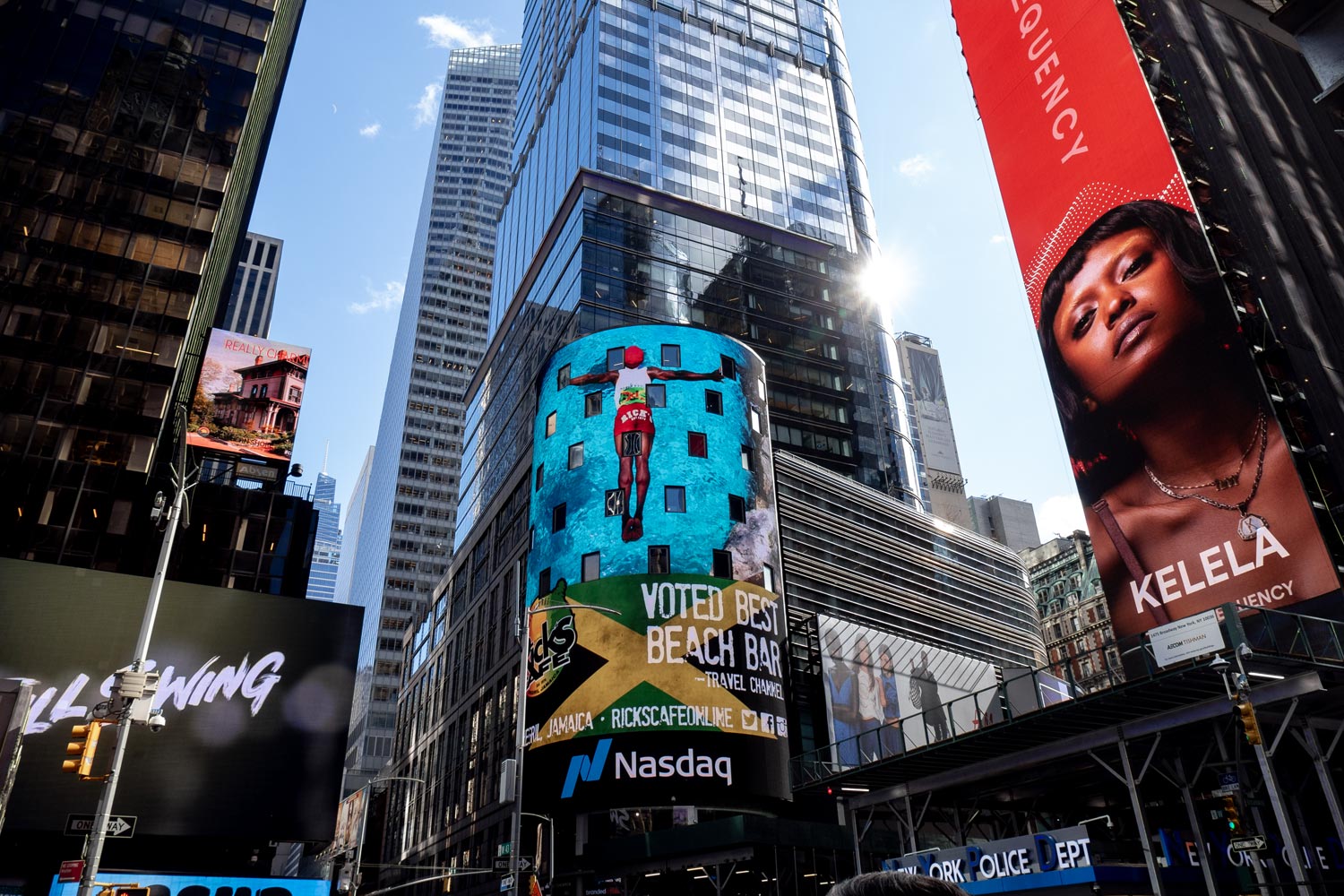
Times Square goes to your head like champagne — and it hits you the moment you step out of the subway, with no ceremony. The sheer number of lights, screens, ads, and reflections could trigger an epileptic fit.
Across the ribbon-shaped curved screens crawl the latest news headlines and stock quotes.
On the facades of skyscrapers hang house-sized advertising displays that stay on around the clock.
The sun doesn’t always reach Times Square, but there’s still light here in abundance. Even the road glows. Sunlight reflects off the skyscraper glass, mixes with the glow of the ads, and falls onto the asphalt.
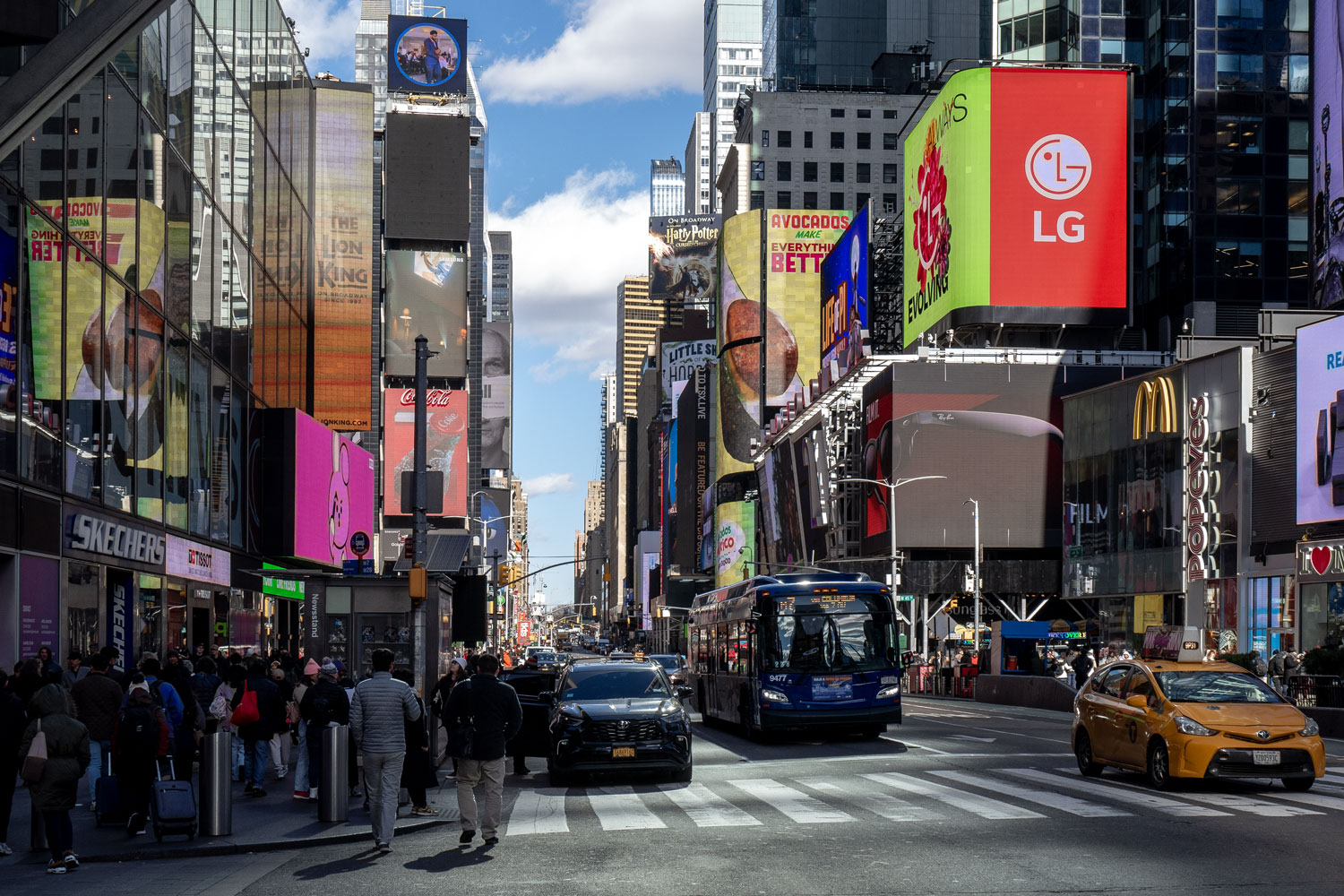
From the photos of the square, it’s impossible to tell what time of year they were taken. There isn’t a single tree in the frame. The only clue is the clothing people are wearing.
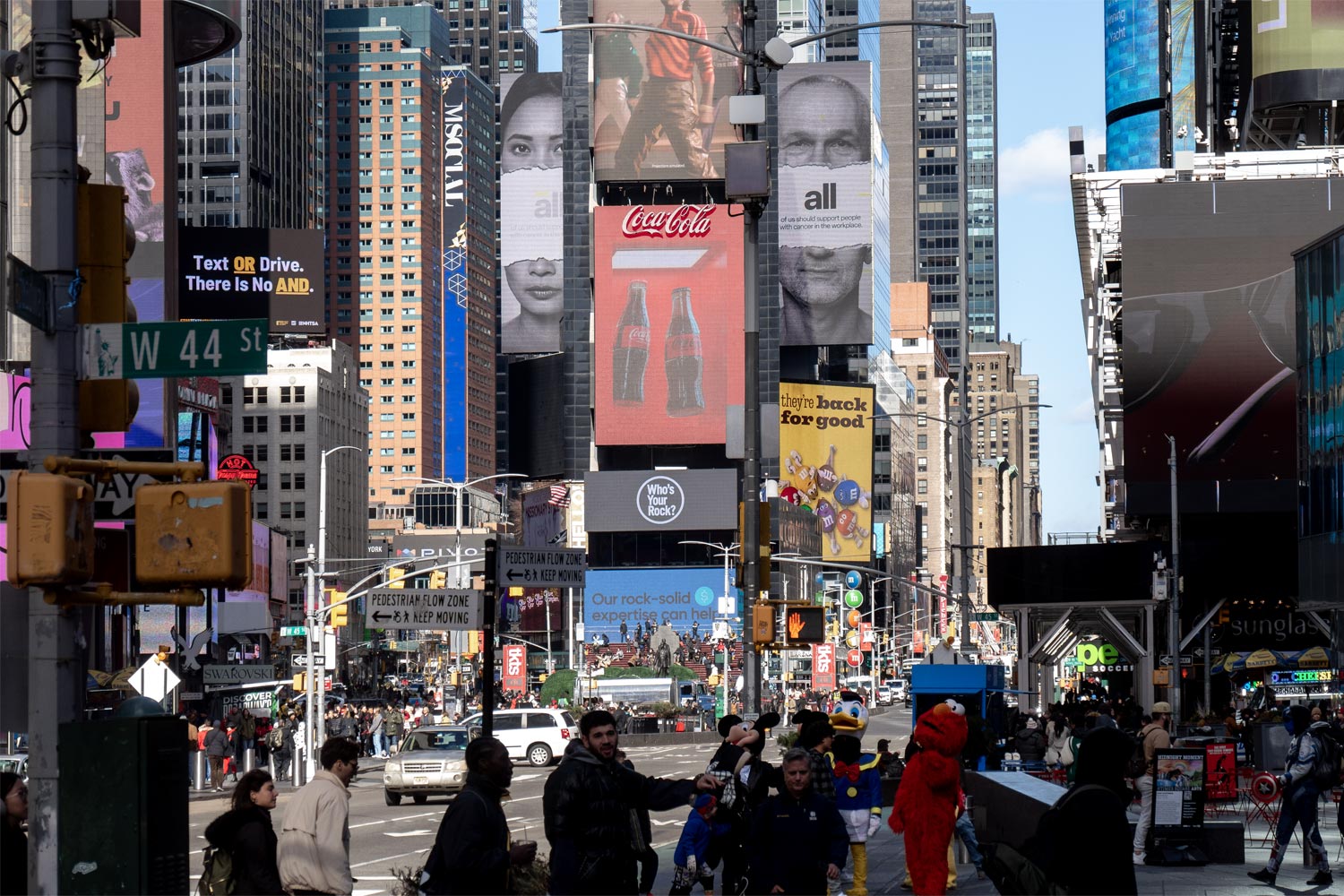
Looking up robs you of even that hint. The surrounding skyscrapers pull you into a glowing whirlpool of advertisements. In Times Square it feels as if there is nothing in the world at all except advertising.
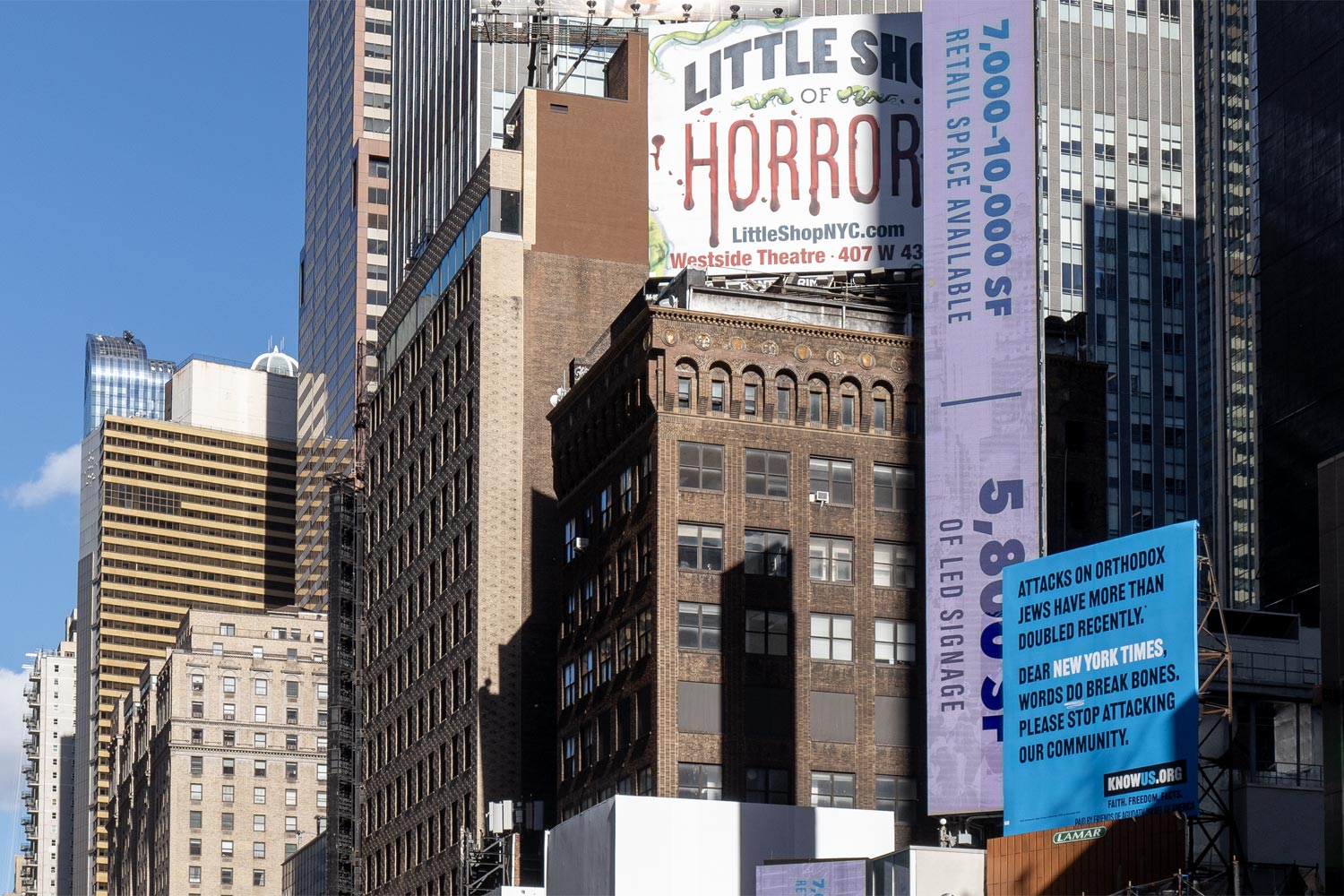
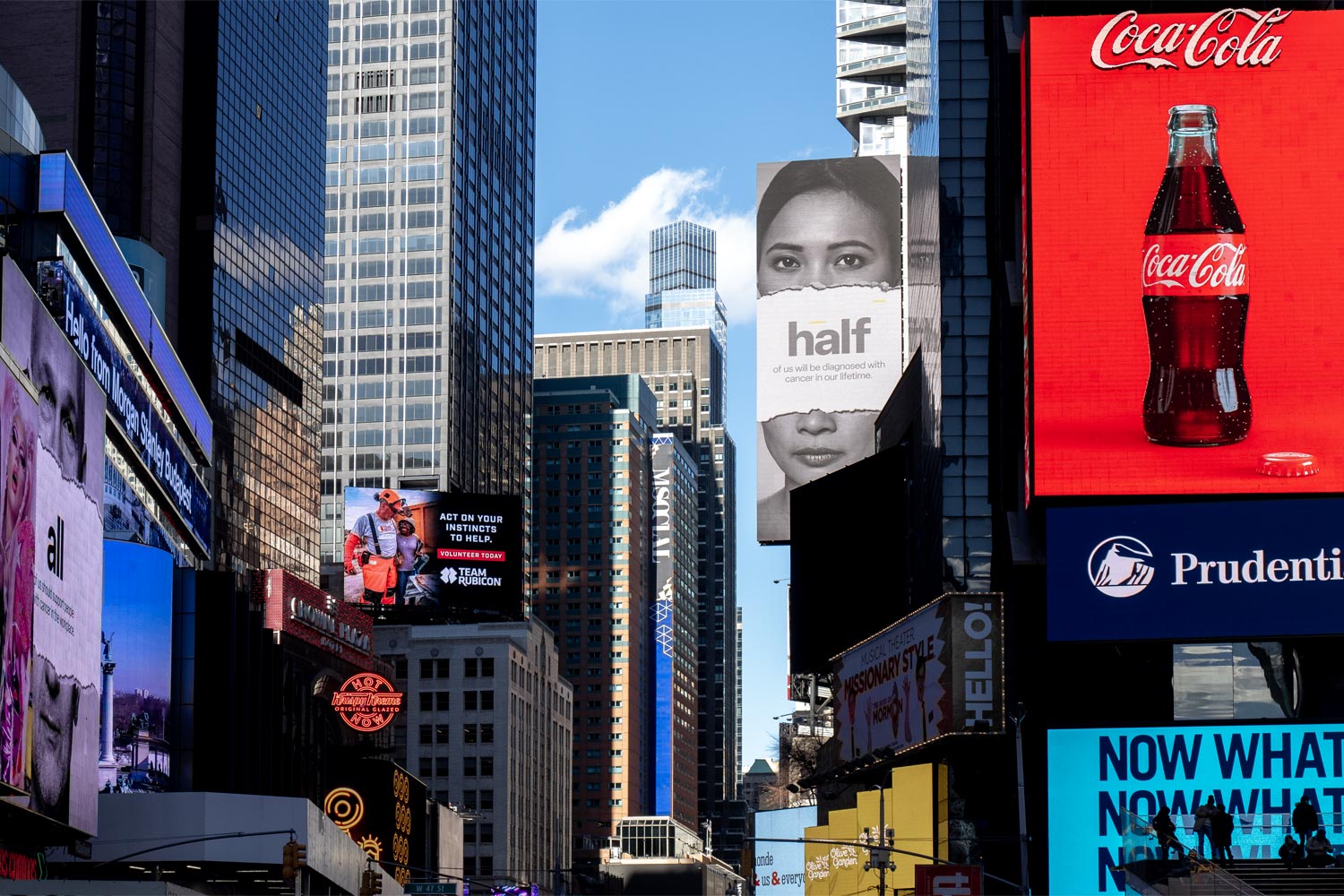
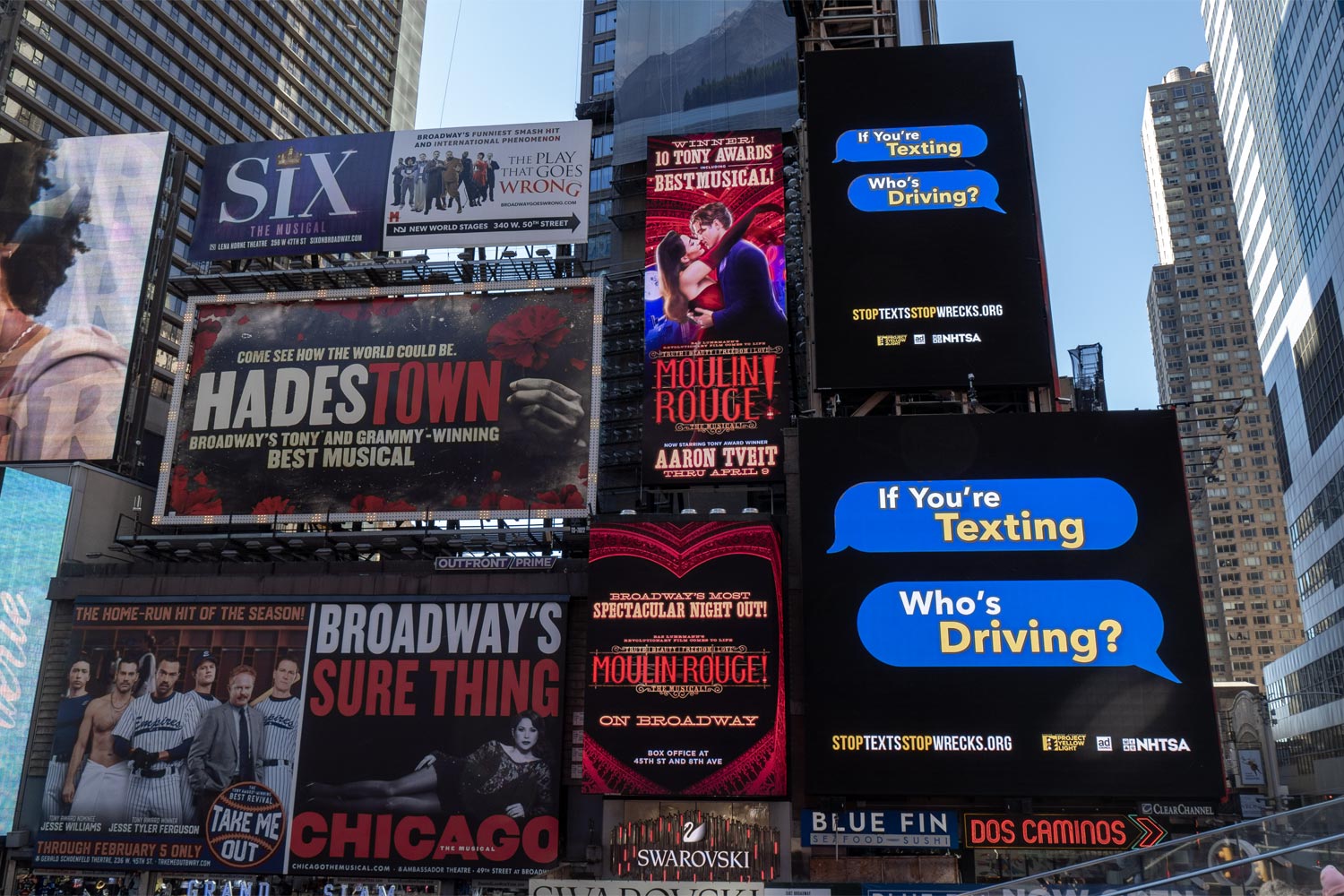
What kind of ads are shown at Times Square? It’s not always ads for boutiques and shows. There are also public service announcements. For example, one of the screens warns about the dangers of texting while driving.
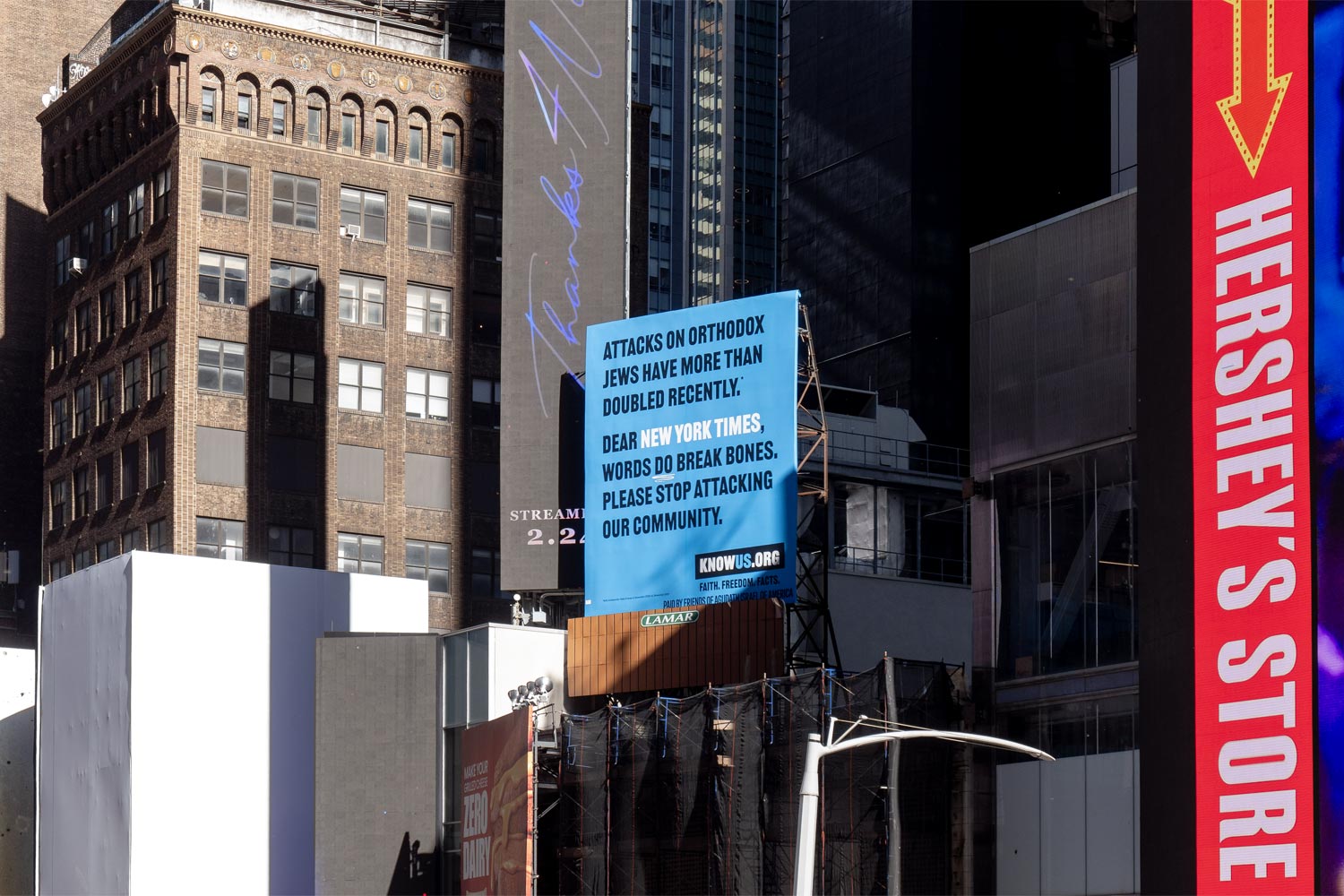
Somewhere up above, a modest little poster is tucked away, saying that the number of attacks on Jews in New York has doubled. The poster calls on The New York Times to stop attacking the Jewish community.
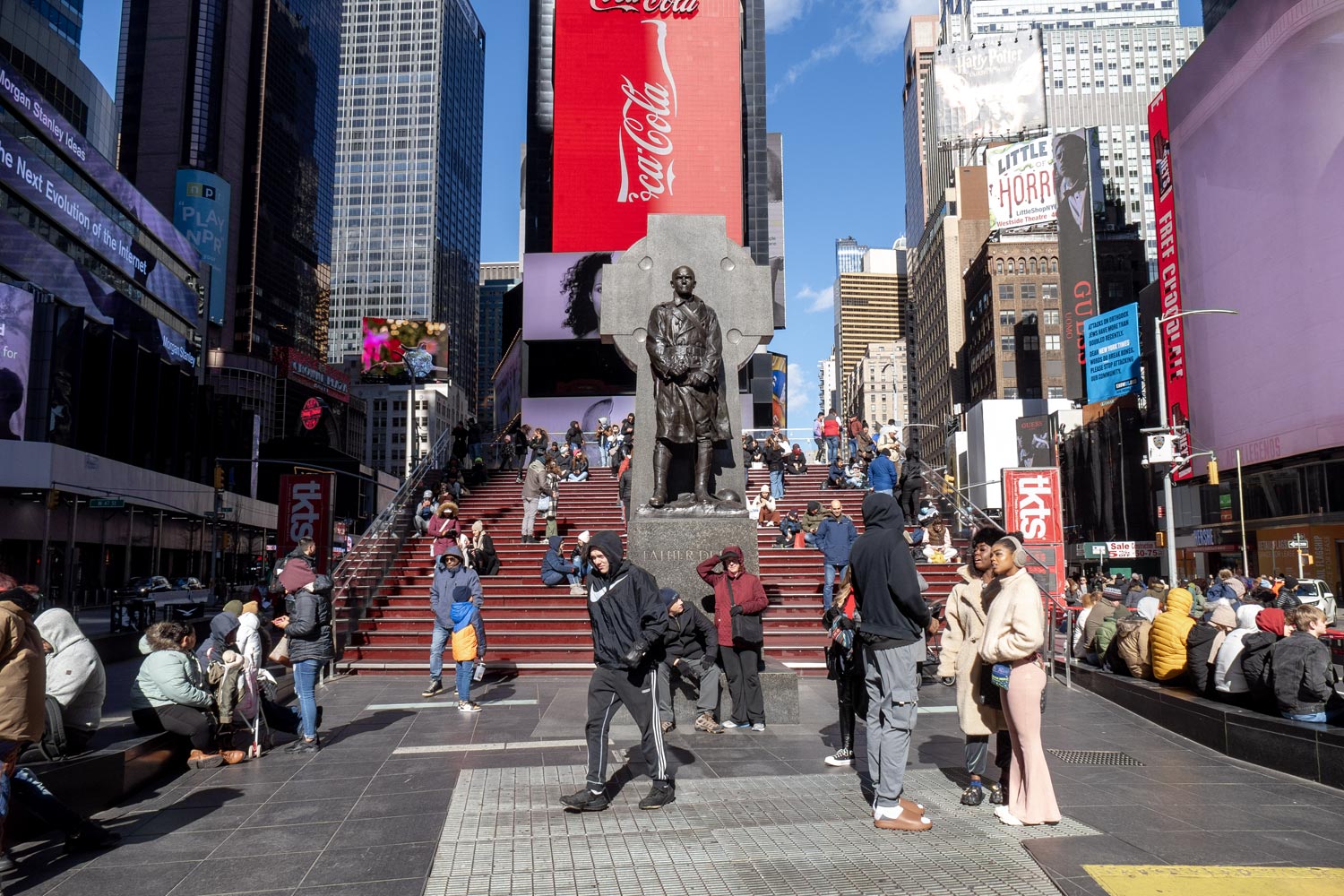
Like any square, Times Square is flat. There’s only a small pedestal with a staircase on it. Next to it stands a monument to a military chaplain, Father Duffy. It’s unclear what this chaplain did wrong to deserve standing forever in this godforsaken place.
There’s no special view from the pedestal, but it’s very close to a gigantic screen. The pressure of Ridley Scott cyberpunk is felt especially sharply when a woman, locked in a virtual aquarium, starts pounding with her fist, trying to break out into reality.
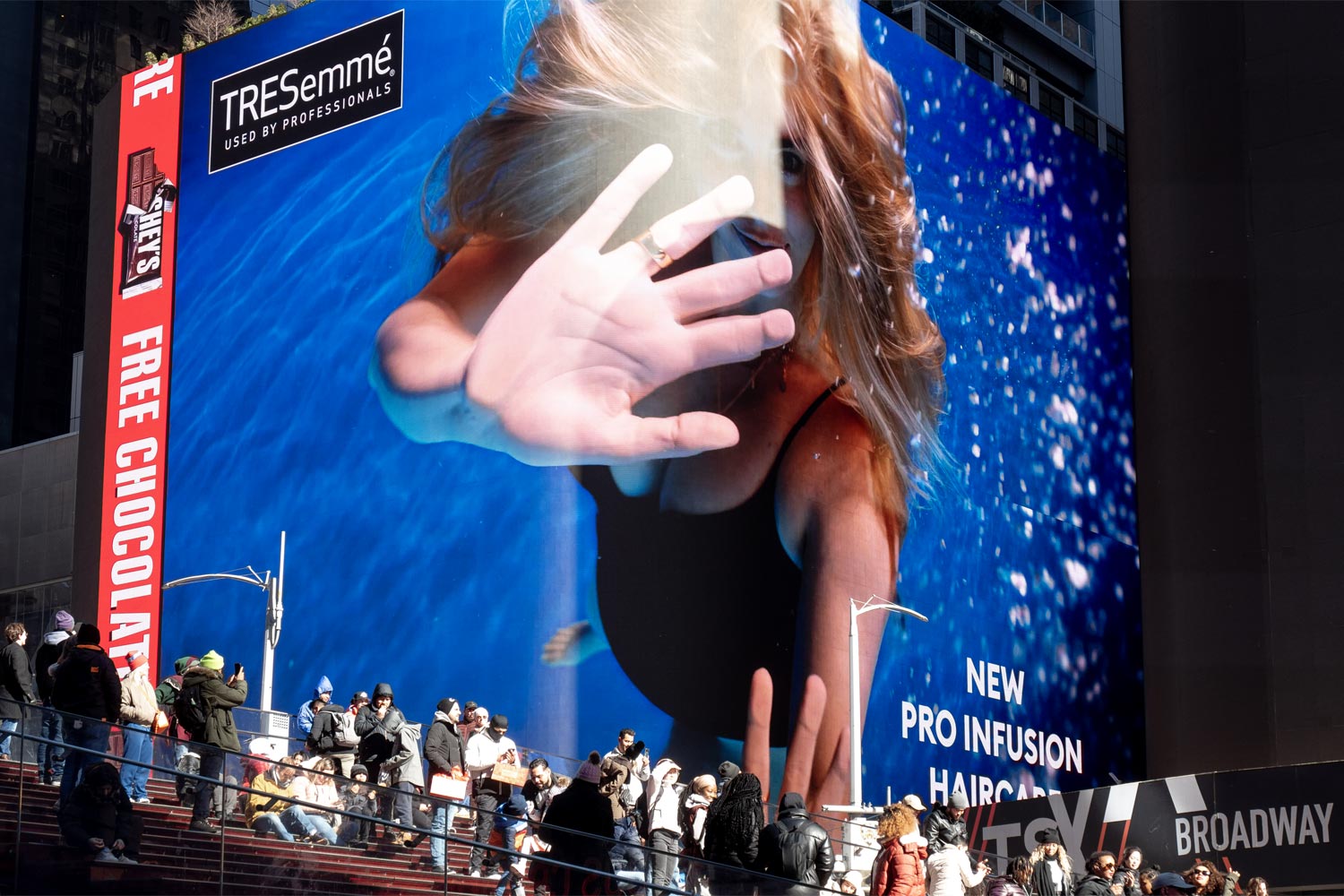
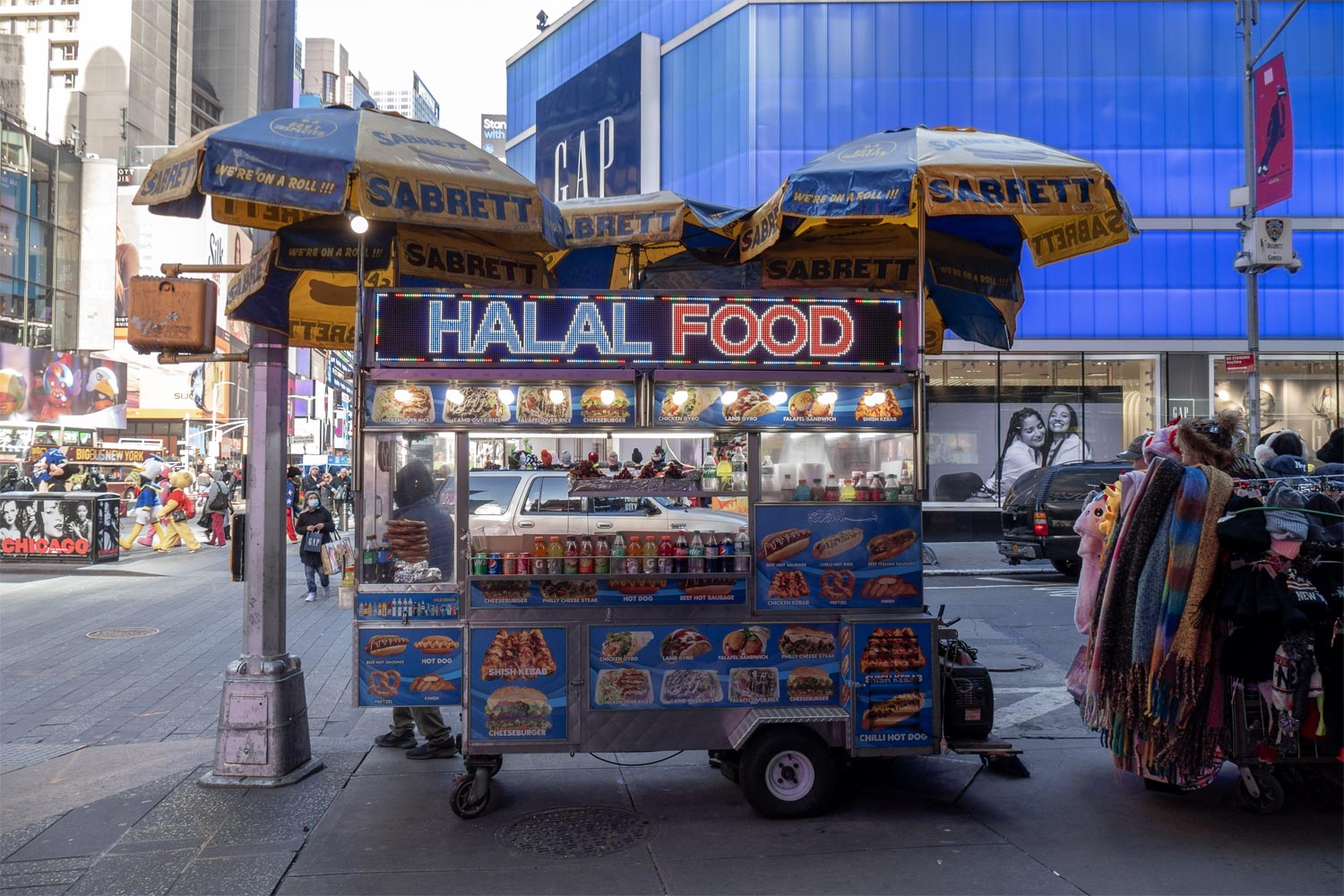
And somewhere down below, beneath all this canopy of chaos and the curtain of light and noise, hiding, stands a little hot dog truck with a “halal food” sign.
Down there on the lower floors, police officers are on duty. Times Square is not only New York’s main tourist attraction, but also a hotbed of crime.
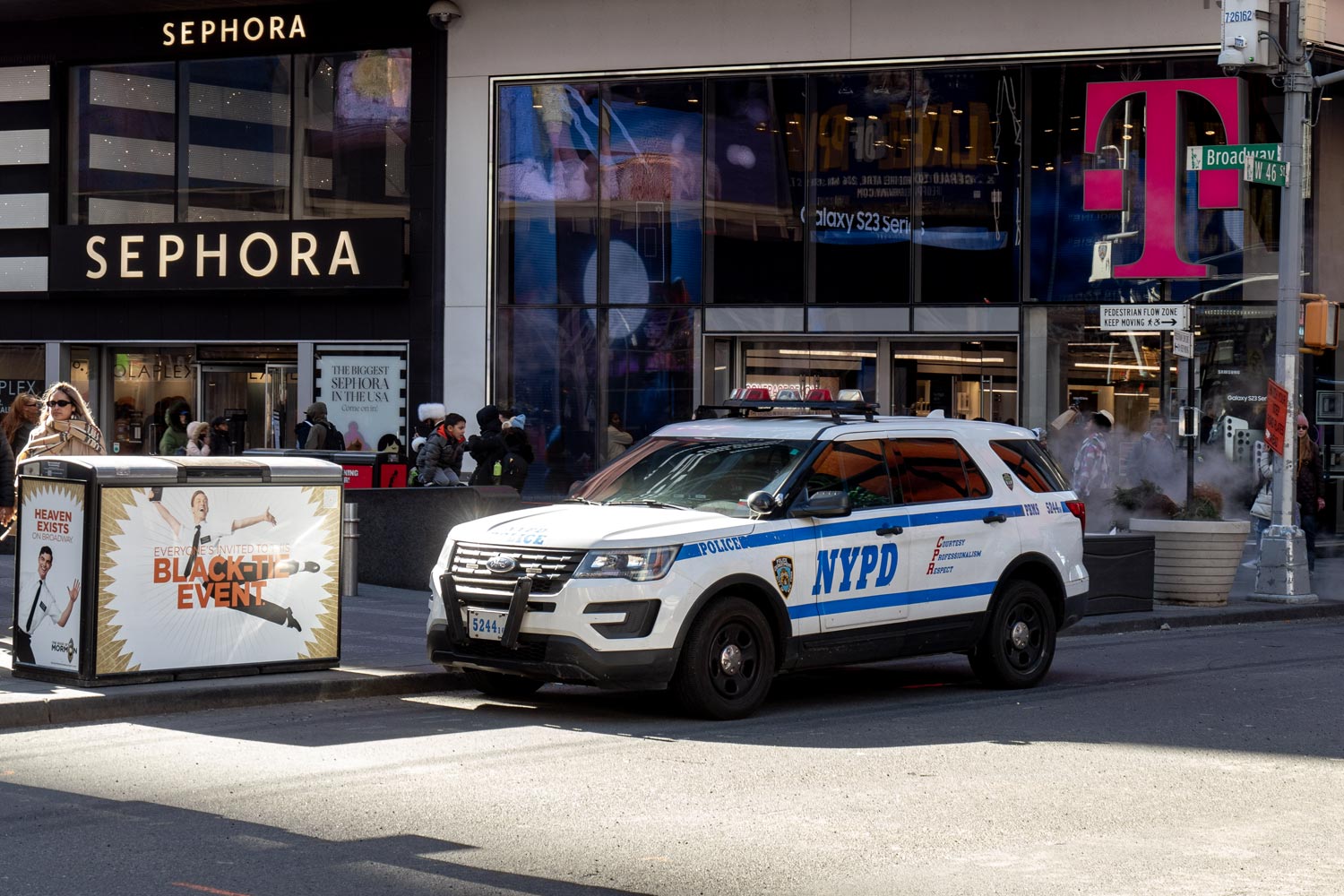
Of course, with this kind of round-the-clock security, Times Square isn’t particularly dangerous. Long ago, back in the 1970s, the square was completely different. Drugs were sold here, porn was shown in the movie theaters, and tourists stayed away. It only became a symbol of New York in the 1990s, when the area was cleaned up and turned into a dystopia.
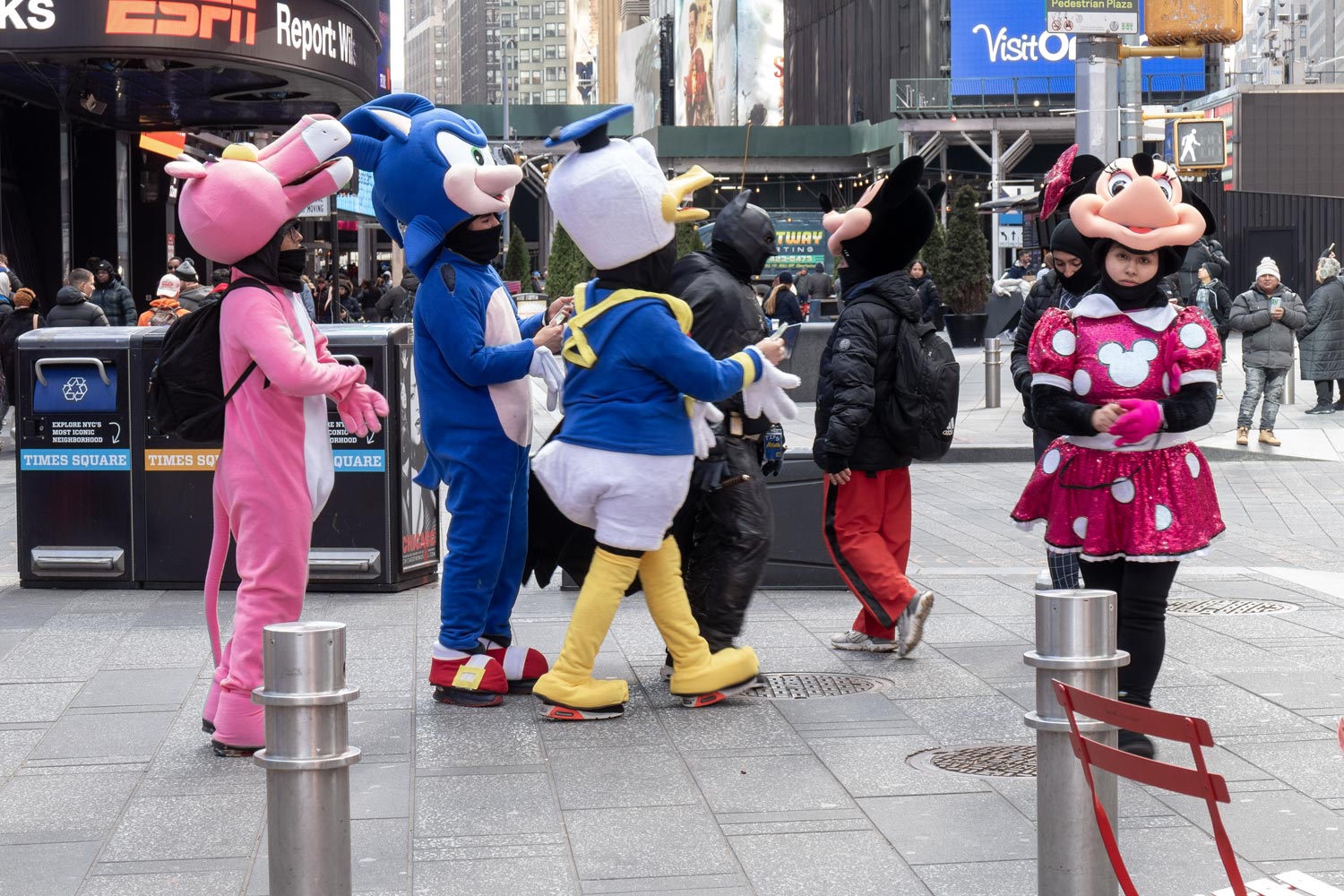
These days, the main crime in Times Square is petty crooks dressed up as Spider-Man and Donald Duck. They lure tourists in with supposedly free photos that turn out to be paid. And if a tourist refuses to pay, the costumed horde goes at them with their fists.
New Yorkers themselves consider the square to have a bad reputation. There are regular shootings and stabbings here. And in general, in the modern world it’s best to stay away from crowds like that. However, the most idiotic thing in the world that could occur to a tourist or a recent immigrant is the idea of celebrating New Year in Times Square.
You can understand them, because the TV broadcasts an incredible show that takes place on the square on New Year’s Eve. In America, it’s not customary to set off fireworks for New Year’s, as people do in other countries. Nor does New York have Kremlin towers with chimes that strike exactly at midnight. Instead, Americans mark midnight on December 31st with the dropping of the time ball.
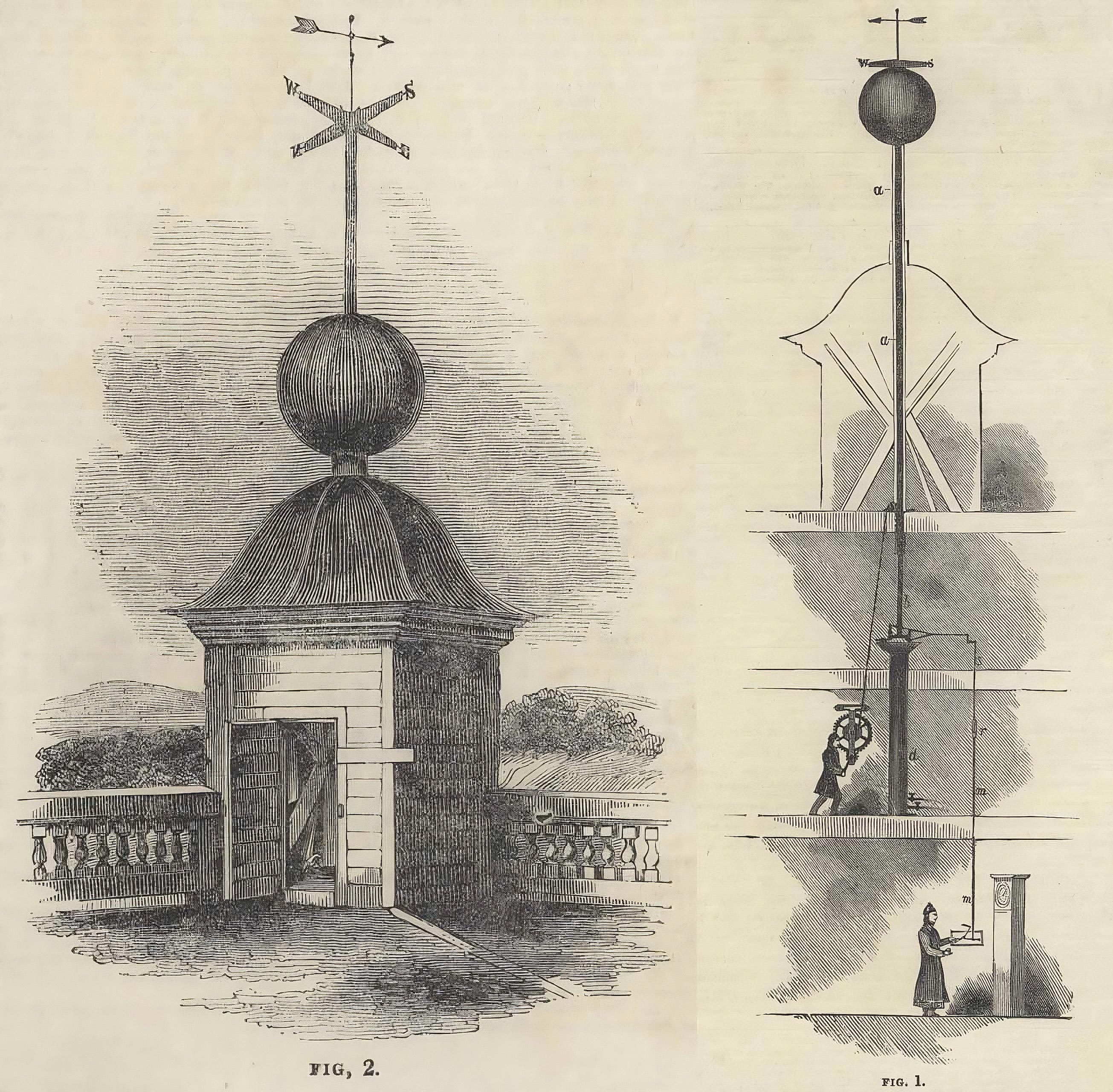
The time ball was invented in the 19th century for sailors. Every day at the same time in seaports across Great Britain, a large ball was raised to the top of a tall mast. Raising the ball served as a preparatory signal for synchronizing clocks. While the ball was being hoisted, captains and navigators would take out their chronometers and wait, and then, as soon as the ball suddenly dropped from the mast, they would set their timepieces.
The idea of dropping a ball of time on New Year’s Eve in New York came to the owner of the newspaper the New York Times. By that time, the paper had built itself a new skyscraper on one of New York’s squares, which, in honor of the newspaper, was named Times Square. Pure marketing, see.
For the first time, the time ball was dropped in 1907, and since then it has become a New Year’s tradition. On the other days of the year, it can be found at the top of a narrow skyscraper on the corner of the square. It rests at the base of the spire.
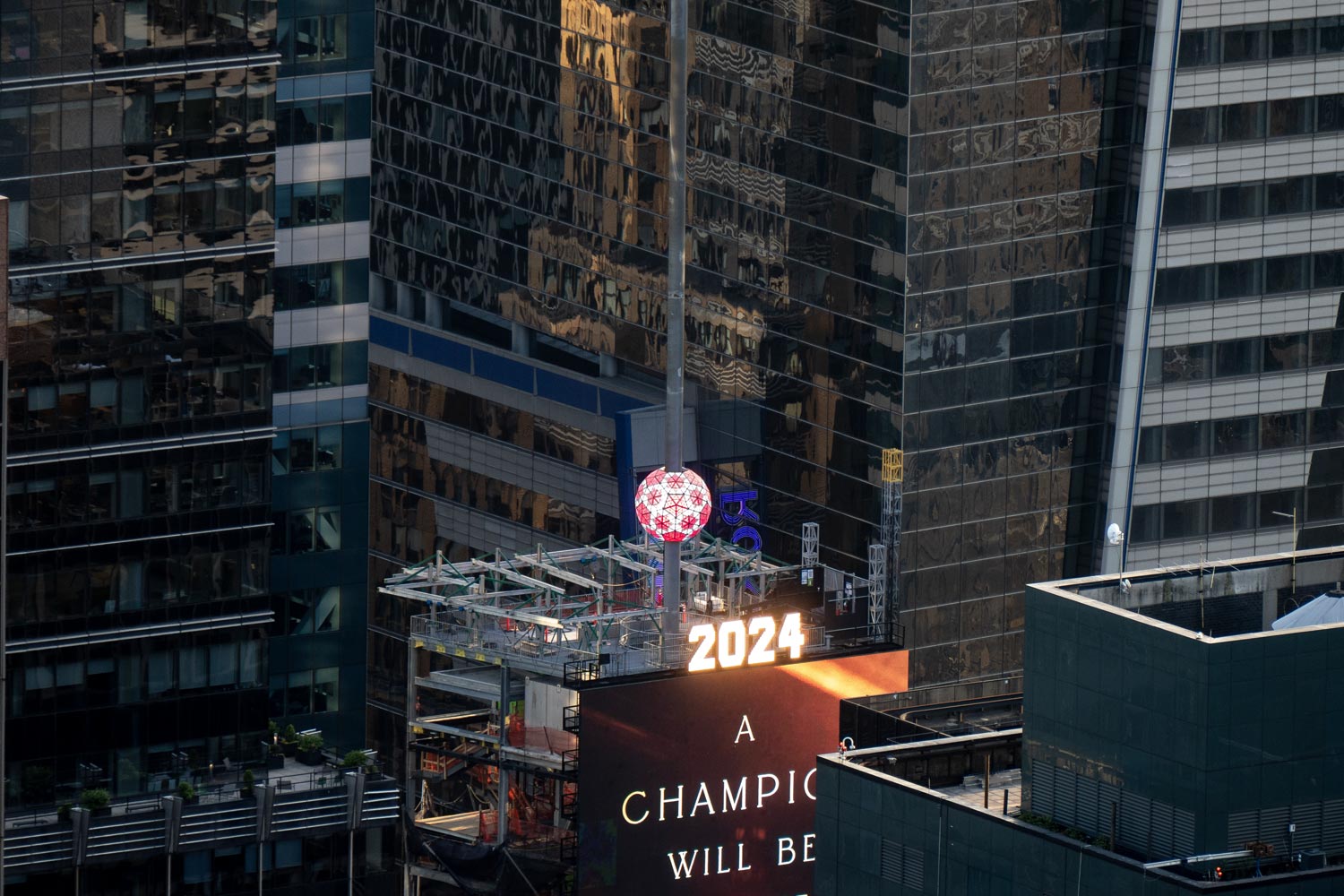
So it turns out that both Times Square and the mysterious New Year’s ball are just a PR campaign for The New York Times newspaper. American advertisers even managed to sell New Year’s itself!
As for the Times Square show, it has a dark side. To see the ball drop in person and stand under the confetti falling from the sky, you’ll have to get in line early in the morning on December 31. Obviously, you won’t be able to leave your spot and then come back: someone else will immediately take your place.
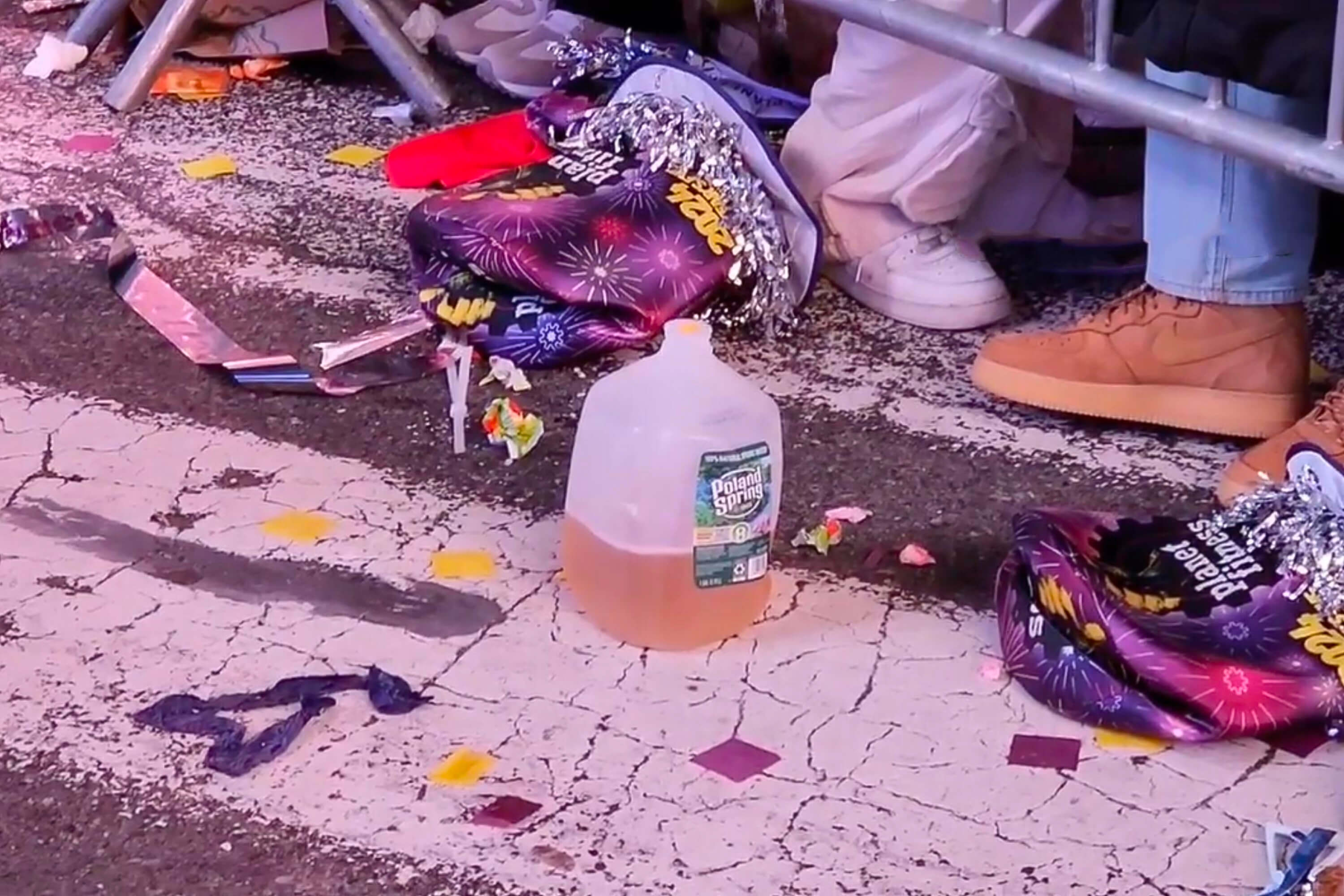
Of course, there are no toilets provided for people in the line: who knows what could be planted in them. So what are you supposed to do if you have to stand in line for 16 hours? Pee yourself, of course!
Those who want to ring in the New Year in the heart of New York either show up in diapers or... well, let’s just say that on a quiet, frosty January morning, Times Square ends up lined with bottles of golden urine.
Fifth Avenue
Not far from Times Square, between the Empire State Building and the Chrysler Building, there is a favorite spot for New Yorkers — Bryant Park. It is the largest of the city’s small parks. At its head stands New York’s largest library, and in front of it, on a broad, slightly worn lawn, hundreds of people relax.
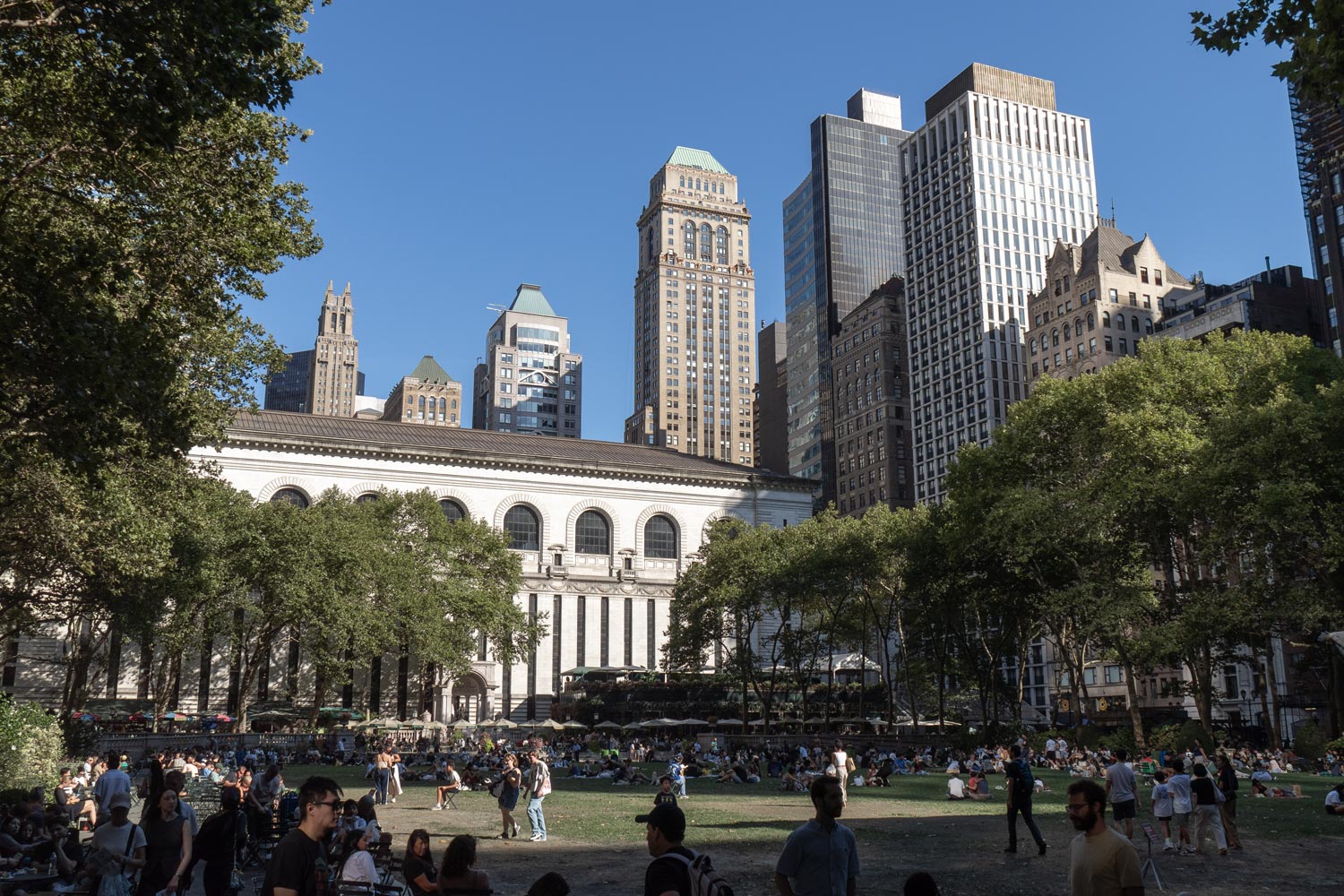
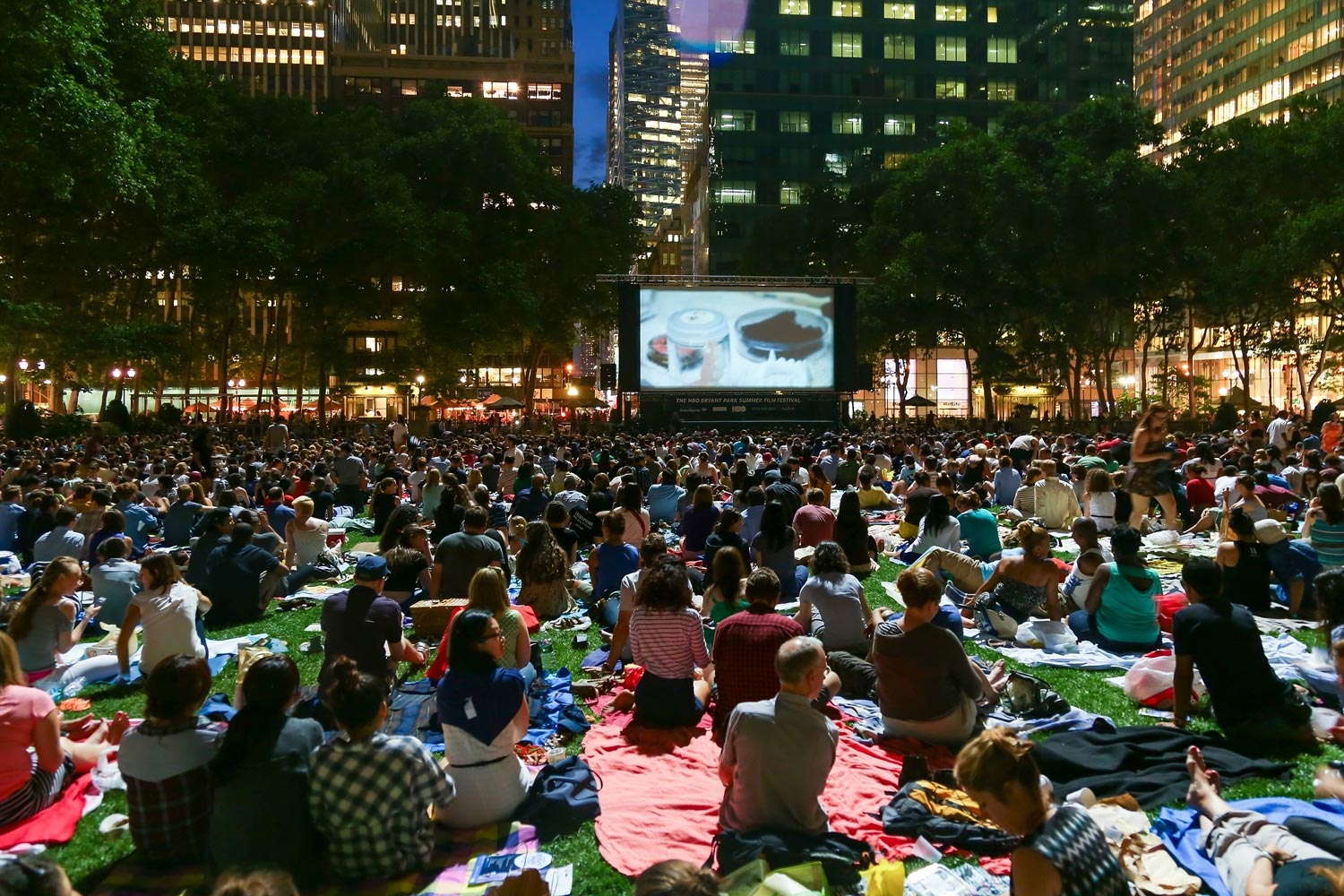
On summer evenings, on Mondays, a huge screen is set up at the other end of the park and put on a free open-air cinema. They don’t just show any movies, but real blockbusters, like Pulp Fiction. Thousands of people come to watch, so the park gets so crowded there’s not even room for an apple to fall.
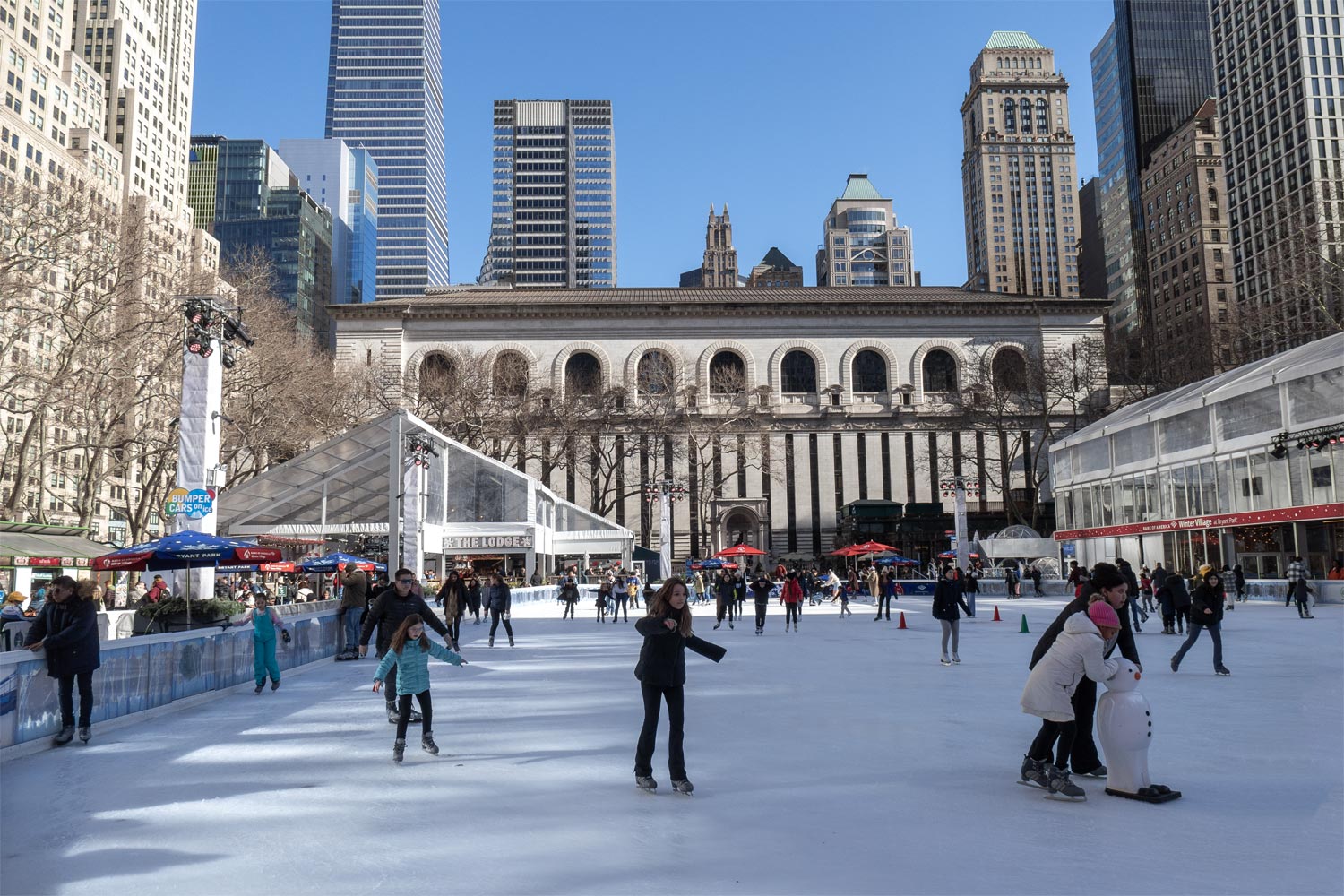
In winter you won’t be bored in Bryant Park either: the lawn is turned into an ice rink. No, it’s not the same rink that was in Home Alone.
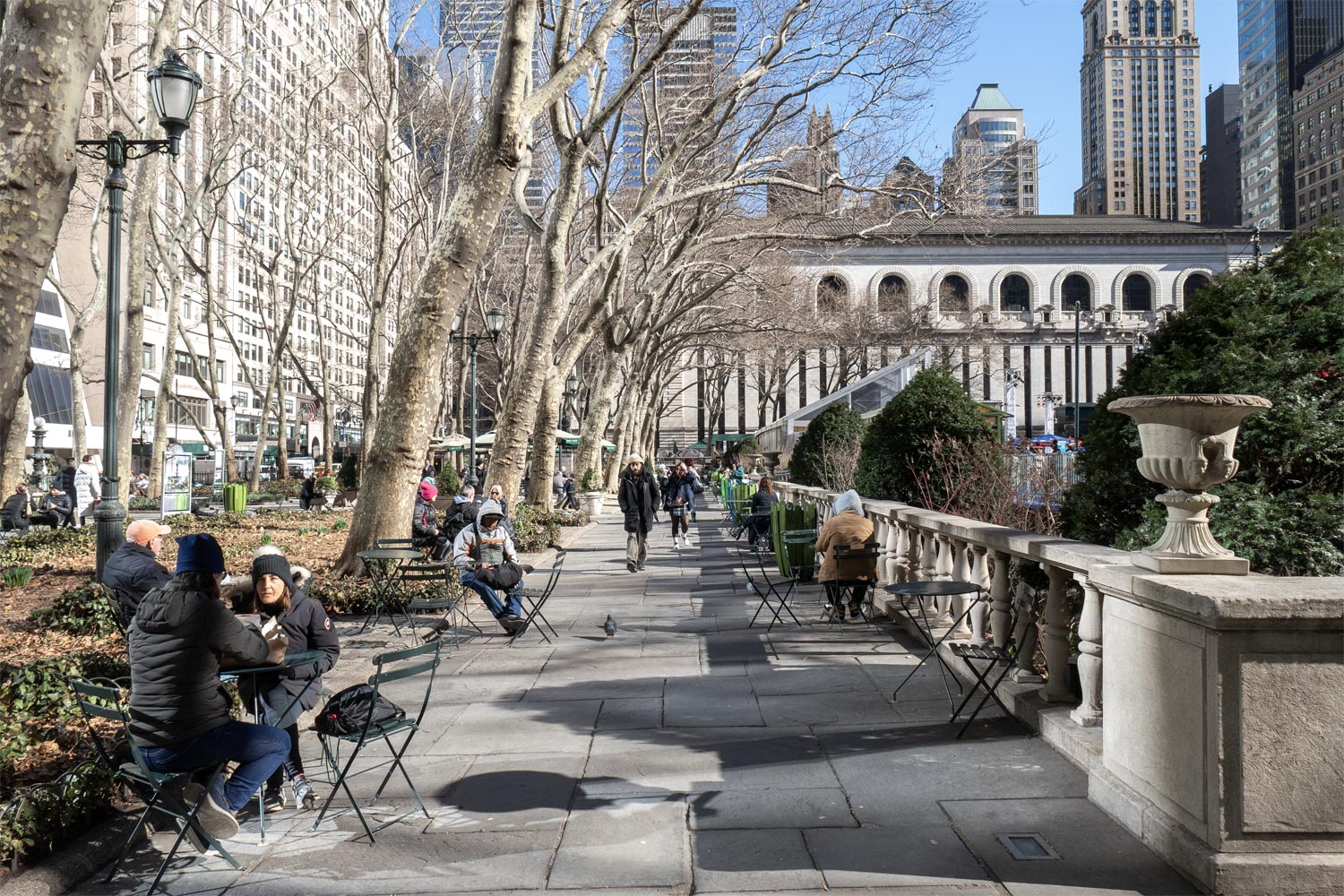
Coffee tables around the perimeter of the park are occupied even in freezing weather. Then again, in New York it rarely gets colder than –5 °C.
At its other end, Bryant Park opens onto Fifth Avenue — one of New York’s famous streets. A tourist who finds themselves on this avenue experiences deep culture shock upon realizing that Fifth Avenue is no different from Sixth.
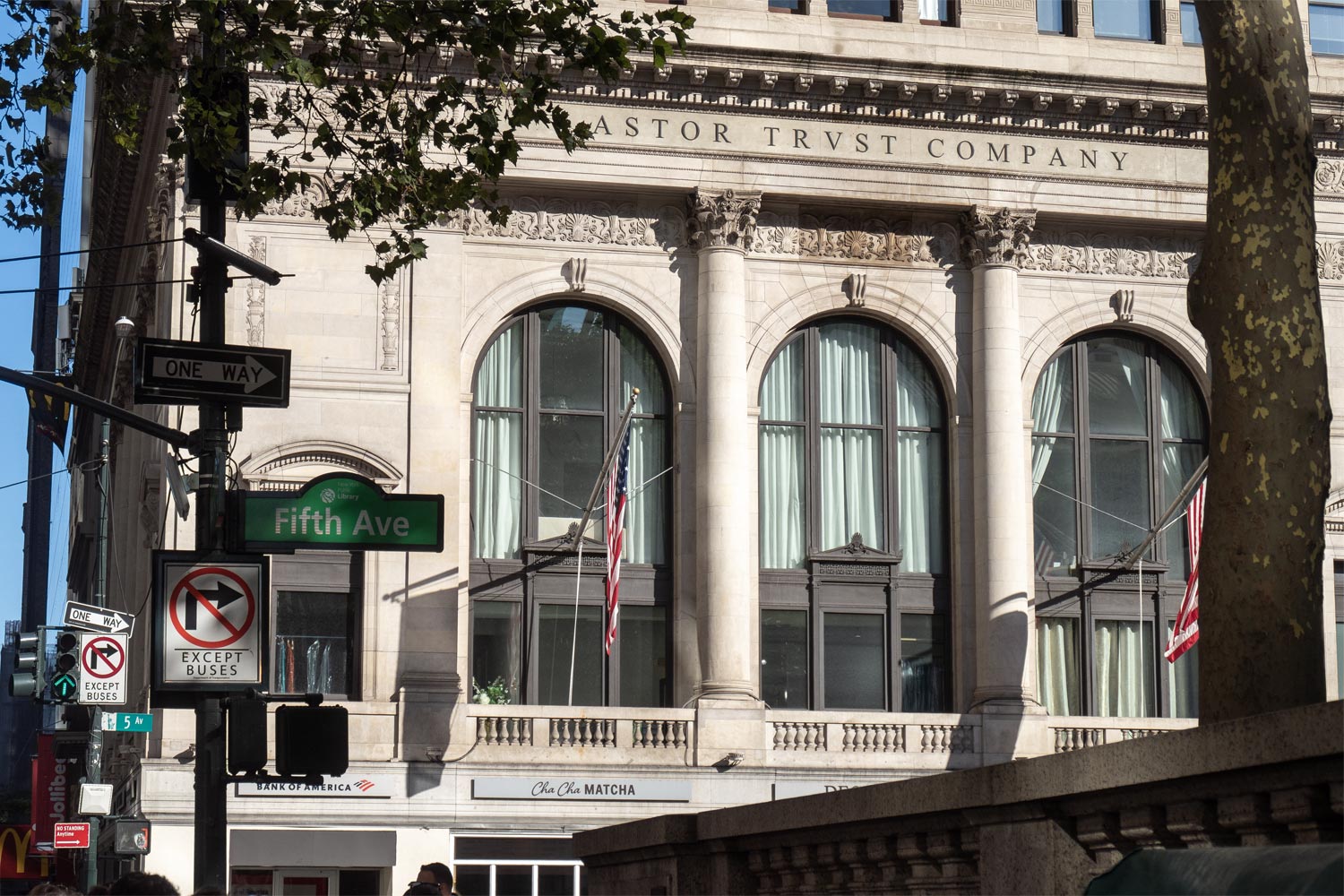
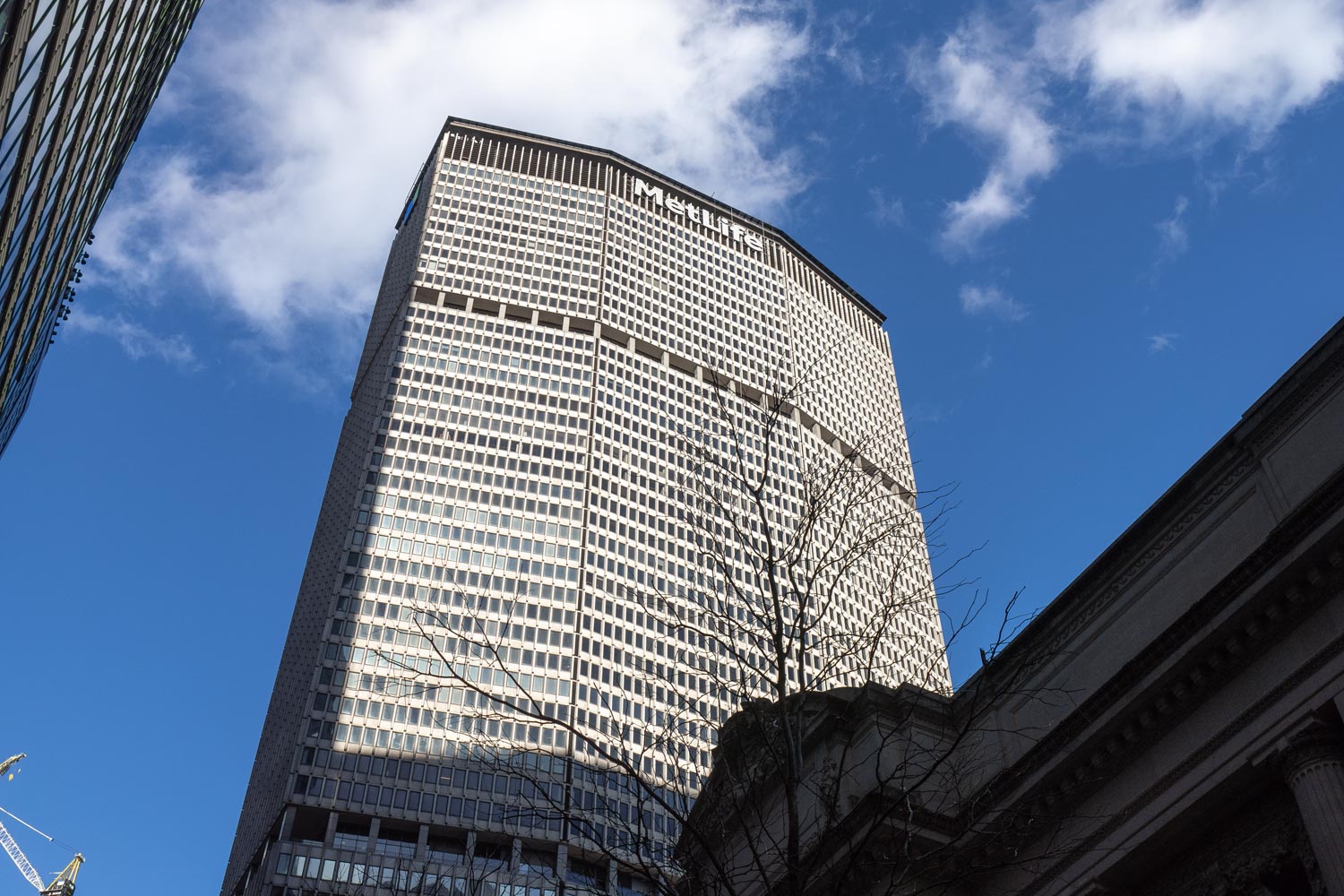
All the streets in New York look alike. You can only tell them apart by their landmark buildings. Fifth Avenue, for example, is marked by the skyscraper of the MetLife insurance corporation — another one, this time still in operation. At the top of this skyscraper hangs a huge corporate sign that keeps popping up in movies and video games.
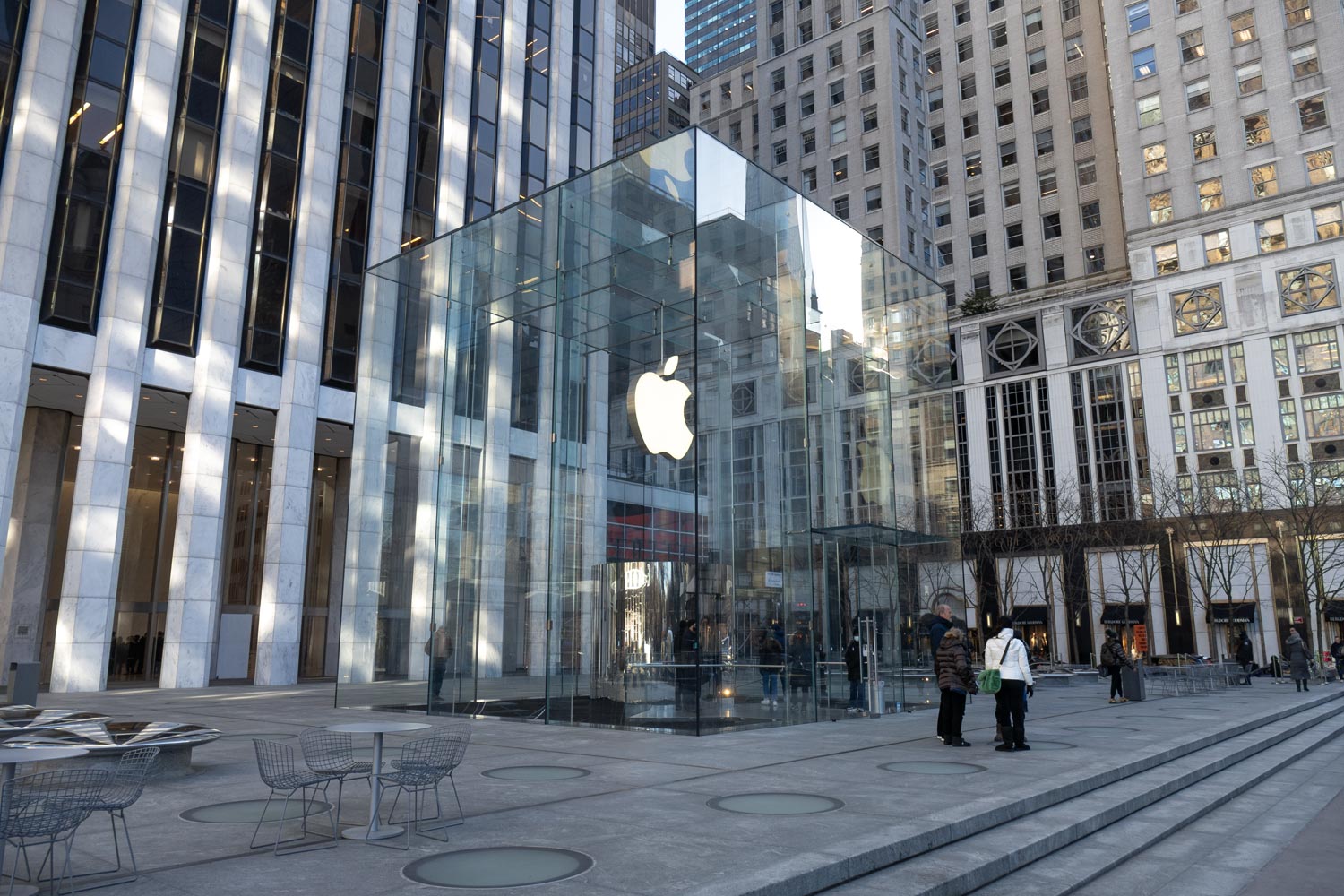
Fifth Avenue holds the record for the number of flagship buildings. Glittering display windows reign supreme here. On this street you’ll find Apple’s central store in the shape of a glass cube, Trump’s golden skyscraper with its luxurious free restroom, and all sorts of glossy boutiques of expensive brands of Swiss watches, Italian bags, and French perfumes.
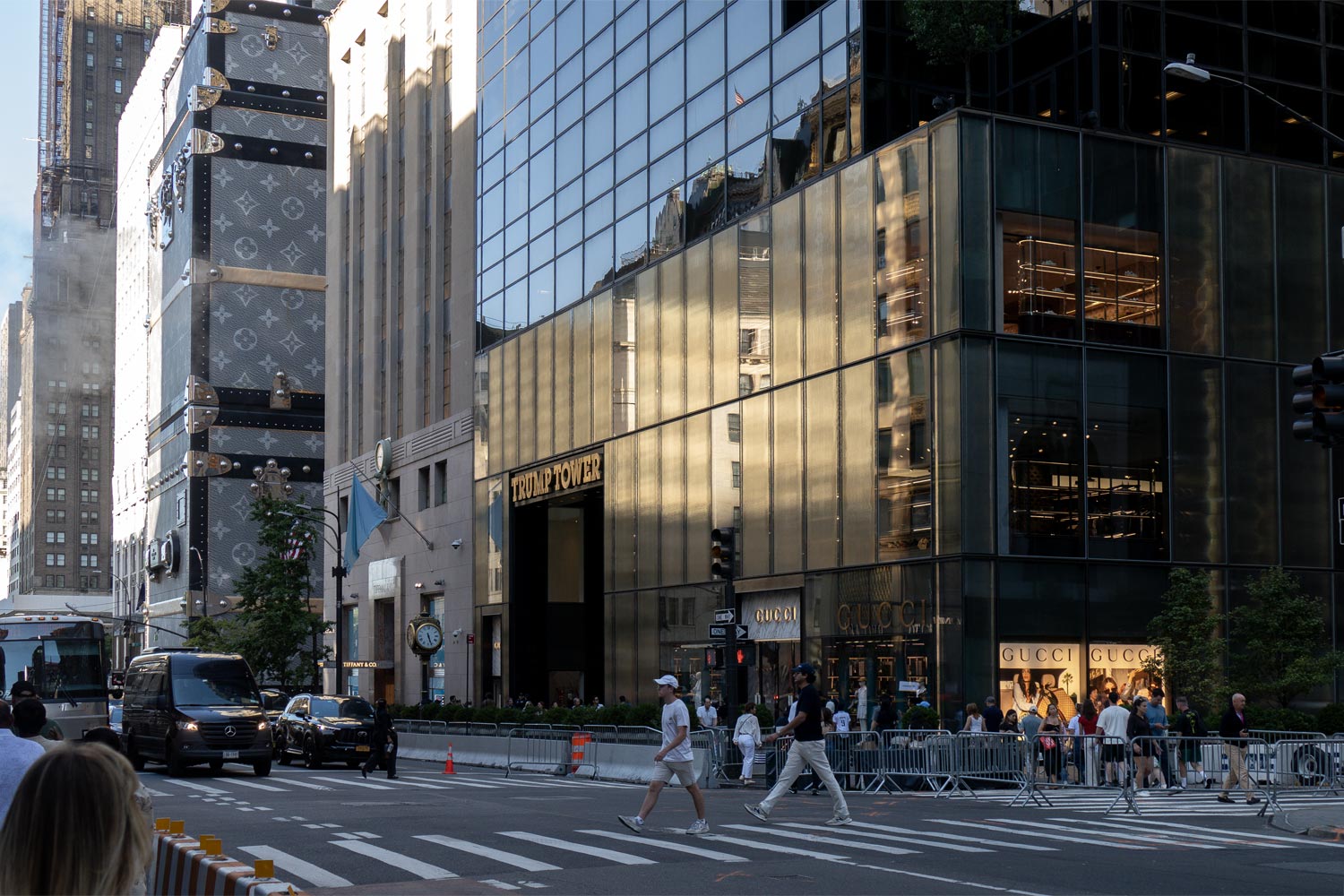
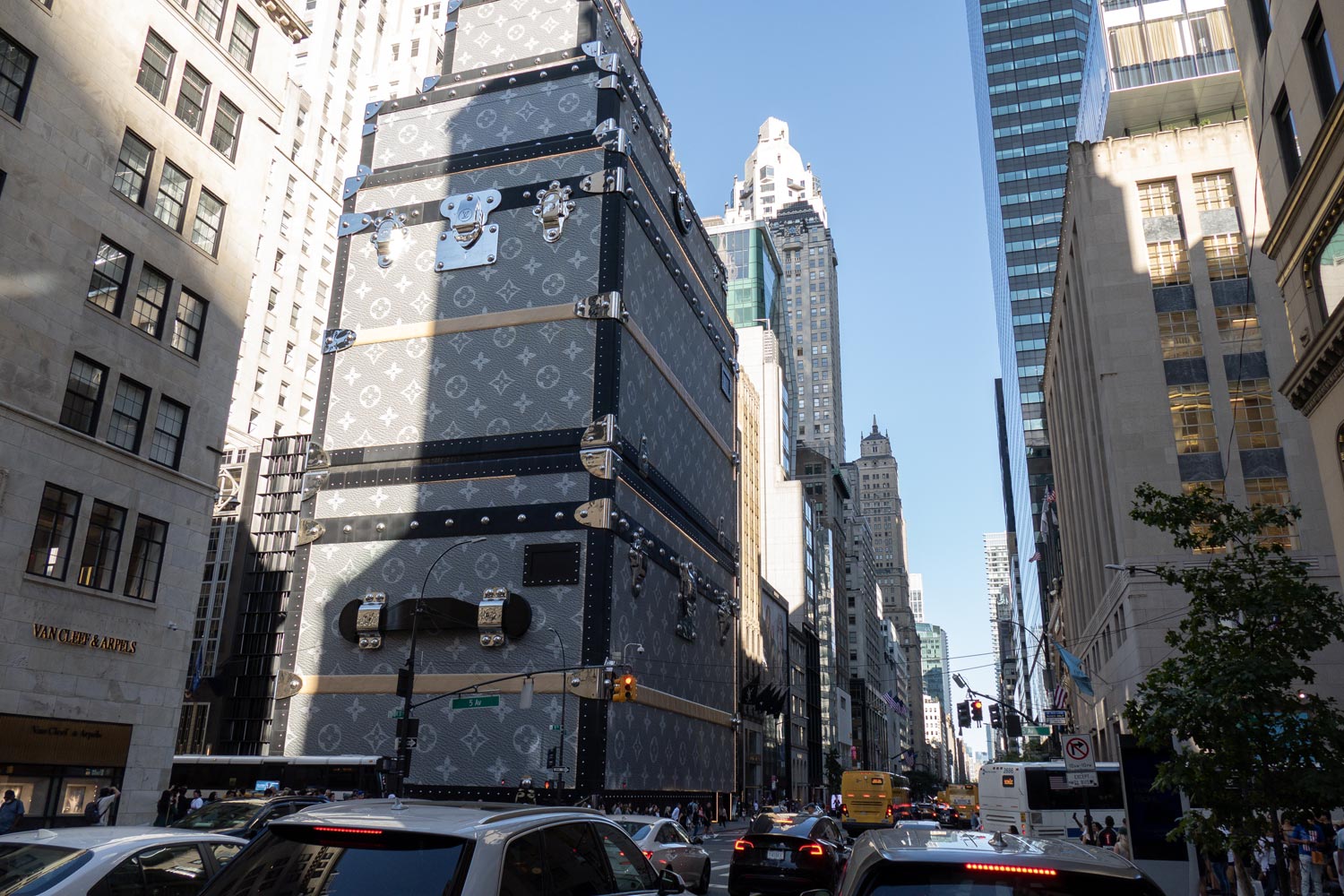
Fifth Avenue is a contest in sheer flamboyance. Today, reigning on the kitsch Olympus is Louis Vuitton, which had the idea to decorate its store in the shape of a suitcase.
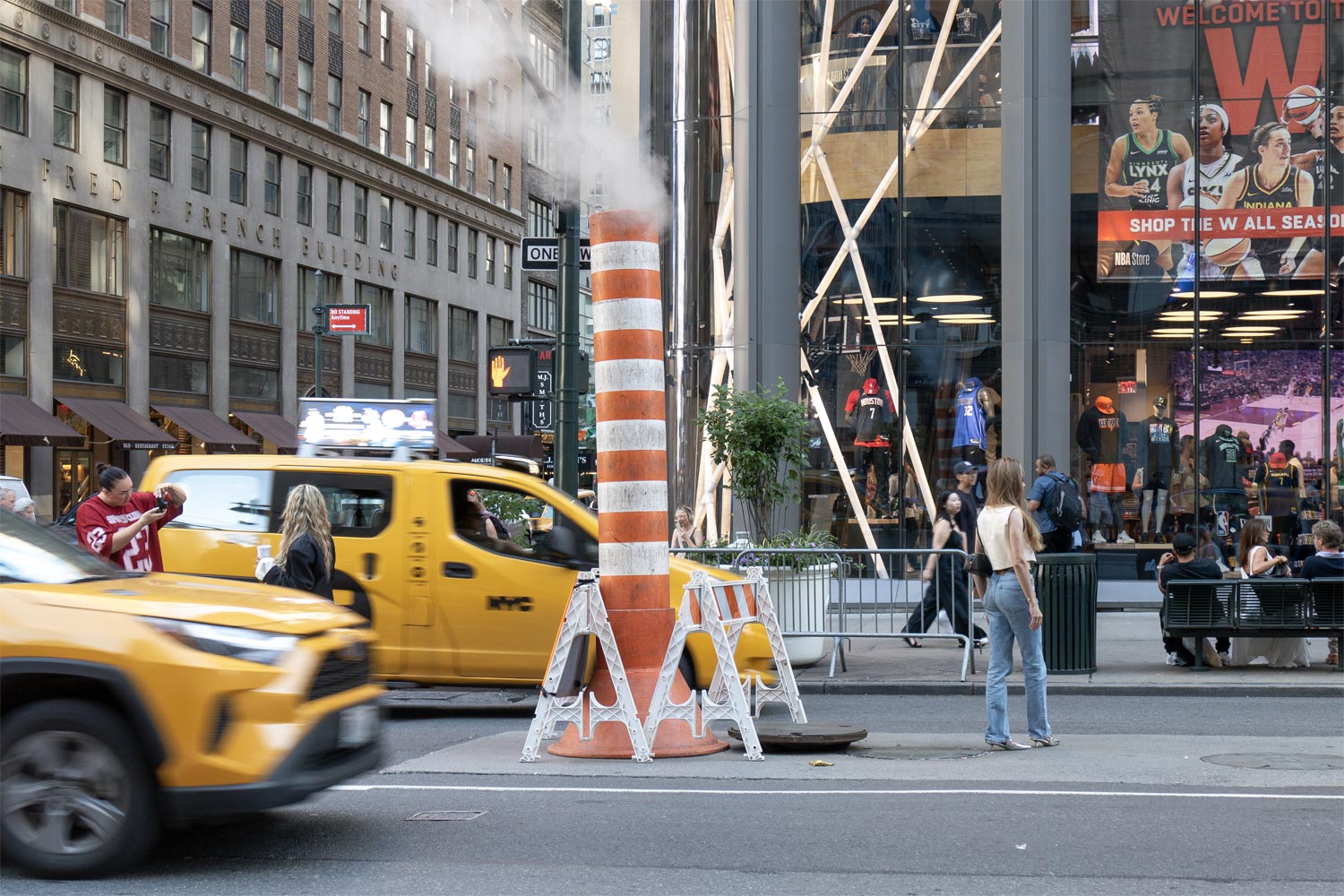
And right outside the gleaming doors marked VIP, white steam is billowing out of open manholes. Contrary to the legends, the steam isn’t coming from the subway, and not even from an accident.
Unlike in Europe, where water is heated by a boiler in a building’s basement, New York runs on district heating. But what flows through the city’s pipes is not hot water. Instead, a massive 19th‑century underground system delivers superheated steam to skyscrapers, where it is used to heat water on site. The supply pipes sometimes get so hot that they turn all the moisture in the soil into steam — and that steam is what really bursts out of the manholes.
Walk another hundred meters past the Swatch store, and suddenly your eye snags on a half-naked beggar woman, wrapped in a filthy sheet like it’s the Statue of Liberty’s robe.
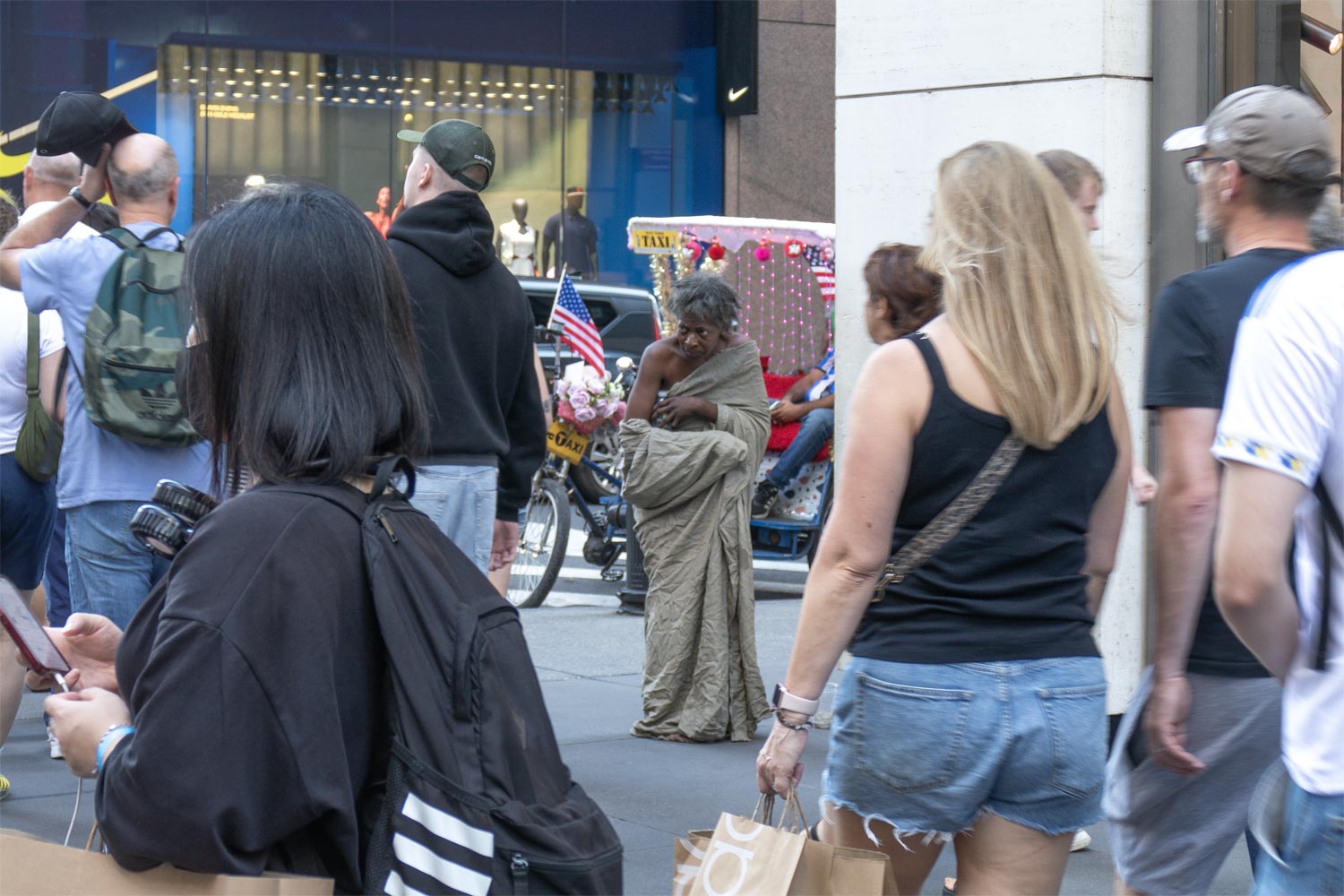
New York, all over again. This city can drag you down from the clouds to the ground in a second, only to lift you back up to the highest heights a second later.
Rockefeller Skyscraper
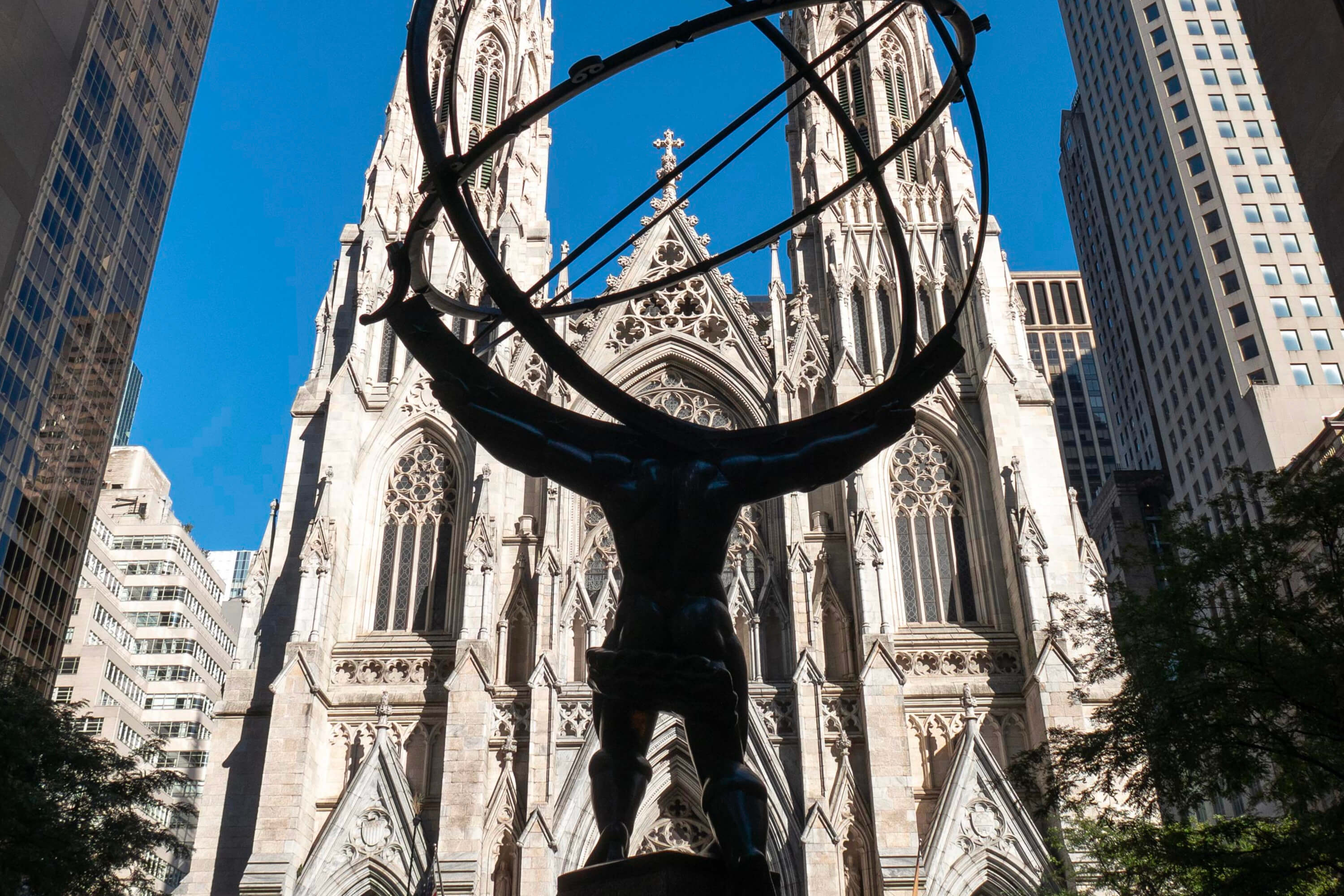
On that same Fifth Avenue stands St. Patrick’s Cathedral. An absolutely mind-blowing church that’s squeezed so tightly between skyscrapers you either have to shoot it vertically or stitch together from several photos.
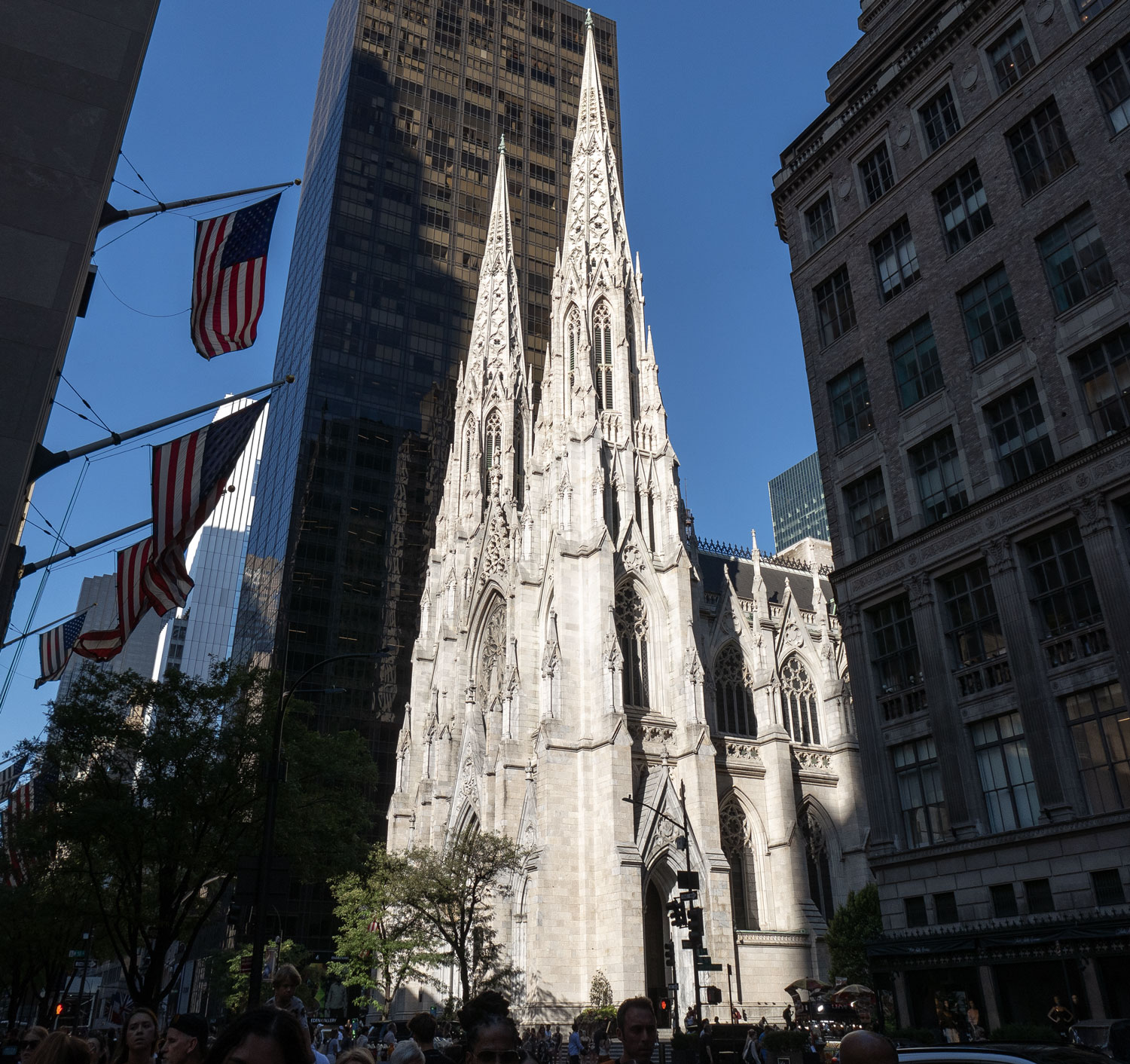
Opposite the cathedral stands the statue of Atlas, crowning the entrance to Rockefeller Center.
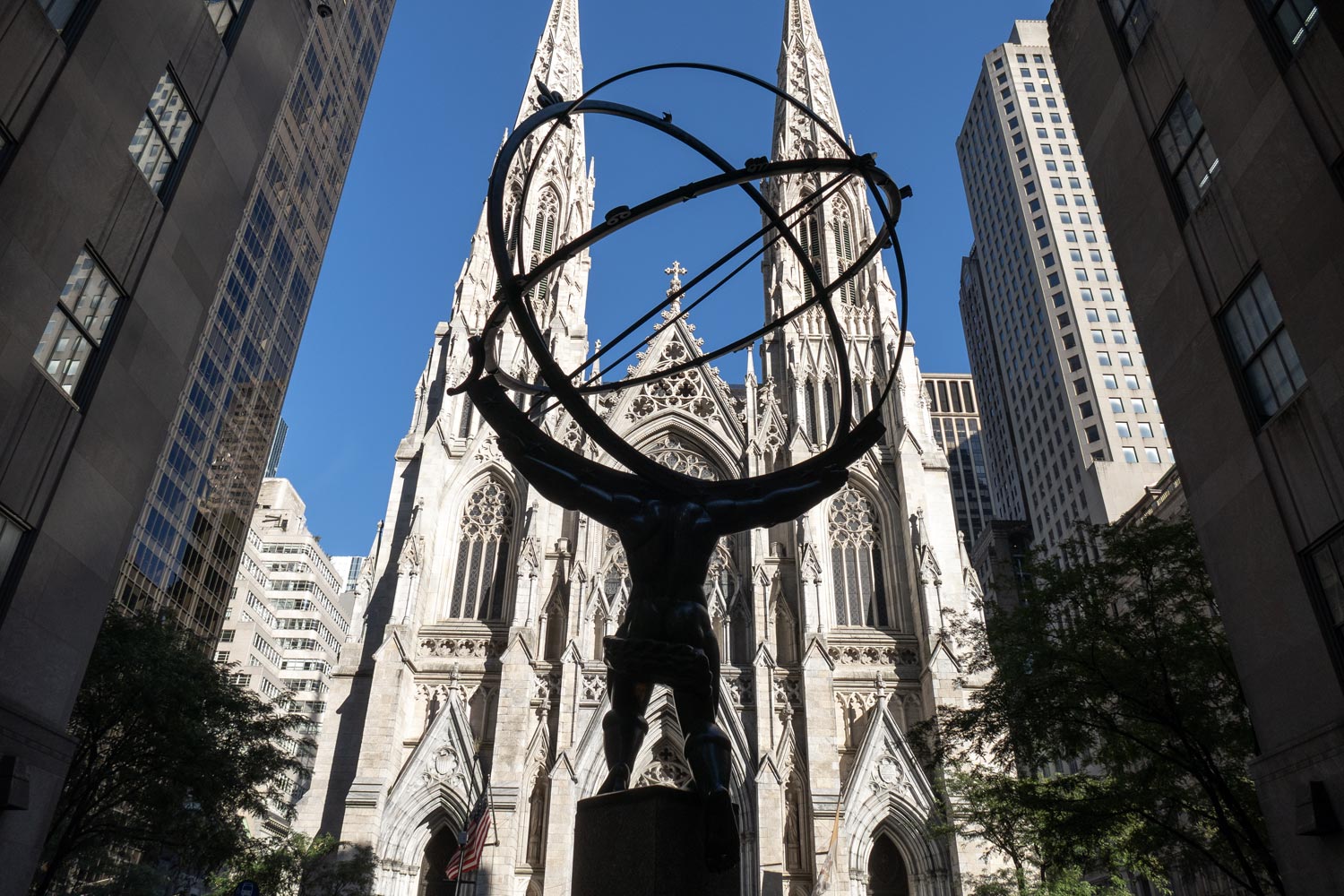
The center itself is 19 Art Deco buildings built by oil tycoon Rockefeller. One of the skyscrapers is New York’s main observation deck, which 2.5 million people go up to every year. Why not the Empire State Building? Because from the Empire State Building you can’t see the Empire State Building.
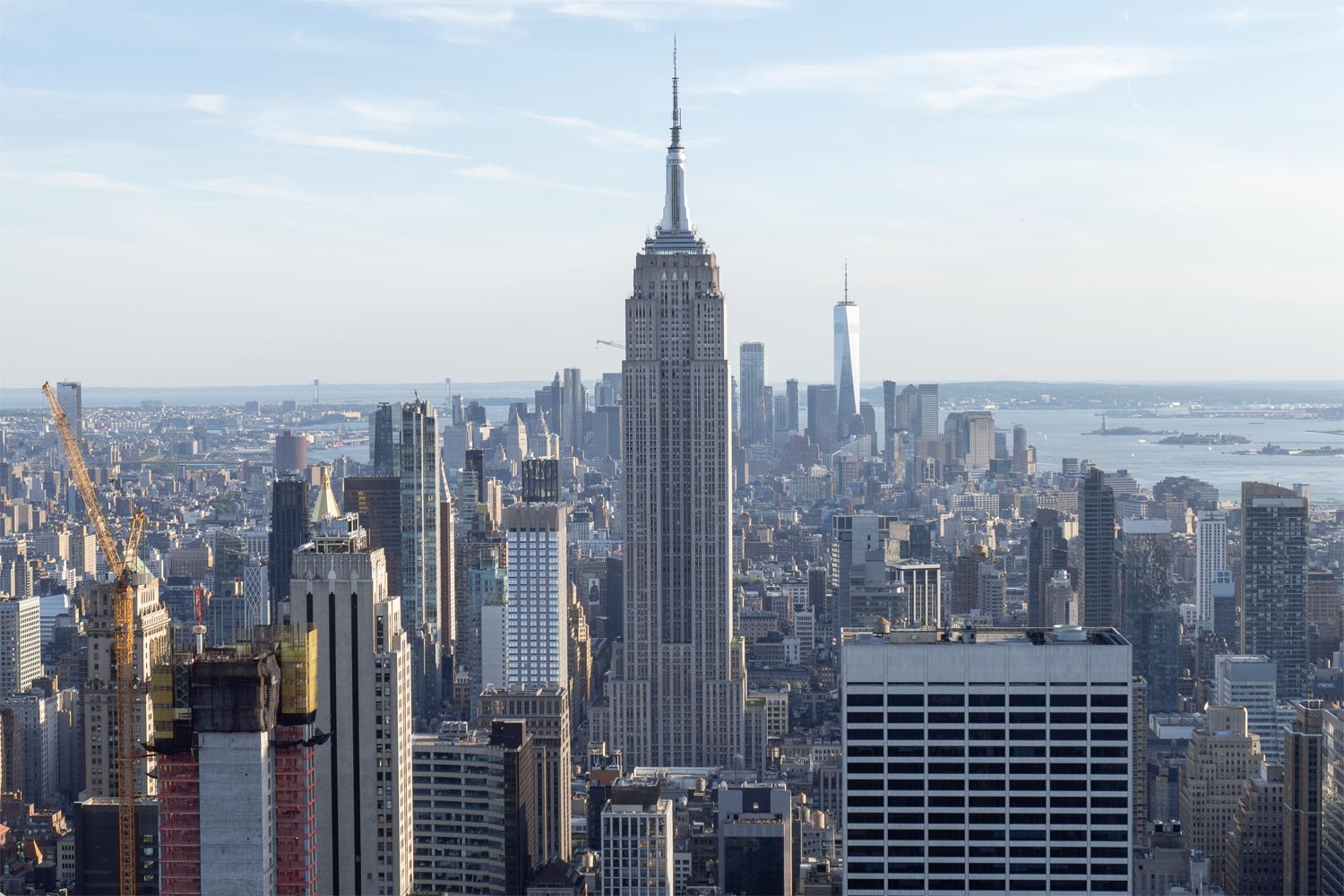
It’s a pity the Chrysler Building isn’t as easy to see from here: it’s blocked by the MetLife tower.
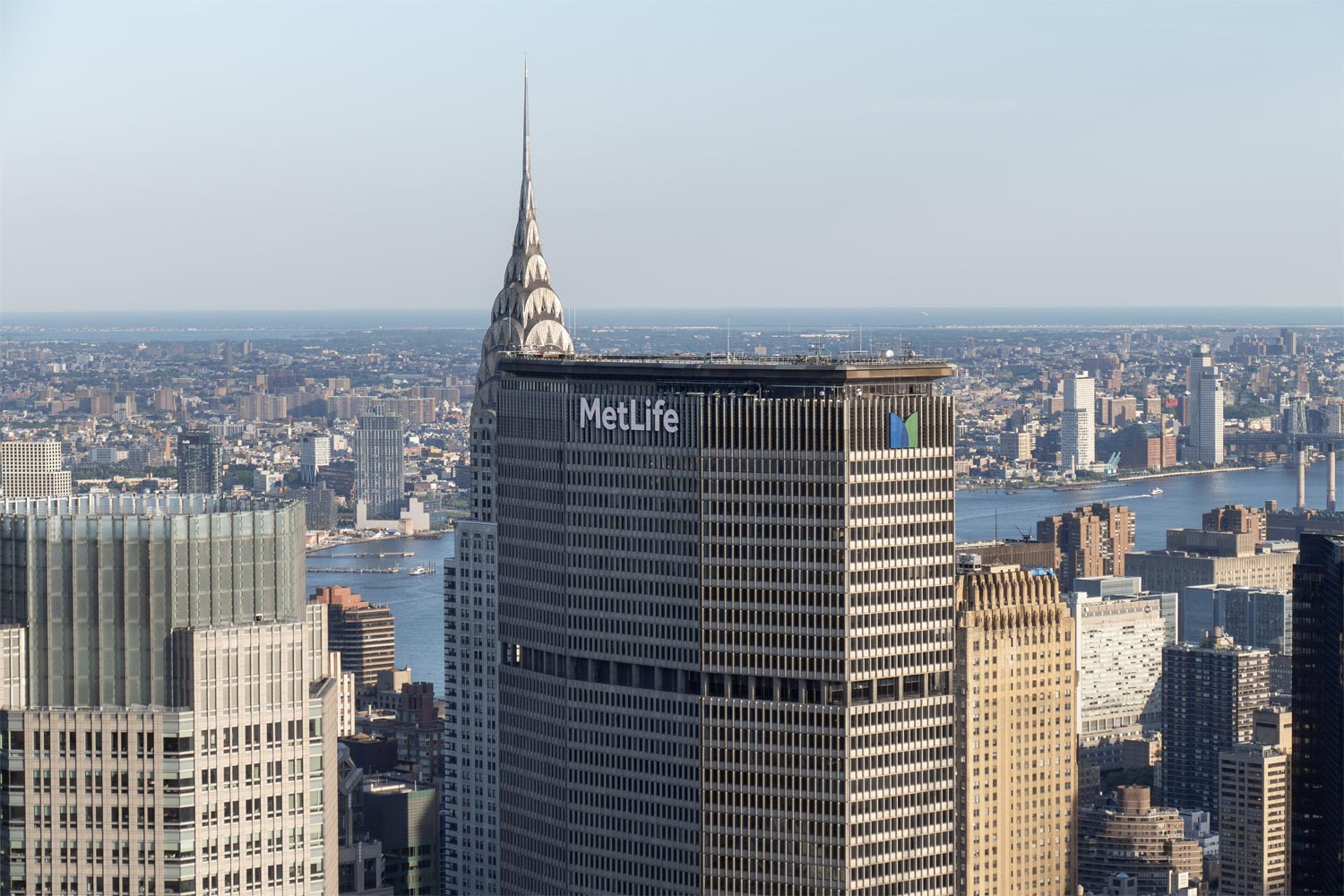
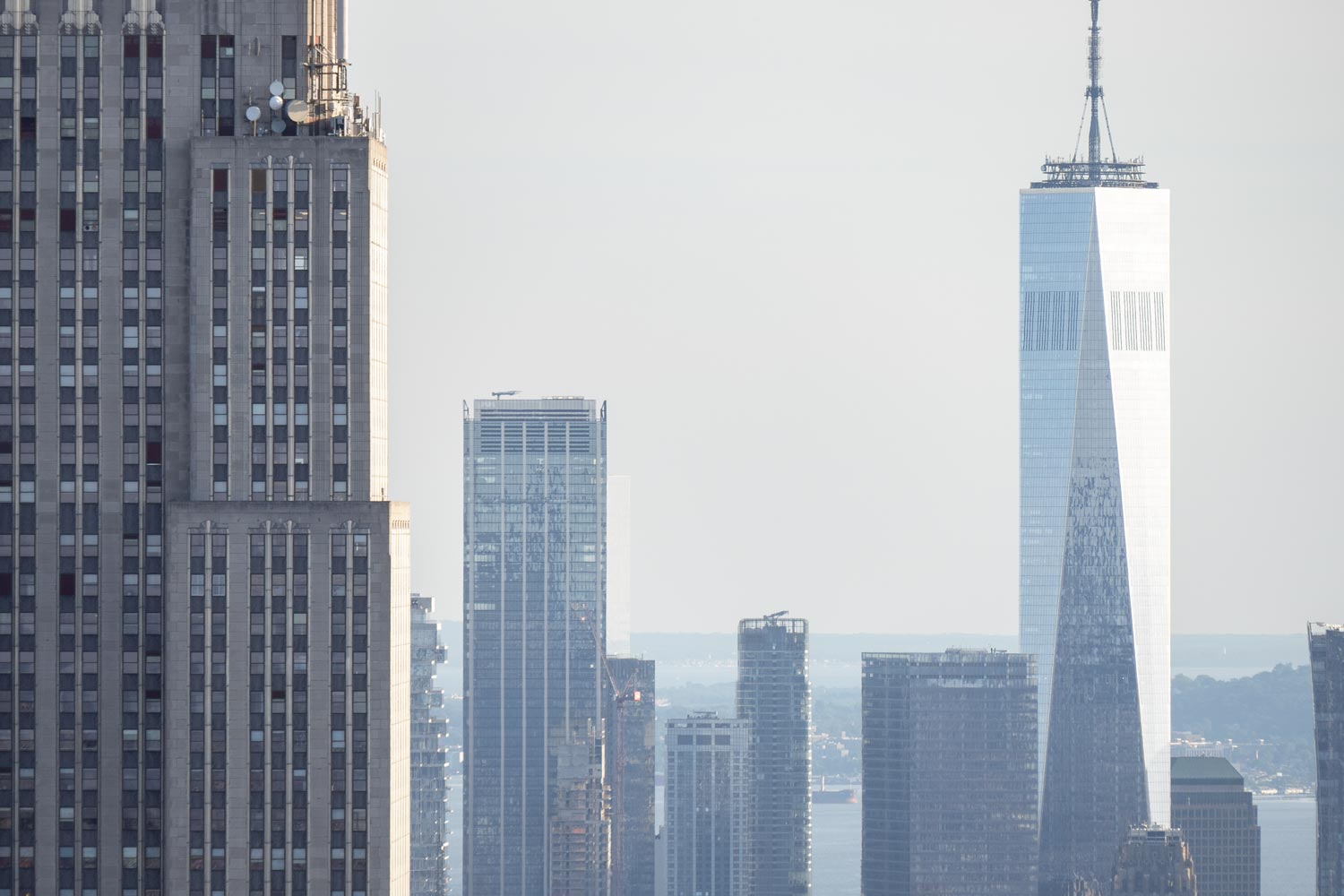
But hey, you can see the WTC tower — though it’s way off in the distance.
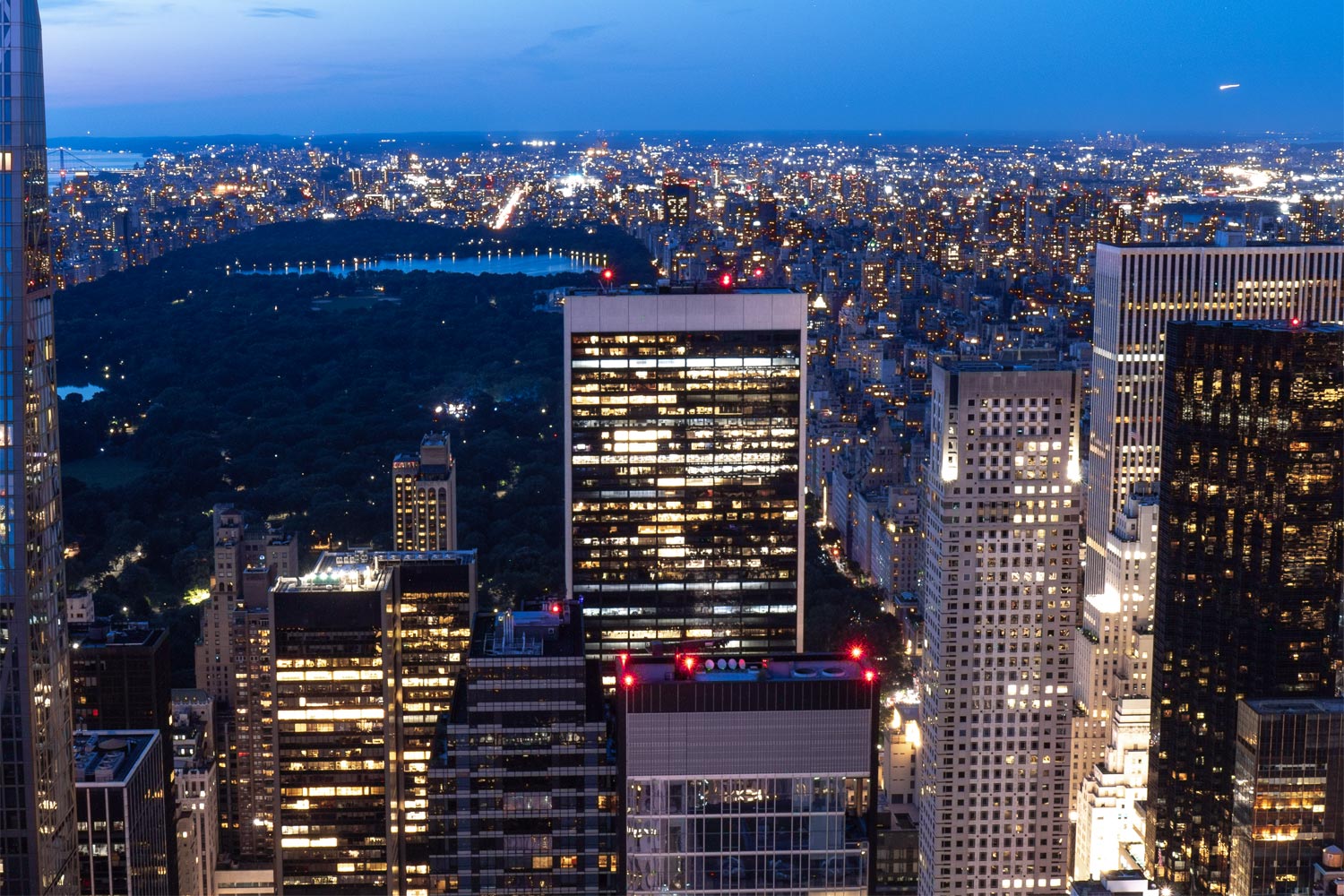
On the other side of the deck, there’s a view of Central Park. Only from up high can you really grasp just how unbelievably huge it is.
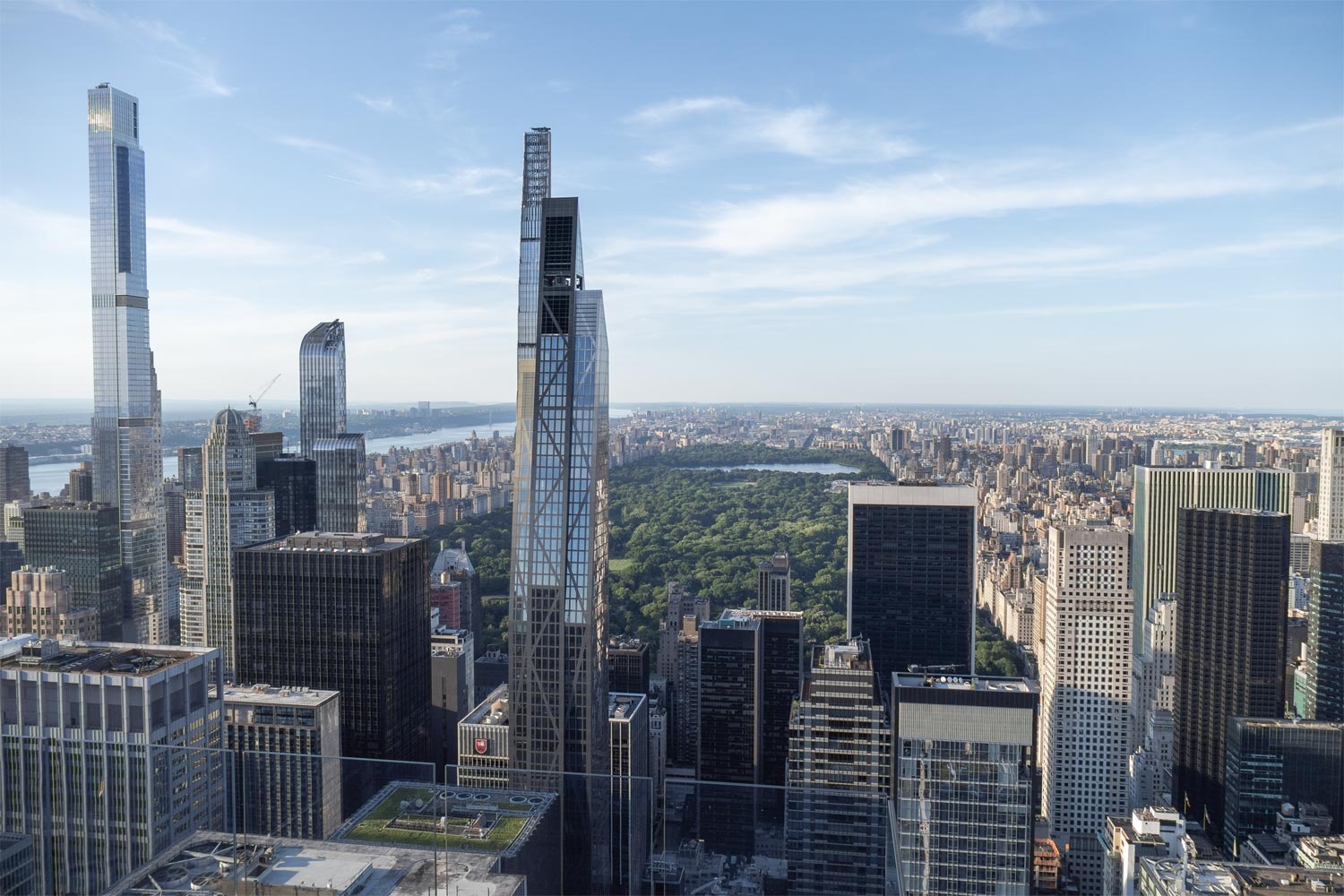
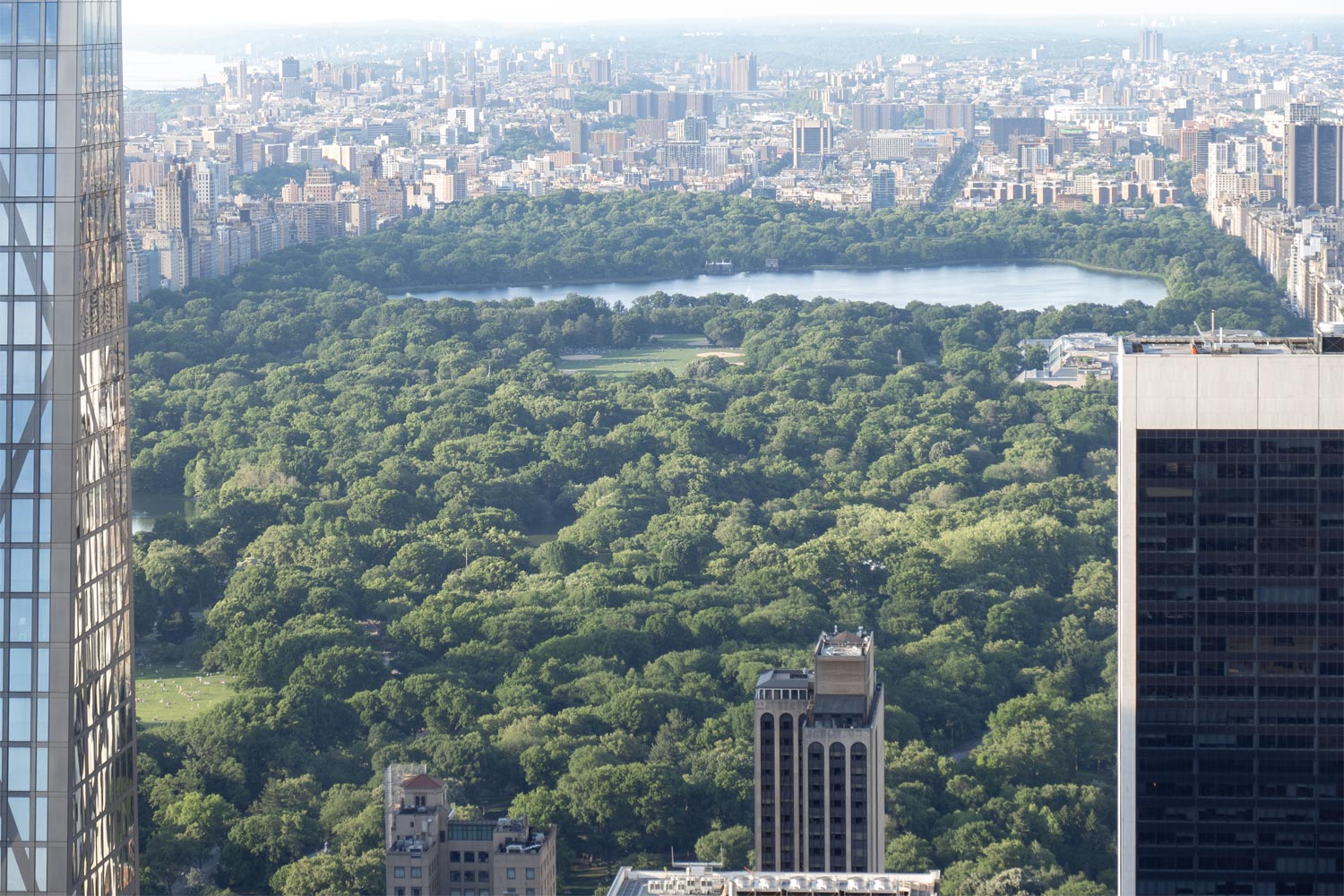
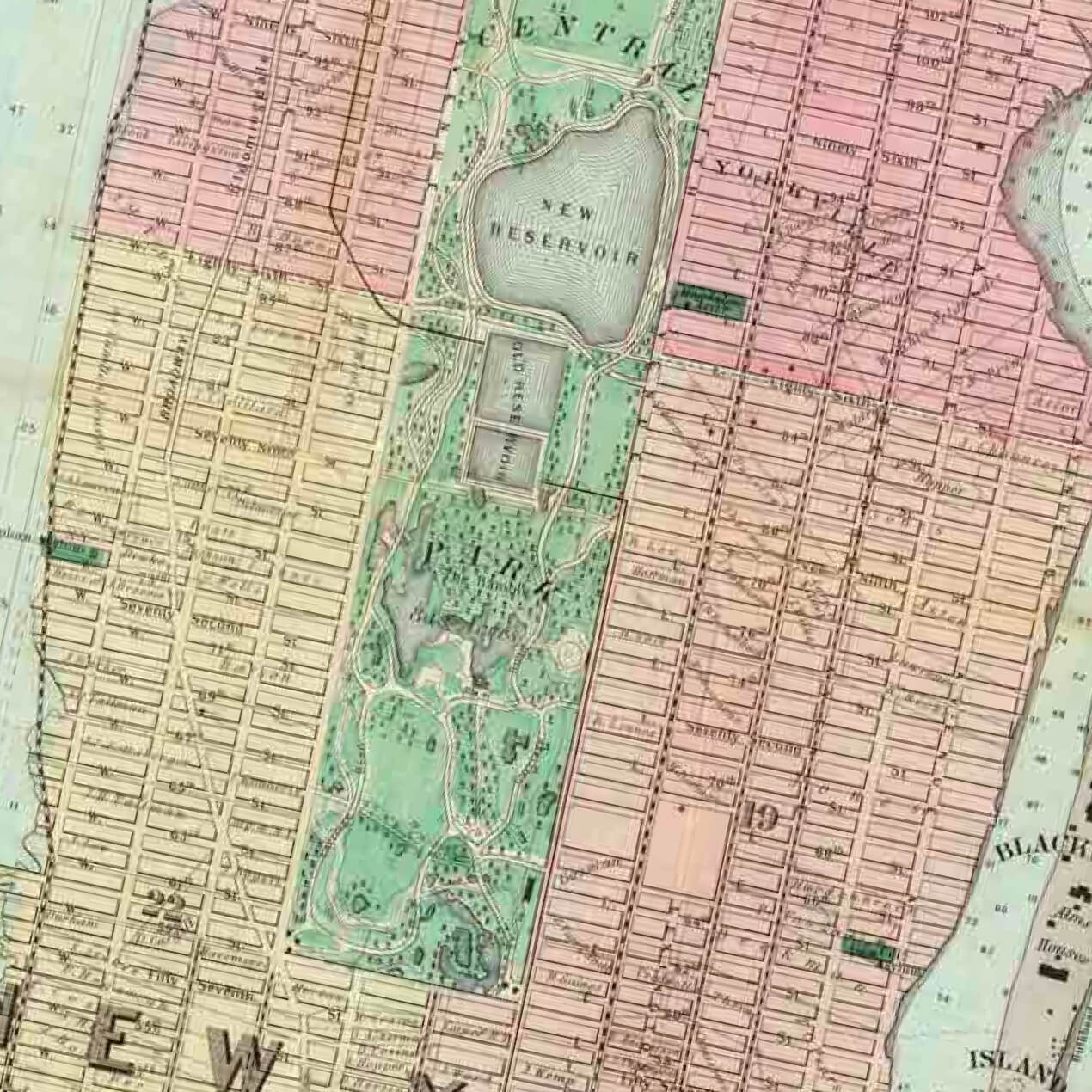
Right past the park stretches Harlem — the Blackest and once the most criminal hood in New York. It’s already part of uptown.
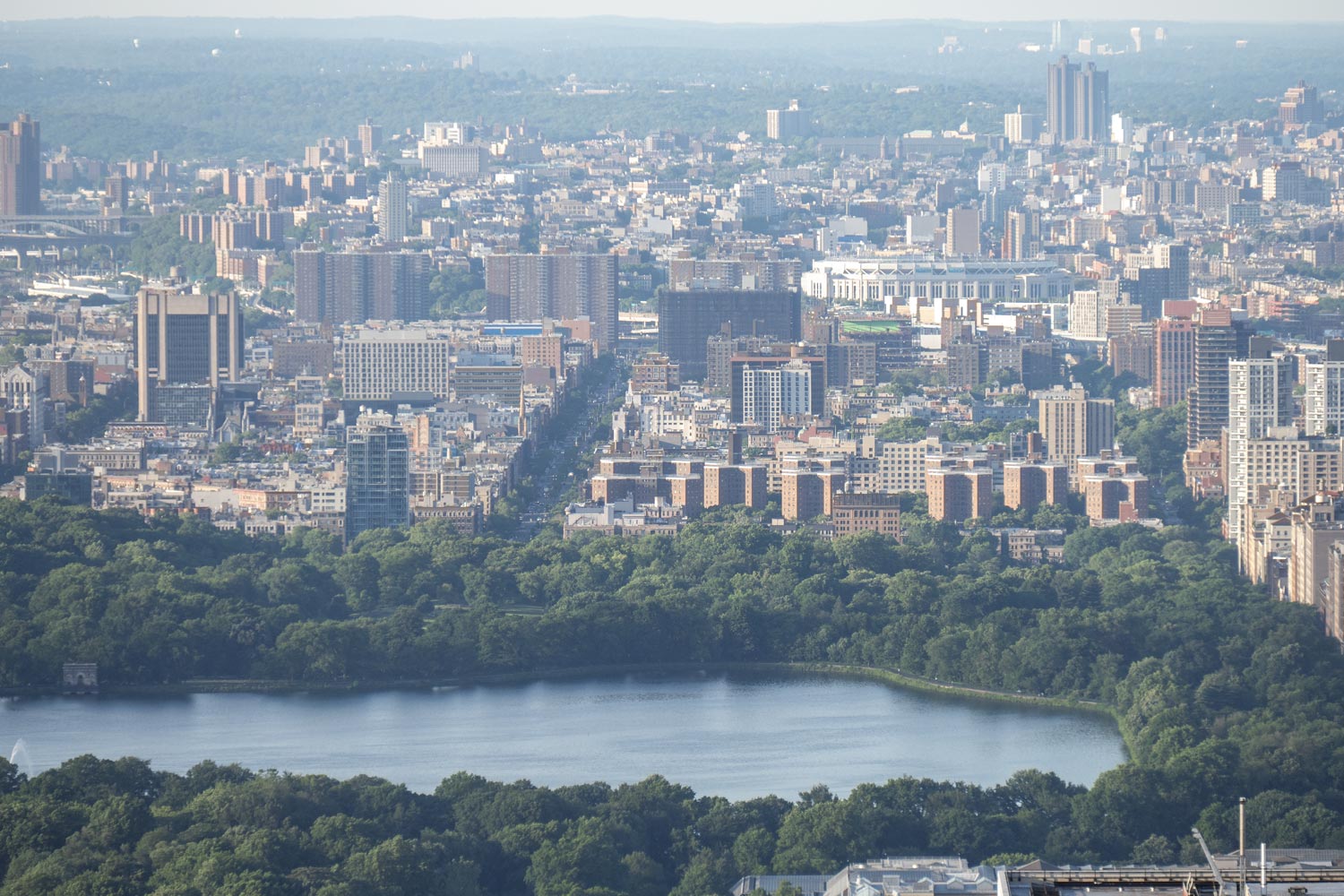
To the left of the park stretches the high-rise carpet of the Upper West Side. It’s one of the best neighborhoods in New York, a concentrate of the intellectual elite of the city.
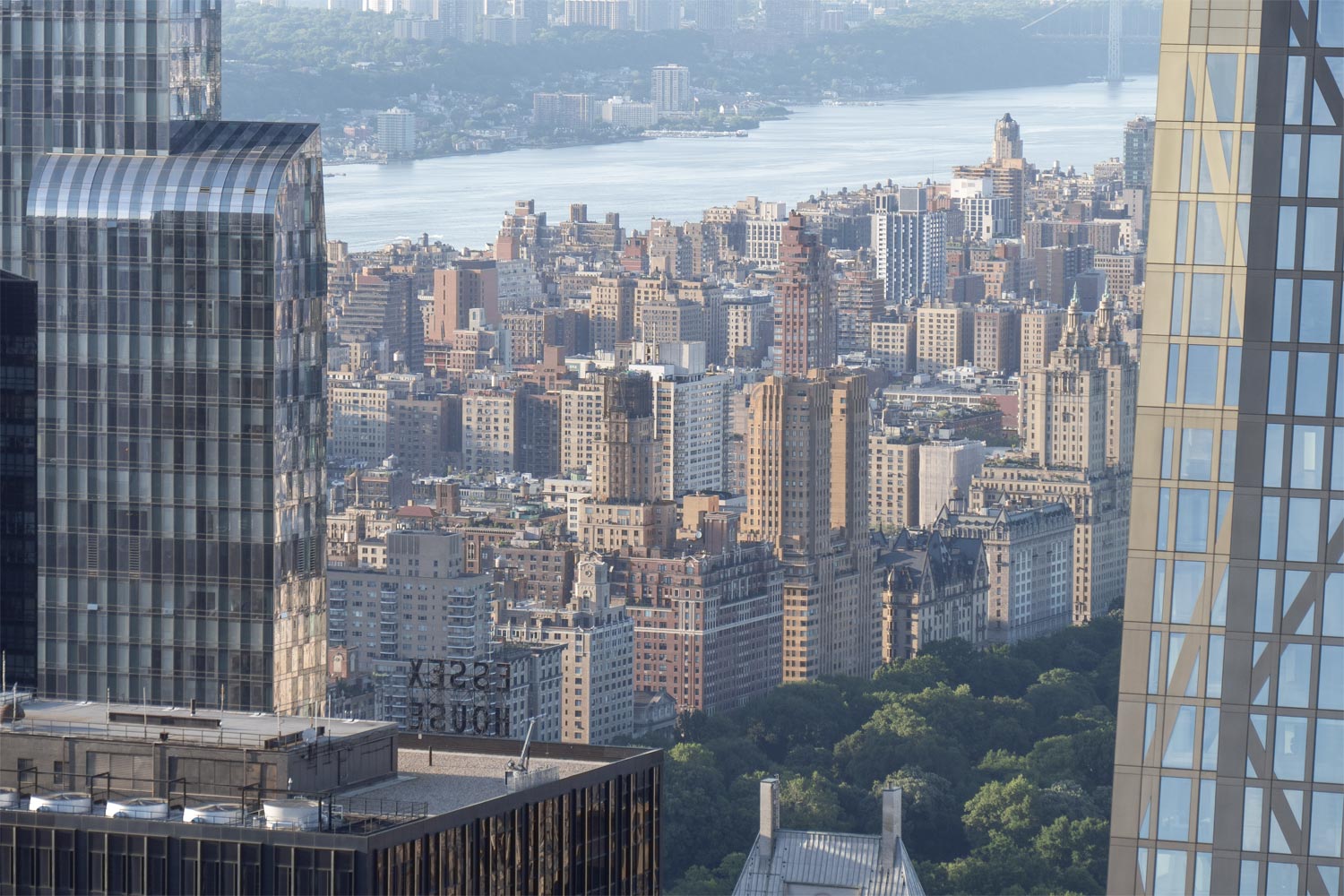
Rockefeller’s observation deck draws huge crowds. Tourists head up there after six in the evening and wait until it’s completely dark, just to look at nighttime New York from above.
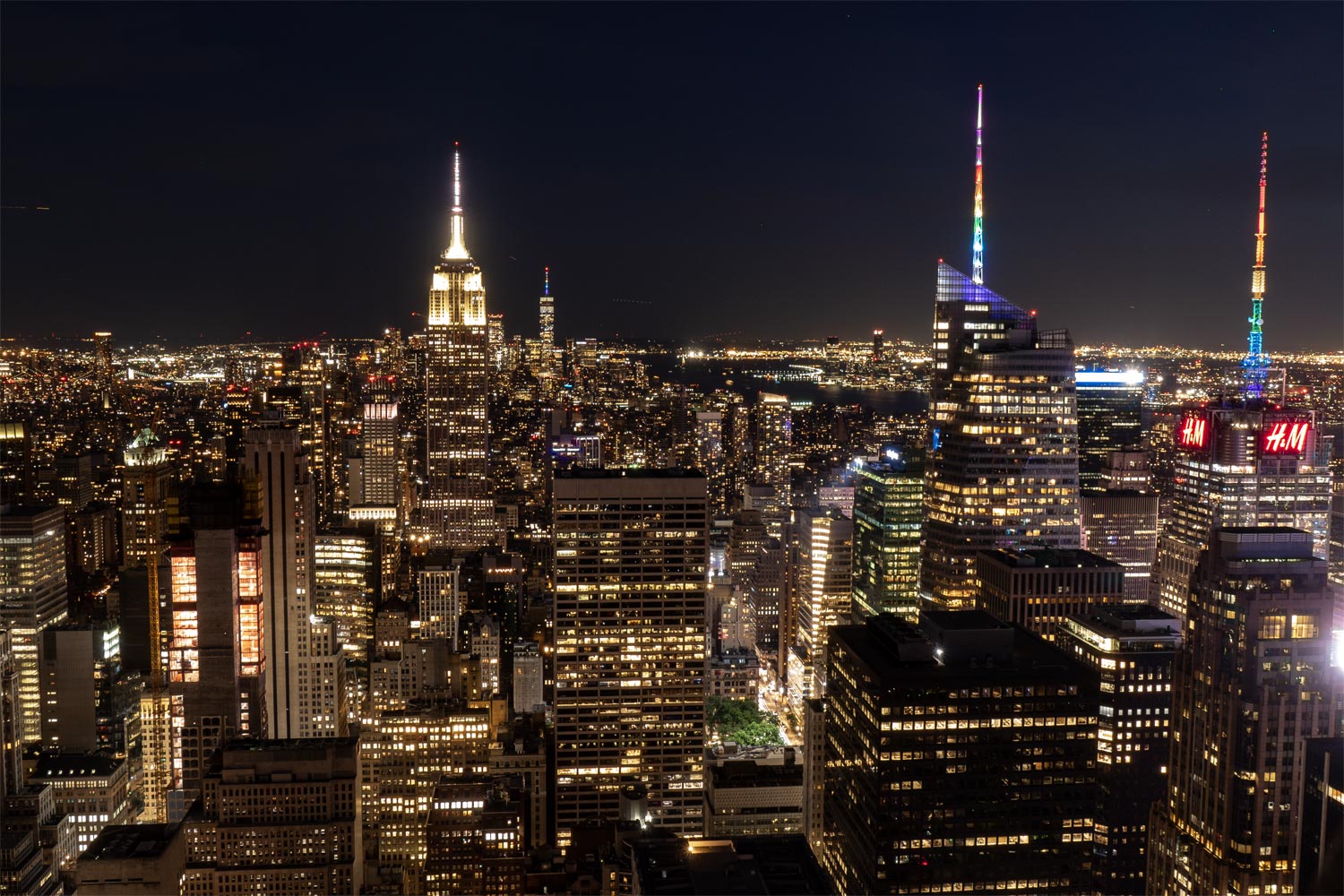
On one side, the Empire State Building’s lights are blazing. On the other, Central Park gapes like a black void.
Central Park
On the approaches to Central Park stands the glass cube of the Apple computer store. Fifth Avenue again. The sacred temple is open 24/7, no days off. Inside it’s not as interesting as it is from the outside — except maybe for the trees and yet another secret free bathroom.
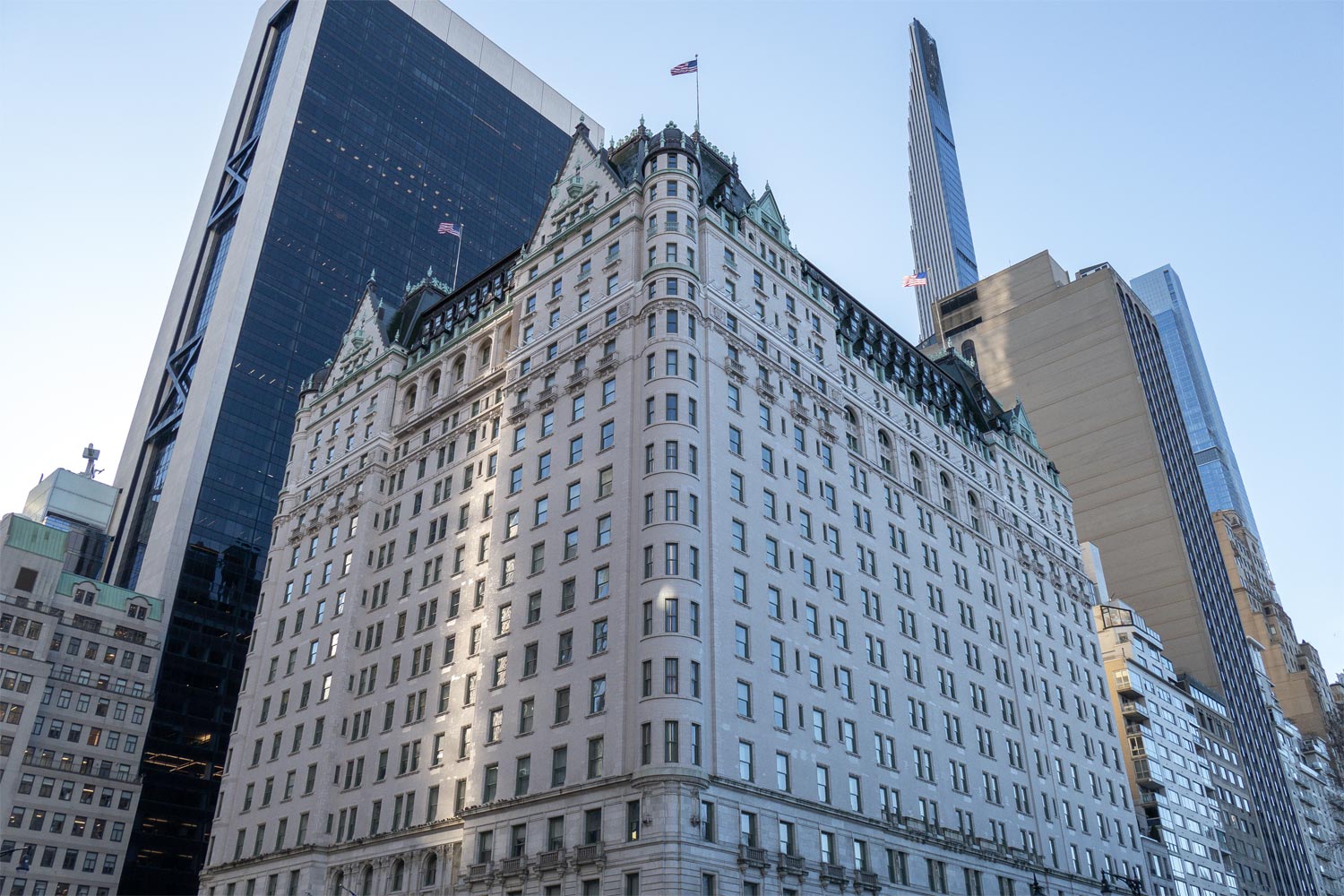
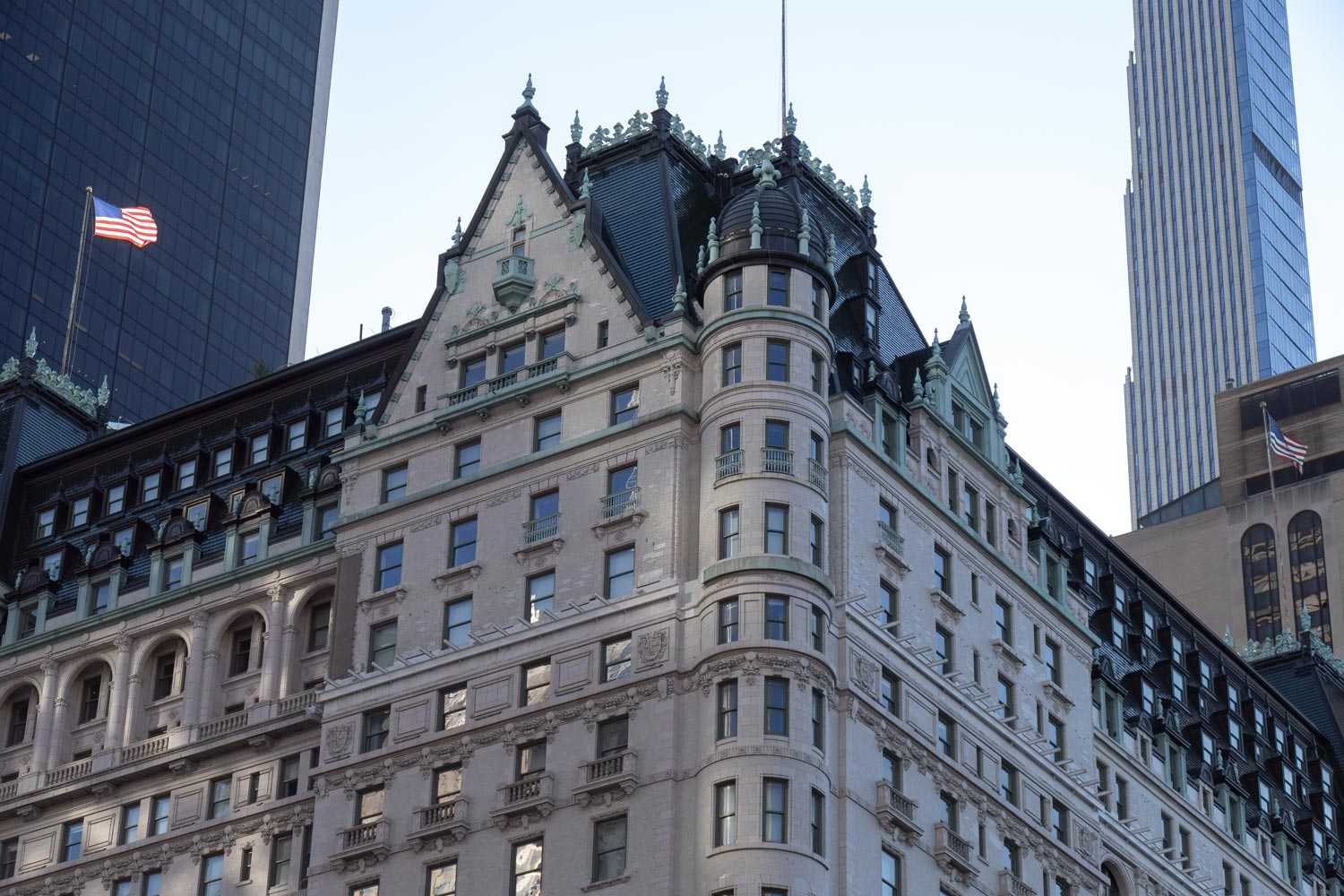
Across from the store is one of the most luxurious buildings in New York. It’s the Plaza Hotel, done in French Renaissance style. They shot scenes from Home Alone there, and rooms start at a thousand dollars a night.
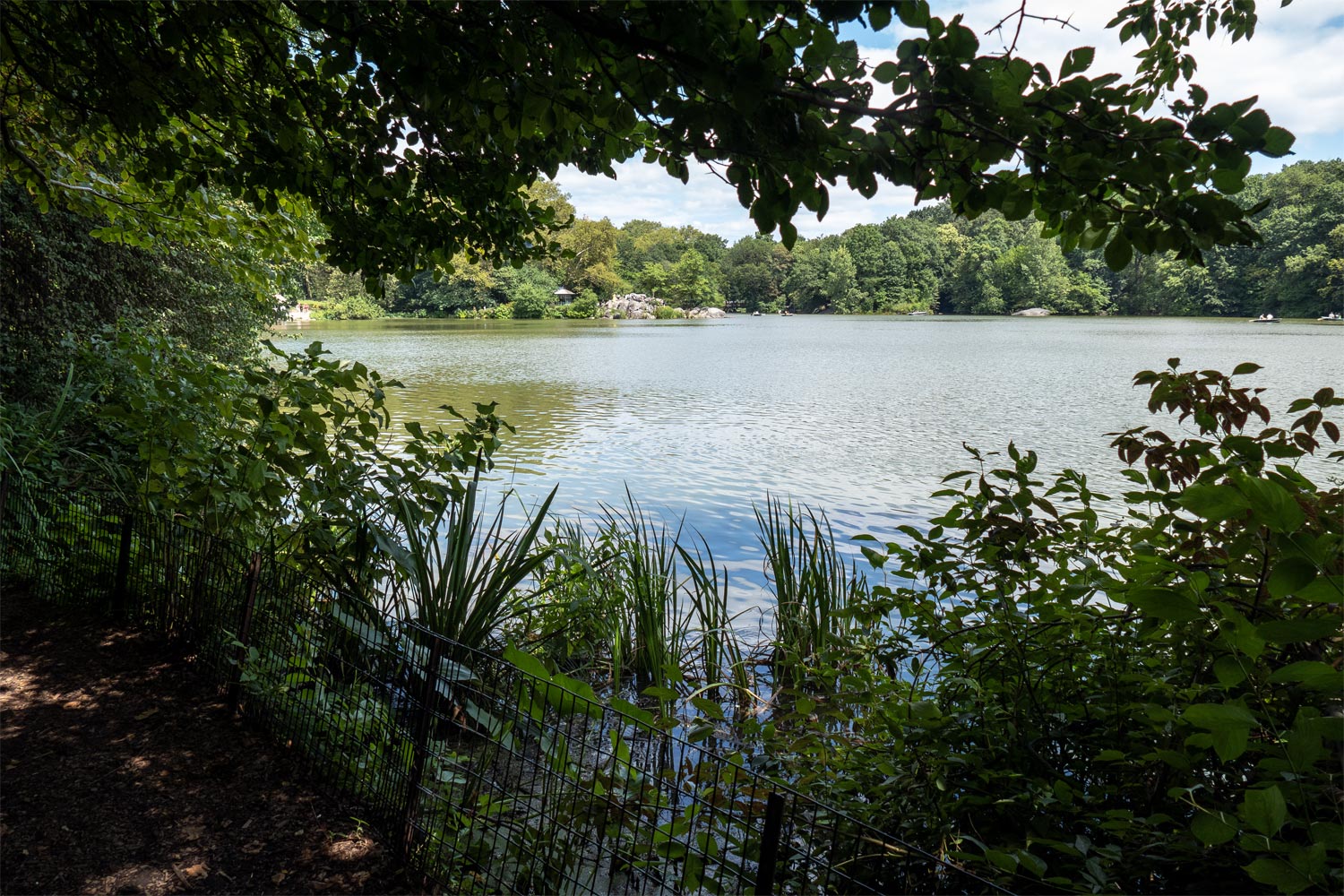
Central Park is right in front of the hotel. Starting off unimpressively, like some random European walk-through square, the park gradually grows into a world of its own. Right in the middle of New York there suddenly appears... it’d be one thing if it were just a lake, but no, it’s a real overgrown pond.
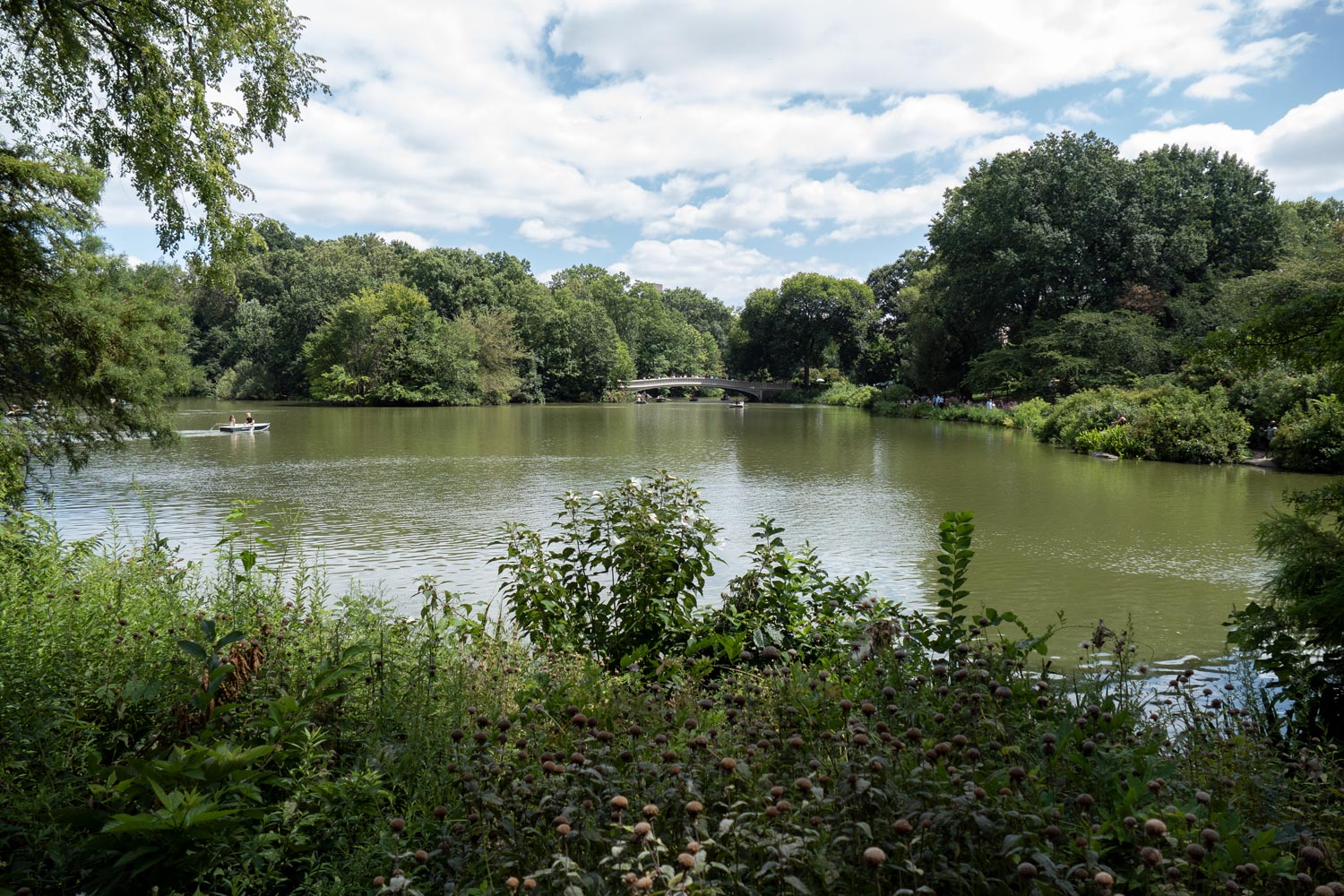
Around the pond you can find such thick brush that you’ll forget where you are: croaking frogs, biting mosquitoes, growing sedge. This isn’t New York, it’s some kind of wild forest.
But just turn around, walk a hundred meters... and there they are, the good old skyscrapers. We never left New York.
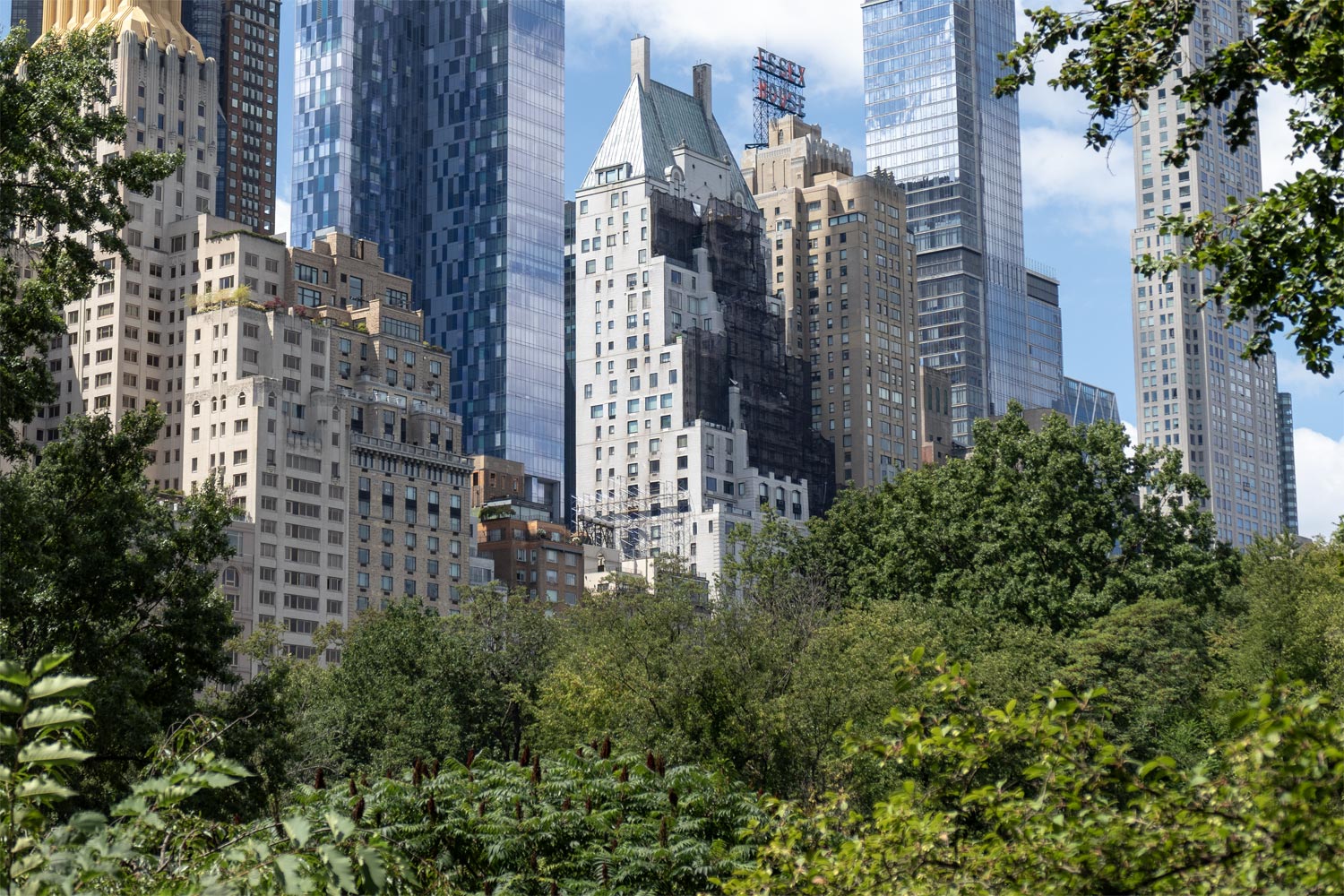
Central Park is incredible. It’s just pure fantasy, a utopia, a micro-universe in the middle of a megacity. Looking at the city from inside it, you feel either like you’re on another planet or like you’ve just stepped out of the jungle into civilization for the first time.
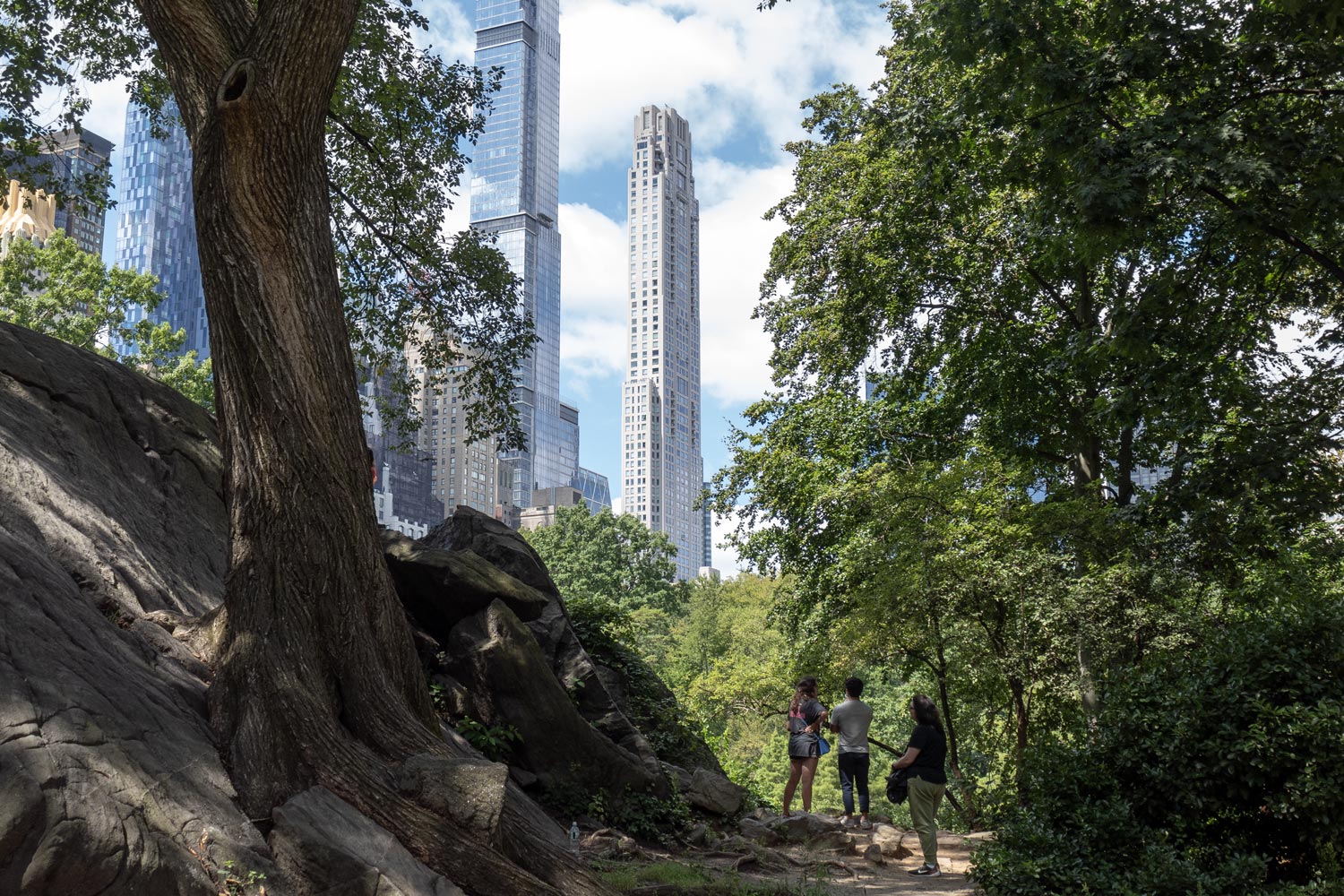
Star Wars, planet Alderaan.
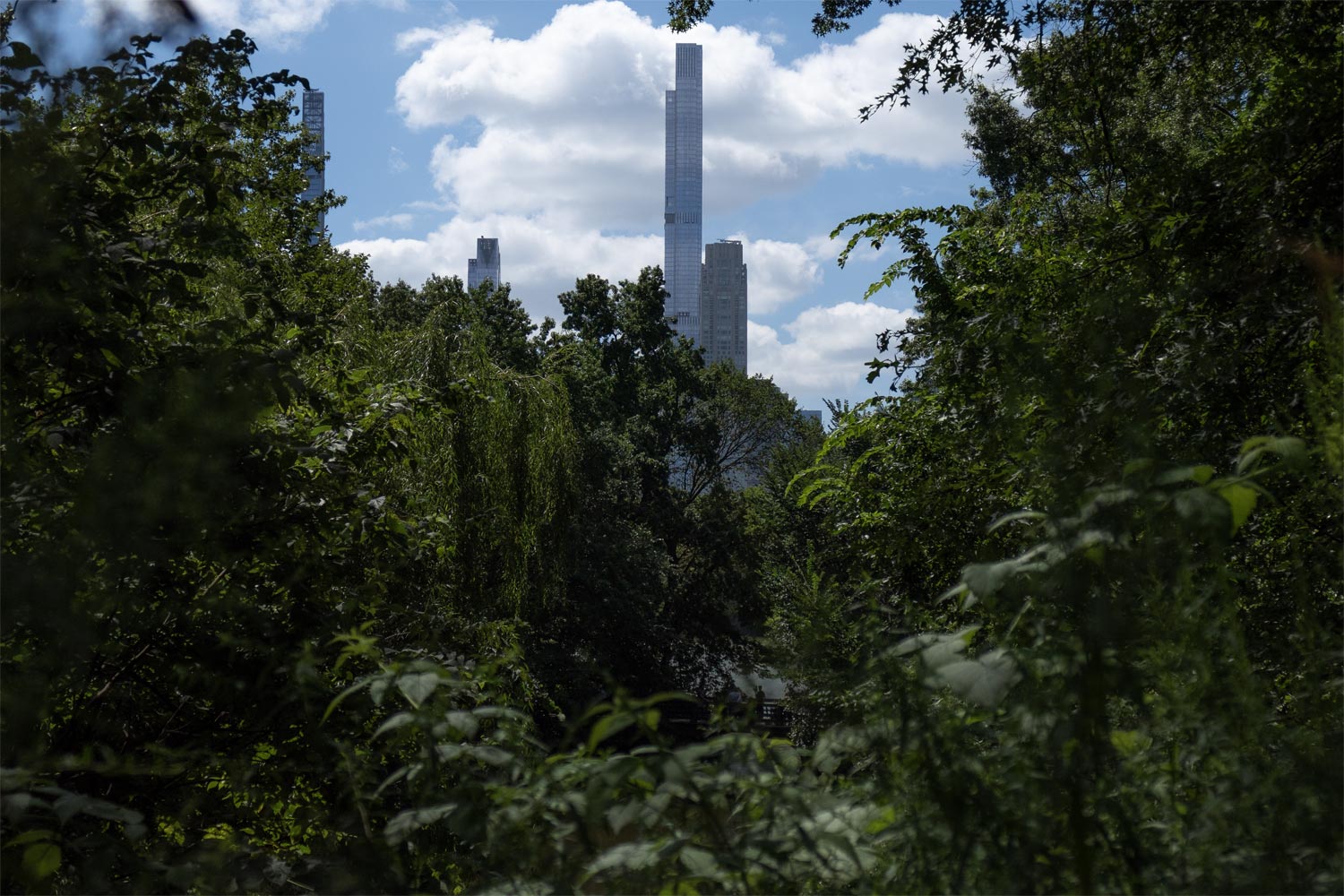
On the edge of Central Park, they’re putting up new skyscrapers — gigantic in scale and bizarrely shaped.
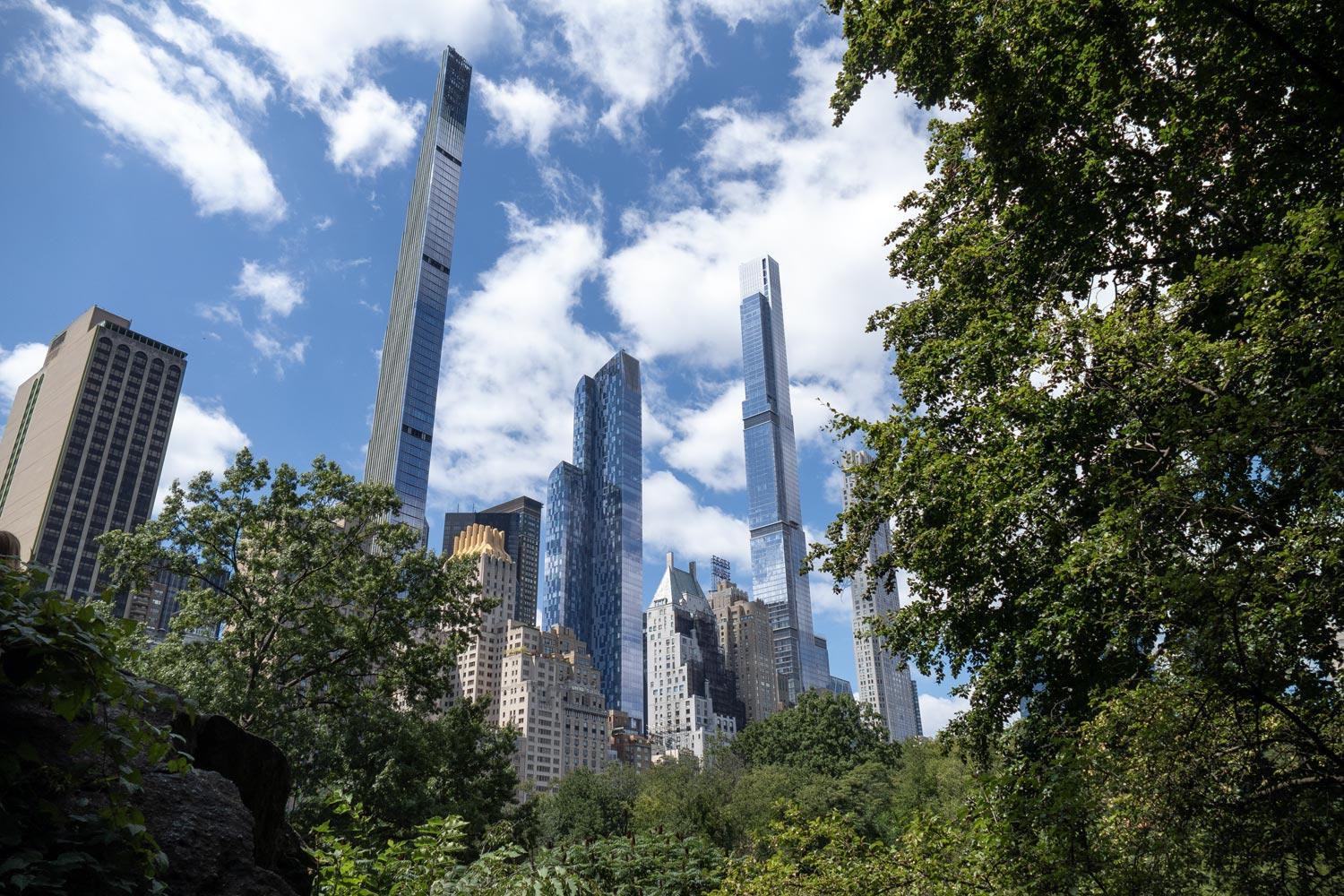
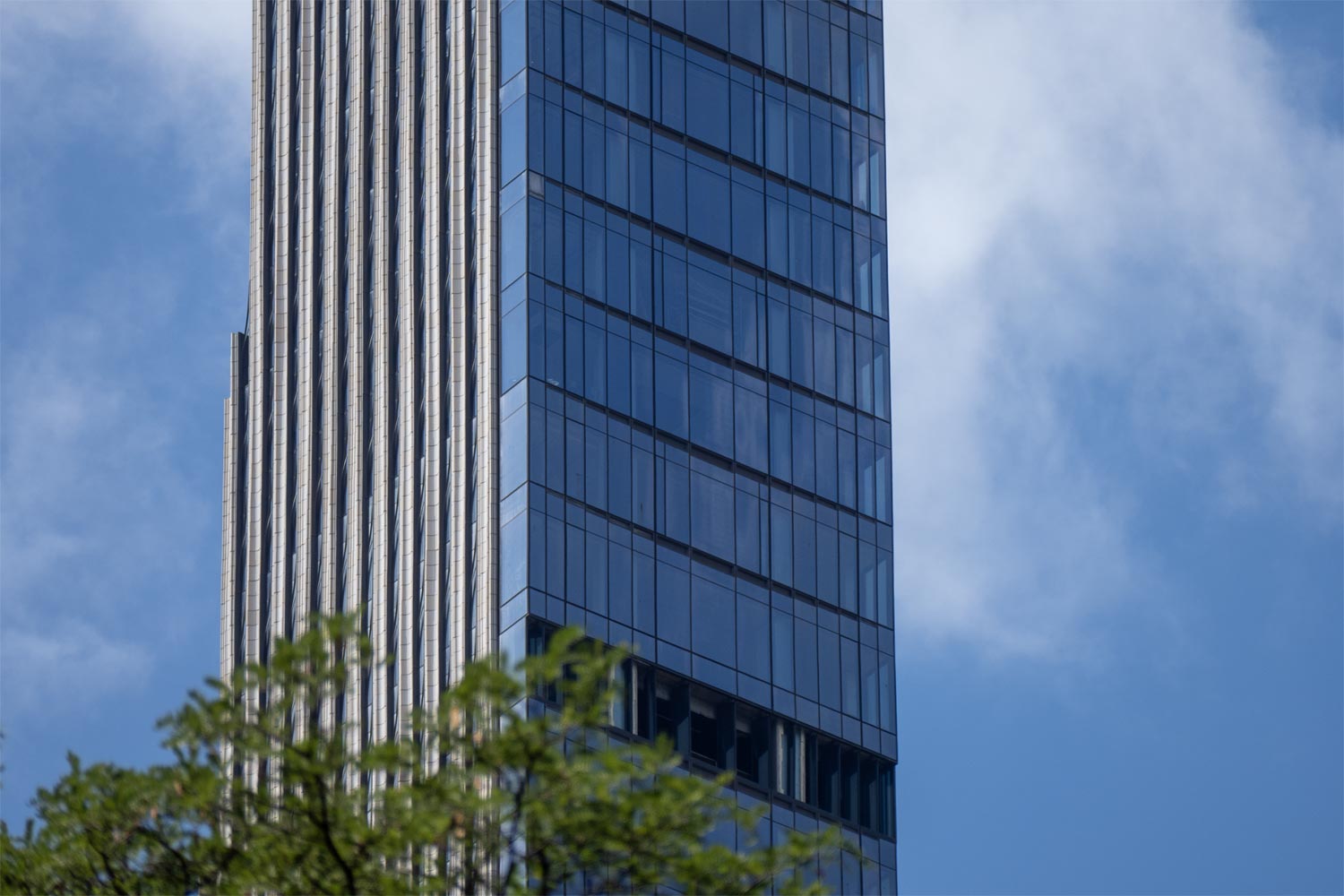
One of the newest high-rises is the Steinway Tower. It’s the thinnest skyscraper in the world. Apparently, tired of chasing height, the billionaires decided to compete in thinness instead.
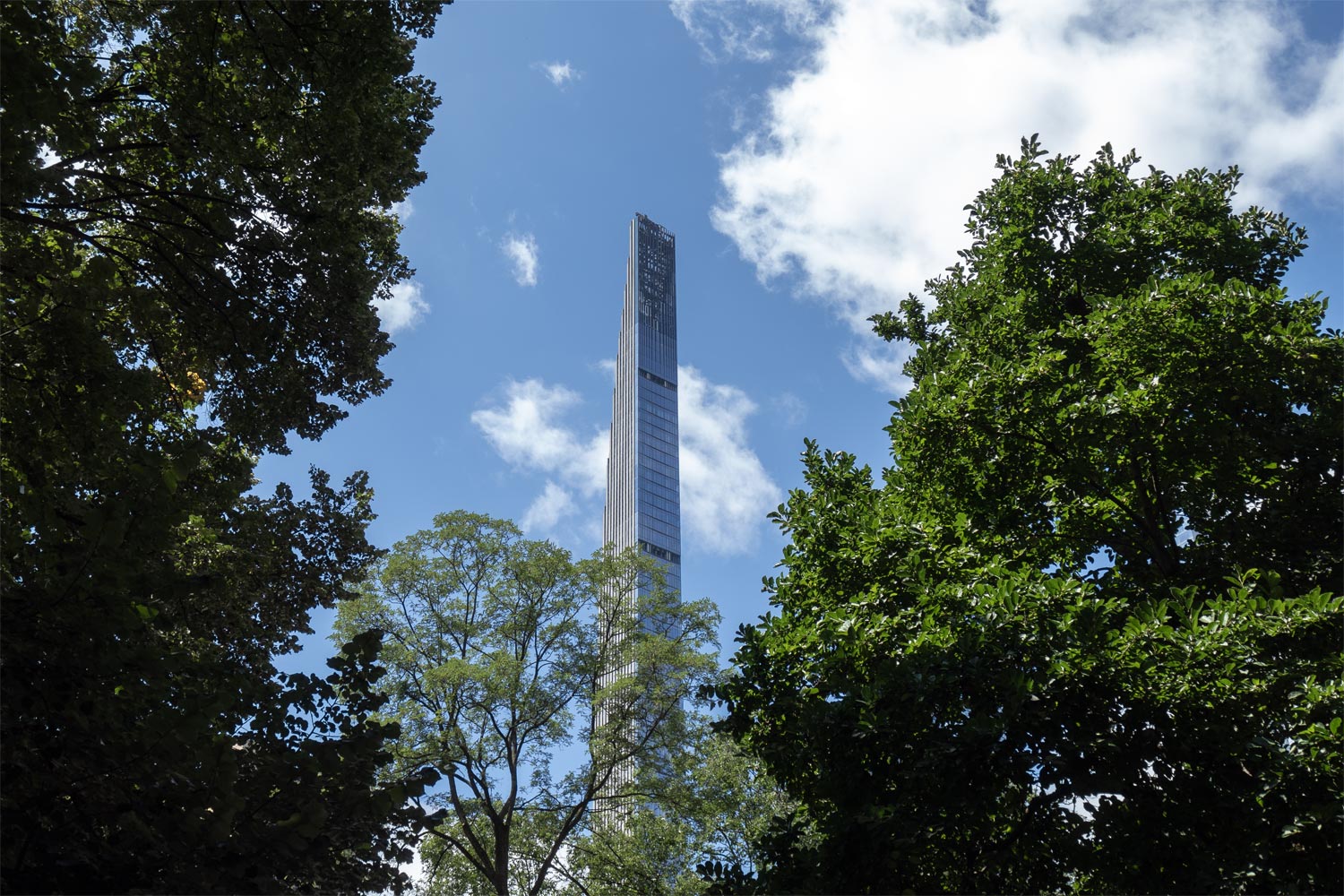
Steinway Tower is a residential building. The apartments here cost insane money. There’s literally nothing under ten million dollars in this skyscraper, and the penthouses at the very top go for over a hundred million. Sounds like a budget of a small African country.
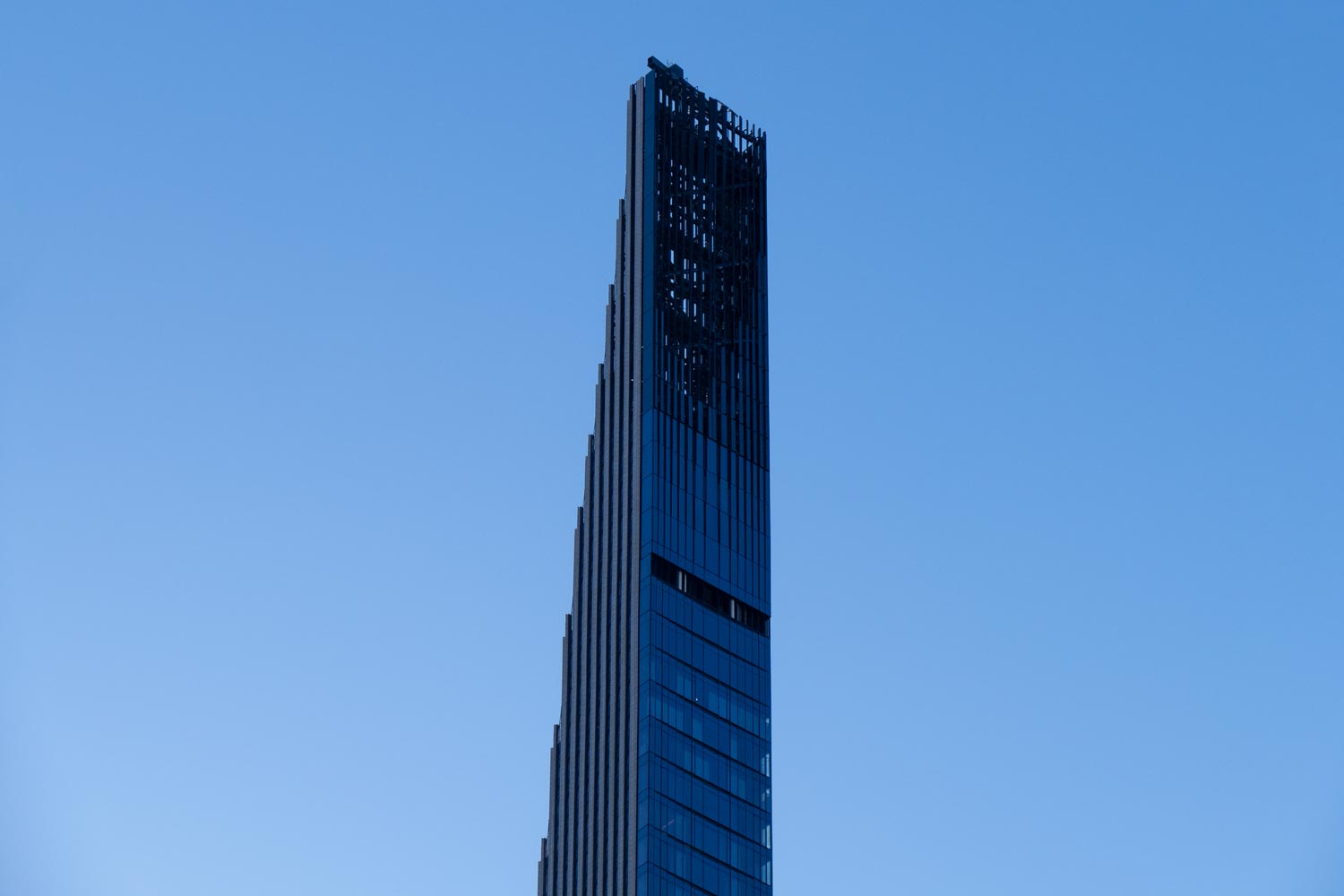
To be fair, sales are pretty meh. Not everyone wants to live god-knows-how-many floors up in a glassed-in capsule, with an elevator that takes a full minute to get there. If you open a window at that height, the wind will blow all the furniture away.
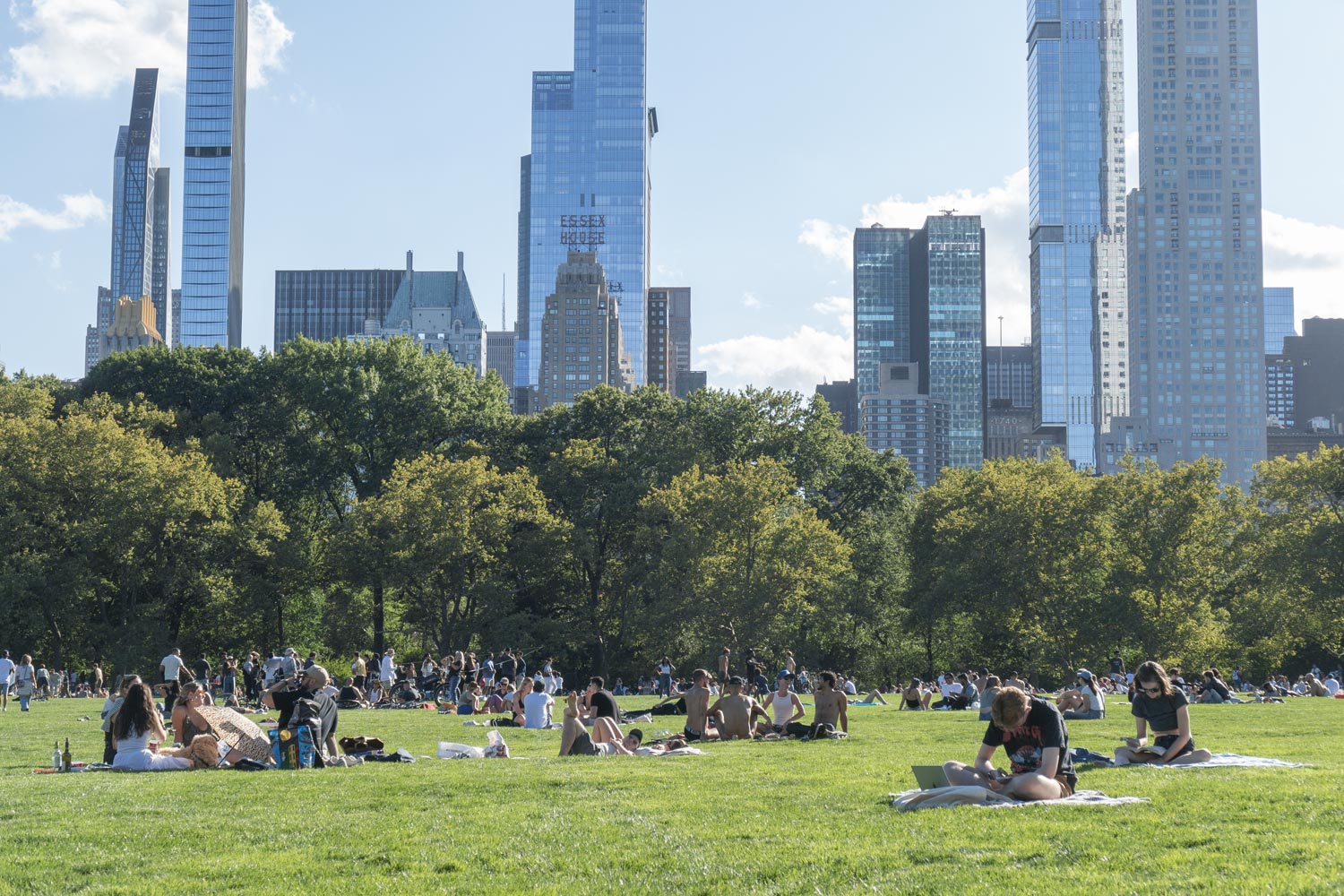
A little deeper into Central Park you’ll find Sheep Meadow. Once upon a time, they really did graze sheep here, but today it’s a favorite hangout spot for New Yorkers. Sheep Meadow is a huge, sun-drenched, lush green lawn, and in the background, as if projected onto a giant movie screen, you get a futuristic skyscrapers wallpaper.
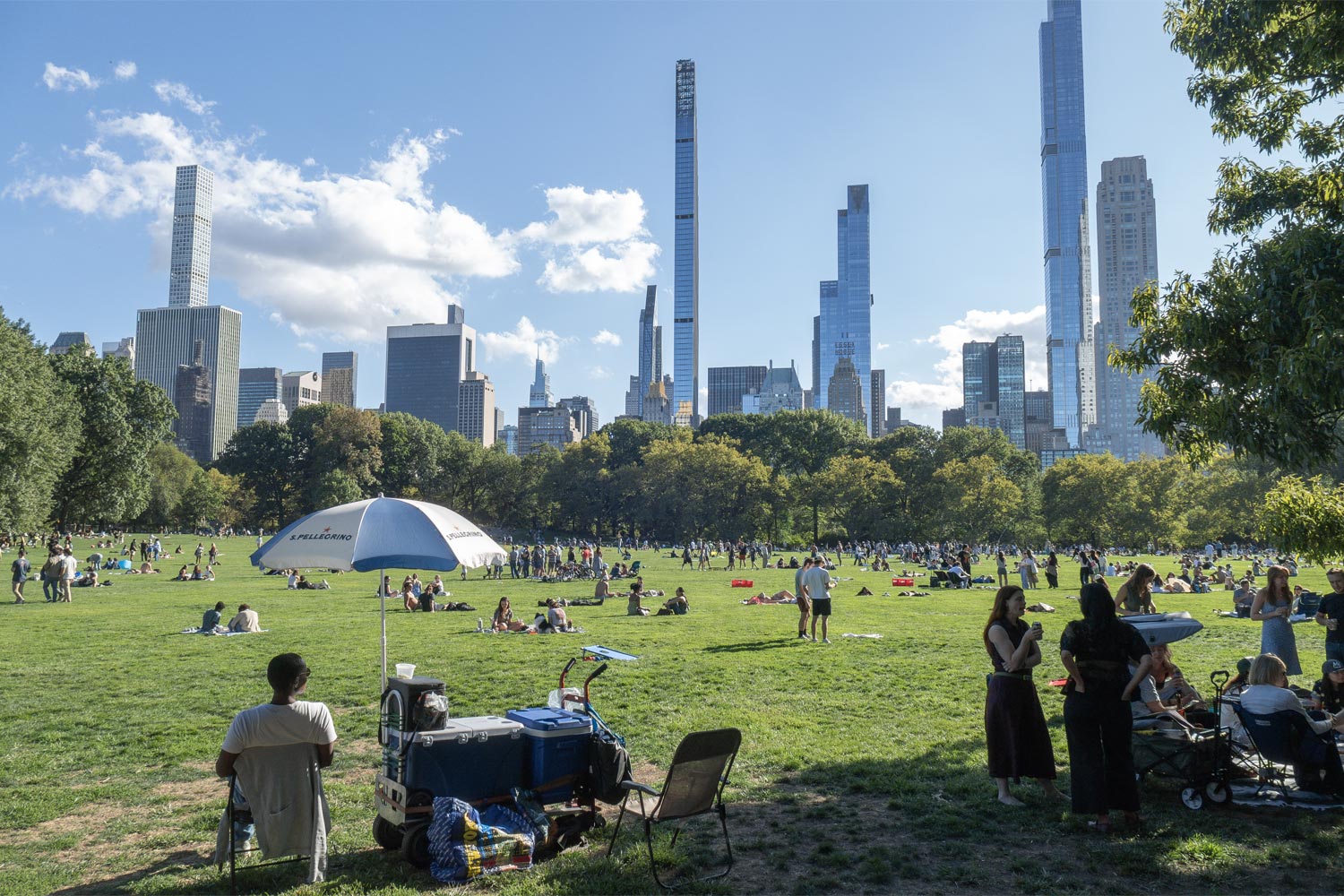
To get out into nature in New York, you don’t even have to leave the city. On the meadow people sunbathe, play frisbee, celebrate birthdays and weddings, fly kites, or just blissfully lie around doing nothing.
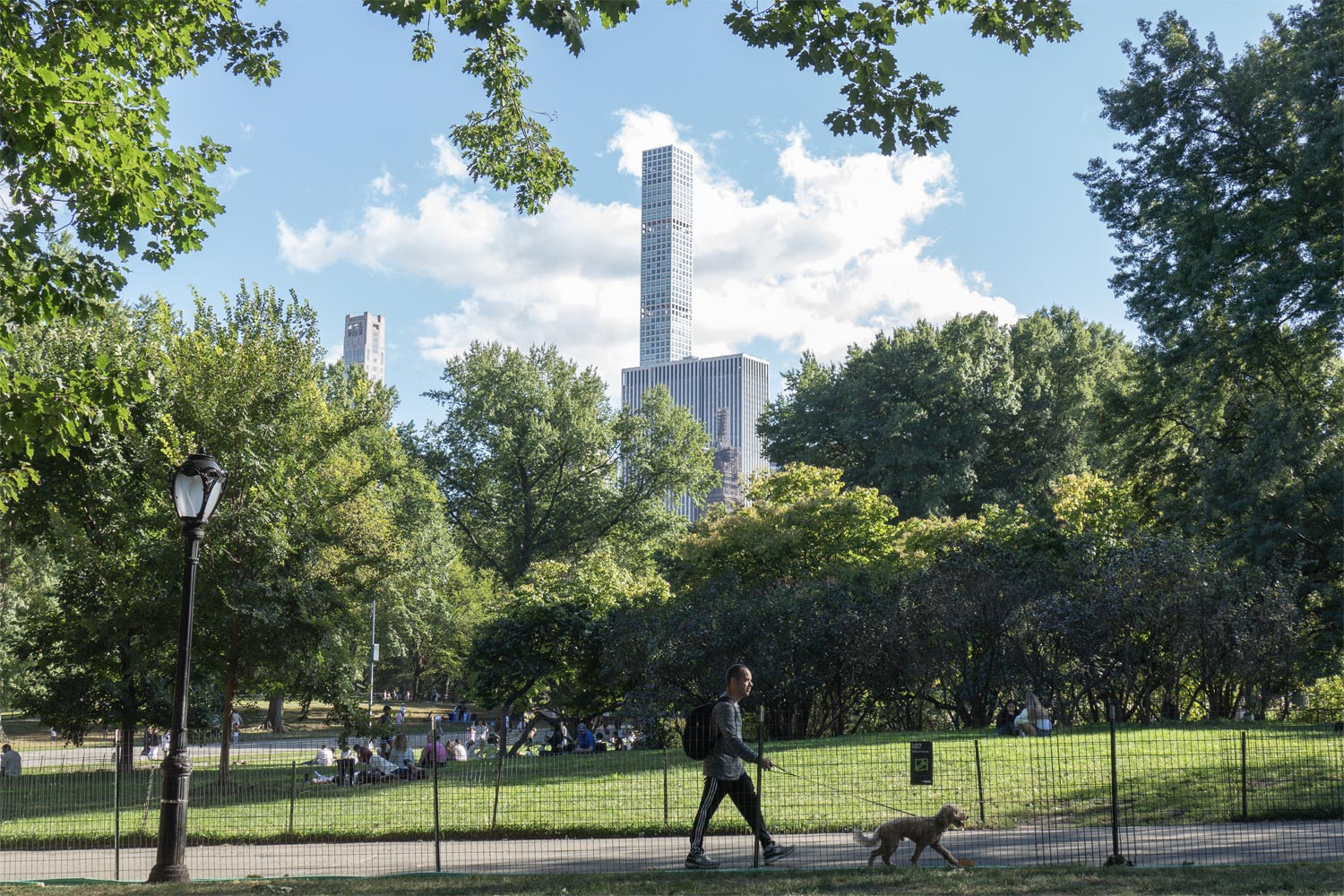
Once you step into Central Park, you can easily get lost there until it’s dark. There’s always something to do. Some people are pedaling away along the long bike path, some are walking their dogs, some are rowing boats, and some are just sitting on a bench, stuffing their faces with roasted corn.
In this park, even the rocks aren’t just rocks. They’re exposed bedrock of the Manhattan schist, 450 million years old. Kids in New York climb on cliffs carved by an ancient glacier.
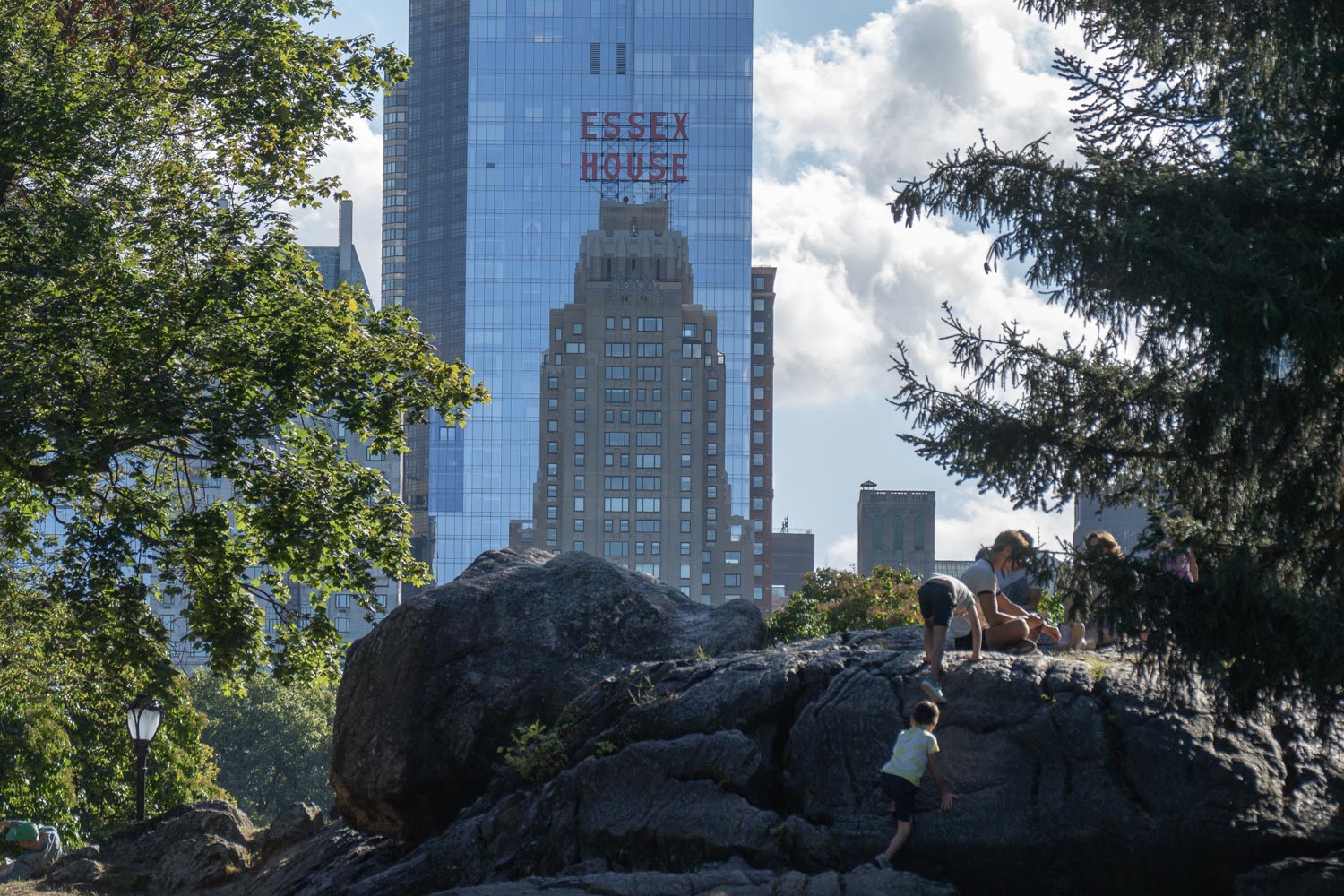
Living next to Central Park is every New Yorker’s dream. Naturally, not everyone can afford to buy an apartment there. The luckiest ones were the immigrants who came to New York at the beginning of the last century. Back then, housing in midtown was going for next to nothing.
Upper West Side
A person with any taste would have picked a neighborhood called the Upper West Side. It’s located west of Central Park and was originally built for Dutch farmers and other immigrants, but gradually started attracting the middle class.
Today it’s one of the most prestigious neighborhoods in New York. Mostly it’s home to the city’s intellectuals: academics, journalists, writers, scientists, and professors. The easiest way to describe the Upper West Side is to say it’s the neighborhood with the “those houses.”
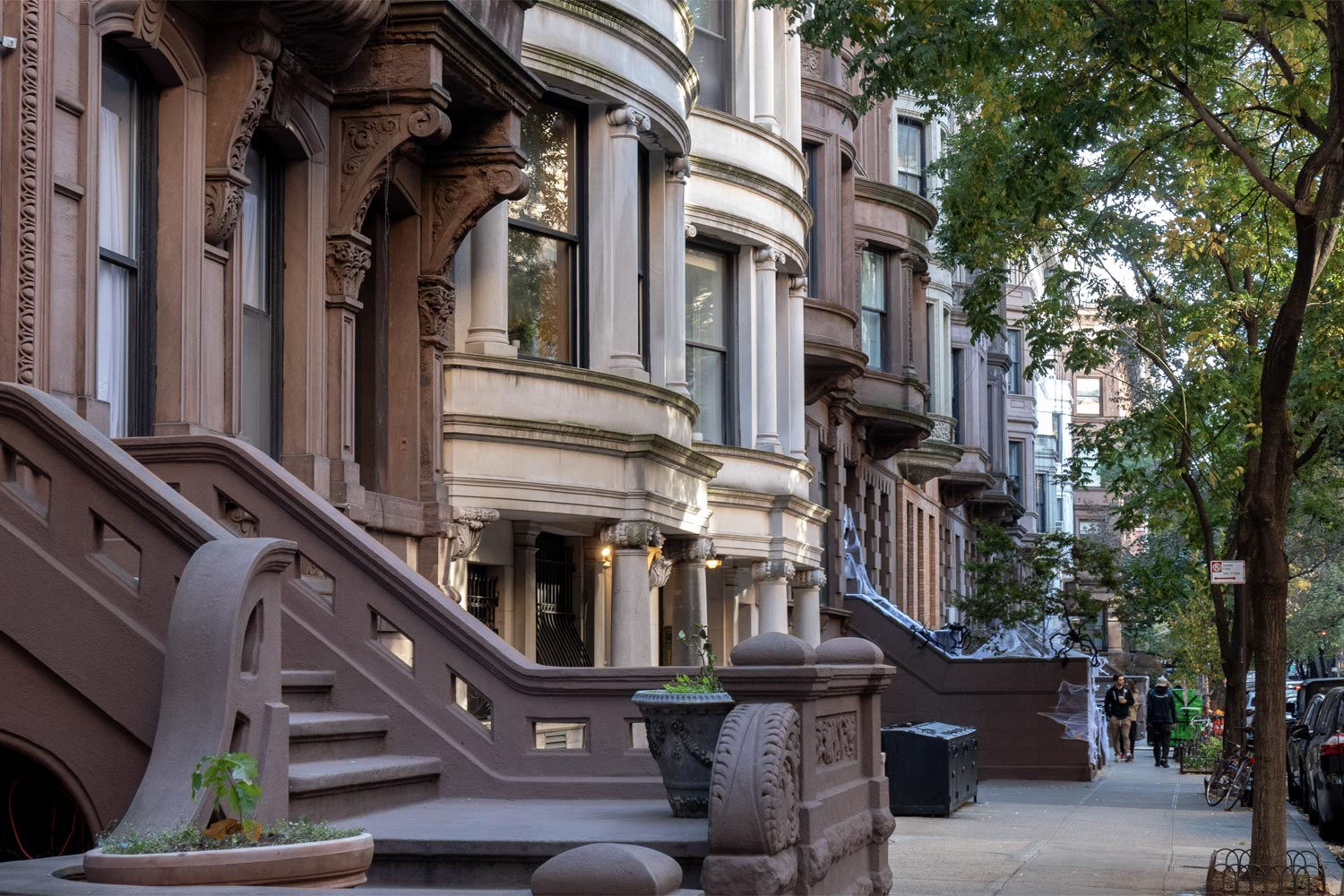
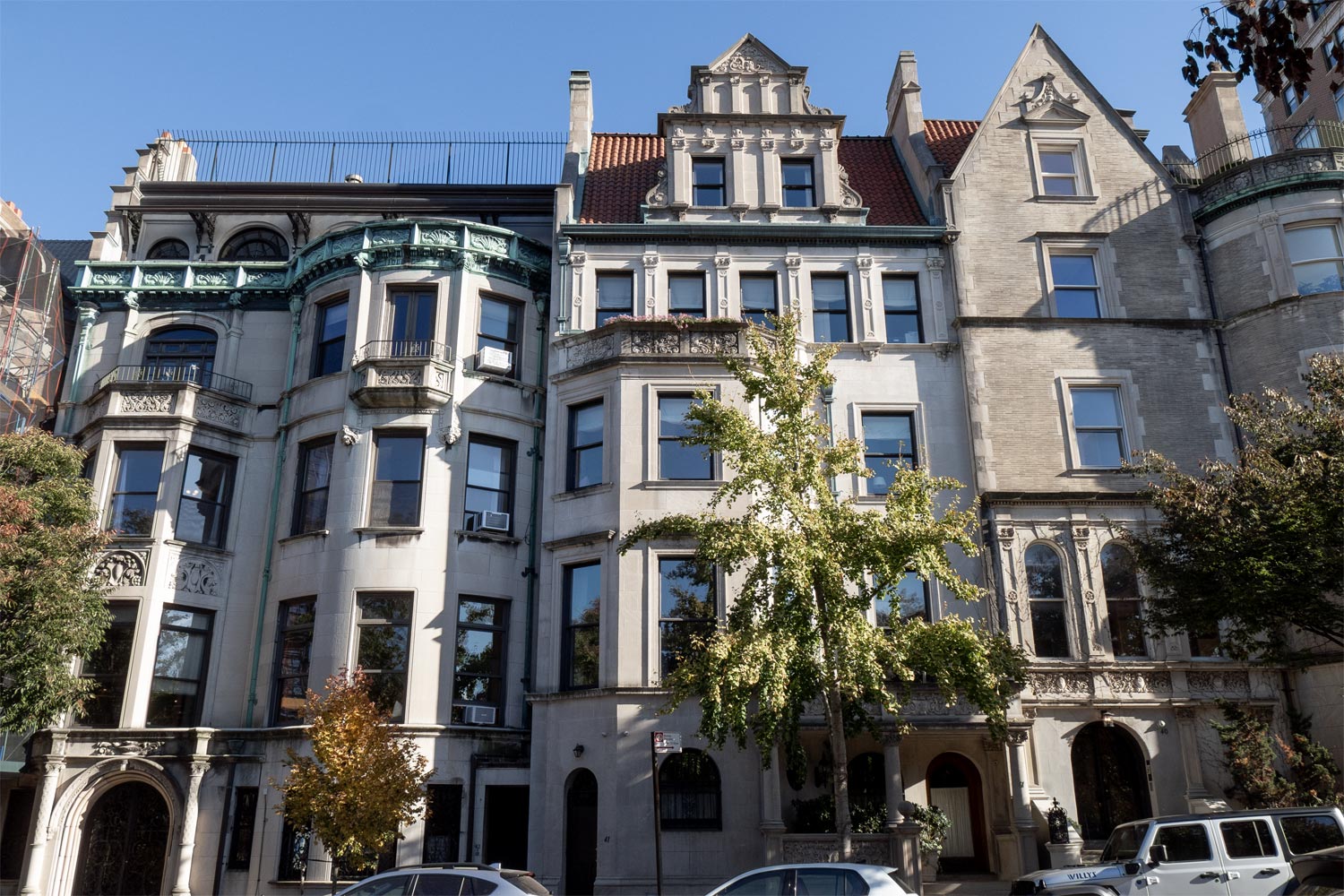
Strictly speaking, this is a townhouse — a row of low-rise houses fused into one long sausage. Townhouses usually aren’t considered luxury housing, but these ones are special. First, they’re quite spacious. Second, they’re finished with a particular brown sandstone that gives them a warm, homey look. Third, they’re five minutes from Central Park.
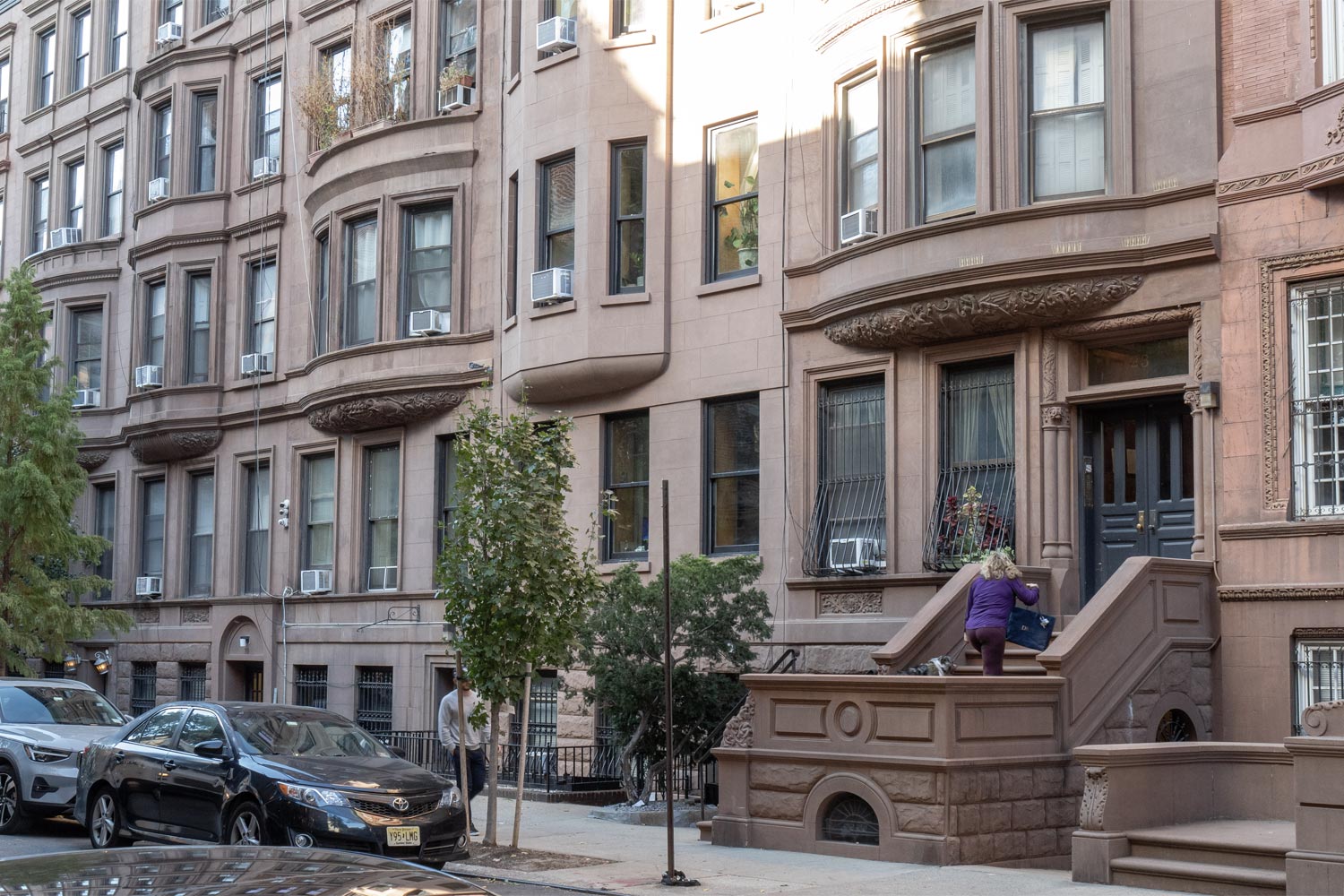
You just want to call them “those houses,” because they’re always showing up on New York postcards. A lot of people are even convinced the whole city lives in buildings like that.
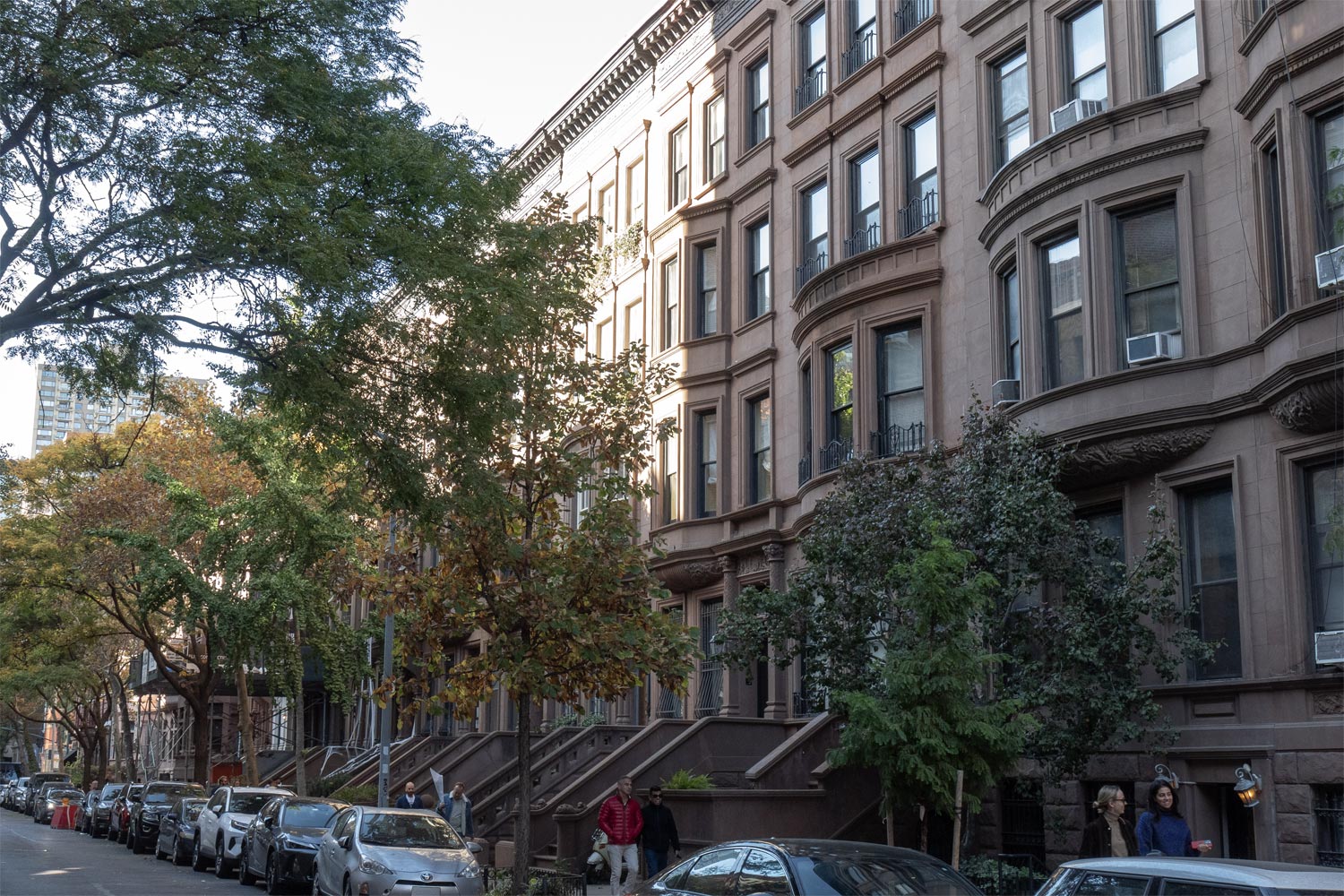
In reality, even the fancy Upper West Side isn’t all built up with such housing. Most of it is a mixed bag. A bit of Soho, a bit of Brooklyn.
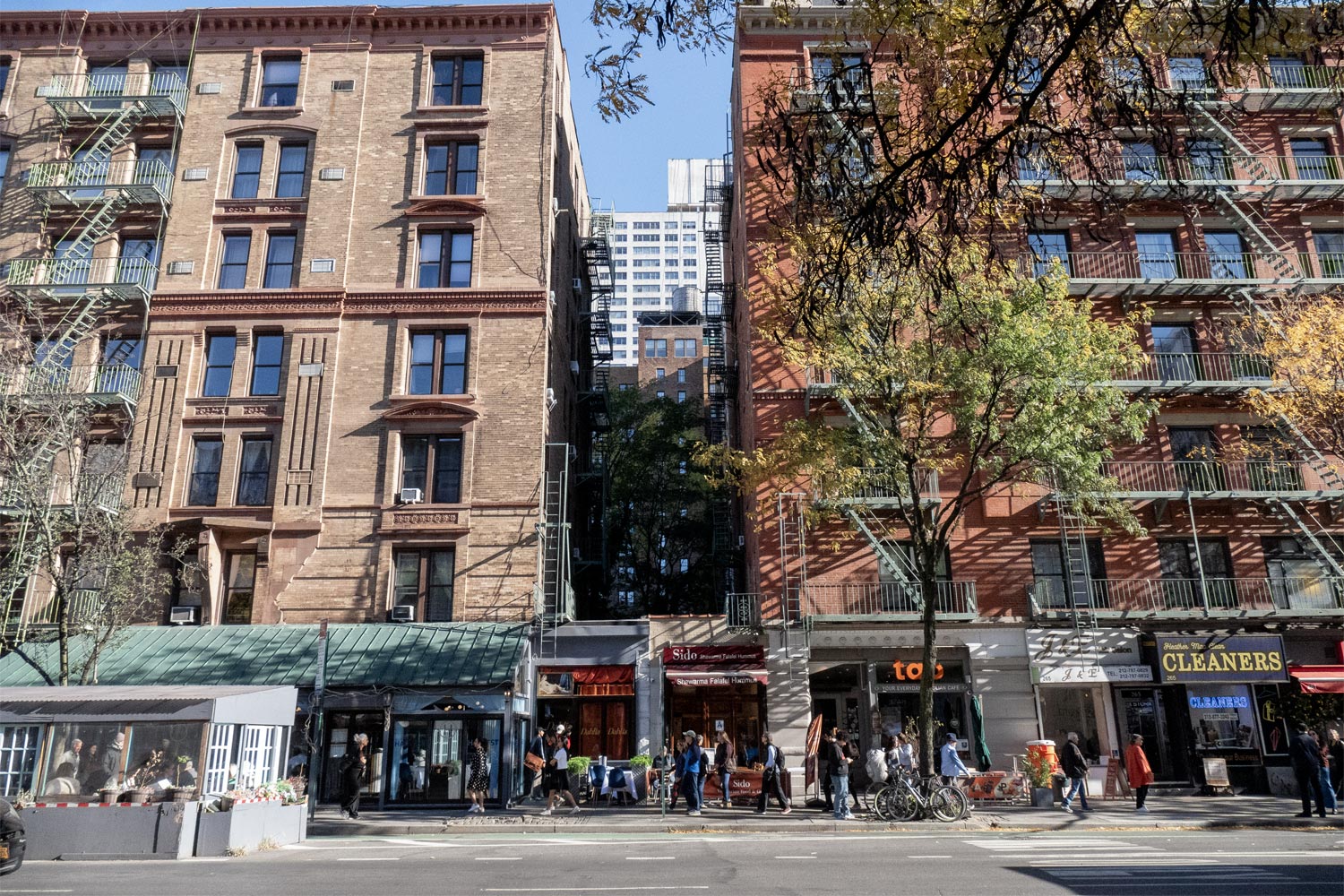
The most expensive houses face the Hudson River and look like fancy European mansions.
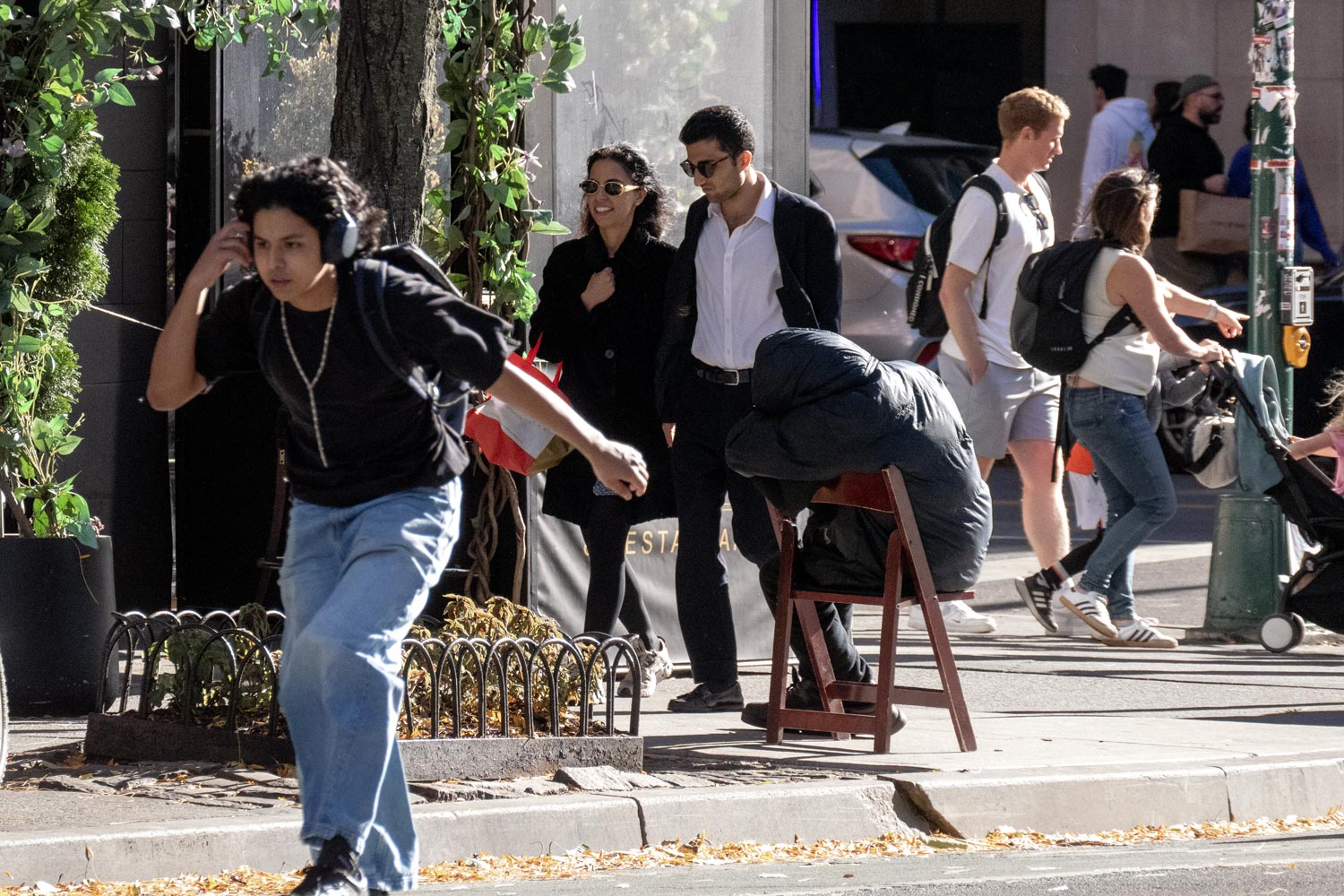
Life on the West Side is buzzing.
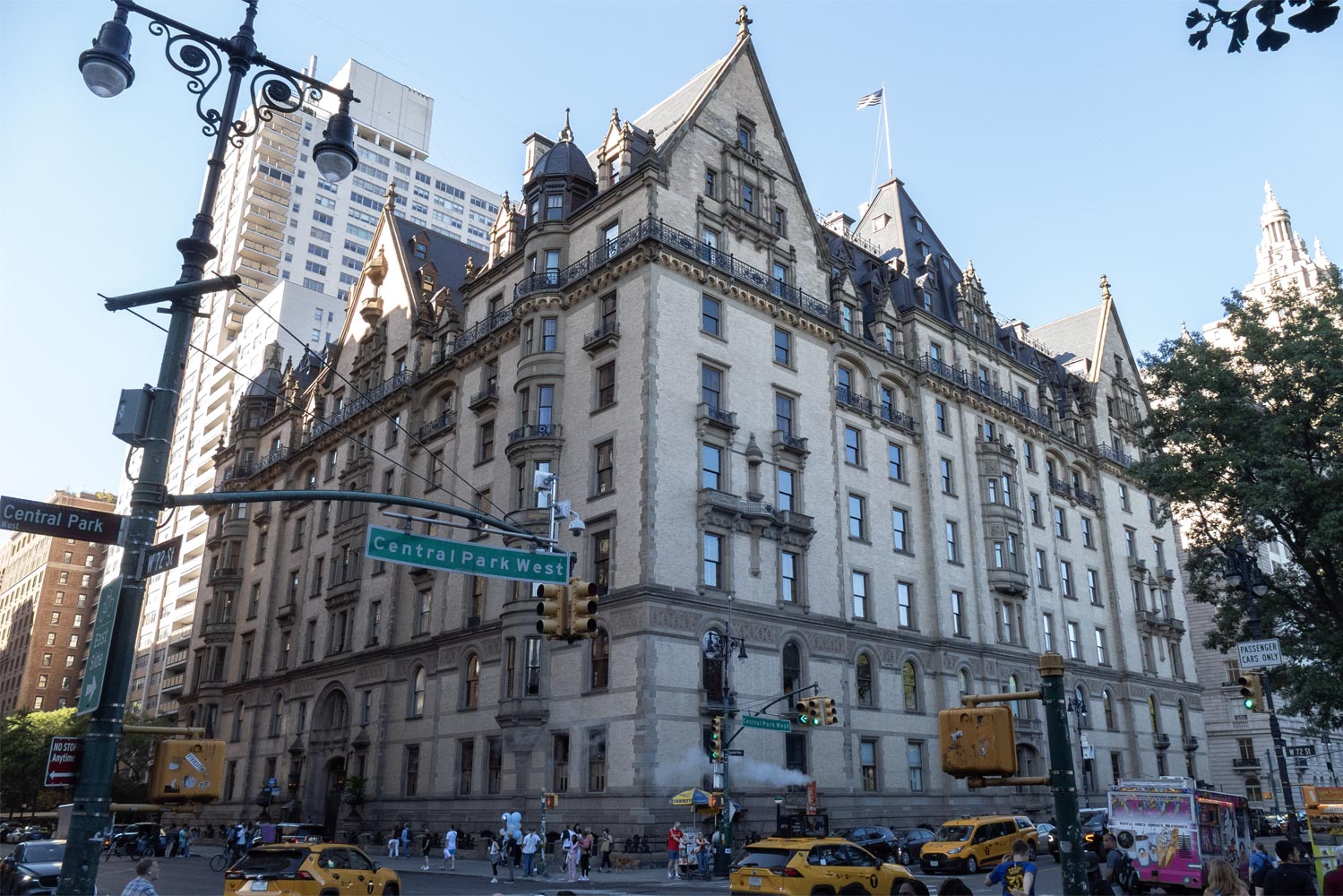
In one of the mansions that look right out onto the park once lived John Lennon, the leader of the rock band The Beatles. In December 1980, as he was coming home from a recording studio, a man caught up with him, pulled out a revolver, and fired five bullets into his back.
The killer was insane. After the shots, he calmly sat down on the curb and waited for the police, reading The Catcher in the Rye.
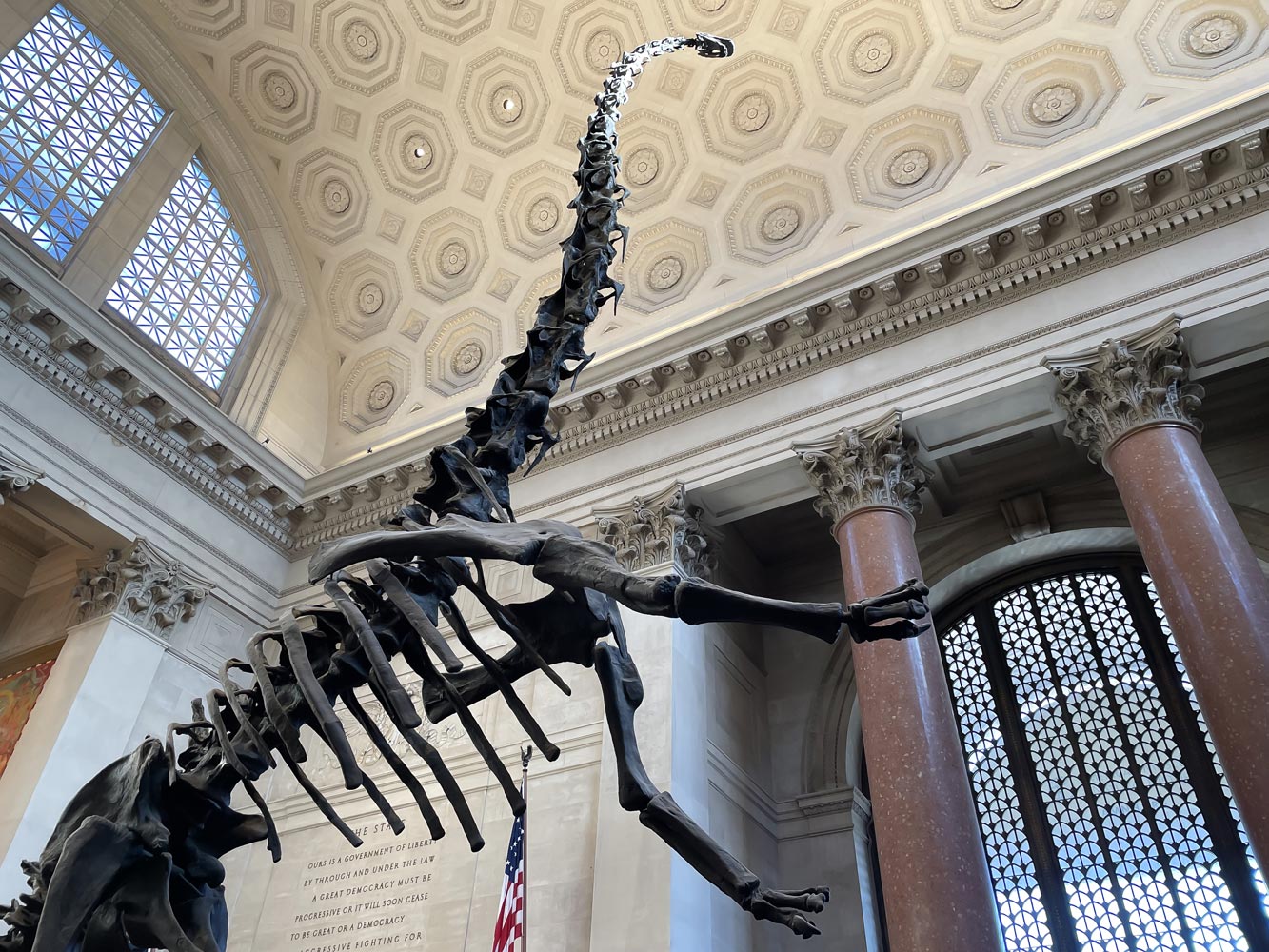
A couple of blocks from here is the Museum of Natural History. You know, that famous New York museum with the dinosaur skeleton, where they filmed Night at the Museum and you had a mission in GTA IV.
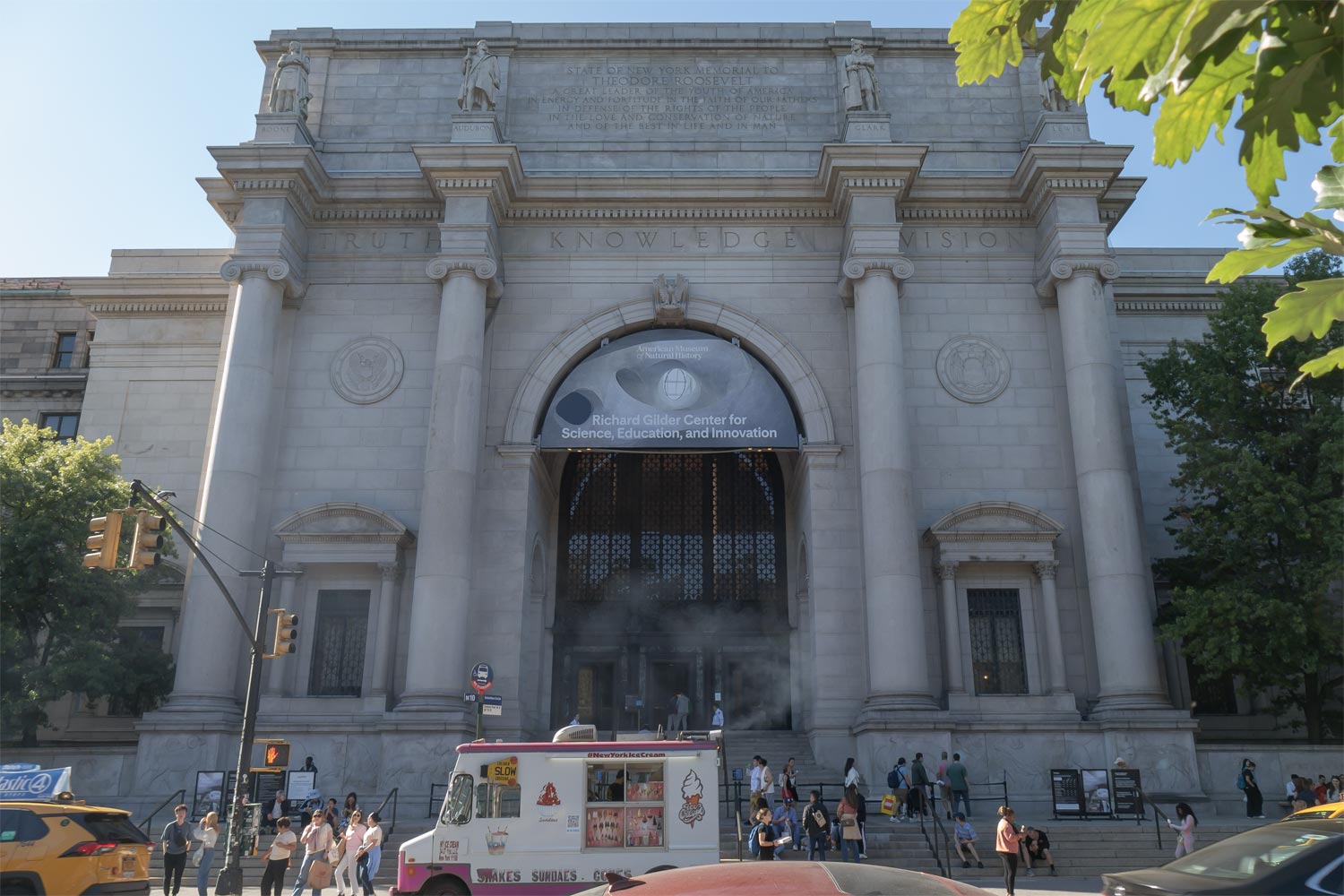
By the way, there are dozens of dinosaurs in there — for every taste. Plus paintings, statues, suits of knightly armor, precious stones, models of extinct animals, antique globes and maps, vessels of the ancient Incas, masks of African shamans, Egyptian sarcophagi with mummies, and so on.
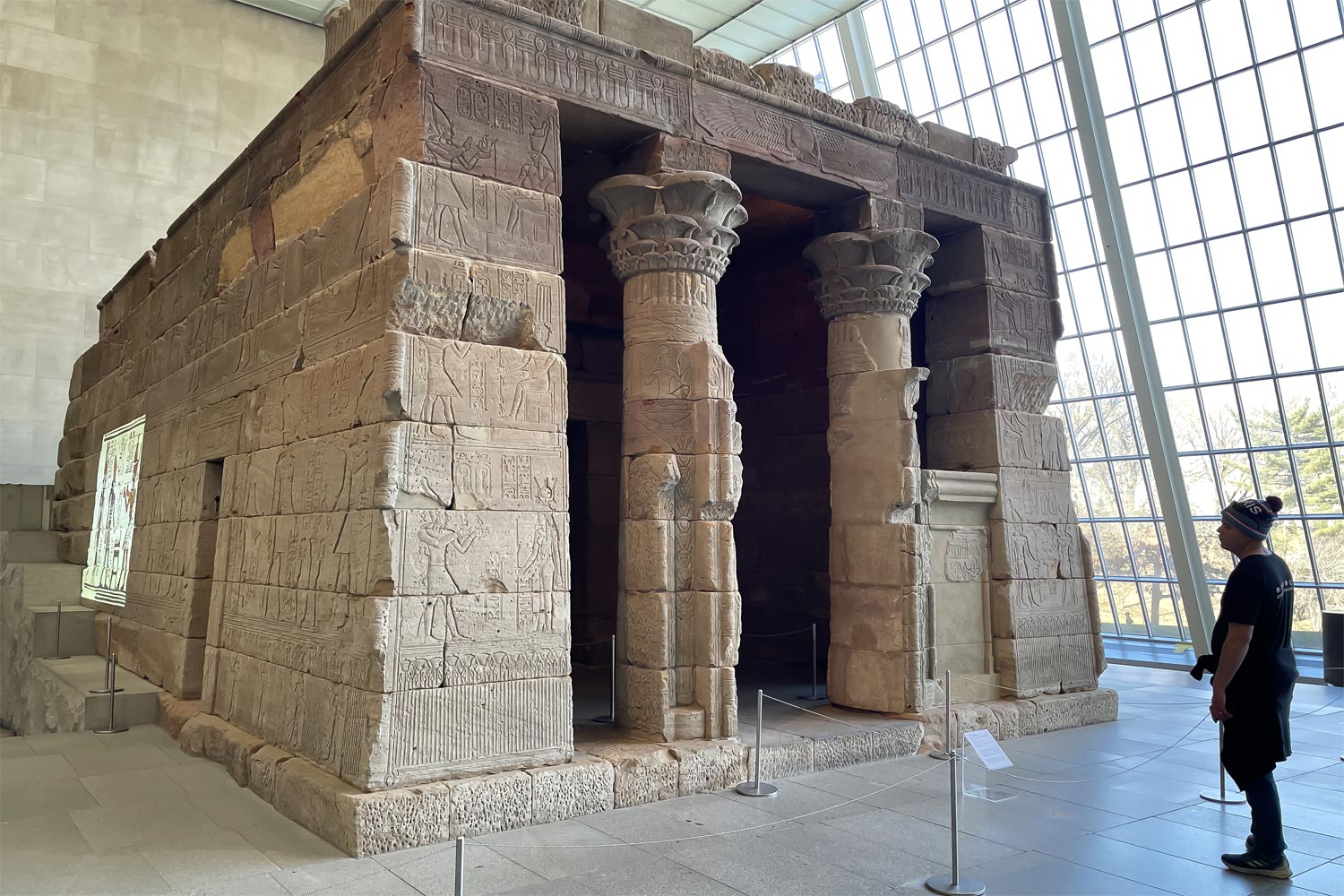
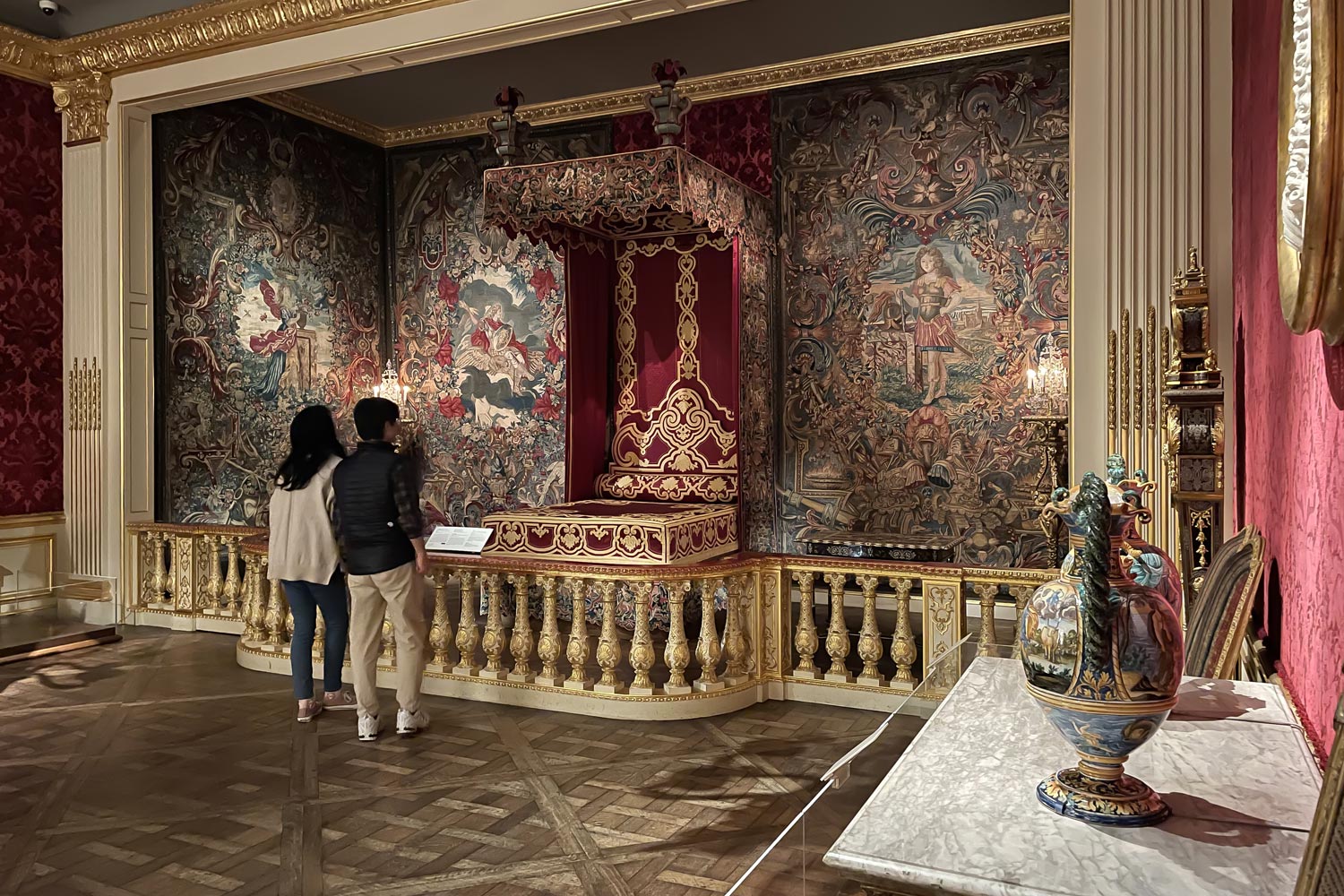
The city’s main museum has amassed goodies from all around the globe. They even have the throne room of some European king and an Egyptian temple. No, not replicas. The originals, taken apart, shipped to America, and reassembled on site. You can’t see everything in a day; need a week.
Harlem
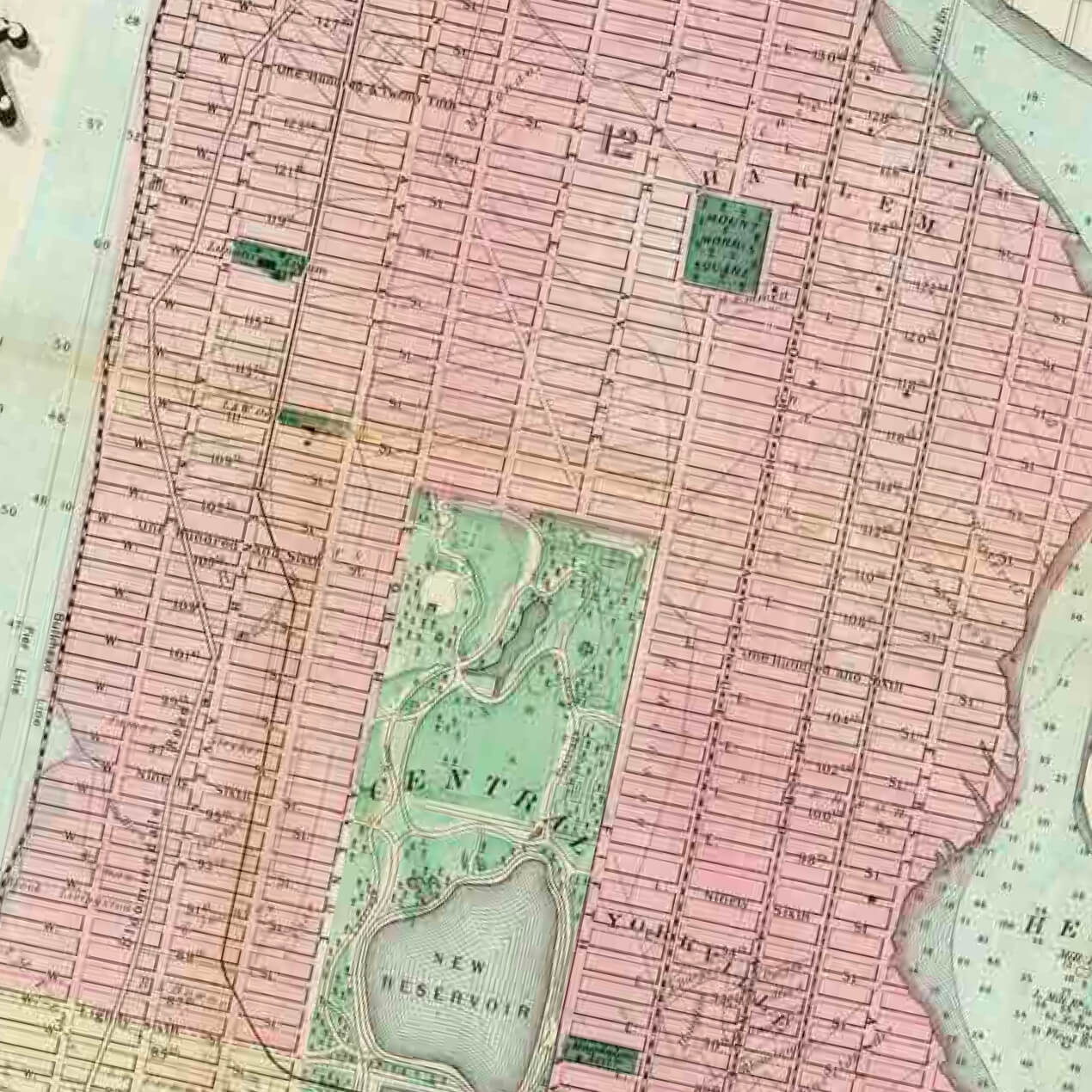
Central Park and the Upper West Side mark the end of “main New York.” Beyond them begins Harlem — the world‑famous Black neighborhood that, in the 1990s, became notorious for its crime and drug trade.
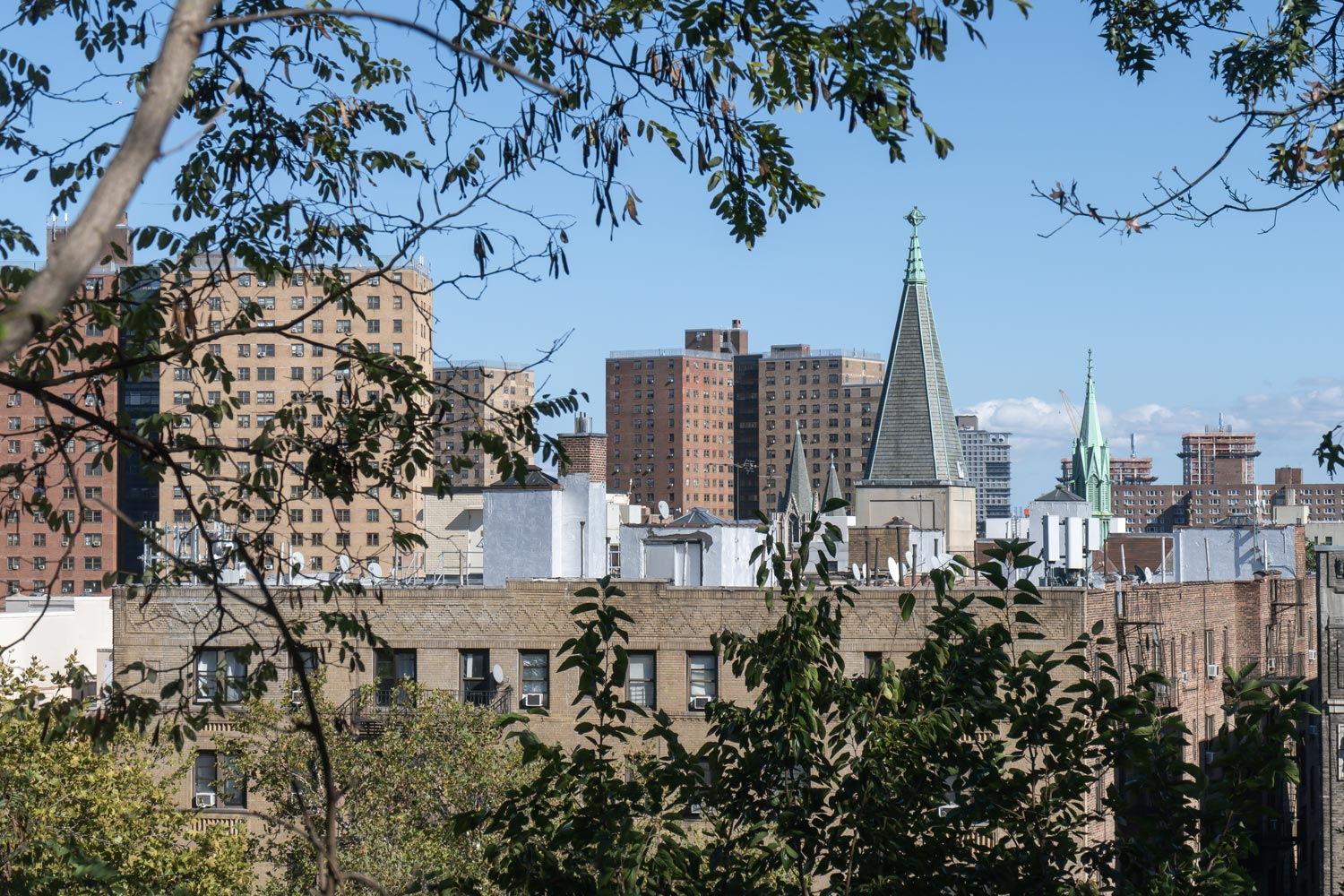
These days Harlem just isn’t what it used to be. Sure, it’s still one of the most dangerous neighborhoods in New York, but since then crime has dropped several times over, and the whole idea of danger has changed a lot.
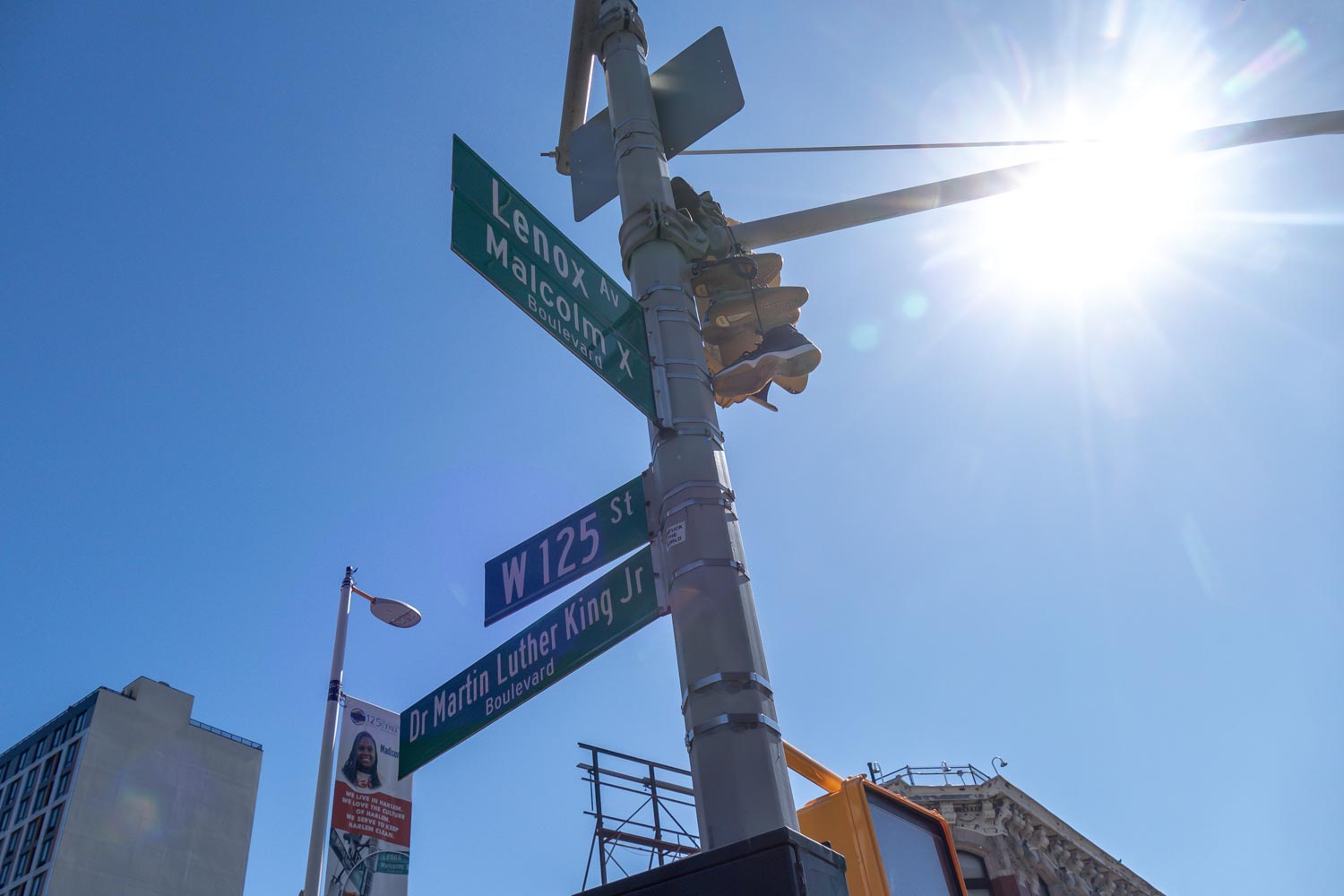
Harlem greets you with some interesting street names. American streets are rarely named after anyone; they’re usually just numbered. But in Harlem, the very first random pole you see is already sporting three names at once.
The main boulevard is named after the civil-rights leader Martin Luther King Jr. It crosses Lenox Avenue — named for a white philanthropist — which the city recently rebranded as Malcolm X Boulevard. Malcolm X was a Black racist who later abandoned those views after his pilgrimage to Mecca, only to be gunned down by his own former comrades. A useful bit of rebranding, I think.
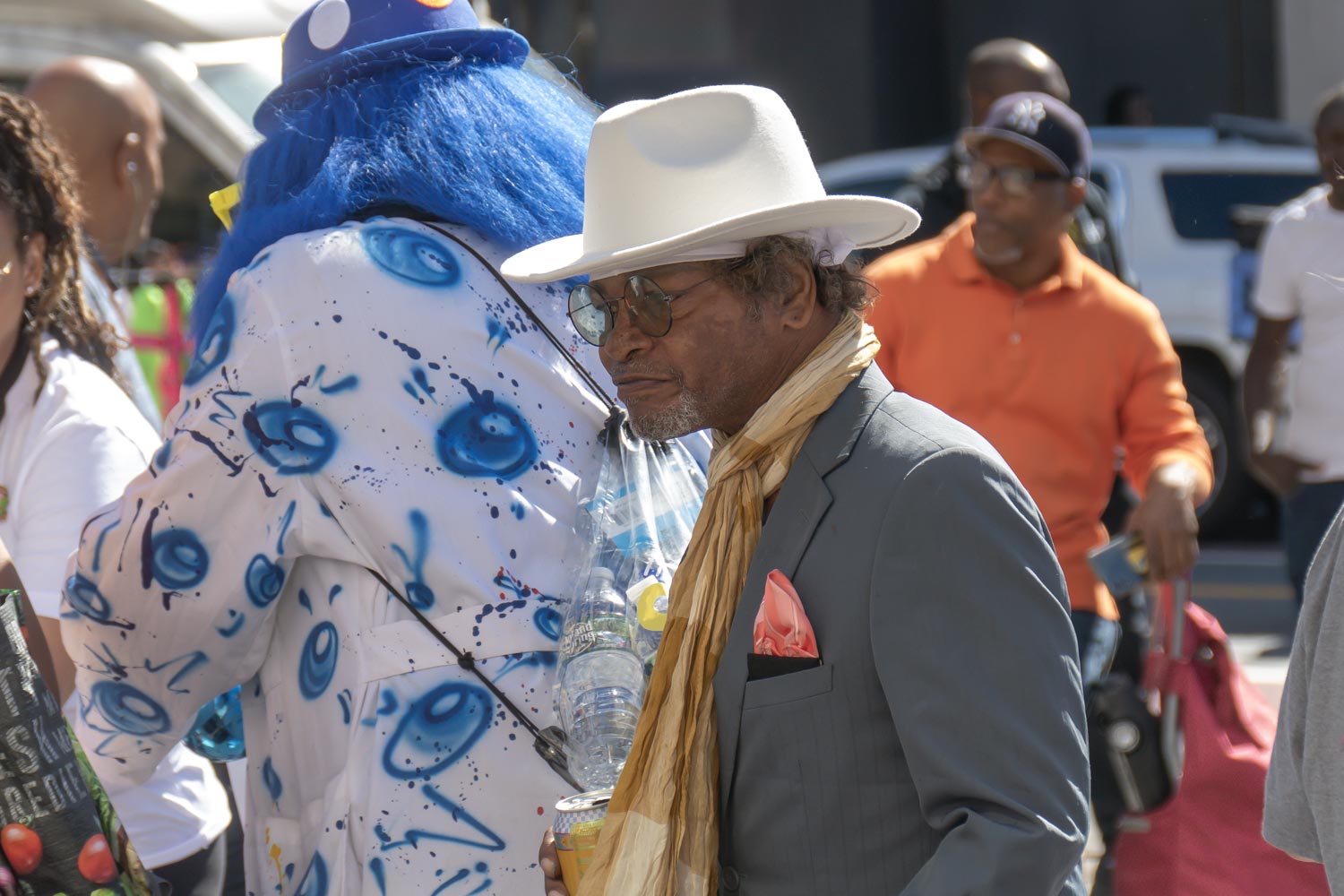
The vibe in Harlem is totally different from the rest of New York. In summer, the place is always alive with African rhythms and rap. You can’t even walk normally here, ending up moving like in a music clip. All the people look like hand-picked.

Black Americans often dress to kill — sharp, bold, and unapologetically stylish. Flashy outfits are a way to signal success, not some tired stereotype of a “ghetto kid.” And some of the characters you meet look like they walked straight out of a movie.
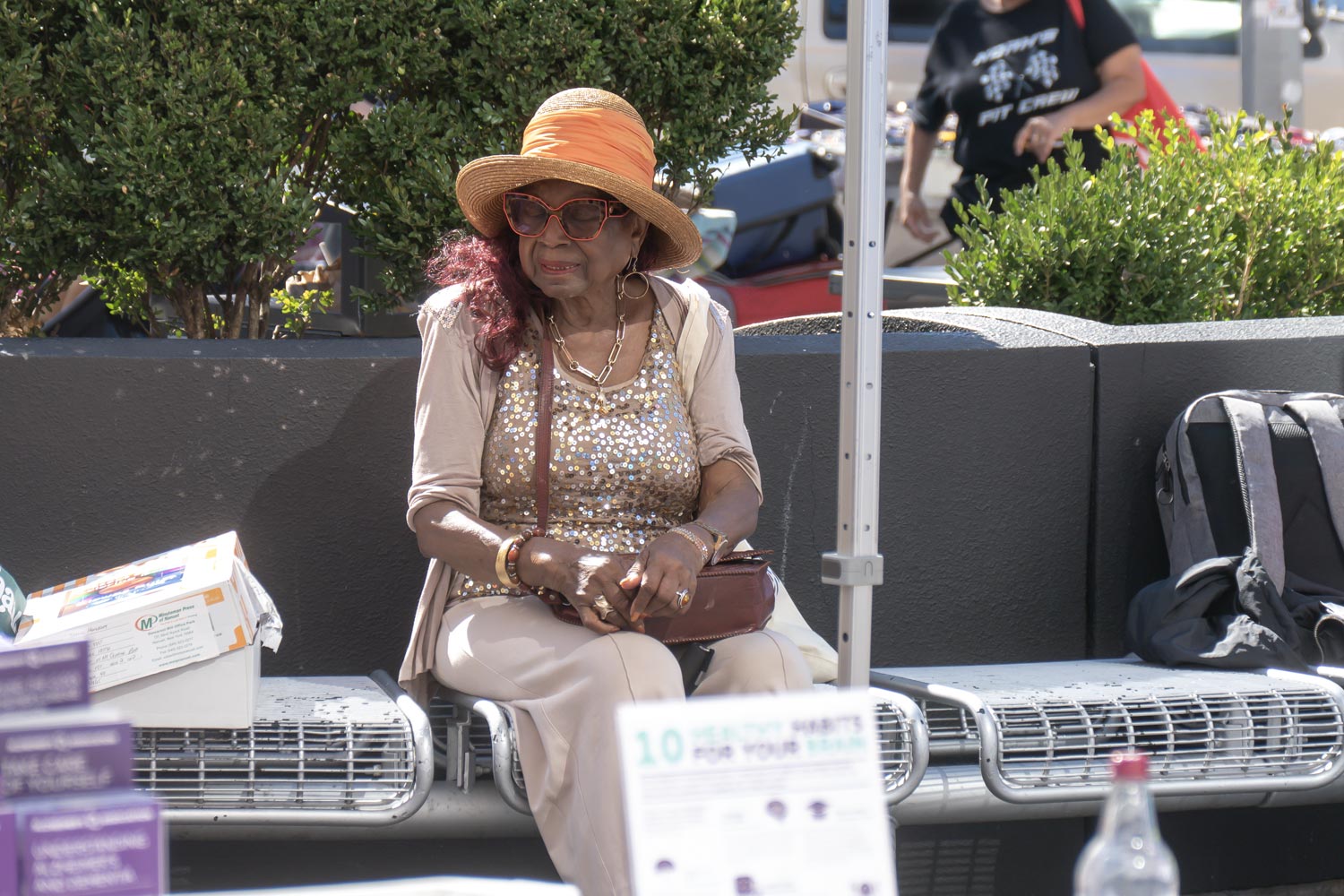
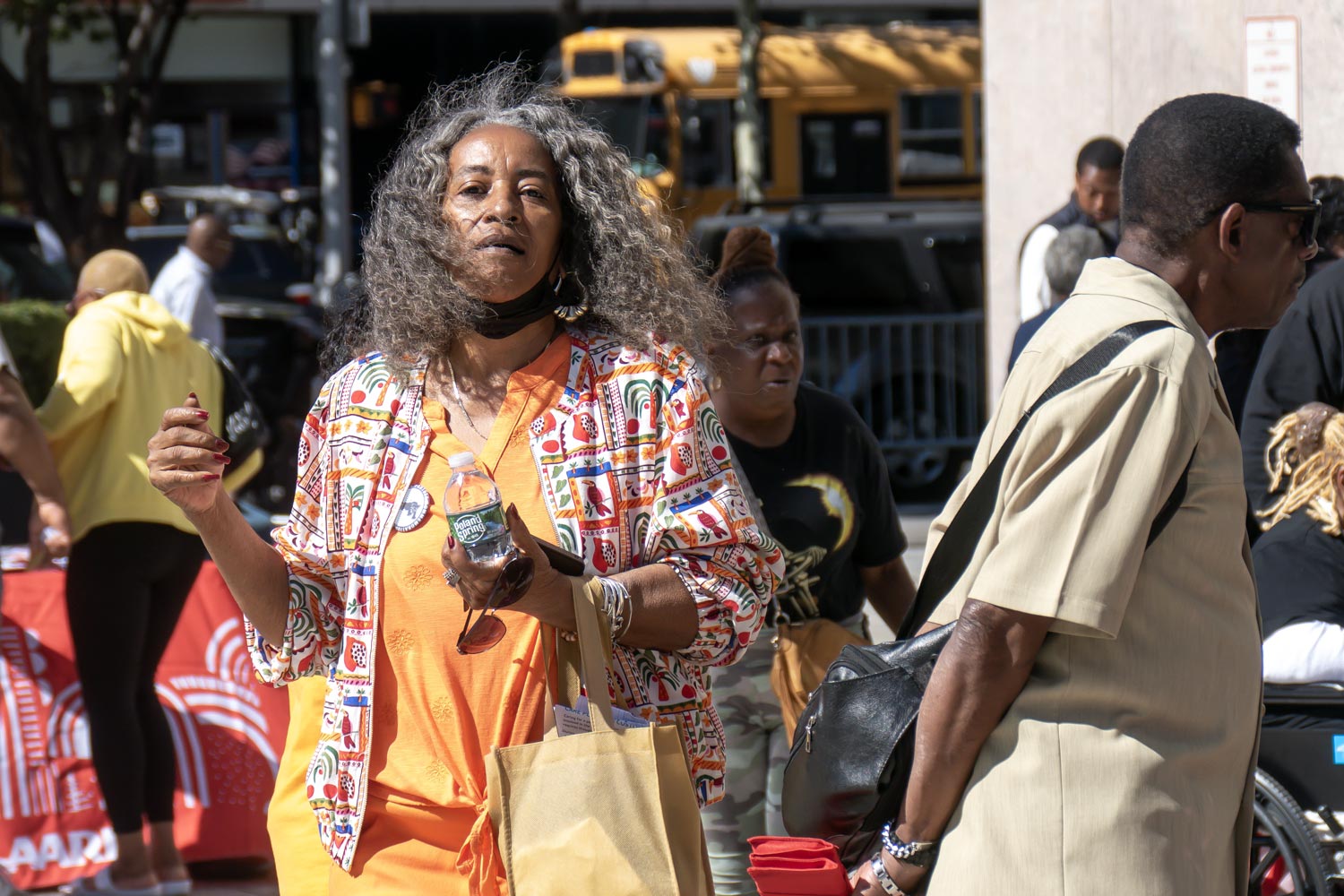
Gays and trans people have made it to Harlem too, even though 20 years ago showing up like that could’ve gotten you shot.
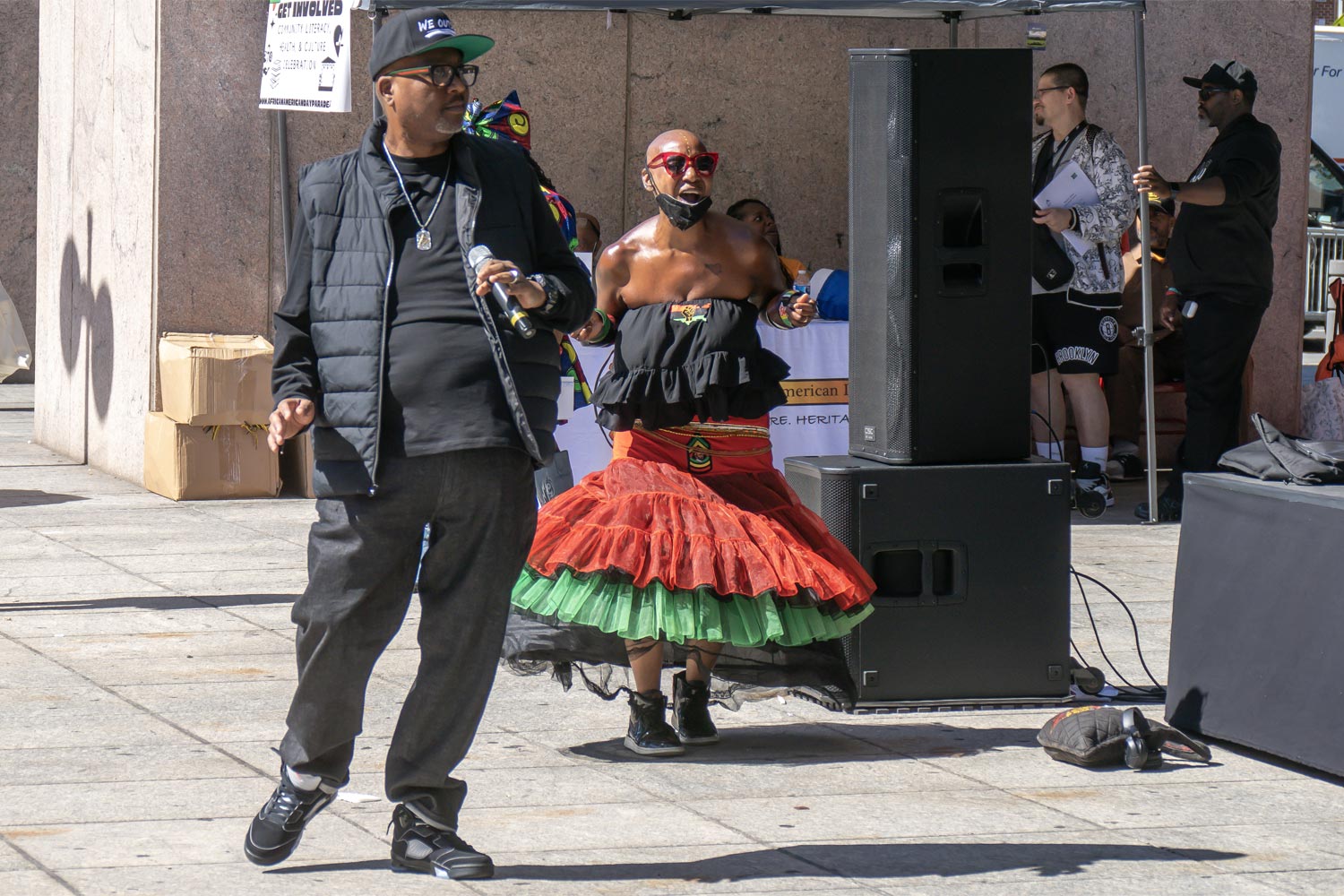
Harlem is also full of iconic spots: expensive restaurants, jazz theaters, stand-up clubs, and museums of Black culture.
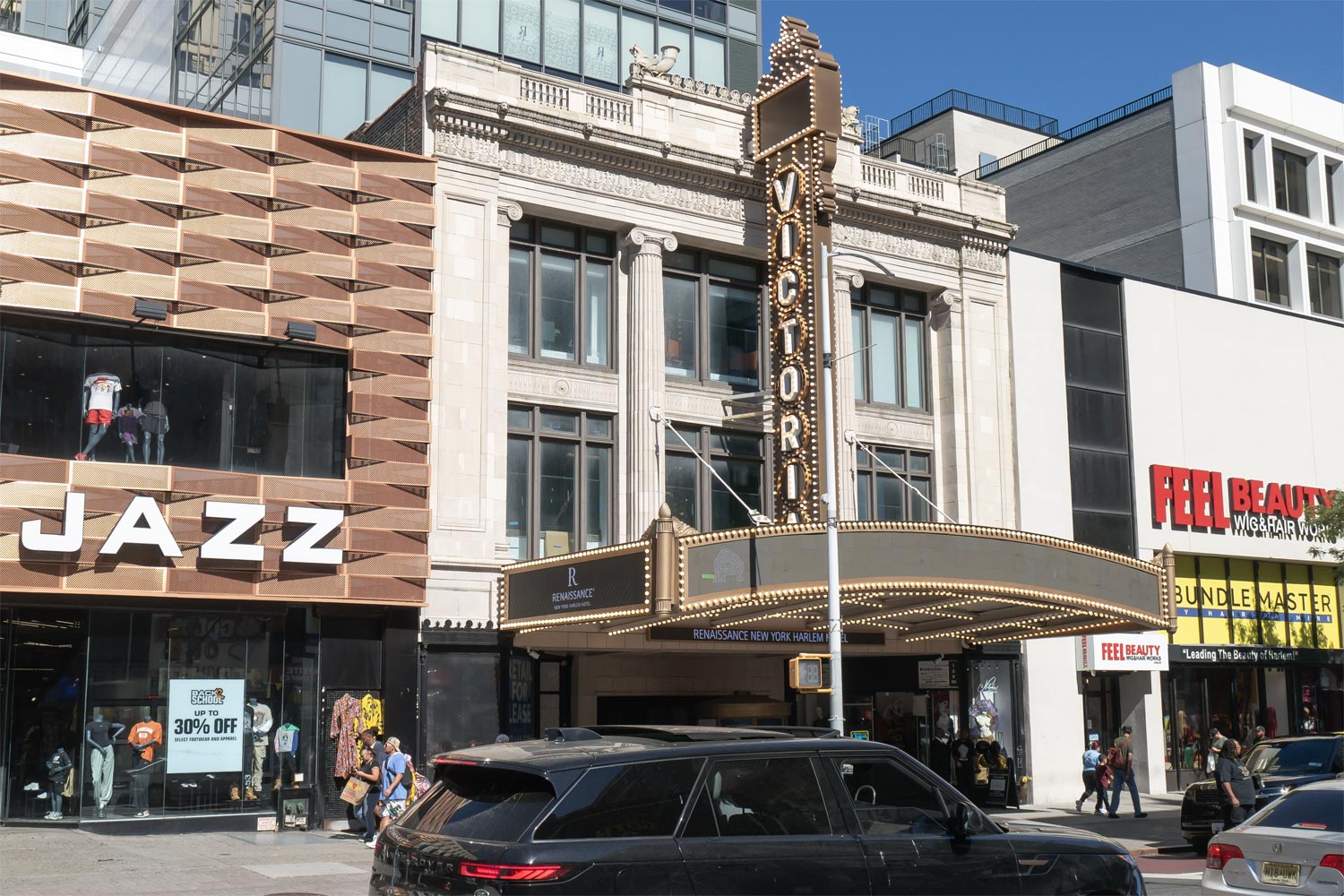
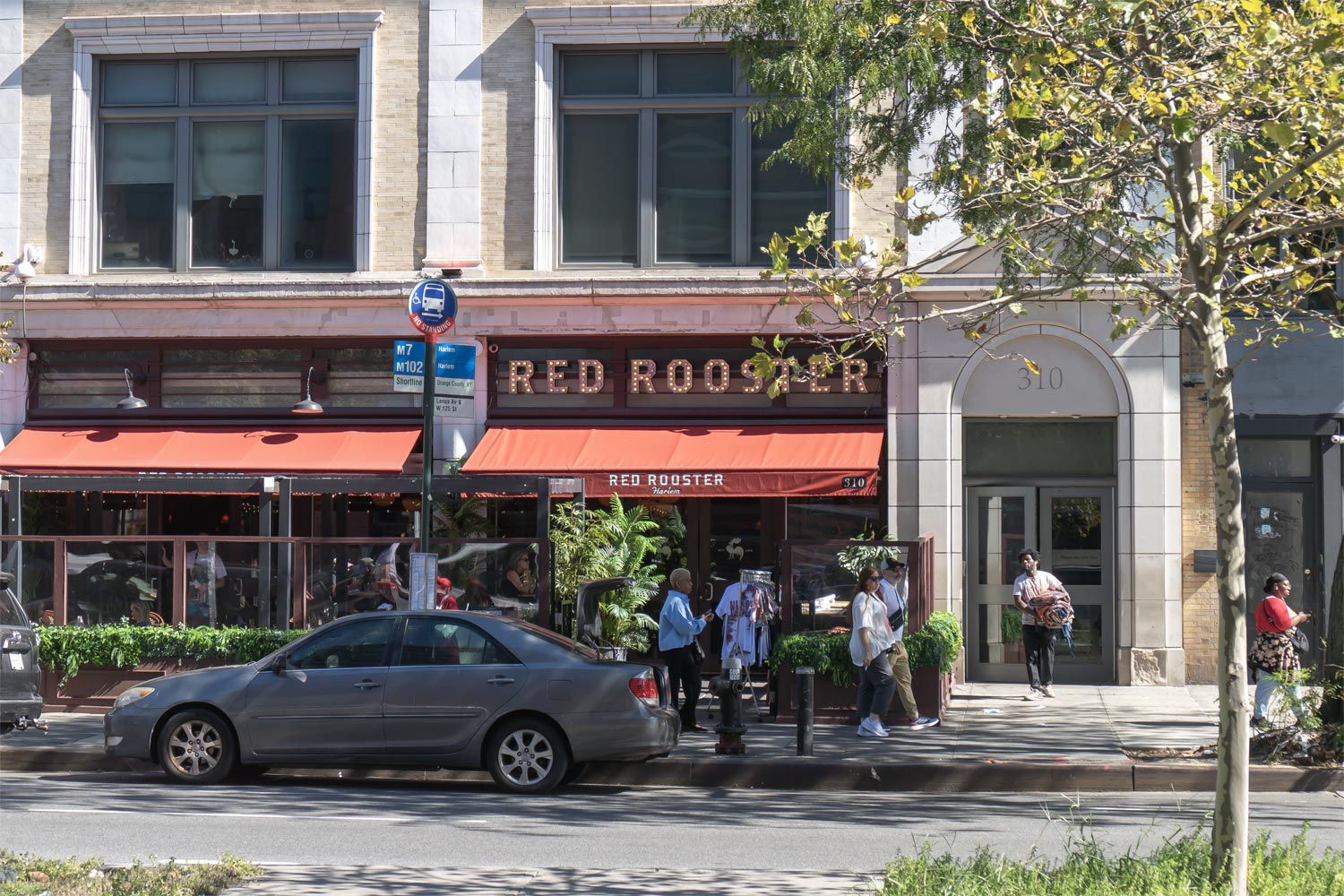
The streets of the Black neighborhood don’t look like a ghetto at all. They’re wide avenues with beautiful early 19th-century houses, no worse than in Brooklyn.
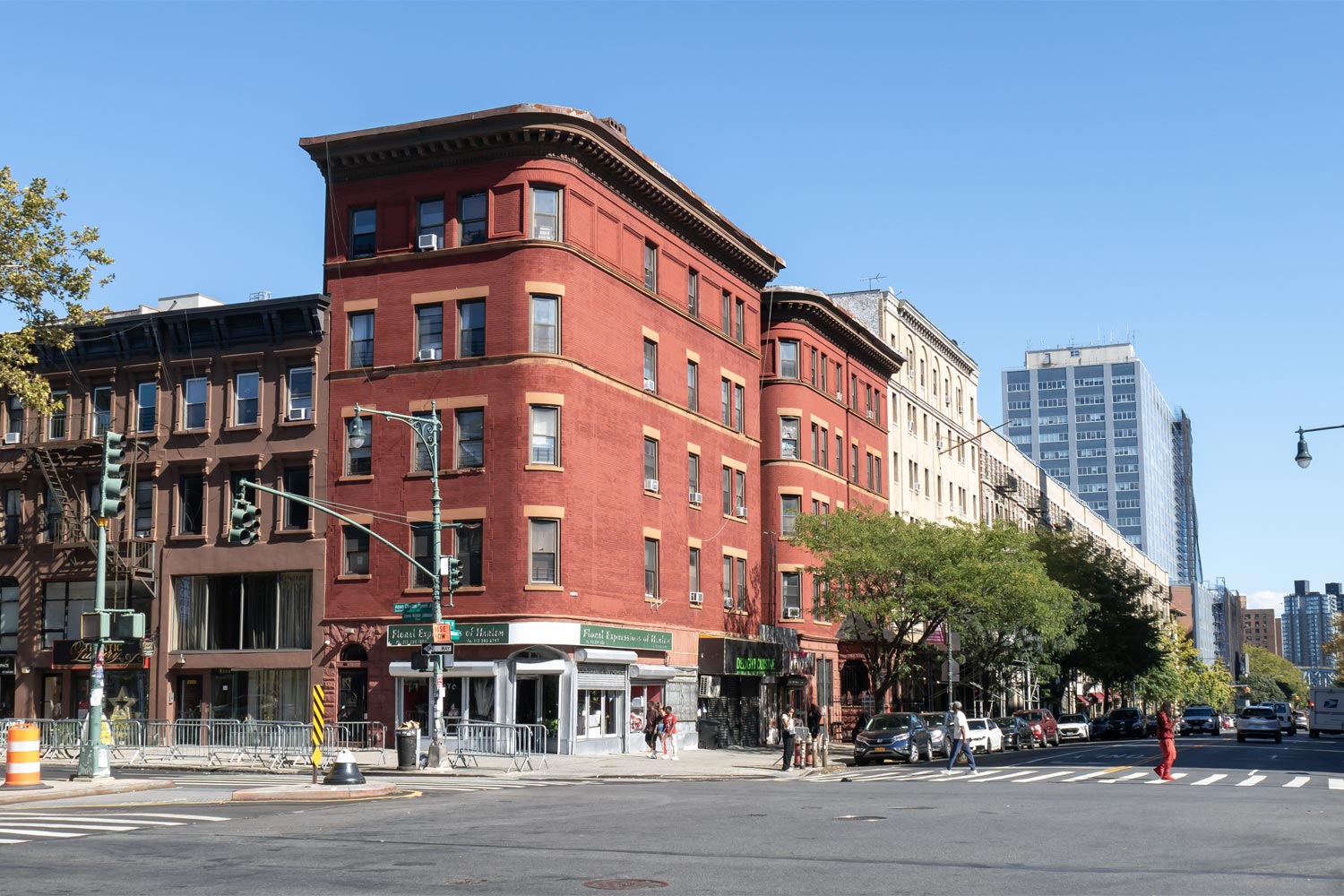
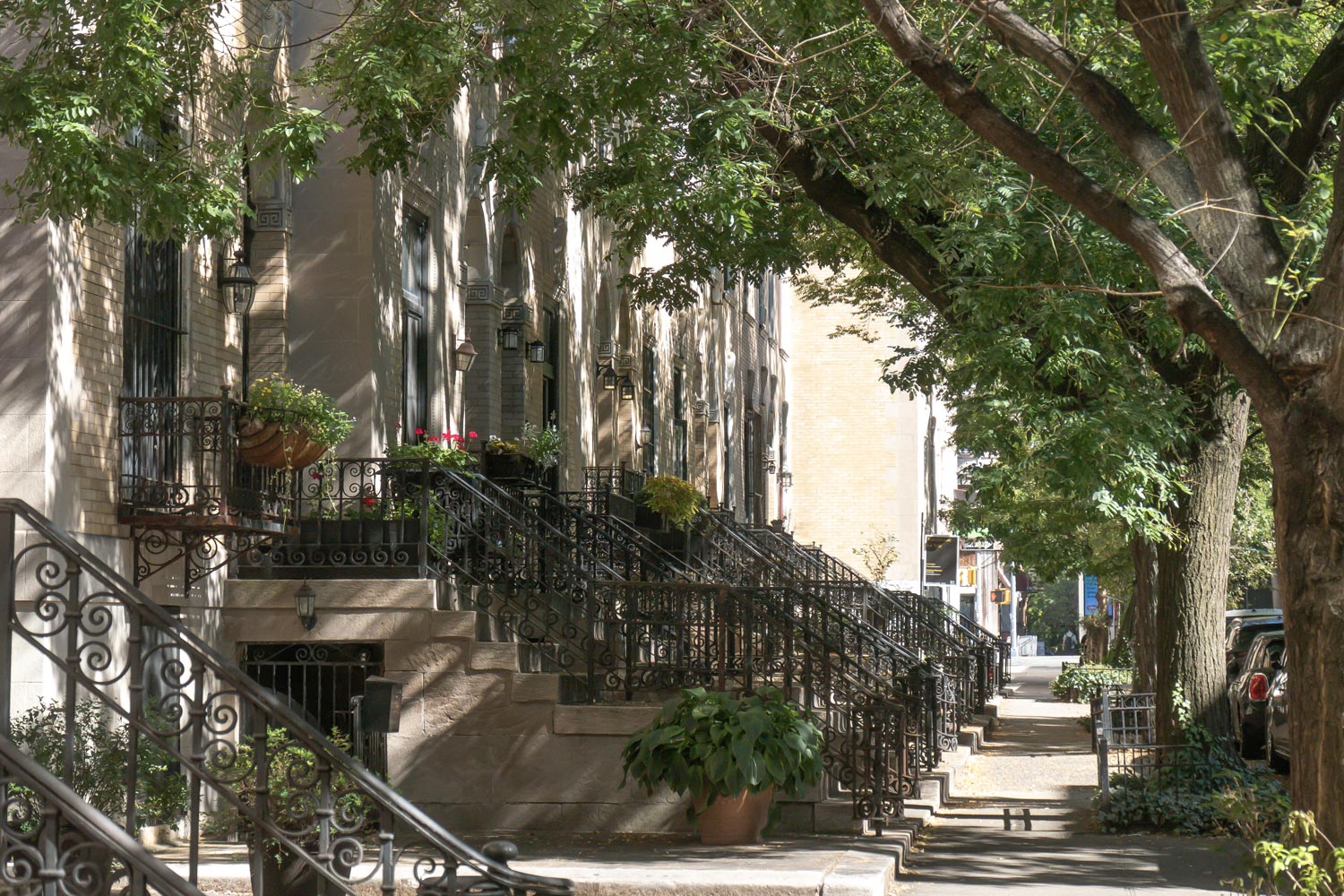
And right in the middle of Harlem they live in townhouses on par with the Upper West Side. Gorgeous buildings and streets drowning in greenery.
In the middle of the neighborhood you stumble across some real architectural gems. Hidden in the wilds of Harlem there are probably a dozen or so luxurious churches and mosques.
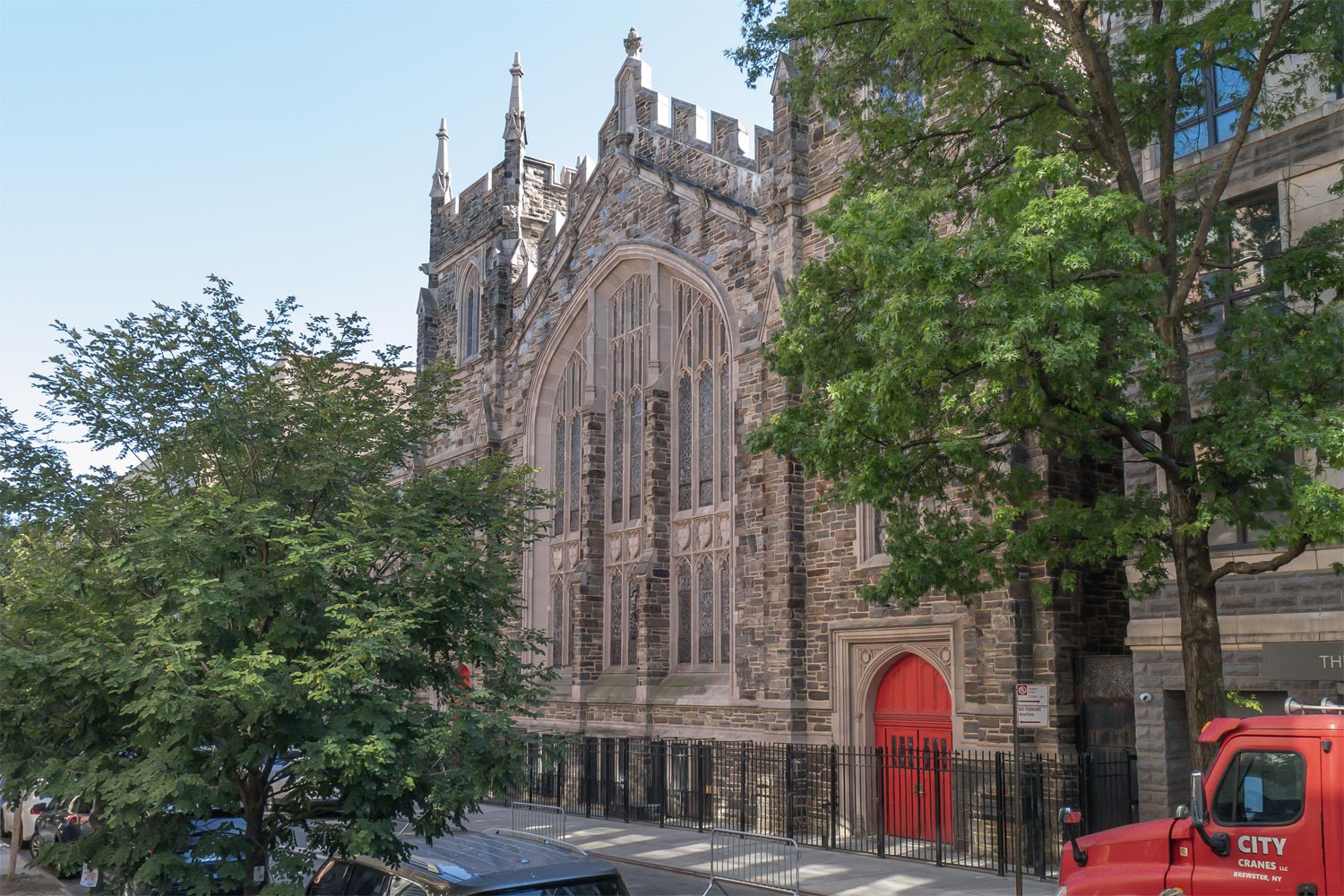
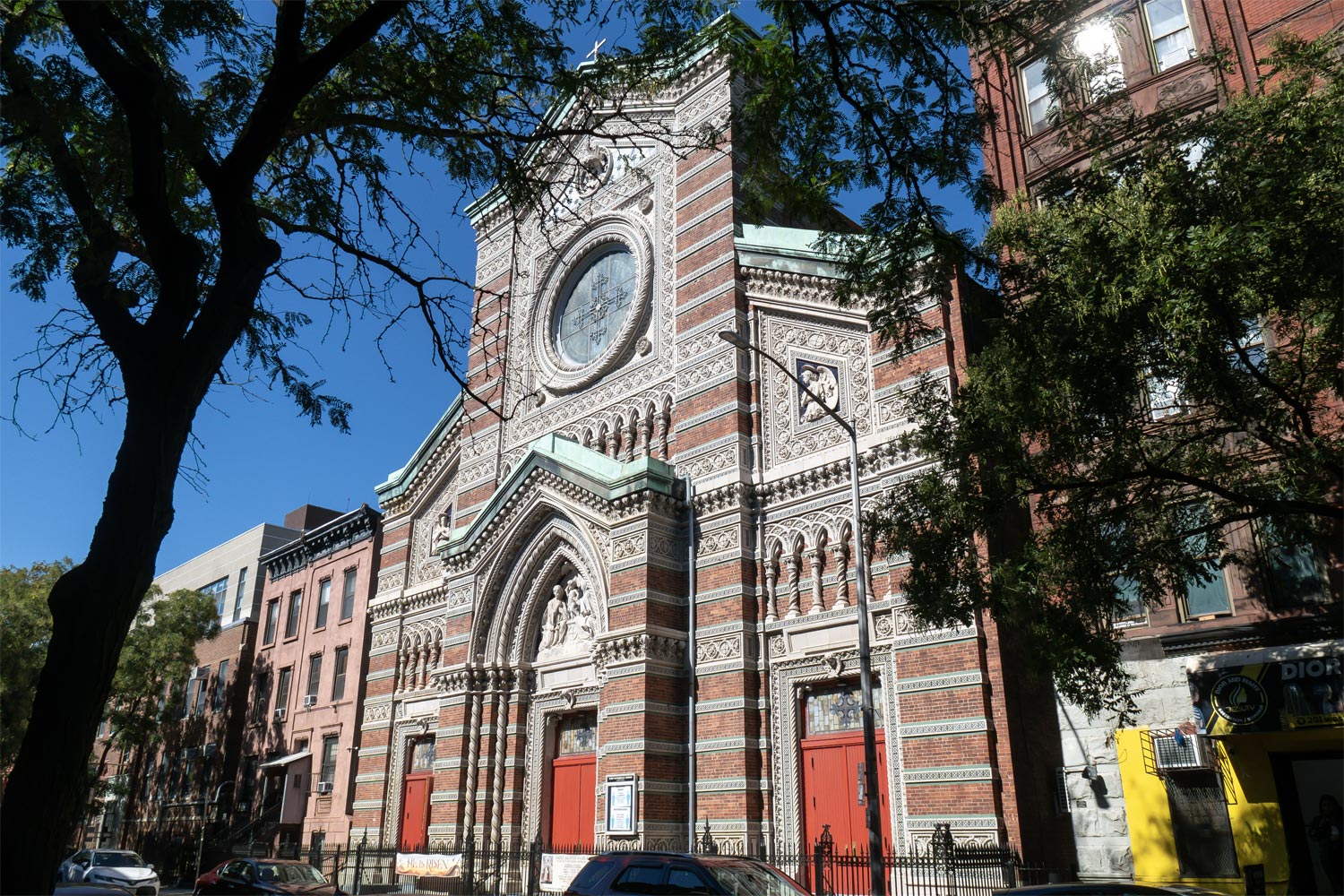
Originally, Harlem wasn’t a run-down neighborhood at all, but a very respectable suburb where the intellectuals settled. In the early 19th century, a full-on battle of architects broke out here, as they competed on pure enthusiasm to build the most beautiful church. As a result, even the small churches in Harlem are little masterpieces.
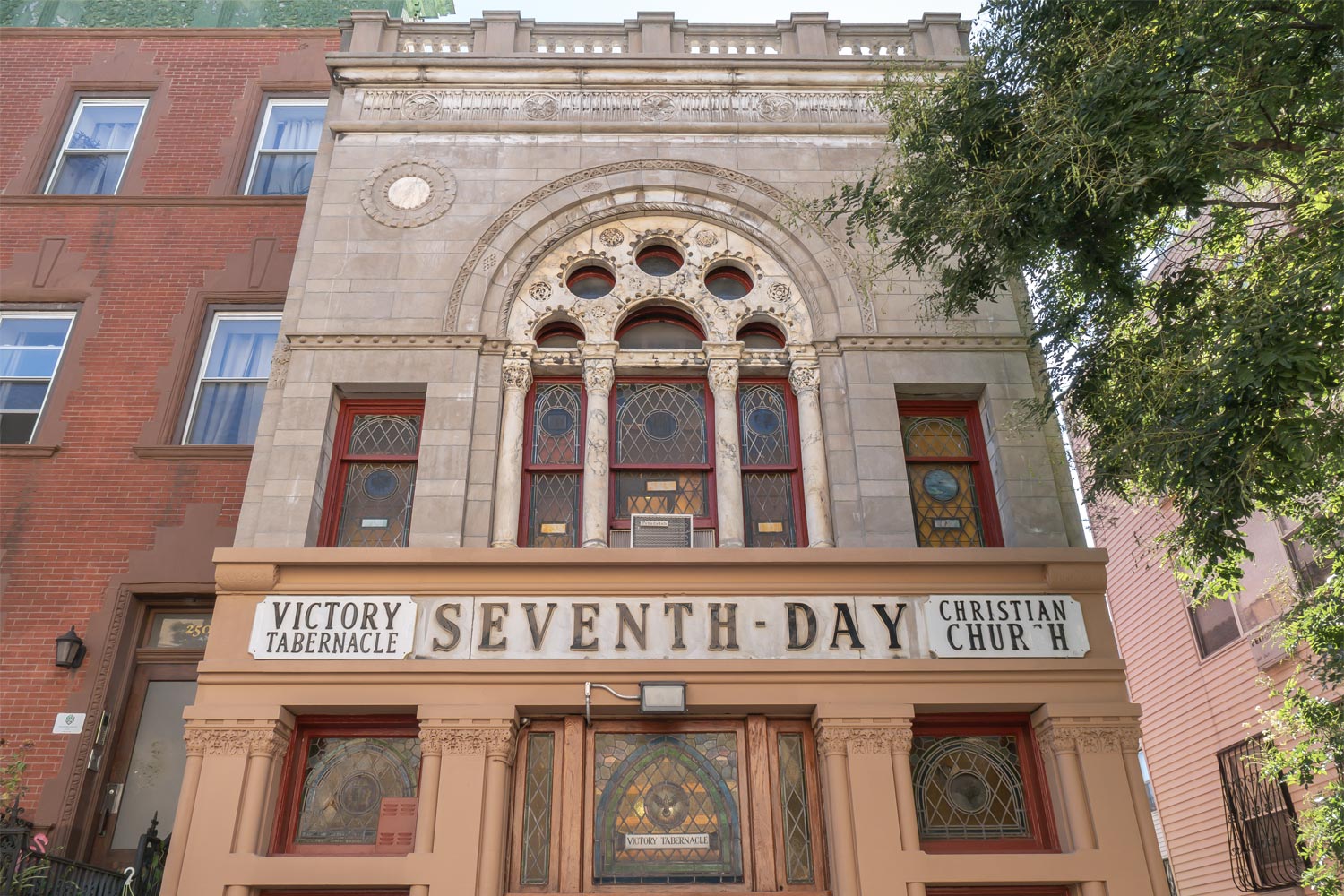
From that same era, Harlem also inherited its brownstone buildings — yes, they even have a special name for them in New York: brownstones.
Today, not only Blacks live in Harlem, but also Latinos as well as White folks — and their numbers just keep growing. Fortunately, the era of segregation in America is slowly fading into oblivion. On one of the streets, the author came across a looooooooong dining table running along the entire townhouse.
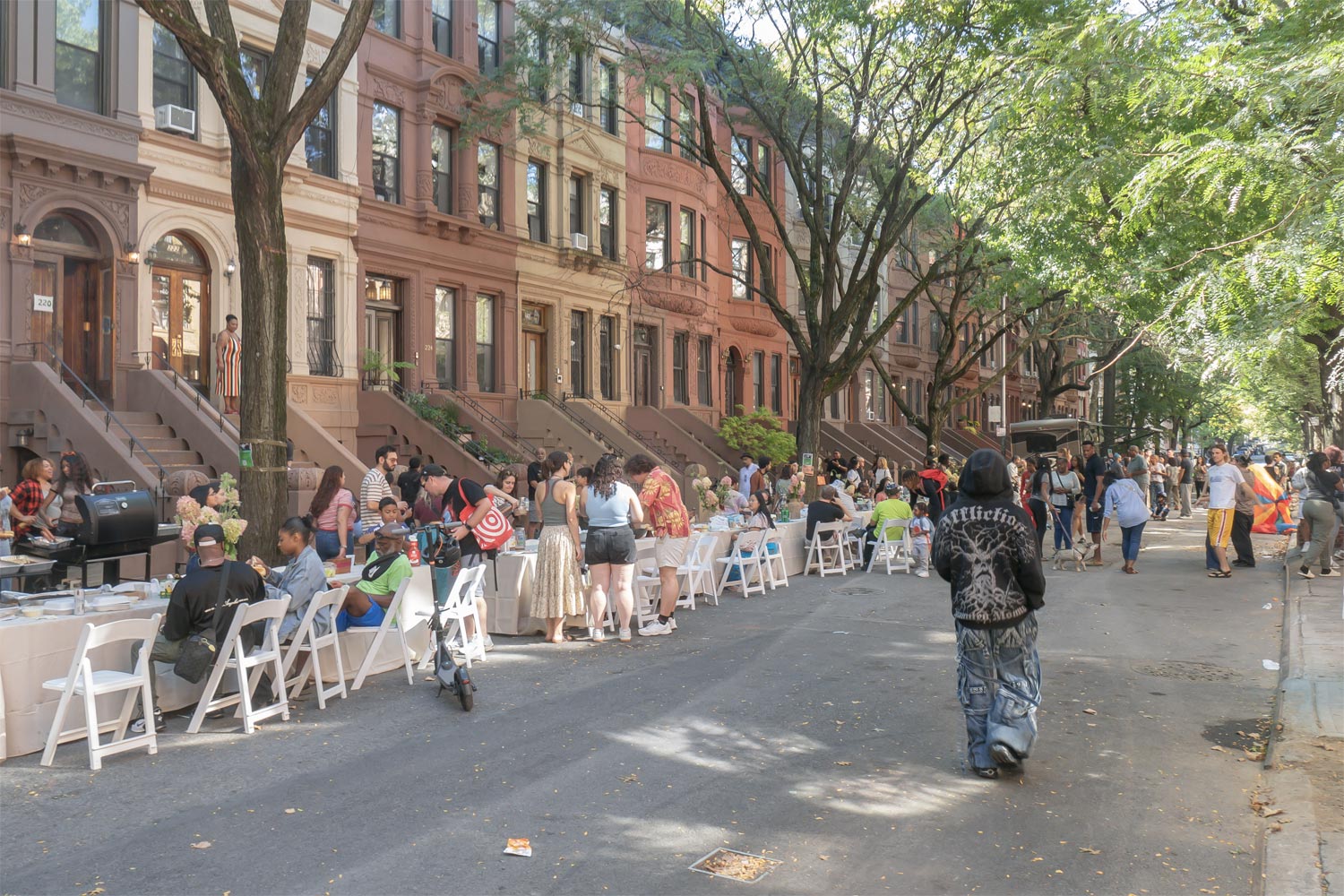
A spontaneous picnic thrown together by the residents of one street very successfully brought in everyone who wanted to come: black, brown, tan, white, Latino, and Asian. The sweetest little echo of the pre-digital age.
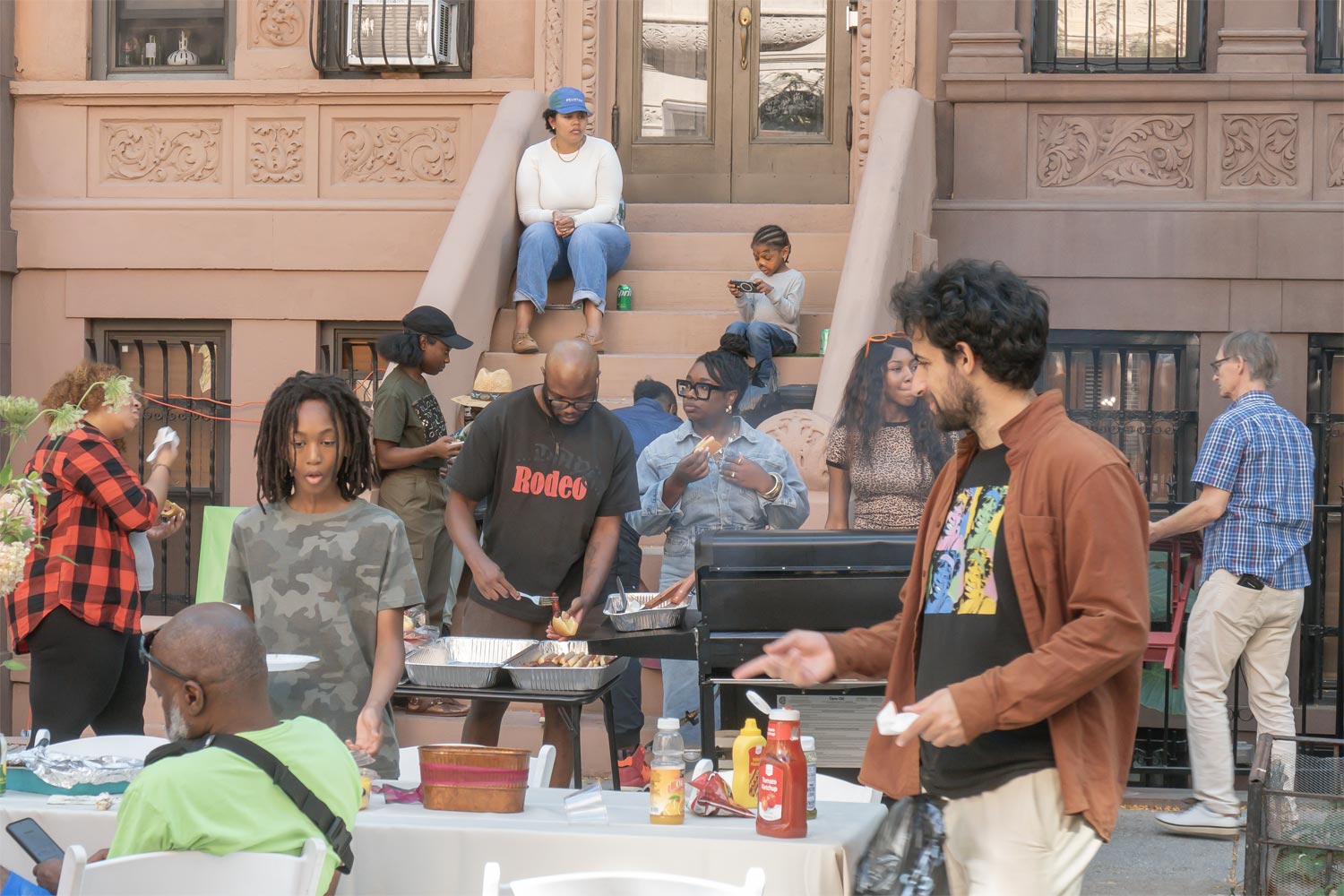
That’s Harlem for you, the great and terrible. The dreary brown high-rises the reader was expecting to see only start showing up closer to the end of the neighborhood, right before the Bronx begins.
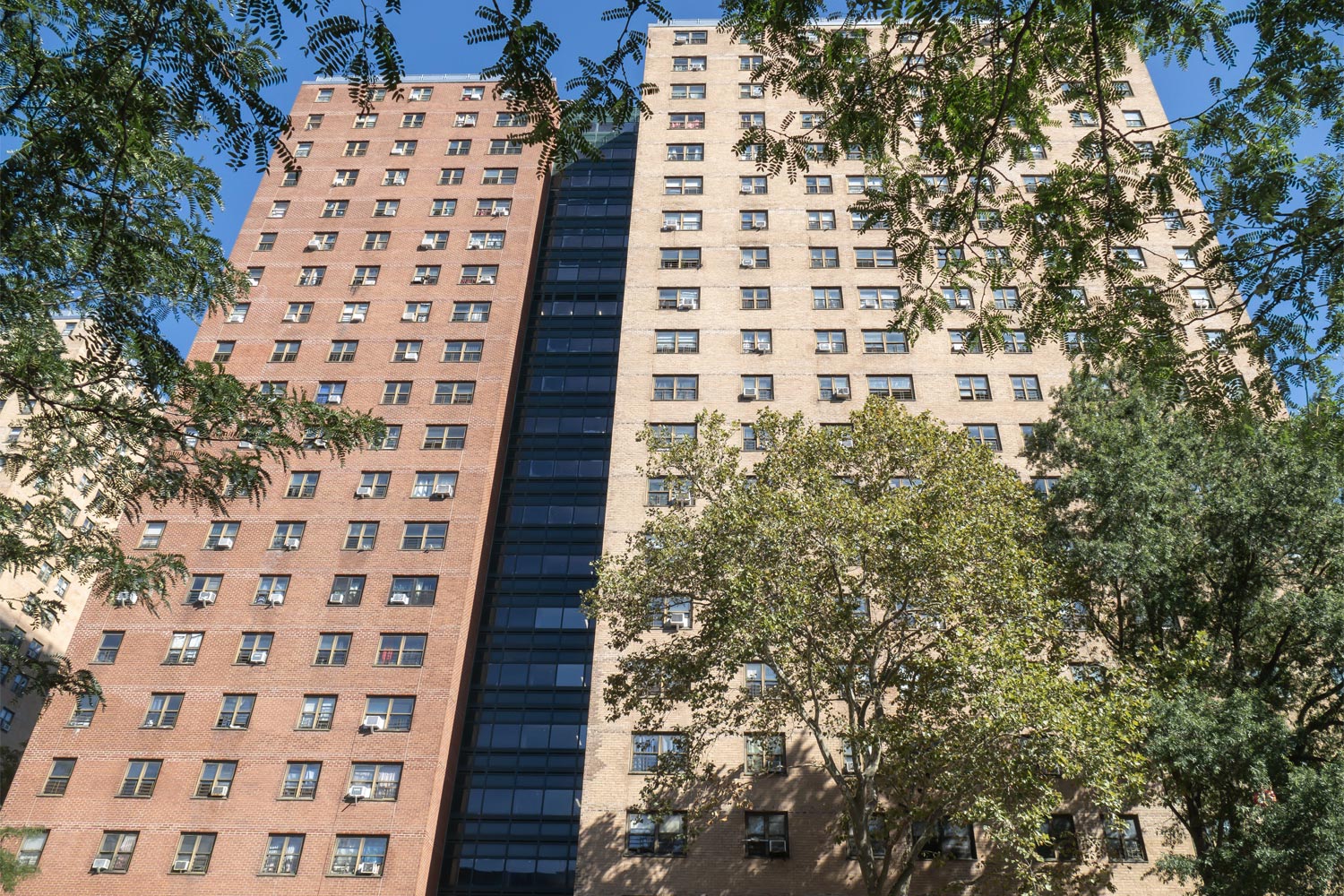
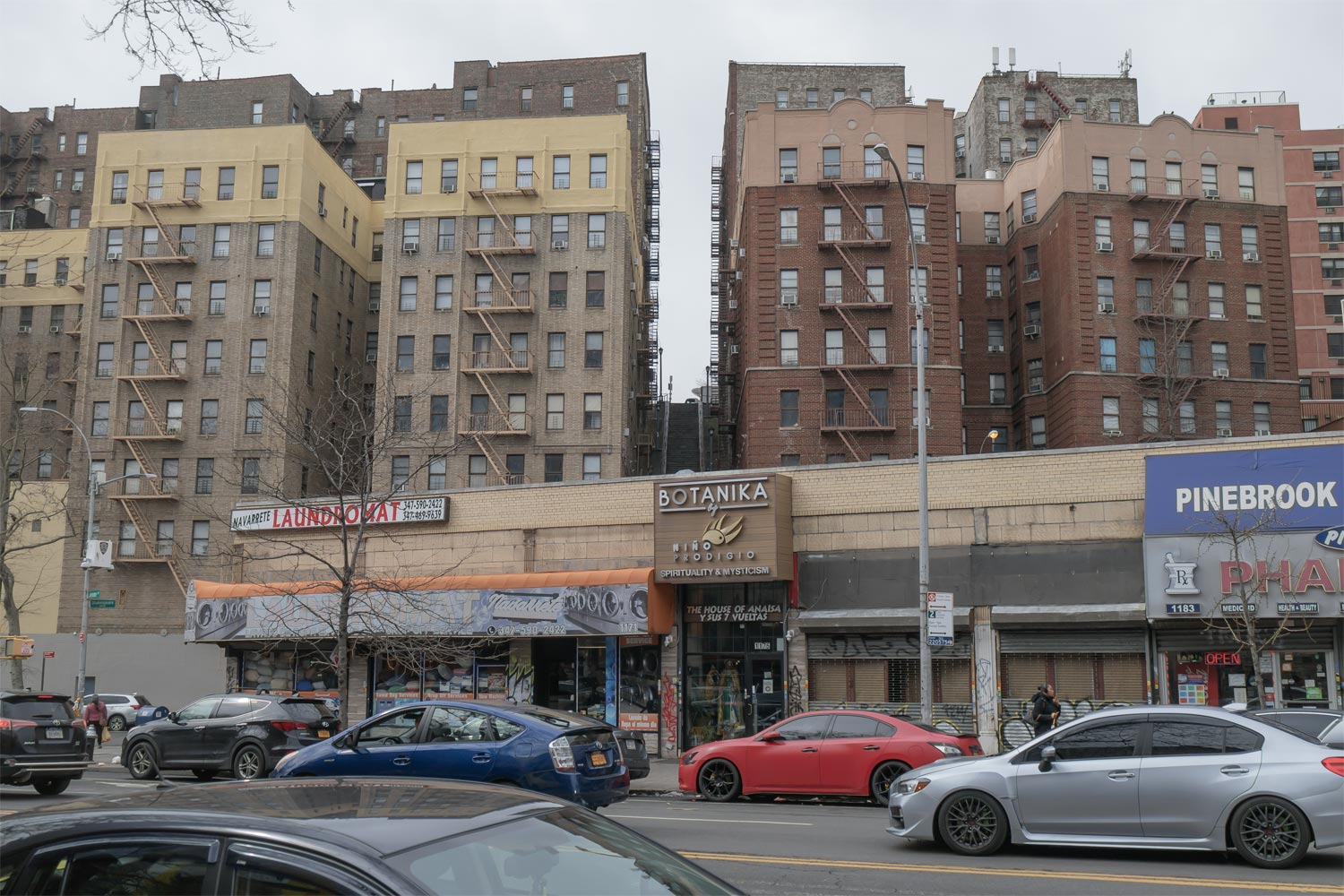
Today, it’s the Bronx that proudly holds the title of New York’s most run-down borough. Once upon a time, it was actually a nice neighborhood, where Italians, Germans, and Jews settled. Then, in the 1970s, the local economy collapsed — and never really recovered.
These days there’s exactly one interesting place in the neighborhood — the staircase where the Joker danced. Photos always show it in close-up, even though it’d be way more interesting to look at what’s around it.
Well, the Bronx is really far away. Wouldn’t it be better to head back downtown and check out Brooklyn? So, what do we have here for transportation... right. The subway.