
Philadelphia
Philadelphia is one of the oldest cities in the United States, founded 20 years before Saint Petersburg (the true one).
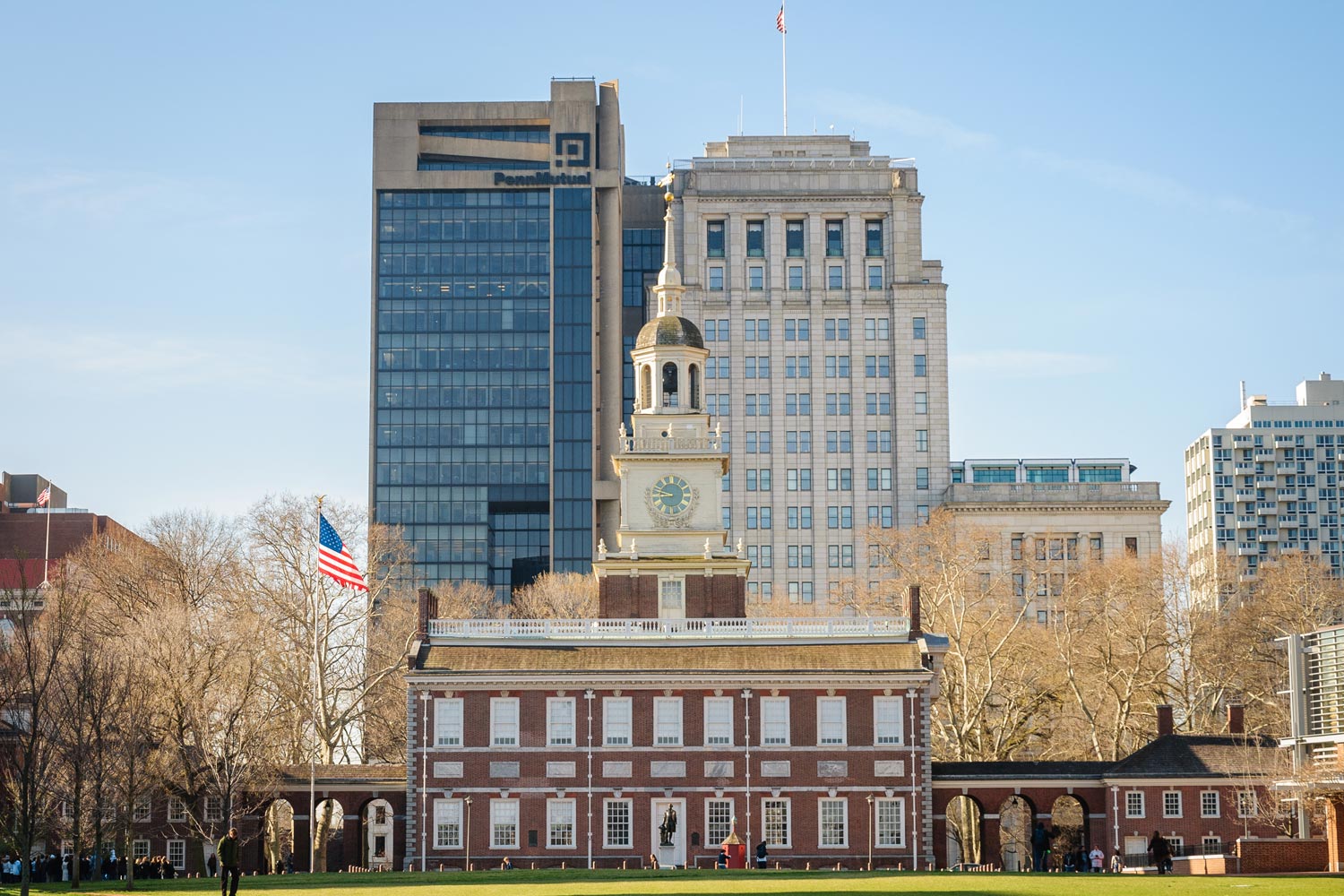
Americans love this city very much. The great Benjamin Franklin lived and worked here, and the Continental Congress, which adopted the Declaration of Independence, was also held here. Right in this very house:
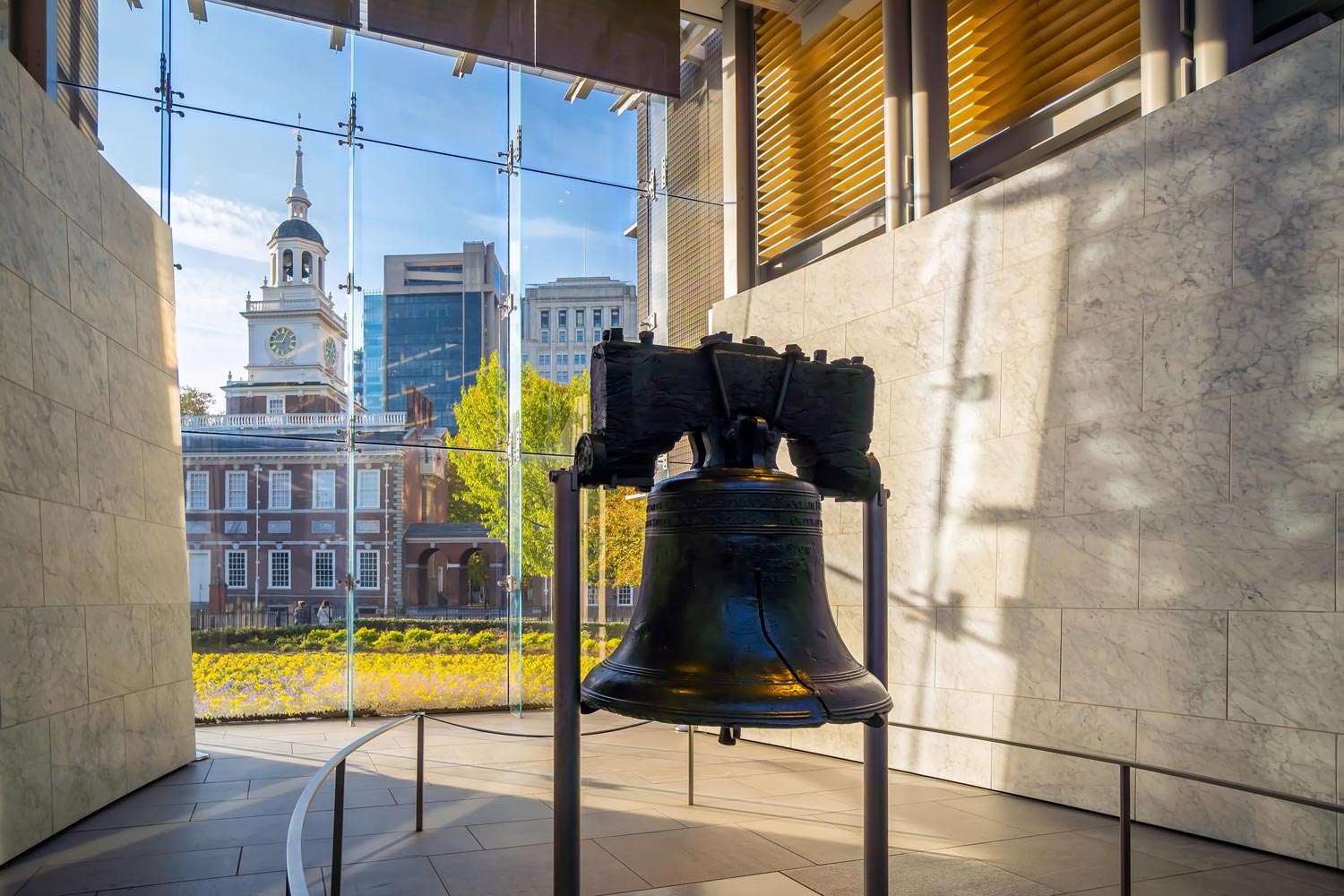
The symbol of Philadelphia is the cracked Liberty Bell. According to legend, it was this bell that rang in 1776 to summon residents to a town meeting where they were informed of the separation from Britain. Over time, the bell was rung so much that it cracked, and it was therefore turned into a museum exhibit.
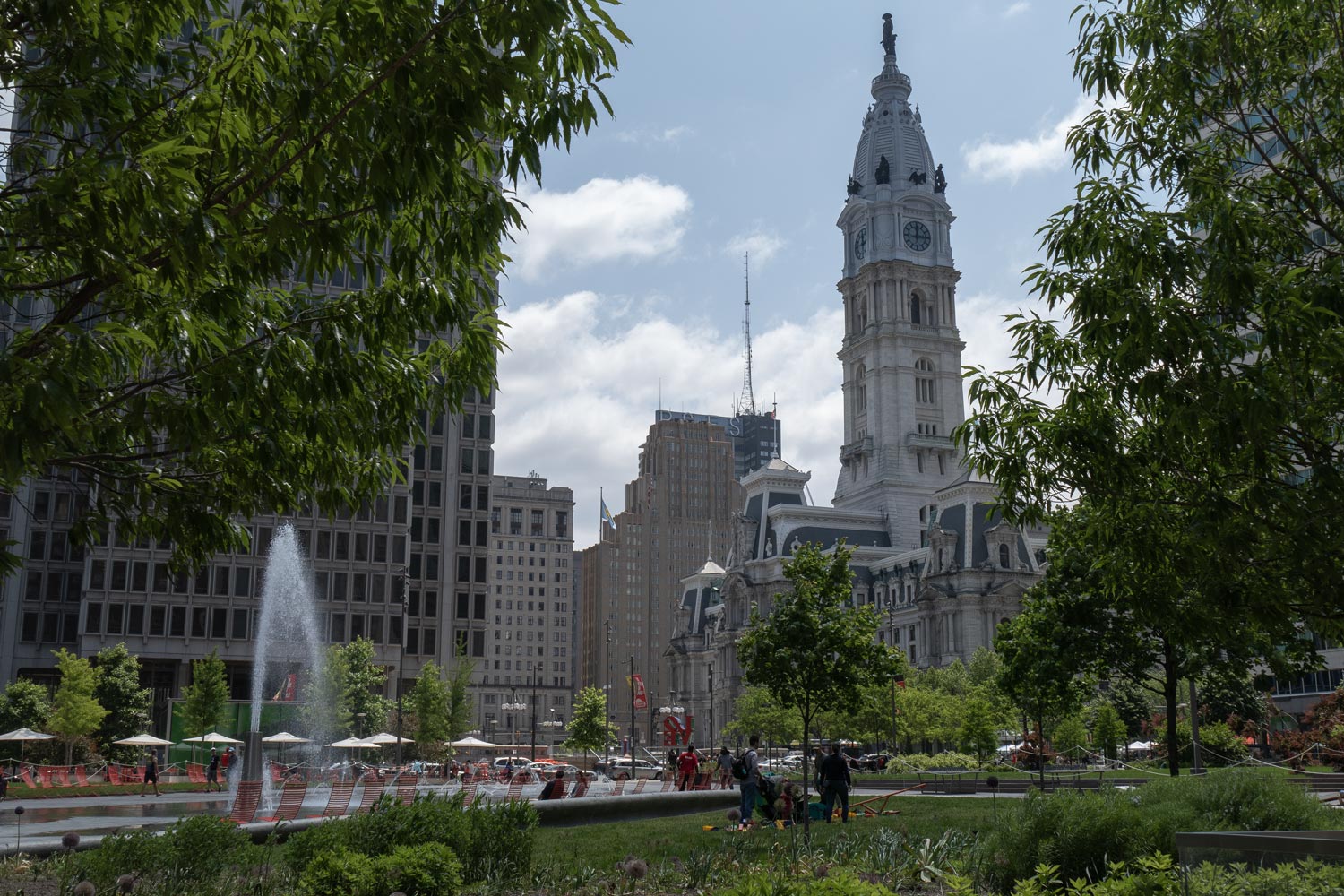
In the center of Philadelphia stands a beautiful city hall building in the American Empire style.
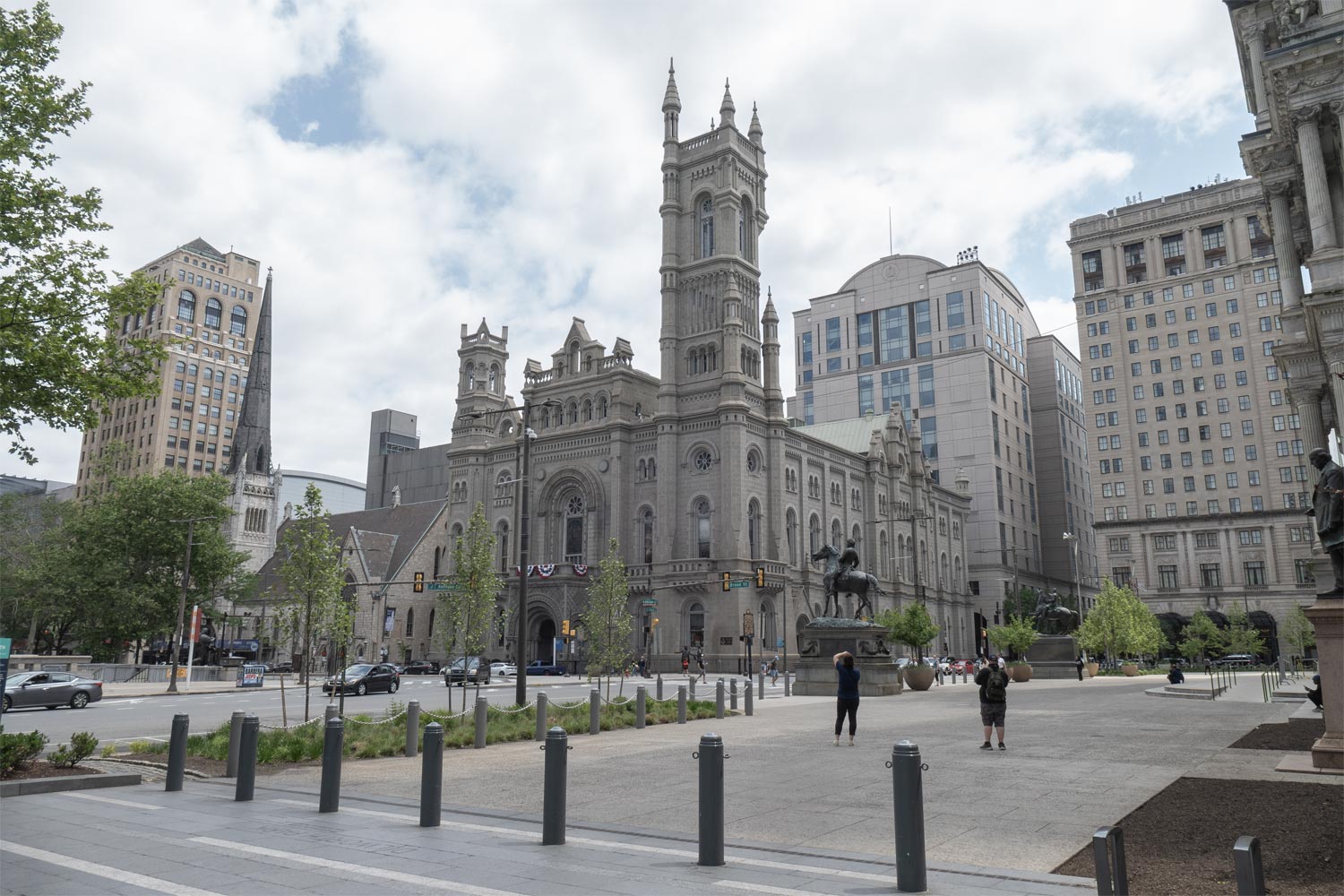
The center is fairly compact and tends toward a classic European-style city center.
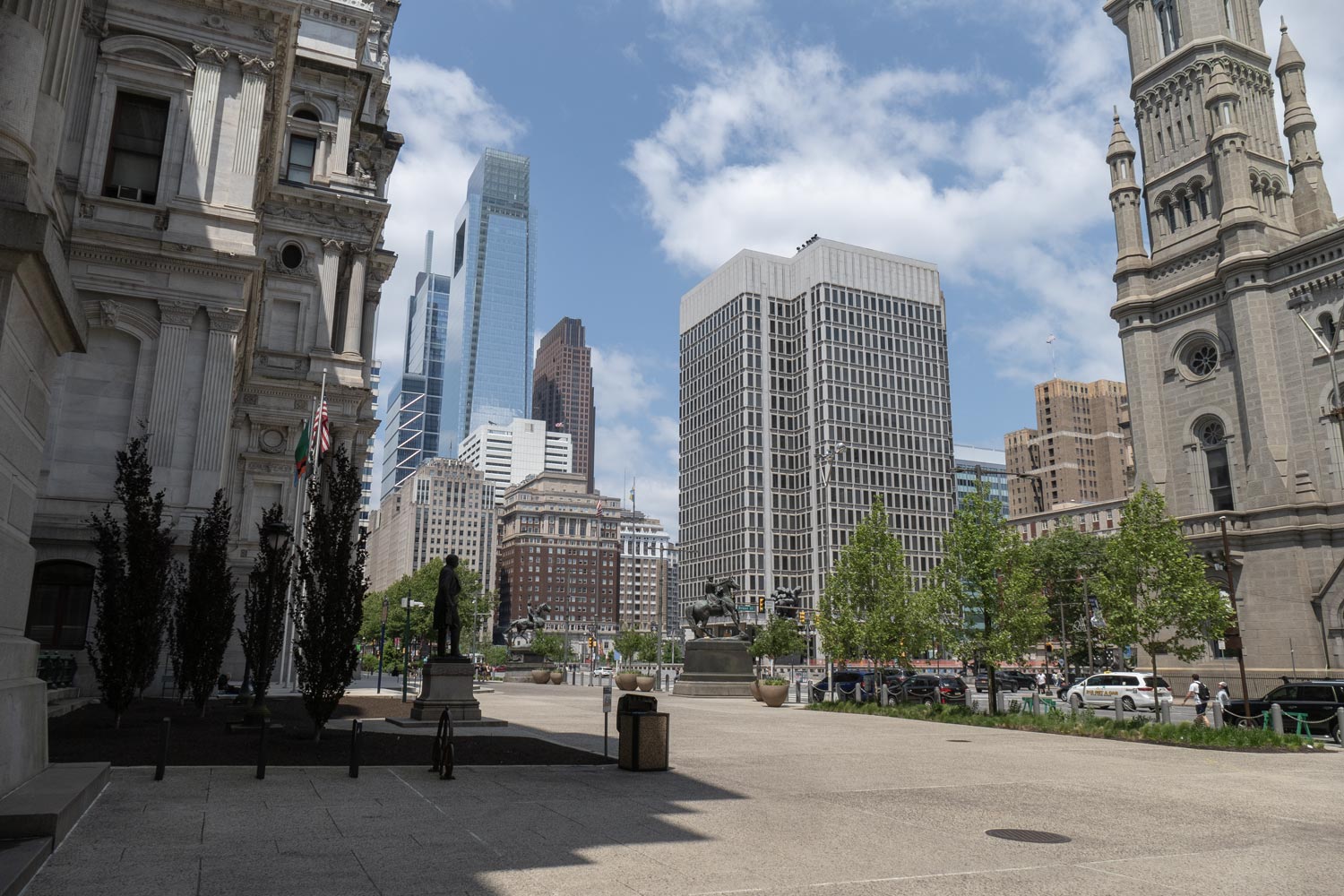
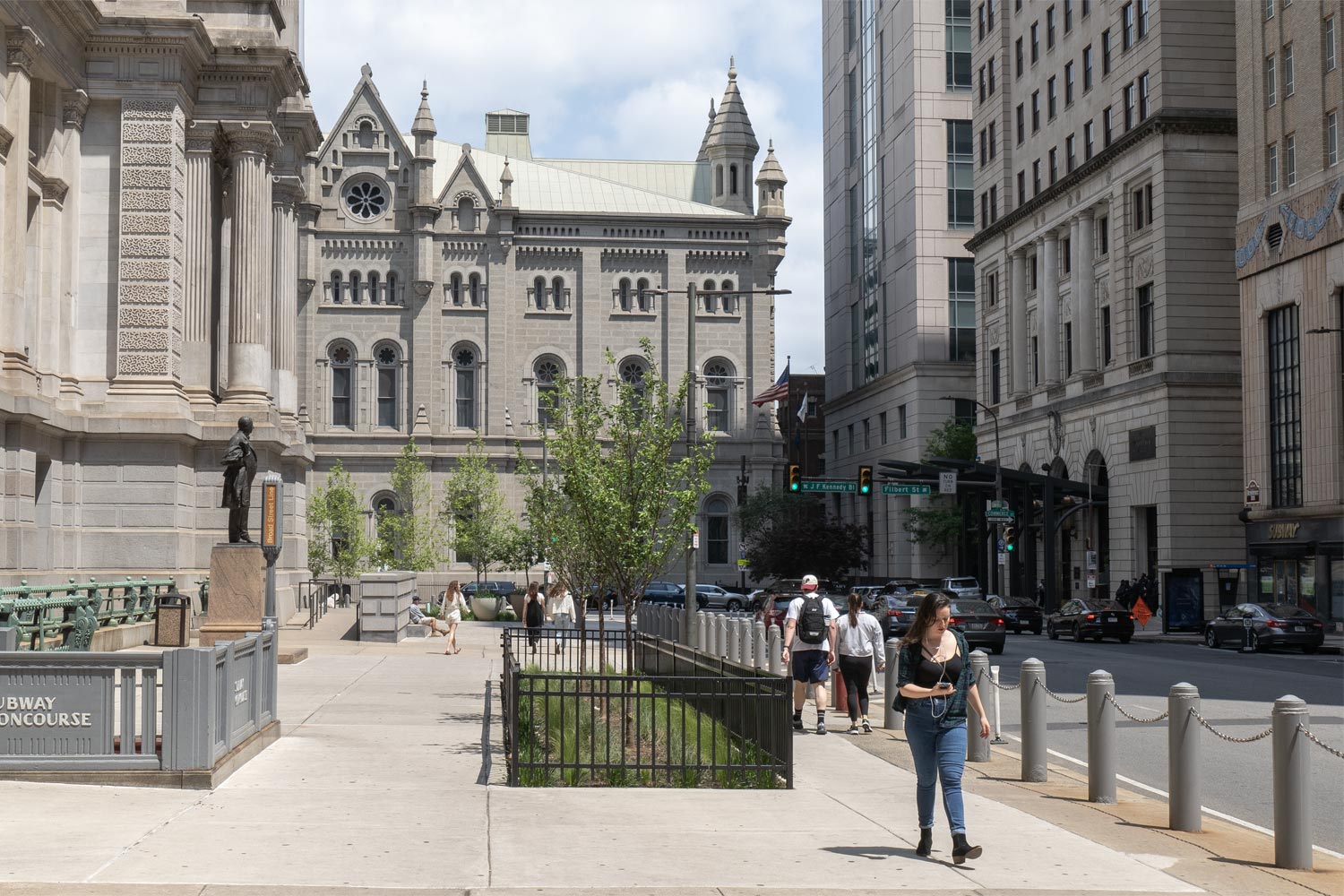
Nevertheless, Philadelphia is an American city, so the center is surrounded by a fair number of skyscrapers and can rightfully be called a downtown.
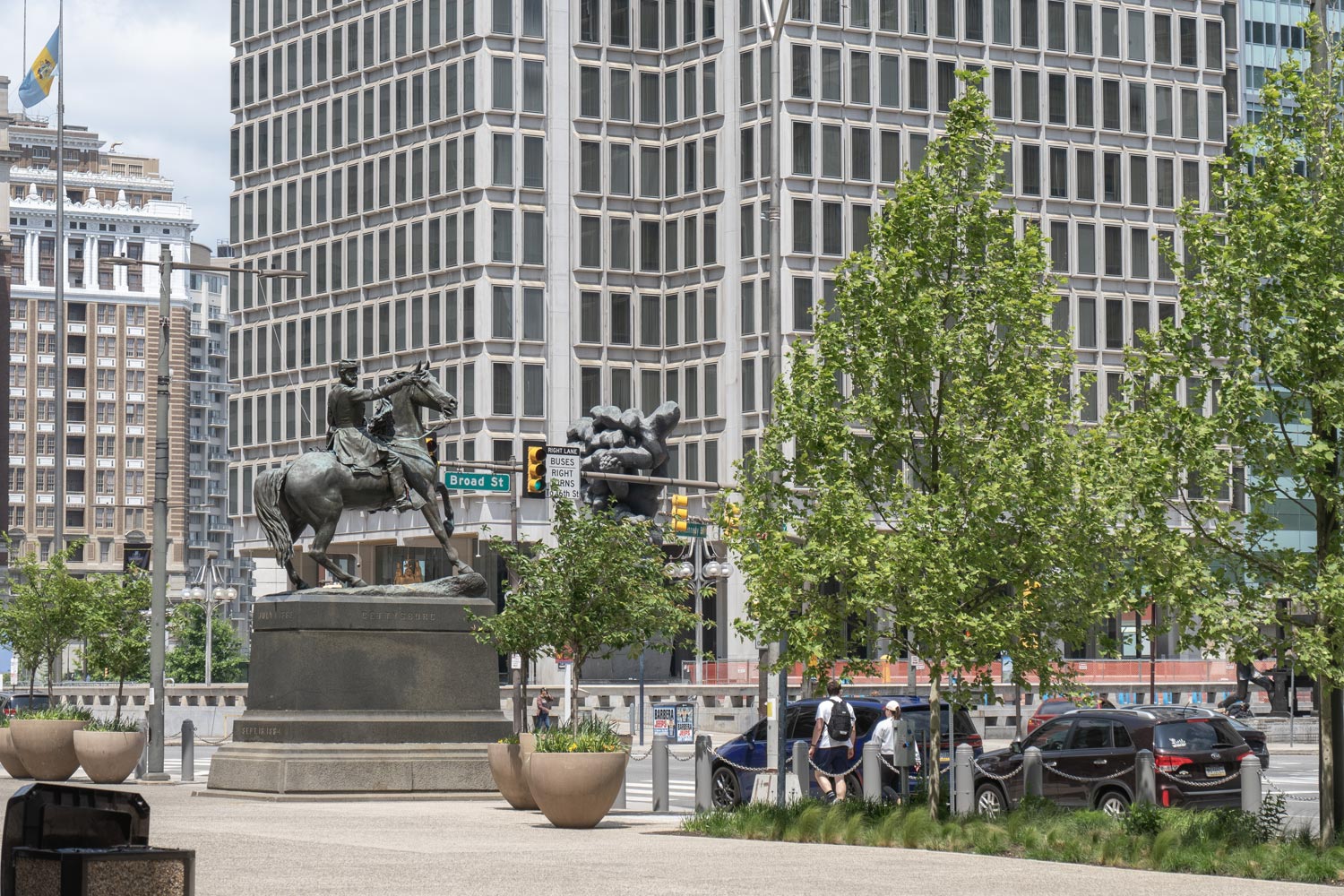
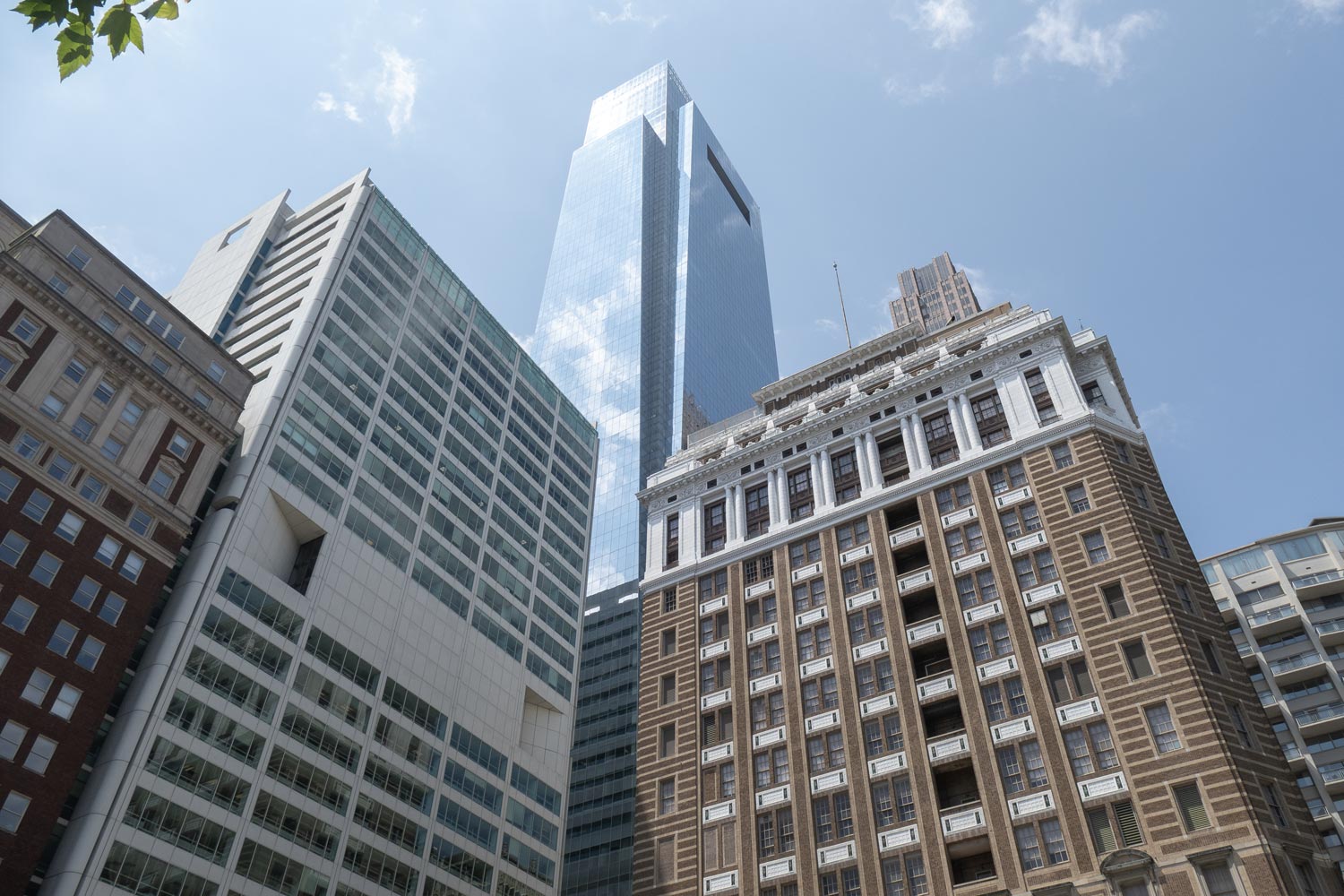
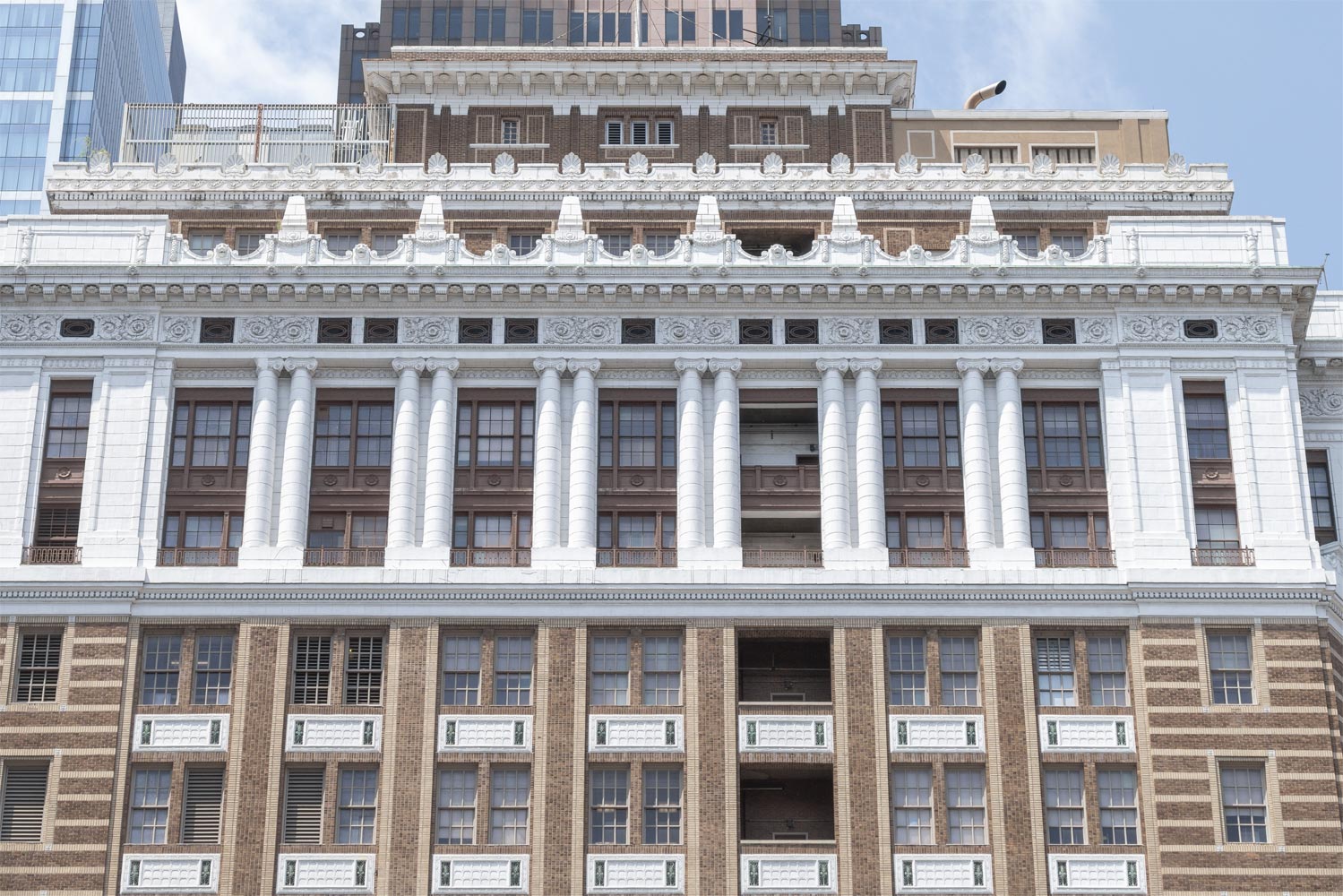
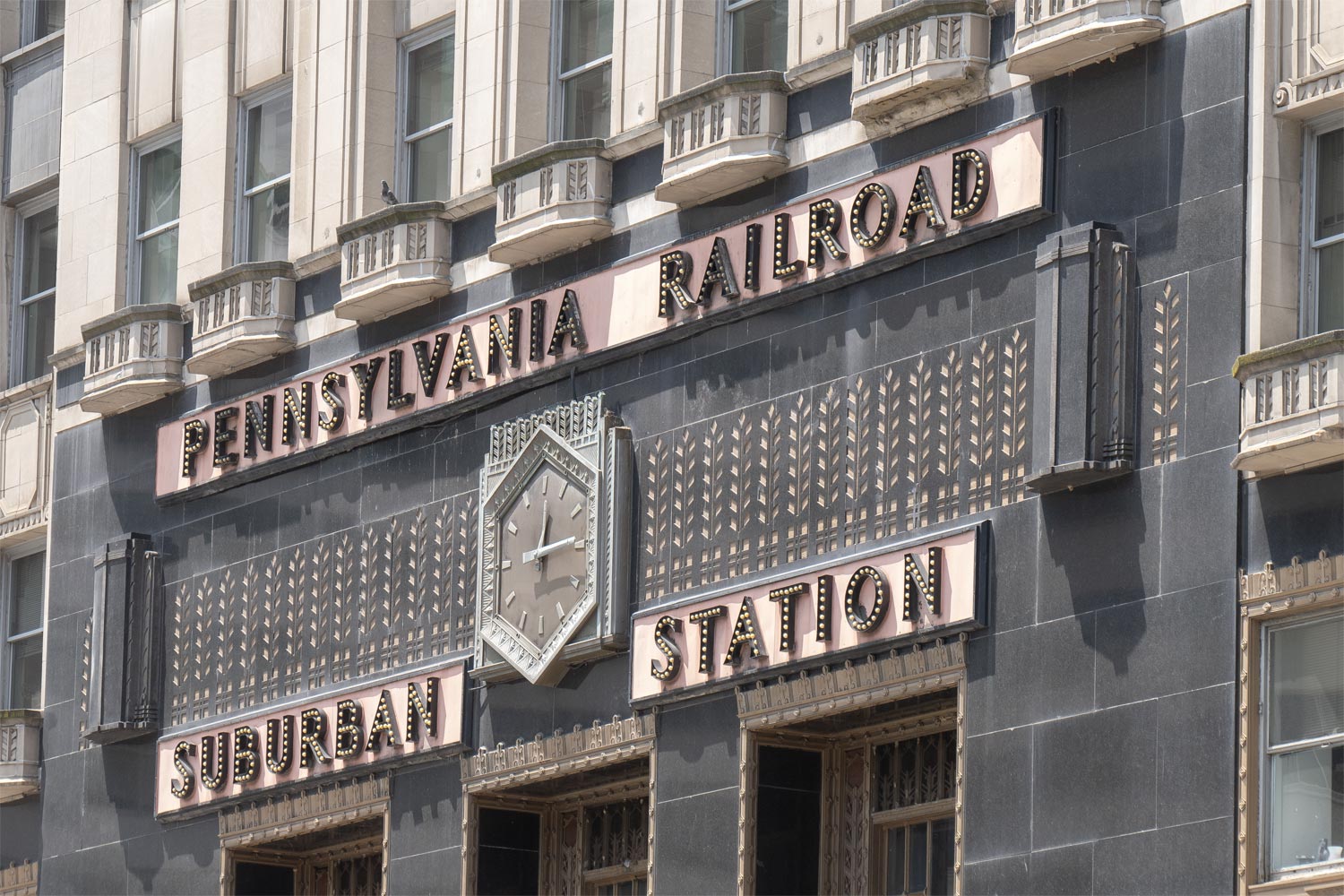
As in New York, Philadelphia’s skyscrapers are quite easy on the eyes and are often adorned with naive bas-reliefs, stucco, and warm, old-fashioned neon signs in the spirit of the last century.
Besides skyscrapers, Philadelphia has also borrowed from New York the idea of compact parks, which local residents really enjoy spending time in.
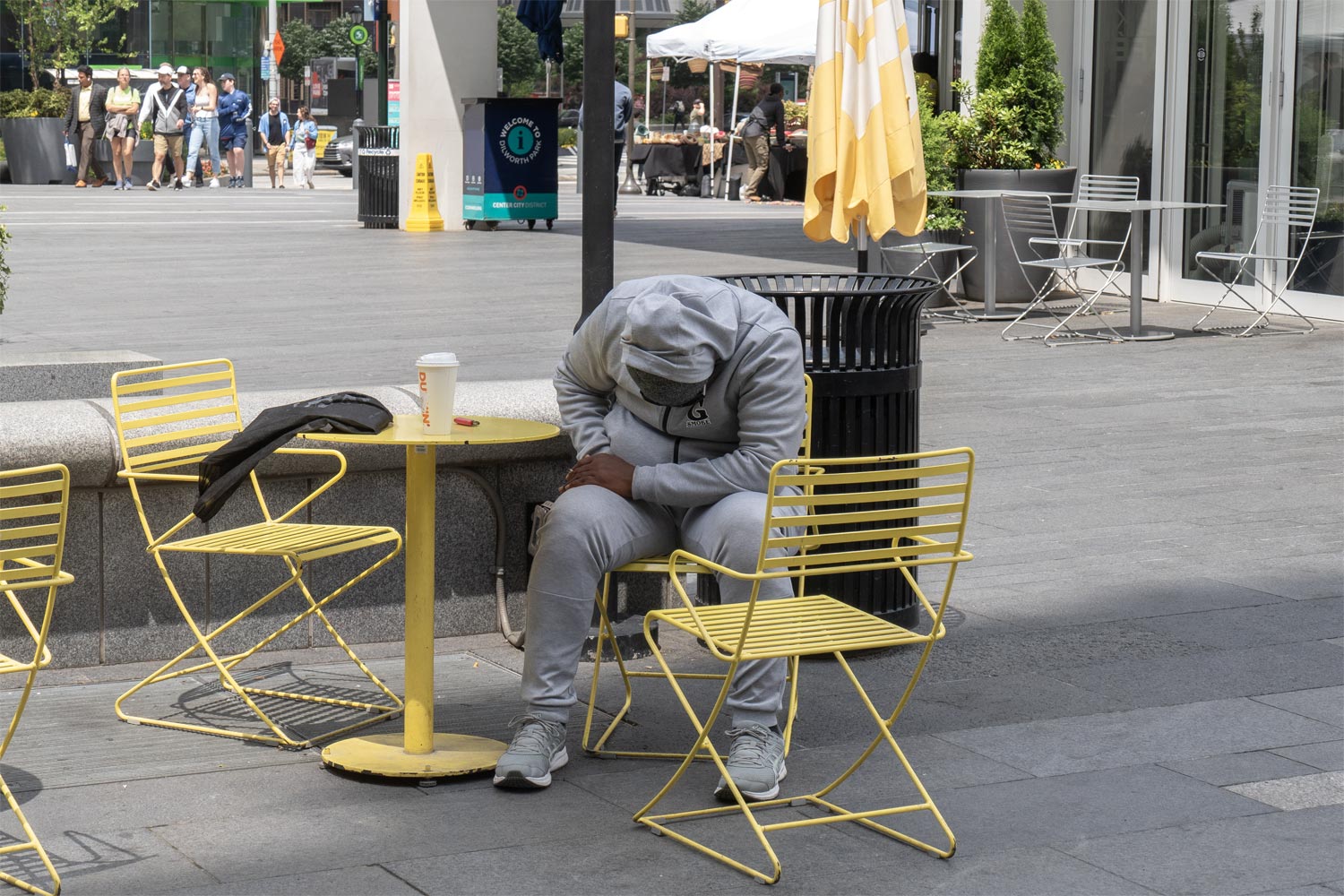
Despite its rich history and decent appearance, Philadelphia has been going through very bad times over the past decade. The city has one of the highest murder rates, as well as a drug epidemic. There are already plenty of homeless people and unconscious individuals even in the downtown area.
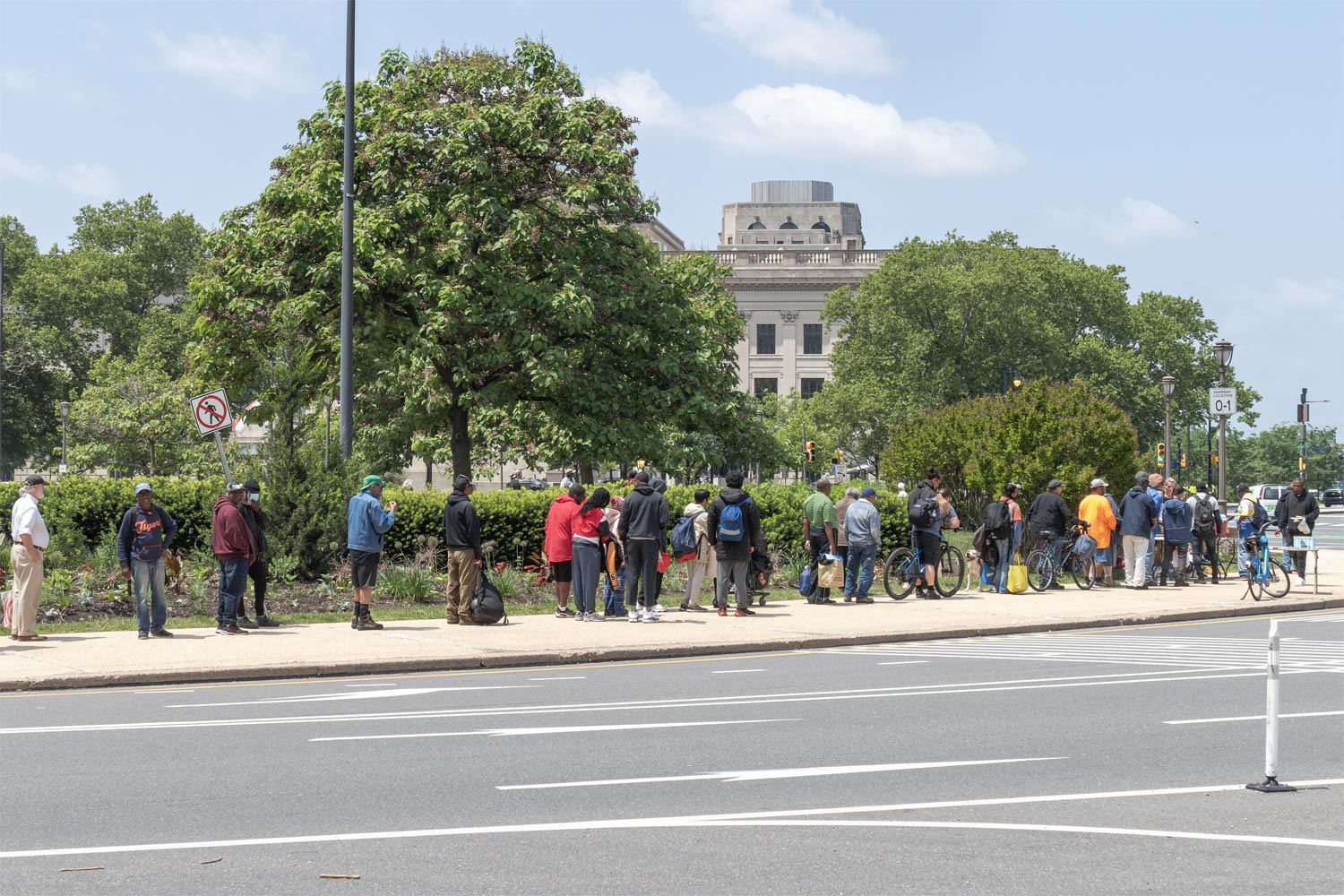
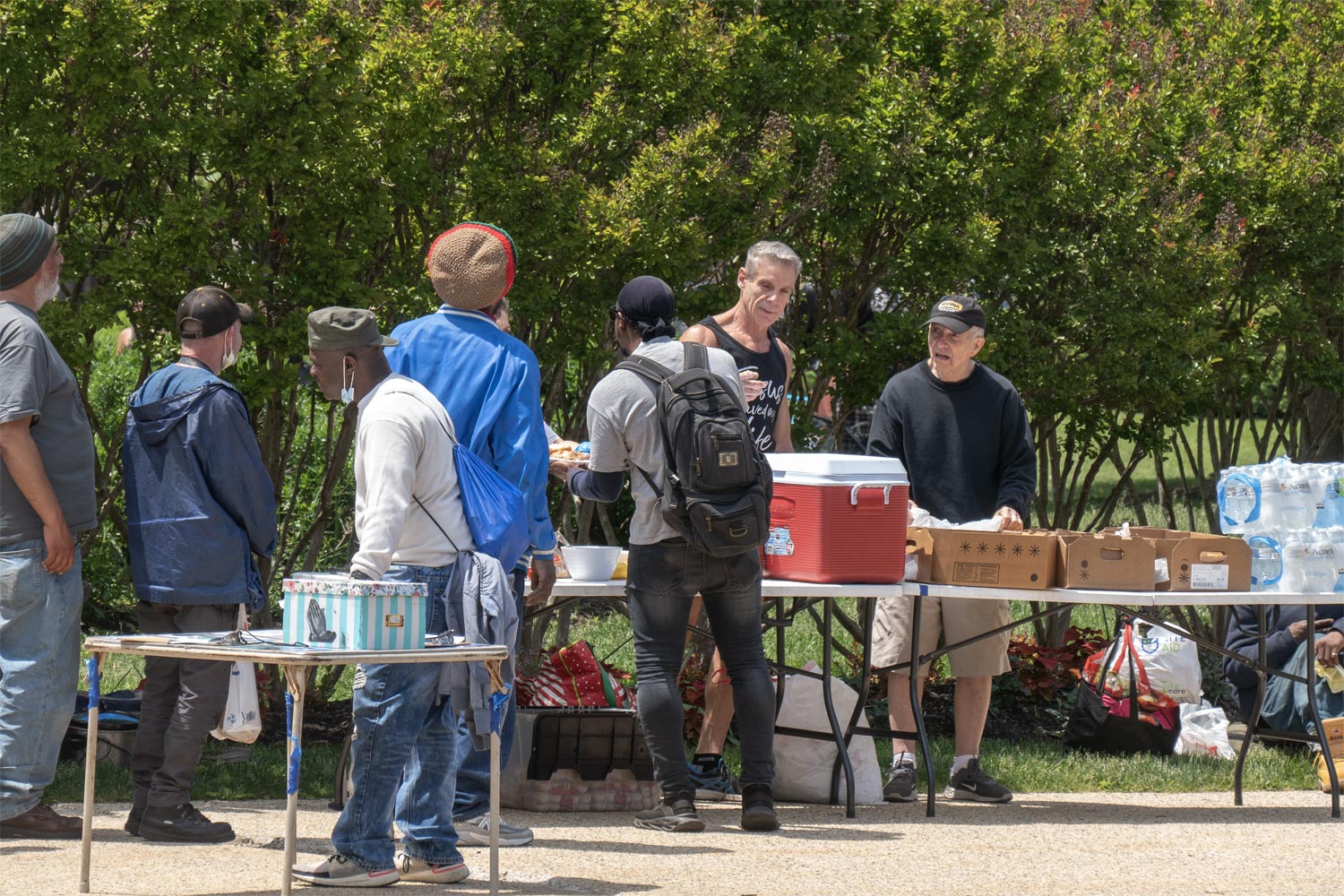
Not far from the city center you come across a long line. The people in it are waiting for free food. This is one of those famous charitable organizations that feed hundreds of thousands of paupers all across America, and they themselves are also numbered in the thousands.
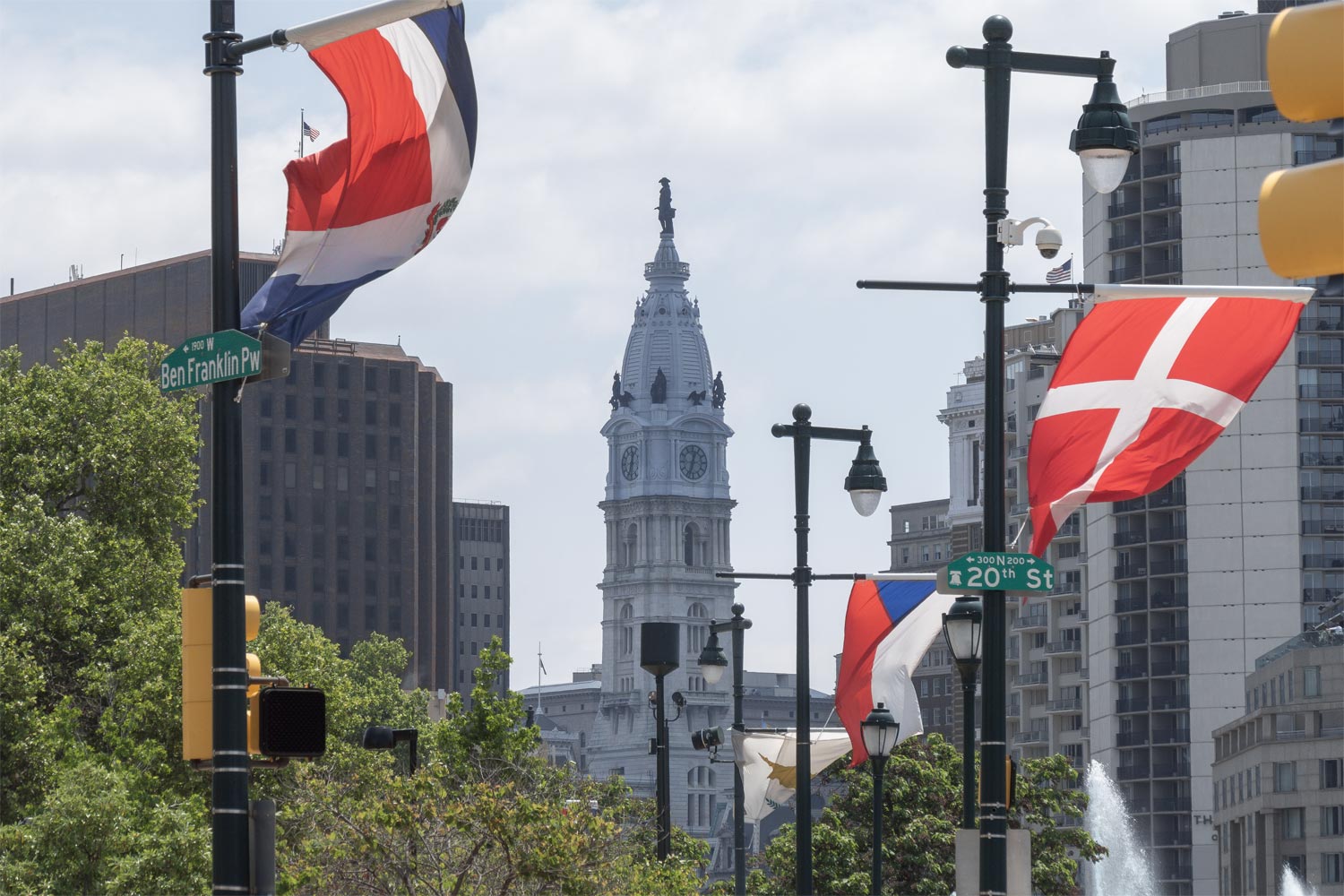
From downtown to the northwest of Philadelphia runs a wide street — the Benjamin Franklin Parkway — lined with the flags of all the countries of the world.
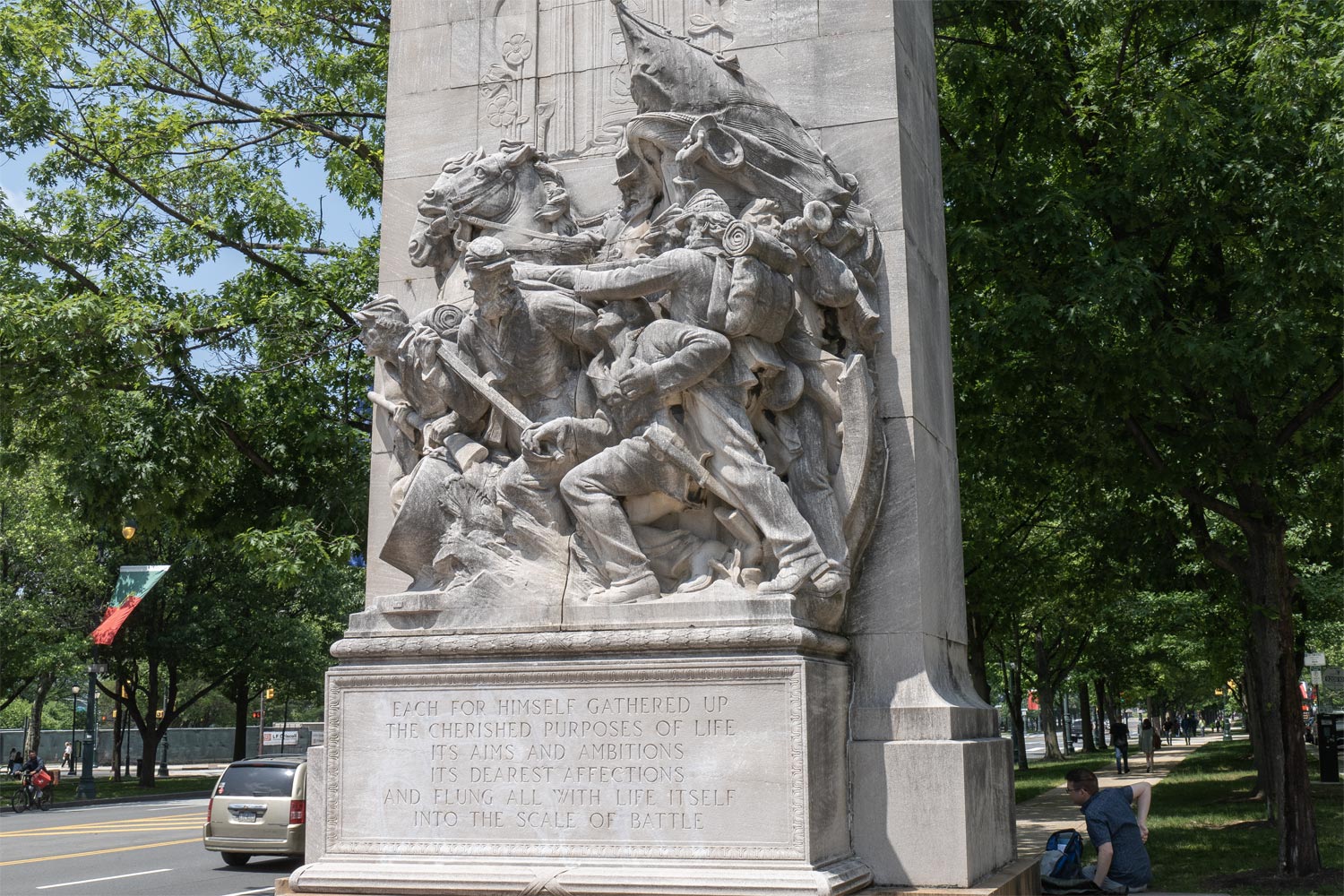
Along the way there are two stelae with a bas‑relief about the civil war, which eerily resembles monuments to Soviet workers.
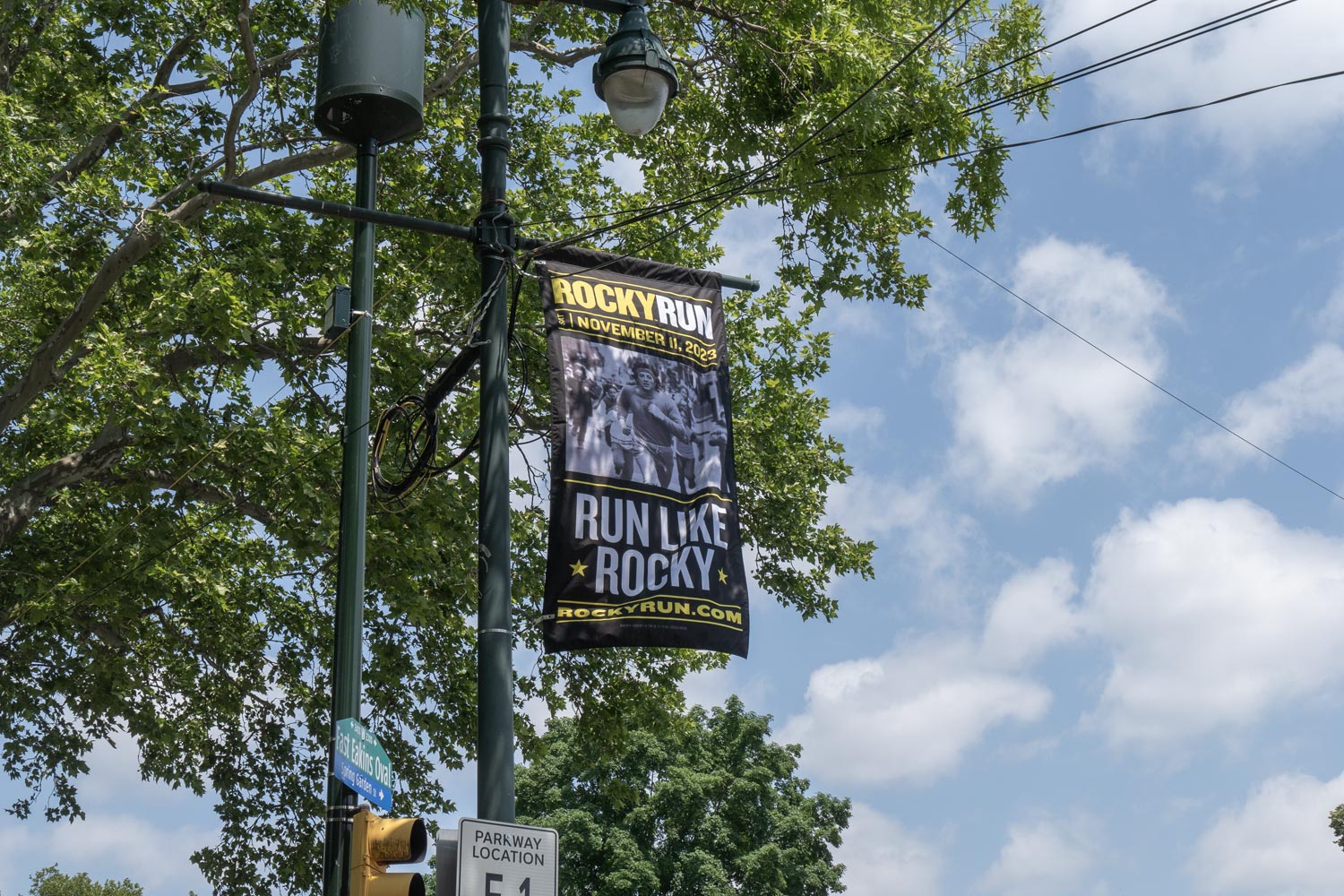
By the end of the street, the flags disappear, and strange posters saying “Run like Rocky” are hanging from the lampposts.
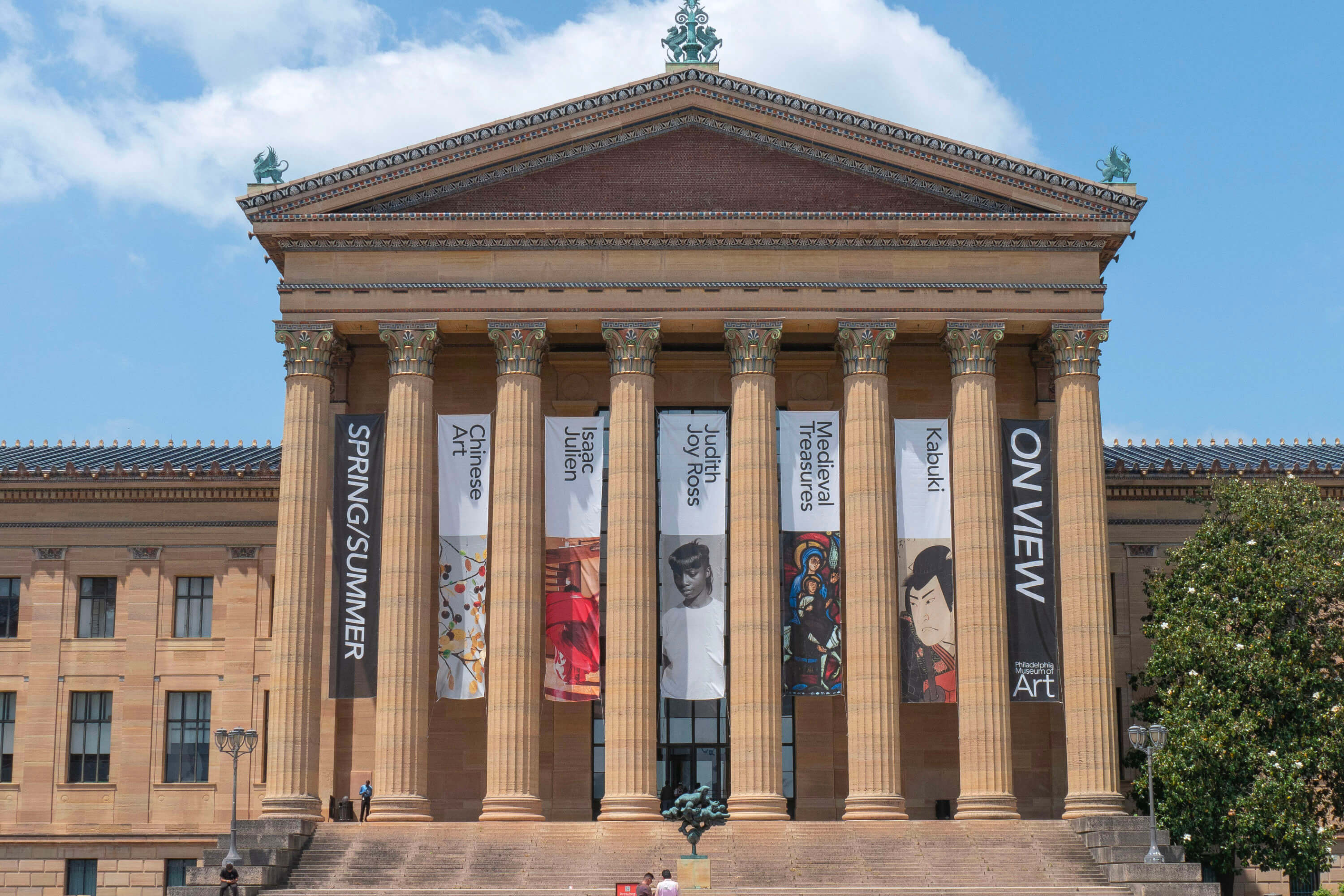
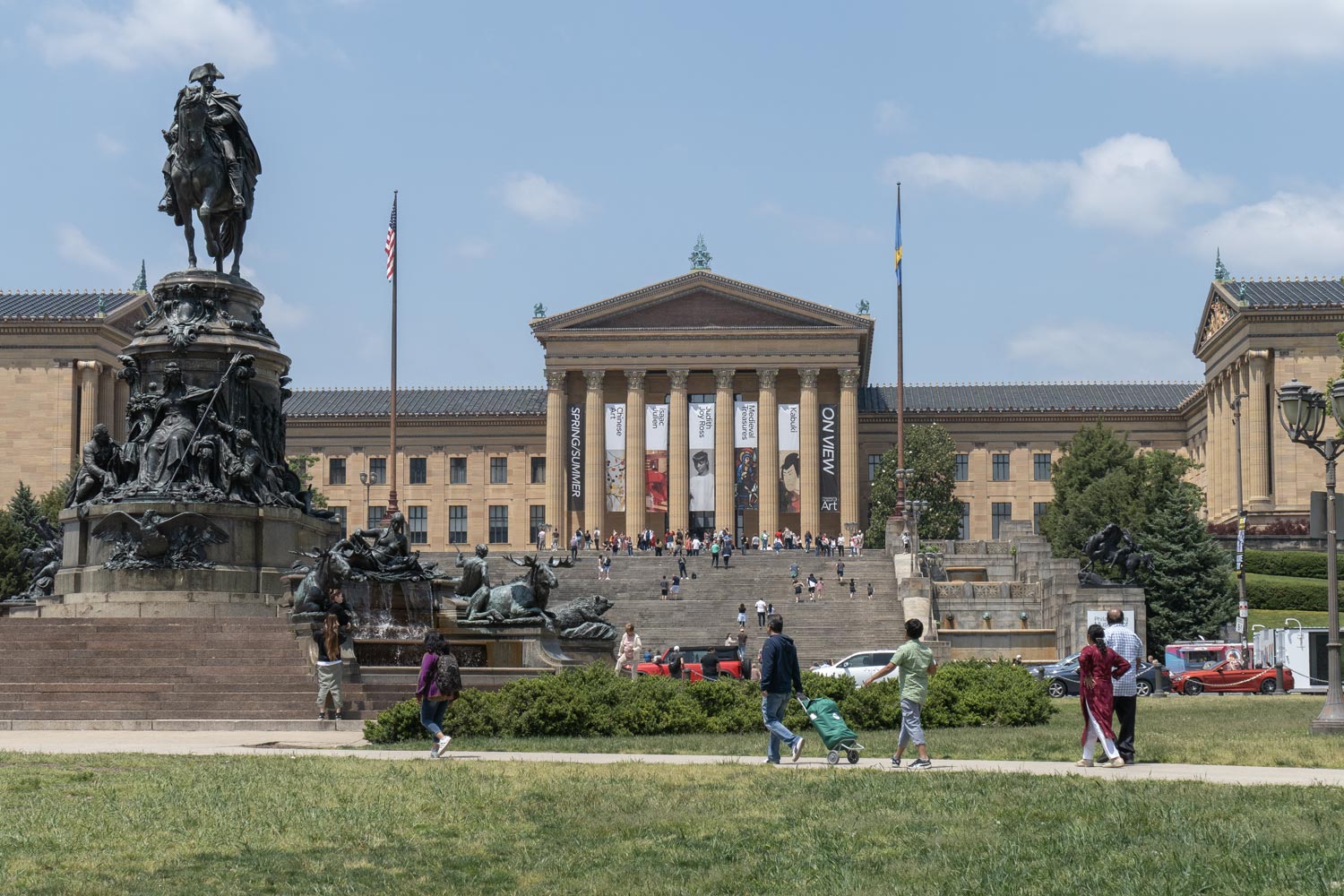
Finally, Franklin Drive comes to a dead end at a beautiful building — an art museum — with a long staircase in front of it and crowds of people that are uncharacteristic of American museums.
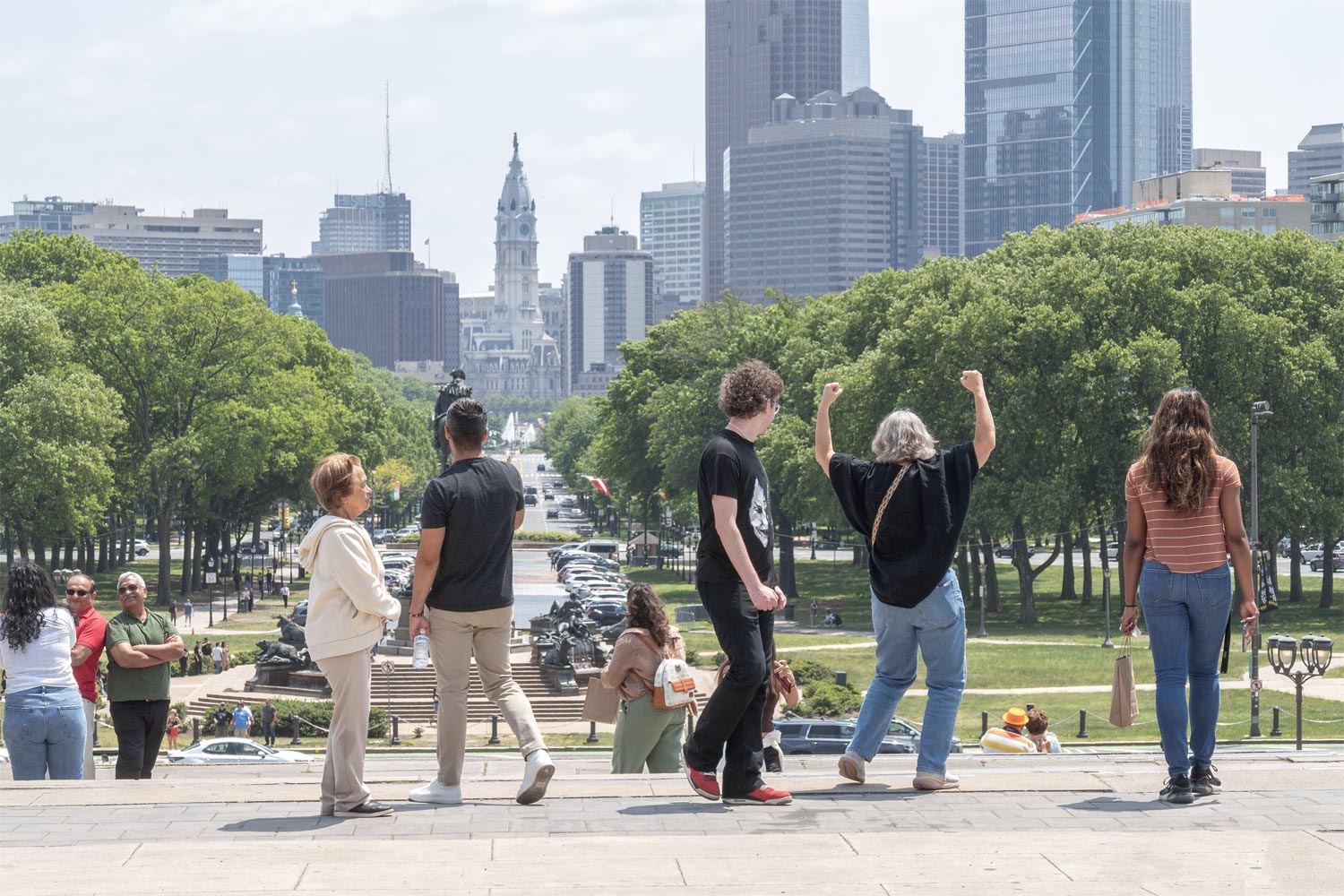
It’s obvious to the naked eye that people aren’t just walking up the steps to the museum – they’re either running up them or stopping for long photo sessions. Once they reach the top, they start posing with their arms raised. It turns out that a scene from the movie “Rocky” was filmed on these very steps, in which Sylvester Stallone’s character trains by running up the staircase.
The monument to Rocky himself stands to the right of the stairs and draws crowds of tourists who want to take a picture with him.
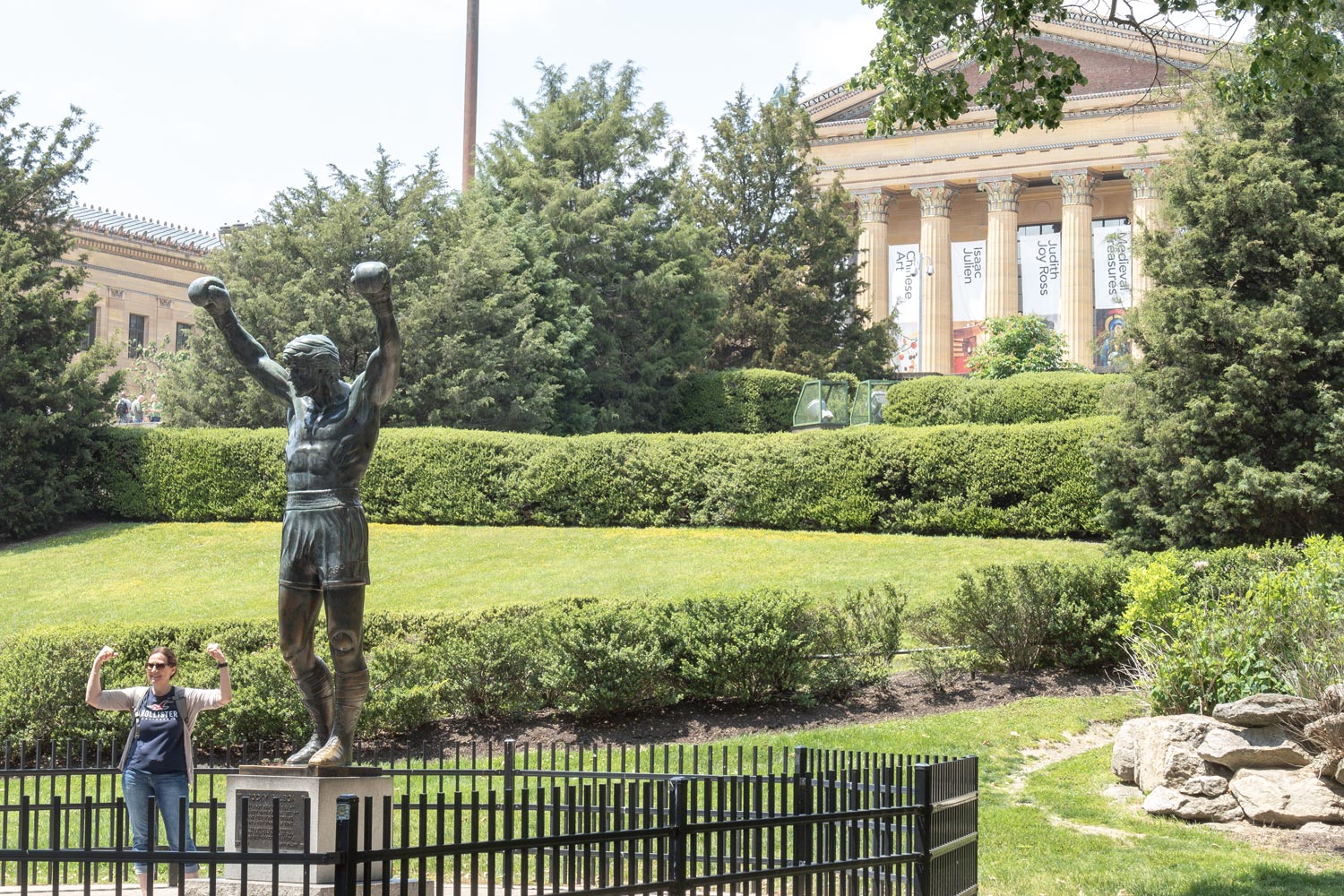
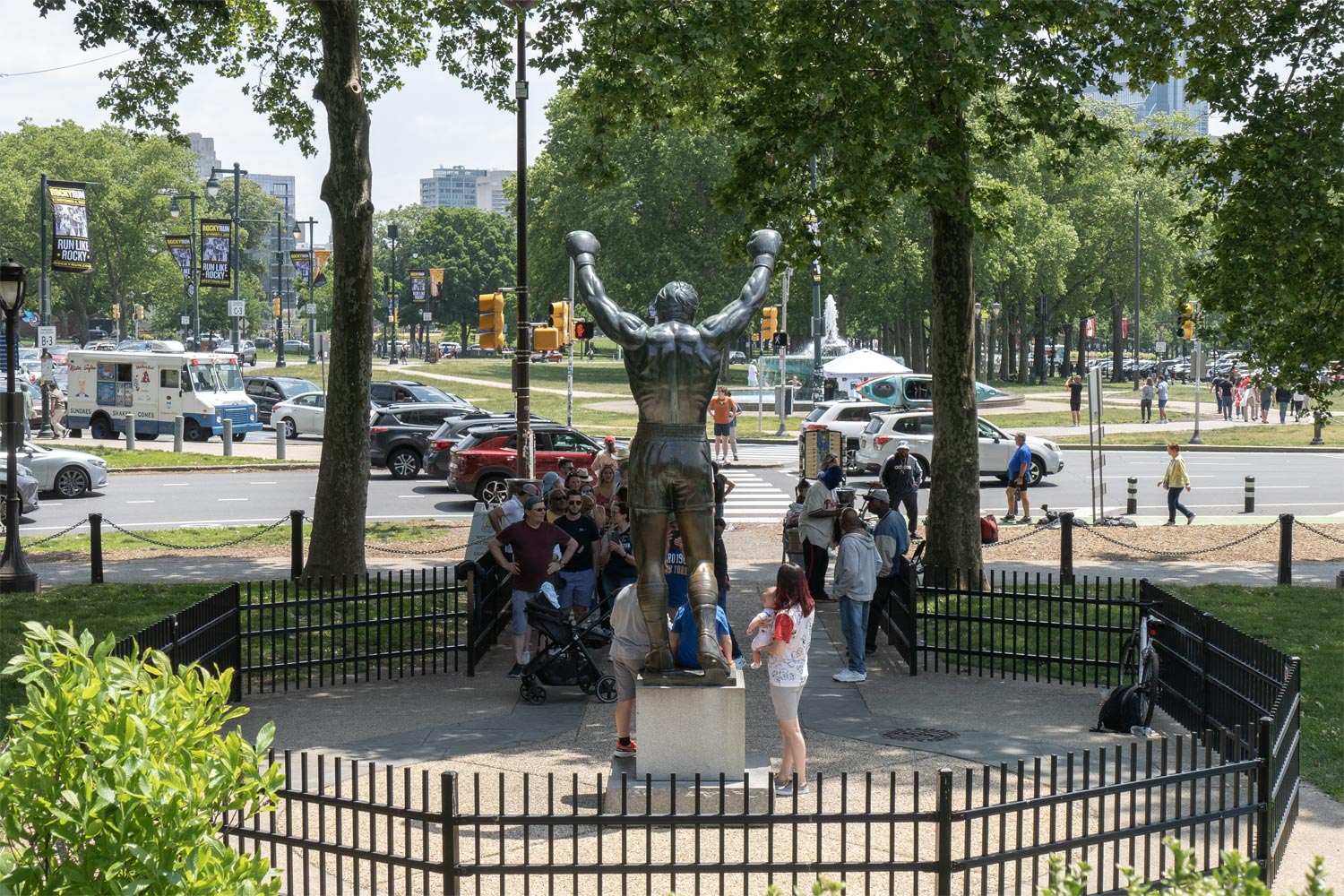
Philadelphia is shown really well in this old movie that came out back in 1976. Rocky didn’t just run up those steps; he basically ran a marathon across the whole city. Another iconic spot is his house, which was in a poor industrial neighborhood. Getting there, however, turned out to be not so easy.
Kensington Avenue
Behind the museum begins one of the best neighborhoods in Philadelphia. There you’ll find cozy cafés, and it’s fairly clean.
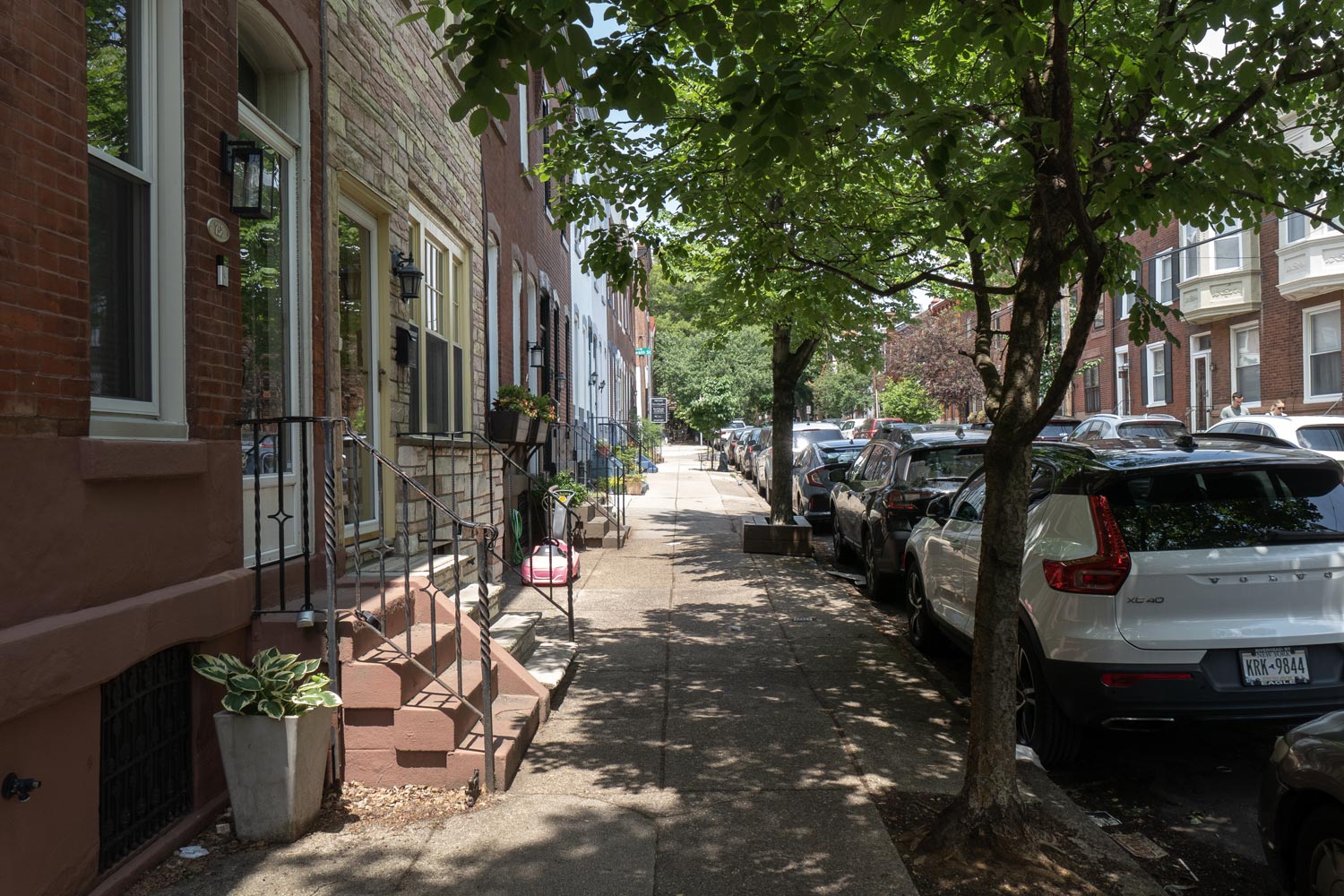
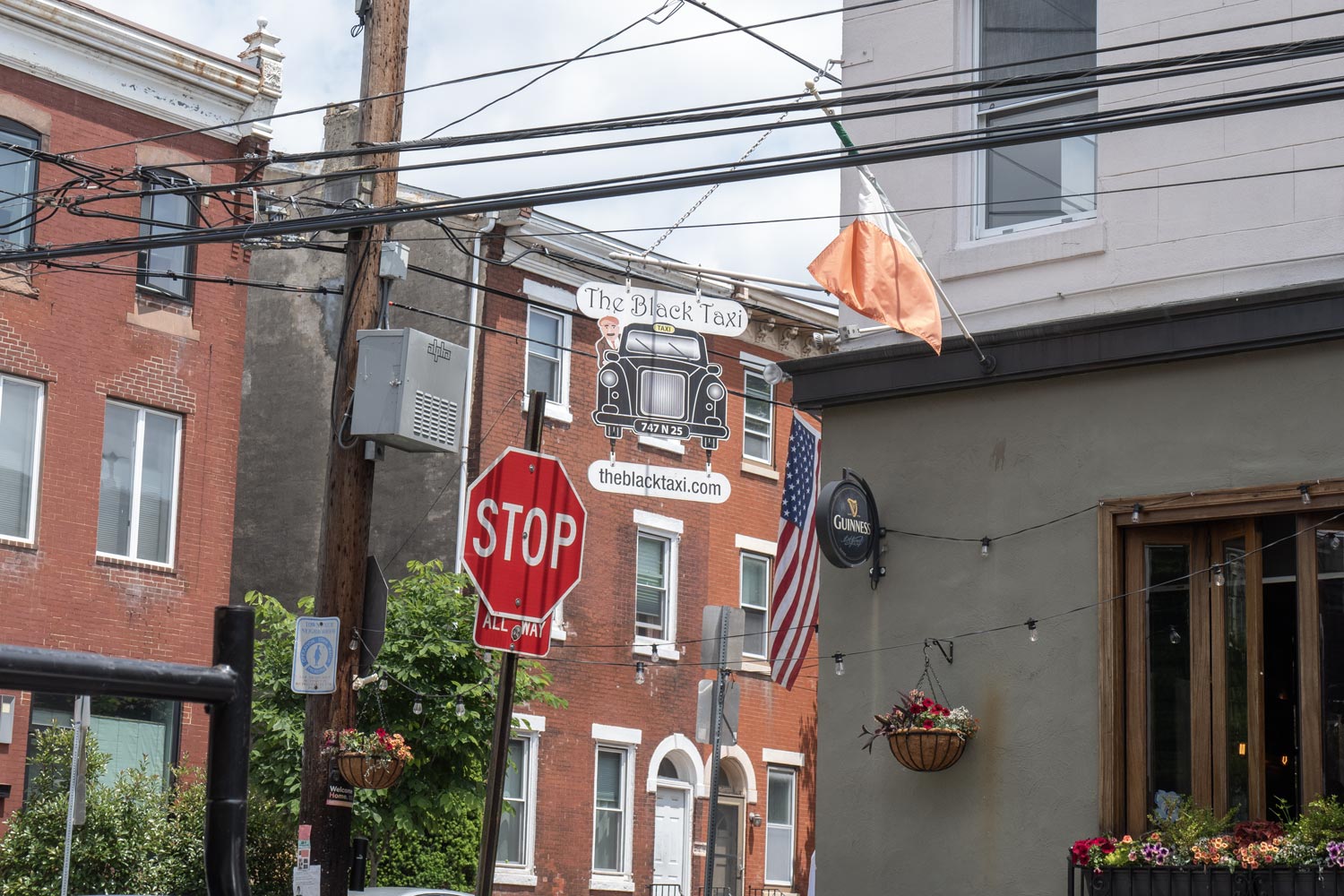
This neighborhood ends quickly, and Philadelphia changes. Just ten minutes from here — and the clean streets are gone without a trace.
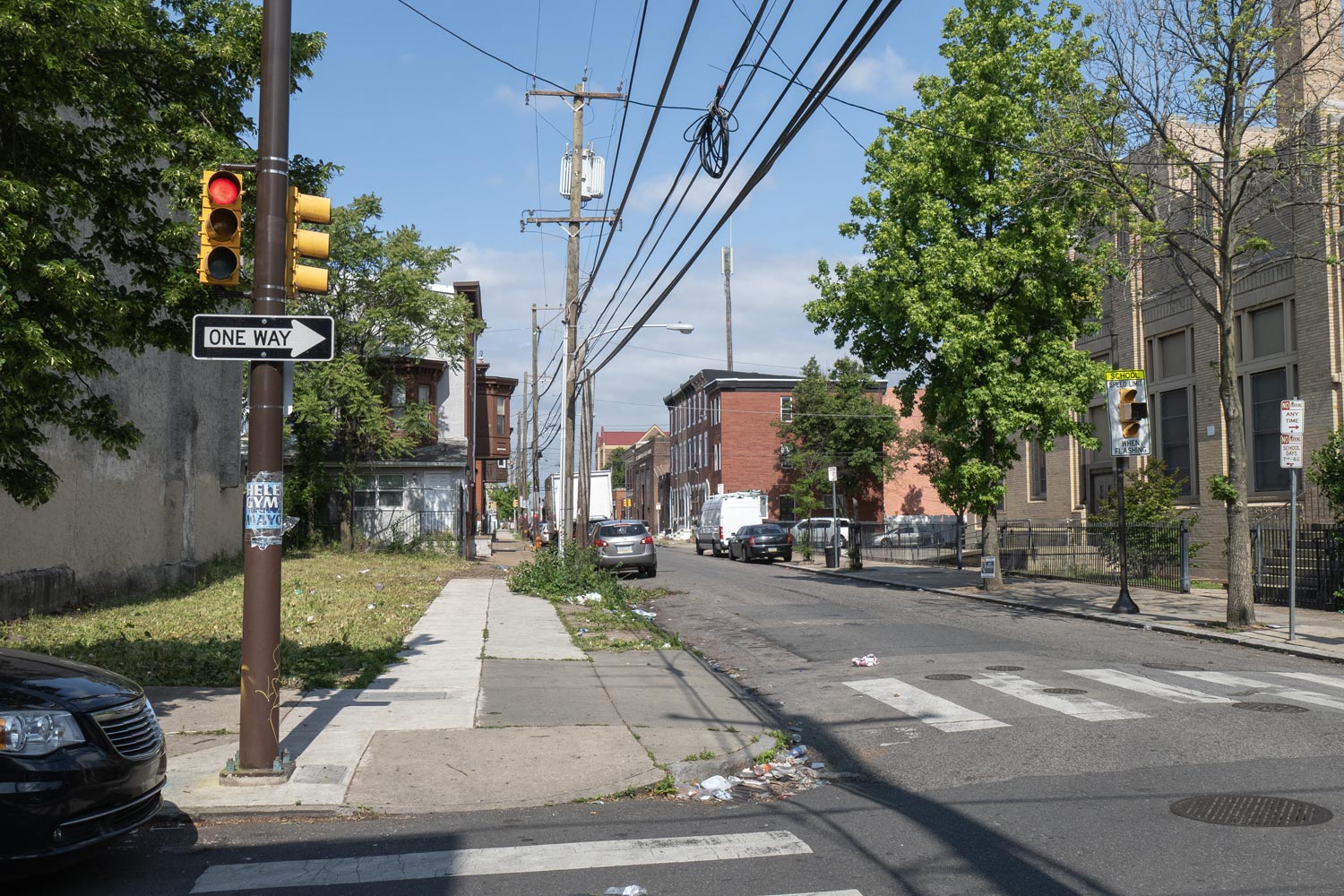
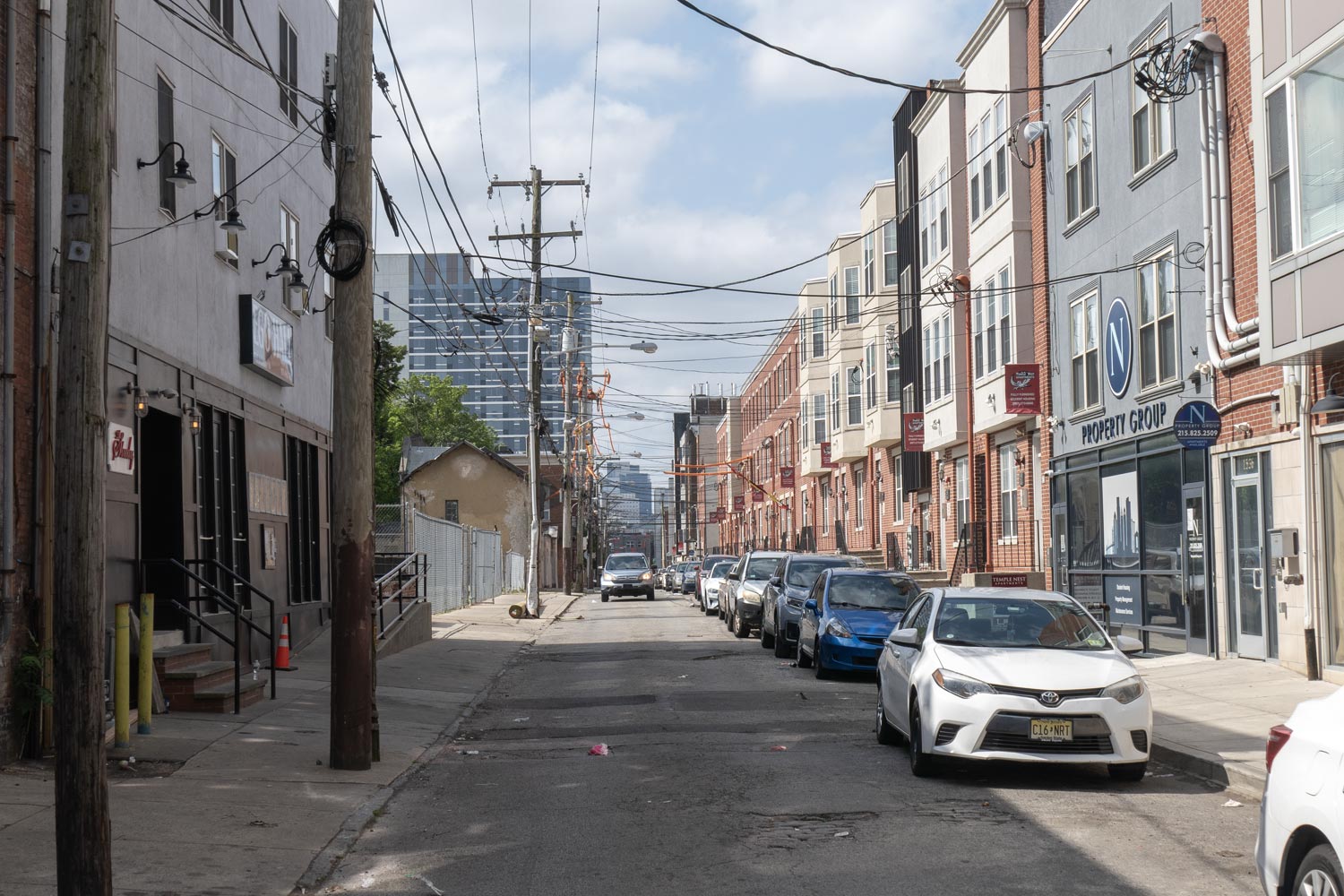
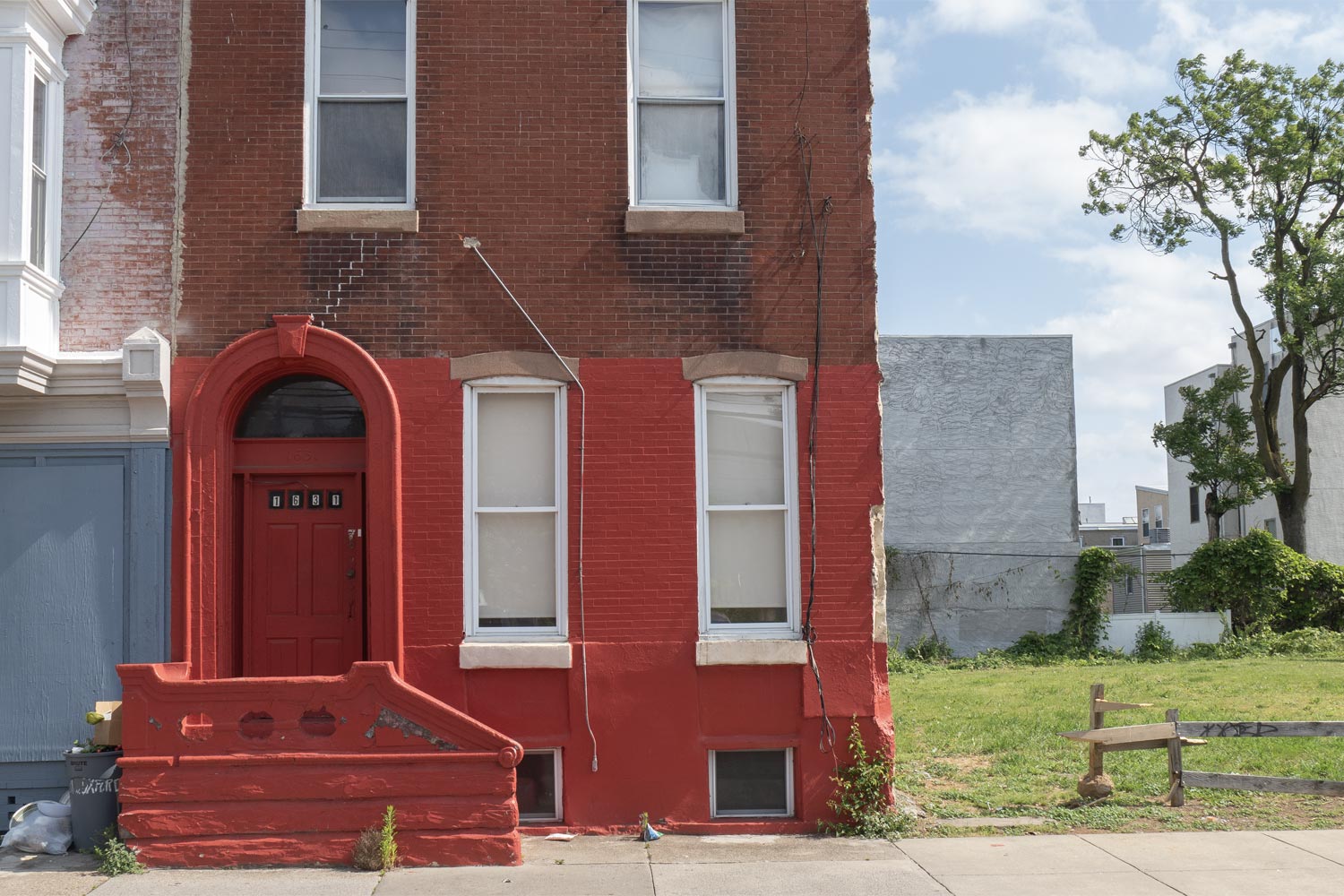
The houses are getting more and more run-down, and for some reason they’re not packed tightly together, but spaced out with strange gaps of empty lots between them. Looking at a house around here, you might think half of it has collapsed, as if a chunk of earth had broken off from the edge of a ravine.
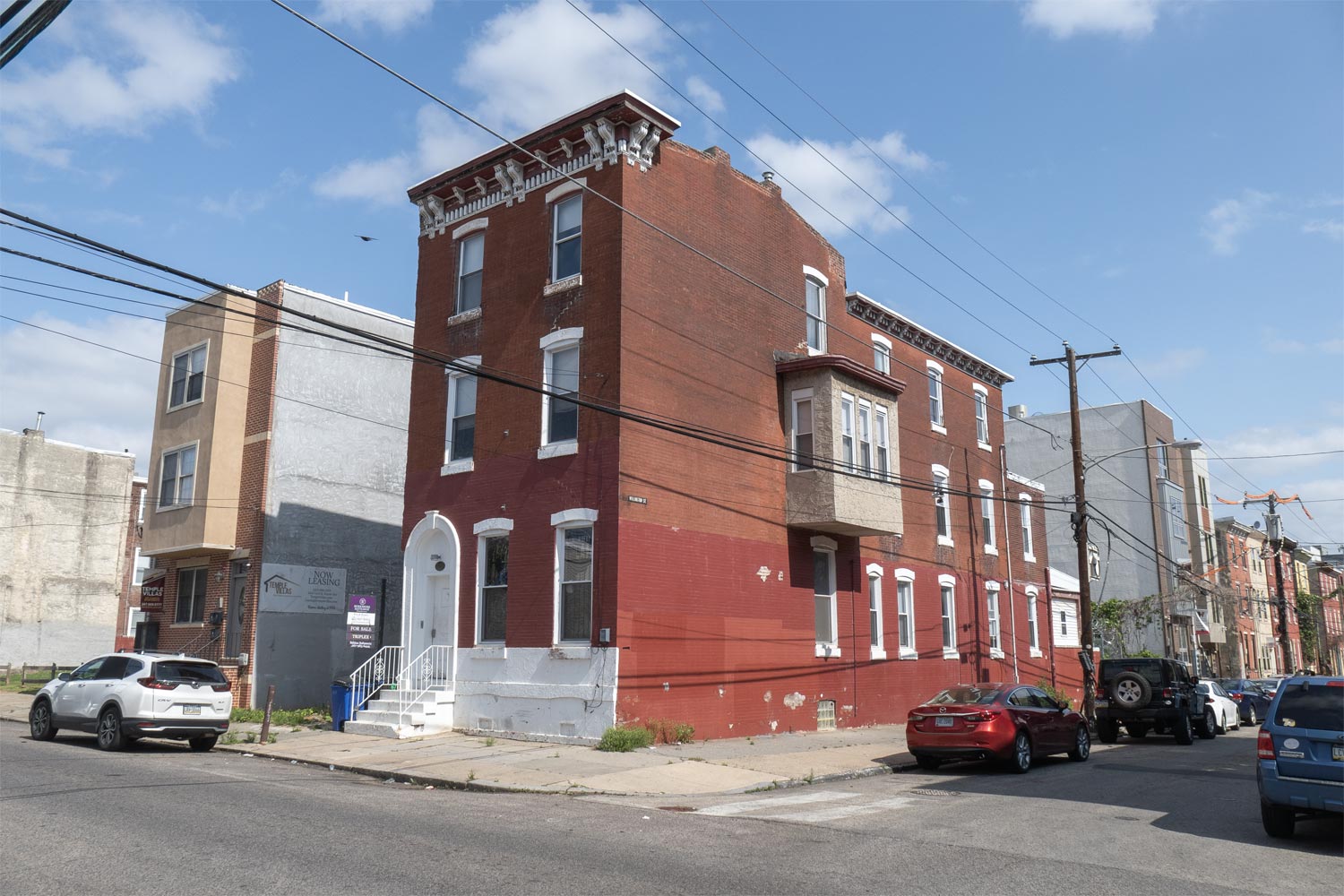
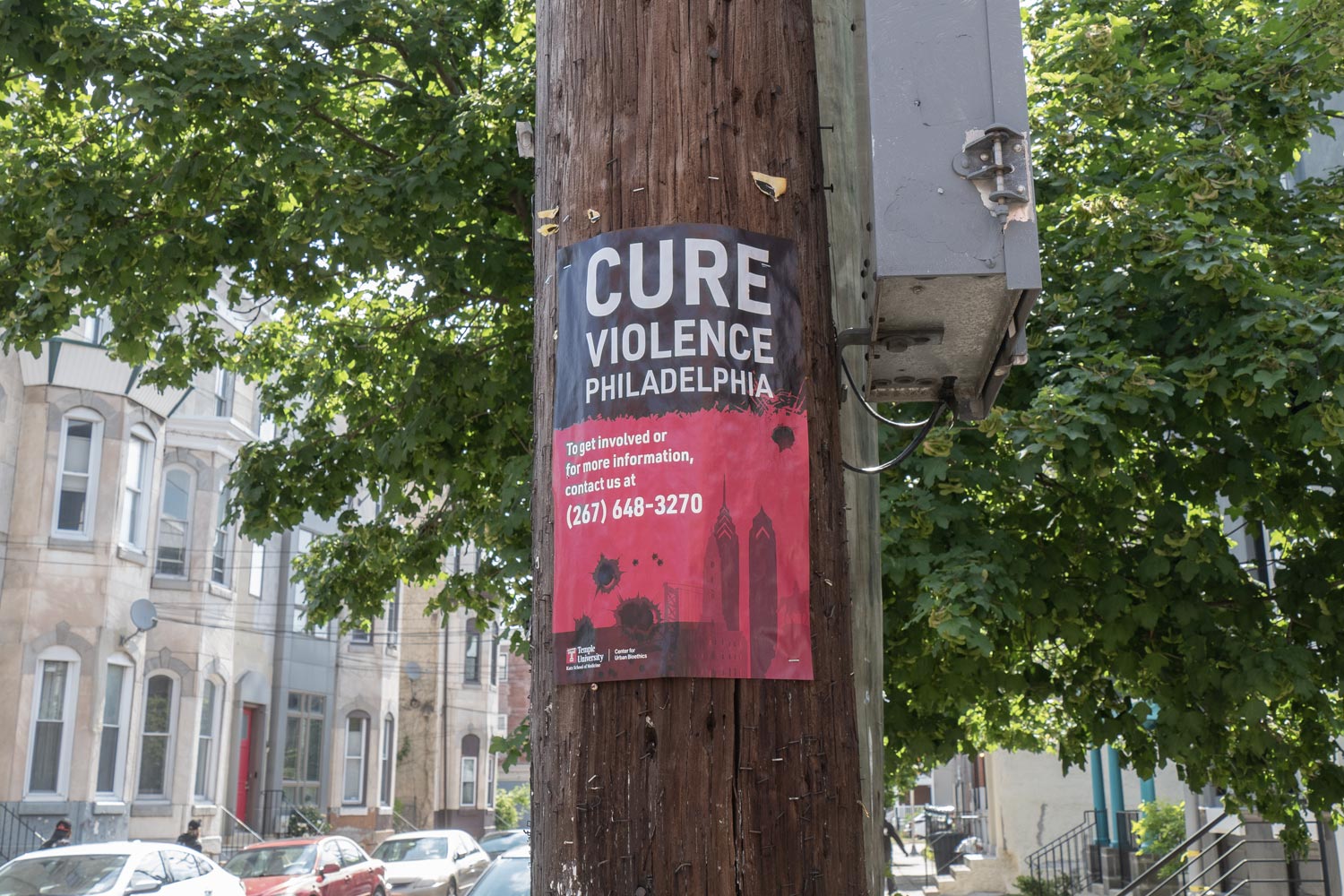
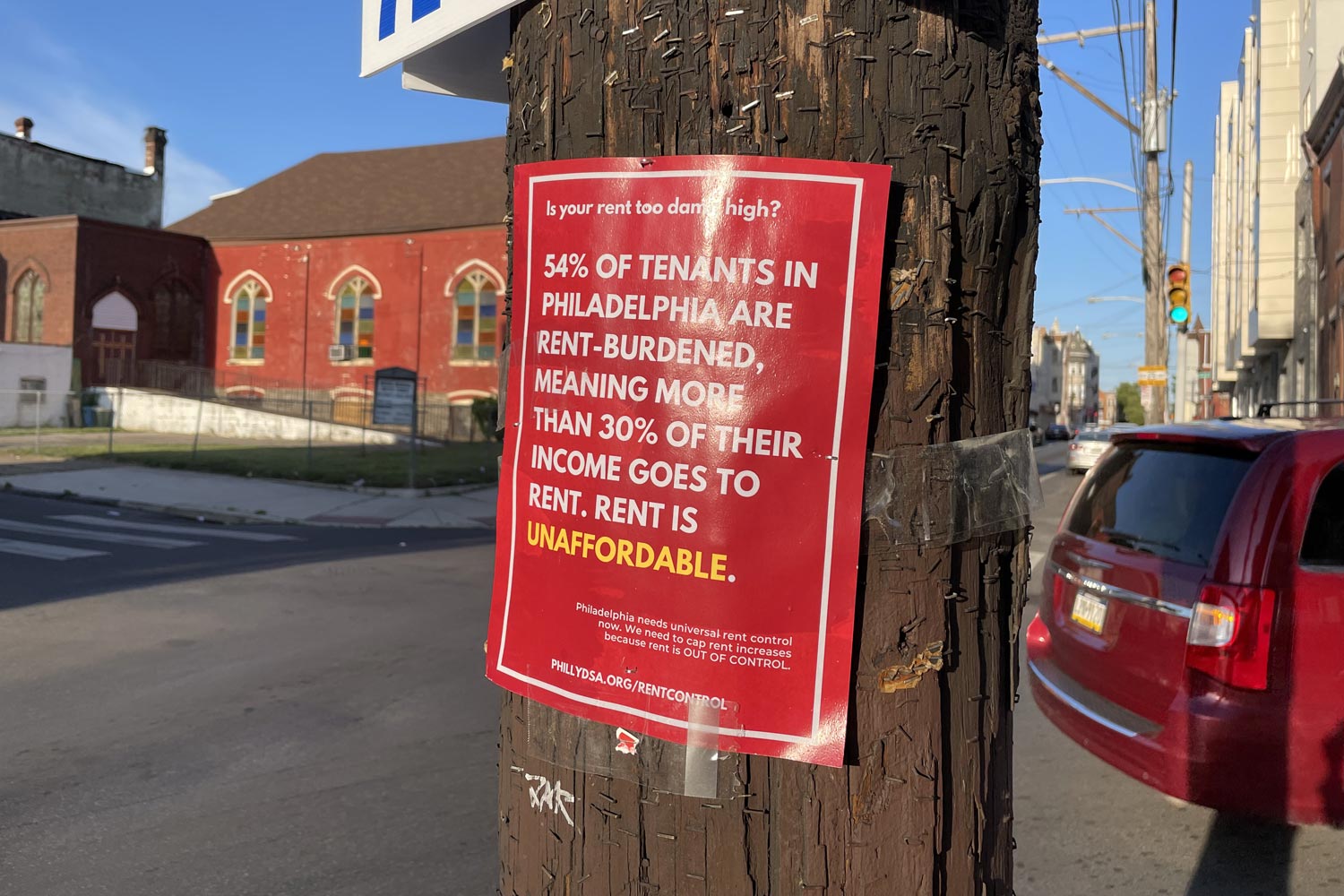
Comes up a public service ad: “Cure violence Philadelphia.” Or, a softer one: “54% of tenants spend more than 30% of their income on rent.”
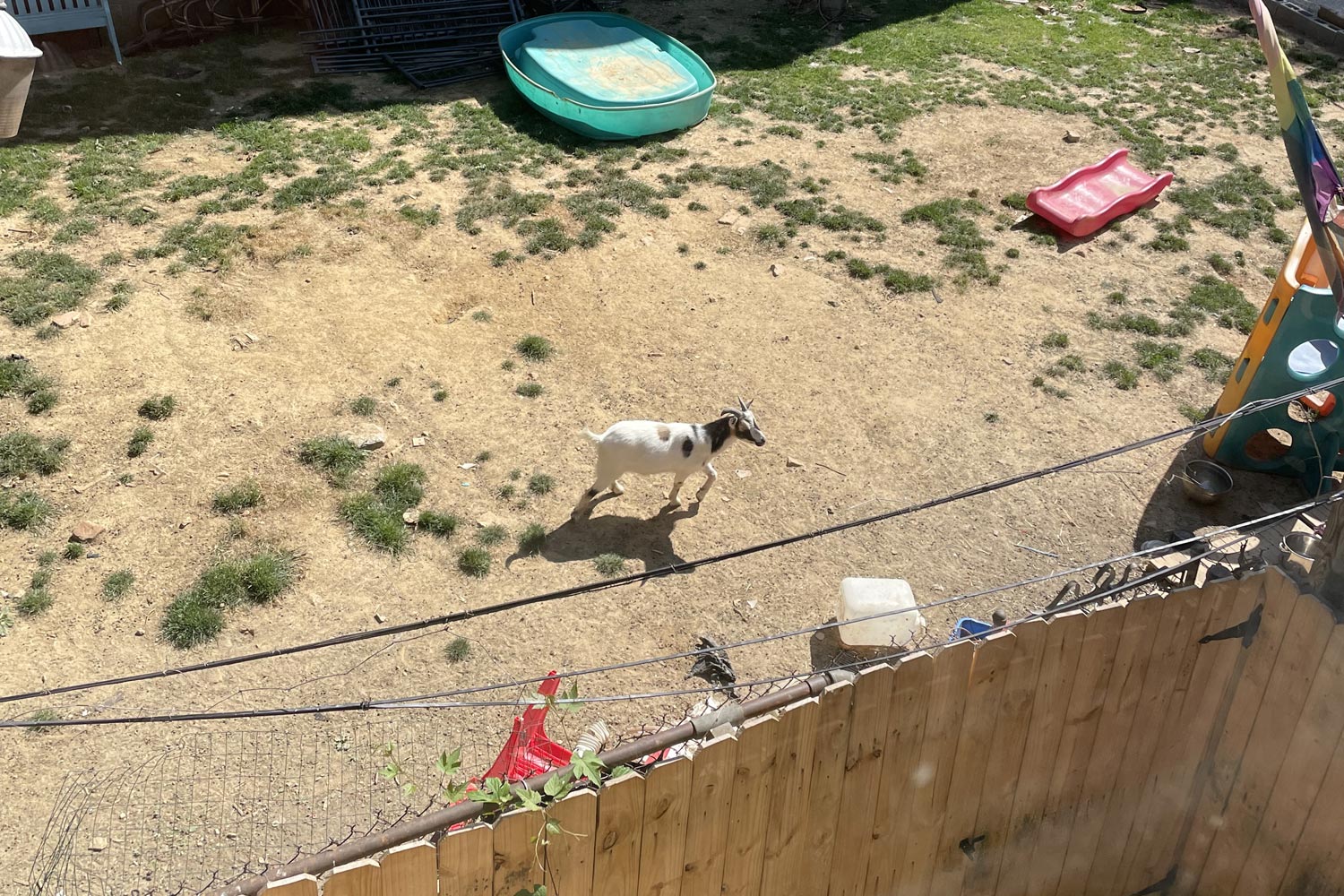
In someone’s backyard were found grazing goats.
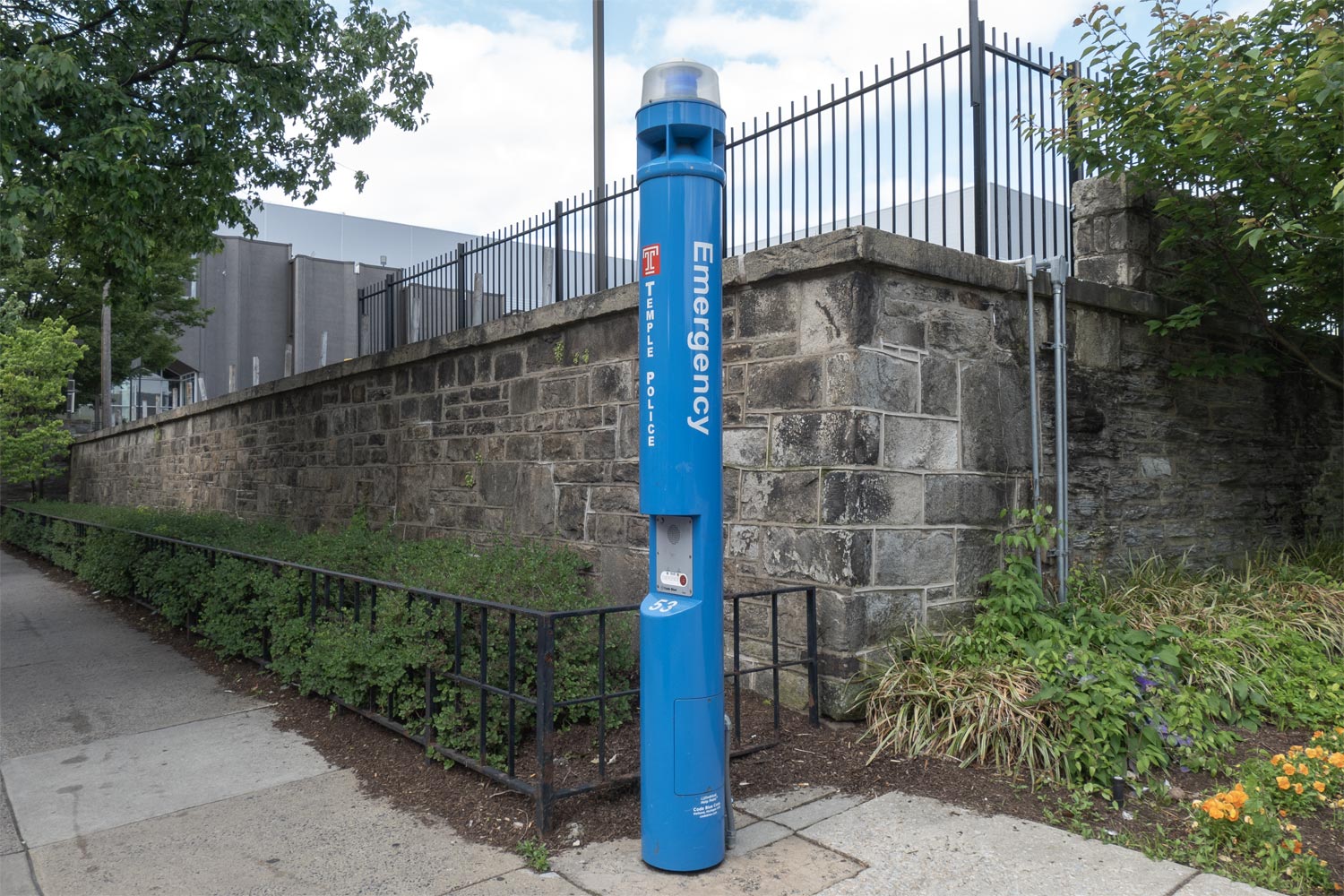
By the major road running parallel to the metro line, there’s a whole series of urban artifacts: an emergency button, a shattered rusty bus stop, an overflowing trash bin, and the insane mobile snack bar called Burger Tank.
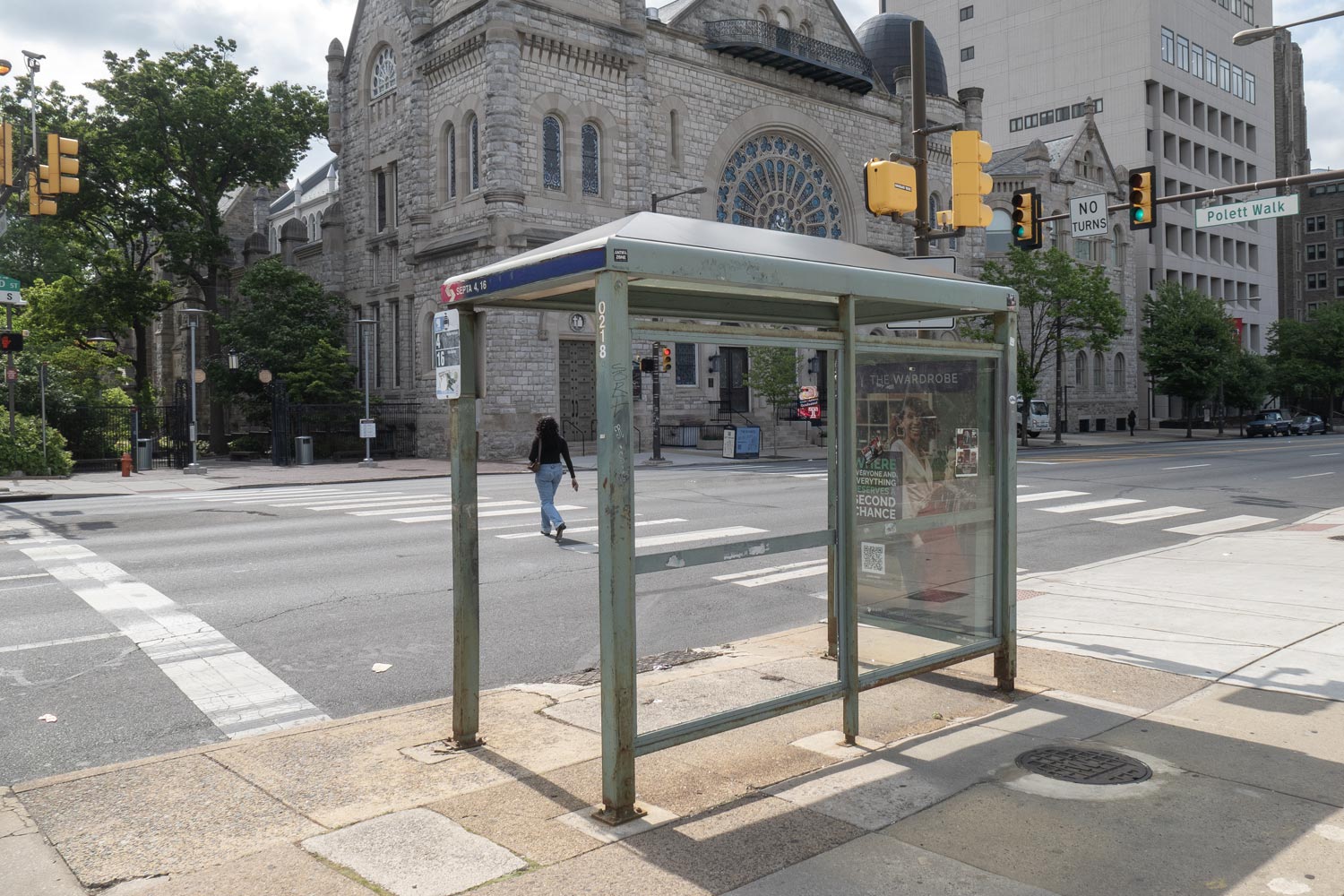
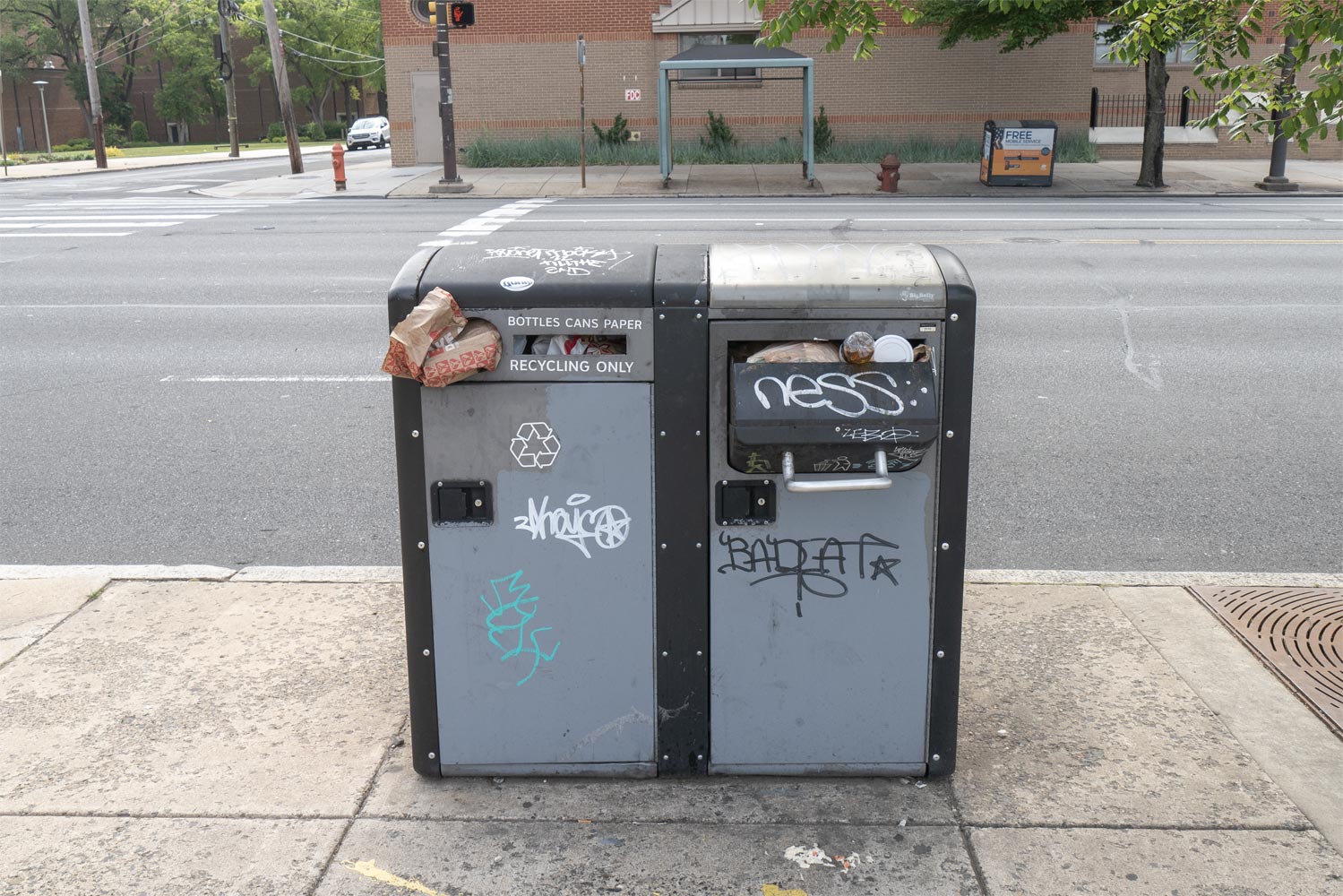
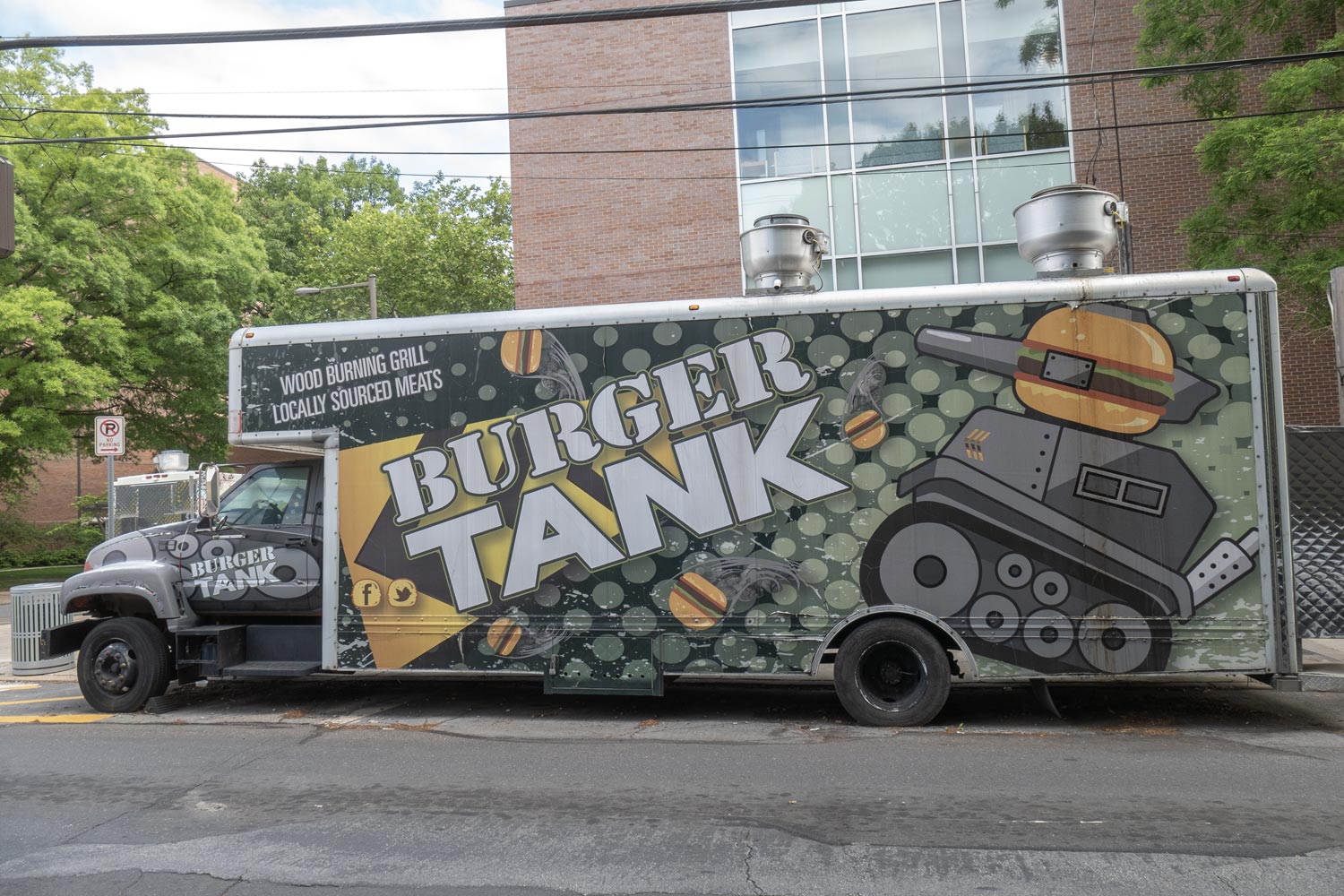
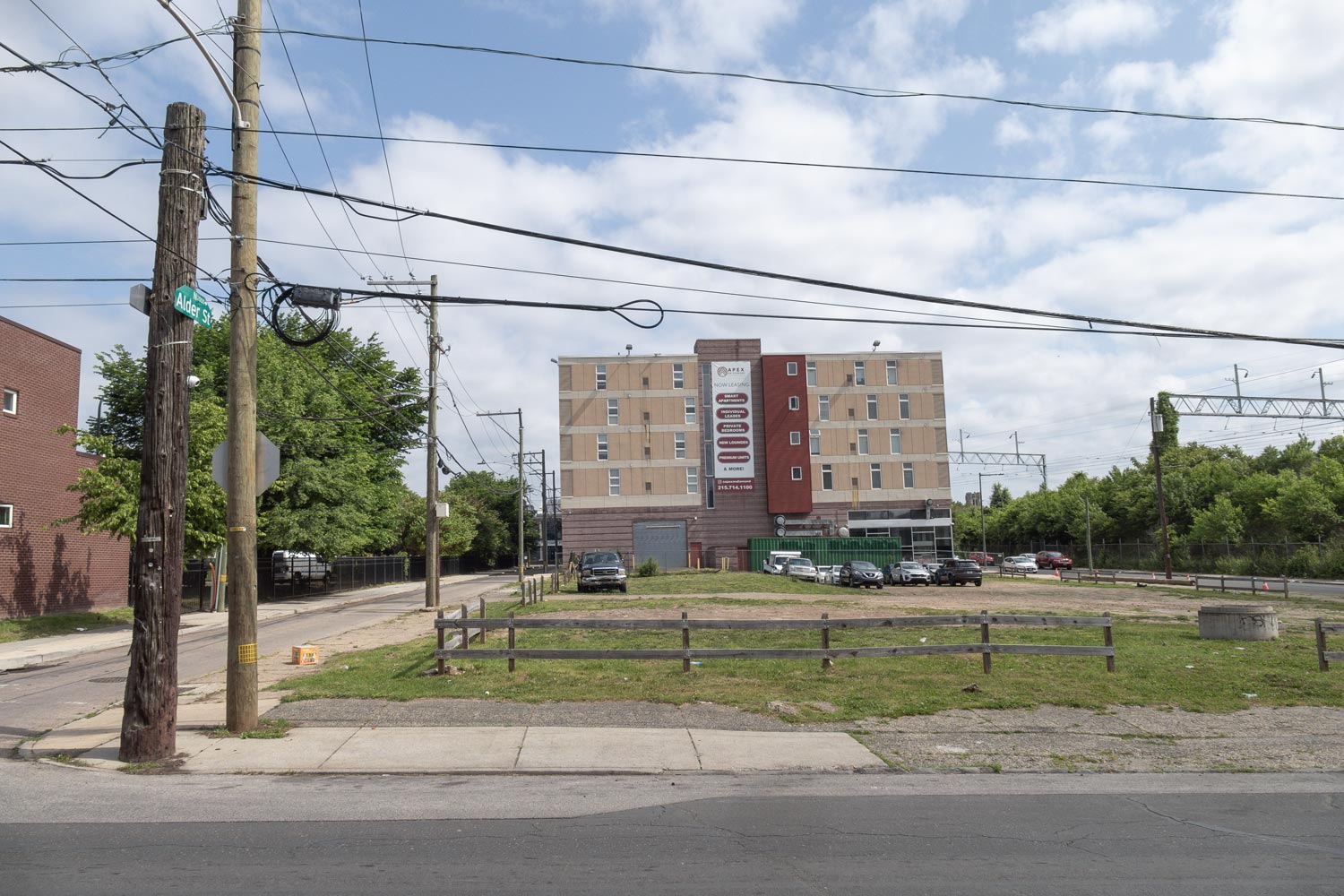
On the other side of the road one comes across wasteland. It’s hard to believe you’re in the United States, and in one of the largest and most famous cities in America.
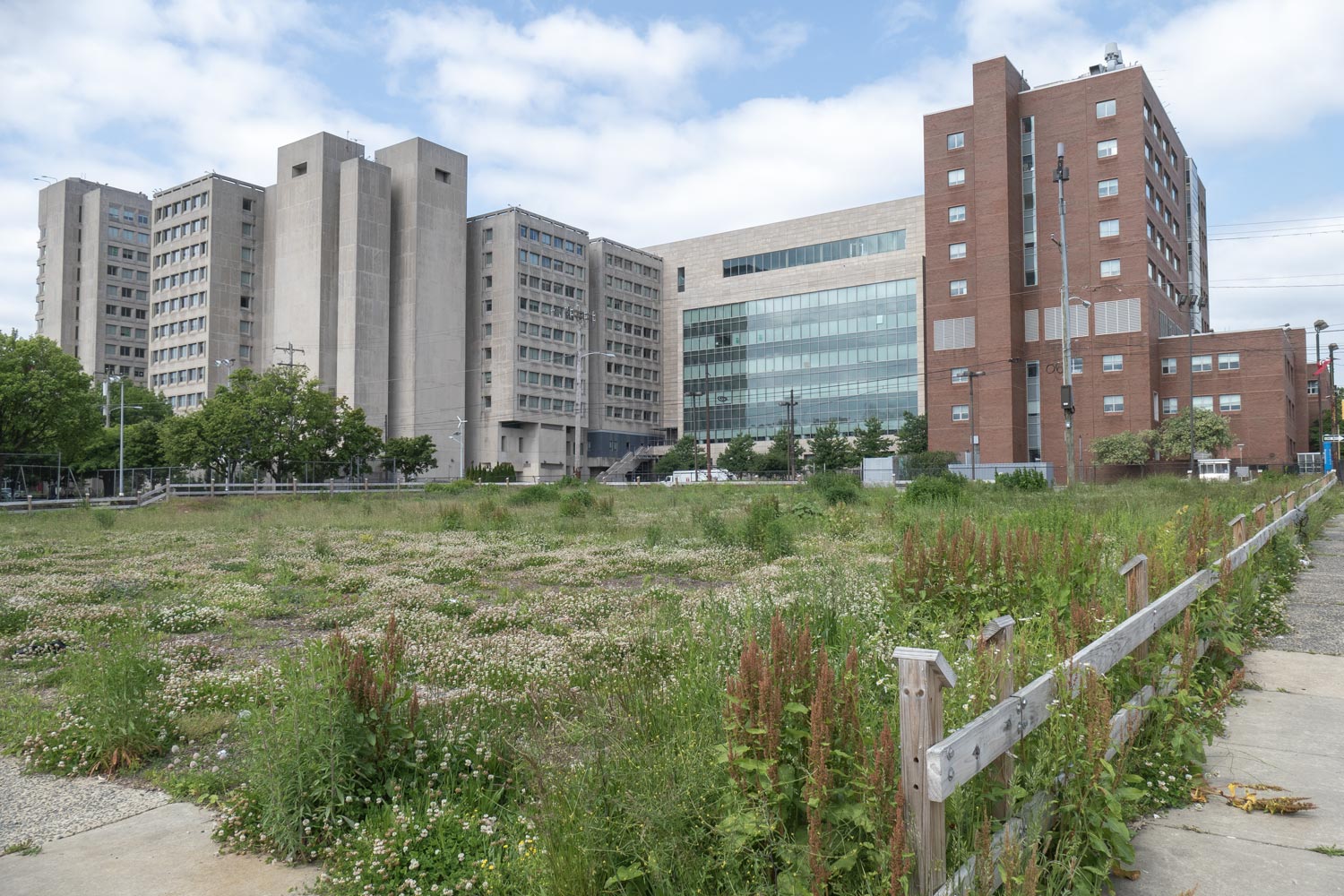
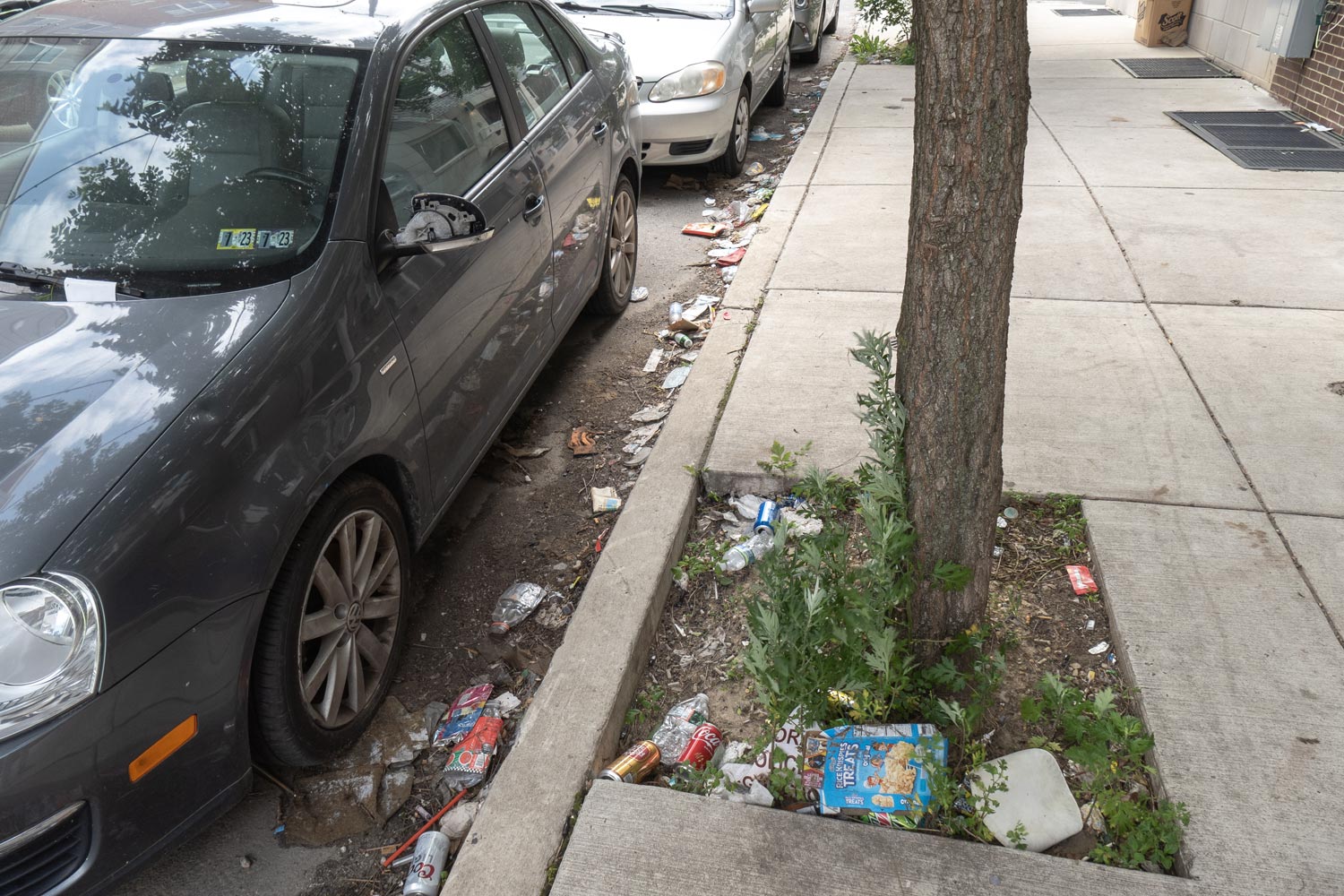
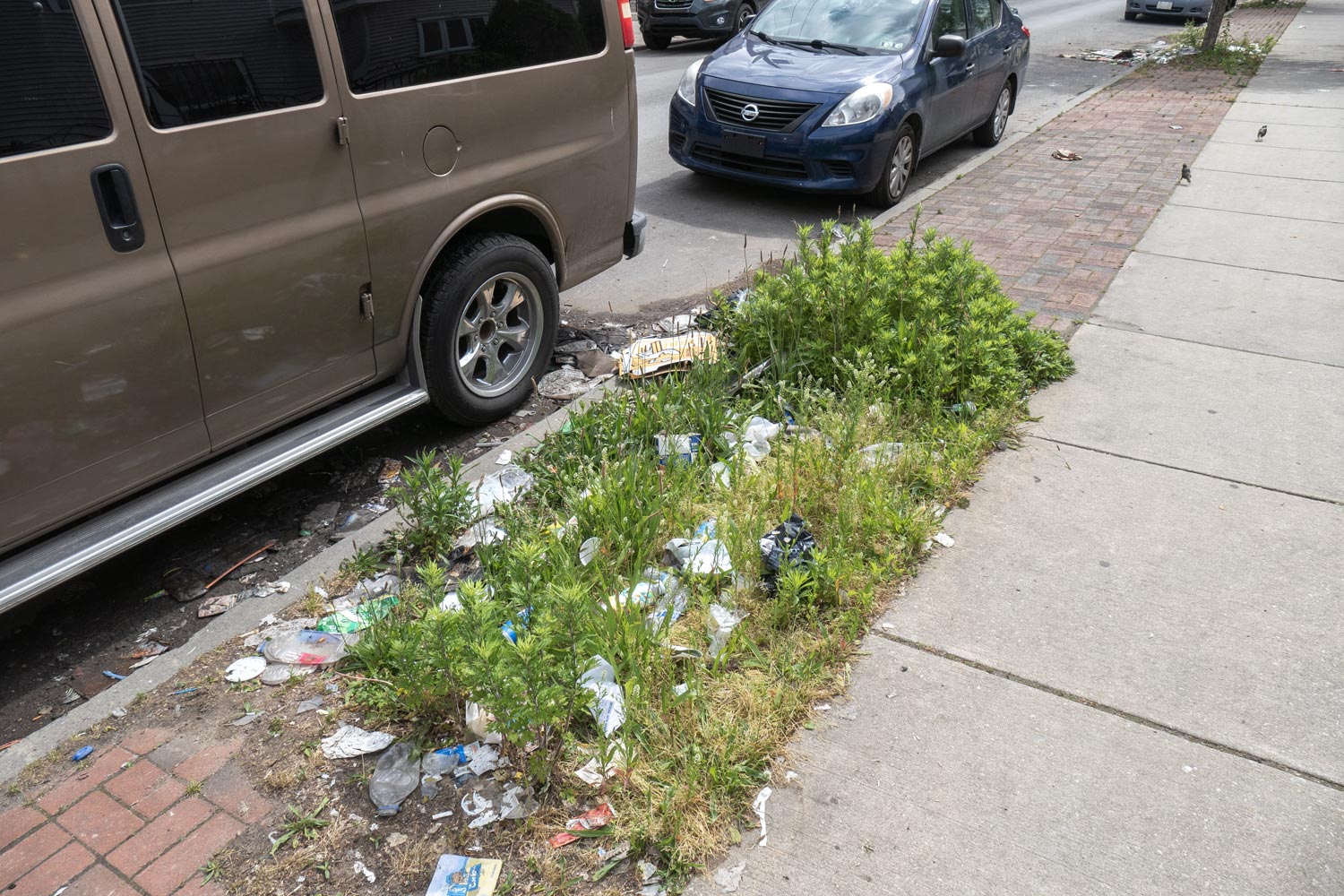
More and more trash comes up. Bottles, bags, cans, and food scraps are lying by every tree, on every patch of ground.
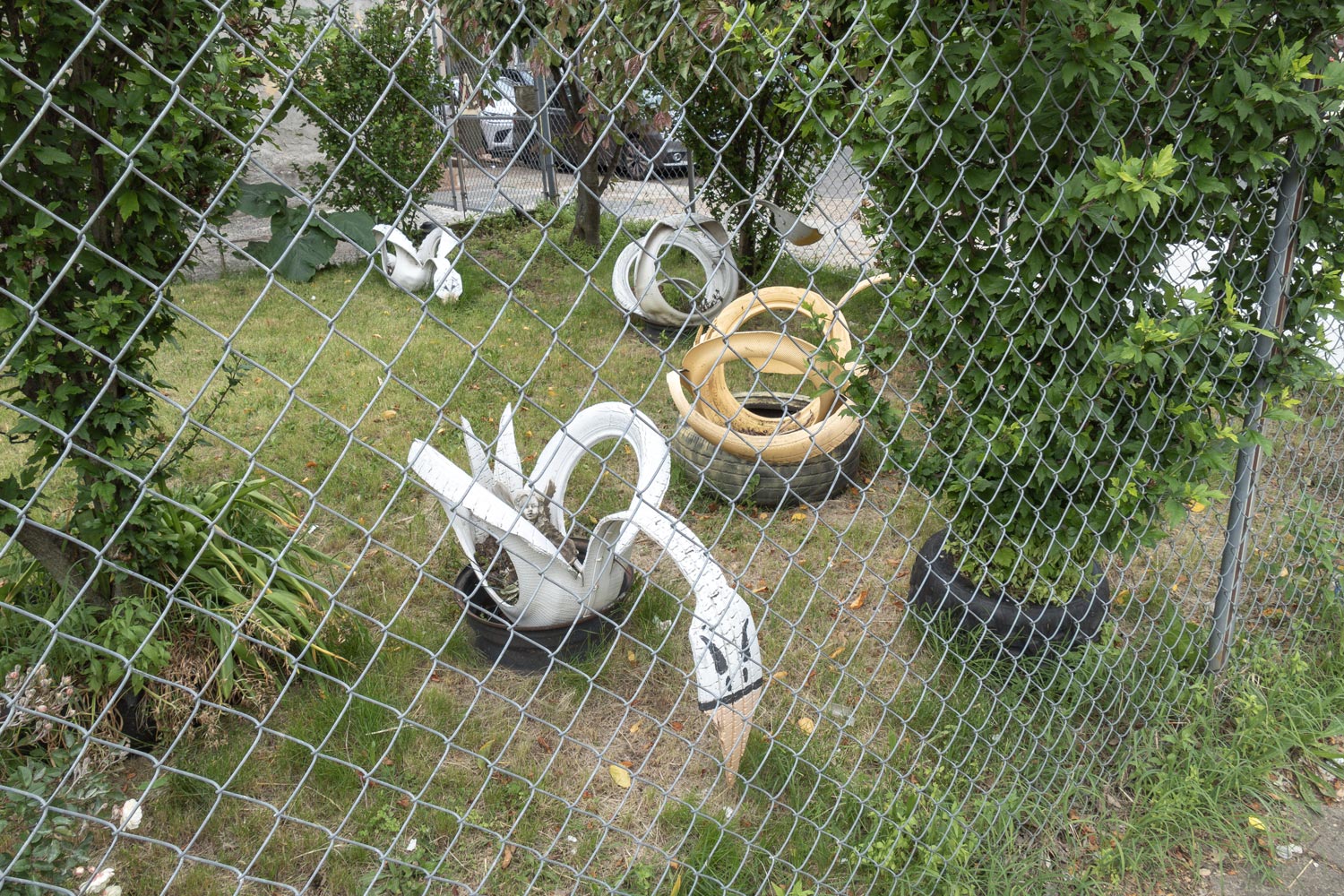
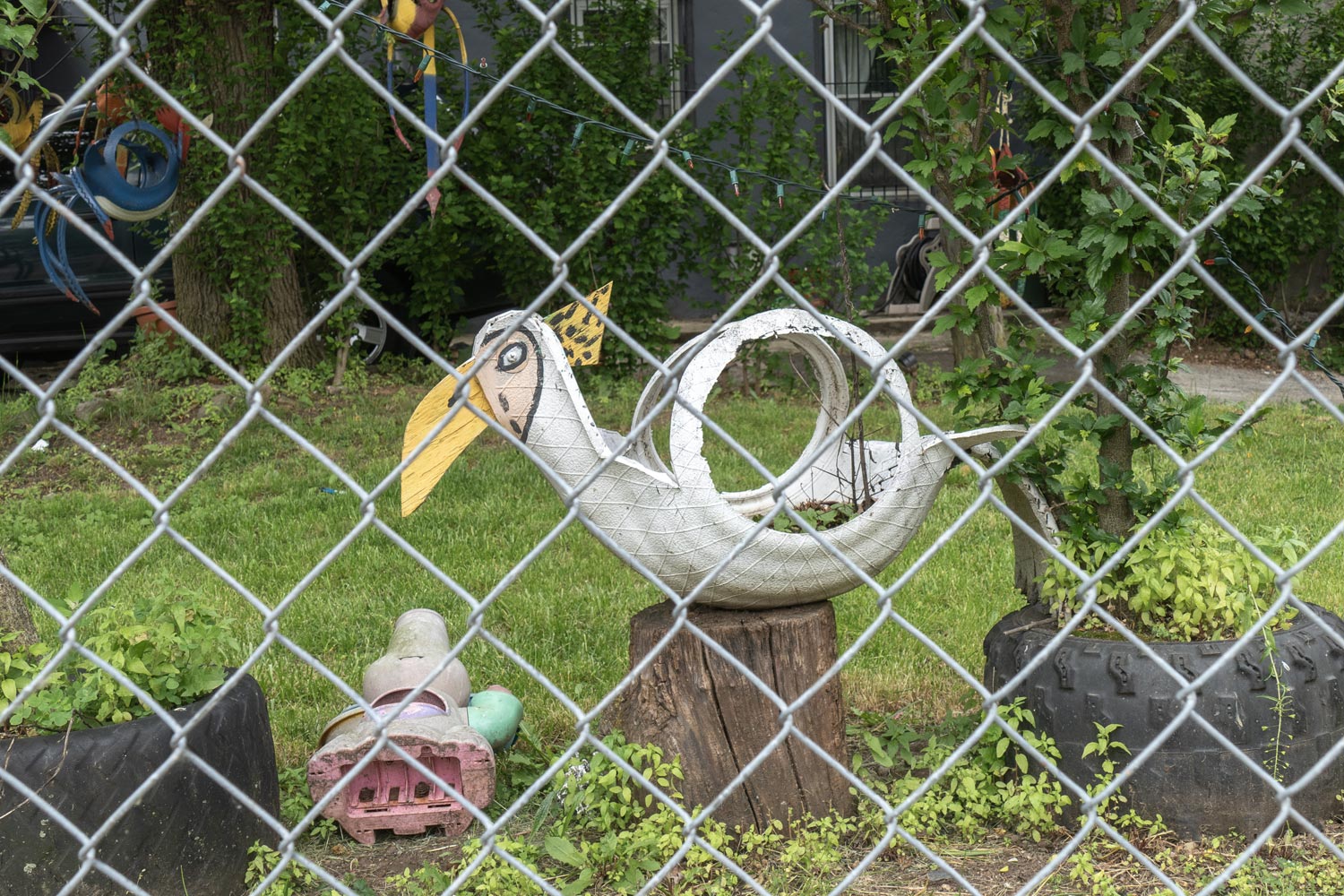
In someone’s front yard stands a group of rubber swans made from cut-up car tires.
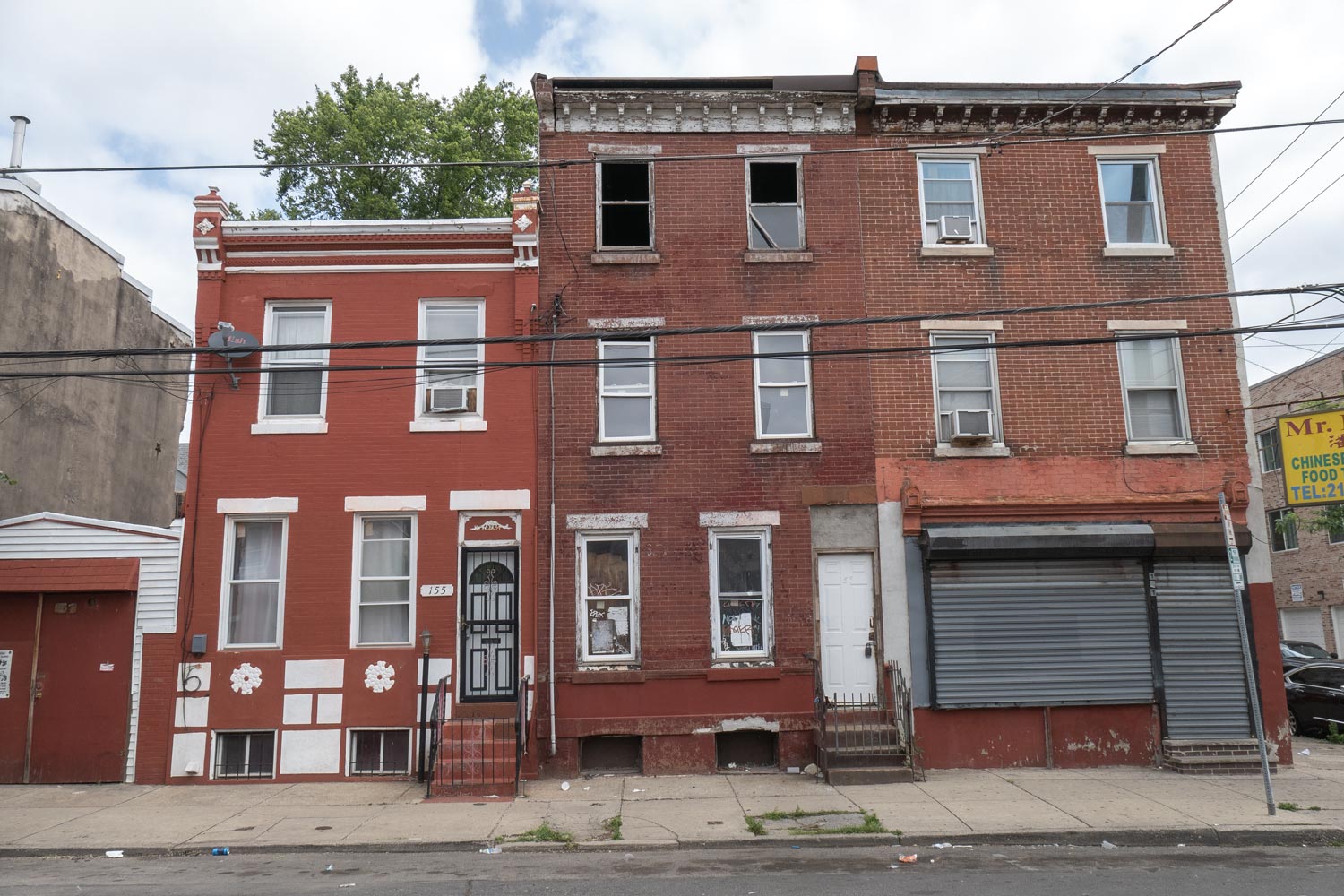
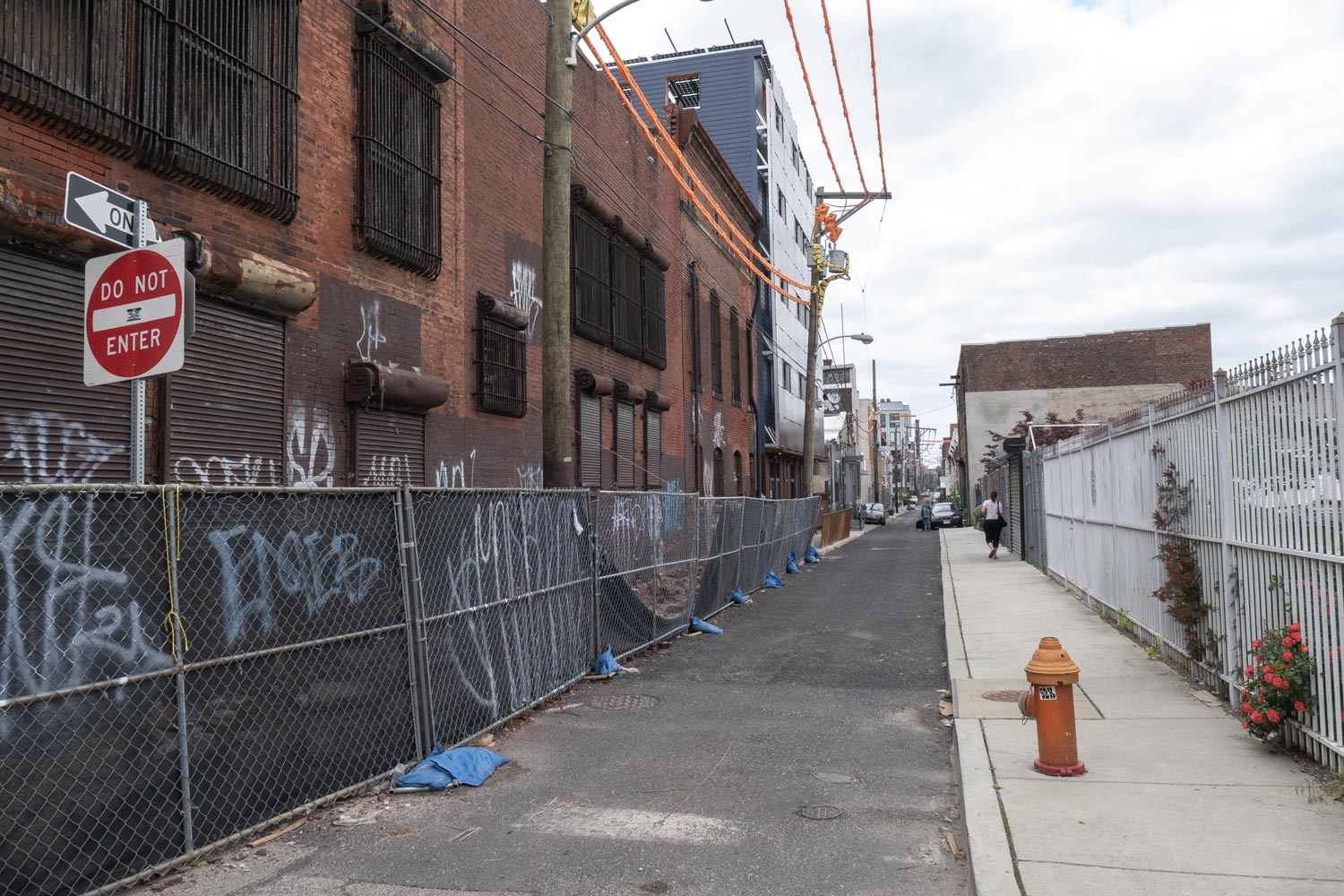
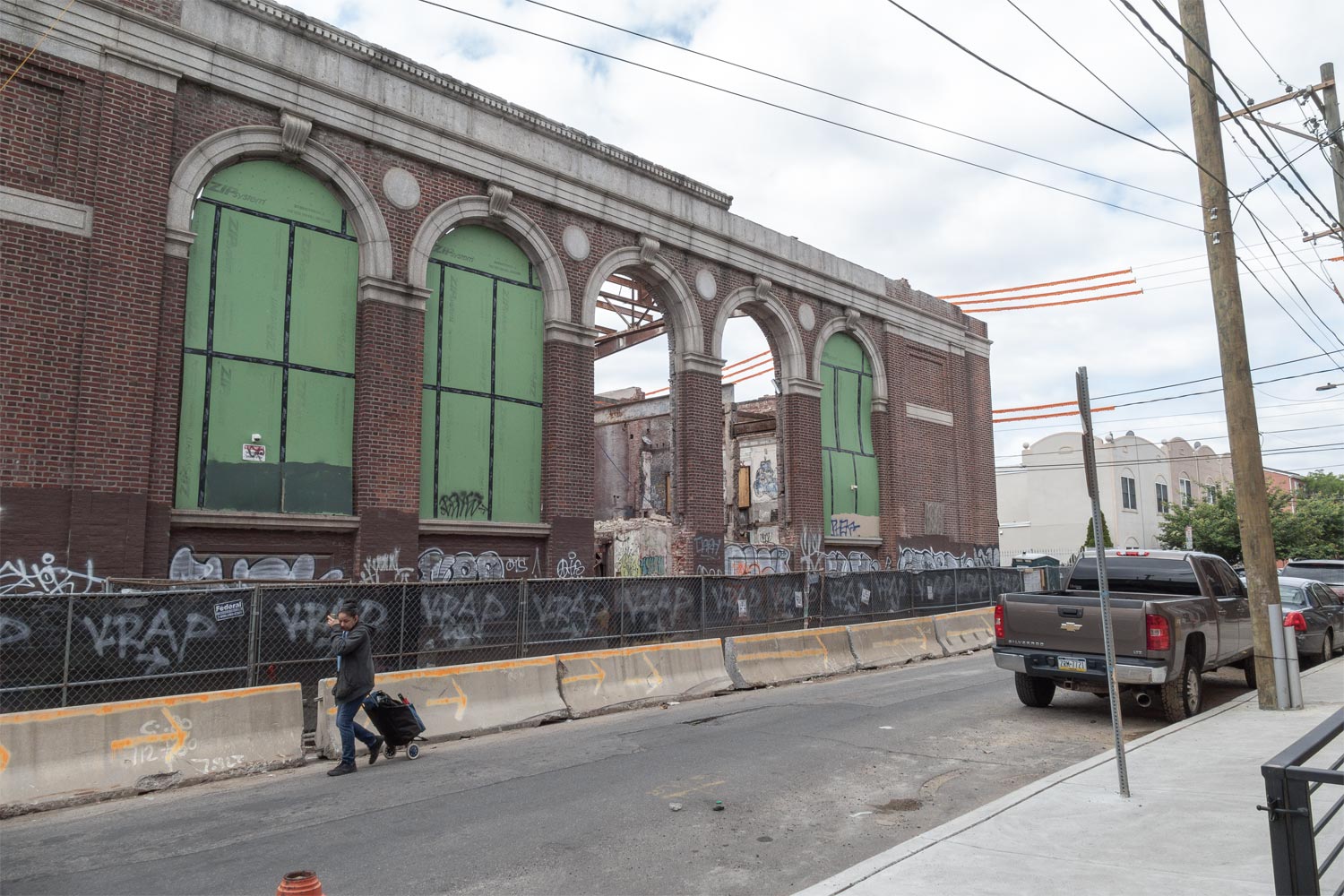
And the houses! Every other window in the local buildings is boarded up, smashed, or scorched by fire. It gives you the feeling that you’ve ended up in an American zombie-apocalypse movie. Maybe that’s where they actually film them? No sets required.
The reader must have thought the author had brought him into a ghetto. Oh no, not even the ghetto of South Central in Los Angeles can compare in horror with Kensington Avenue in Philadelphia.
In Northeast Philadelphia there is the Kensington neighborhood, through which runs the avenue of the same name that, via a series of road mergers and absorptions, leads in the direction of New York.
In keeping with a proud American tradition, the neighborhood was named by settlers after a prestigious district in London, which today is home to all the major embassies, several museums, and the royal Albert Hall.
In the absence of a king, something a bit simpler had to be placed in the American Kensington. Since the 19th century, it has been the main industrial district of Philadelphia. Factories opened here, ships were built, and fish were caught in the nearby Delaware River.
All in all, right up until the 1960s Kensington was a pretty good area to live in.
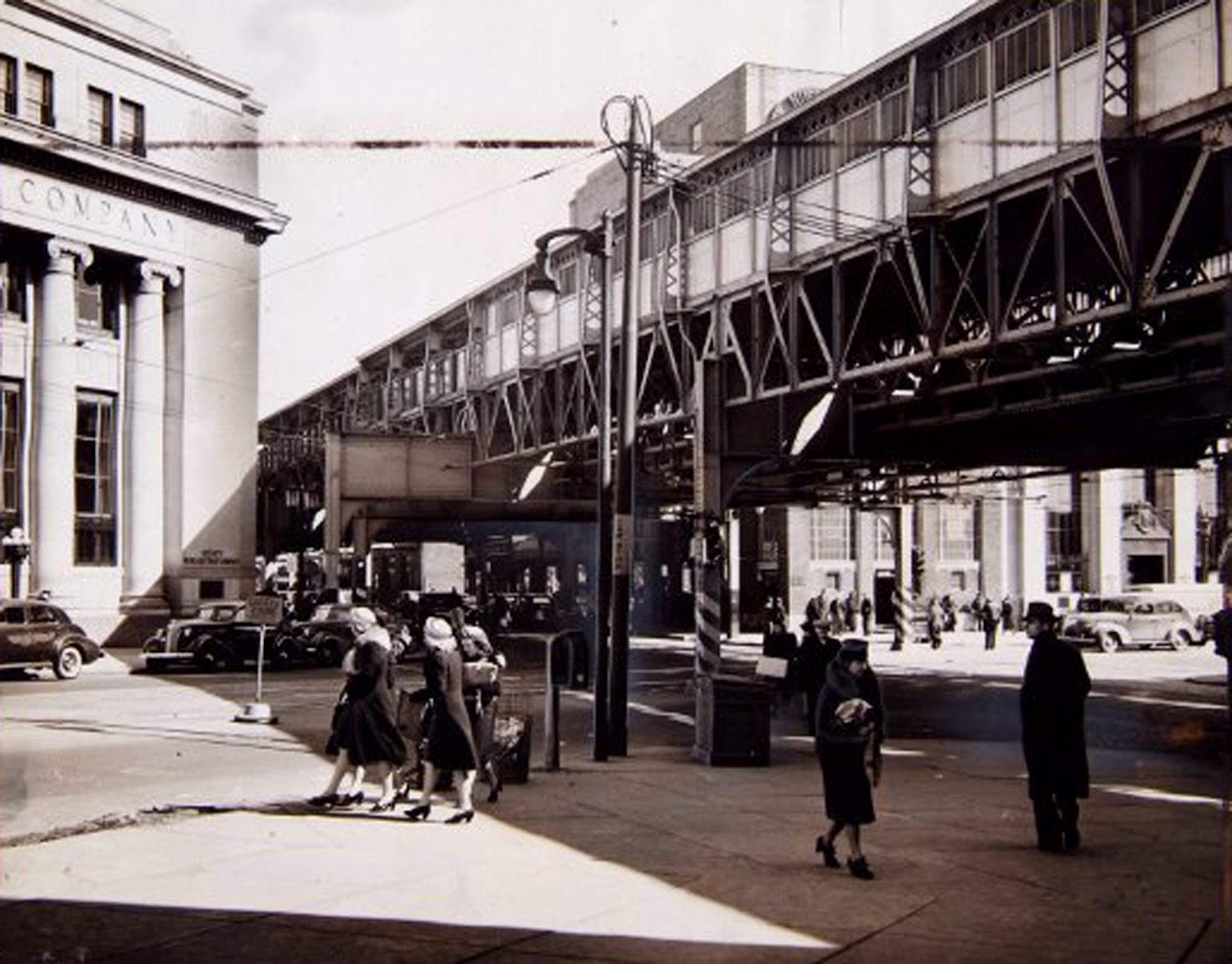
What happened next is reminiscent of Detroit in miniature.
After World War II, the U.S. government handed out generous subsidies for building homes in the suburbs. Chasing the “American Dream,” millions of people left the cities, and factories and plants moved out with them.
Indeed, what else could they do? There were few workers left in the city, taxes were high, and land was expensive. It was much easier to move the factory somewhere to the outskirts or even to China.
The first fruits of this policy appeared as early as the late 1970s and can be seen in the film Rocky — the hero runs, to put it mildly, in pretty strange places.
But Rocky was still lucky, because the worst was yet to come. Very soon after the filming, Philadelphia was hit by the first wave of drug addiction. At that time, cocaine and its cheap, stronger form — crack — were popular in America.
Cocaine is, of course, a highly contagious drug, but by far not the most dangerous one. Much more terrifying is heroin, whose epidemic swept over Philadelphia (and all of America) back in the 1990s, in part thanks to the efforts of a guitarist named Kurt Cobain.
However, even heroin turned out not to be the most terrifying poison. Another twenty years later, in our own time, a new drug epidemic began in America — this time, a fentanyl one. And fentanyl, a synthetic pharmaceutical brew, proved to be so much worse than its counterparts that it has driven Philadelphia into a real zombie apocalypse.
Well, its center became the Kensington district. Its main avenue, running under the elevated railway viaduct, looks like this today:
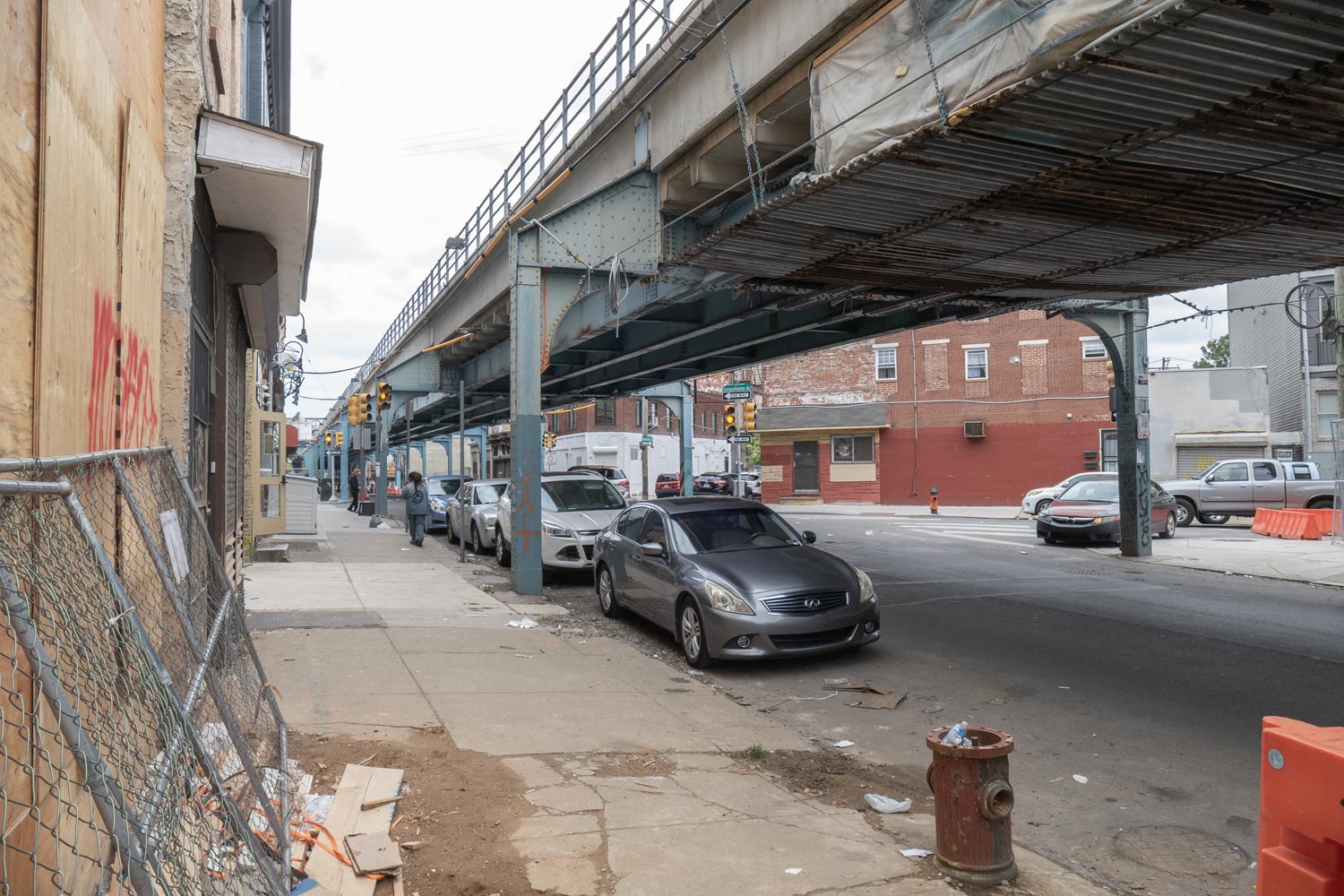
The streets are empty even in the middle of the day.
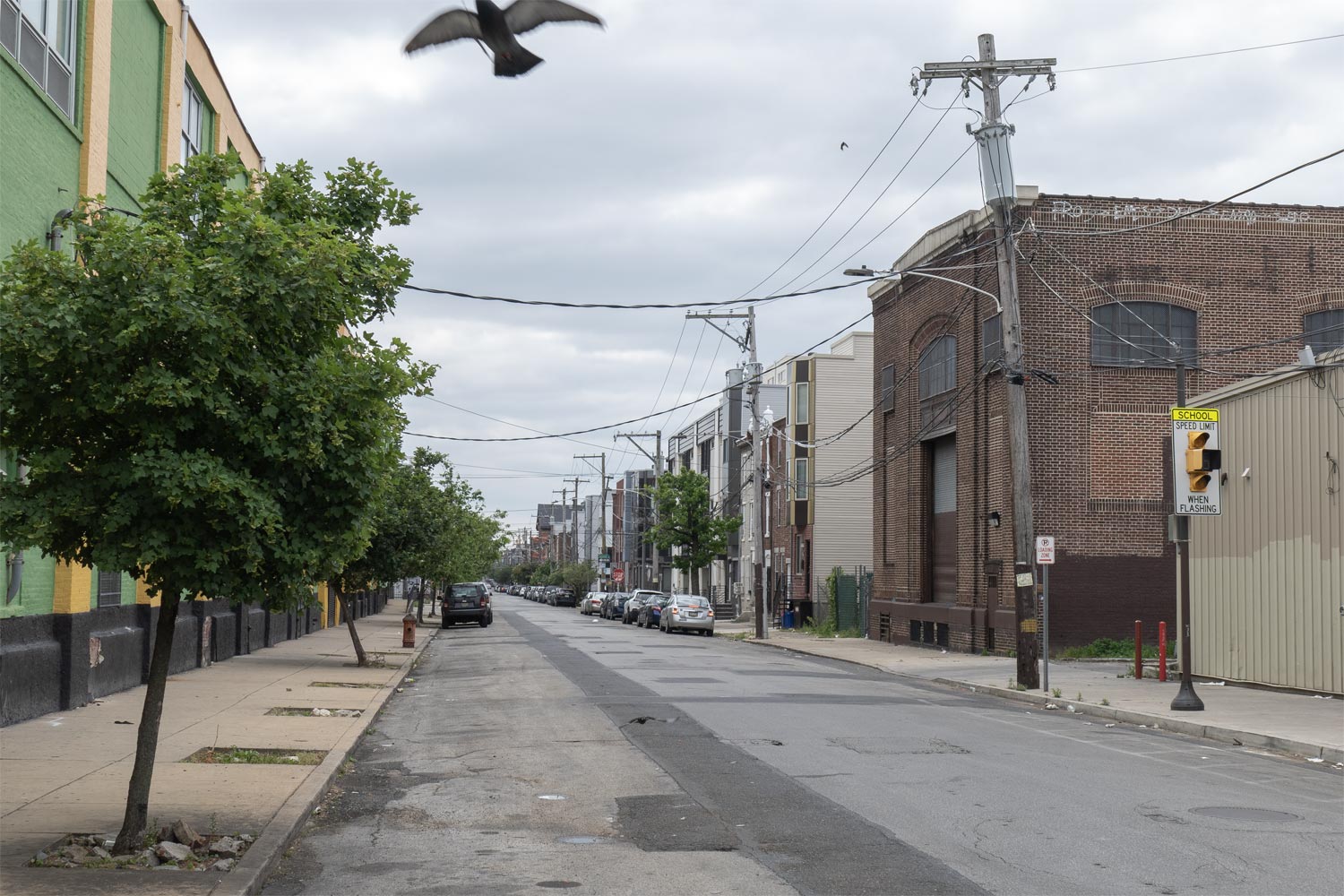
People seem to have died out. Just like after the end of the world.
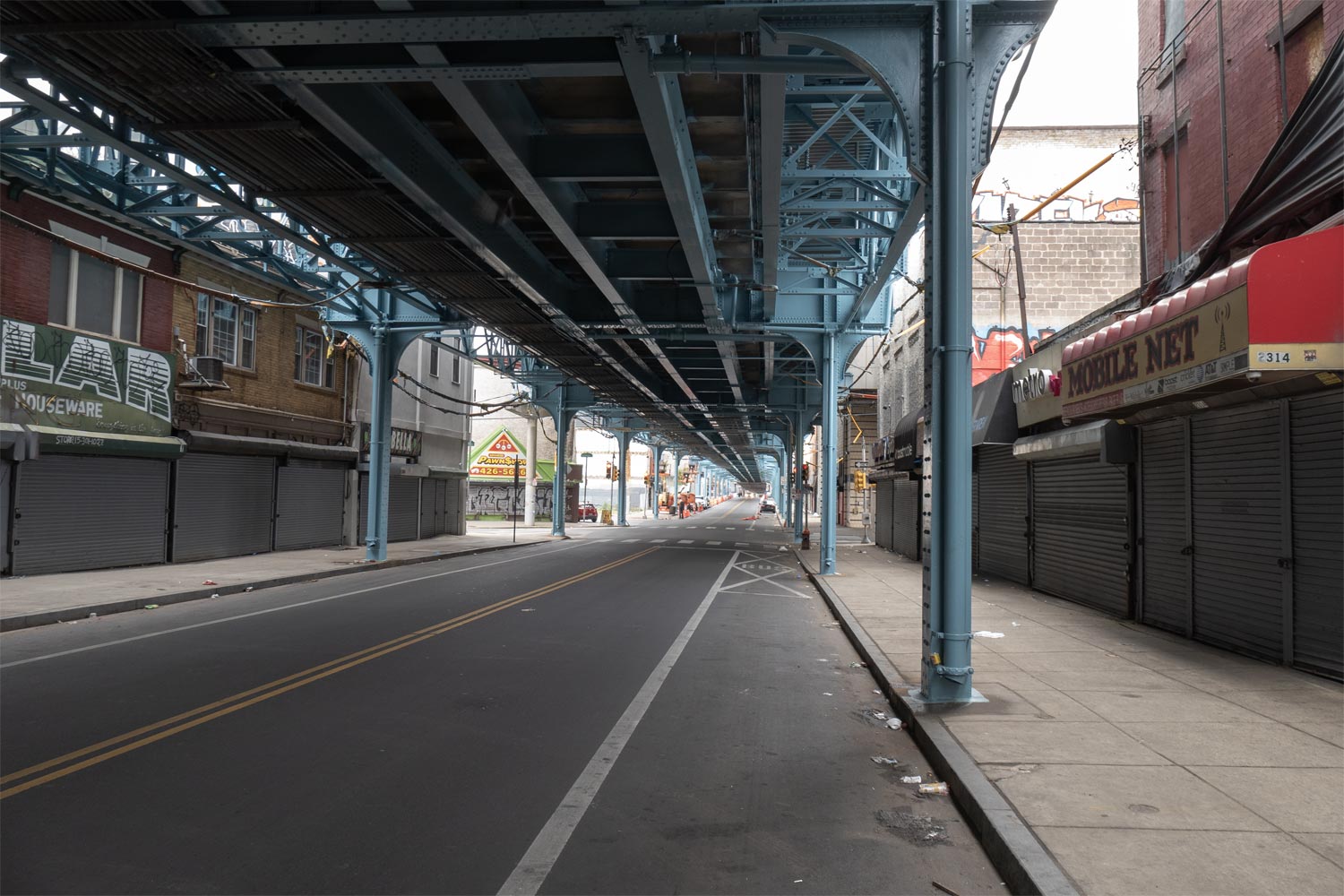
This is the view for many kilometers in both directions. All the shops are boarded up, the windows covered with shutters. There are quite a few parked cars, but who comes here and why is completely unclear.
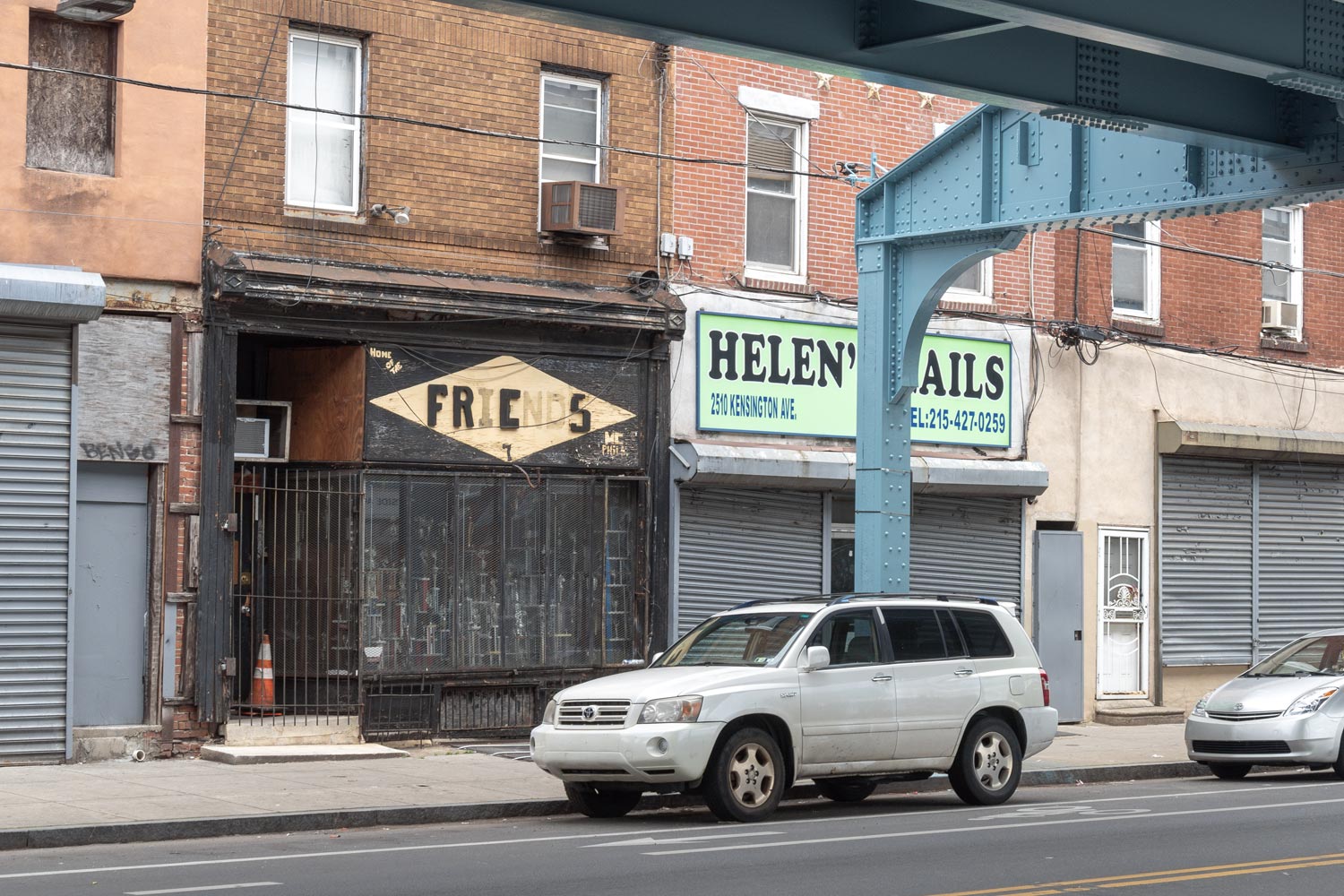
An occasional passerby doesn’t ease the tension at all; instead, he sends shivers down your spine. Almost everyone is wearing a hood, looking out from under their brows with a sullen gaze and constantly glancing around.
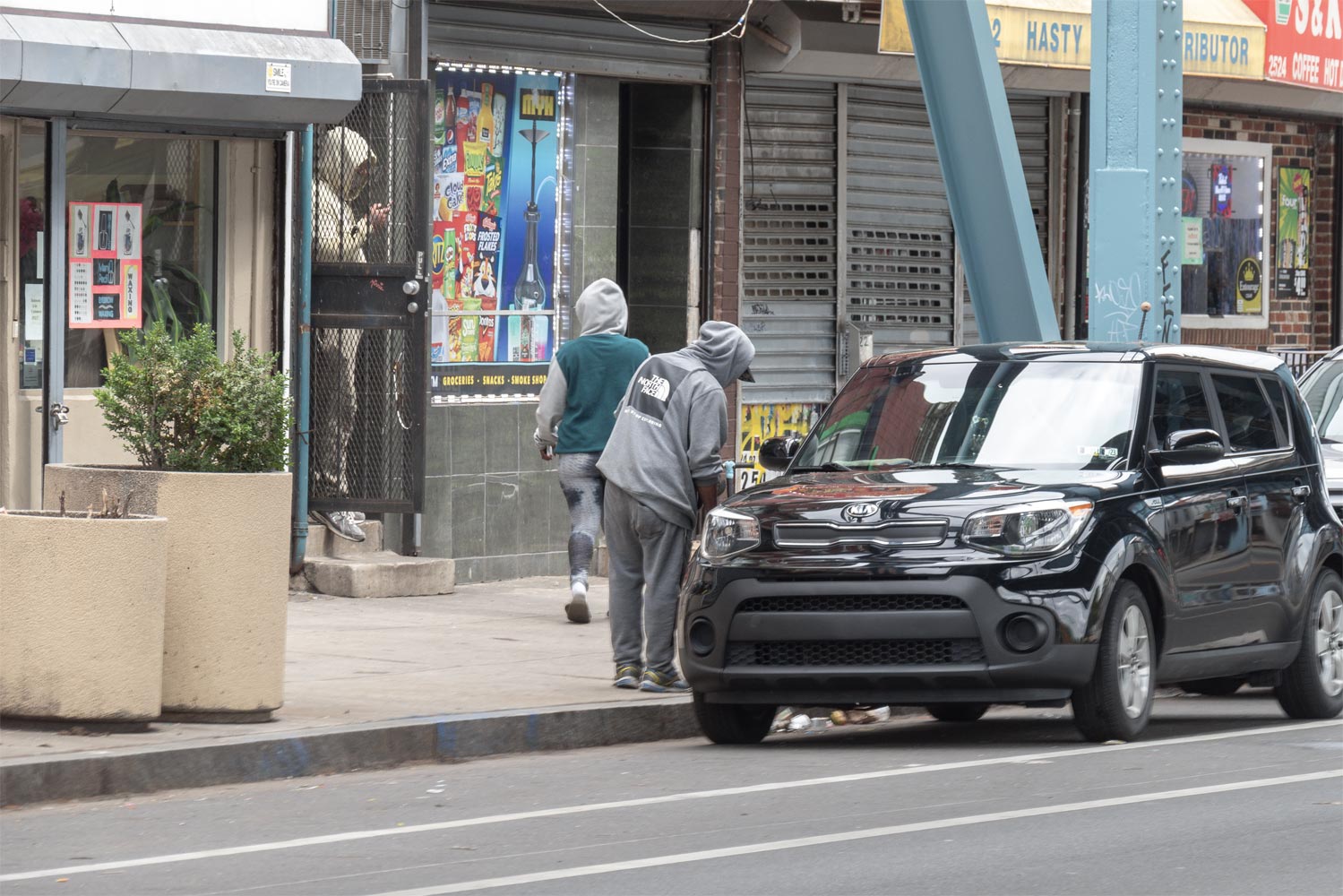
Small groups of people are crowding around the pharmacies.
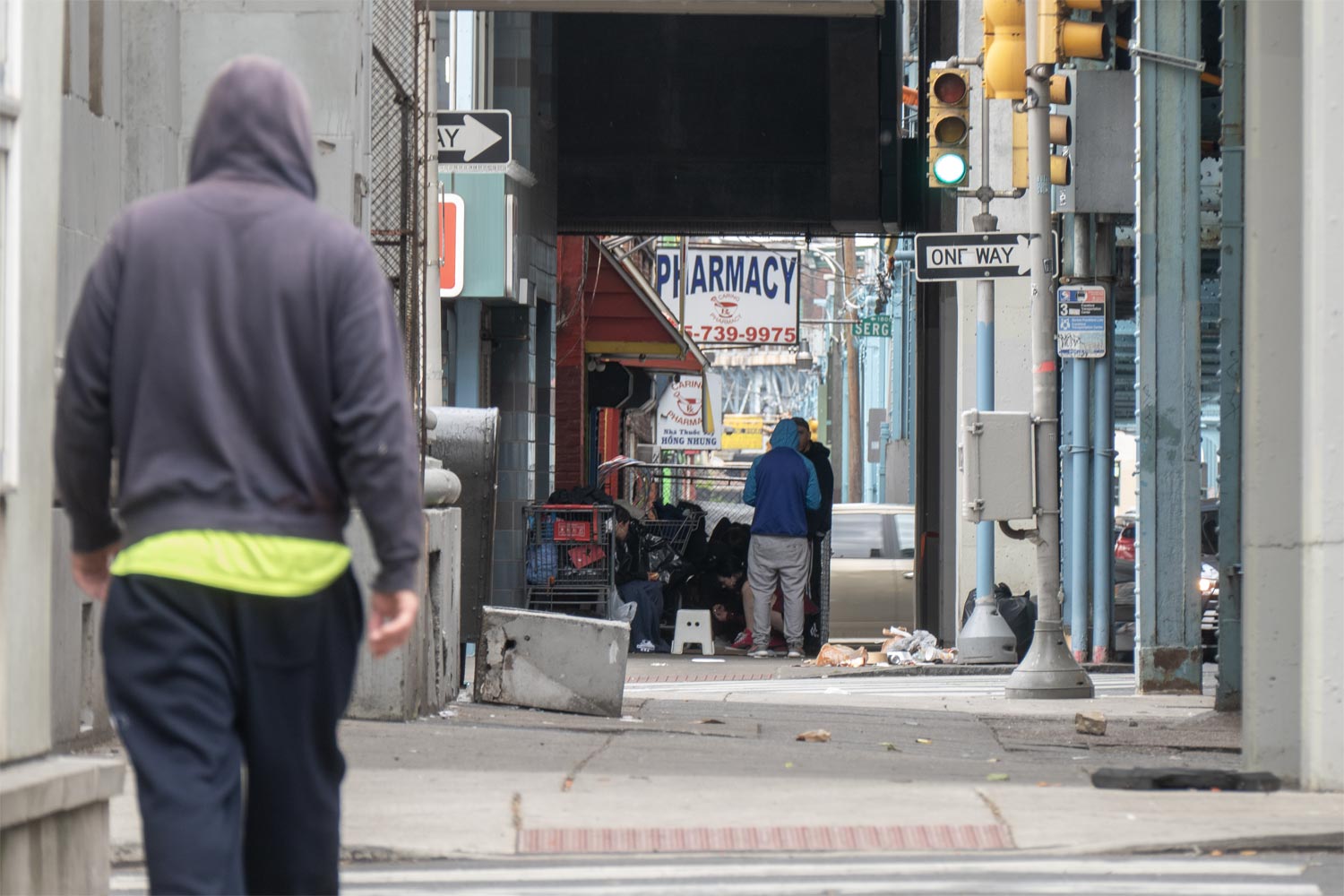
These are drug addicts waiting for their dose. Having failed to find a way to deal with the fentanyl epidemic, the government decided at least to replace it with a less dangerous substance.
A person dependent on fentanyl can be examined by a doctor and enrolled in a substitution therapy program. After that, they can receive another drug — methadone — from a pharmacy, in tablet or liquid form. The dose is calculated strictly so that it does not cause euphoria, but does relieve fentanyl withdrawal.
In addition, pharmacies dispense various other medicines for symptom relief and first aid. Still, even this kind of “official drug use” is not a sight for the faint-hearted.
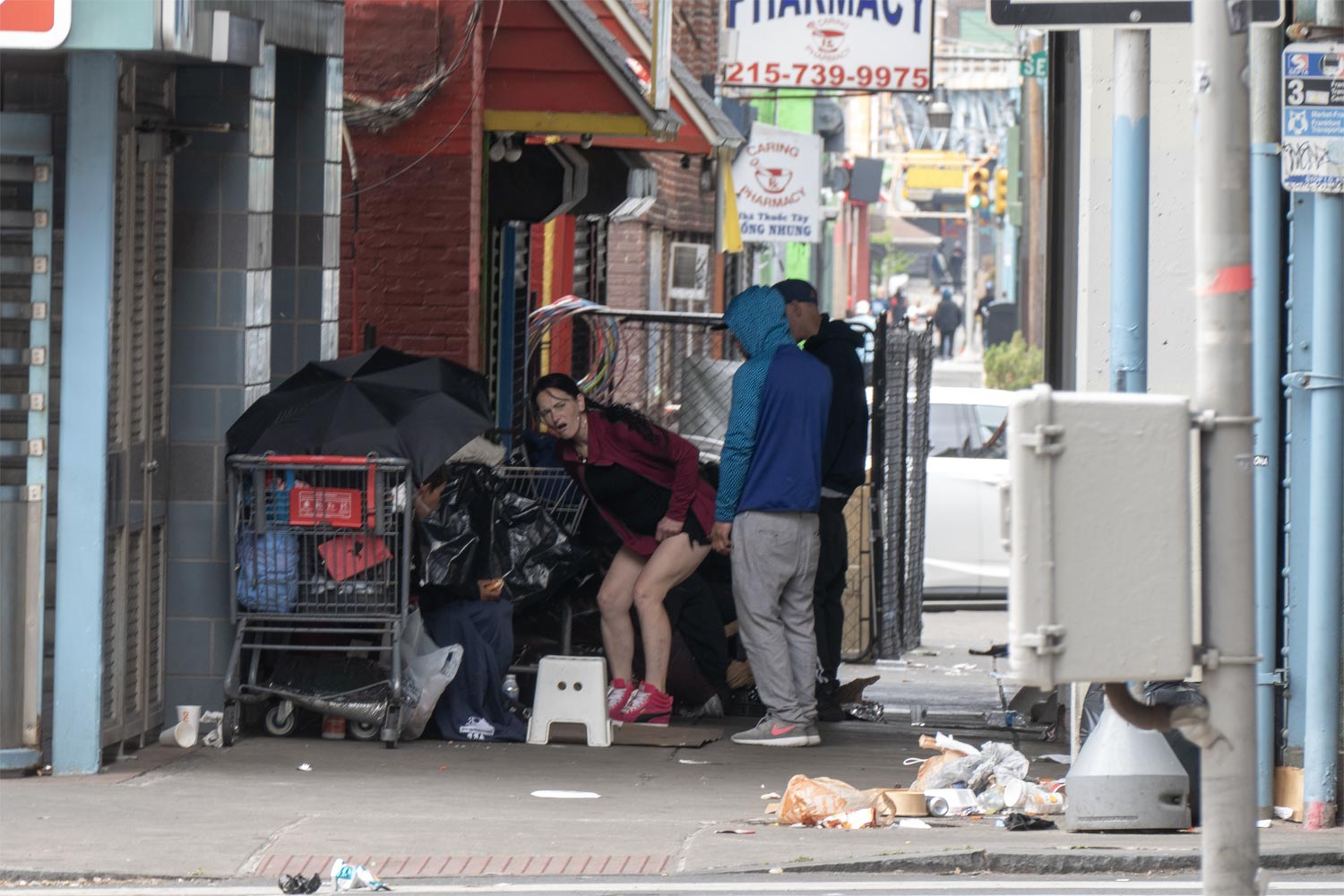
What can we even say about a person under the influence of fentanyl? Even if they’re conscious, their speech is incoherent and their moral character is gone.
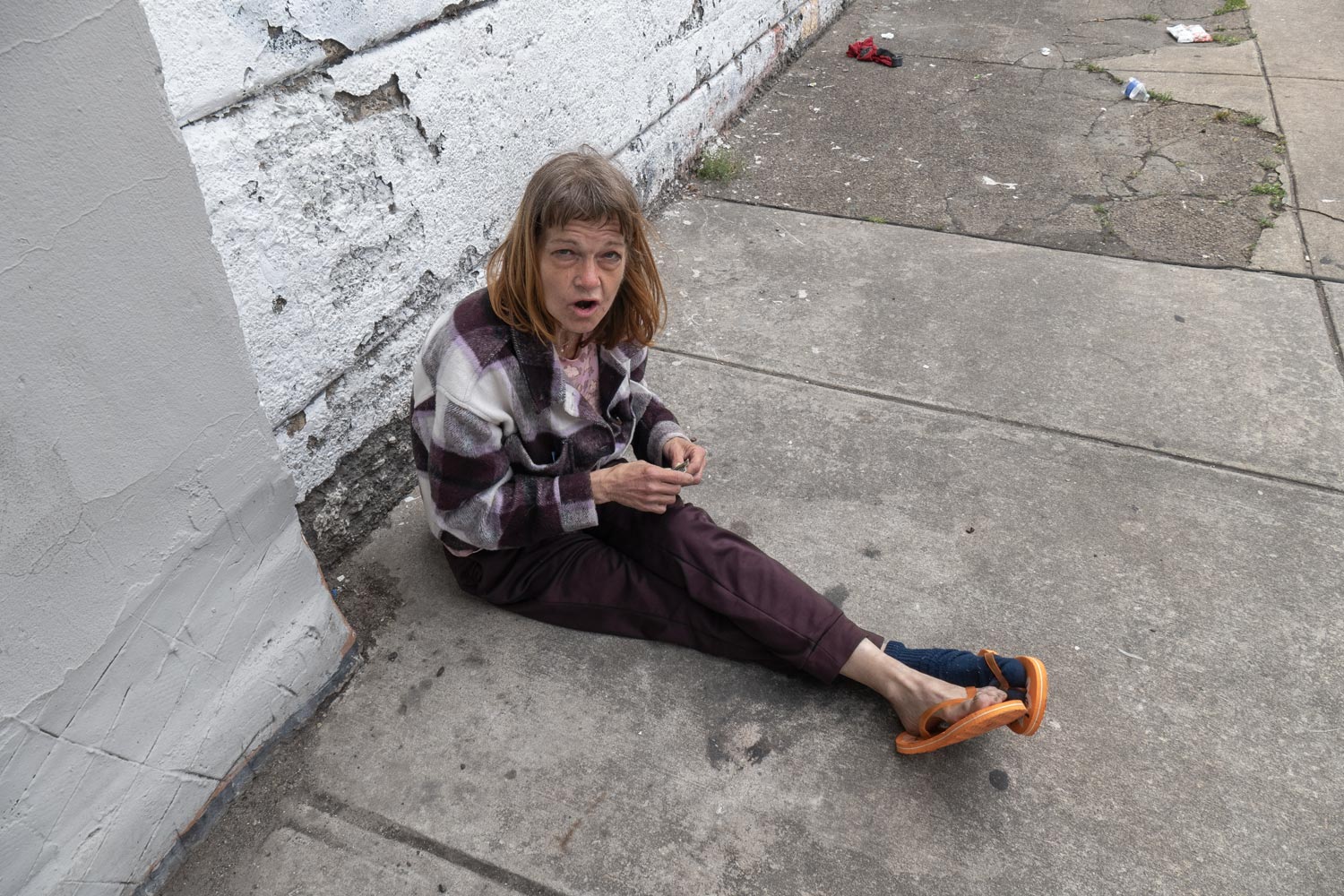
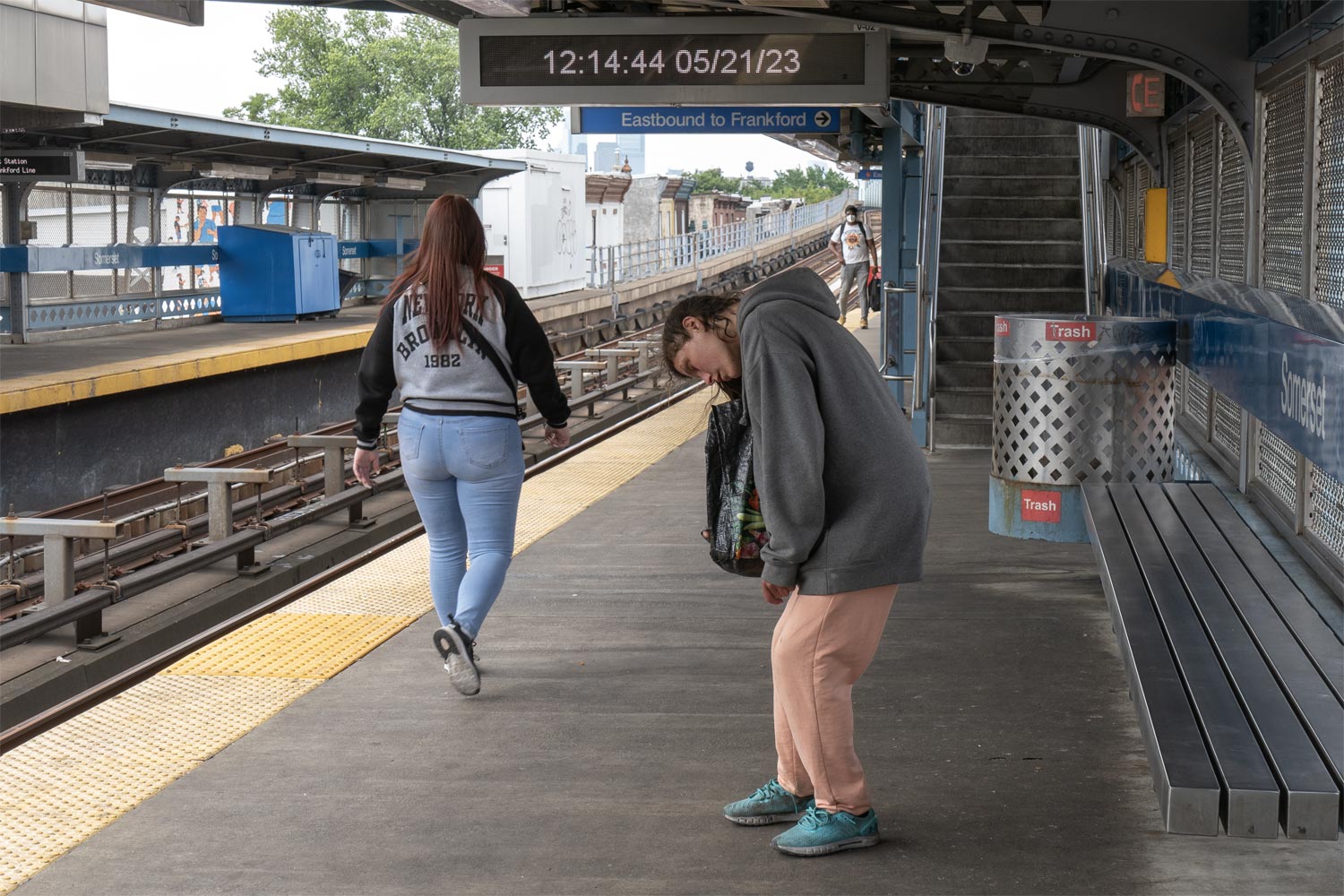
If he’s taken a dose recently, the effects of fentanyl are obvious. Usually a fentanyl addict can more or less move around (though it’s hard to call it walking), but they often freeze halfway and stand in one spot for several minutes, either leaning backward or bent forward.
The nodding off posture is a signature trait of all opium‑based drugs, which includes fentanyl.
Opioids suppress activity in the brainstem, putting a person into a semi-fainting state. At the same time, the drug affects different parts of the body with varying intensity. For example, it affects the vestibular apparatus and the lower limbs the least, while the back and neck muscles take the strongest hit.
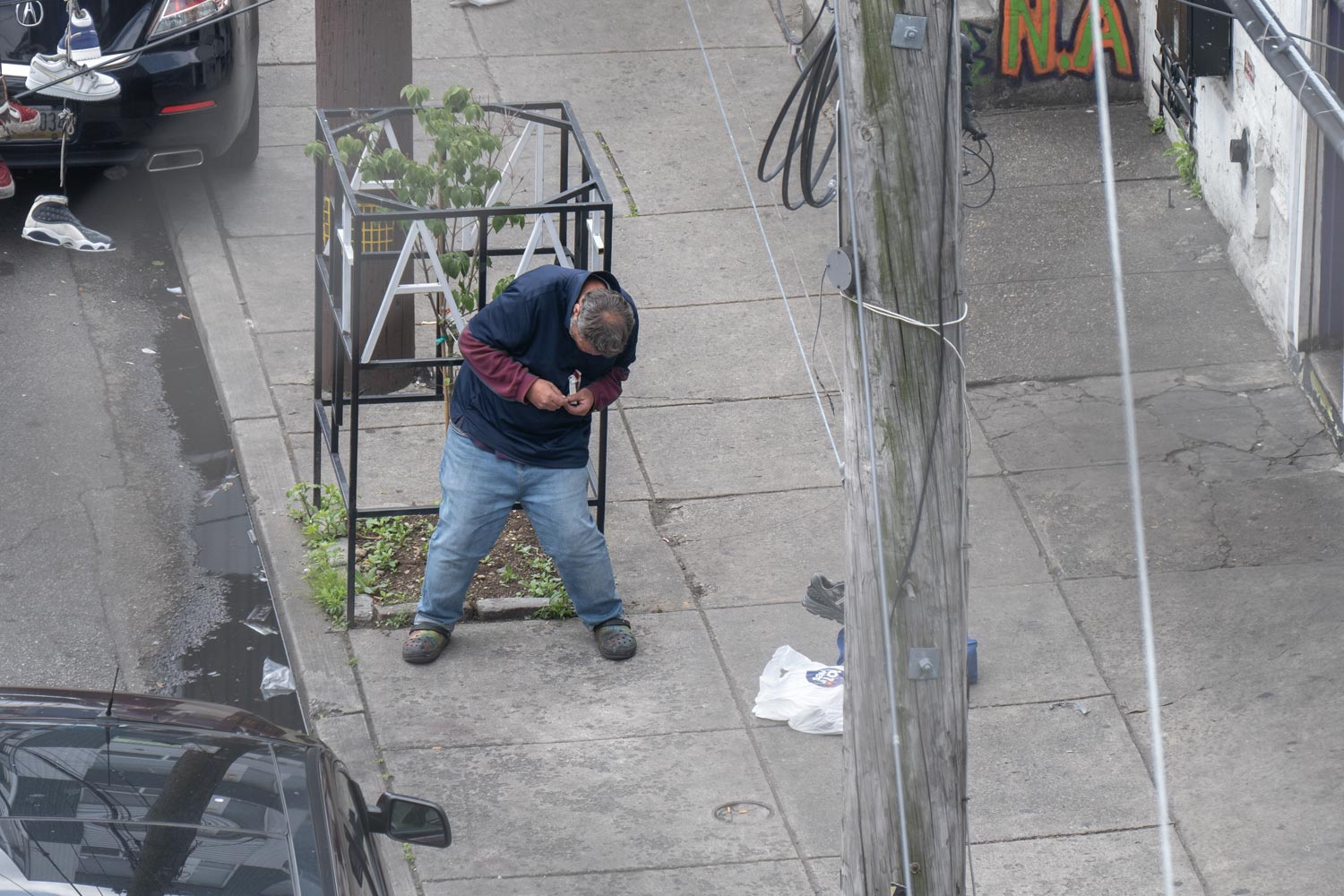
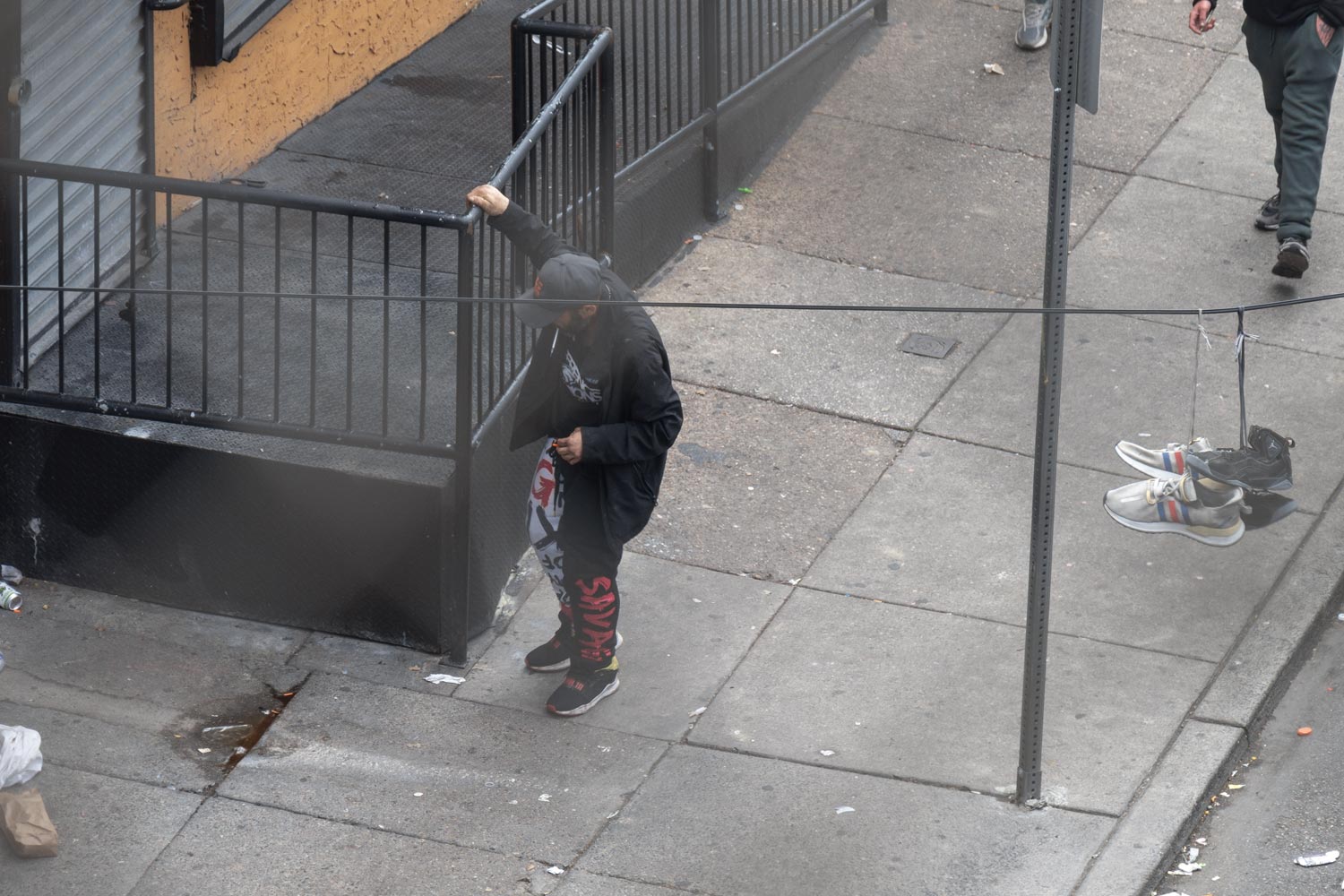
An even larger dose — and the person can no longer walk properly. They start grabbing handrails, leaning on walls, resting against trees. Their coordination is so impaired that even unwrapping a chocolate bar and eating it becomes difficult.
Finally, if the dose is really strong, the person just can’t take it and lies down on the ground wherever they are. Little things like the cold or sharp stones don’t bother them in that state. At such moments the addict feels so “good” that they can lie in the cold for many hours, freezing their limbs.
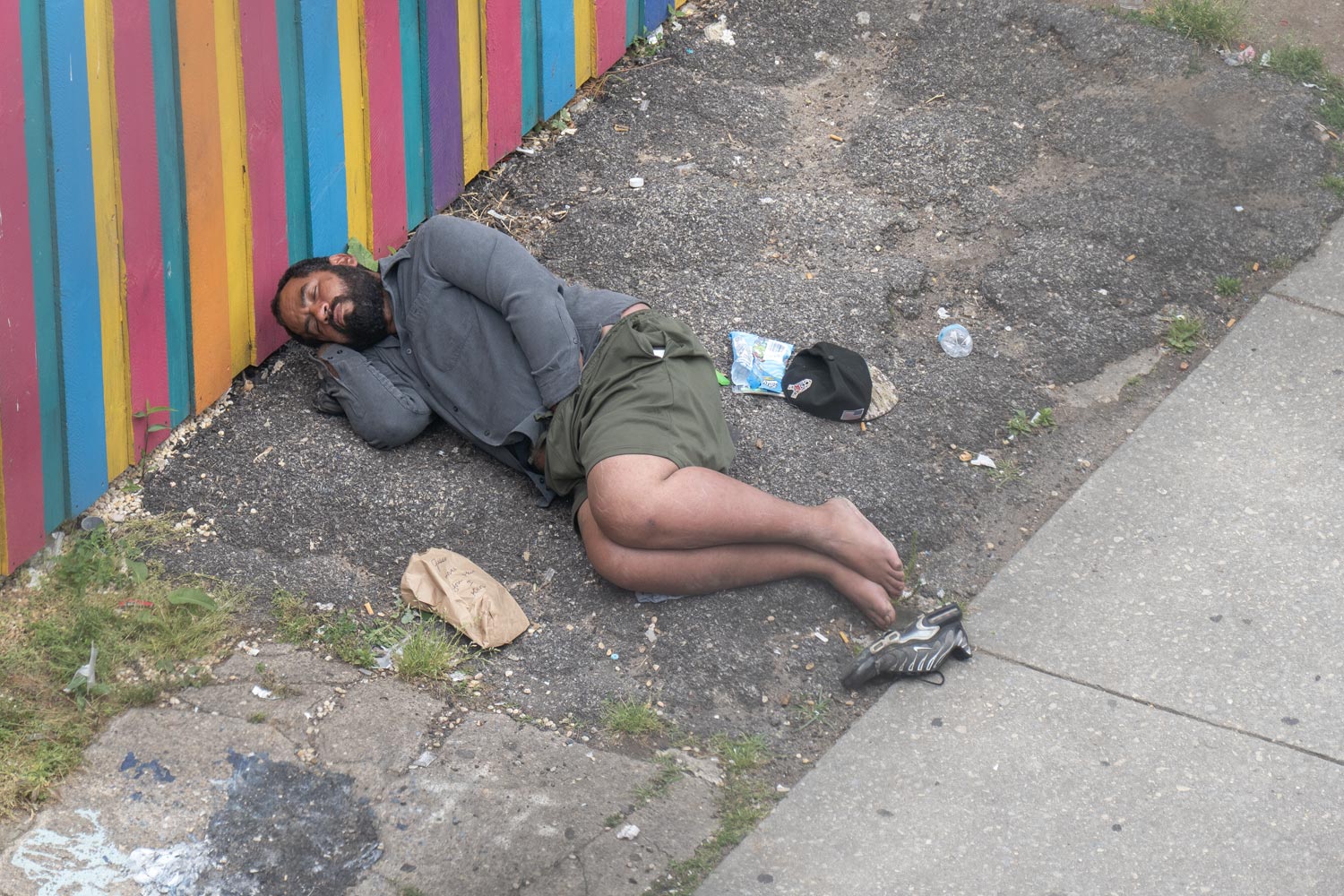
I told you: the place we’re headed is worse than any ghetto.
The author, who had been through the slums of Bangladesh and Kenya, seen primitive tribes in the Omo Valley, and filmed burning corpses in Varanasi, was morally devastated by what he saw in Philadelphia — the birthplace of the American Constitution.
Kensington is a real branch of hell on earth. People use drugs here right out in the open.
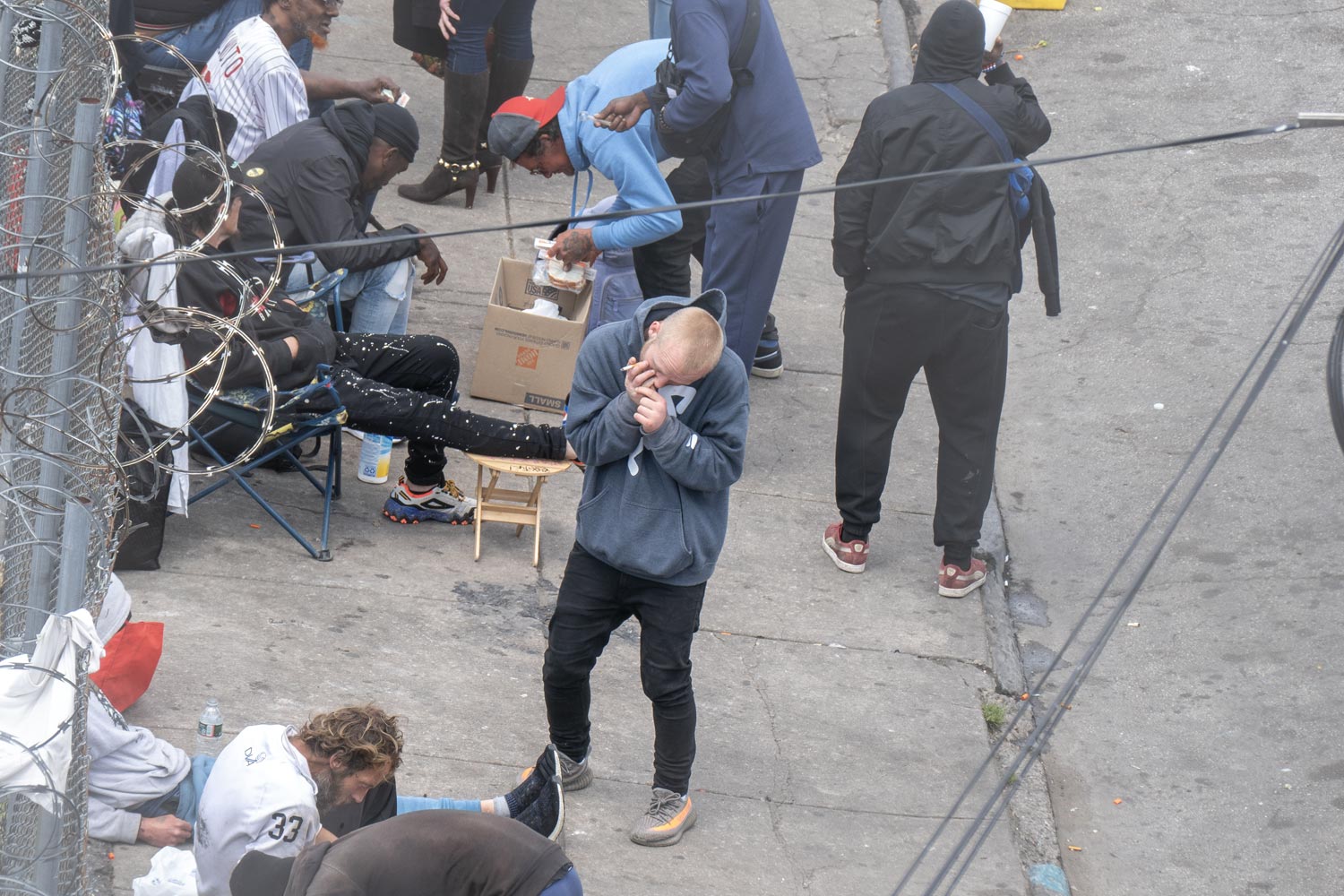
The streets are like a human swamp, clogged with half-alive people who have no idea where they are.
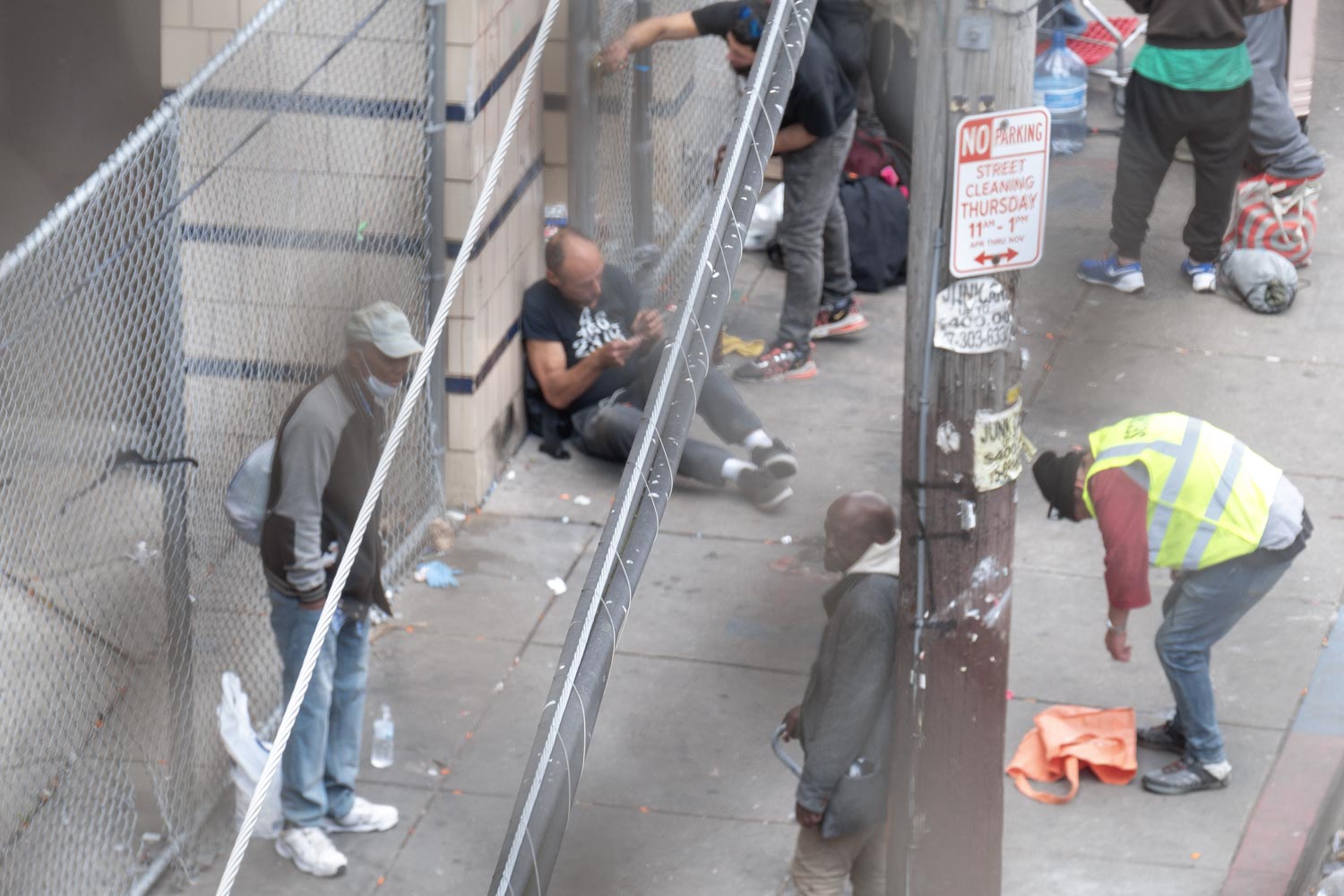
Fentanyl spares no one. Neither the old nor the young. Many addicts are elderly people who should be collecting their pensions and going fishing in the mornings.
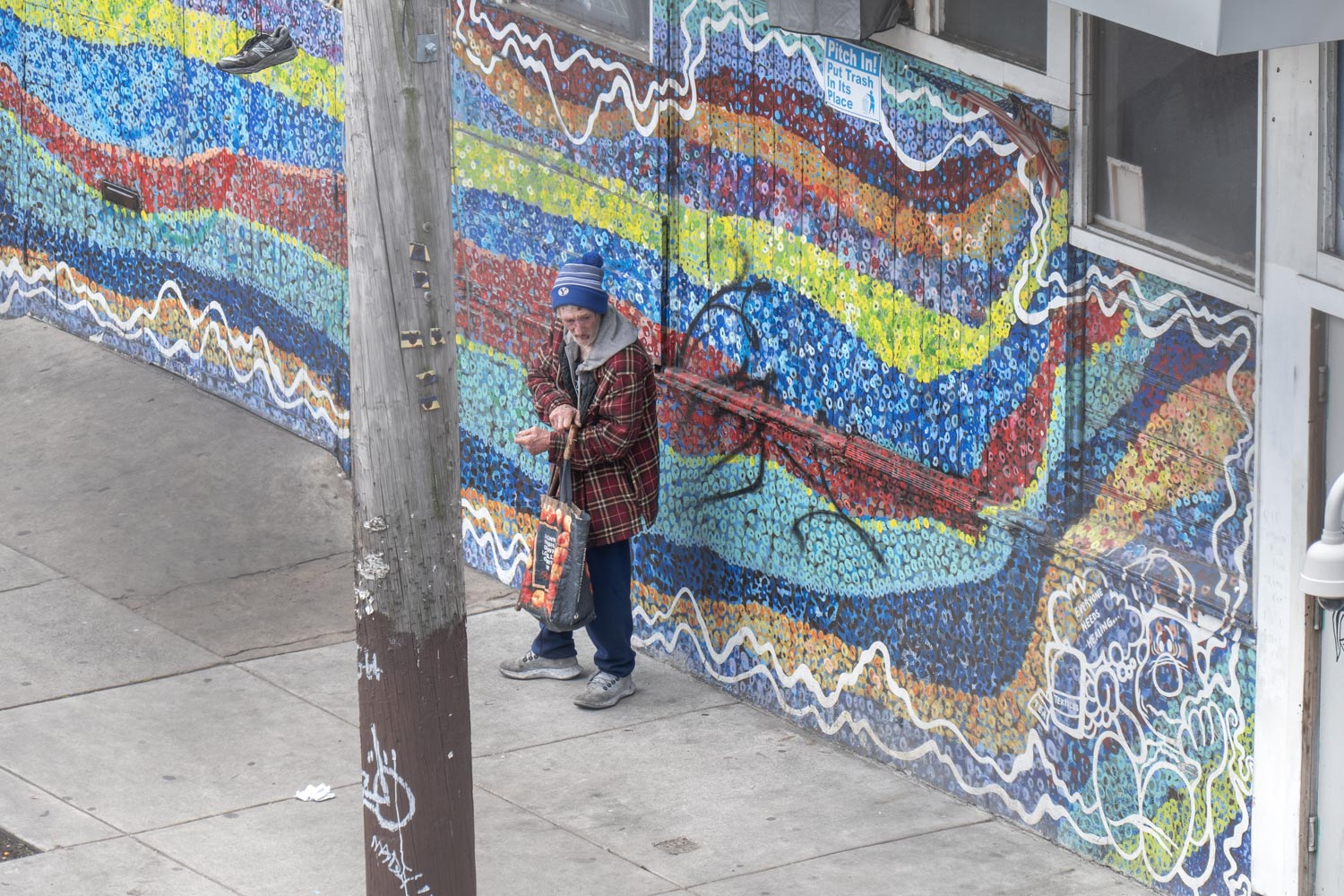
Others are the fathers and mothers of newborn children. It’s frightening to imagine what kind of person a child will grow into if they were unlucky enough to be born in Philadelphia.
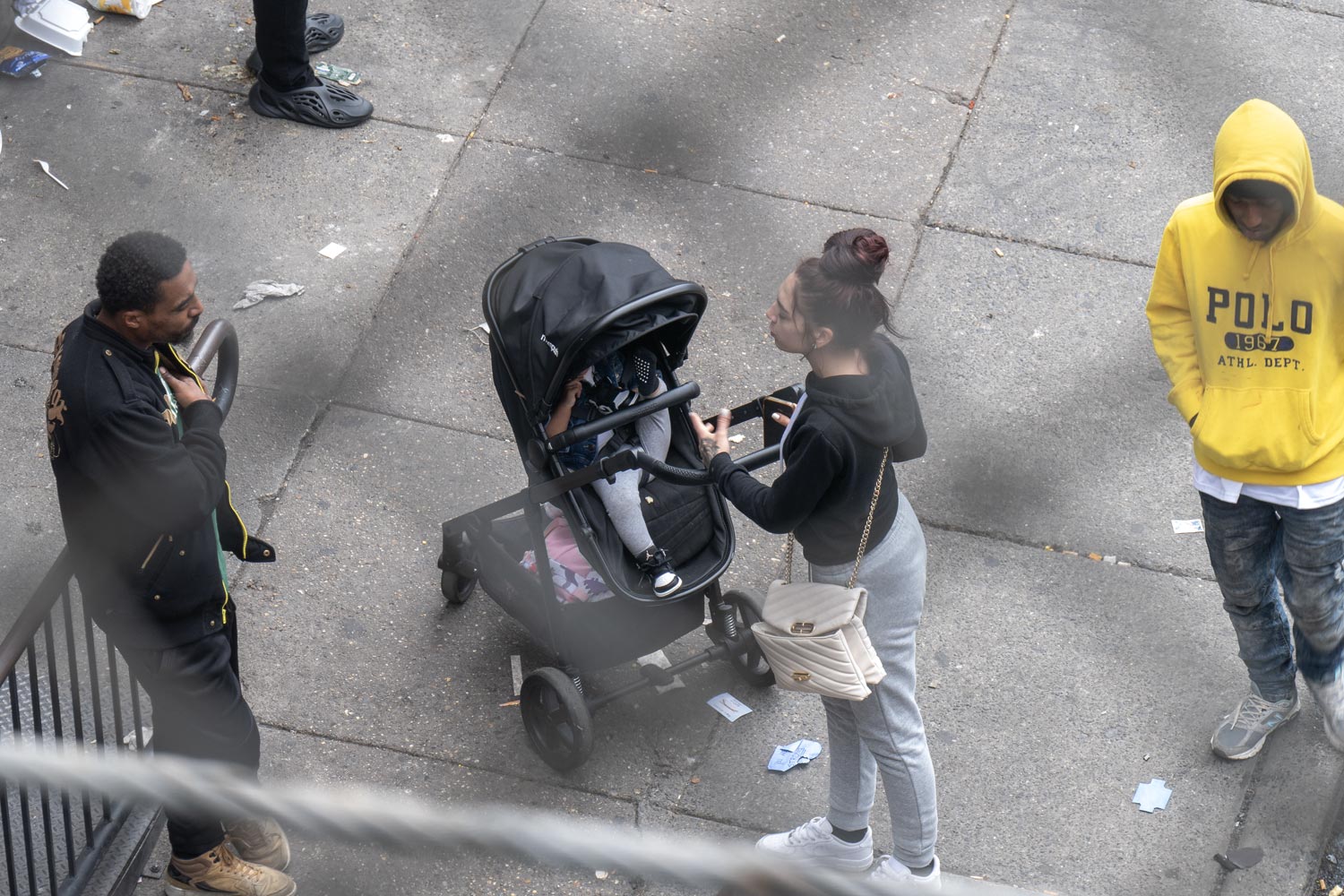
A young girl, a wheelchair user, an athletic-looking folk — anyone from Kensington might turn out, on closer inspection, to be a fentanyl addict.
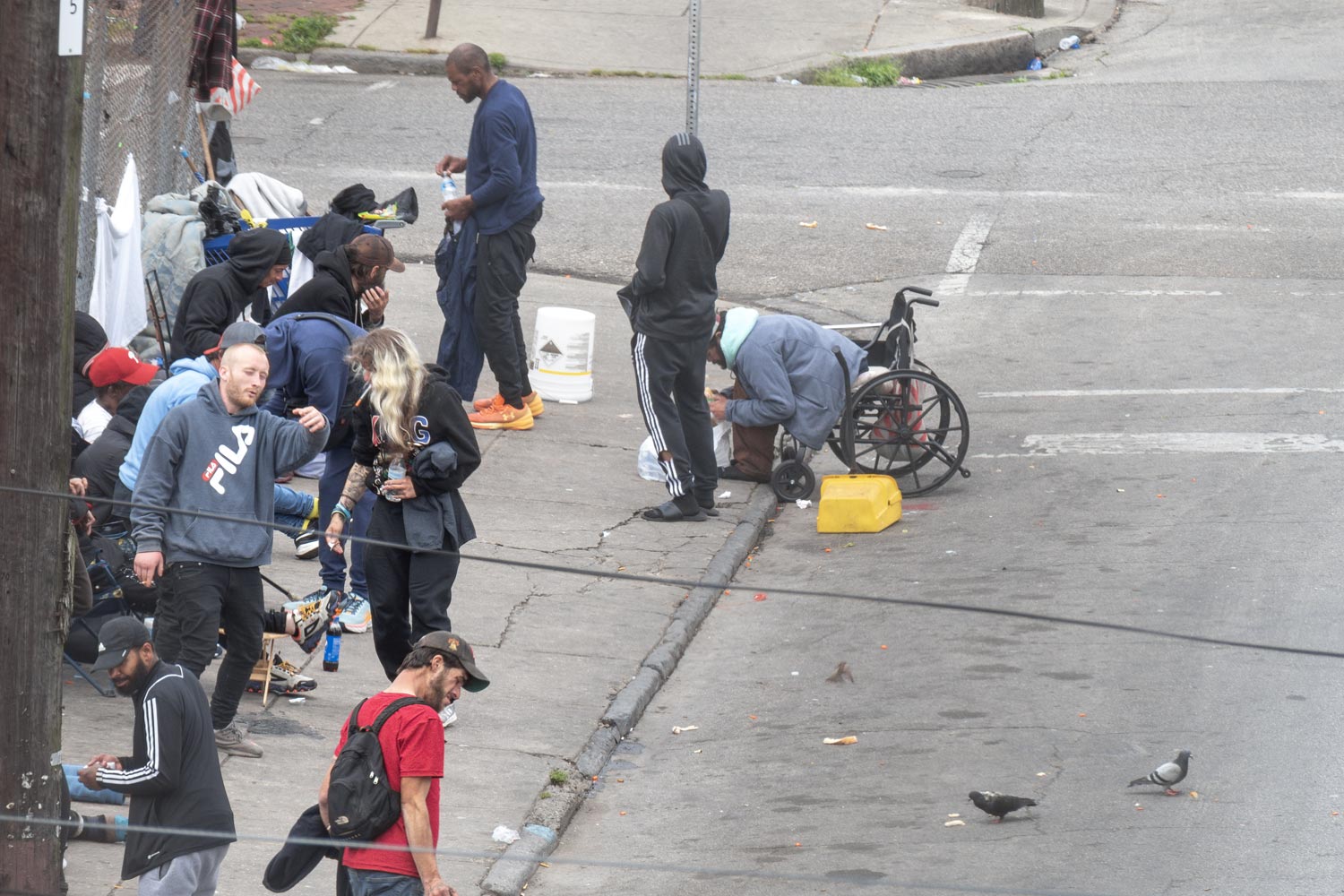
The reader can see that many of the shots were taken from some kind of cover. That’s right: I took them from an elevated metro station.
After walking a kilometer under the overpass with a big camera in my hands, I still didn’t dare to shoot the very heart of it. Although a person on fentanyl is hardly very dangerous (since they can barely walk), drug pushers operate on the streets of Kensington.
As I was approaching the epicenter of this swamp, someone in the crowd started shouting after me about the camera, and then one of those guys in hoodies seemed to move to cut me off. The situation felt dangerous, so I decided to slip into the metro station, where the police were on duty, and film from there instead.
Overall, Kensington isn’t just a den of vice; it’s an ordinary residential neighborhood. Among other things, there are also regular people living here who go to work and see all this horror every day.
Of course, there are buses running here and taxis driving around. There are also volunteers working, handing out food, clothes, and disposable syringes. So if you don’t come here lugging a huge camera, you can quietly film everything on your phone. Videos from here are easy to find online:
The last few meters the author walked exactly as shown in this video — literally stepping over lifeless bodies. The only thing more terrifying would probably be real corpses, but that’s already a matter of war.
But why did I go to Kensington? Was there any reason, apart from the desire to see, document, and show the reader yet another “real life”?
Oh, absolutely! According to the film’s plot, this is exactly where our hero lived — the unbeatable boxer Rocky Balboa.