
Baltimore
Baltimore is the largest city in the state of Maryland, but not its capital: the state government is in Annapolis.
The city was originally founded as a port and remains one to this day. During the colonial period, tobacco and grain were exported through it, while sugar and coffee were imported. Today it is one of the largest and most versatile ports in America.
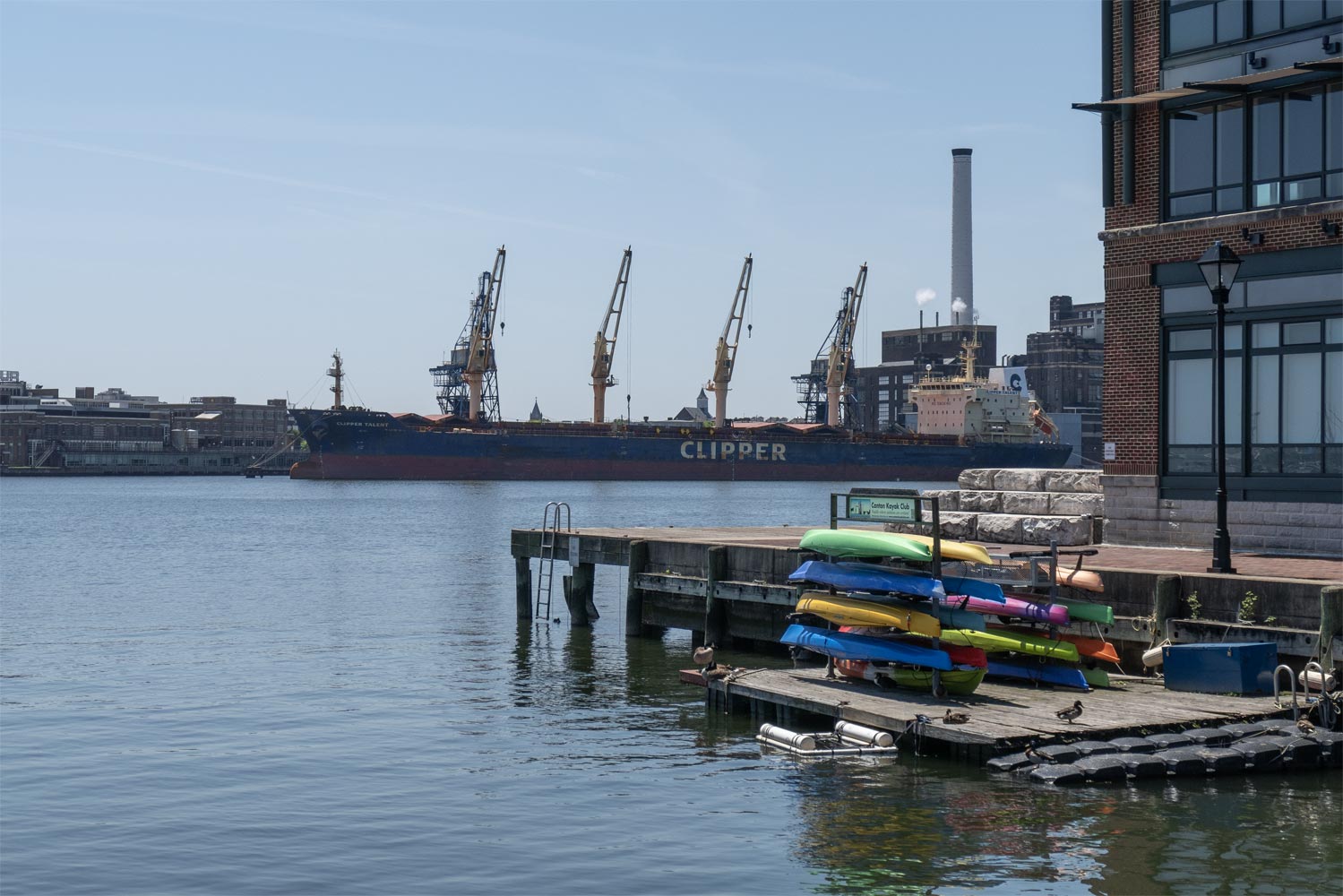
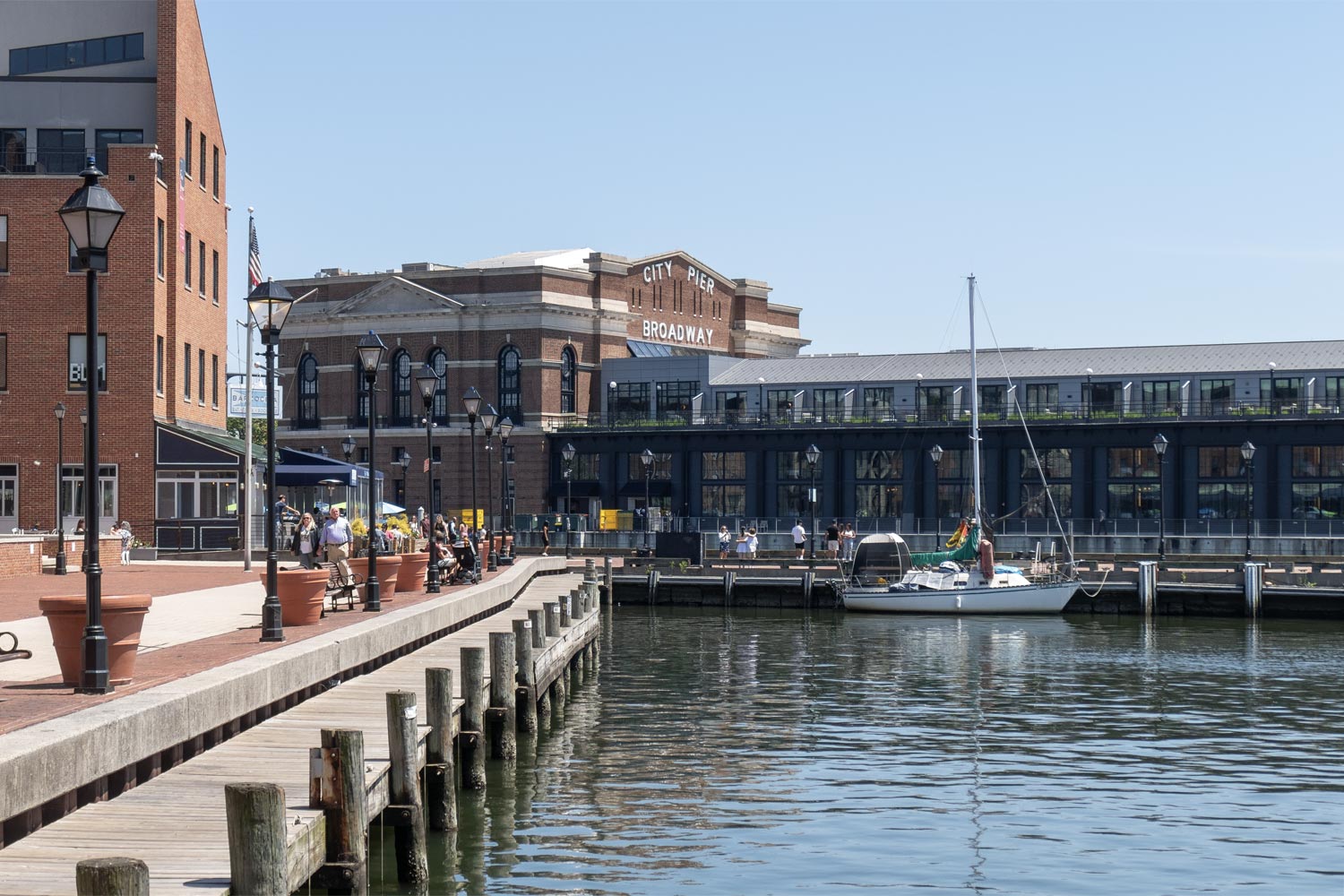
Of course, Baltimore has a waterfront — a rather pleasant one, with moored yachts and a pier.
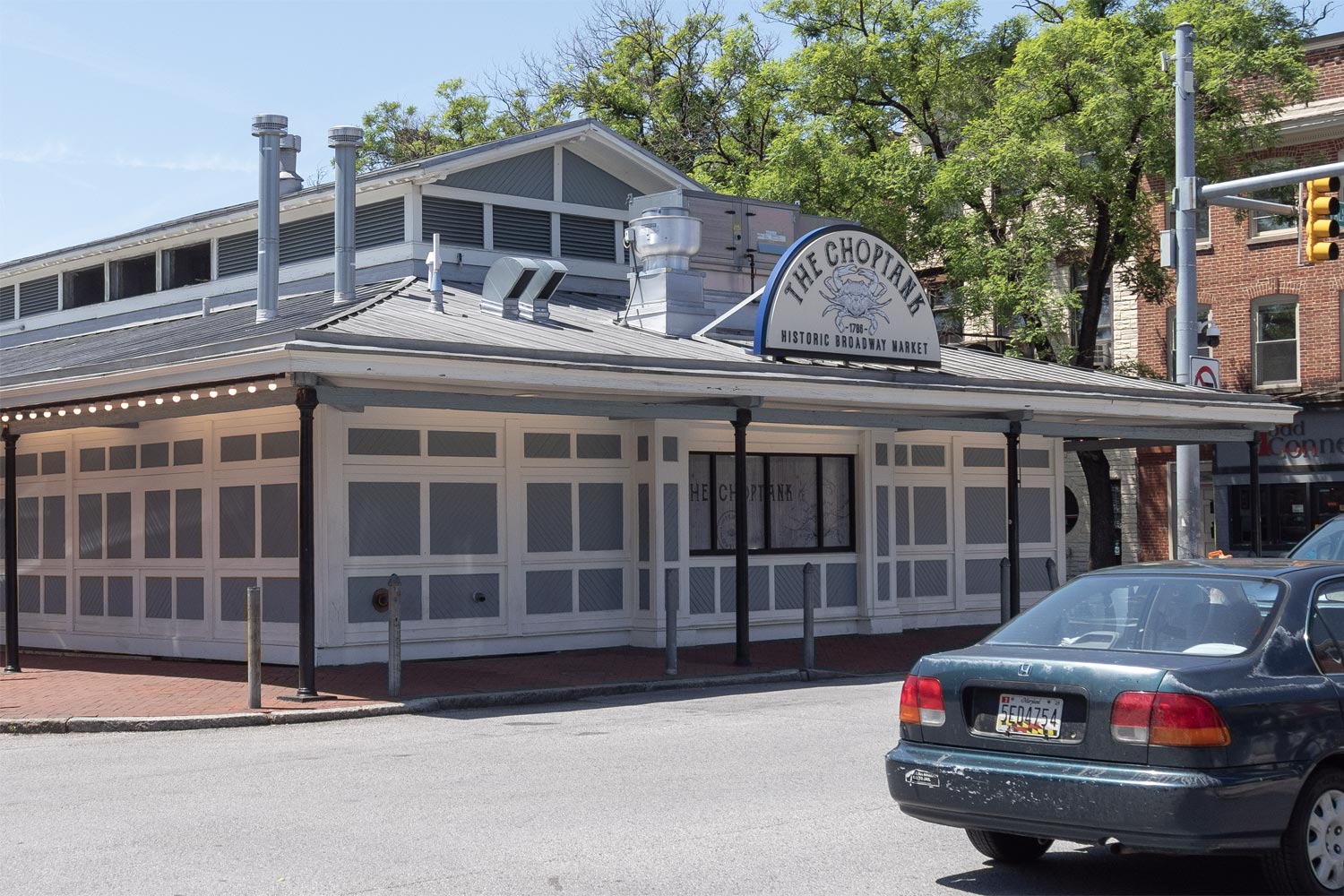
Of course, Baltimore is full of fish markets and restaurants that serve seafood.
There’s no real big downtown in Baltimore. It’s a pretty low-rise little city, similar to many other cities on the American West Coast, such as Richmond.
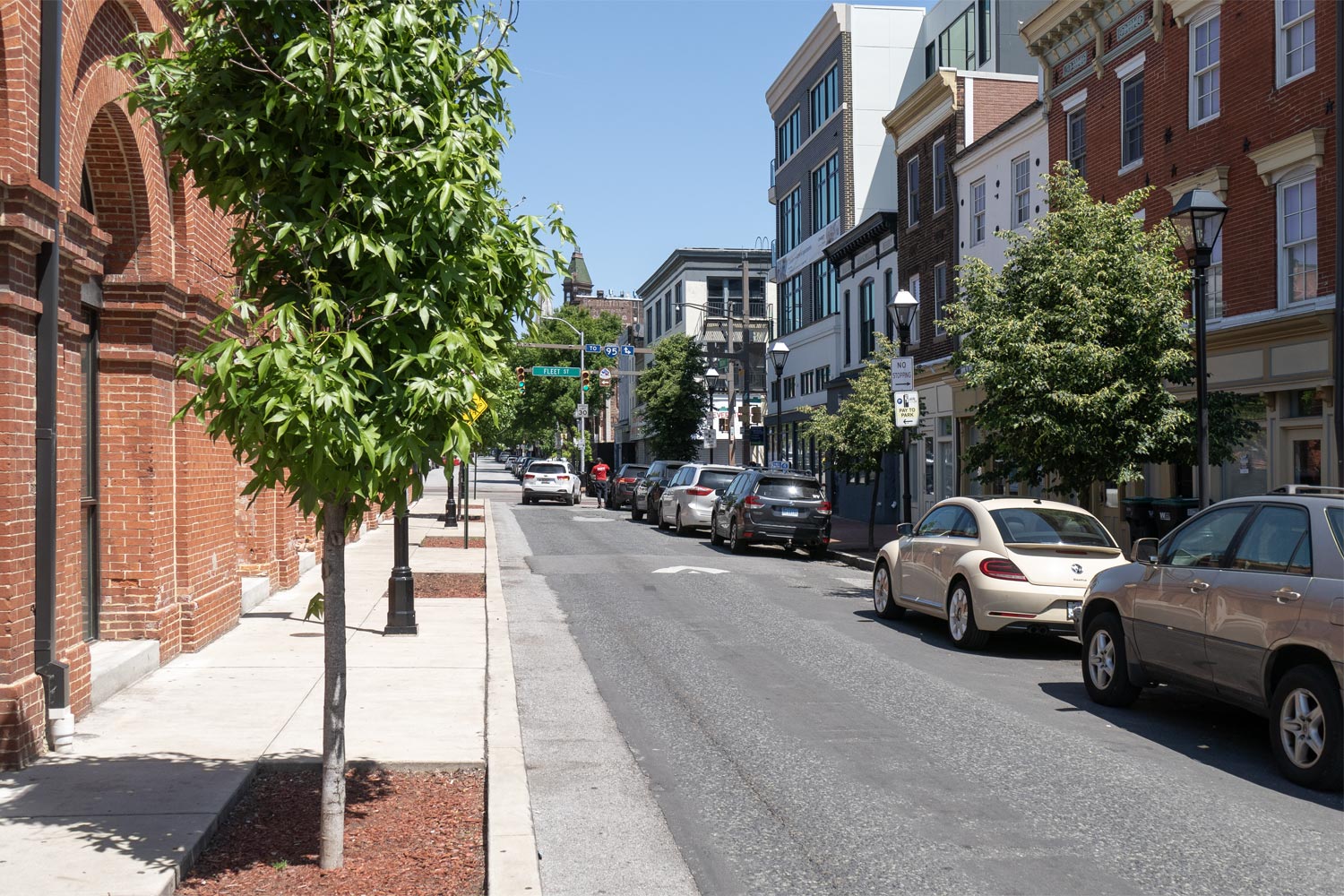
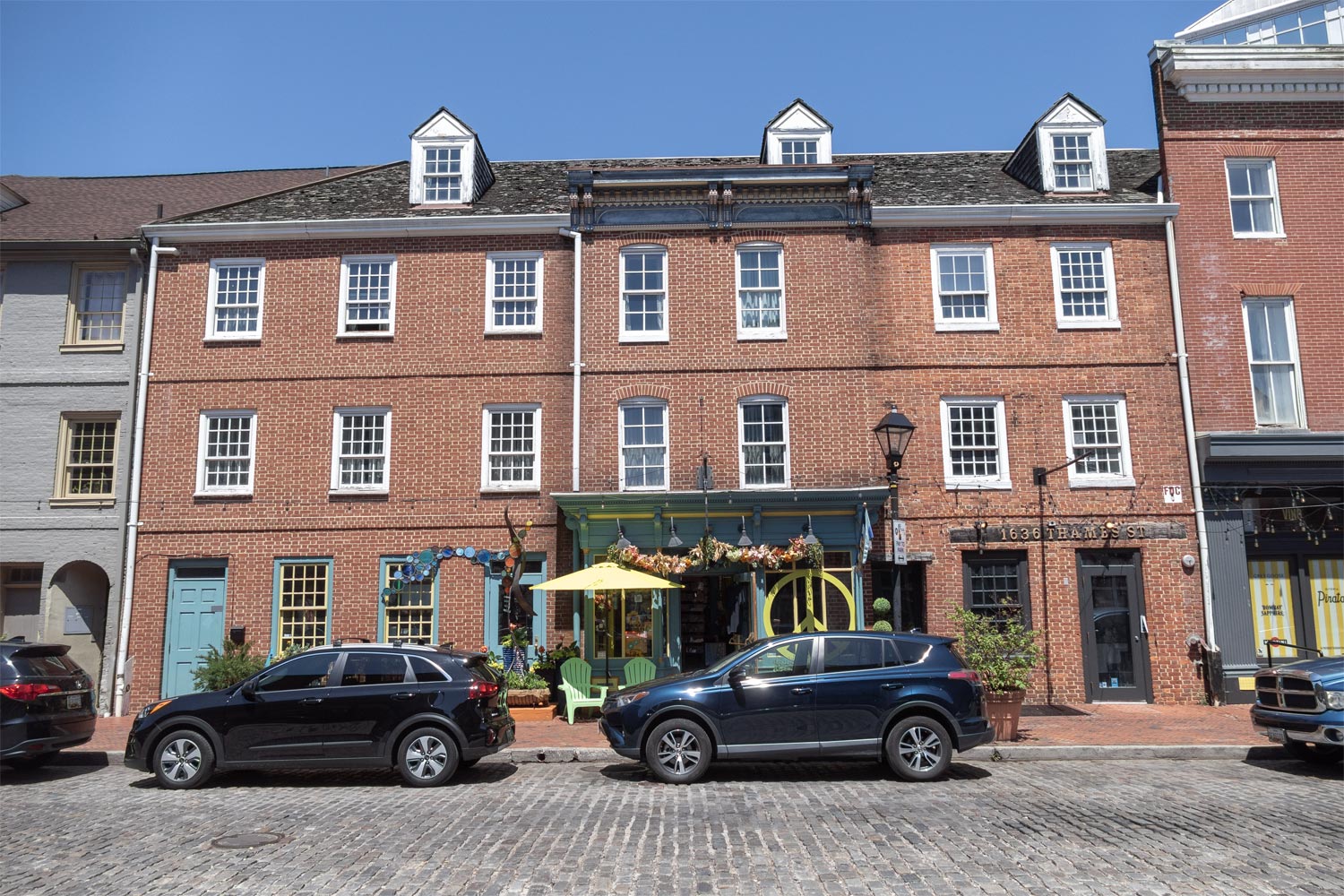
Downtown Baltimore is mostly built of red brick. You sometimes come across pretty decent murals on the walls, and the overall atmosphere is quite pleasant.
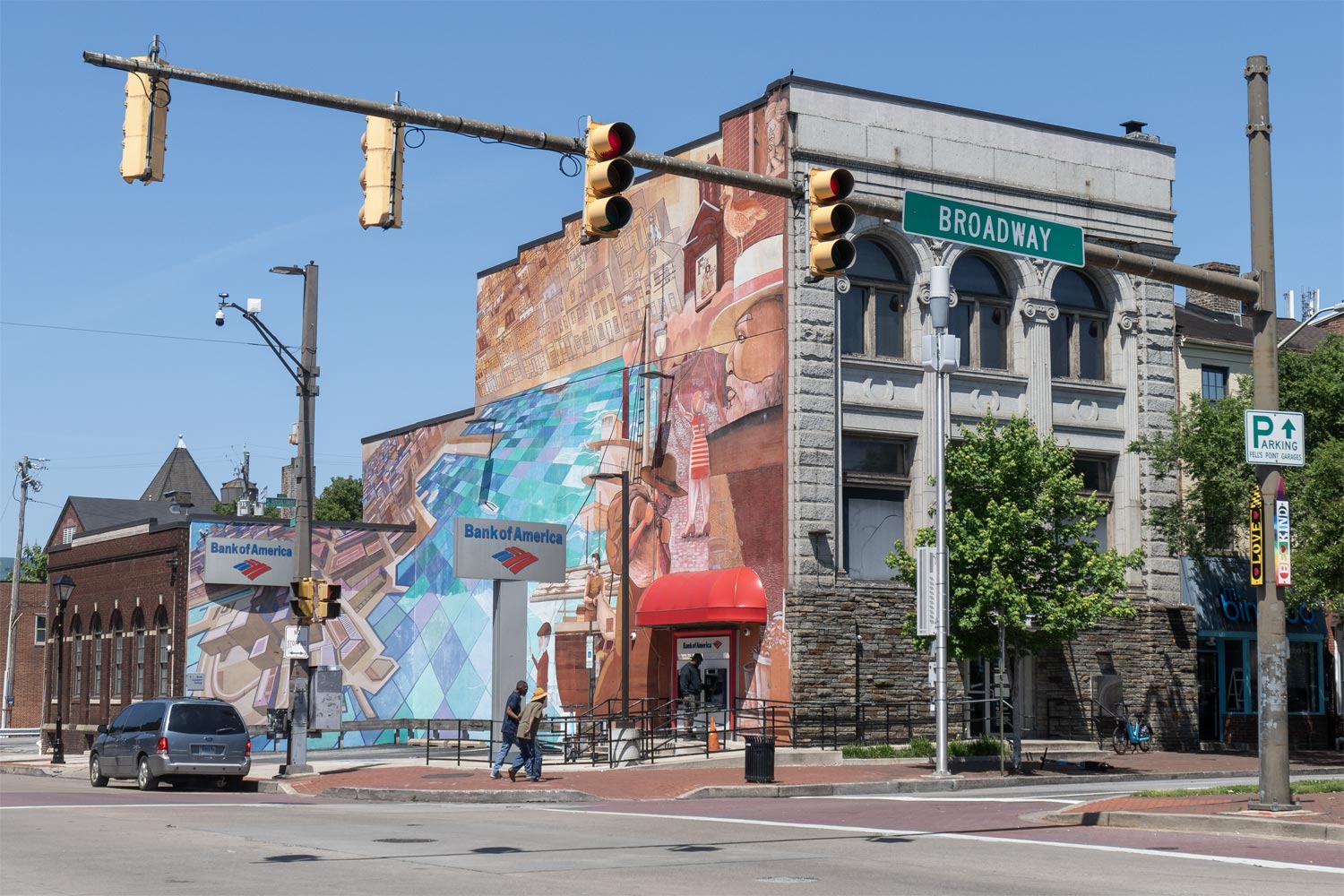
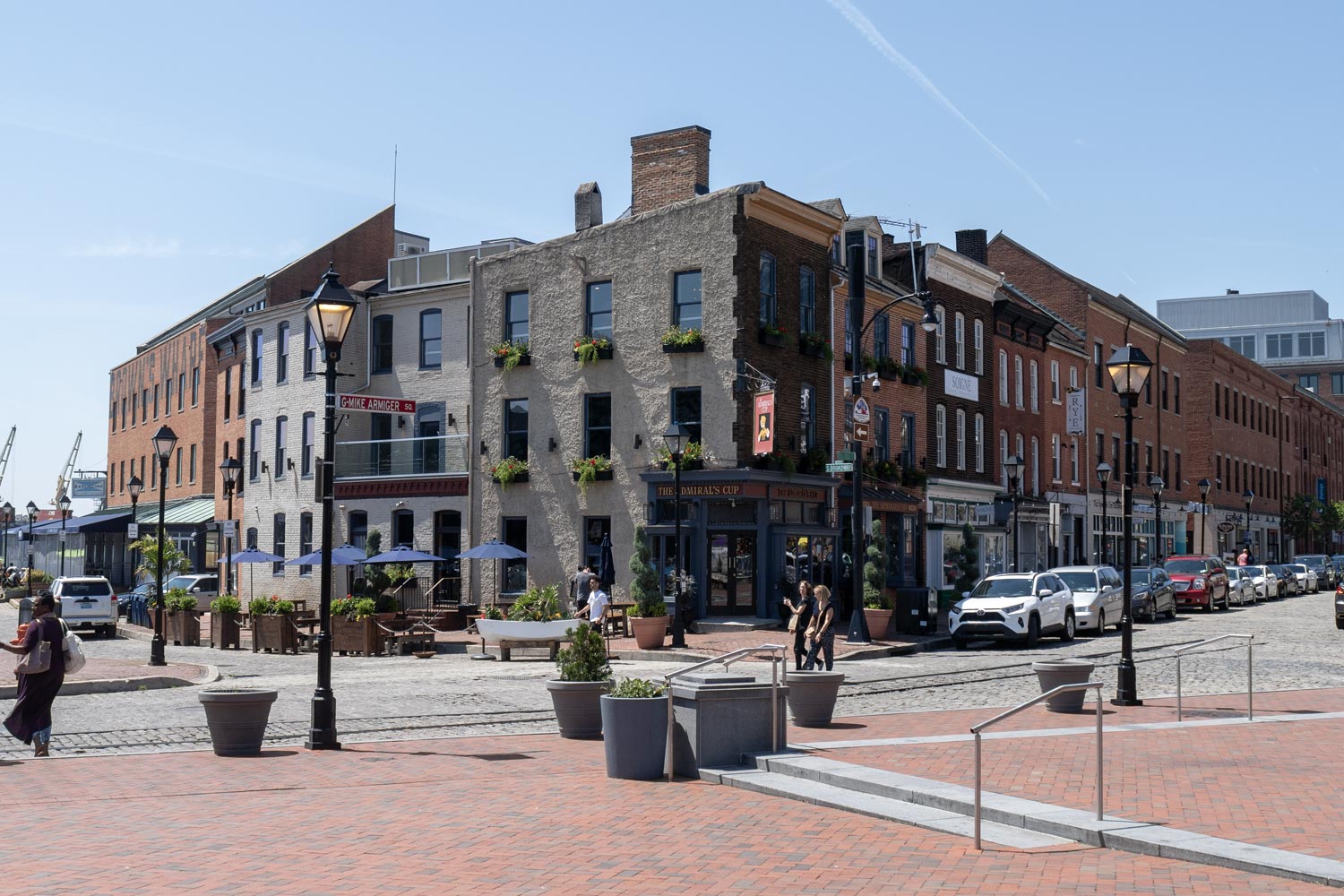
By U.S. standards, Baltimore is a very old city. It was founded all the way back in 1729. Few American cities can boast such an age.
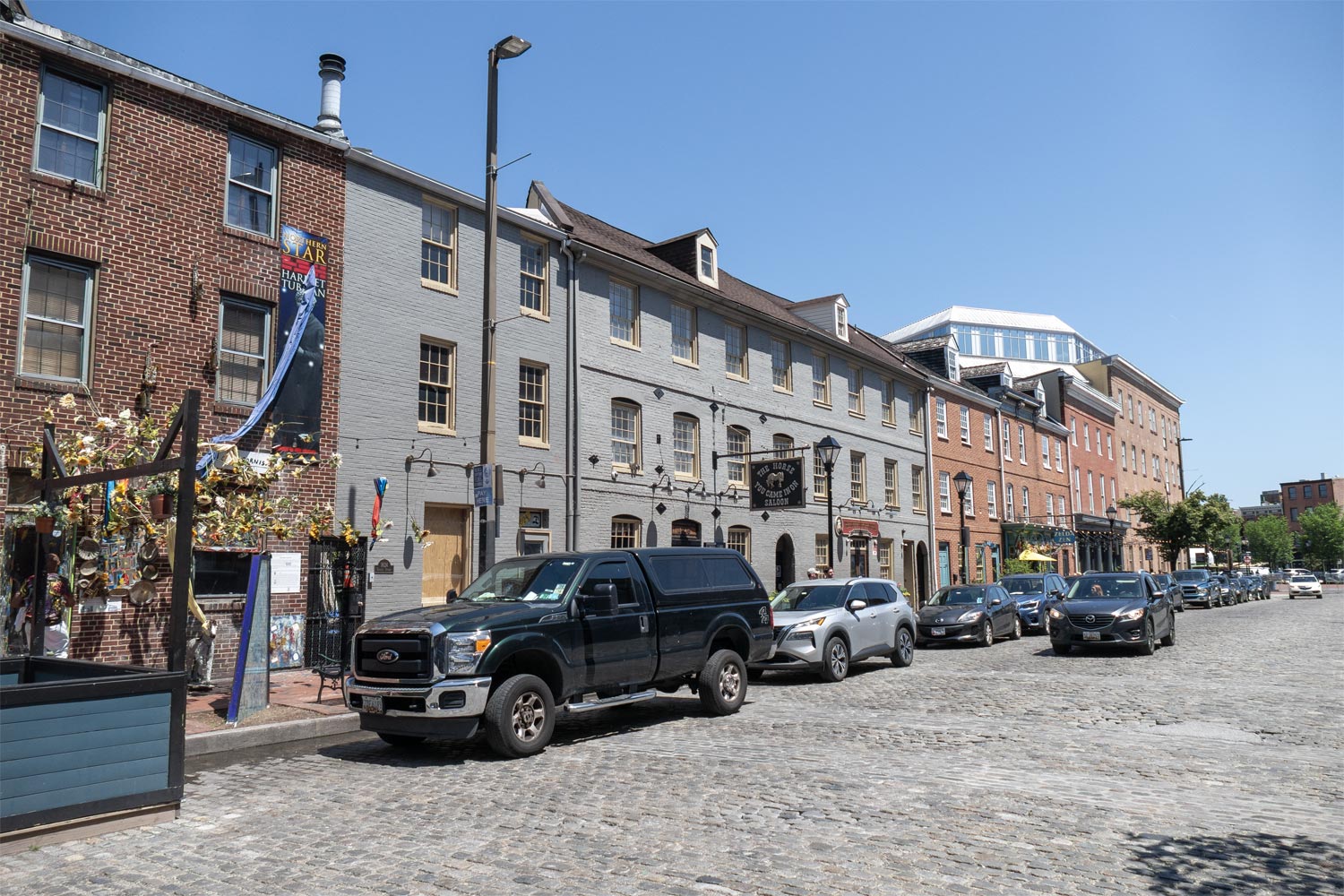
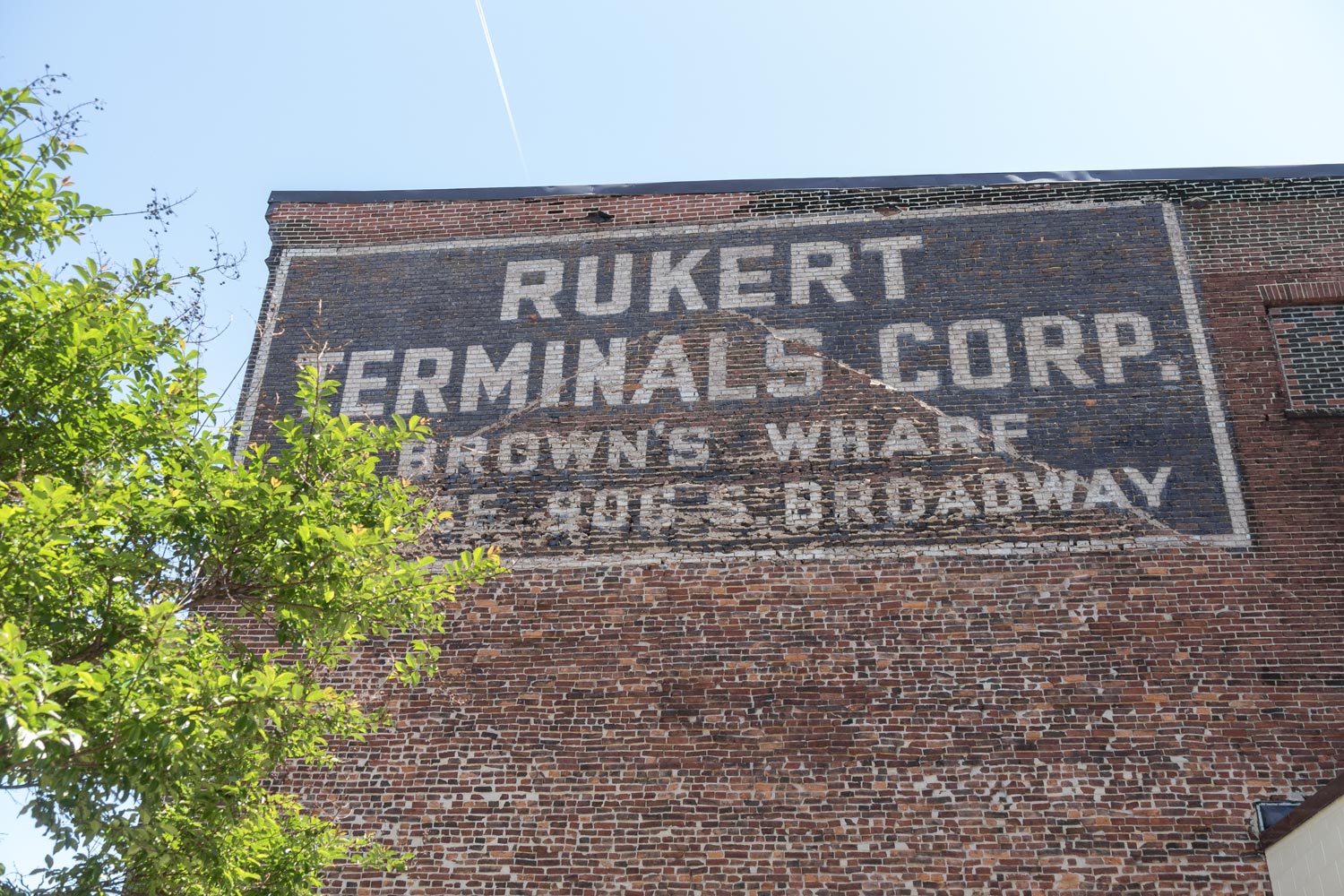
Occasionally, on this or that wall, you come across some surviving 19th‑century sign, but Baltimore is a far cry from Richmond’s abundance of such signs.
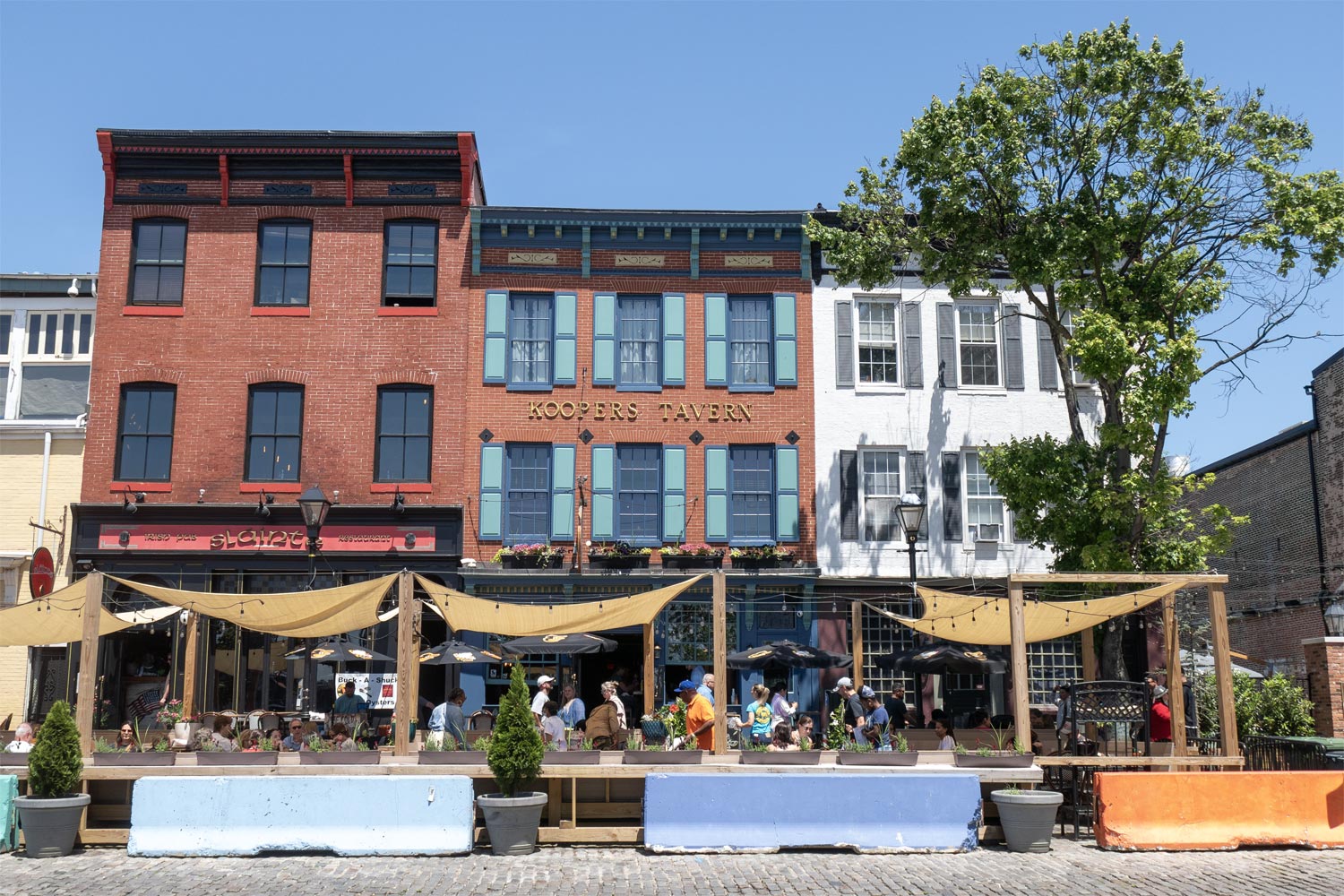
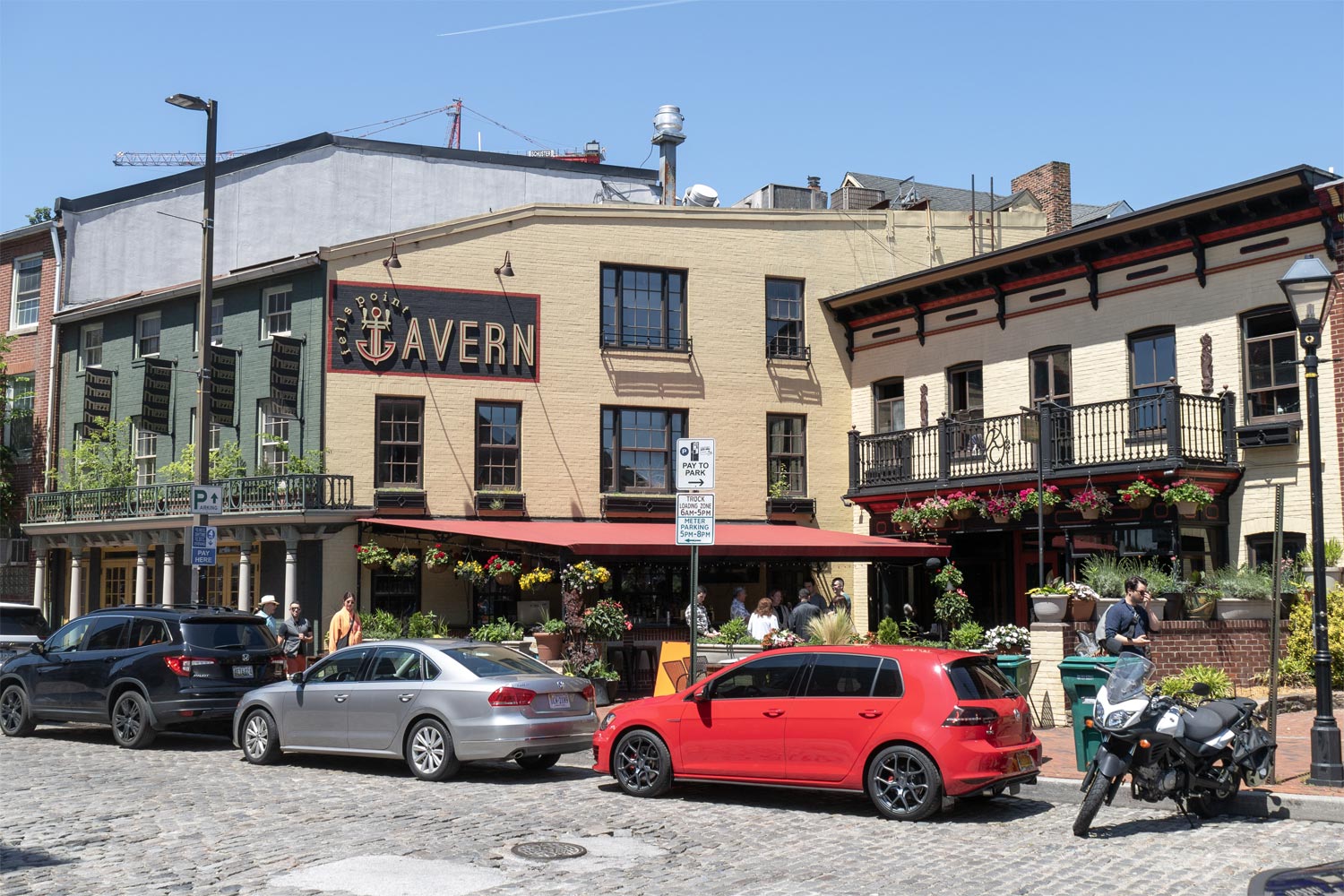
But there’s certainly no shortage in Baltimore of all kinds of cafés, restaurants, taverns, bistros, hole‑in‑the‑wall joints, and many other varieties of eateries.
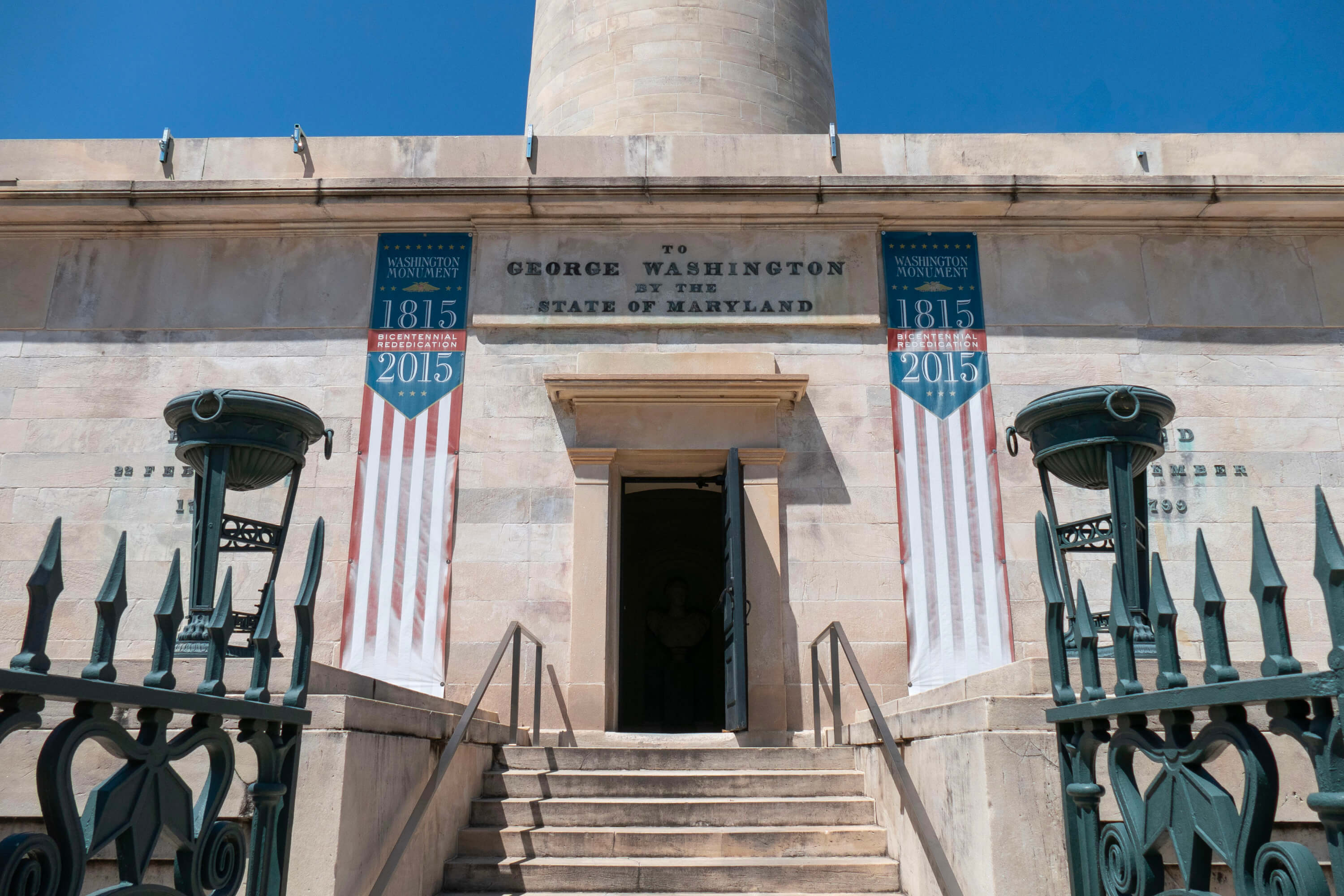
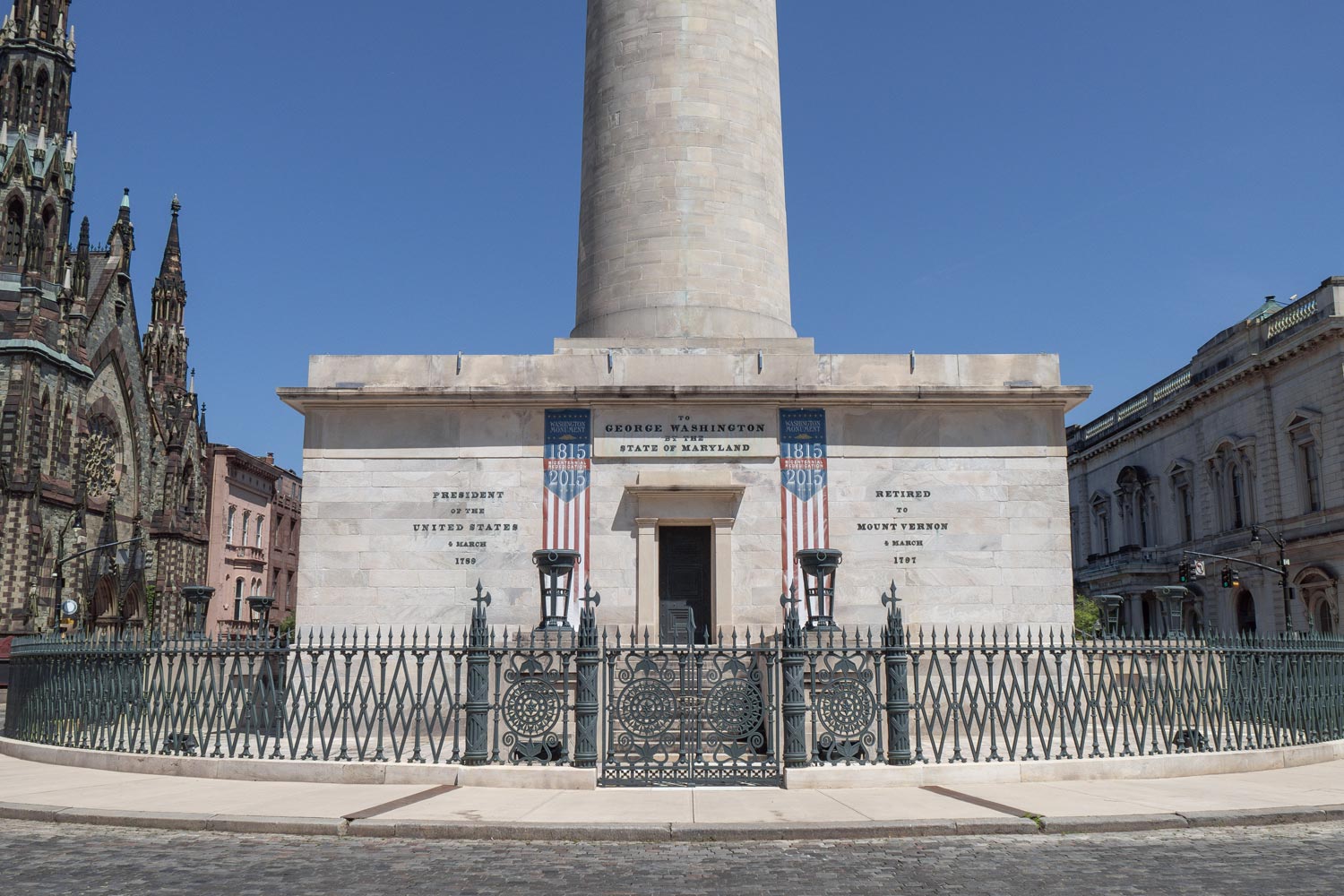
In the city center stands a tall stele dedicated to George Washington, and it is the first large monument in history erected in his honor.
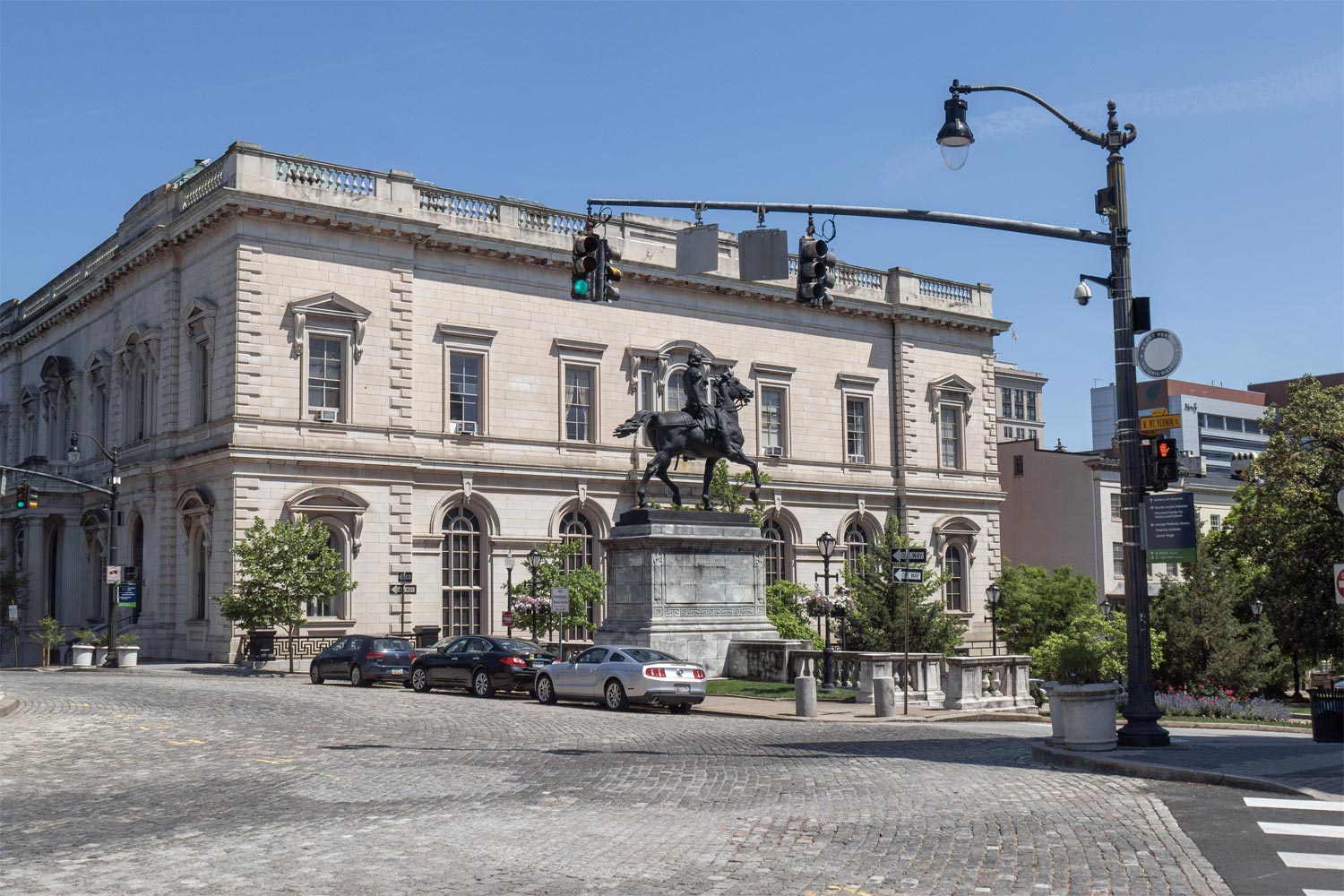
Here, you can also see a monument to General Lafayette — one of the main figures of the French Revolution, who also helped the United States in the War of Independence.
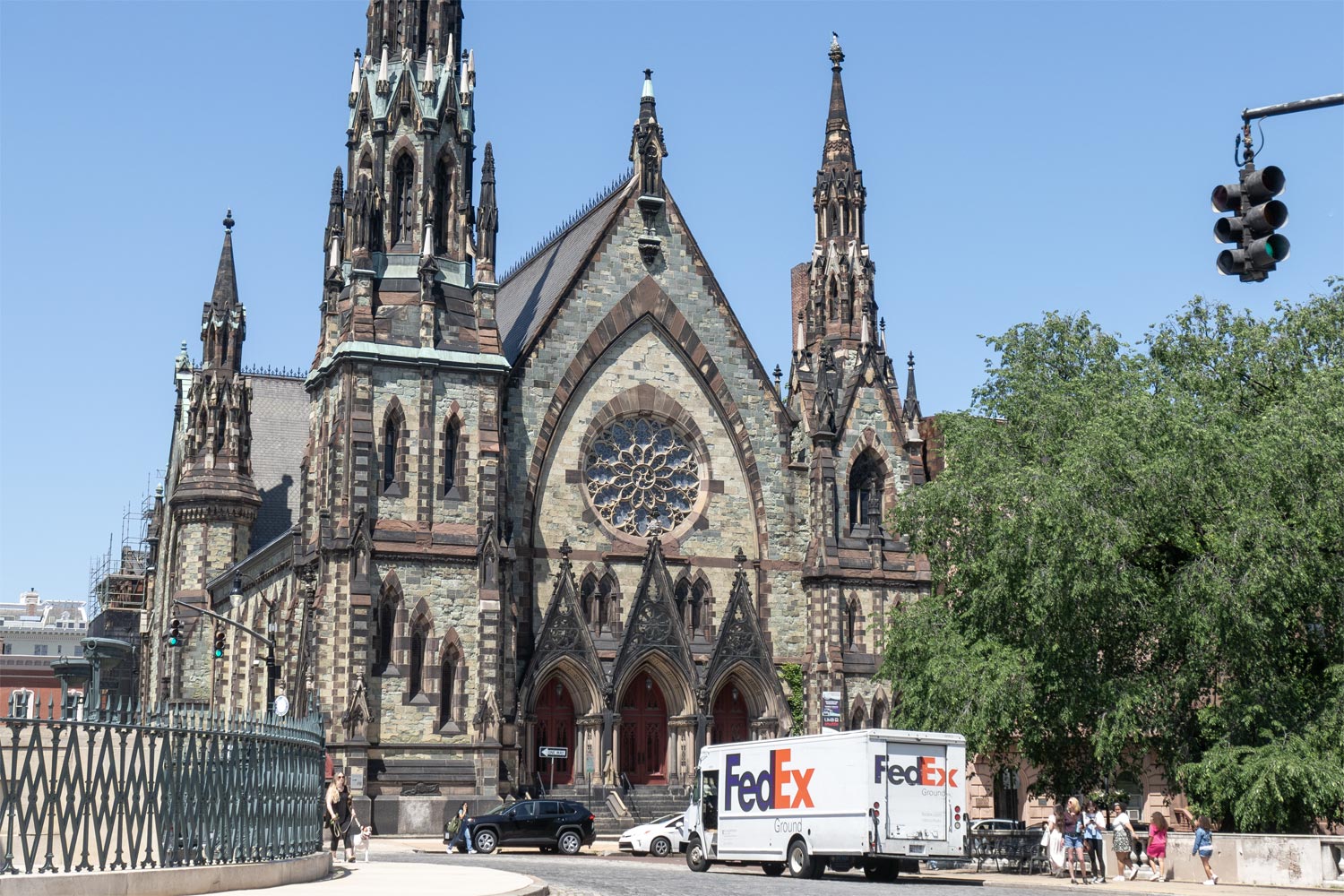
Finally, this lovely duo is complemented by a magnificent Gothic church built in 1872.
Despite its decent waterfront, cozy downtown, and beautiful monuments, Baltimore is a socially unstable city. While the downtown area is still relatively safe, the outlying neighborhoods rank among the most dangerous places in the United States.
One such neighborhood is Hopkins–Middle East in the northeast of the city. Ironically, this area is home to Johns Hopkins University, one of the world’s leaders in medicine and public health.
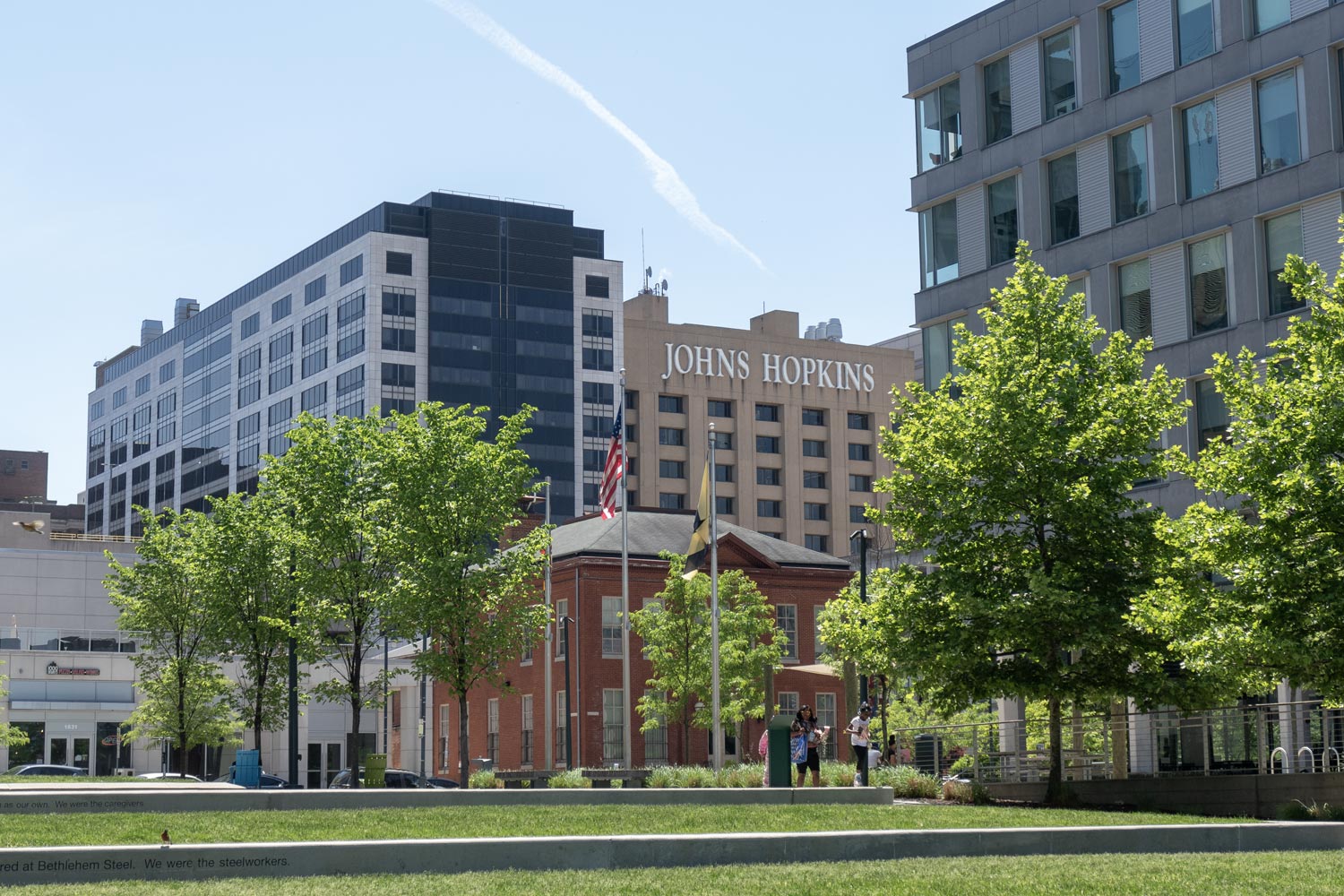
Literally opposite the university there is a park that a few years ago was marked on the map as the most dangerous block in the city. It’s strange, because the park looks quite pleasant and shows no signs of crime.
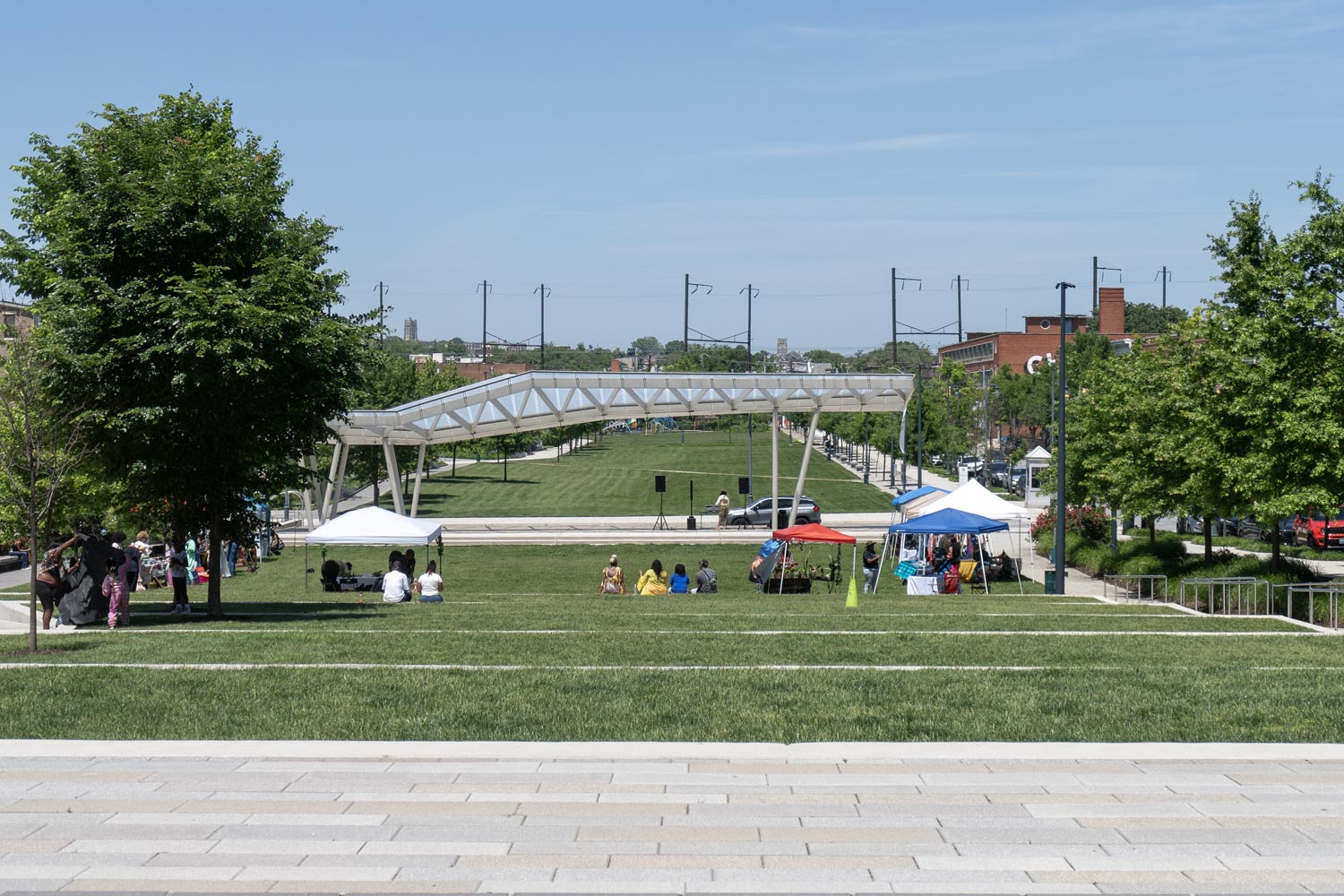
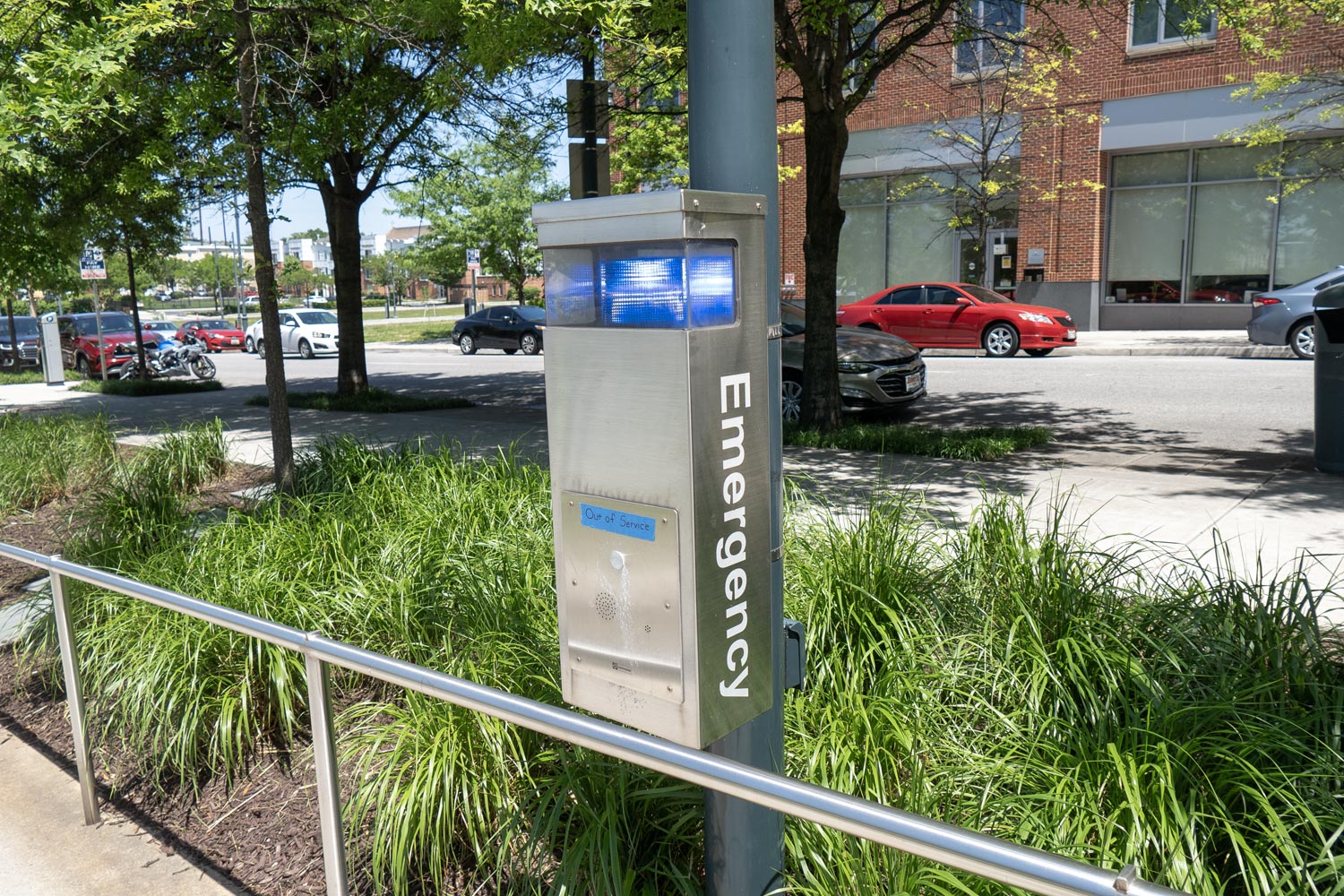
But still, the panic button suggests that this is not made up.
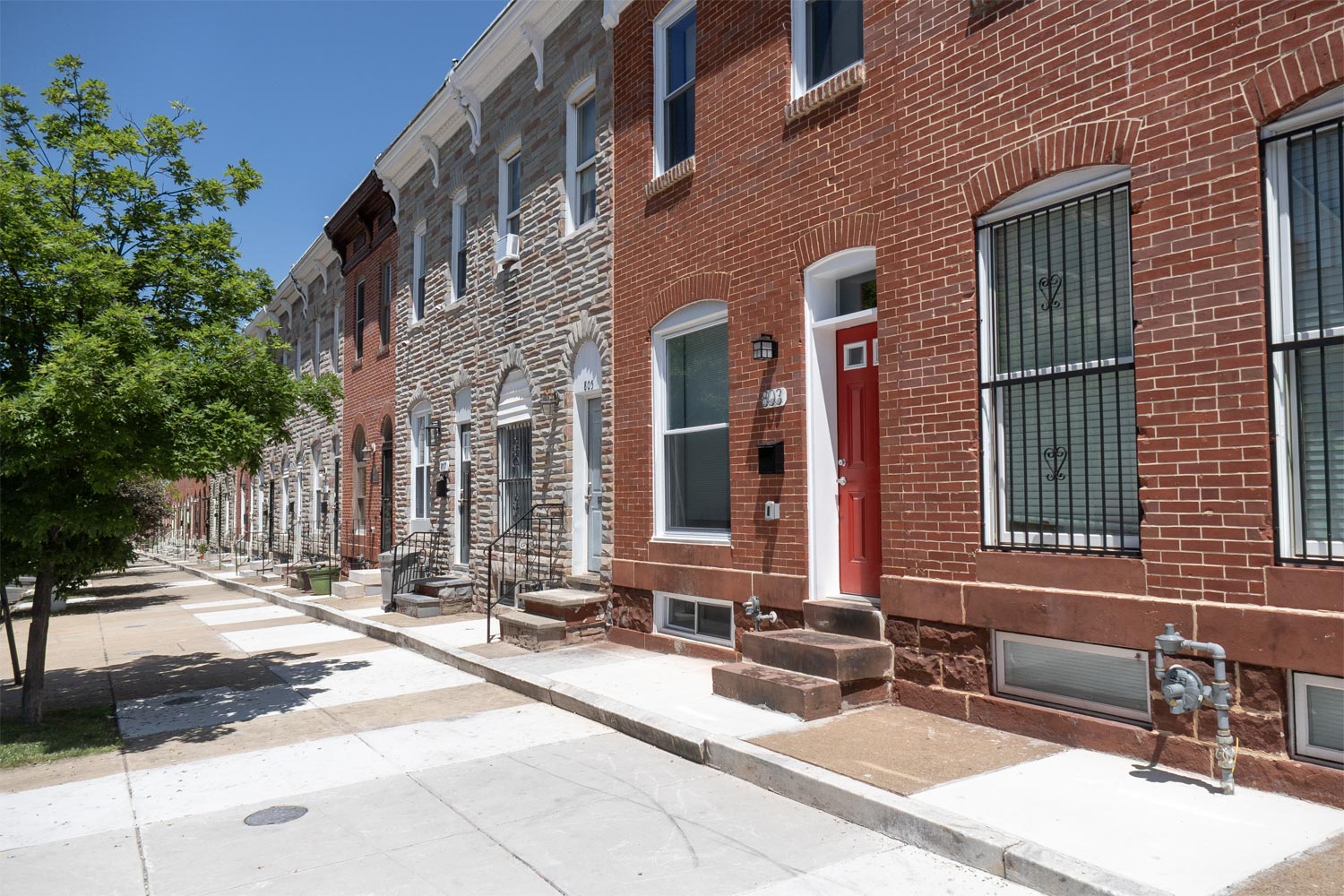
Along the park stands a neat row of townhouses. To a reader who has never lived in the United States, this housing might seem quite decent. But don’t look at the brickwork. Pay attention to the window bars, the lack of a porch, and the fact that the apartment opens directly onto the street. This is very poor housing.
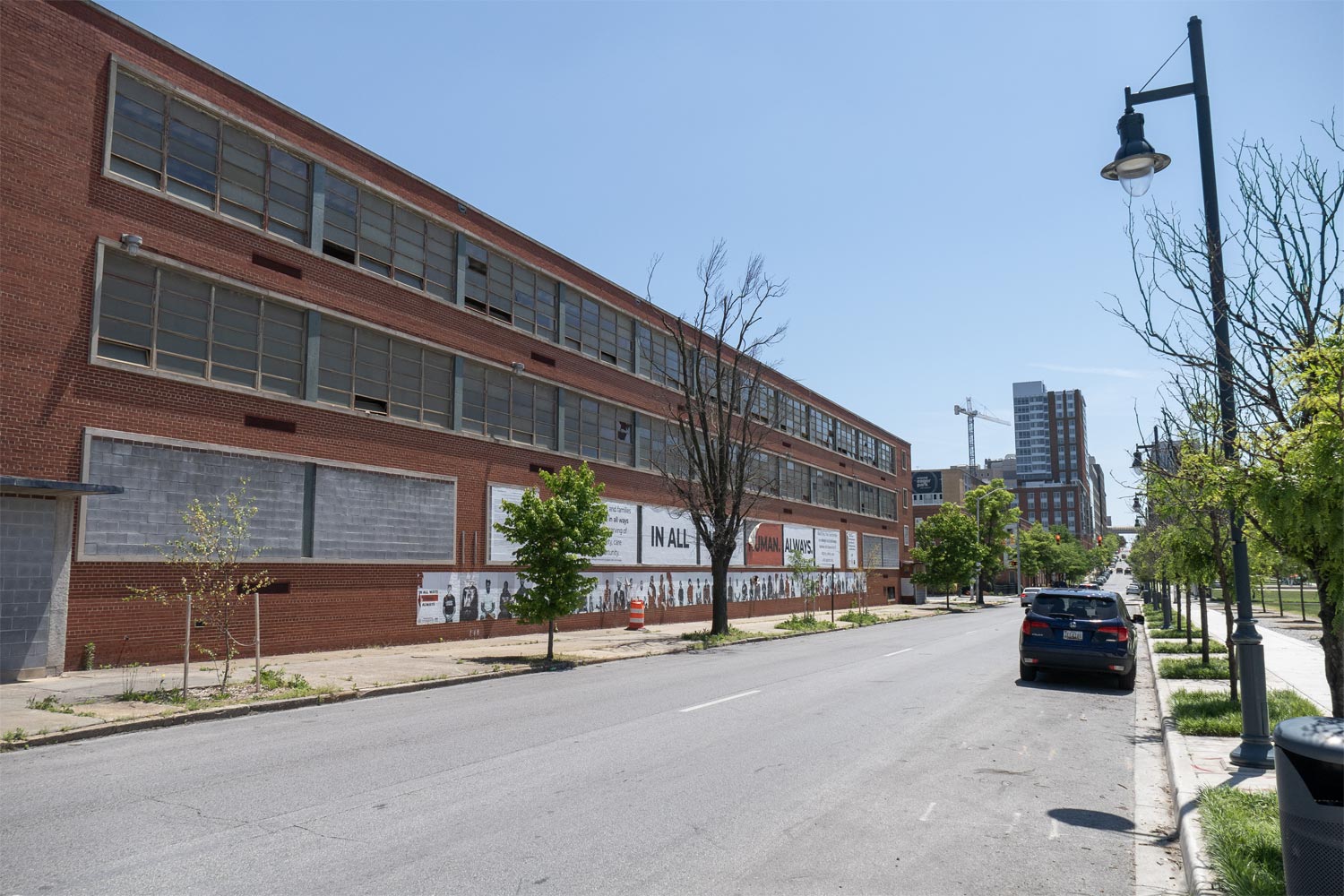
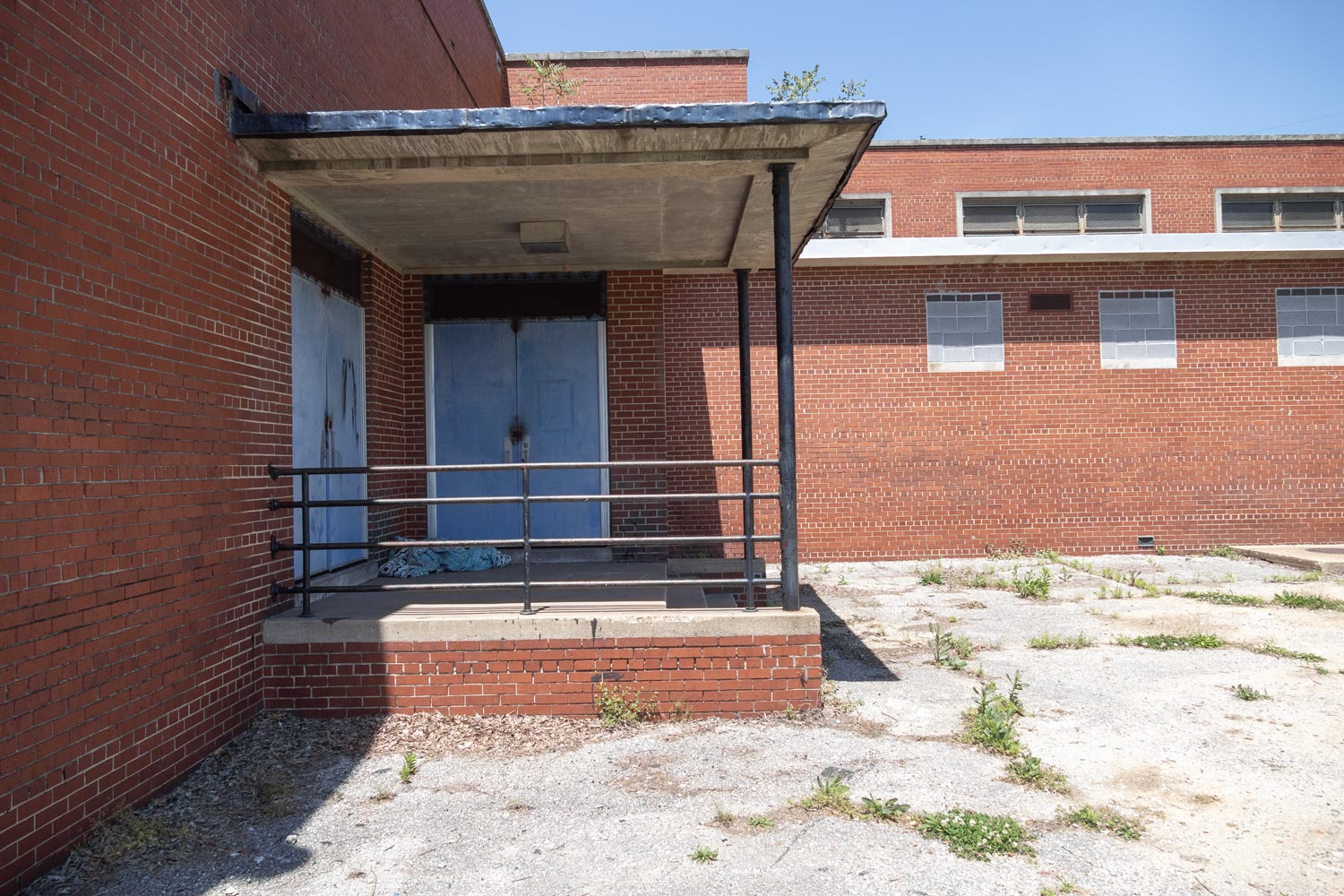
Across the road from the townhouses there was a building of some old factory with its windows smashed out.
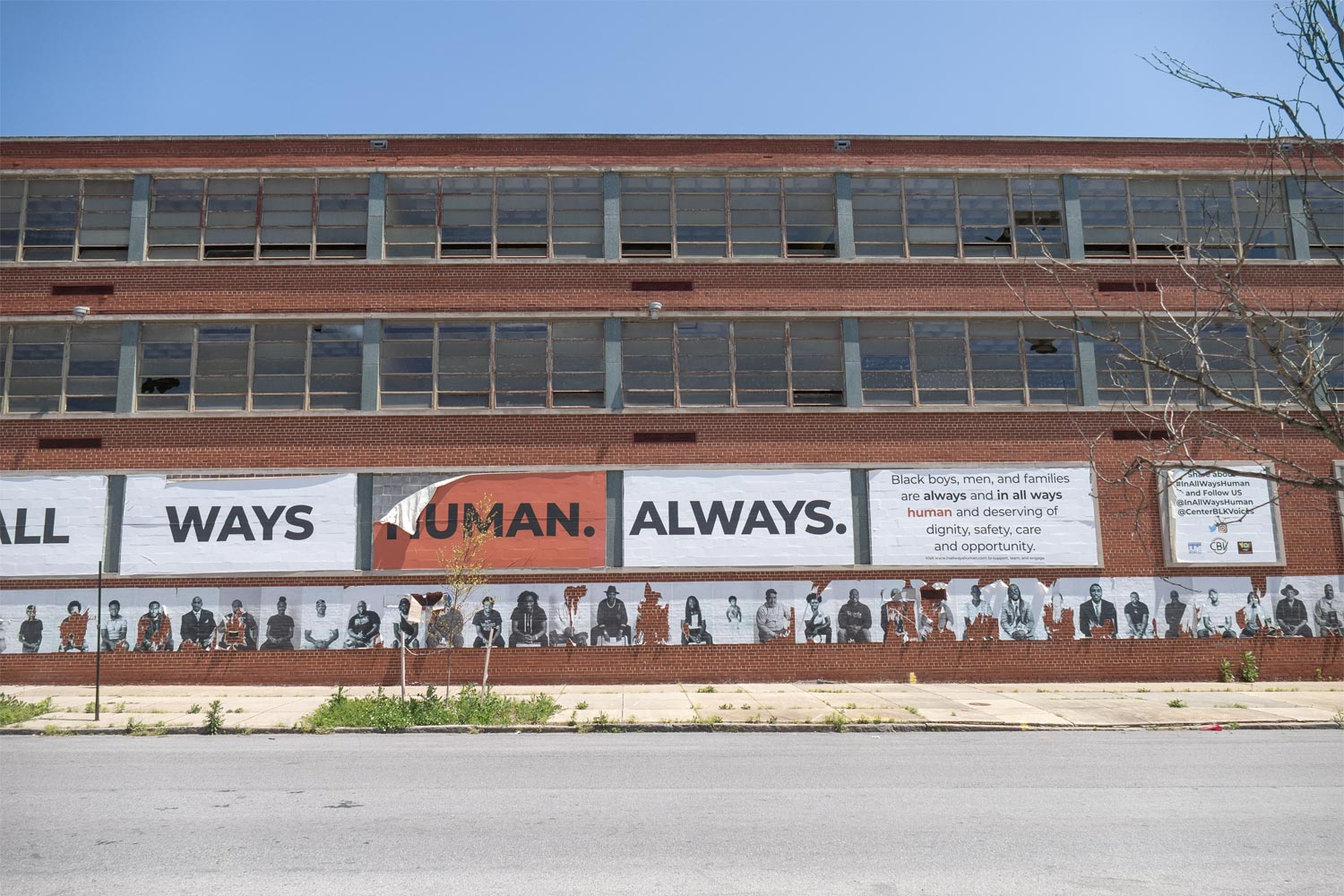
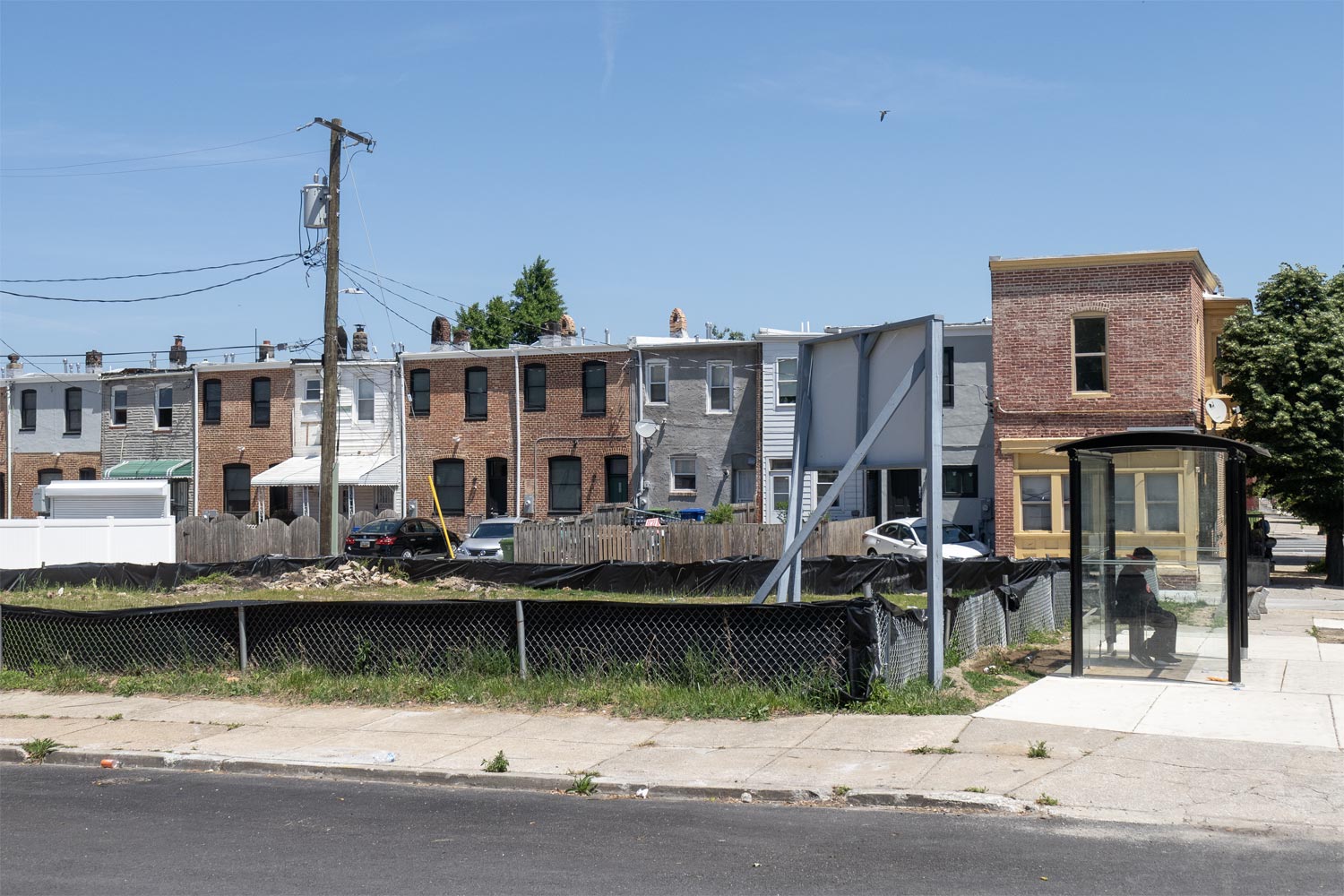
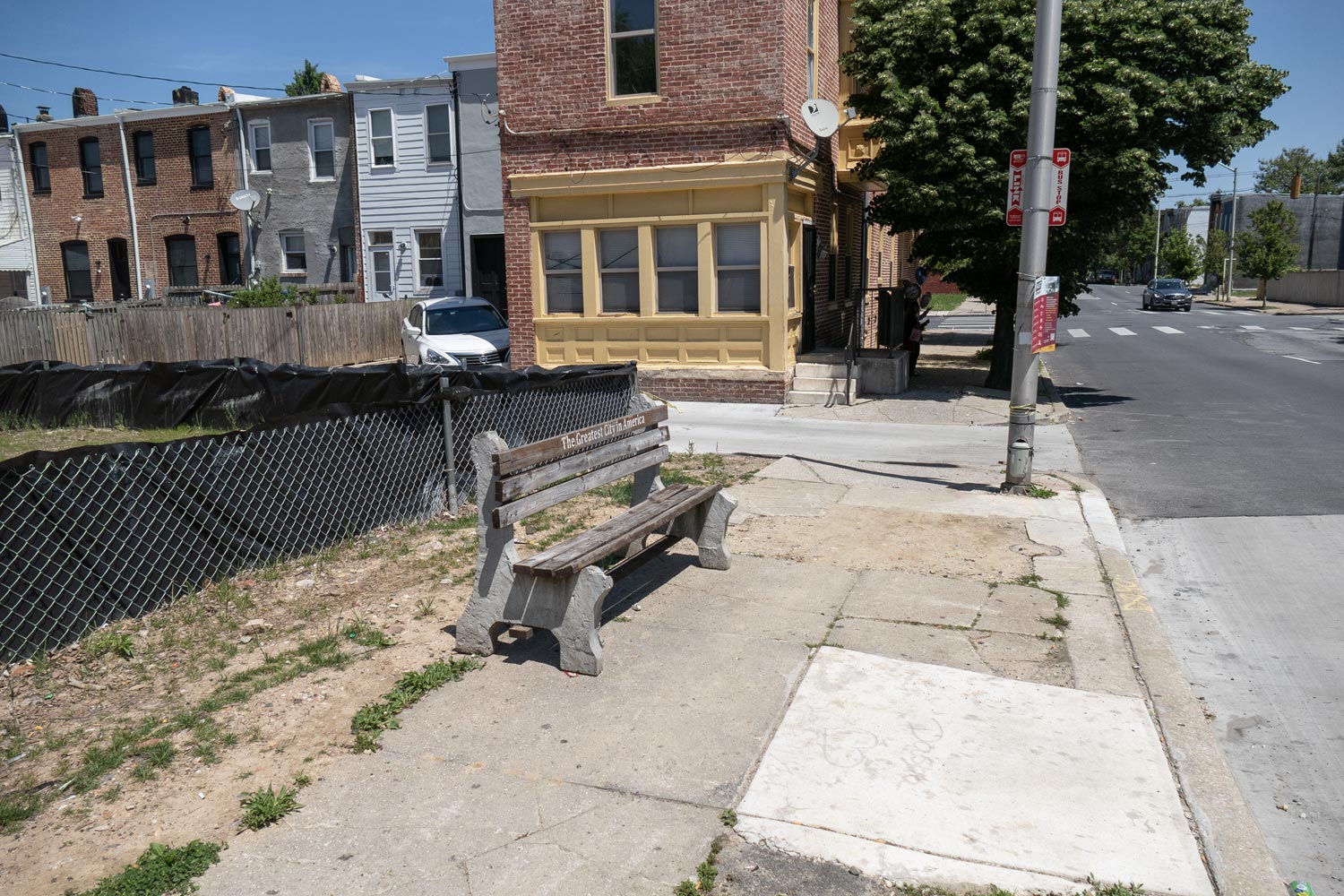
Behind them, a completely different world began. The respectable park and even the decent-looking houses had vanished without a trace.
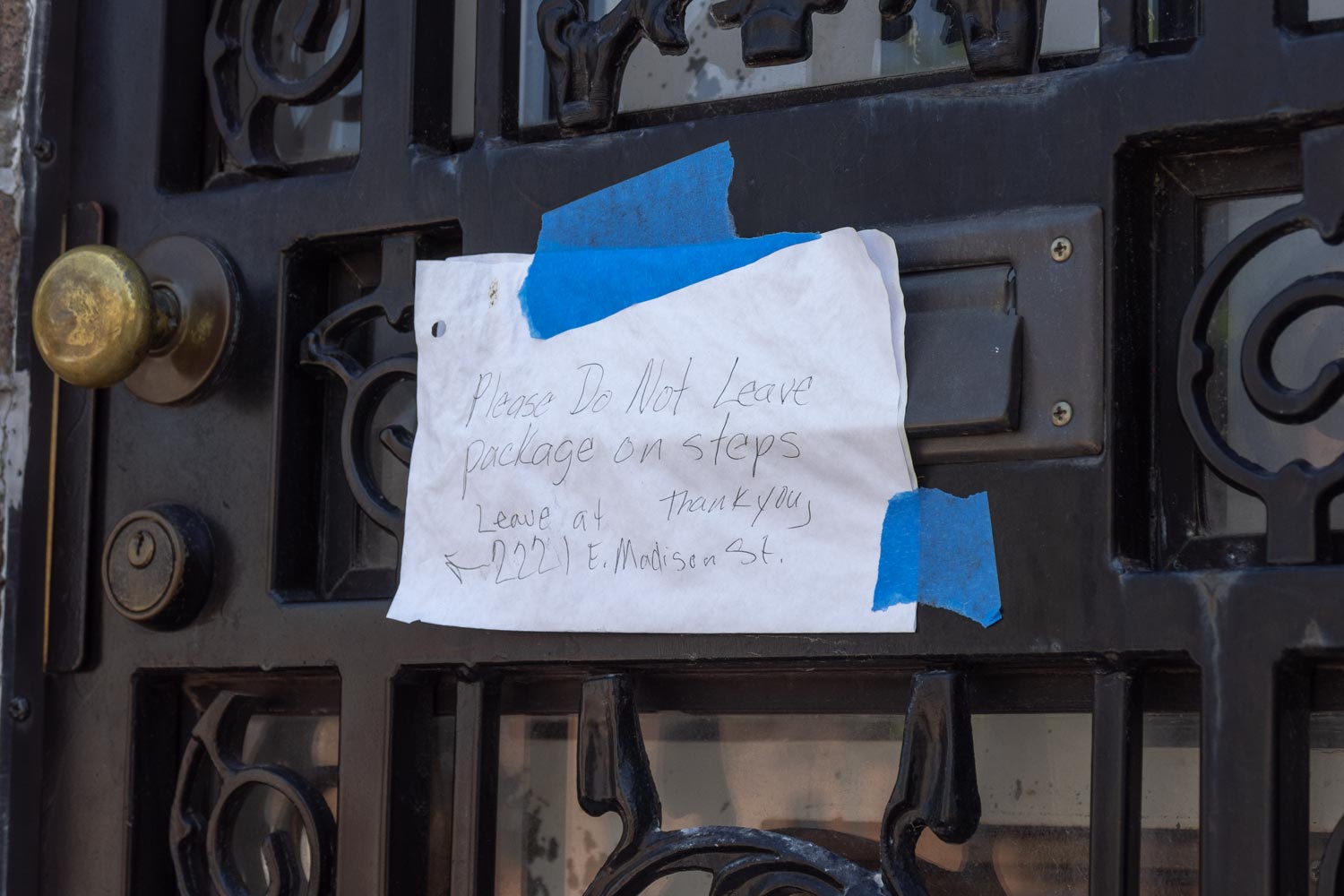
The packages here are obviously being stolen a lot; otherwise there wouldn’t be signs on the doors.
Still farther into the neighborhood, and now abandoned houses began to appear, with windows either broken or boarded up.
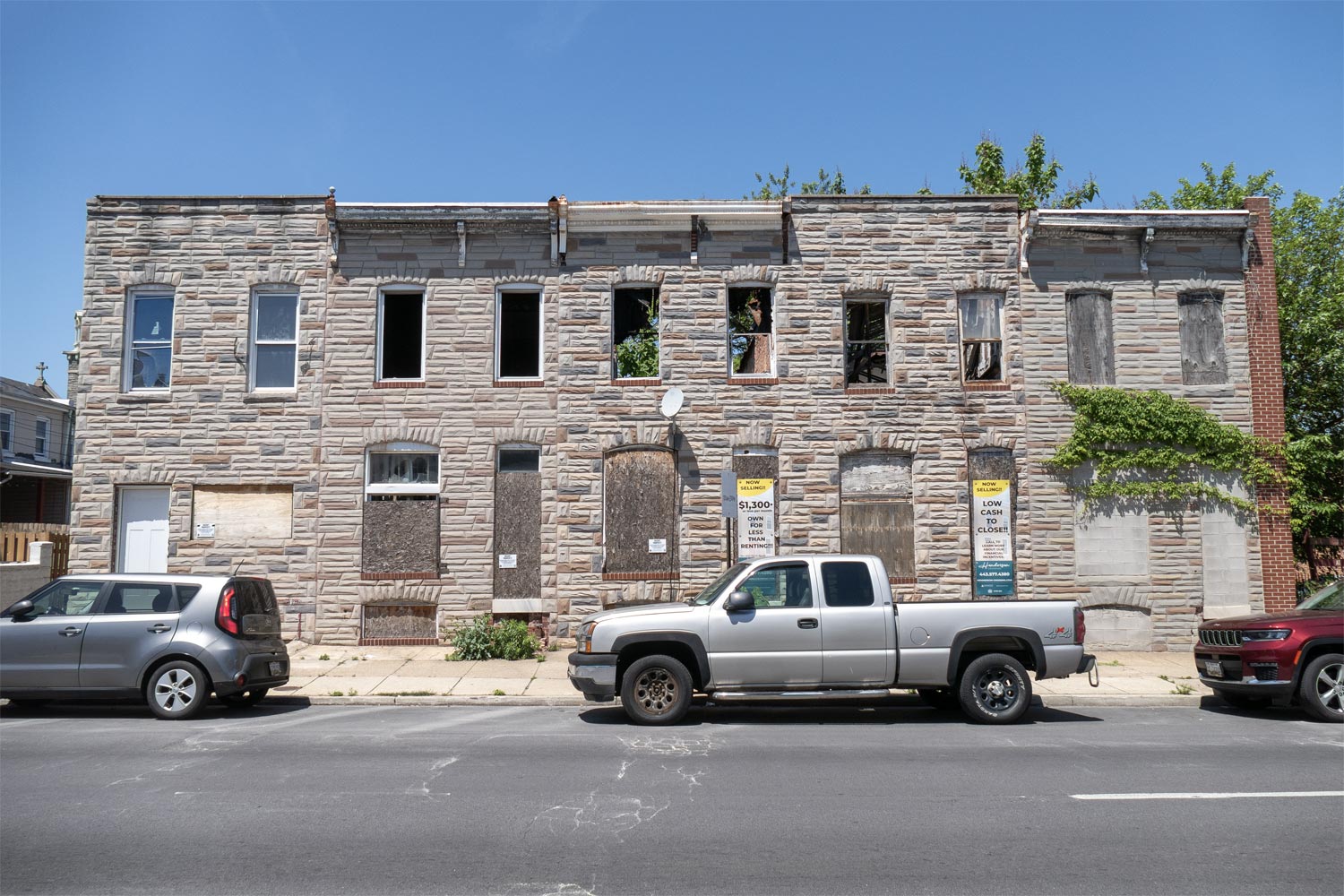
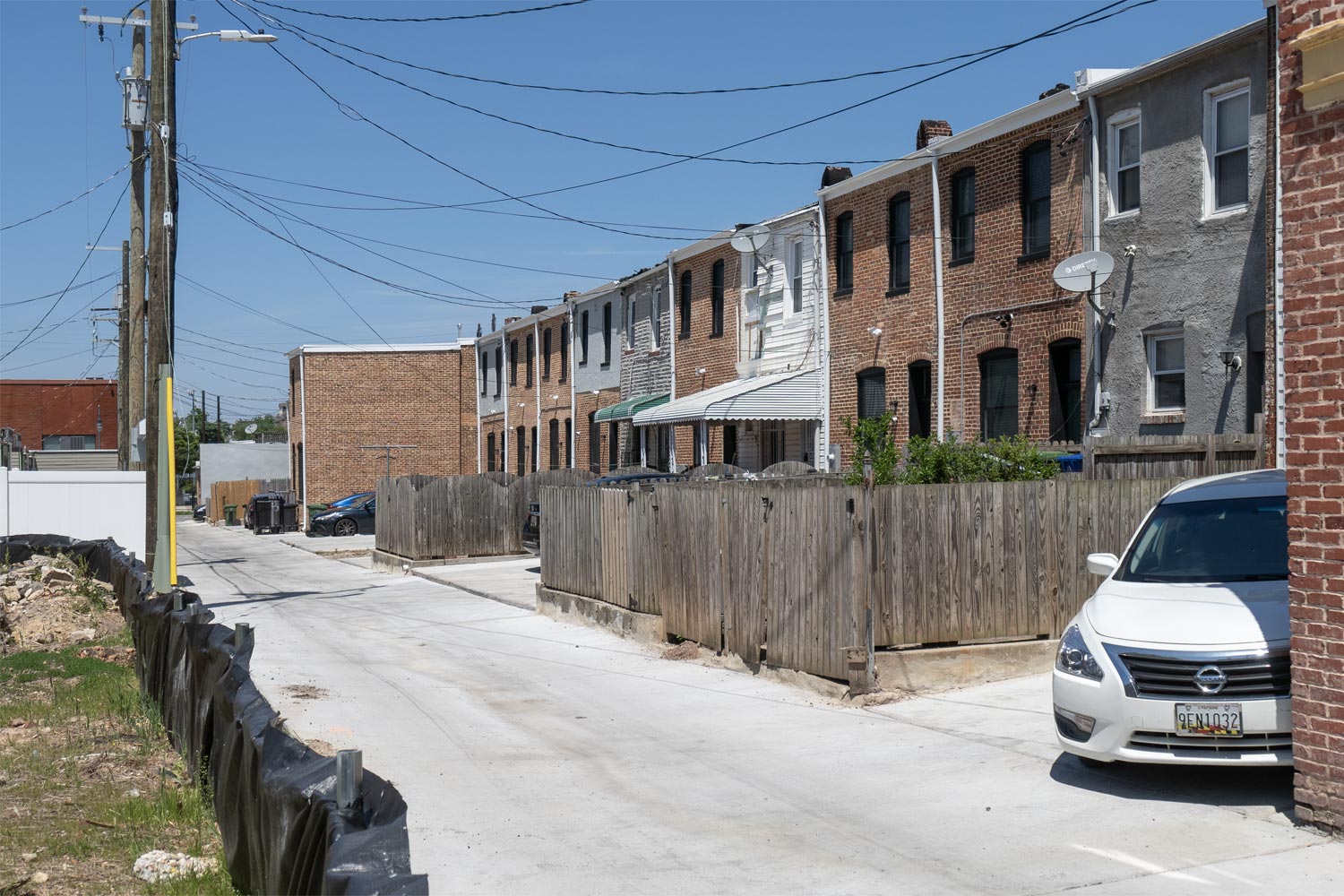
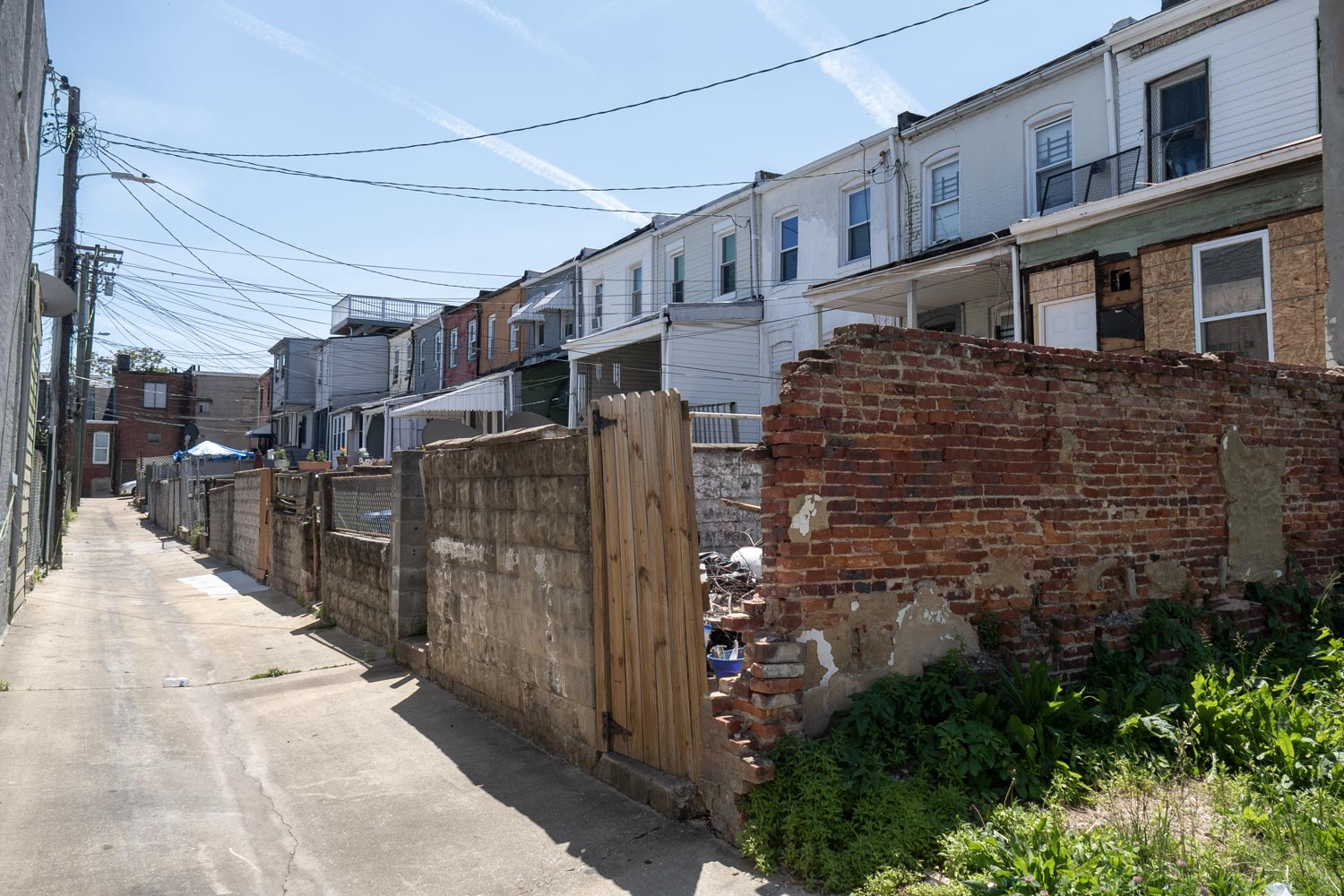
The backyards of the surviving houses had turned into sketchy wastelands you really wouldn’t want to wander into by mistake at night.
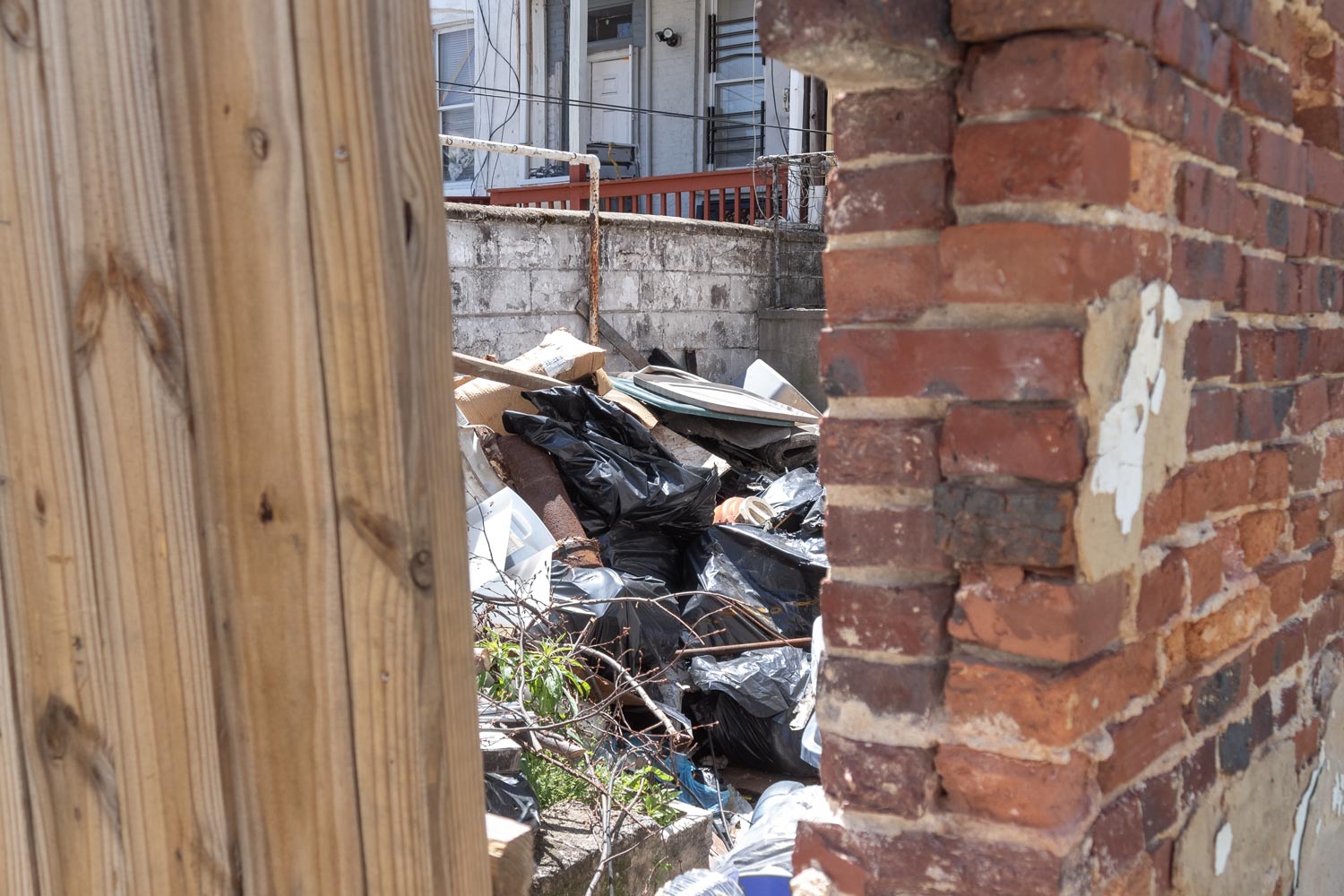
In some places, through the crooked fence, you could see everything inside those yards. Many of them were simply filled with trash.
The local residents of these areas are mostly black. But if you set skin color aside, these are the poorest segments of the population, who often don’t have good jobs and are involved in crime.
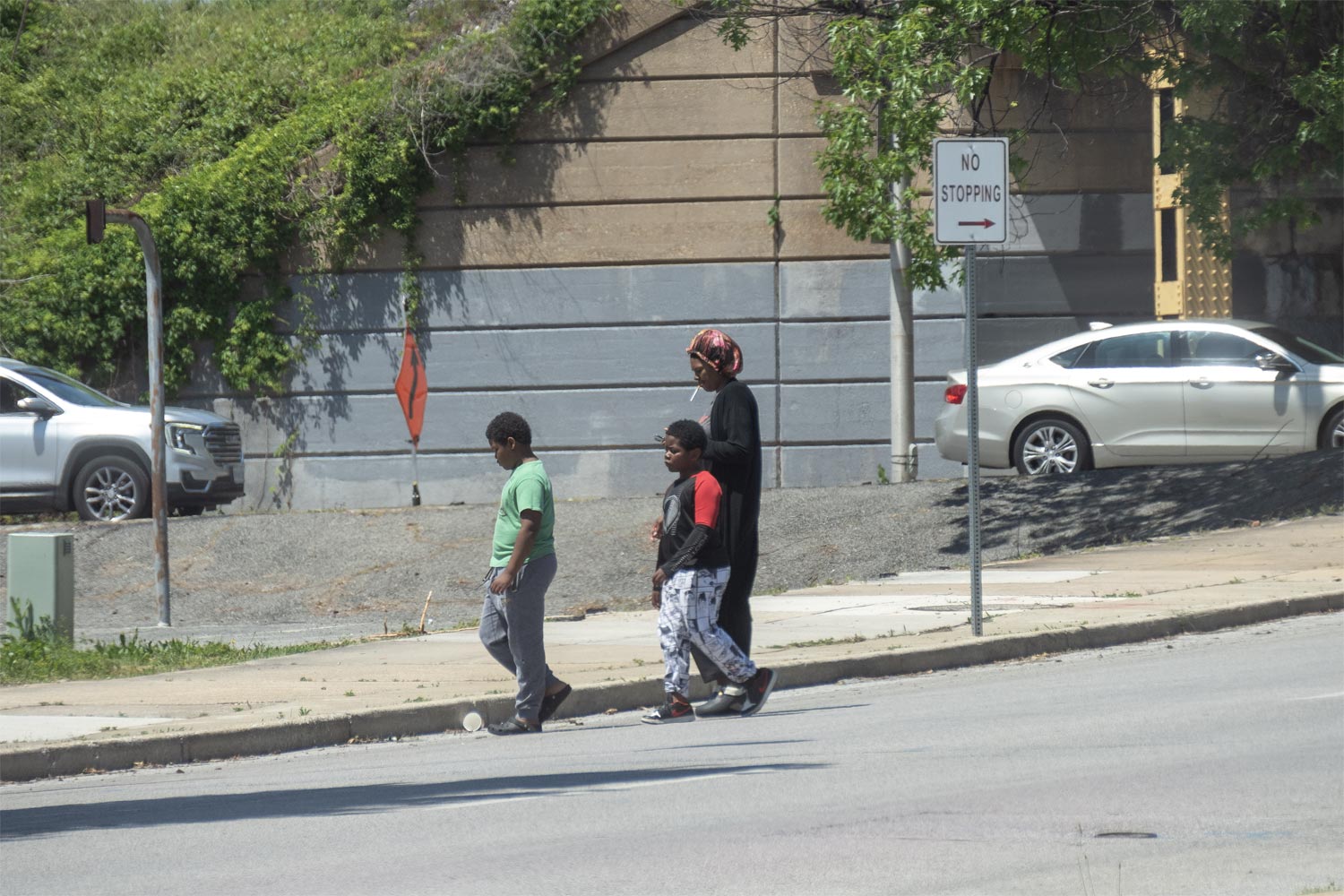
However, up to now the reader has seen only clues, outward signs of possible danger. Are there any more substantial proofs that it is truly dangerous here?
The epicenter of crime was marked on my map near the mentioned factory with the broken windows. According to the statistics, most of the murders took place in its backyard. Right here, in this clover field:
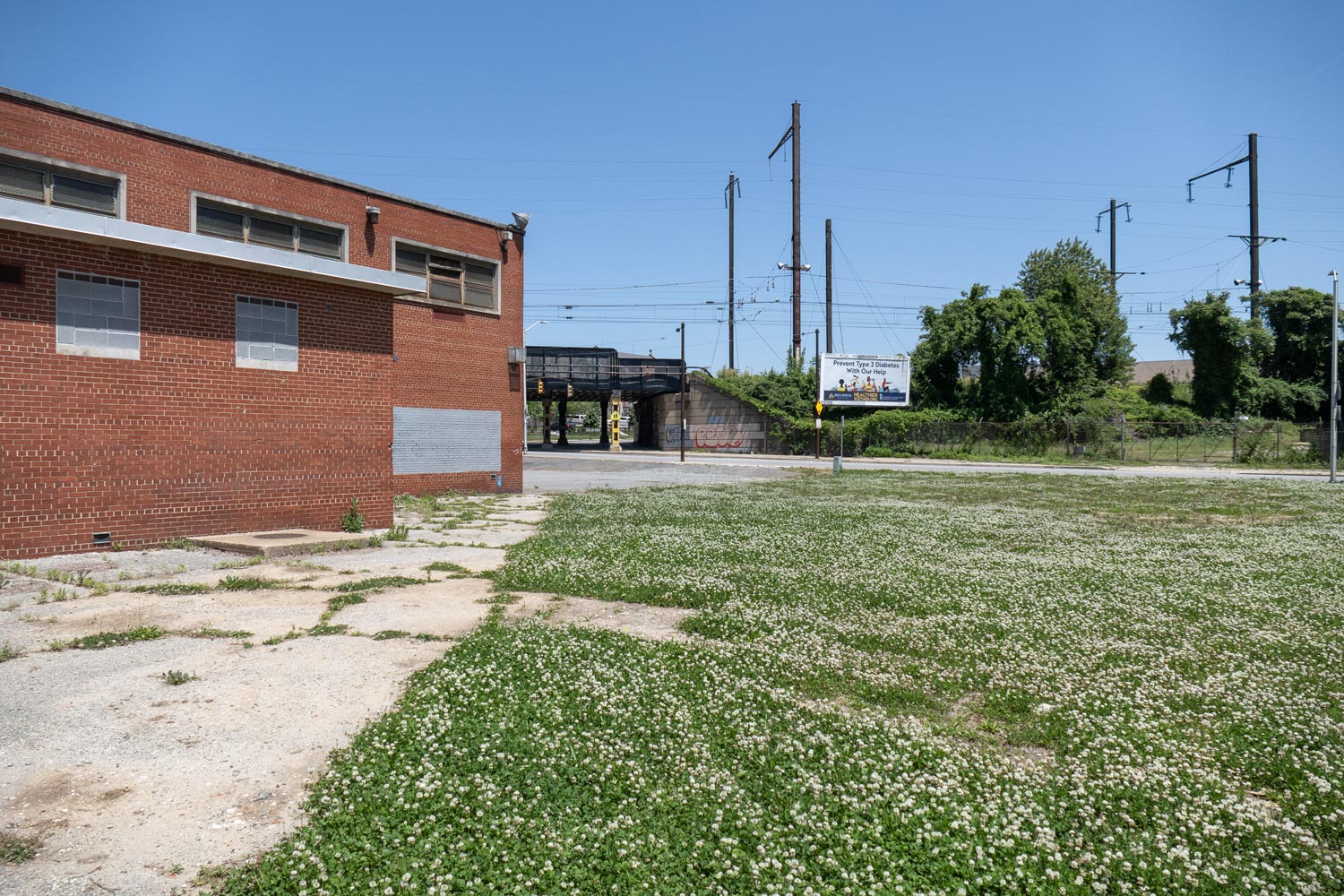
Of course, there was no one here during the day. Peaceful and quiet. One can only guess that in little corners like the one in the next photo, drug dealers gather at night and settle their scores.
And yet I still managed to find real proof. Under one of the railway bridges there was a white bicycle leaning against a fence. Looking closer, I saw a sign on it: “Cyclist killed here.”
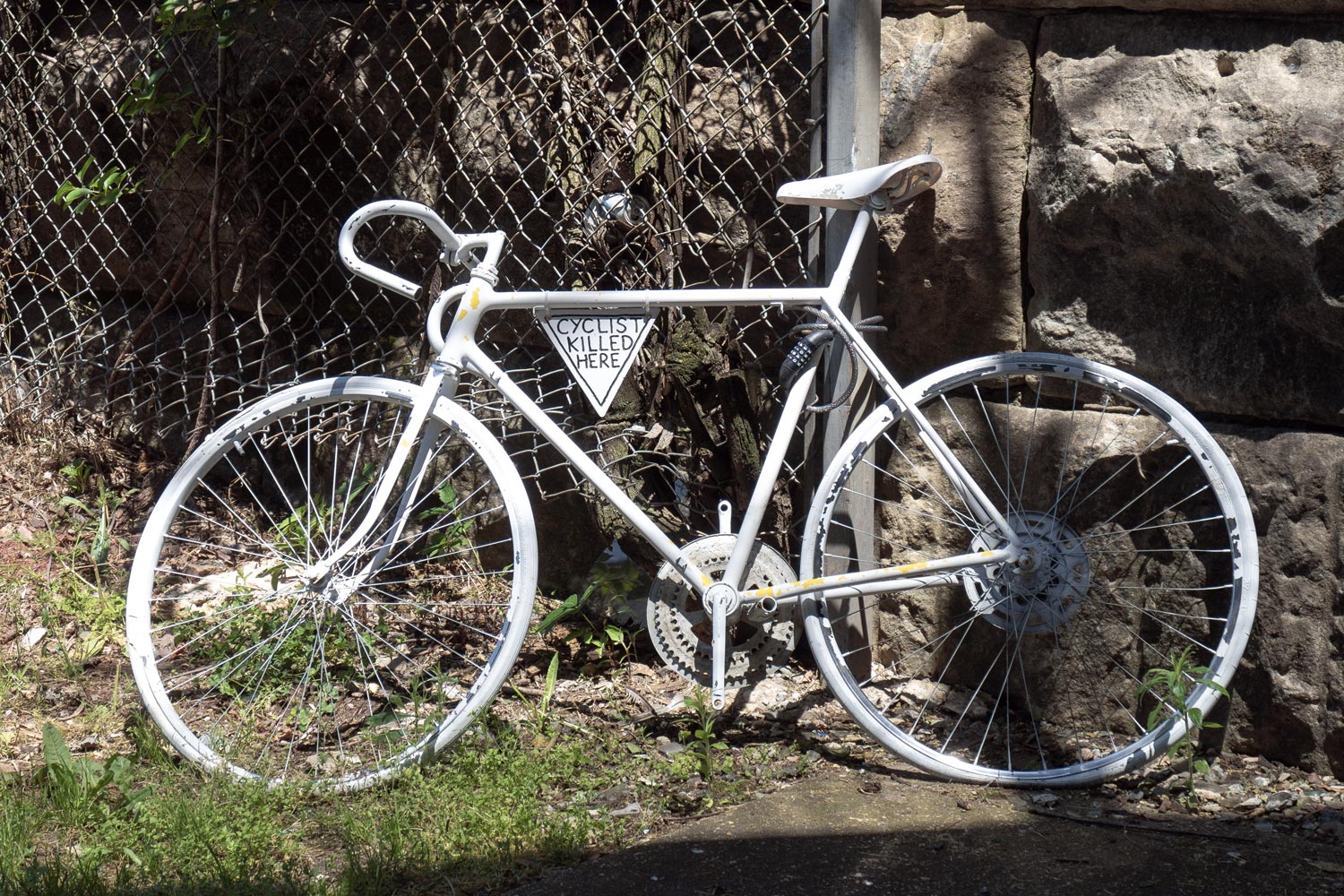
The phenomenon of American crime lies in the fact that it is often senseless and unpredictable. A prestigious part of the city can easily border a criminal ghetto, so someone who isn’t local might wander into it by mistake.
Overall, criminologists have determined that just 5% of the streets in any American city account for half of all crimes. We’ve just taken a walk along exactly those streets.