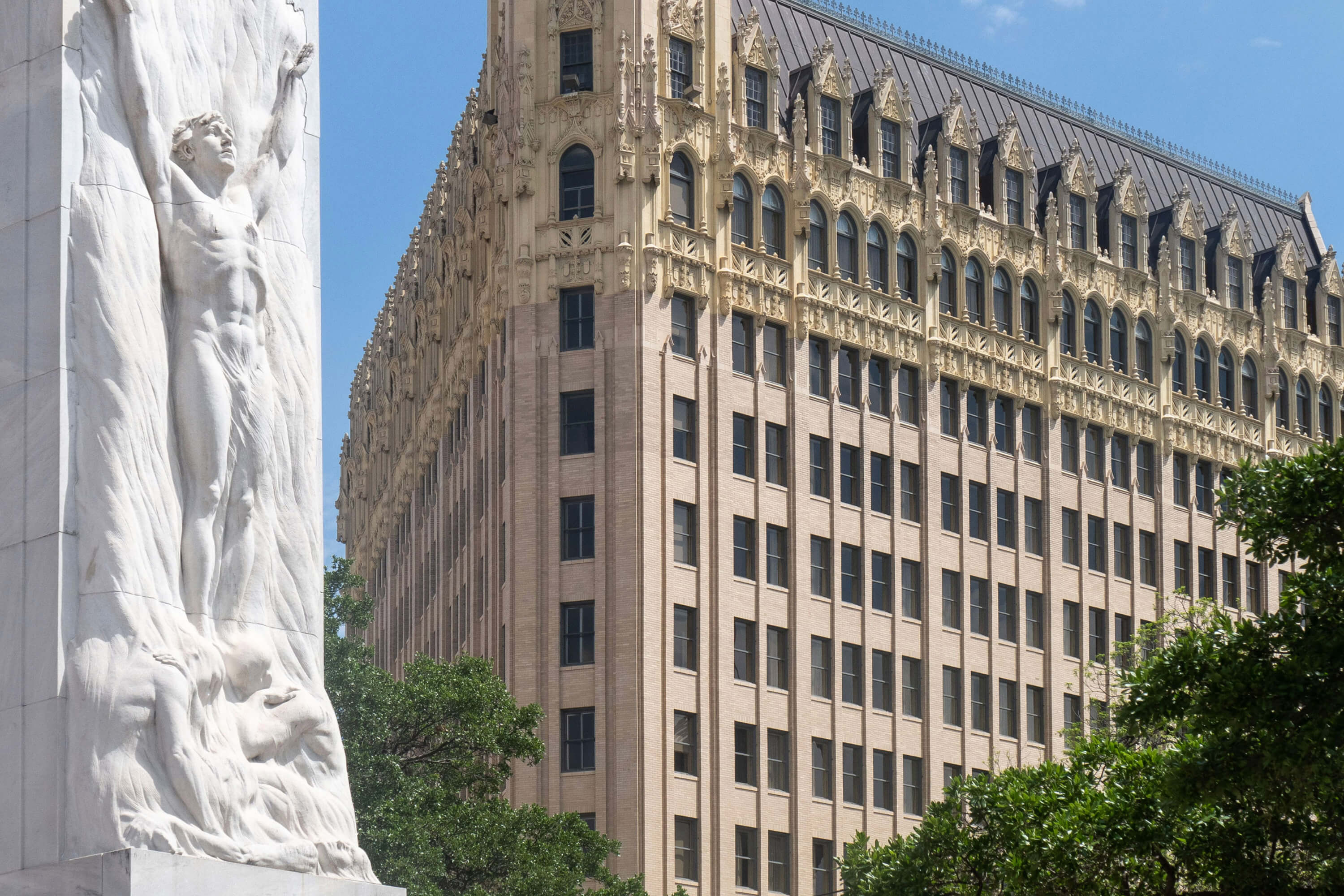

San Antonio
San Antonio is a pretty nice city in Texas.
The figures assure us that San Antonio is a huge metropolis. It has a population of 1.5 million, making it the second-largest city in Texas after Houston. In reality, the city itself is small; it’s just that its boundaries include enormous suburbs that have grown around it over decades of building the American dream.
Unlike the true metropolis of Houston, San Antonio has almost no skyscrapers. Instead, the city center is taken up by a beautiful promenade running along the river.
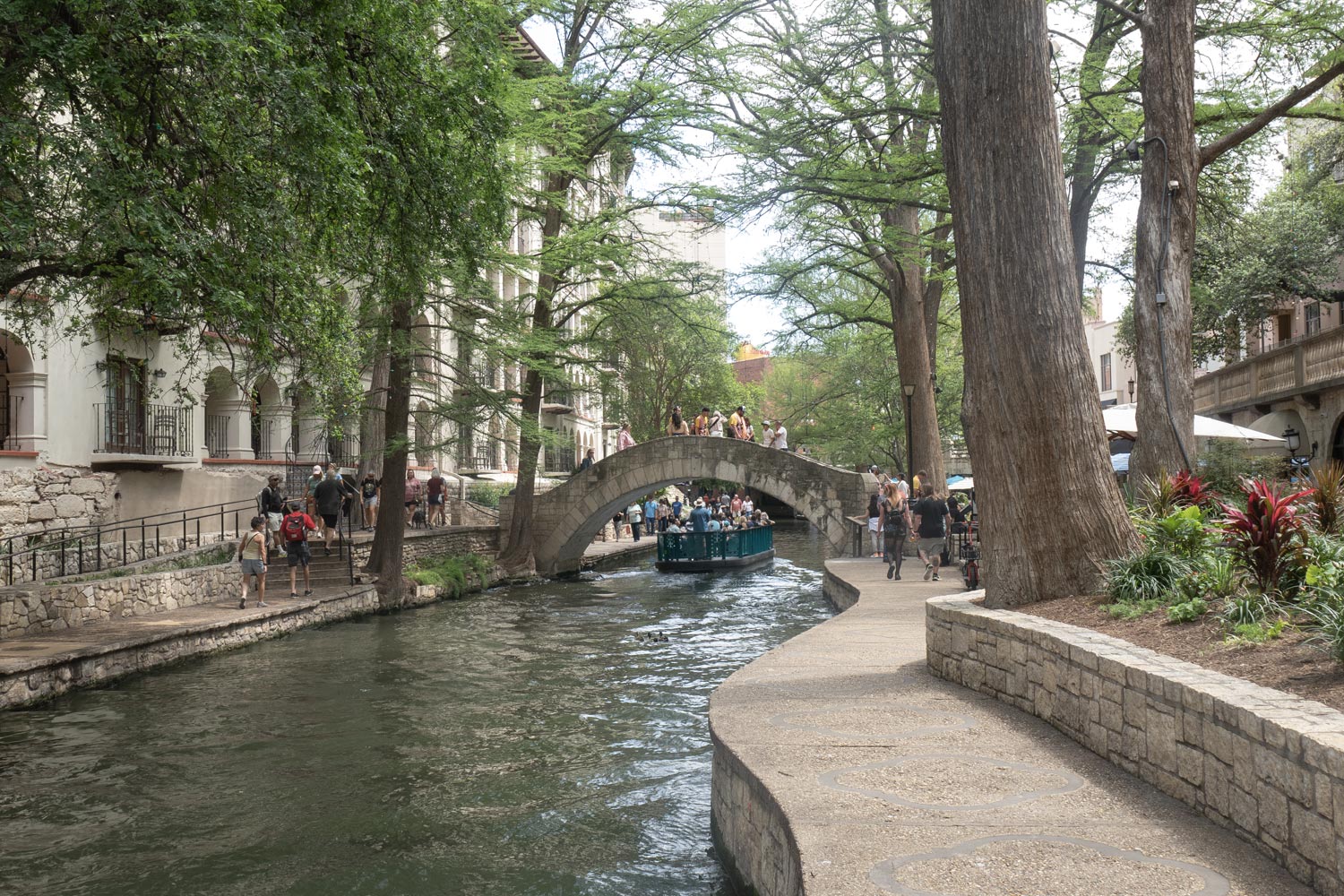
The river walk is one level below the streets. The bridges over the river are actually San Antonio’s streets.
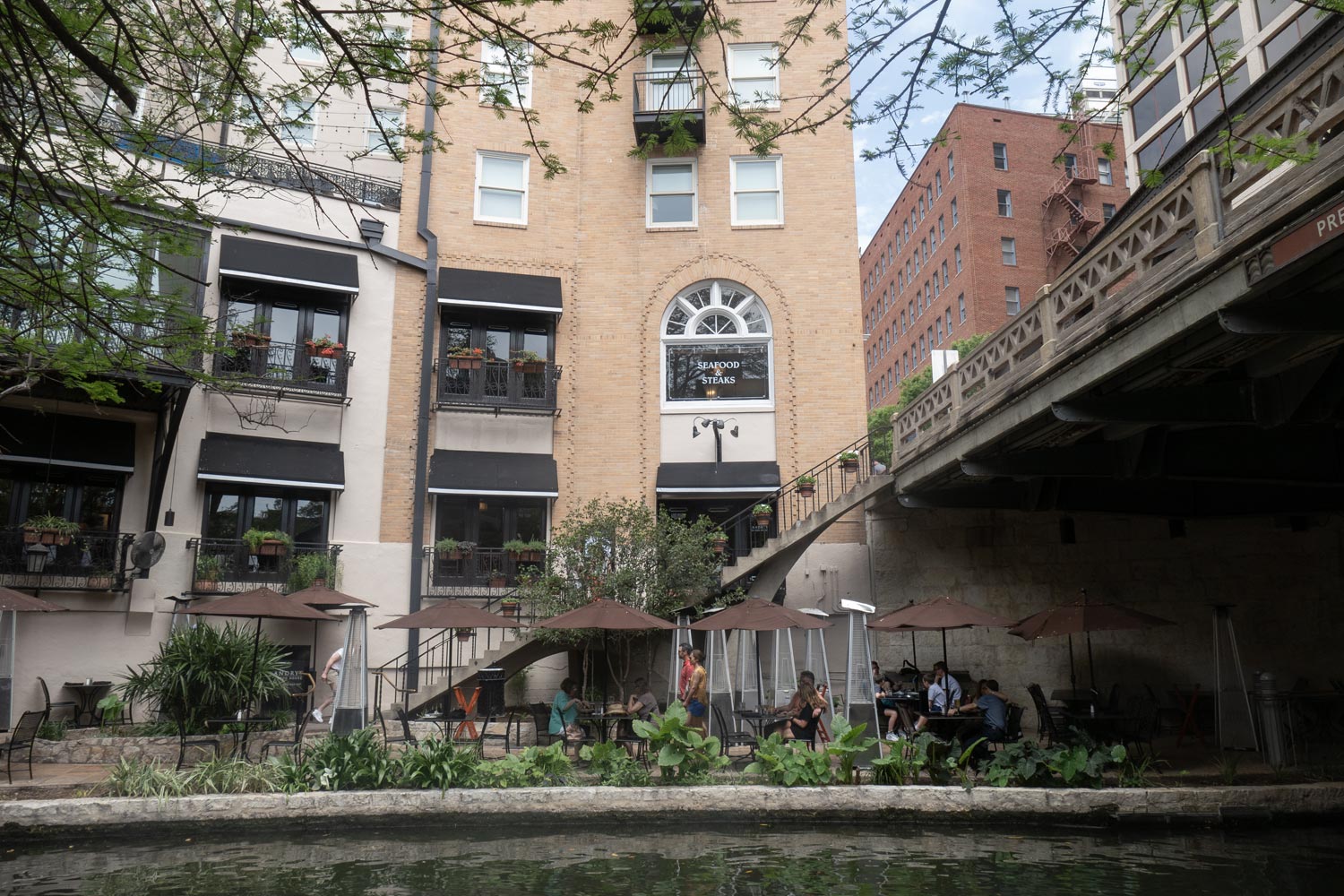
Few American cities can boast such a good downtown. Most of them are taken up by parking lots and office buildings.
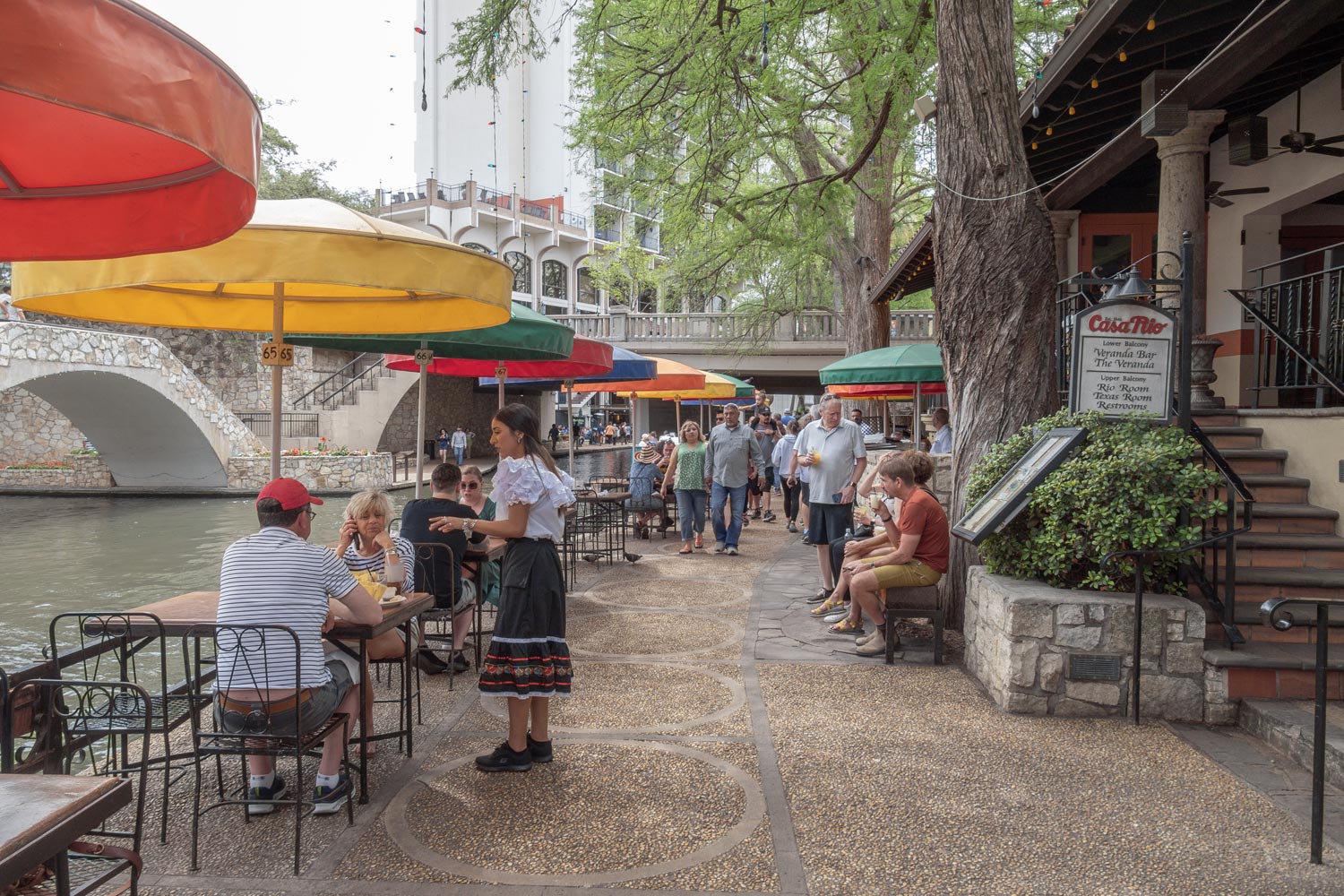
San Antonio is in Texas. And that means the streets are full of Texas symbols — stars, buffalo, cowboys, and other Southern American stuff.
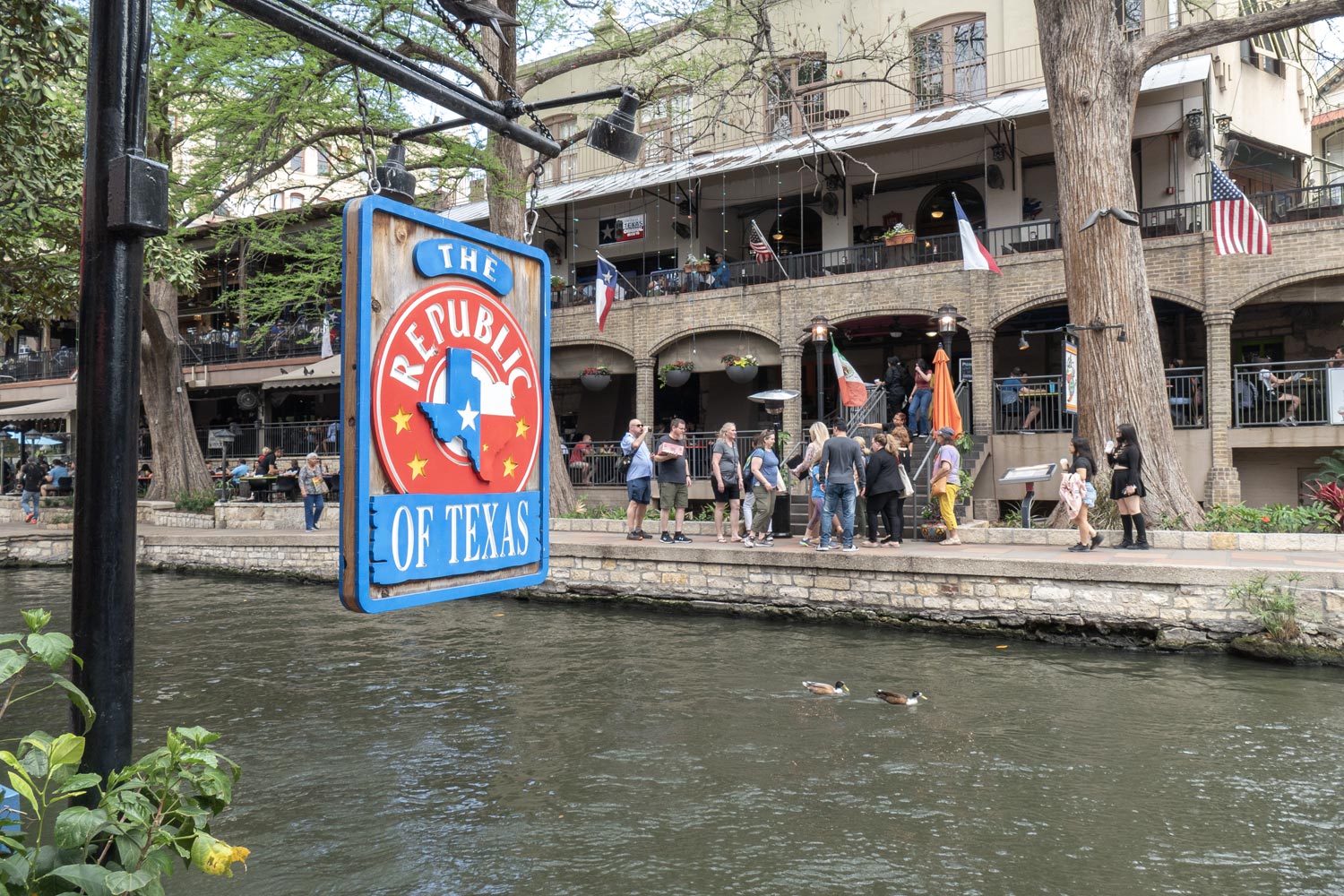
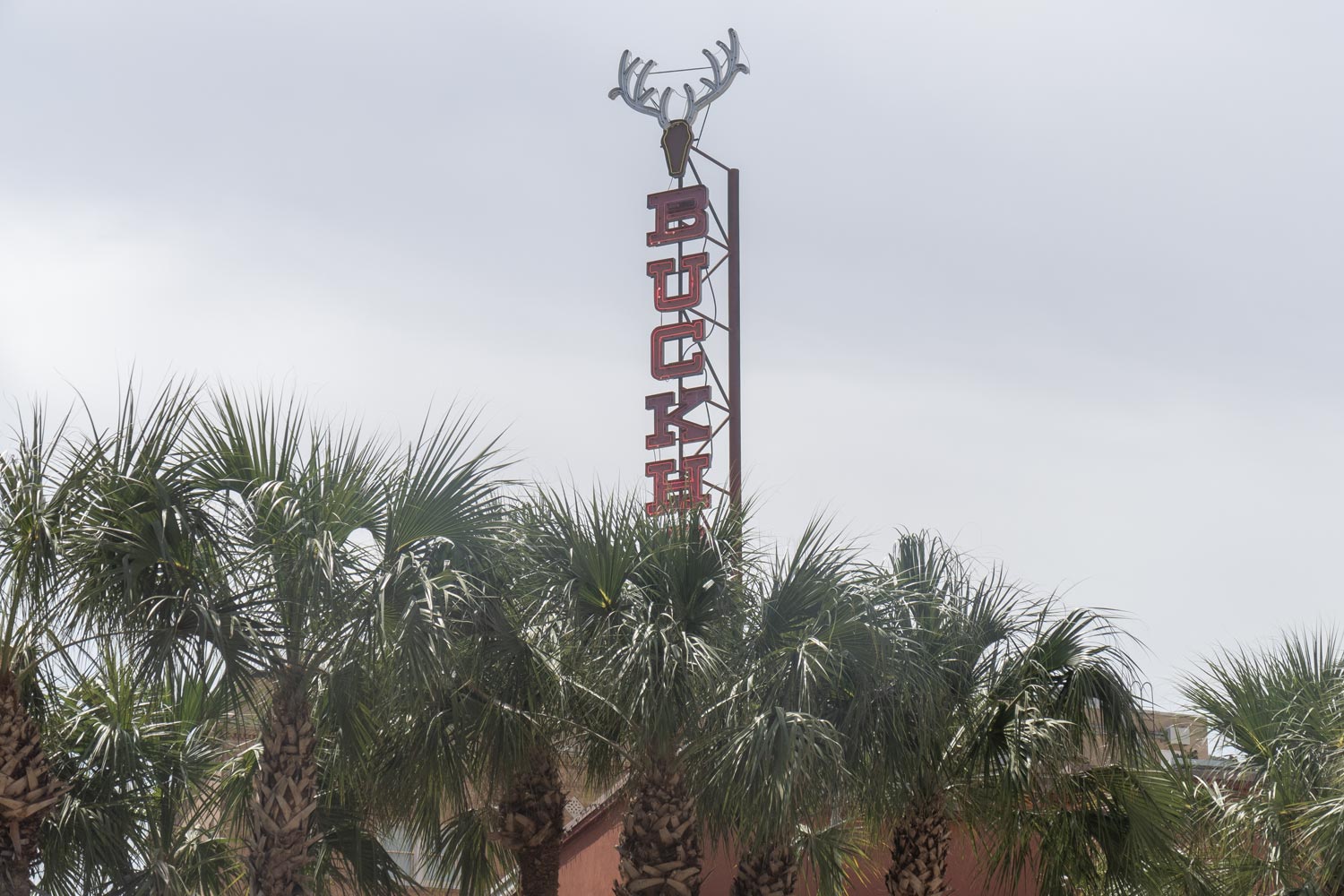
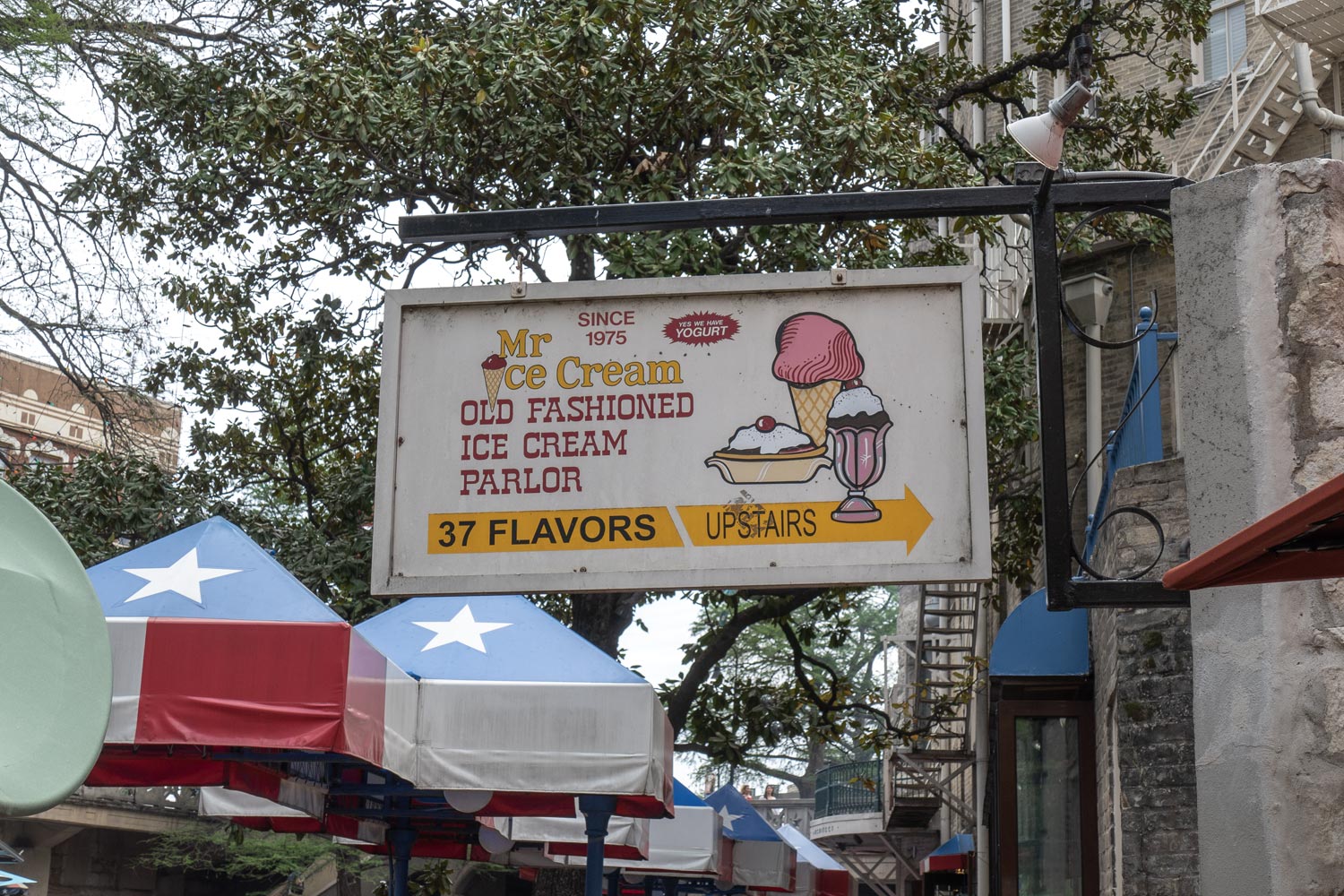
The city turned out to be full of cool, original signs from different eras. Ice cream, 1975:
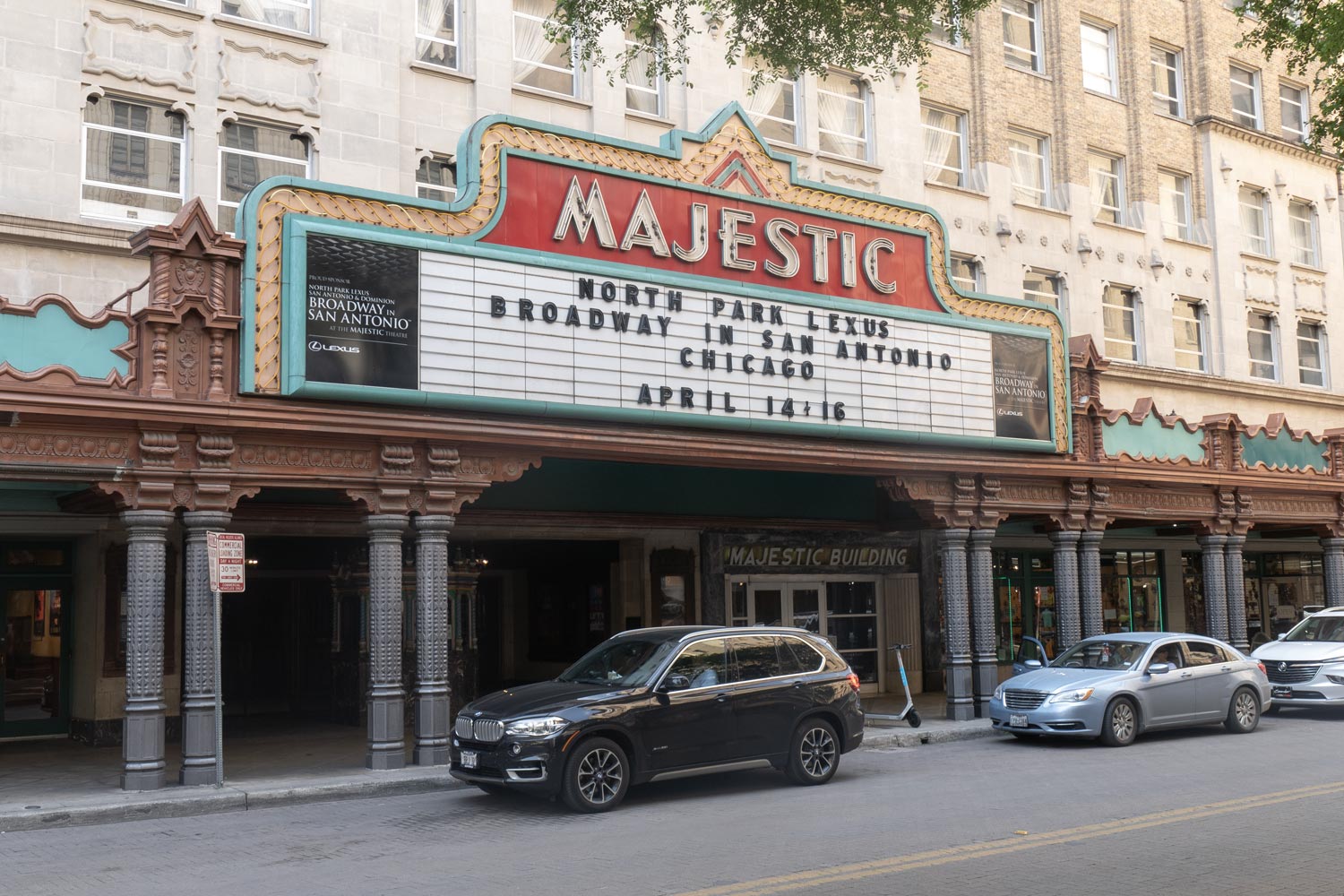
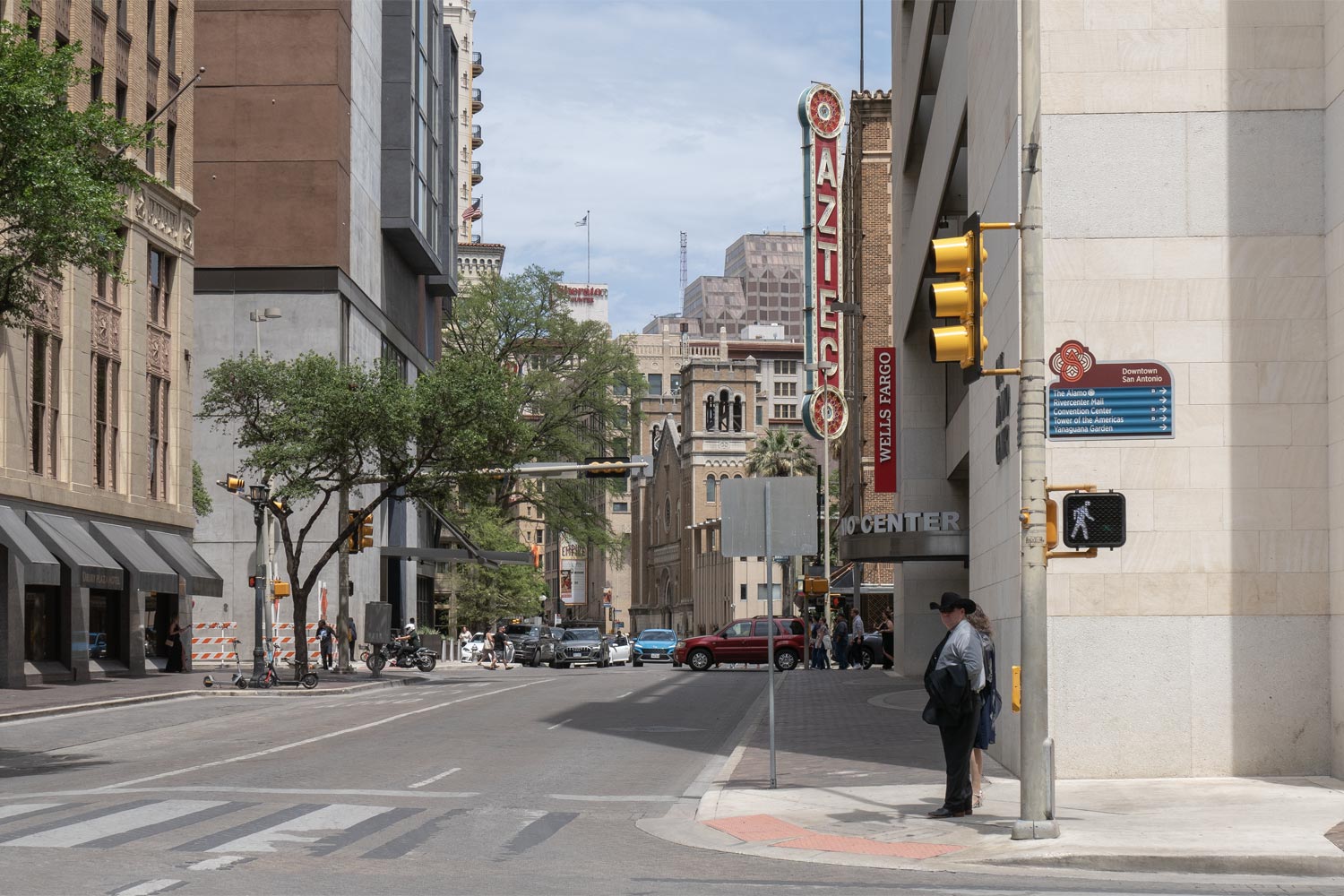
Cinema with a fantastic vintage neon sign:
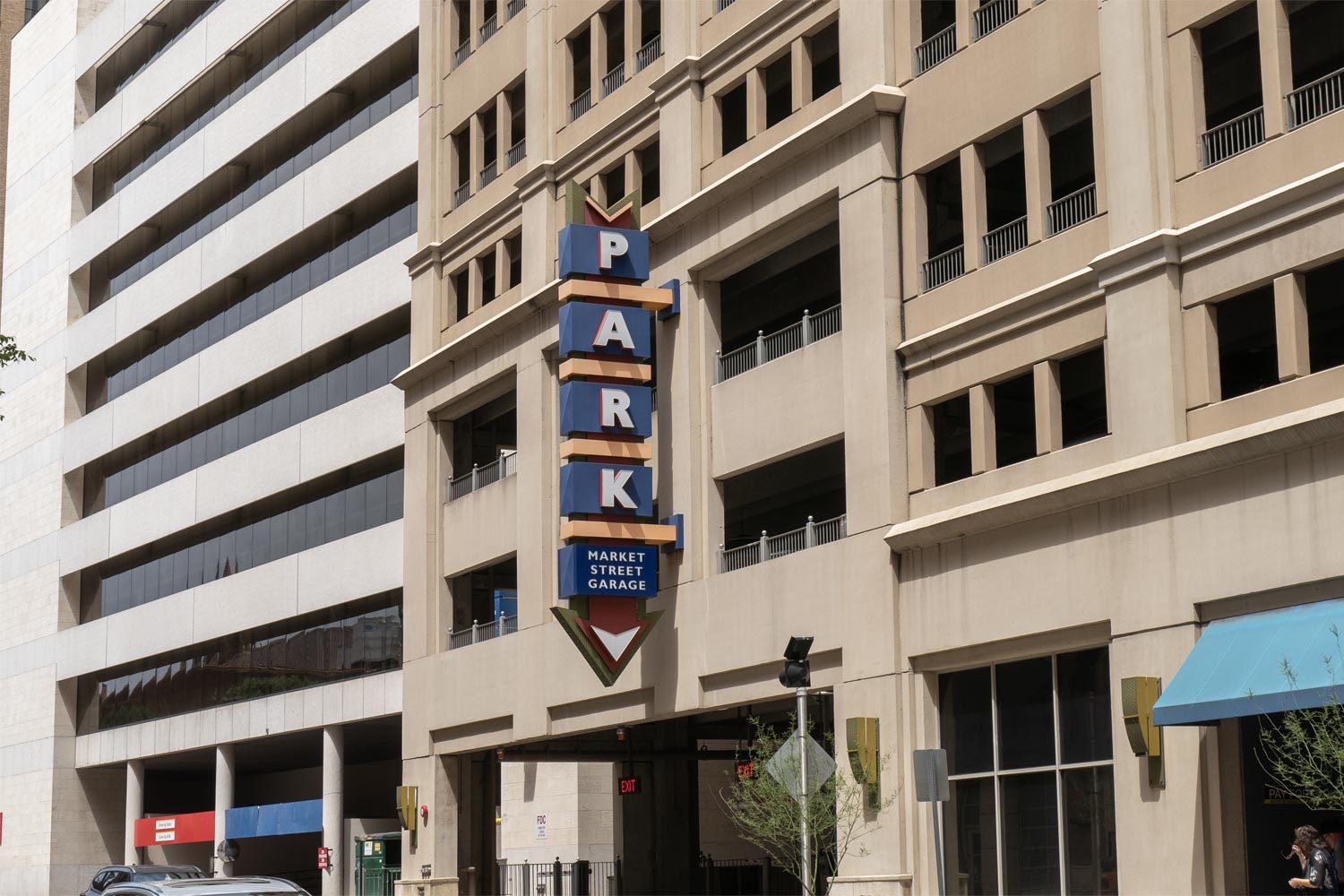
Authentic parking sign:
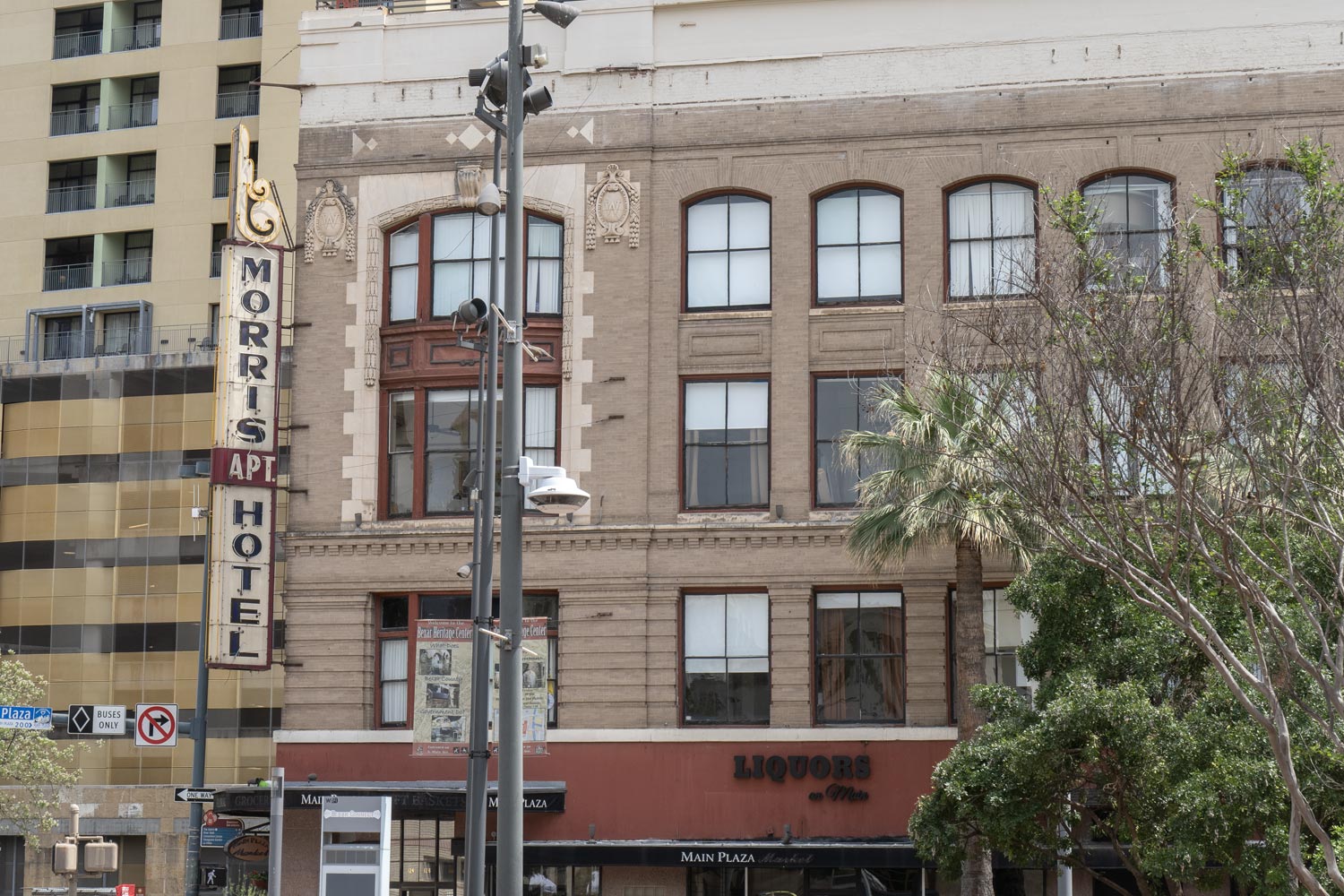
Magnificent Morrison Hotel sign:
San Antonio lives in roughly that kind of atmosphere.
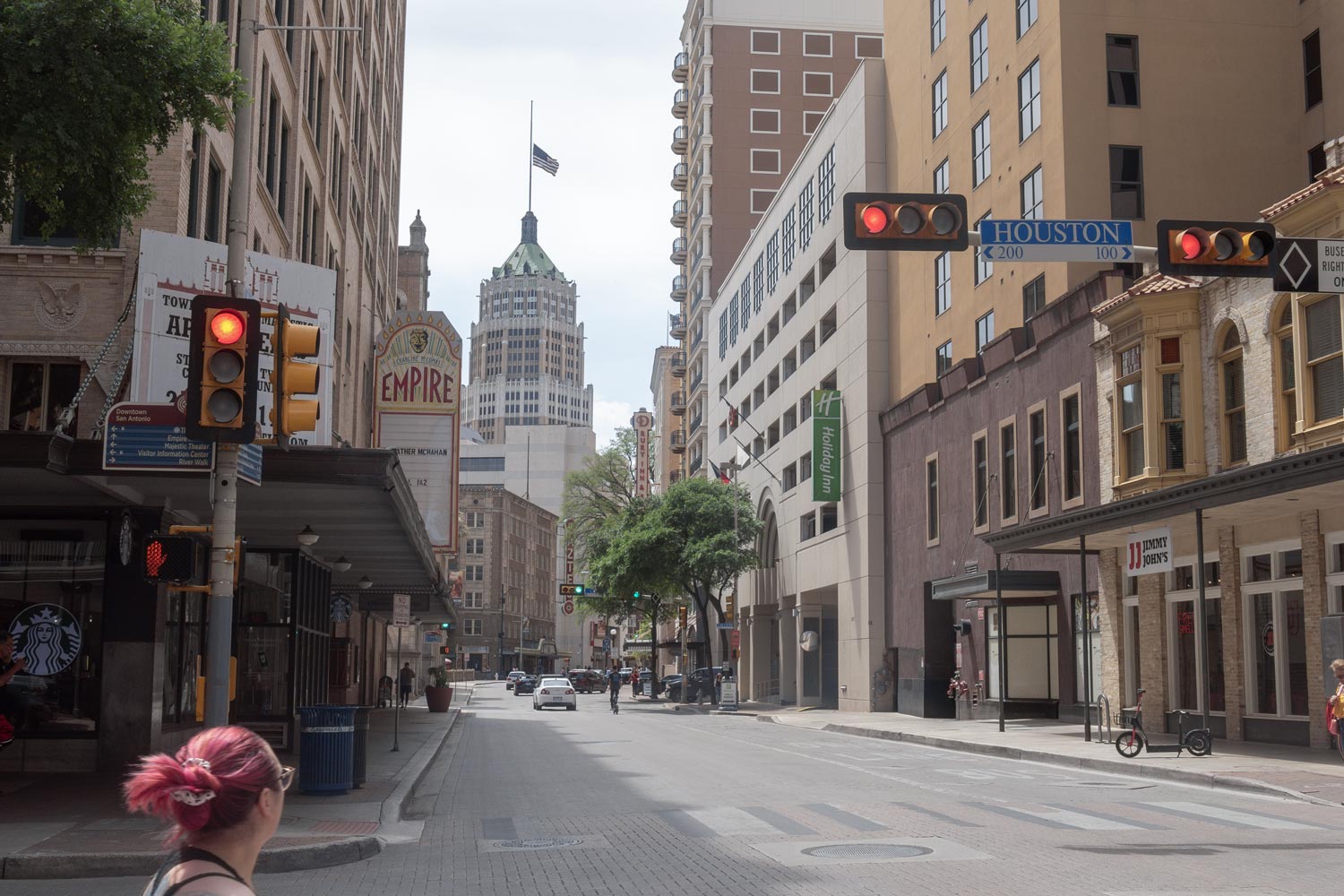
It looks like not much has changed in the city since the 1970s.
For some people, time stopped even earlier — somewhere back in the 19th century. In San Antonio, for instance, cowboy hats are hugely popular. The city has plenty of shops selling them, and on the streets you often come across colorful modern-day cowboys. Probably armed.
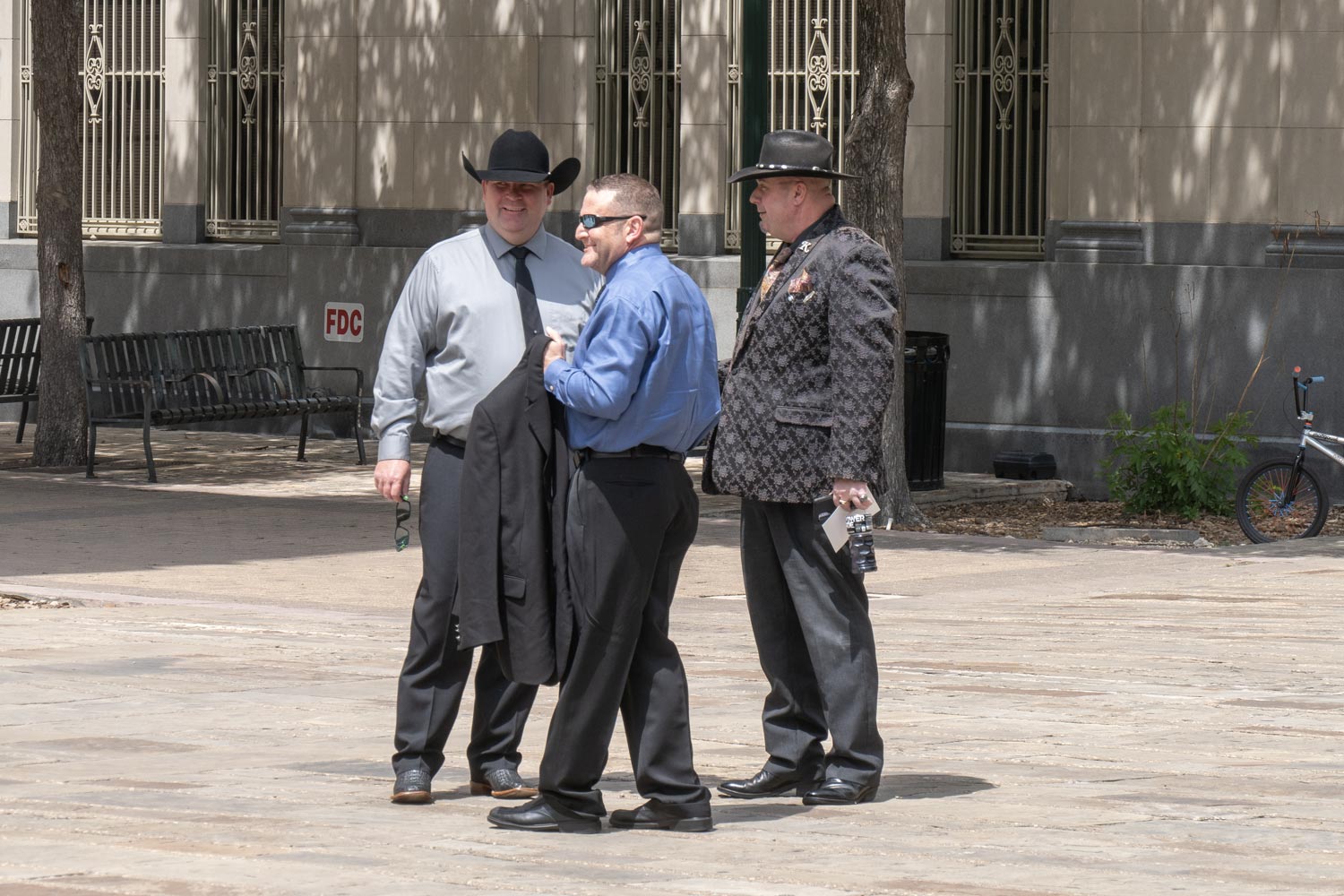
San Antonio has some kind of history, however modest it may be.
In the 19th century, Texas belonged to Mexico, but in 1835 it began showing signs of independence. Then uprisings began in the state, and San Antonio became the center of Mexican authority, where a military garrison was stationed and the governor held office. That same year, the rebelling Texans stormed the city, which became a key turning point in Texas’s secession.
The following year, the Mexicans tried to retake the city. The main battle unfolded around the Alamo fort. During the siege, the Mexicans captured the fort, but it did not lead to victory: the revolution flared up with renewed force, and in the end Sam Houston’s army (after whom the well-known city in Texas is named) defeated Mexico.
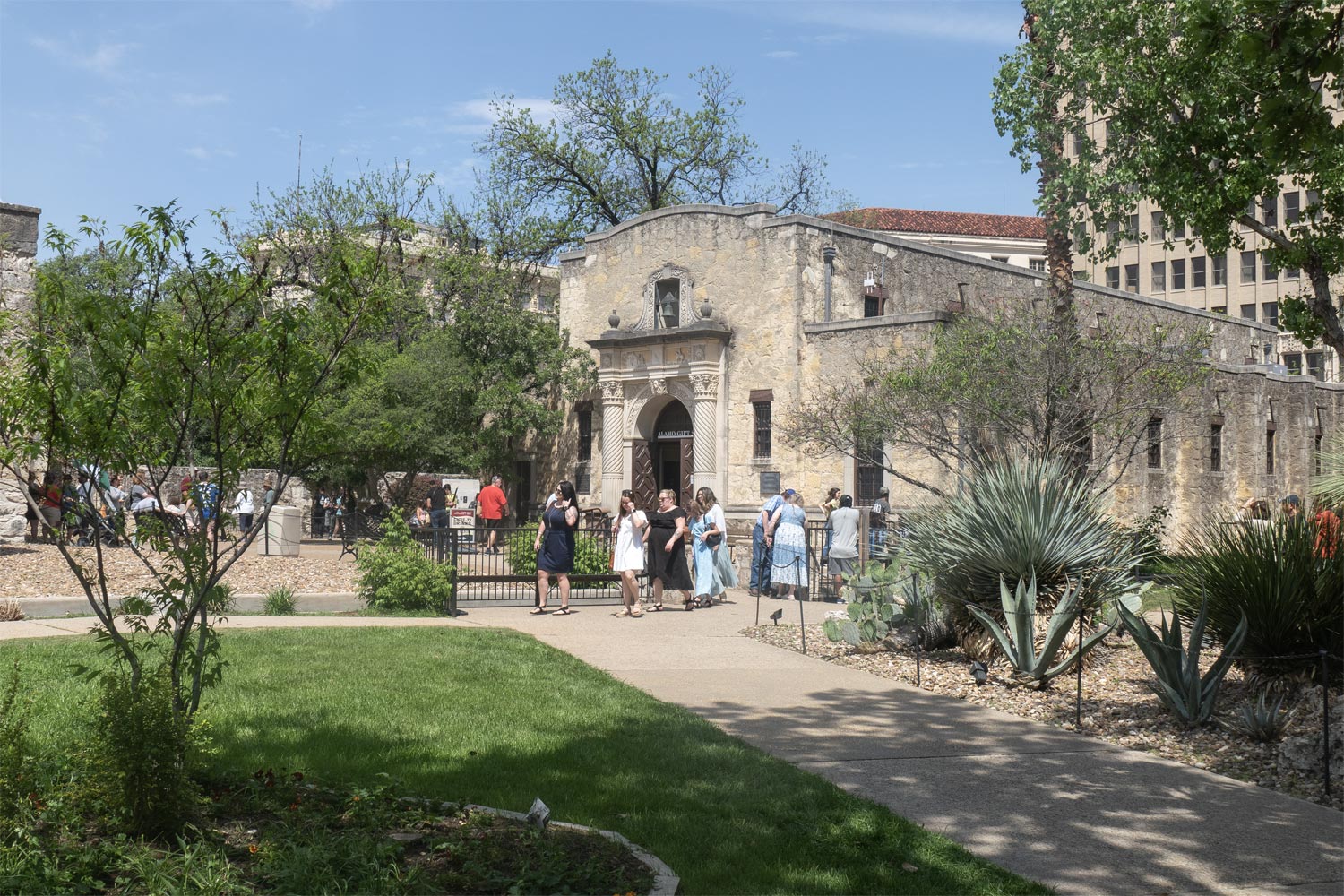
This very Fort Alamo is the main historical landmark in San Antonio. They say crowds of tourists from all over America come to see it. For some reason.
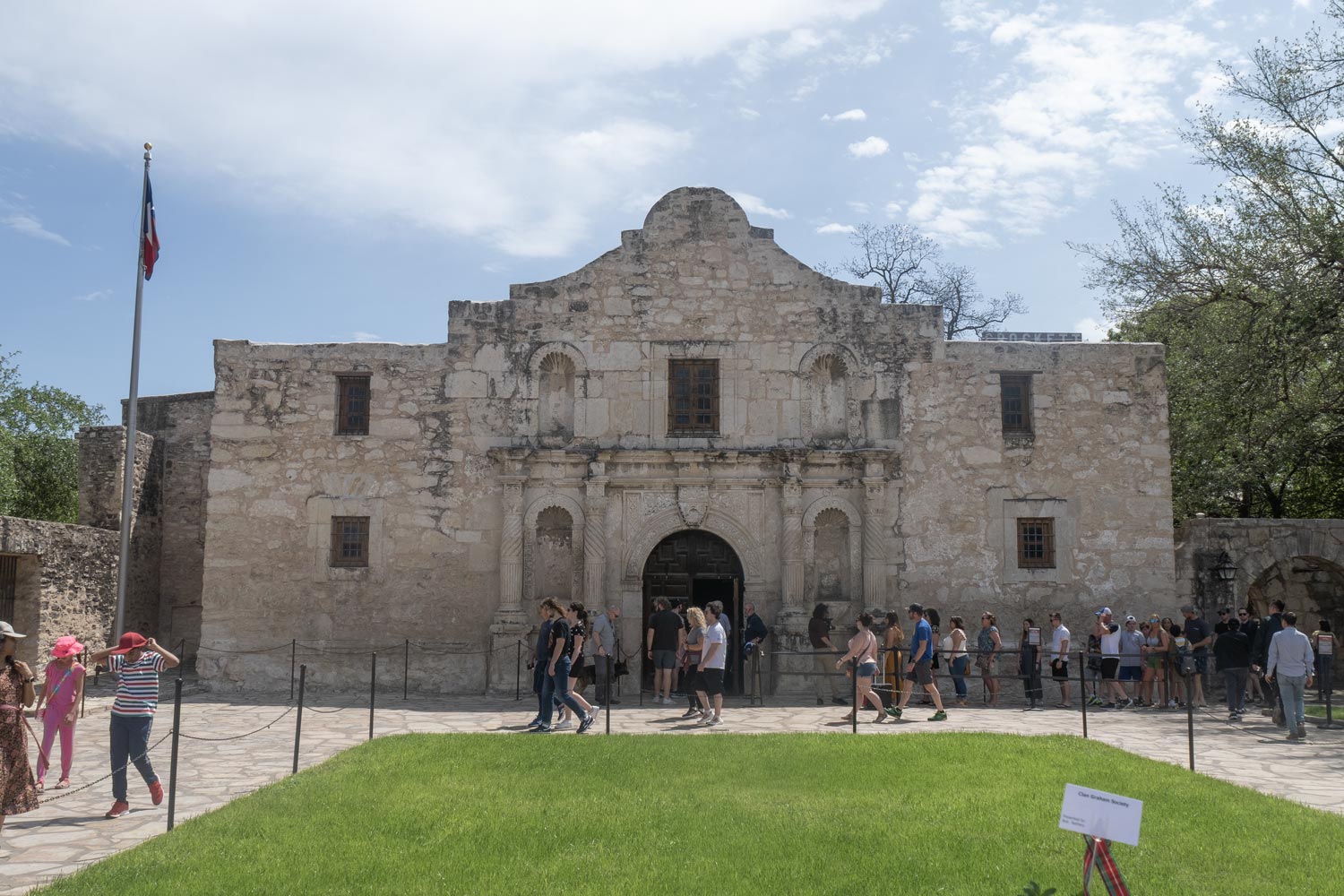
American history is a rather peculiar thing. There’s no room in it for kings or palace coups, so to a European reader it can seem quite bland. Really, who would care about the Texas Revolution when there are Hitler and Louis XVI?
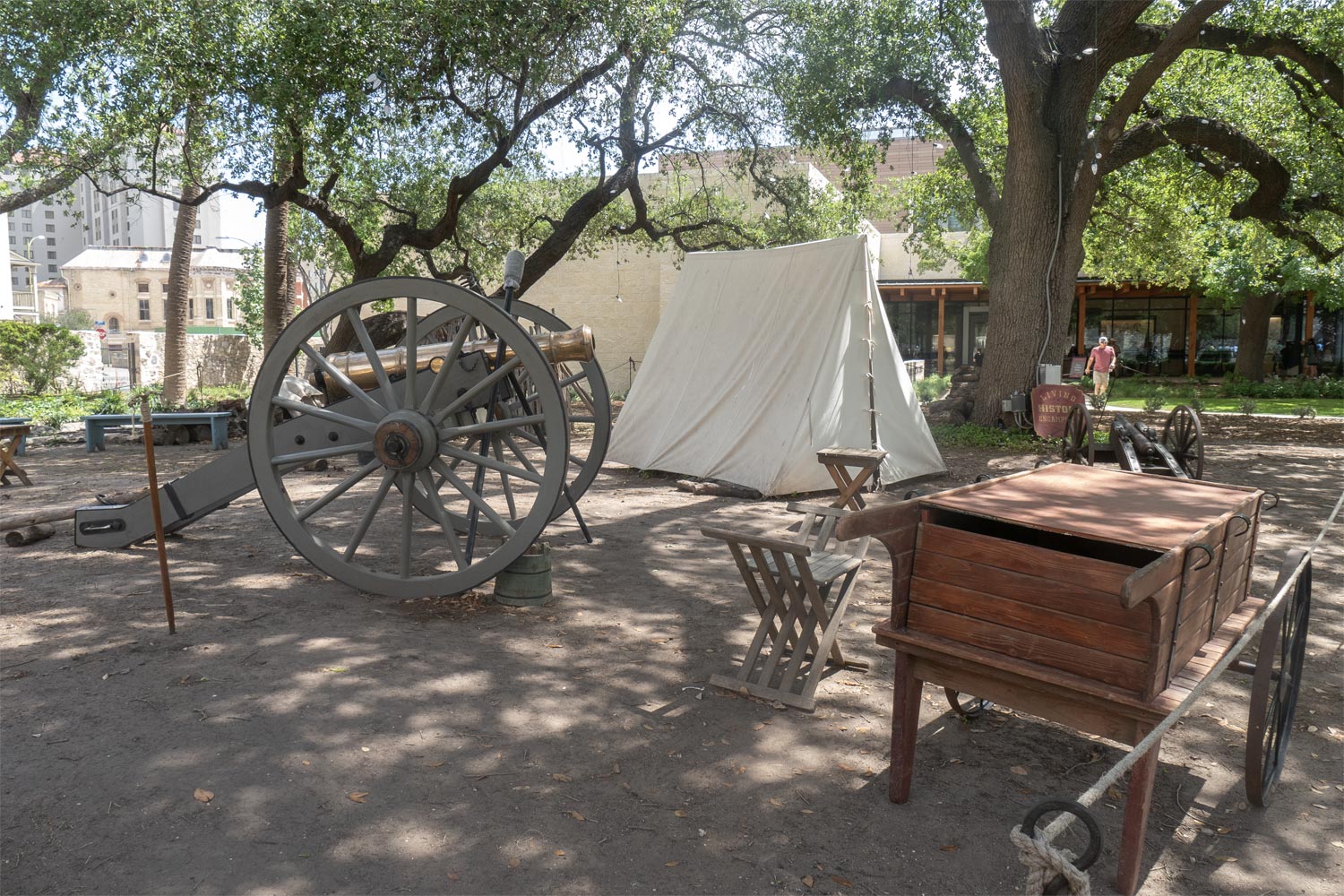
Overall, when it comes to history, all San Antonio can really boast is a small fort, a cannon on huge wheels, and a military garrison tent.
However, the city has several beautiful buildings, one of which is the House of Medical Sciences, where doctors once held meetings and which today houses a hotel. Neo-Gothic, 1924.
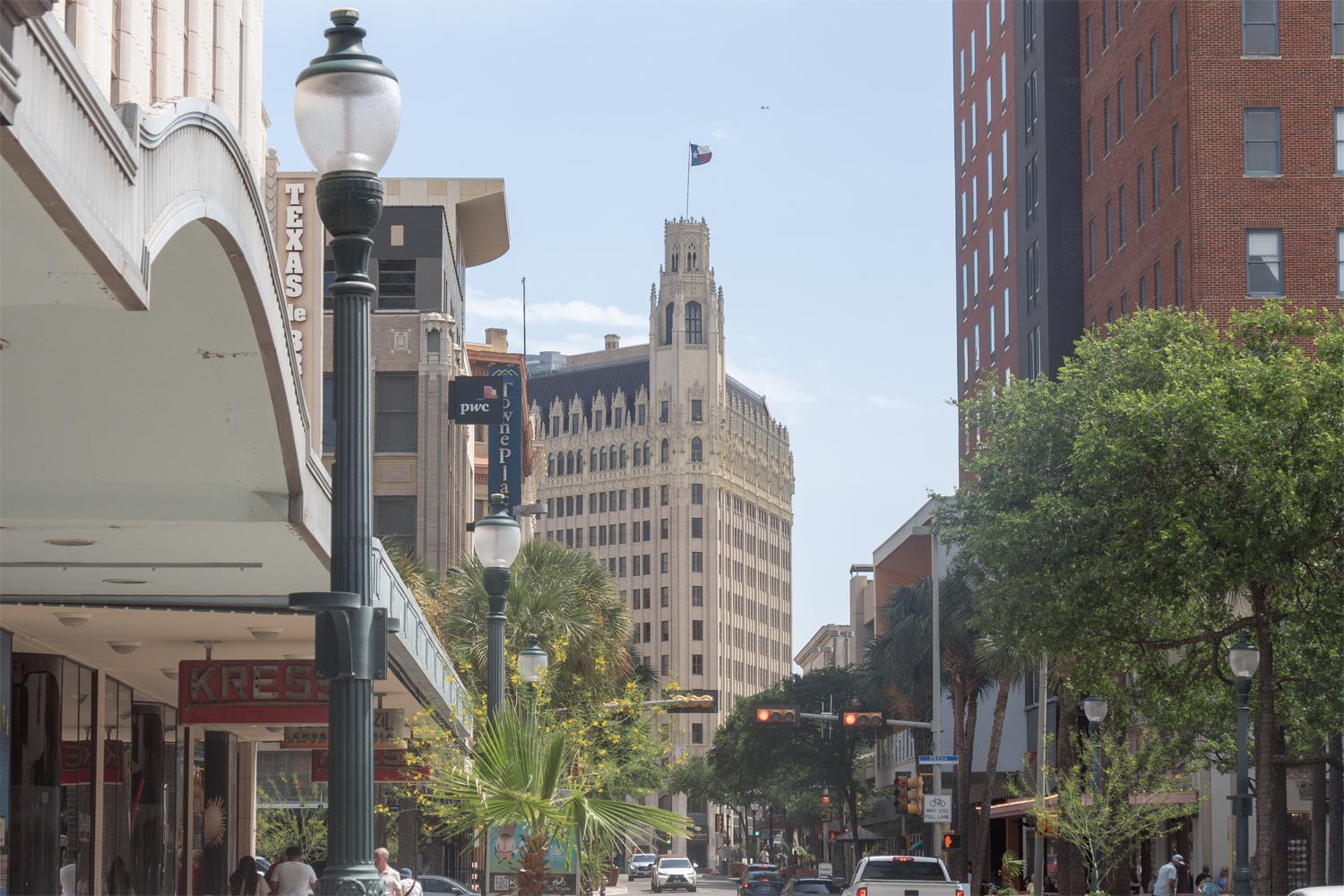
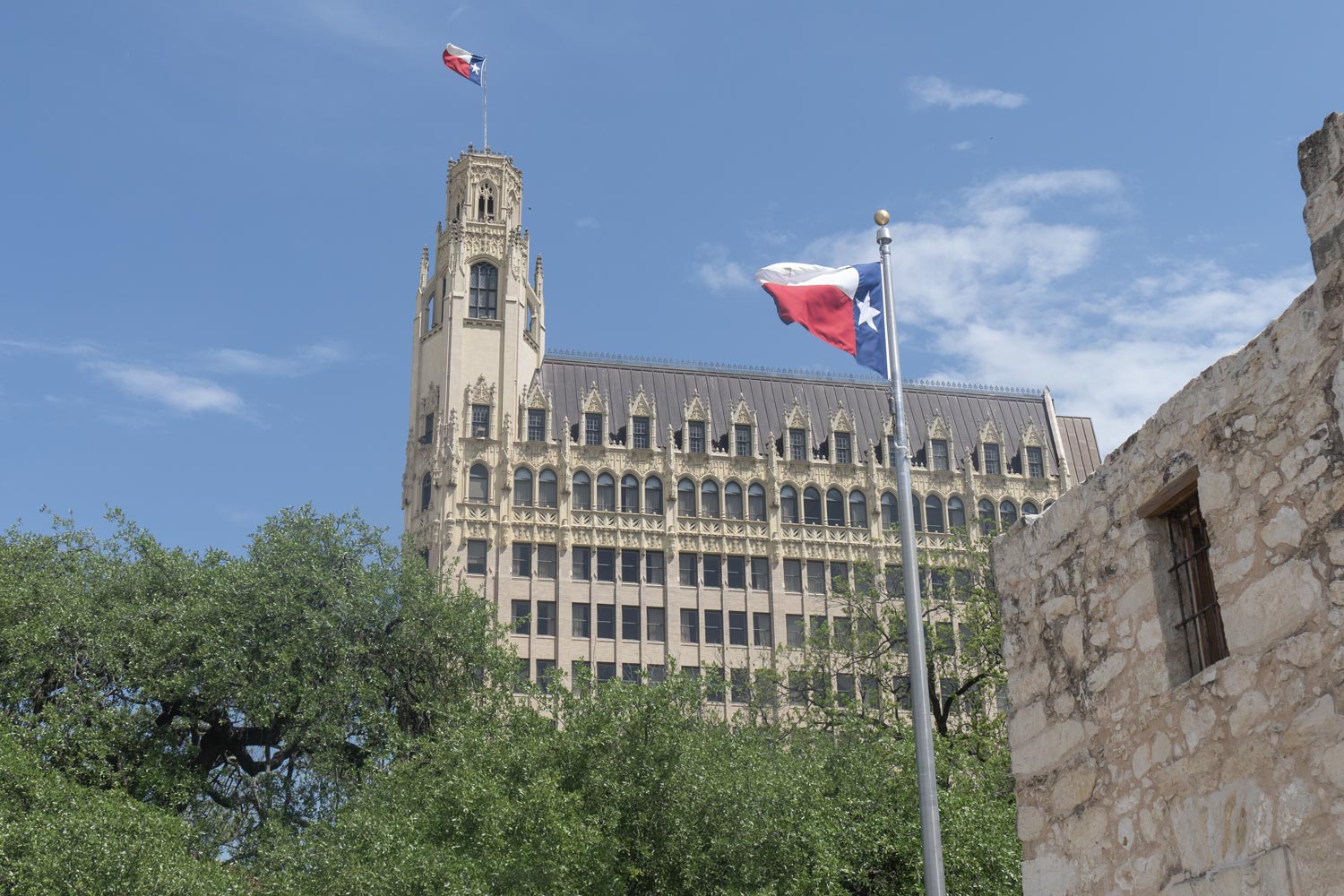
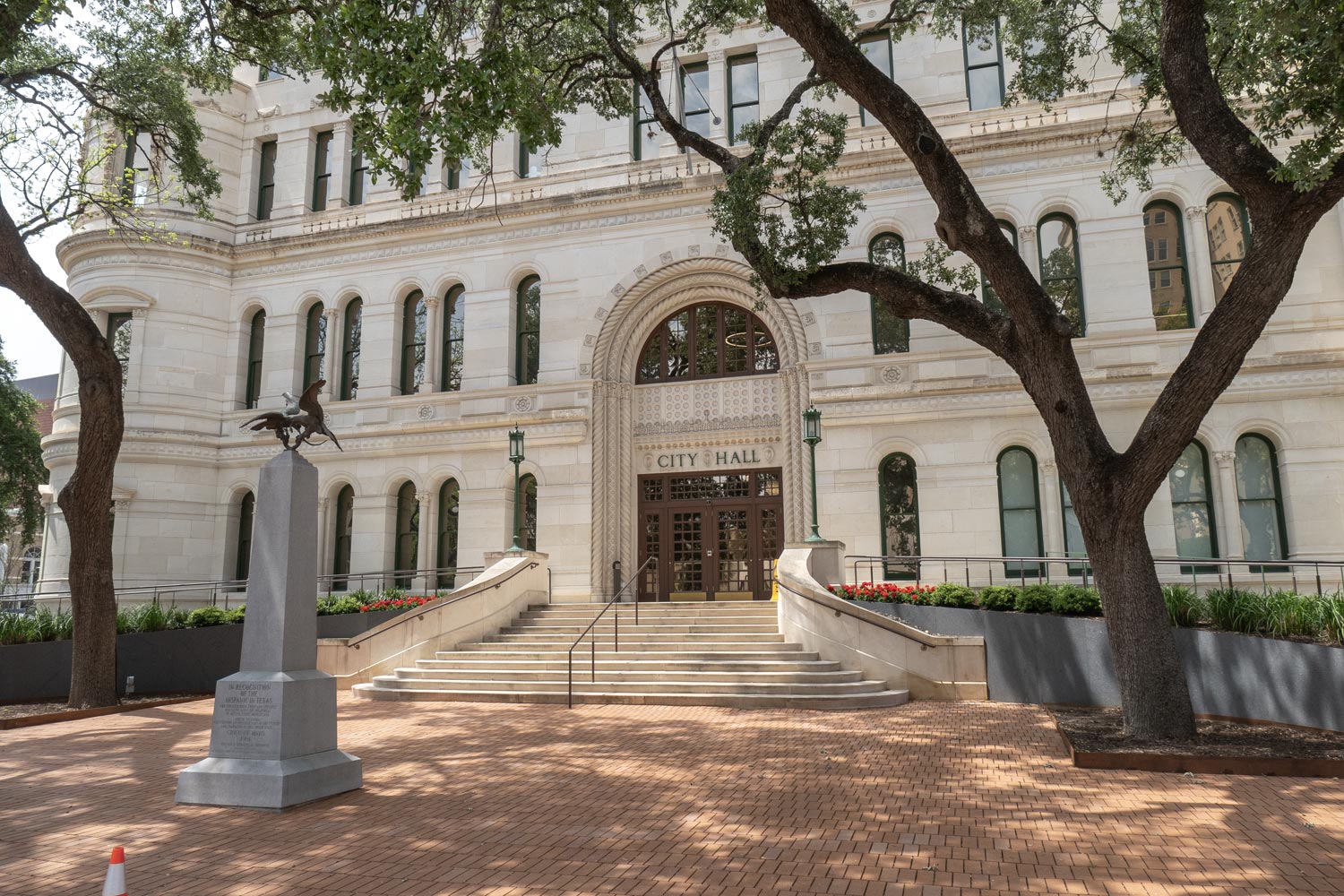
The luxurious palace ended up in the possession of the city hall.
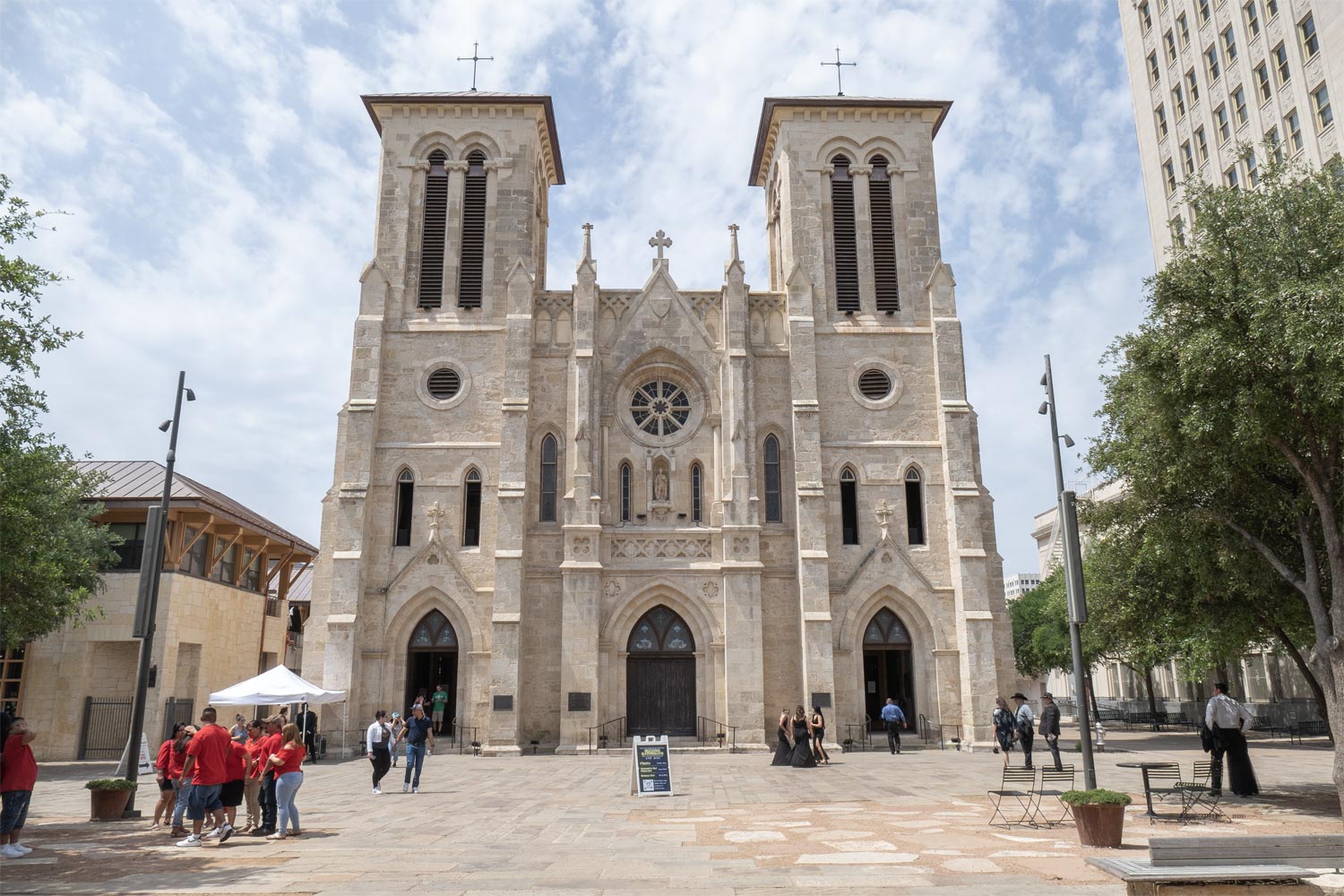
We also found a gorgeous Catholic church that was built back in 1755 — under the Spanish, and long before any of those Texas wars.
King William district
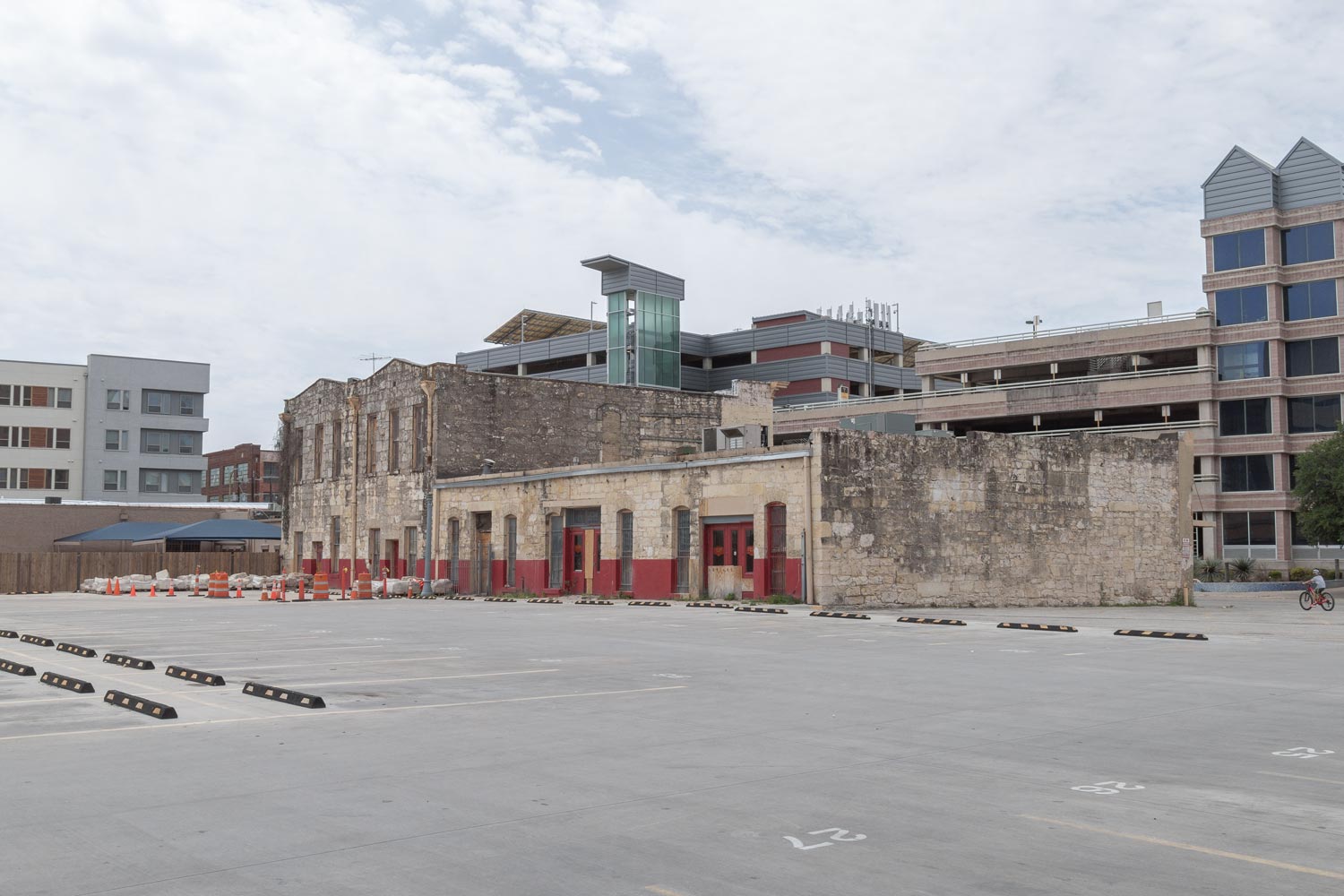
As I’ve already said, San Antonio is big only on paper. The main part of the city ends pretty quickly. On the outskirts, it’s vacant lots and parking lots.
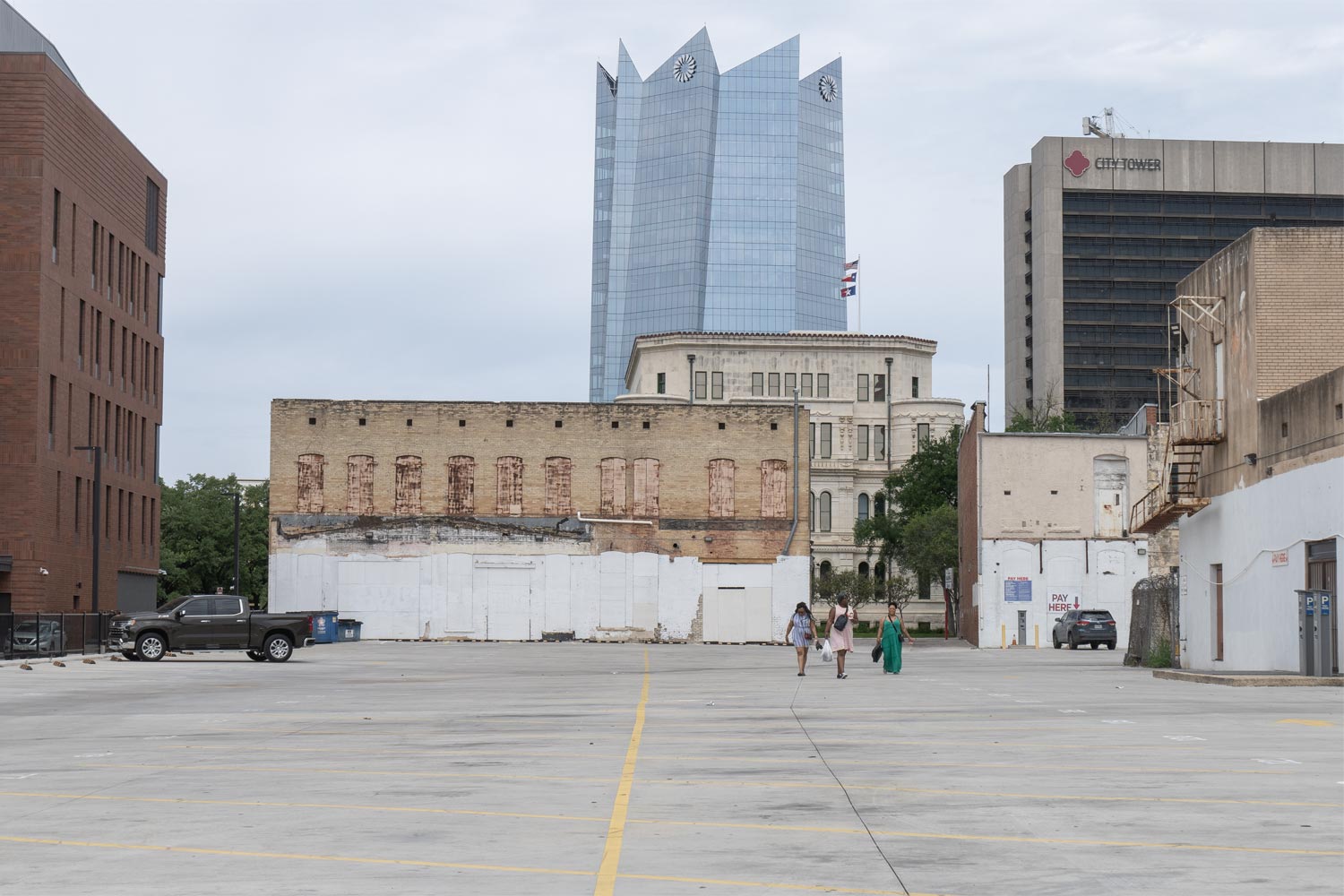
A typical picture of an American city: a bustling downtown, lively suburbs, and a dead zone in between.
Not far outside the city is a historic district. It was built by Germans when, in the mid-19th century, a wave of immigrants from Germany poured into San Antonio. Over time, the area grew from a migrant enclave into one of the most prestigious neighborhoods.
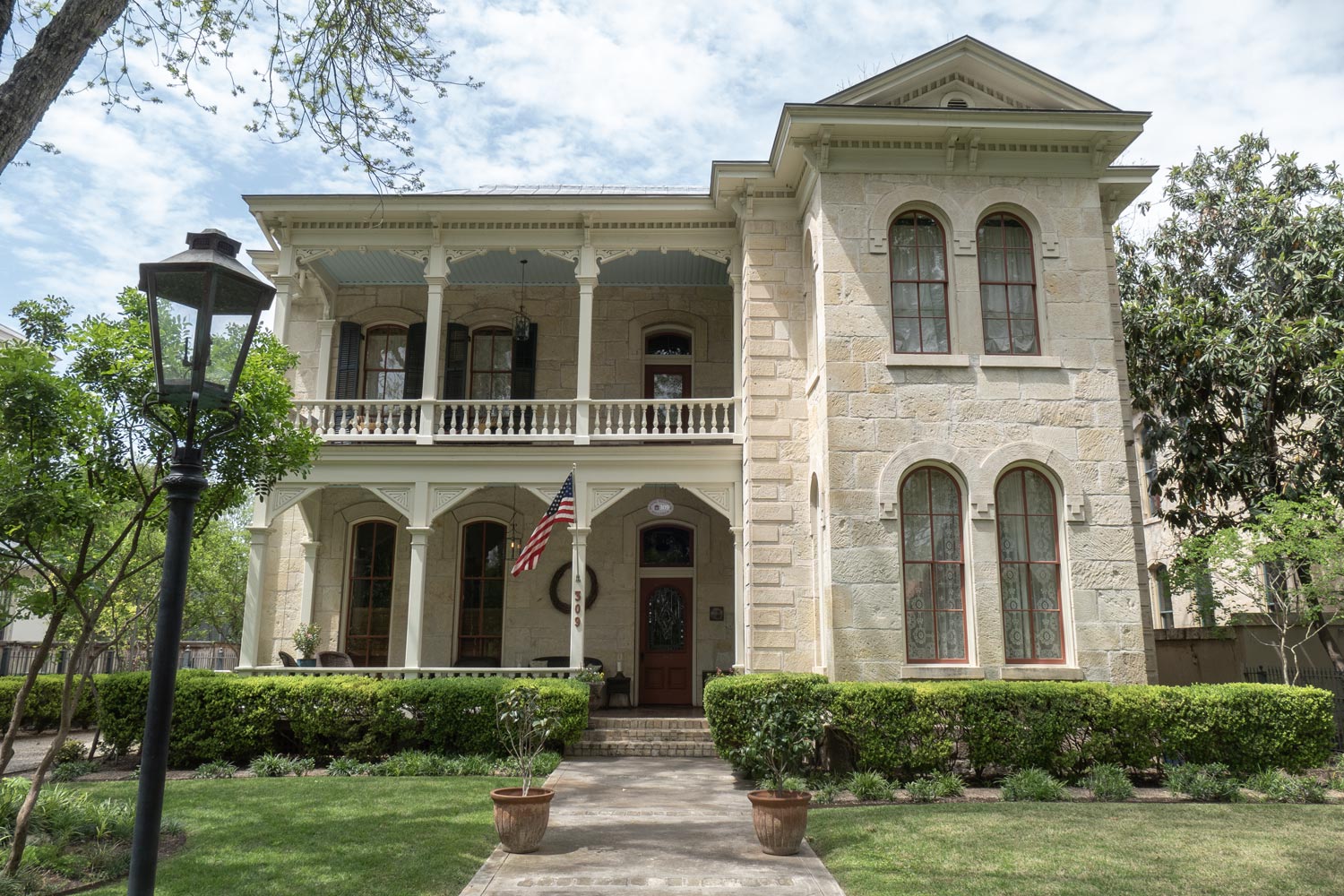
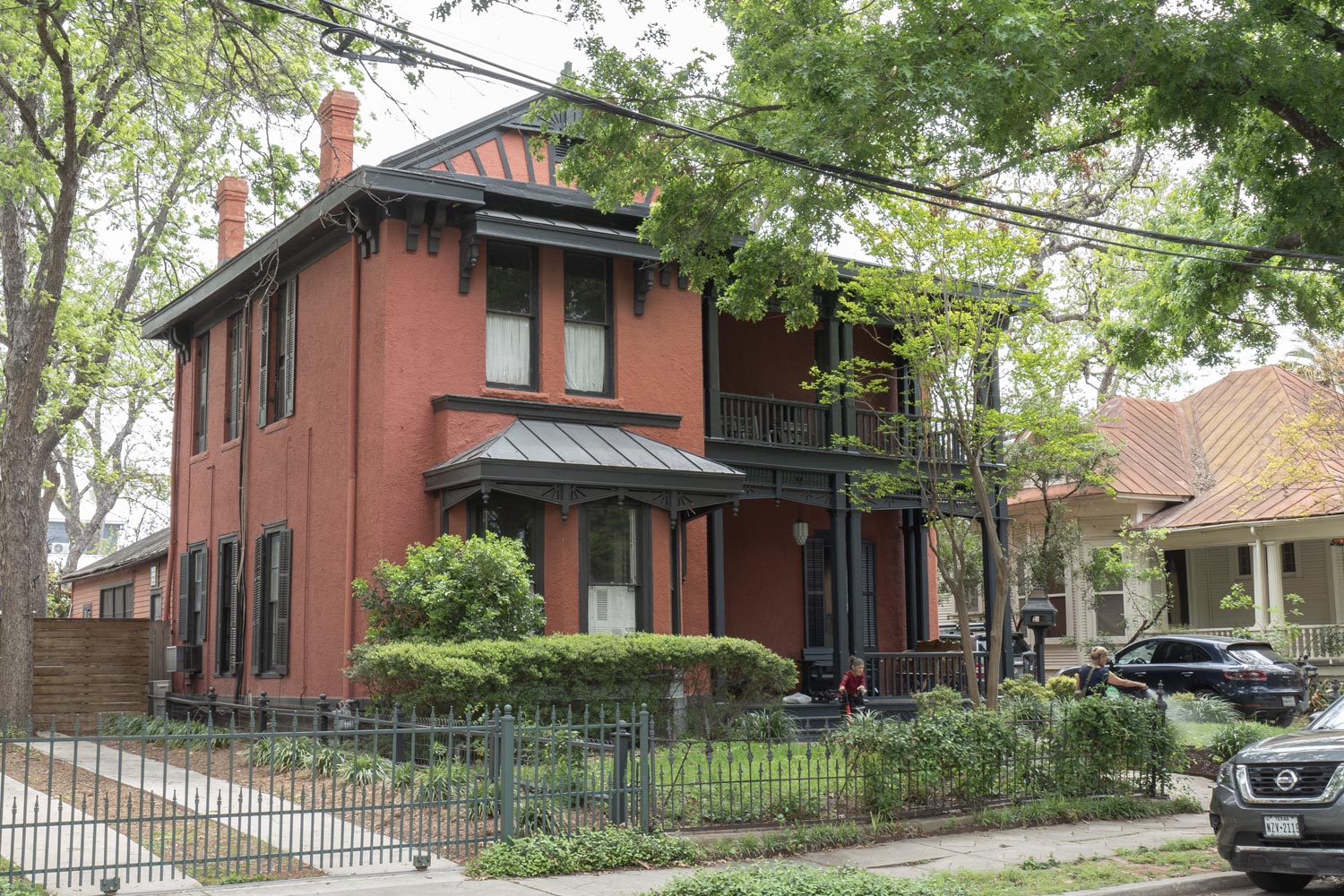
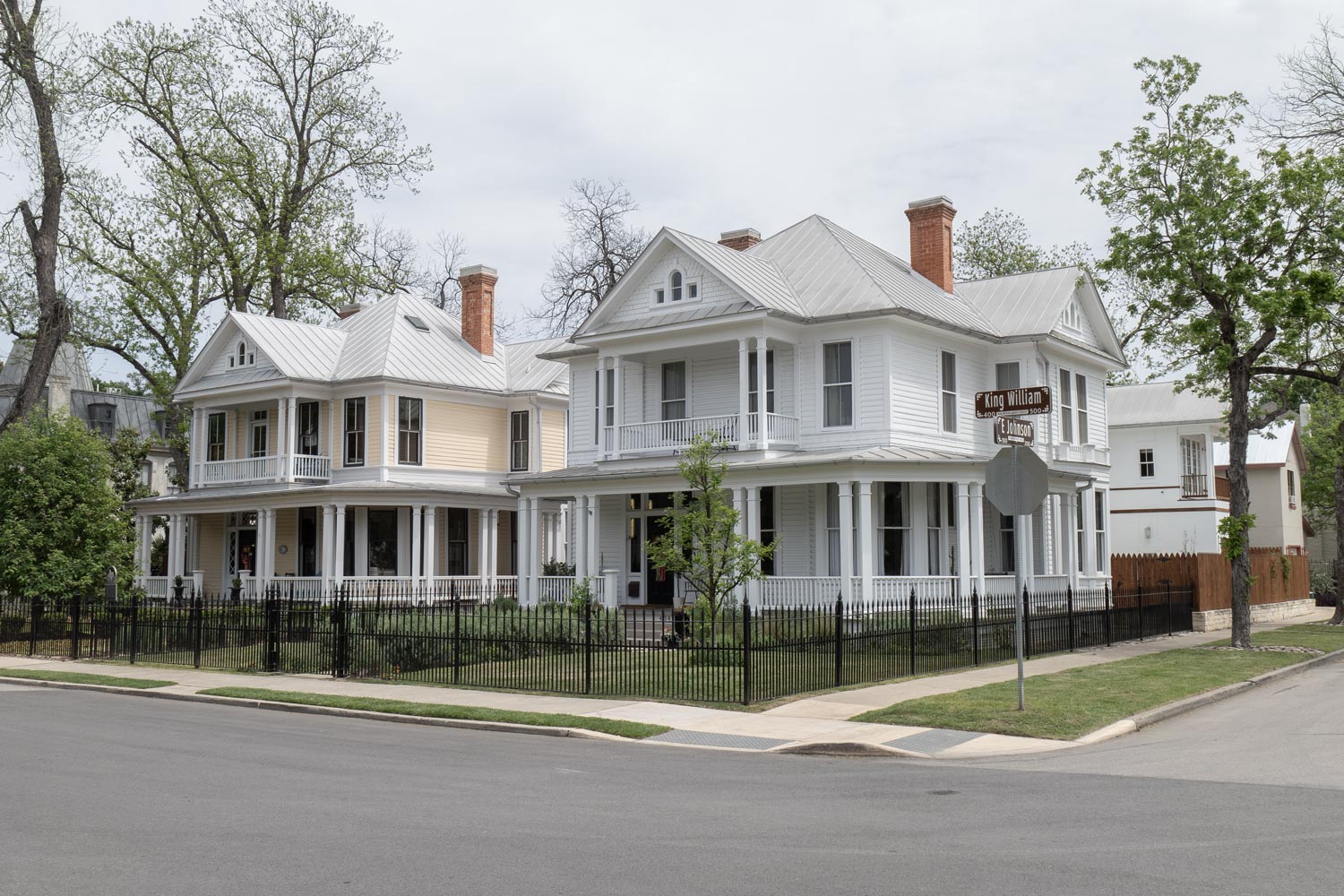
The houses in this neighborhood, which is called King Williams in honor of the King of Prussia, aren’t just houses — they’re real palaces.
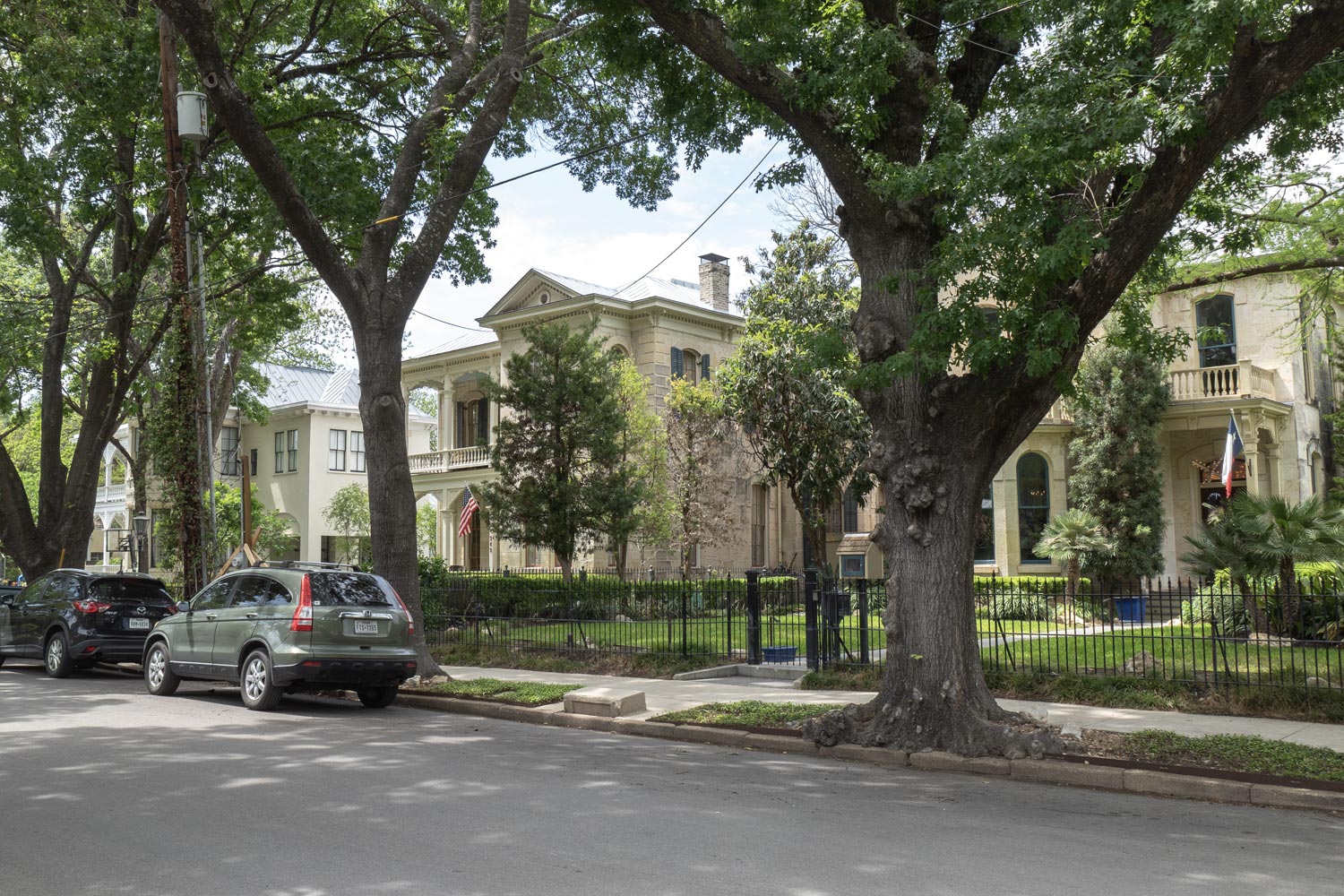
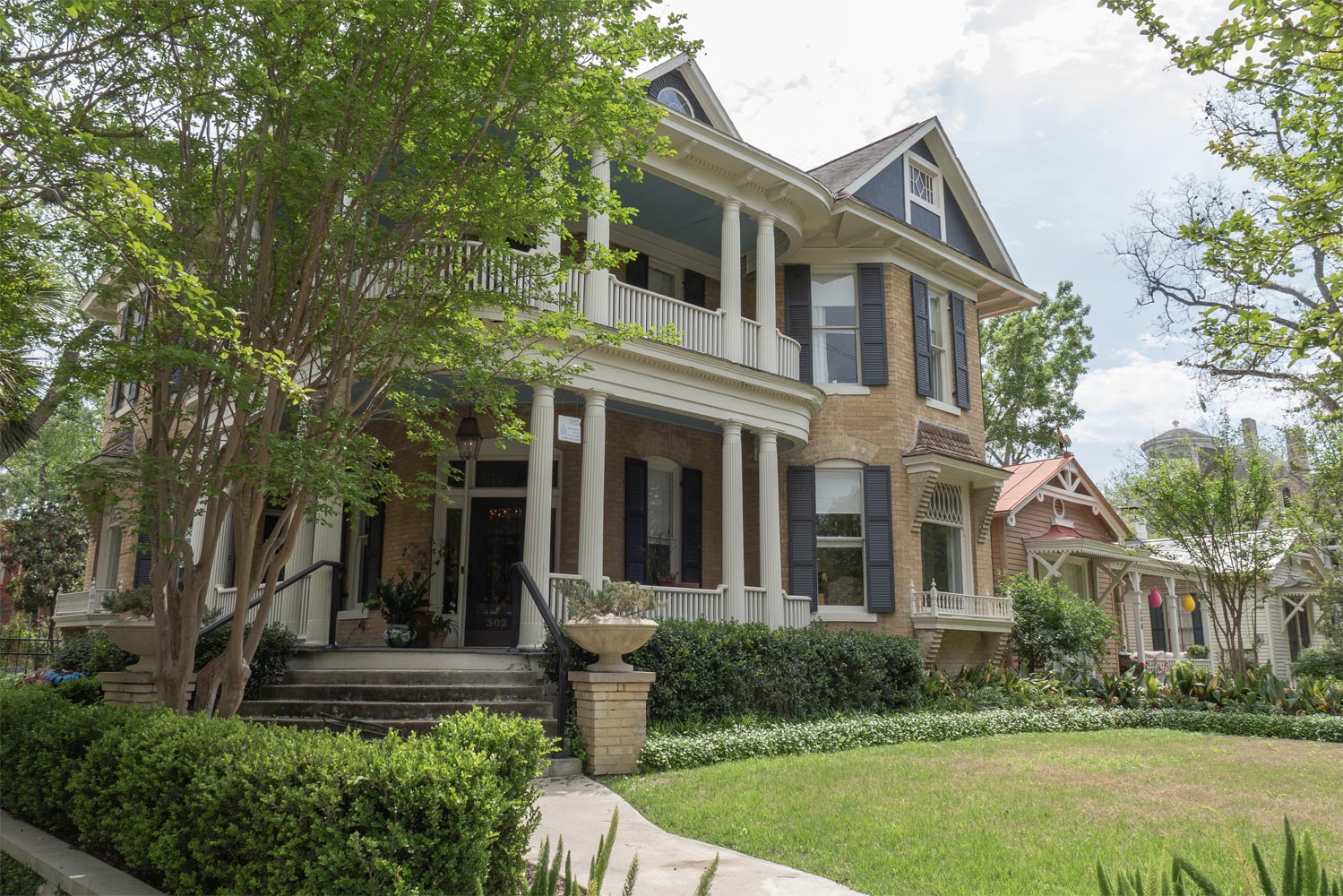
Several houses have been turned into museums, but most of them are still residential. At the same time, any major renovation is possible only with government permission, since the district has been recognized as a historical landmark.
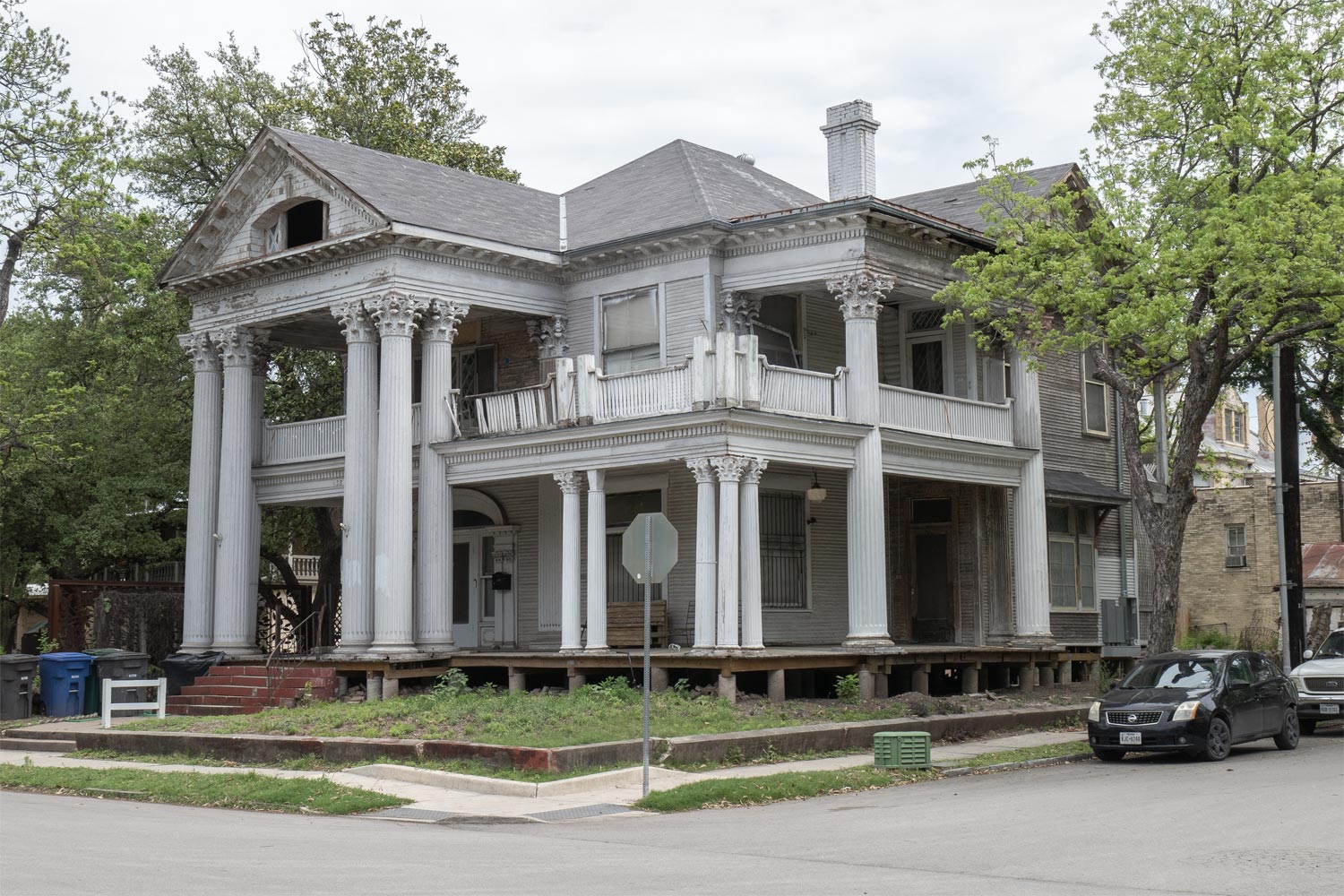
There are also a couple of abandoned houses in poor condition.
Suburbs
The compact core of San Antonio is surrounded by dozens of miles of American suburbs. Most of them were built back in the 1960s–1980s, when a construction boom swept the United States — primarily to house veterans of World War II, the Korean War, and the Vietnam War.
The author stayed for a week in one of those houses, built in 1980.
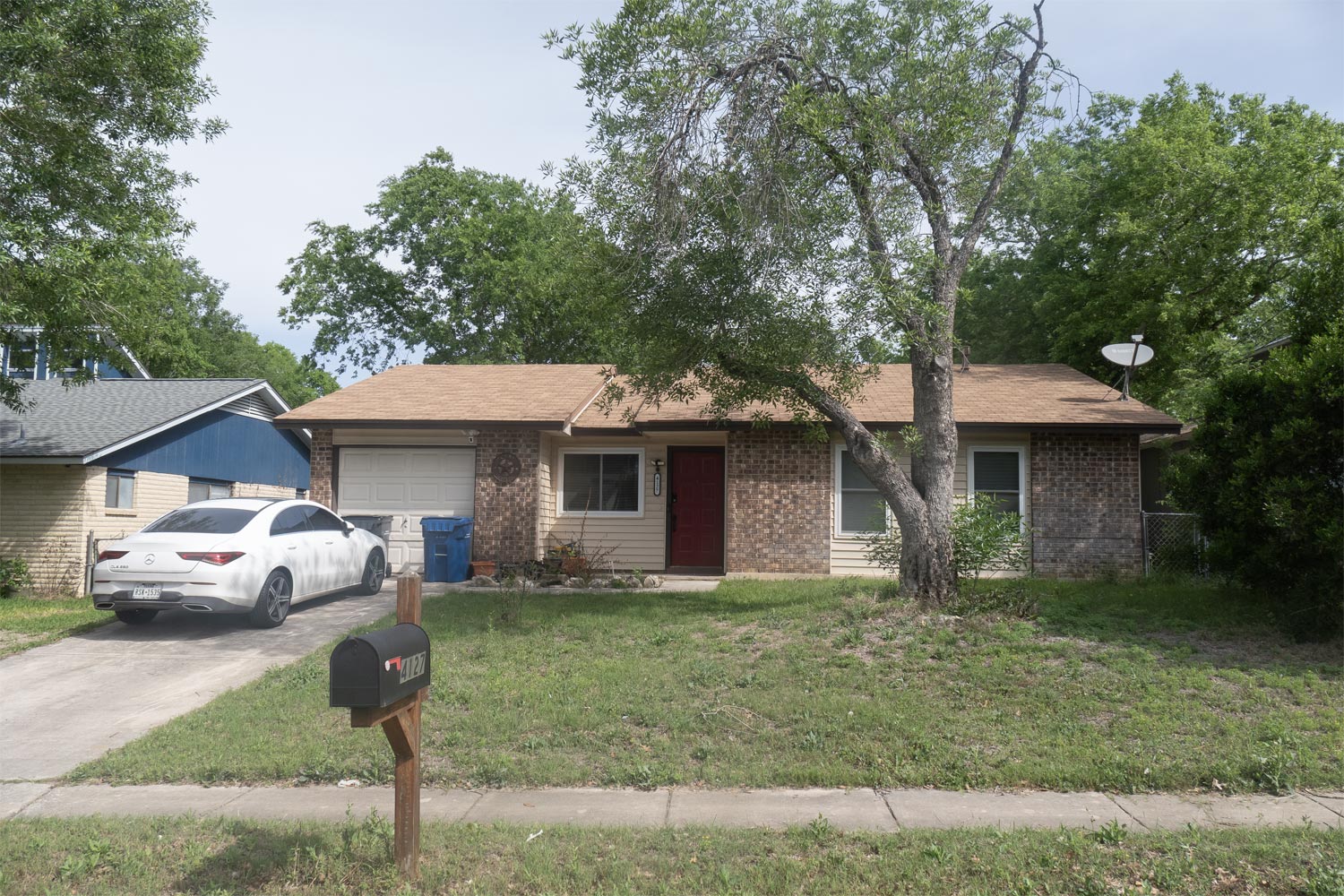
The house turned out to be a typical representative of that very “one-story America.” From the outside it looked quite cozy, but inside it was rather modest. Because of the lack of light, the ceiling loomed like a leaden sky, and the greenish-gray walls only added to the gloom.
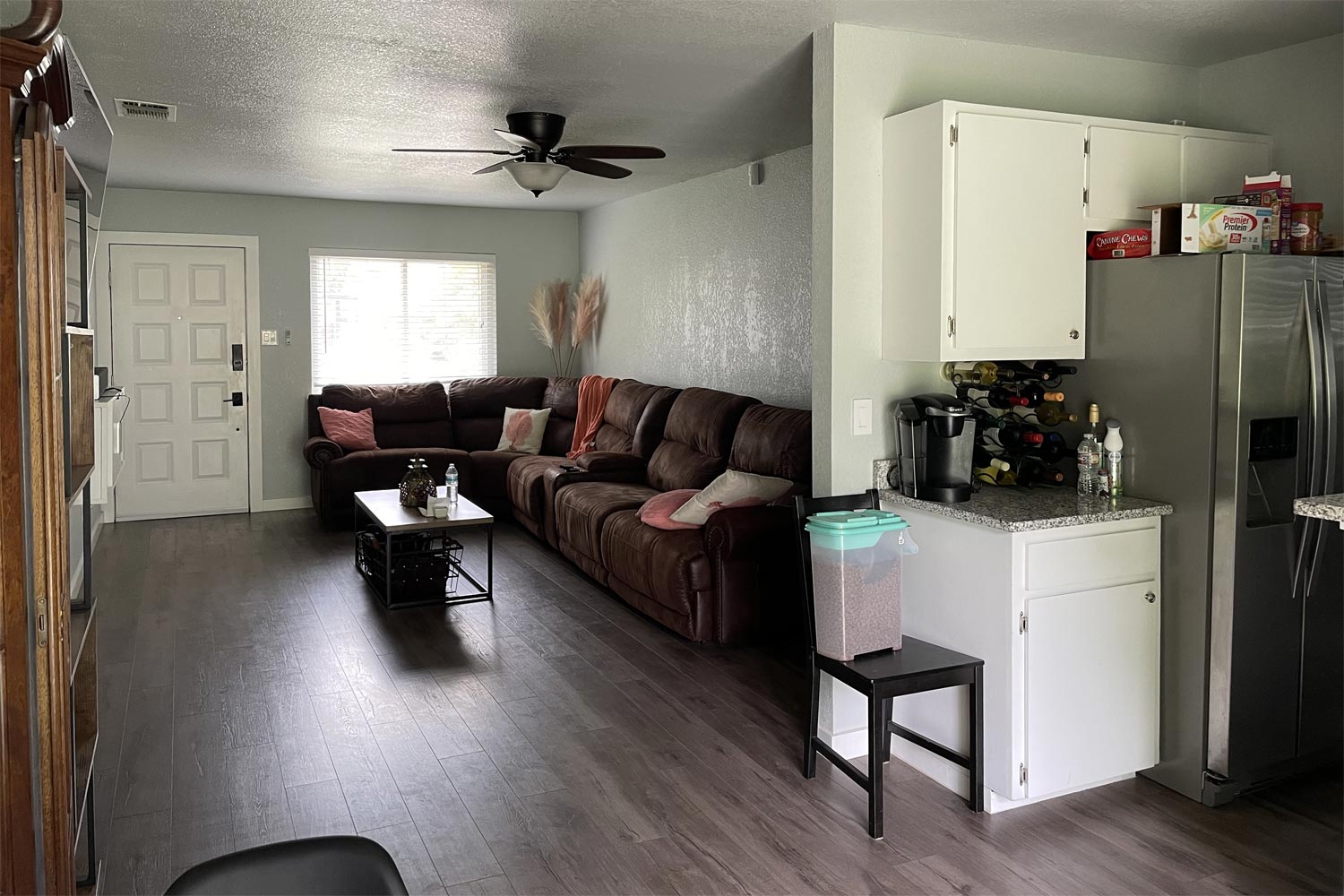
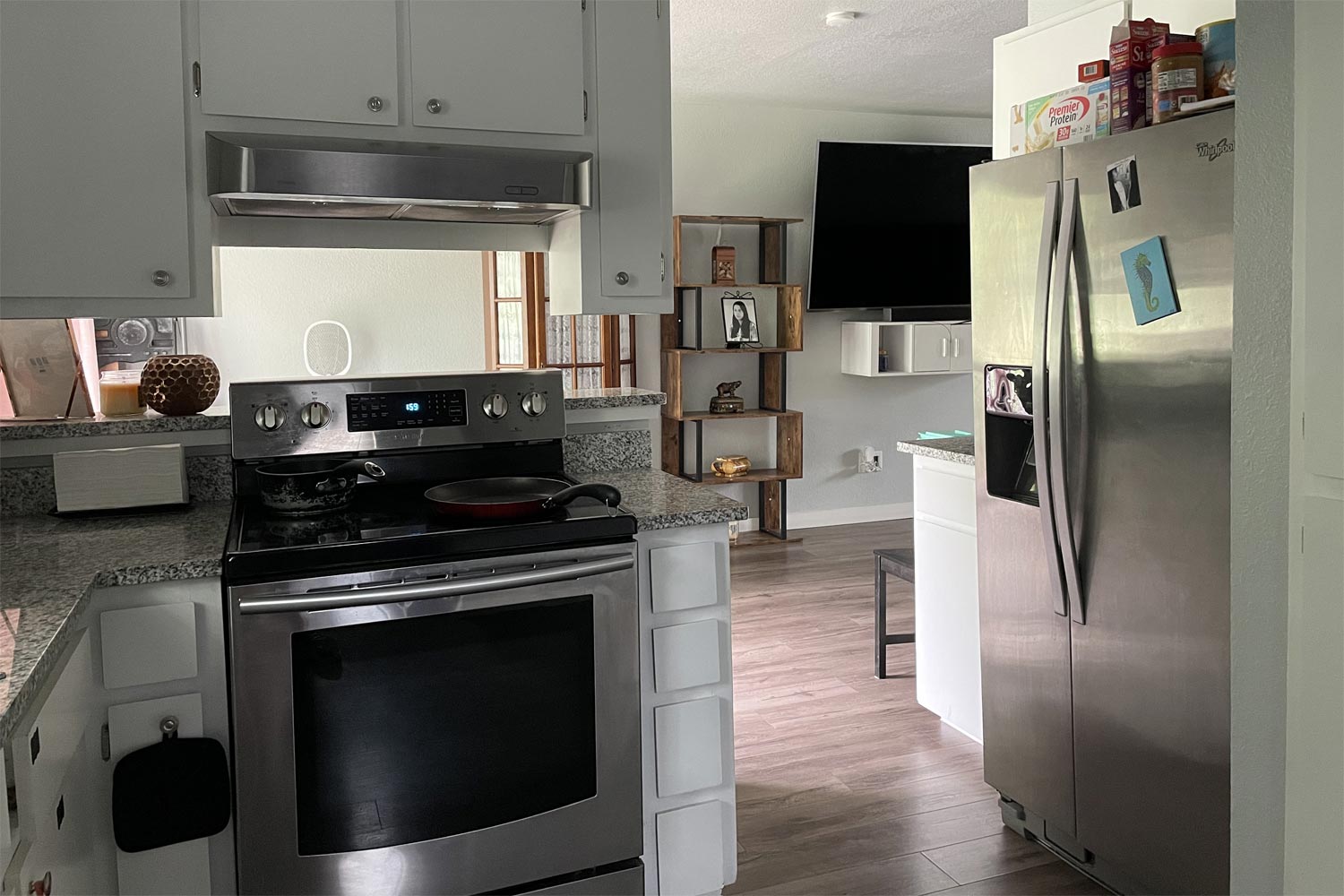
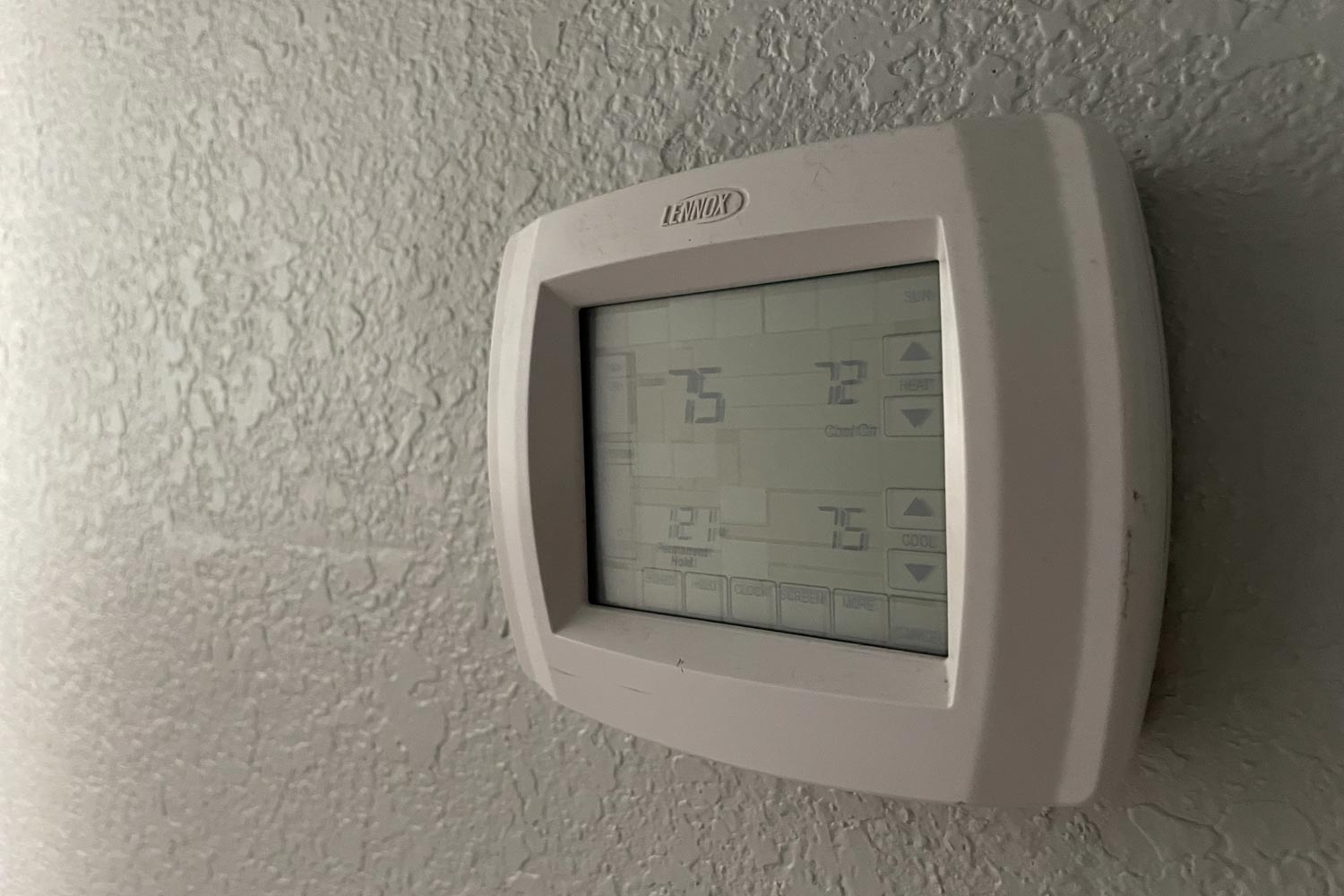
The house turned out to be quite well equipped. Naturally, it had an air-conditioning system: wall-mounted thermostats began to be installed in the United States as far back as the 1930s. The kitchen had the standard set: a huge two-door refrigerator, a gas stove, a sink with a garbage disposal, a microwave, and all sorts of mixers.
The bedrooms in the house were rented out on Airbnb, so they were furnished minimally.
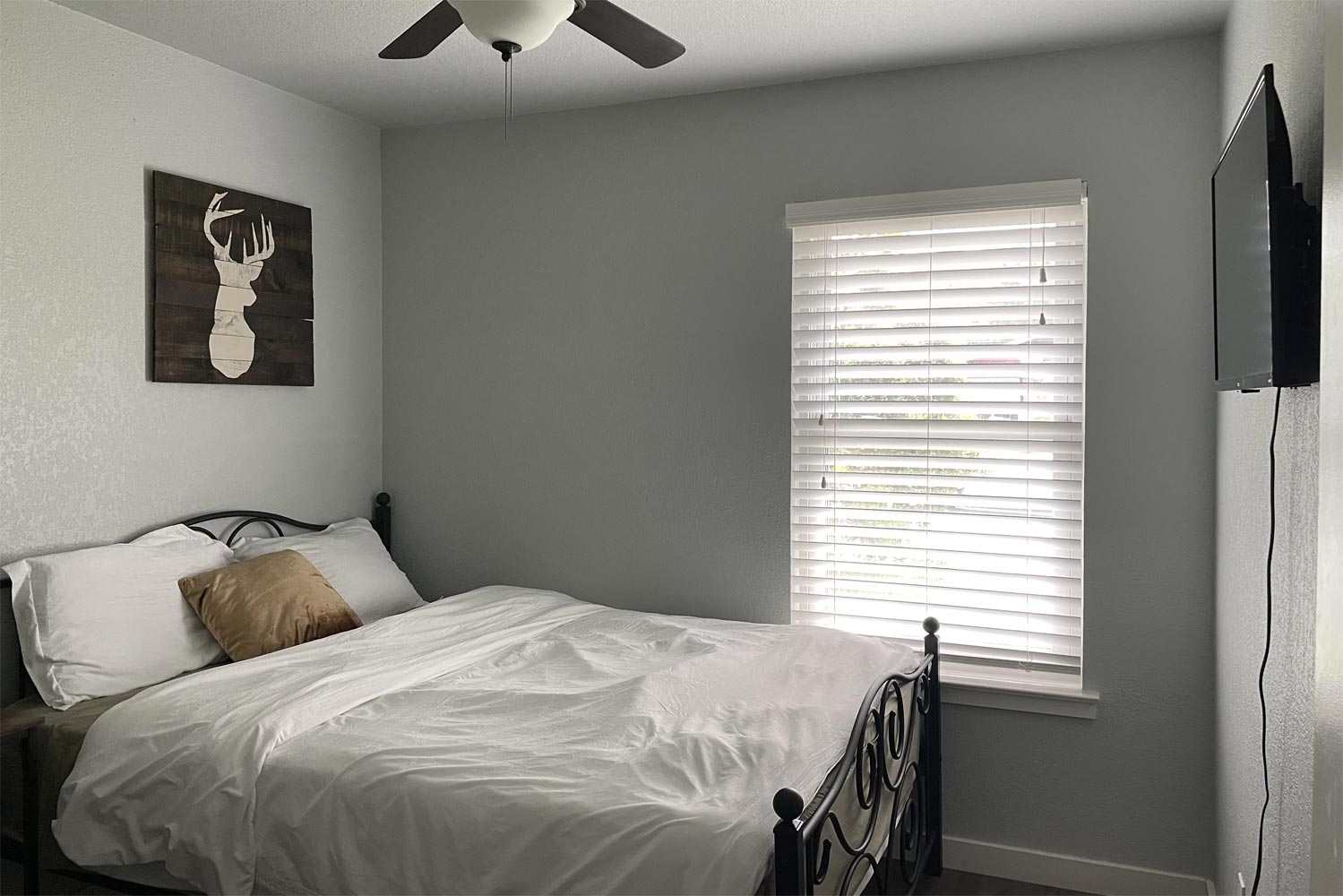
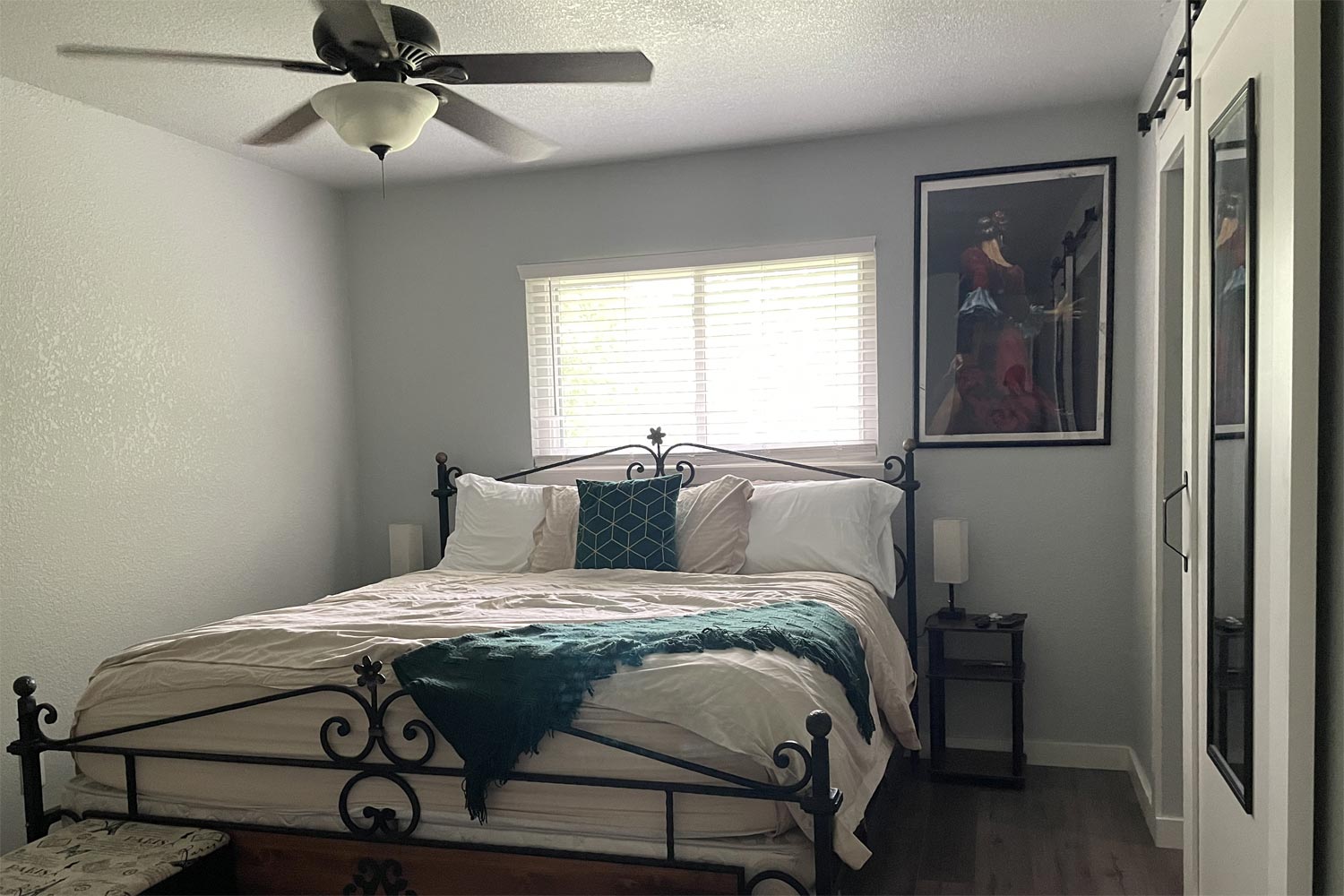
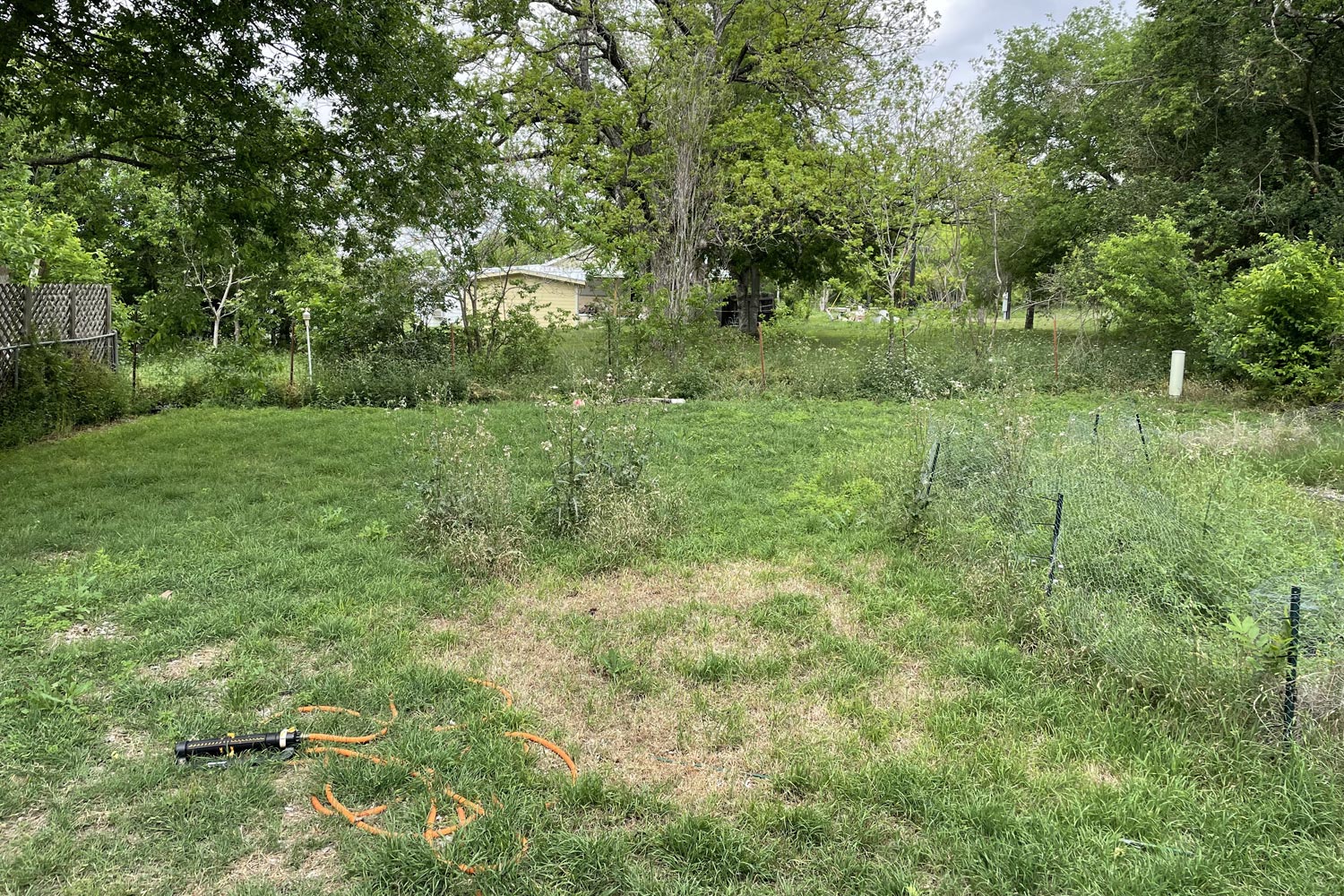
But behind the little house, instead of a cozy garden, there was a vacant lot with sun-scorched, trampled grass. No wonder: in summer, temperatures in Texas can reach 43°C. In a garden in that kind of heat — especially with the humidity — no one can really sit outside.
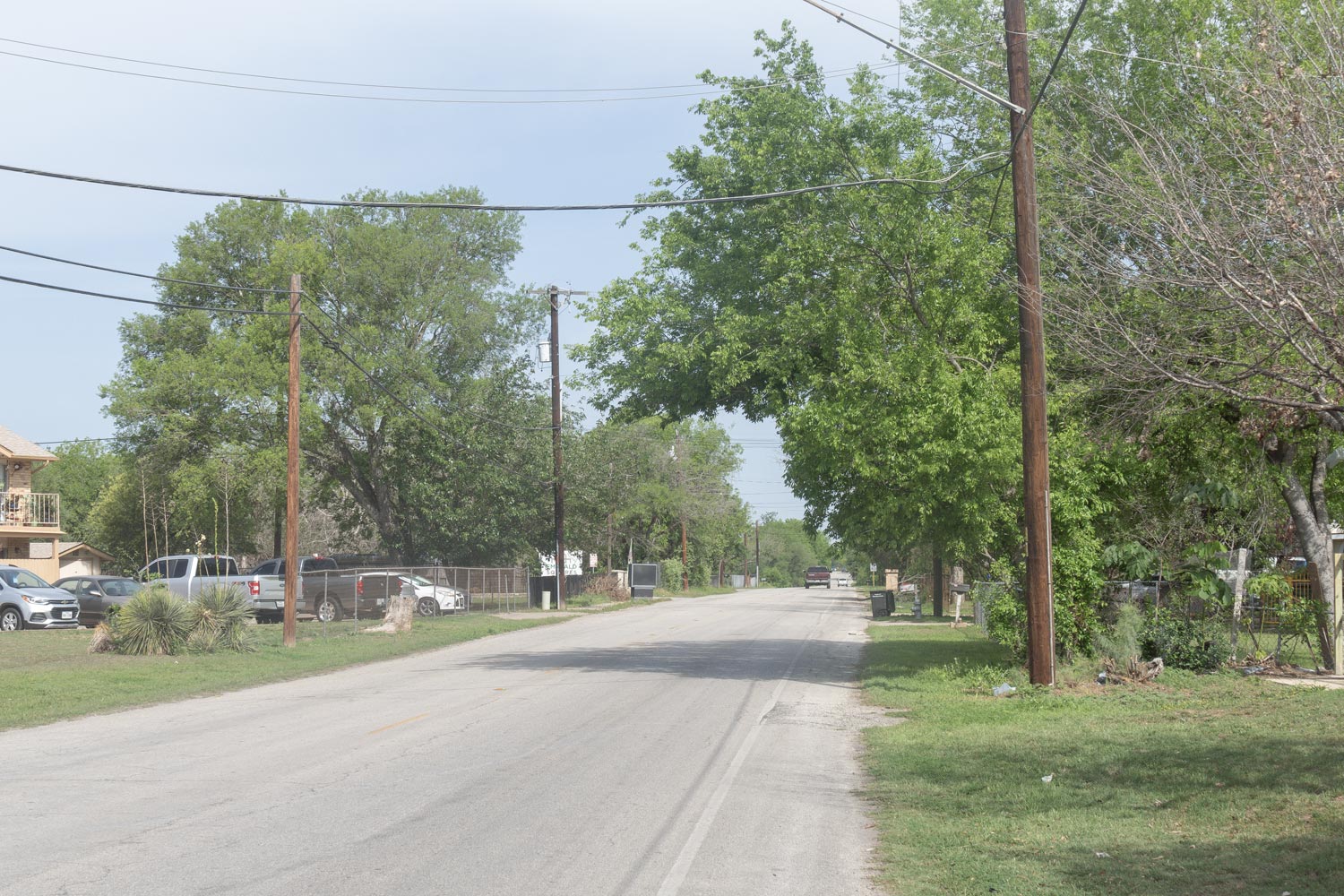
My house stood on one of the many streets in one of the many American suburbs. Along the street stood dozens of houses just like this one. On the one hand, everything was clean and neatly trimmed, and people really did greet each other with the words, “Hi, how are you?” or “Good morning!”
On the other hand, it was unbelievably boring here!
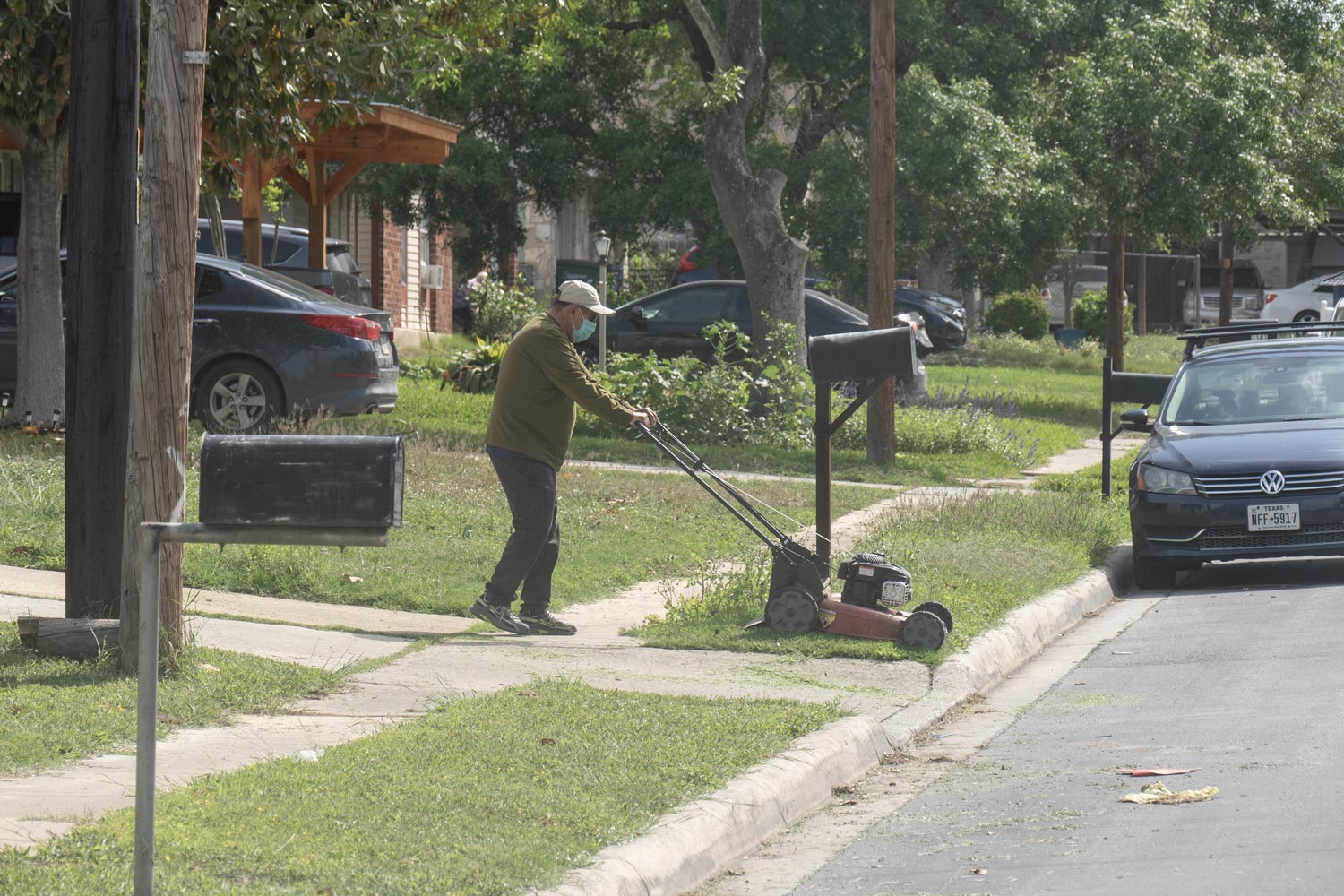
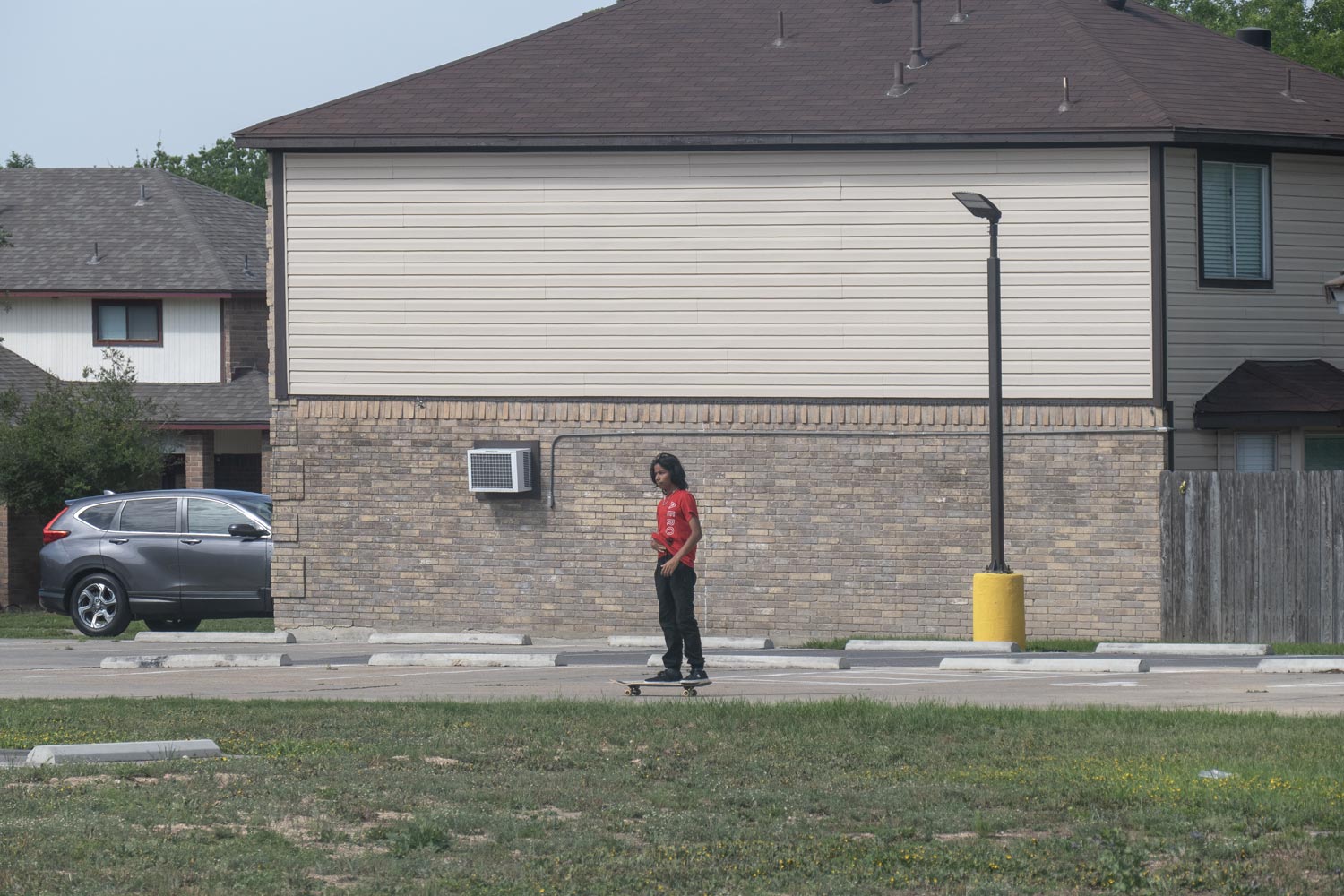
Retirees were mowing lawns, mailmans were delivering newspapers, and a few children were entertaining themselves by endlessly riding scooters and skateboards up and down the same street. No other real life was going on around.
Along the street ran a sidewalk, which in America is paved not with small tiles but with large square concrete slabs.
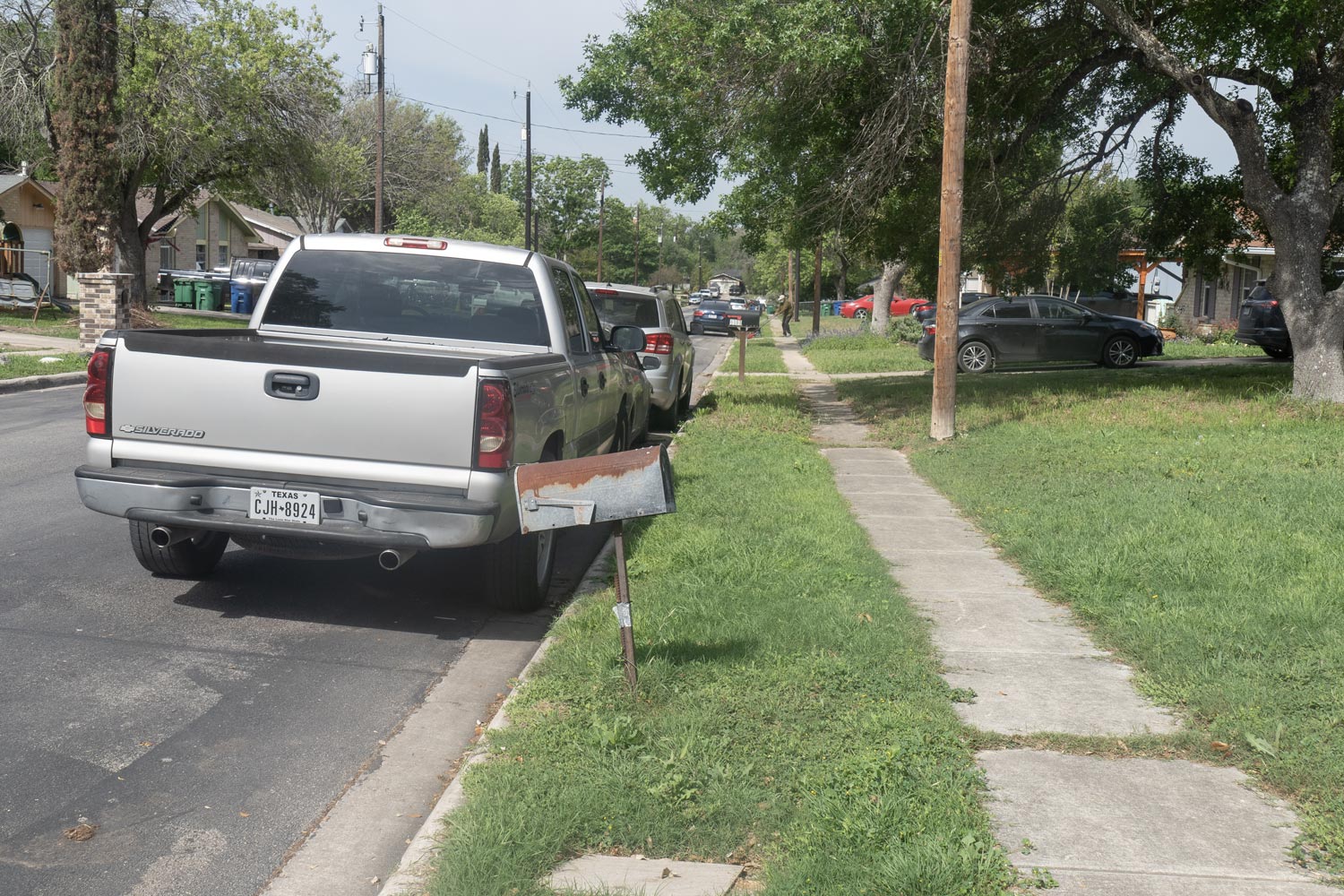
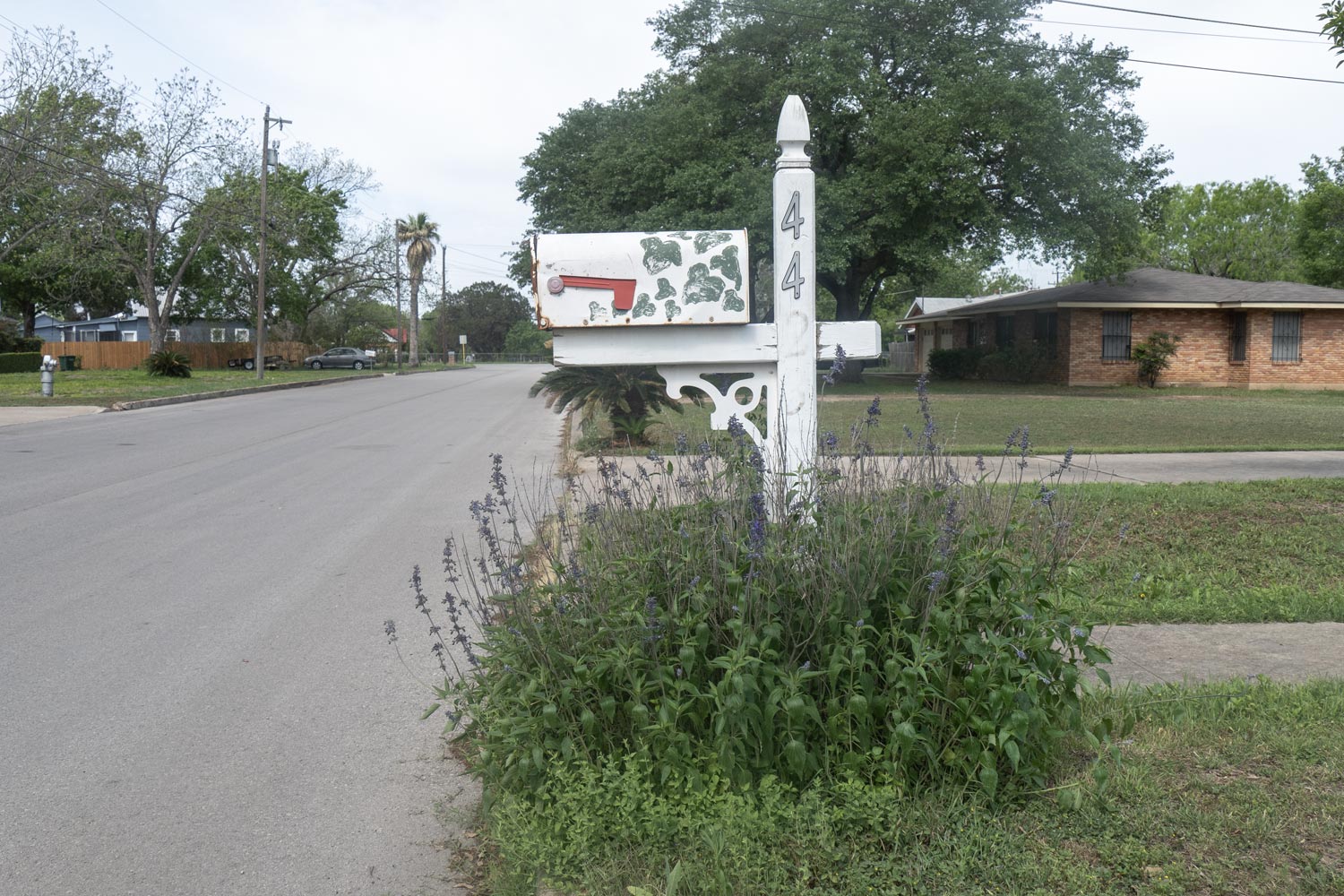
Of course, by each house there stood an American mailbox on its funny chicken leg.
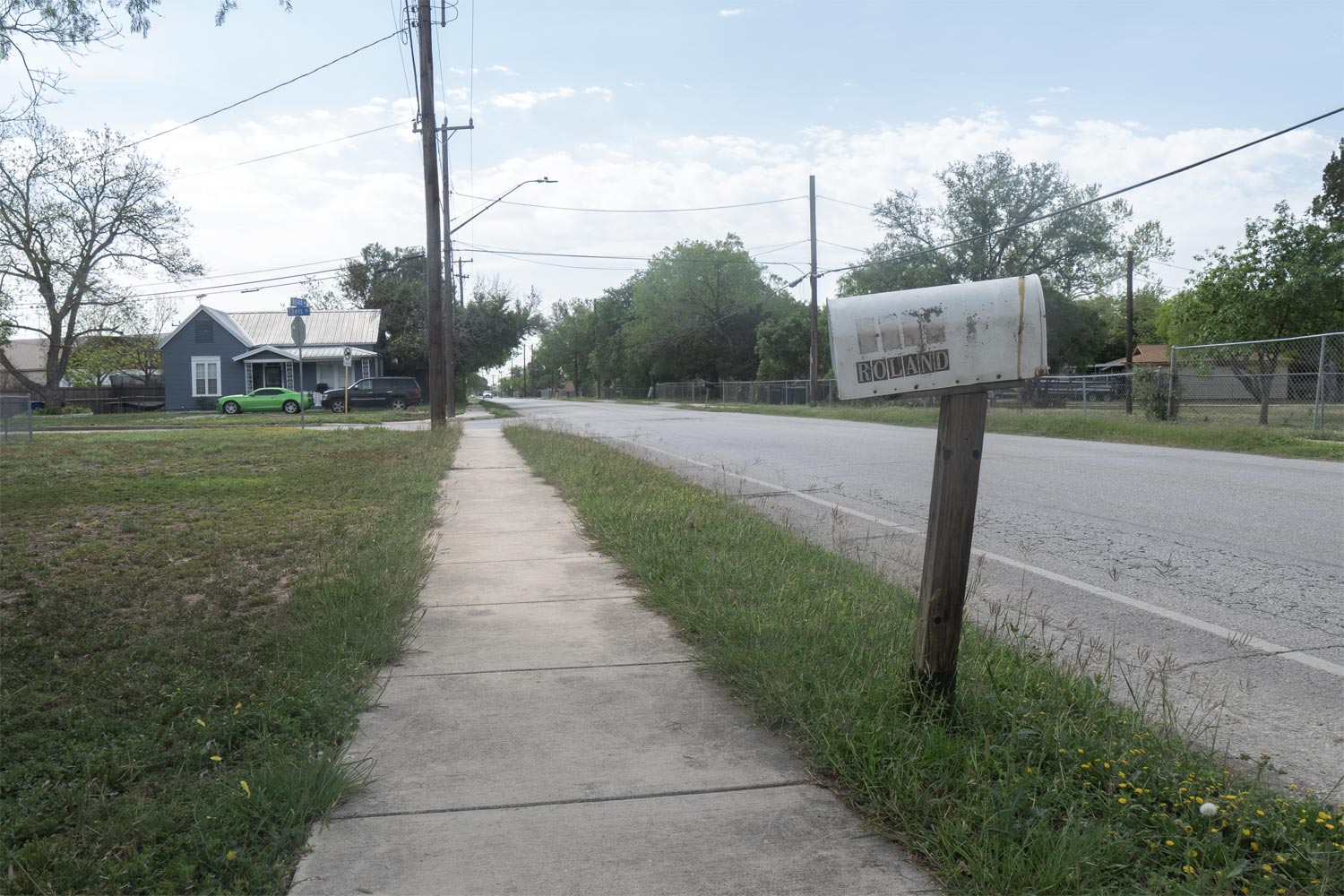
The sidewalk, after teasing pedestrians with its deceptive accessibility, had a habit of ending in the most unexpected place, and then one had to walk in the road.
Near the settlement there turned out to be a bus stop. It was a great rarity that it even had a roof. Usually there’s only a pole with the route information, and no bench.
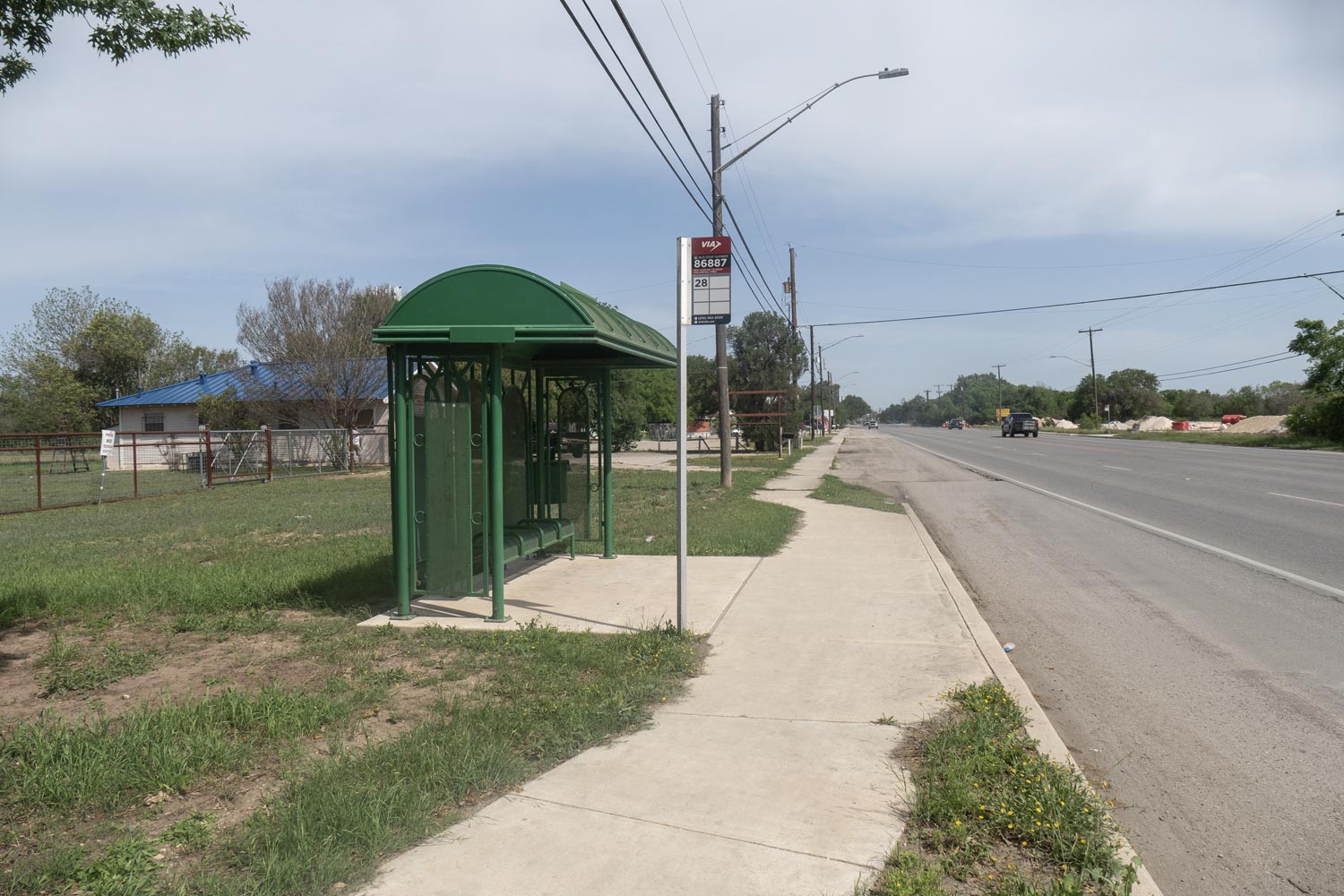
And yet public transportation in America does exist, and it reaches even deep into the suburbs. The problem is that distances here are too great, and buses run infrequently and slowly. They’re used mainly by retirees, schoolchildren, and low-income people.
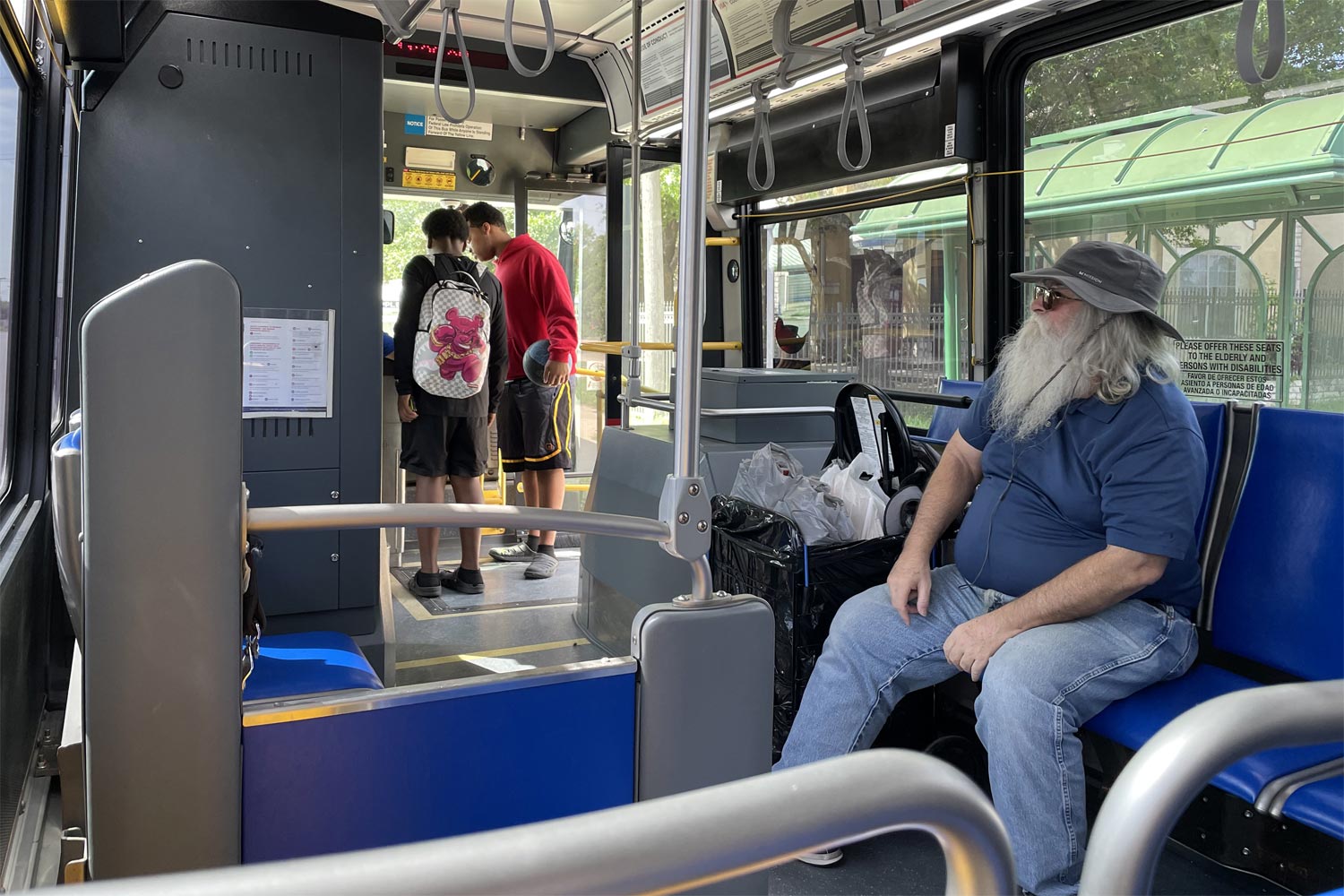
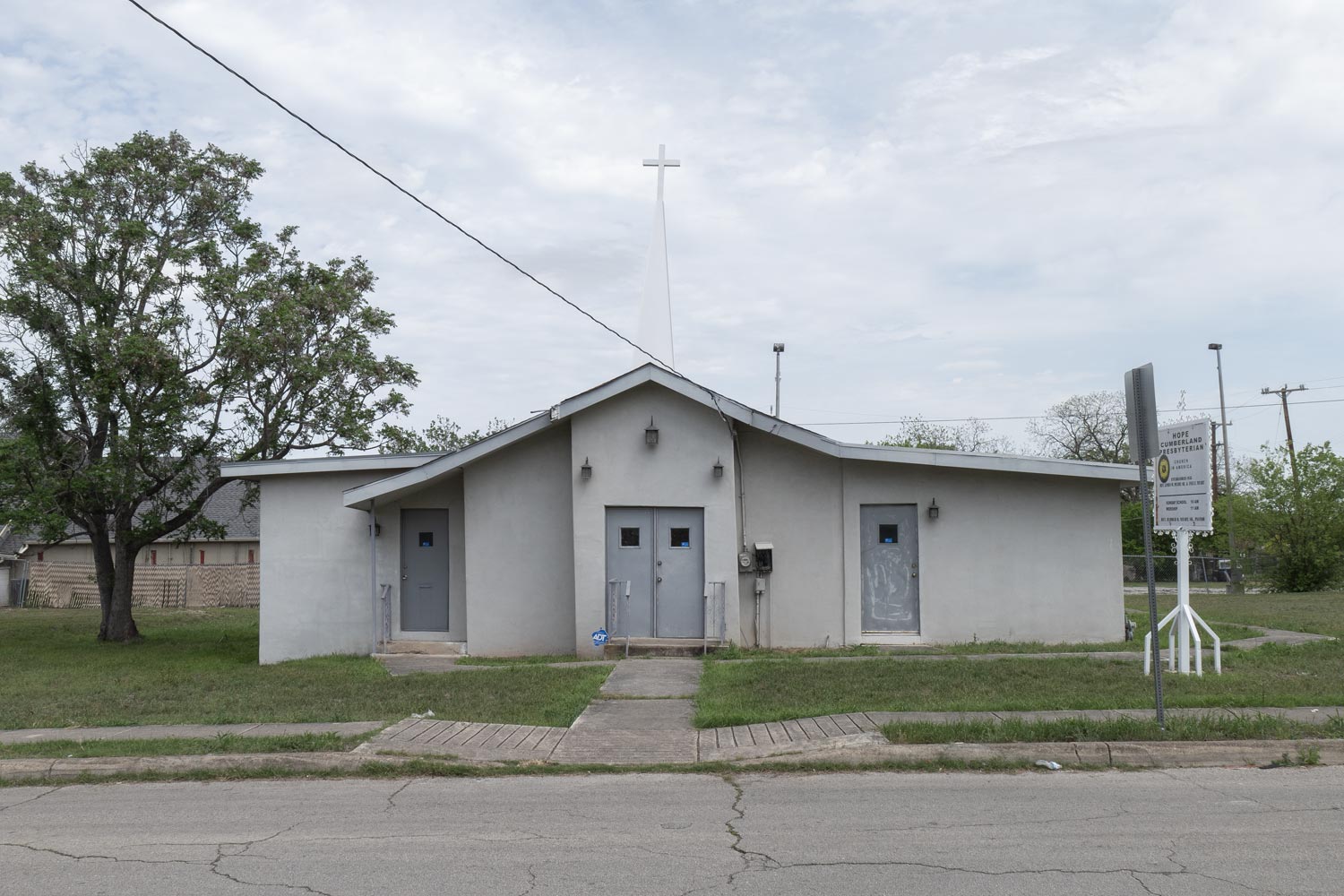
Getting on one of the buses, I set off wherever my eyes led me and got off at the first stop that seemed interesting, when I saw through the window some strange structure resembling an electrical substation in a Russian village, only with a cross on the roof. It was a Presbyterian church.
Not far from her stood several poor houses, which were in no way like any she had seen before.
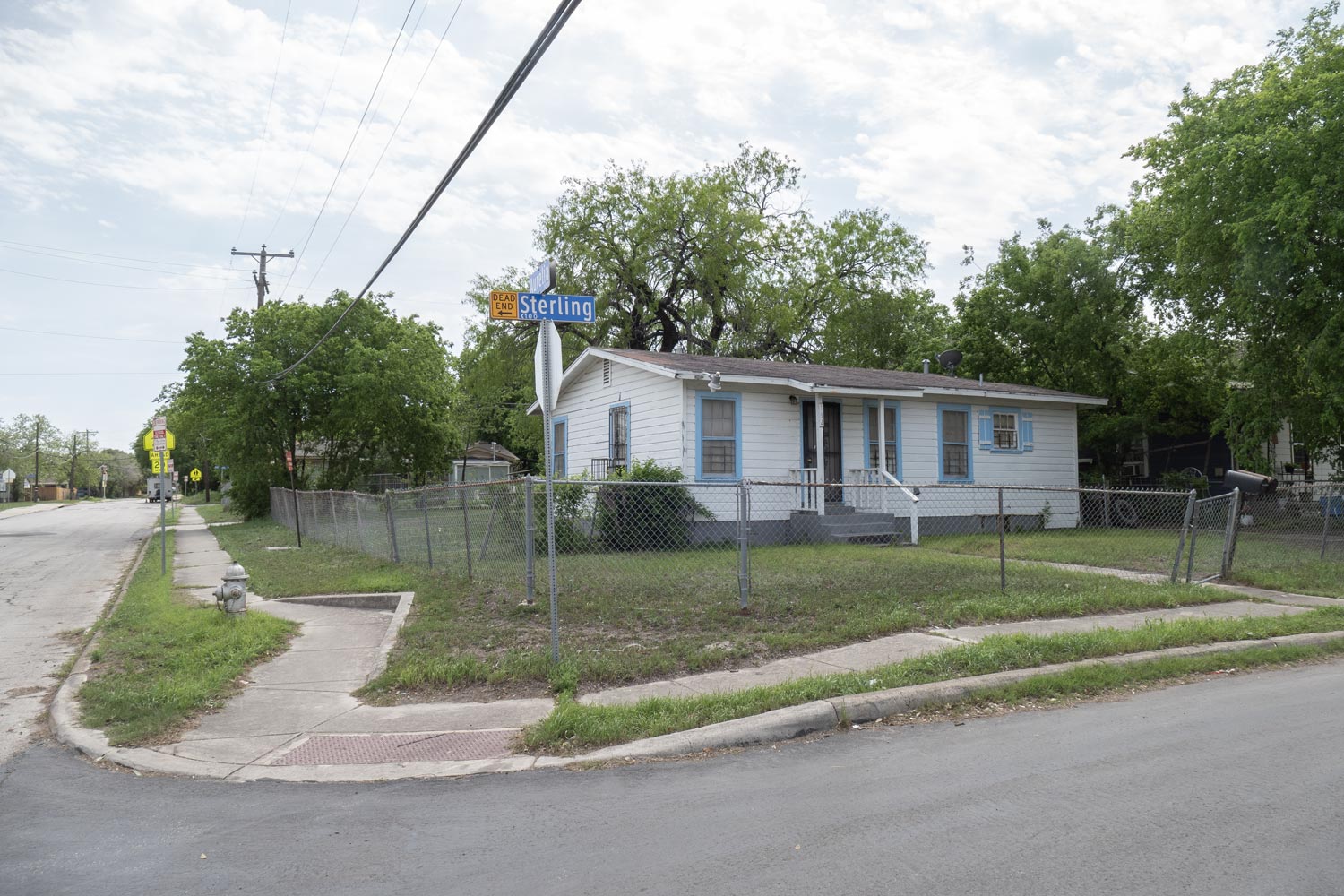
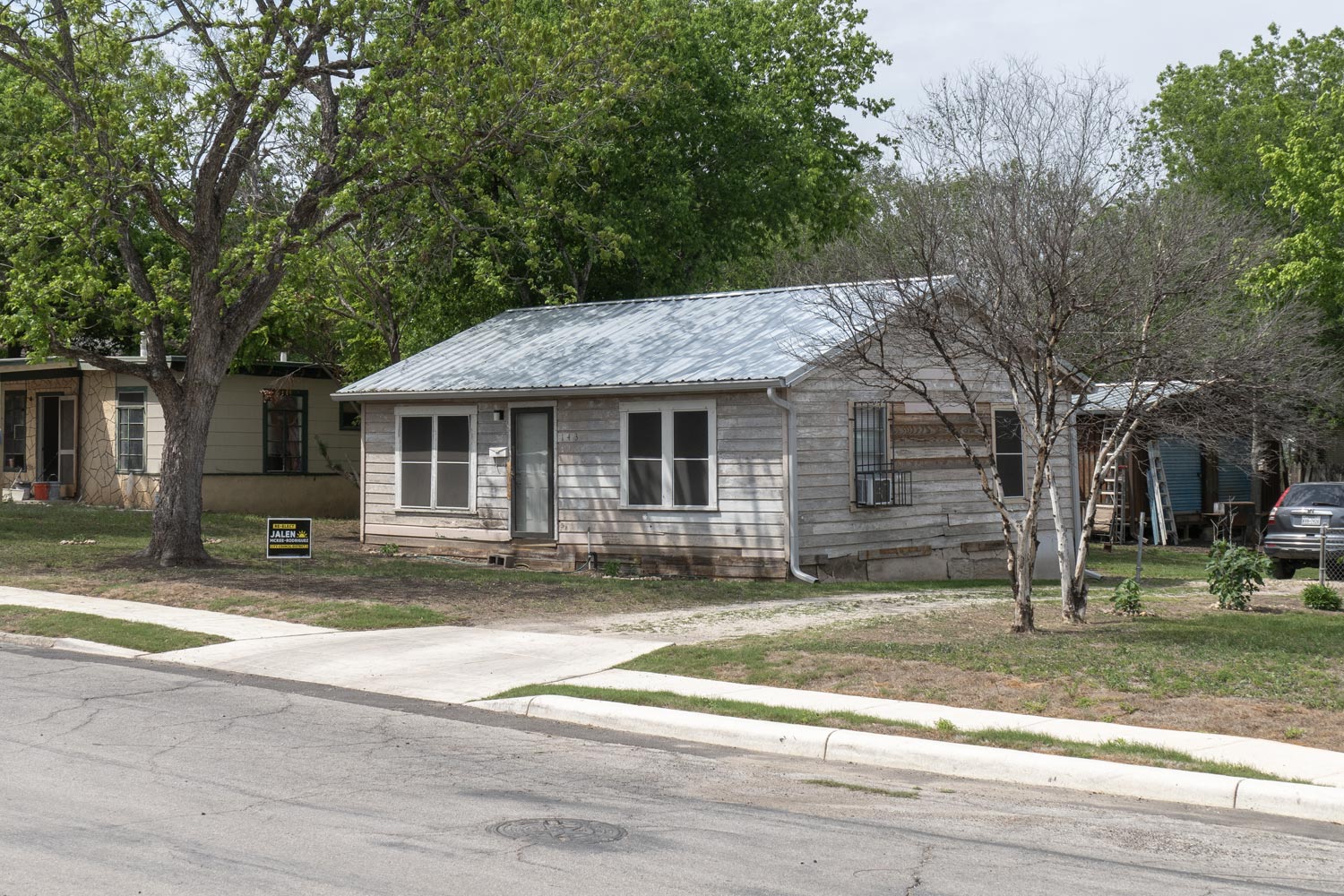
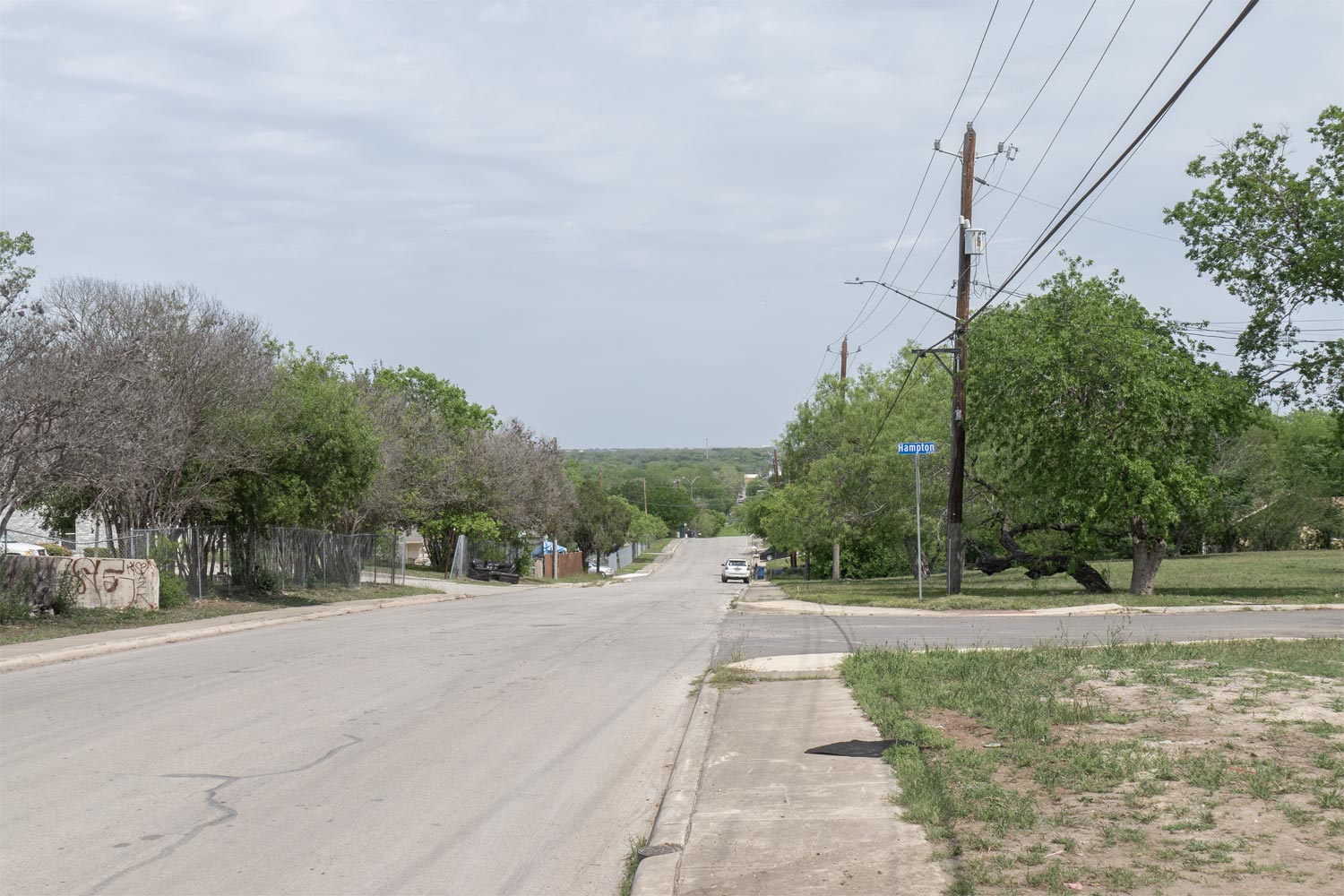
Each house was poor in its own way. For some, the fence had been wrecked; for others, instead of beautiful elms there grew the stubs of some indistinct shrubs.
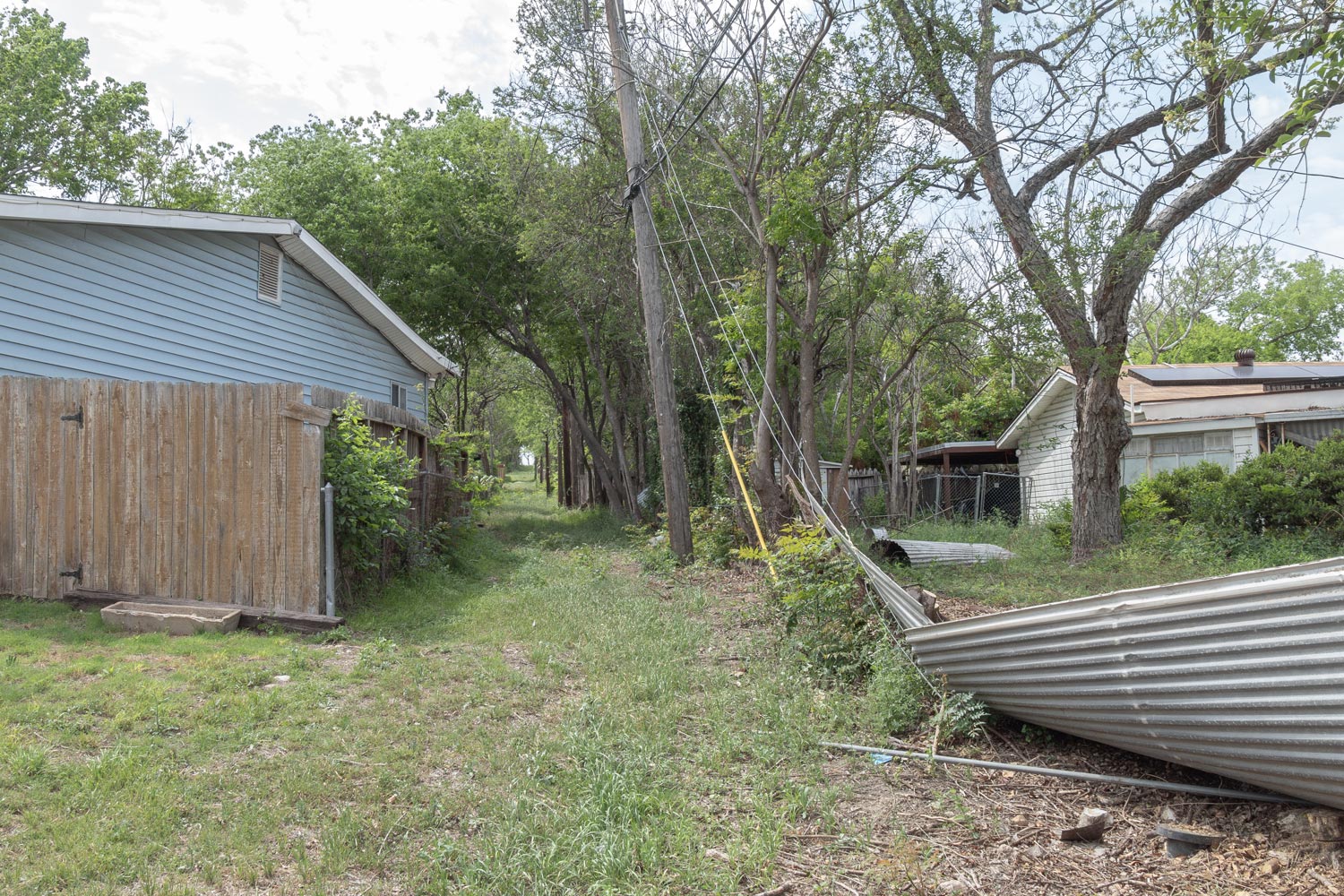
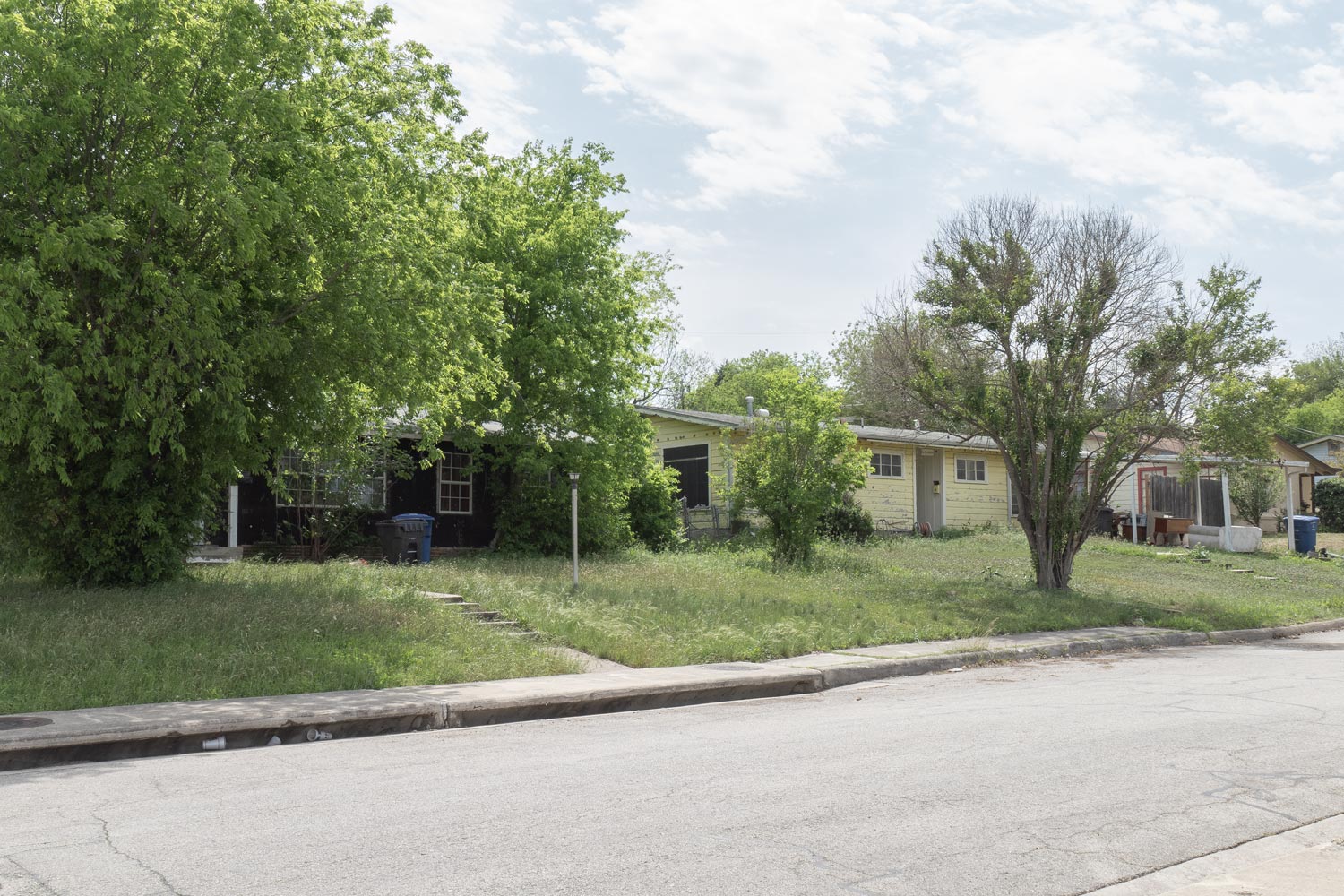
I saw houses that were better and houses that were worse. But overall the atmosphere was extremely depressing, especially when you looked at the street itself, which, though it looked neat, seemed abandoned.
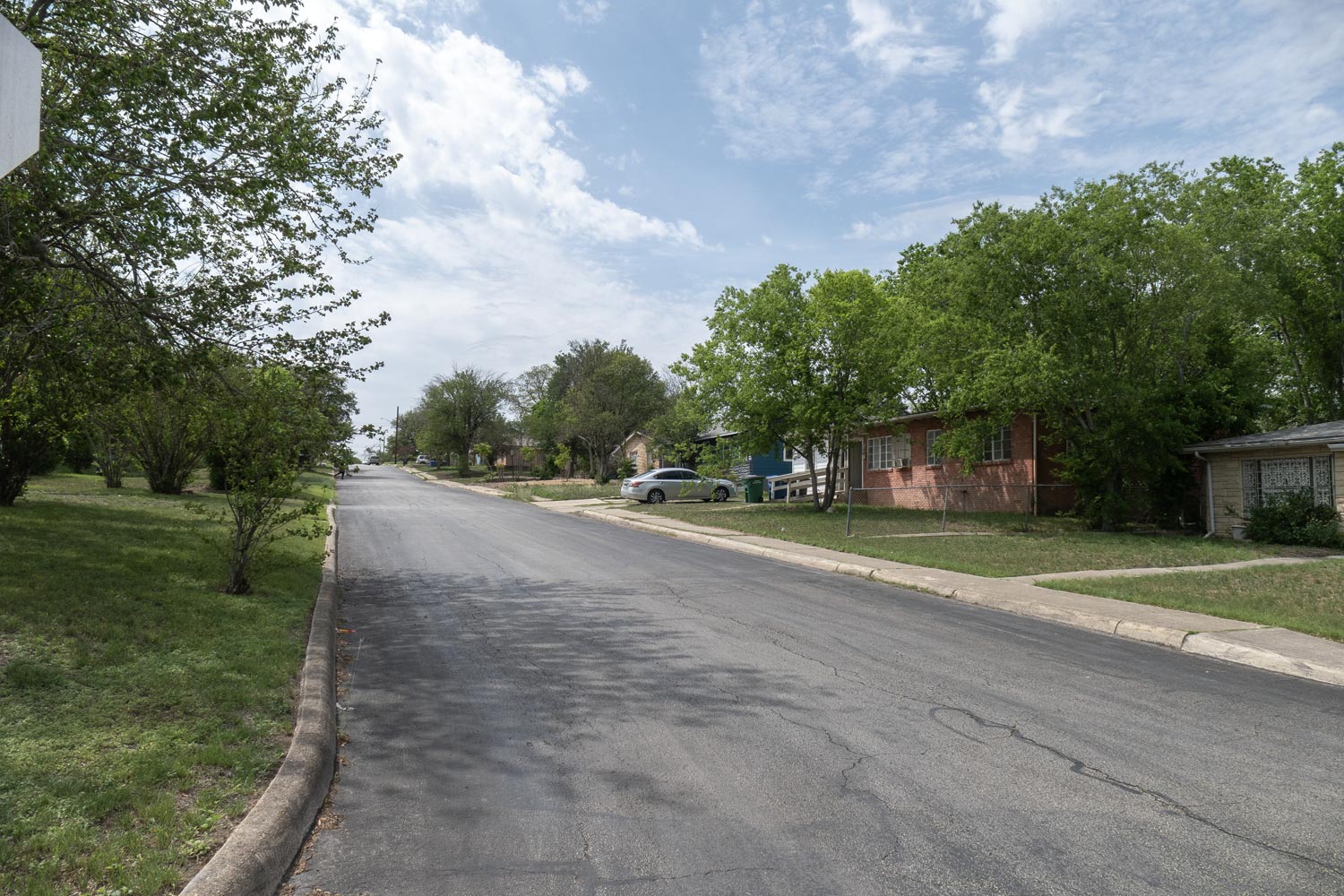
The picture of hopelessness was well complemented by a palisade of lampposts — wooden ones, blackened with age, put up back in Roosevelt era.
Trying to find out what lay on the very outskirts of the settlement, I came out to a single-track railway line with a power line running alongside it.
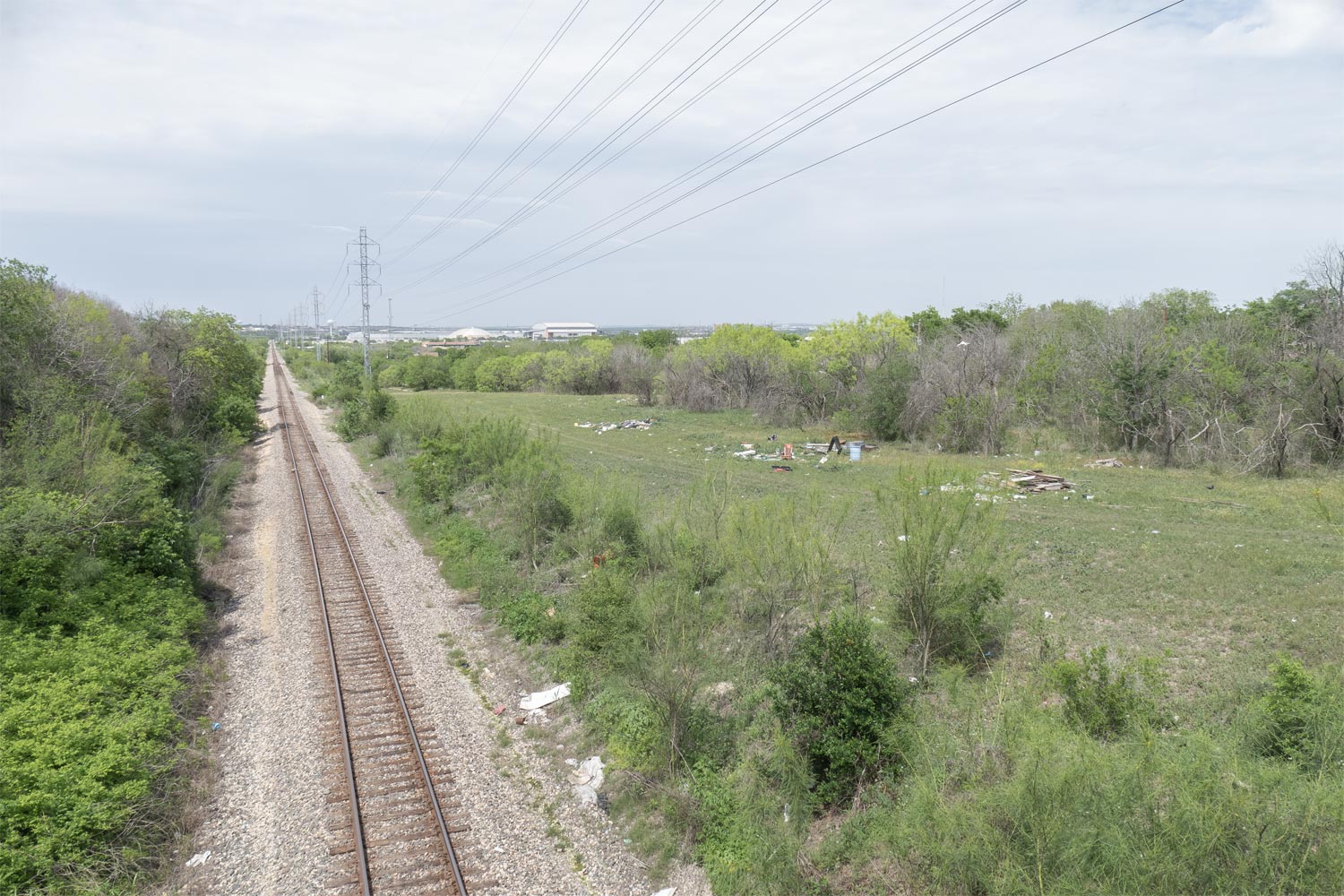
On its right bank, someone’s belongings lay strewn about, mixed in with trash and planks. Apparently, homeless people had spent the night here.
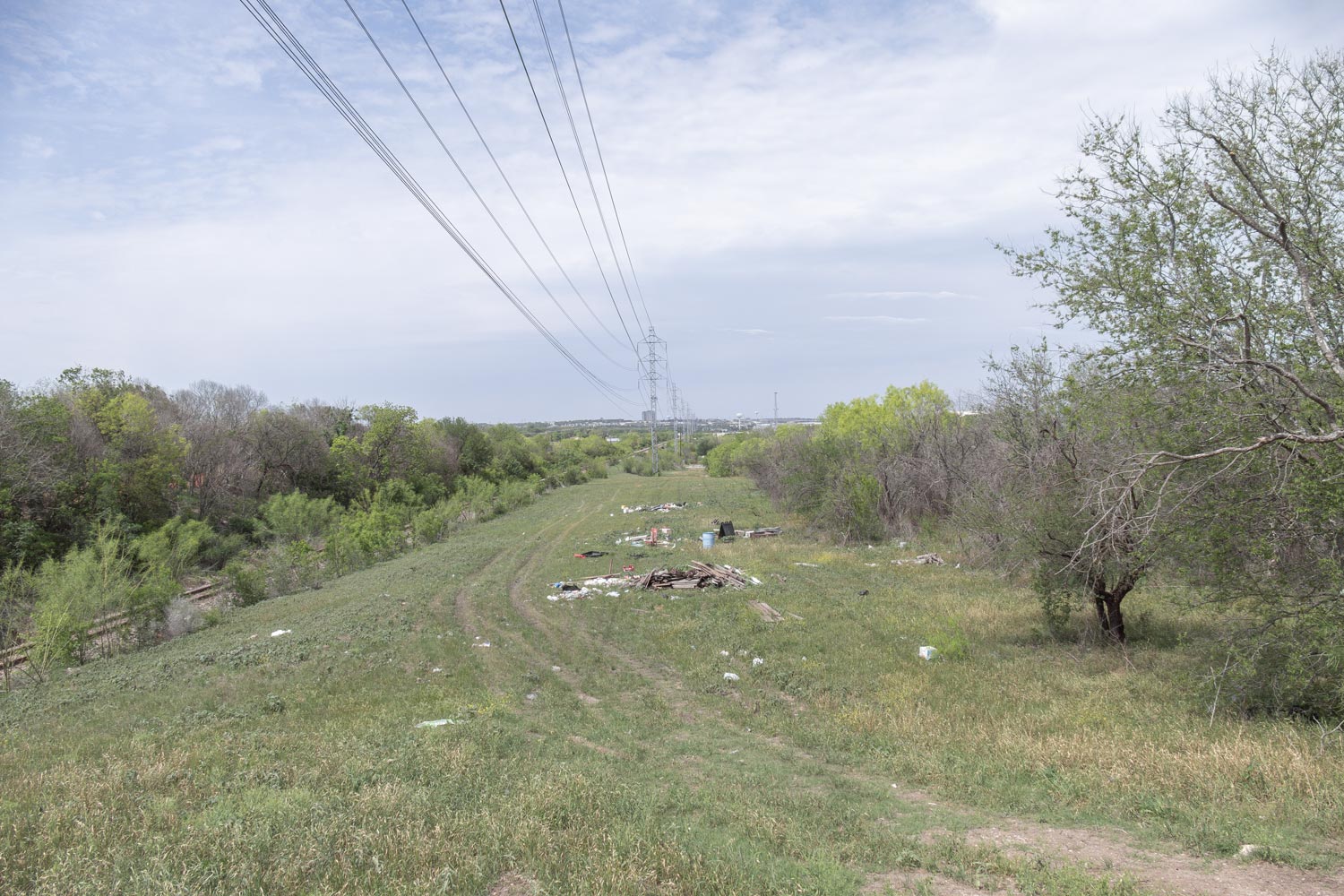
Starting as the American dream, the suburban home and the private car led America to an unthinkable sprawl of cities outward and the decline of city centers.
Although downtown San Antonio is far from the worst example of an American city’s collapse, its suburbs are an excellent example of the conditions in which millions of Americans live.
They’re mixed. On the one hand, your own home is still your own home. On the other hand, all these houses are out in the middle of nowhere, and the only way to get to somewhere with people is by car, or by spending about an hour and a half on the bus.
Hence comes the epidemic of depression for which the United States has long been famous. Depression is not at the center of a noisy city; anxiety lives there. Depression, on the other hand, lies hidden in suburbs like these, where there is nowhere to go and nothing to do.