
New Orleans
New Orleans is the largest city in the state of Louisiana.
The names of both the city and the state evoke something French. That’s right: during colonization the state belonged to France, and then in 1803 America bought it from Napoleon.
Actually, Louisiana was named after the King of France Louis XIV. New Orleans, meanwhile, was named after the Duke of Orléans.
It’s hard to find a state worse than Louisiana. It’s been hit with the full package: hurricanes, high crime, poor education, and so on — a complete dump, shorty speaking. Just consider this one fact: for more than 30 years in a row, Louisiana has ranked first in murders per capita, leaving even New Mexico behind.
It’s interesting that the state’s name sounds a lot like “lousy”, and as if on cue, when the author was living in New Orleans, he got bitten by a bedbug. I hadn’t run into stuff like that even in the creepiest hotels in India — and here you go, I ran into it in America.

Historic district
Specifically, New Orleans is one of the most dangerous cities in America, but not the most dangerous. Its homicide rate fluctuates somewhere around 40 per 100,000 people. In Russia’s most dangerous city — Kyzyl, the capital of Tuva — that rate is around 30.
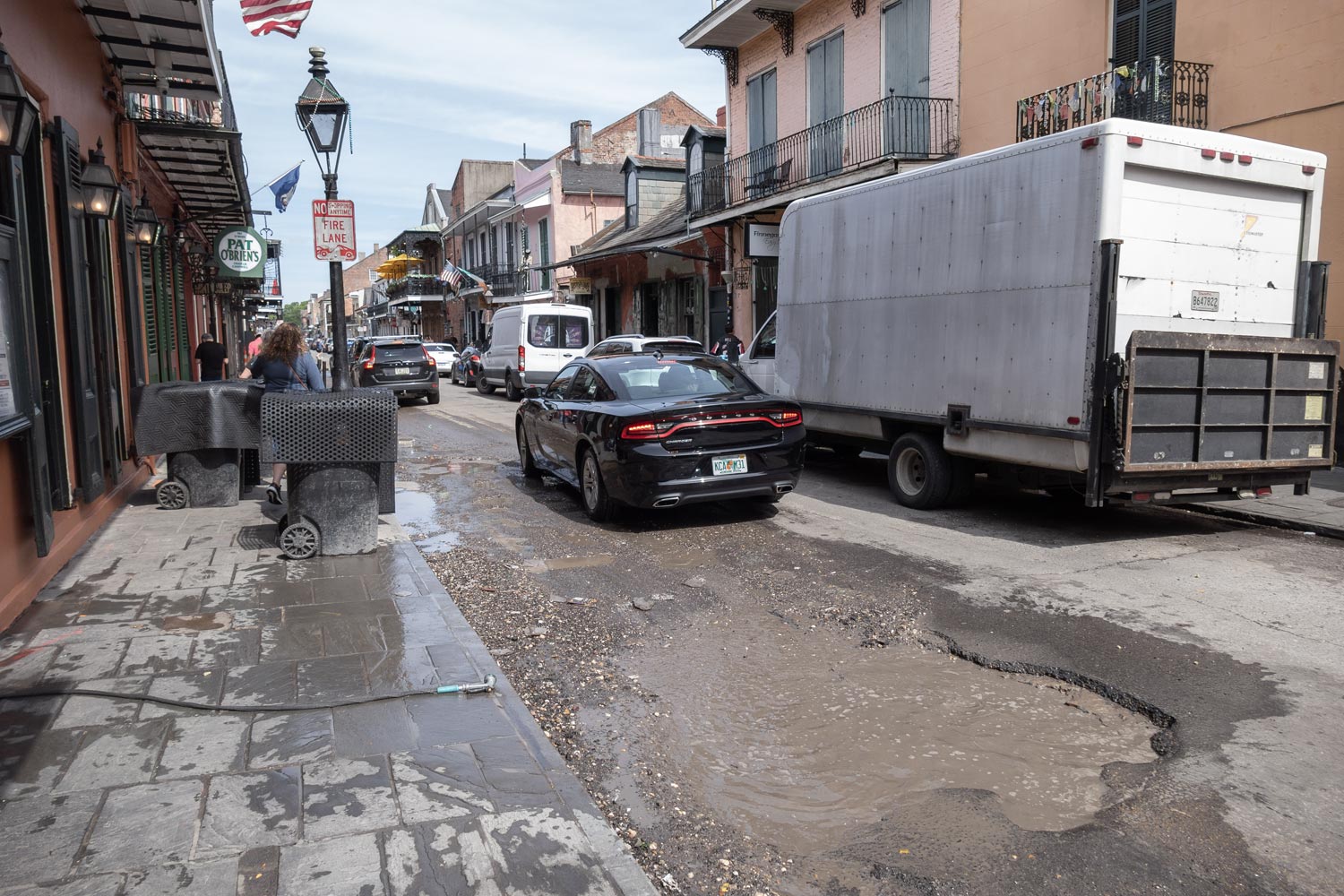
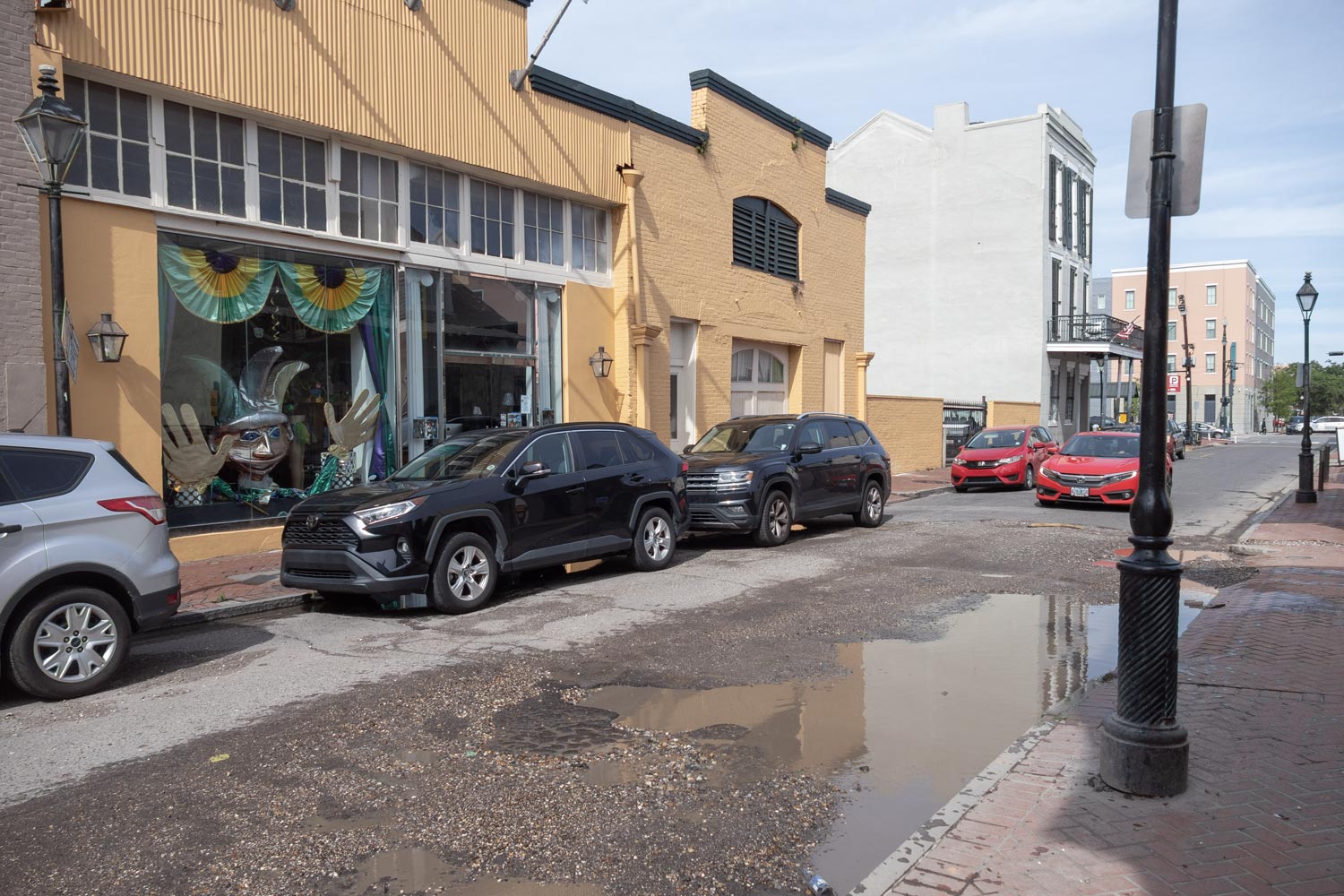
Even the city’s historic center is in terrible condition. And it’s not Katrina at all — sure, the hurricane did serious damage, but that was 20 years ago. Couldn’t at least the road been fixed since then?
It’s especially upsetting that New Orleans is one of the most beautiful cities in the U.S. It preserved most of its gorgeous colonial architecture.
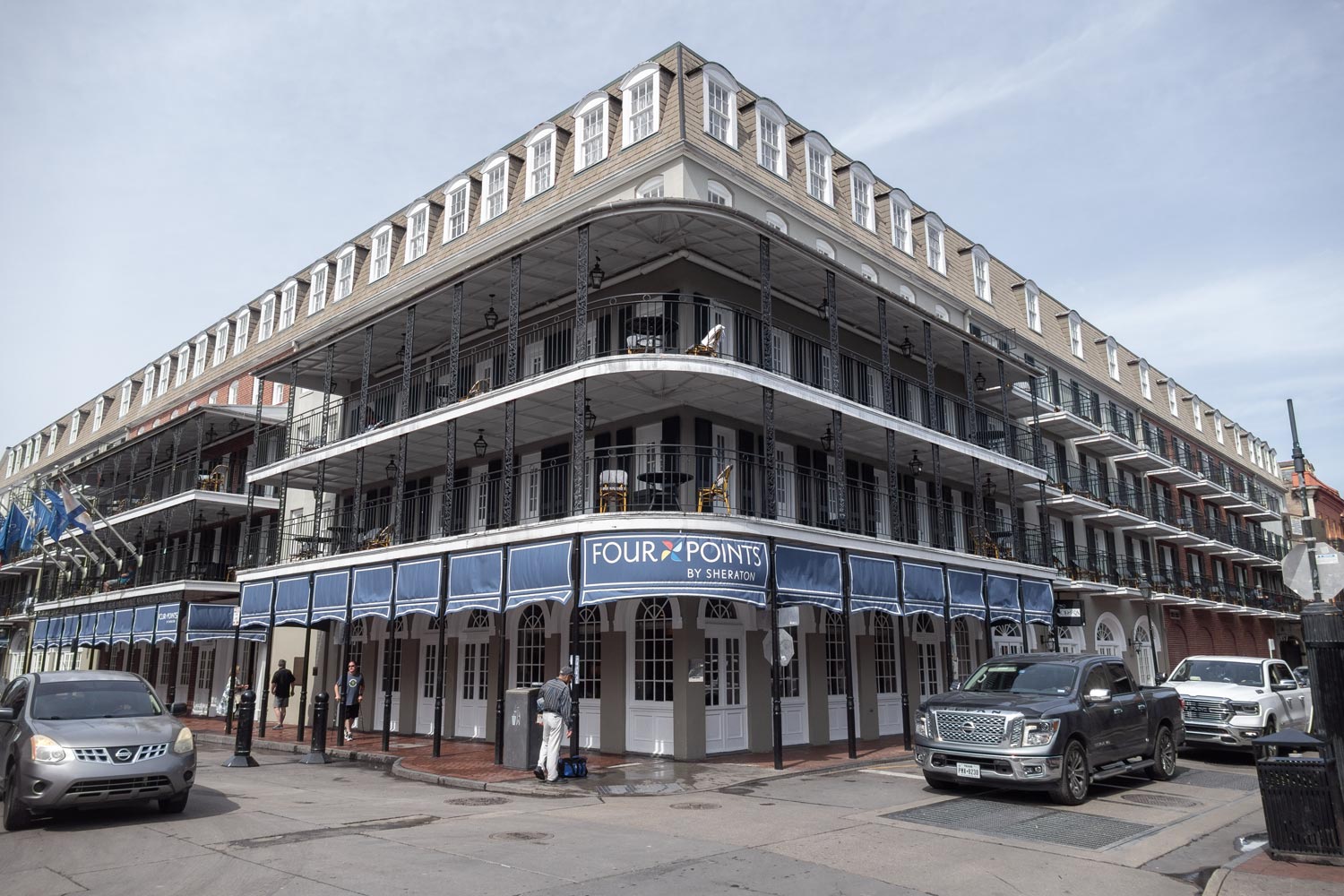
Most of these houses were built not by the French, but later under the Spanish: Louisiana changed hands a couple of times.
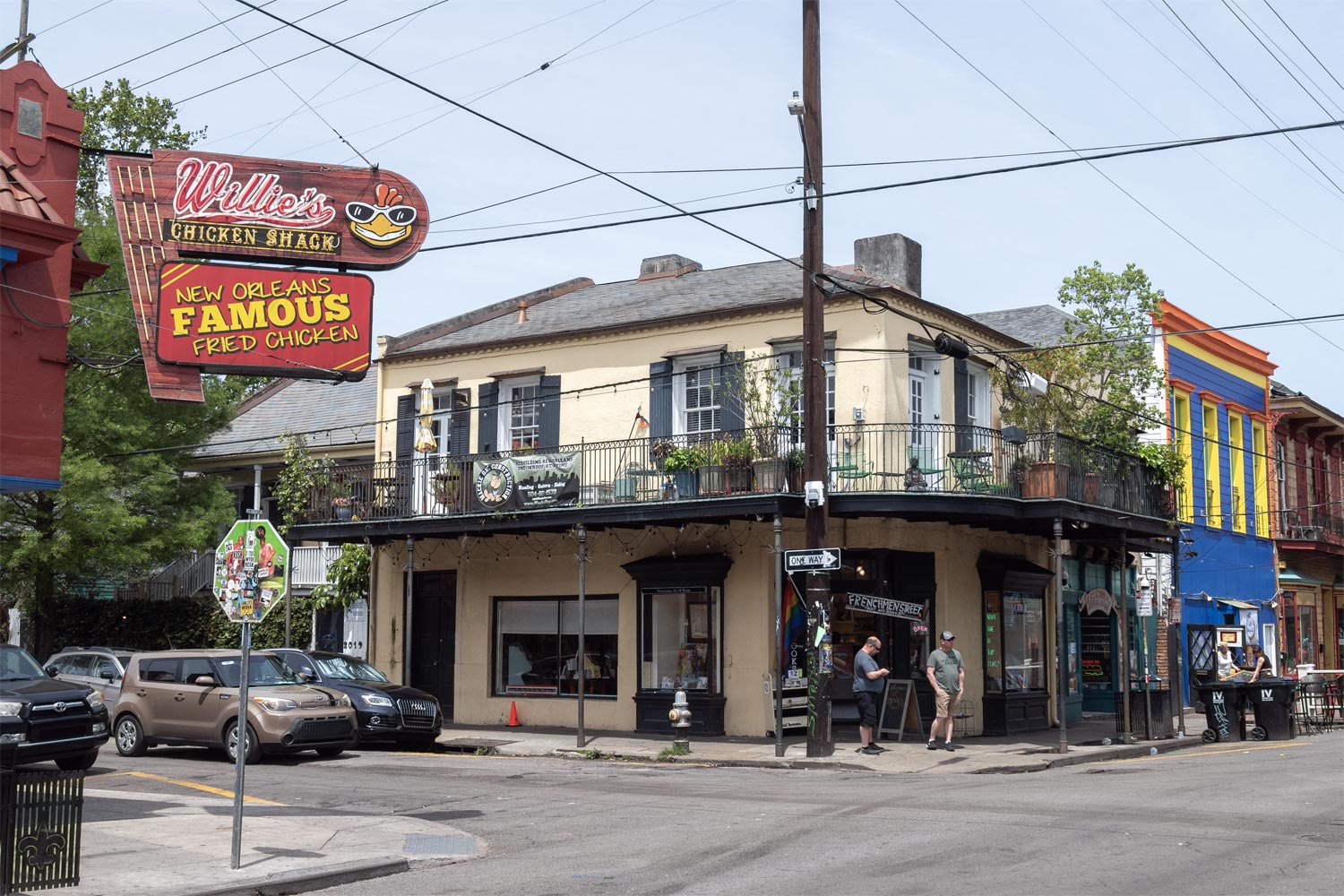
In fact, it seems that the architecture has a certain blend of Spanish and French styles, further enhanced by Caribbean flourishes.
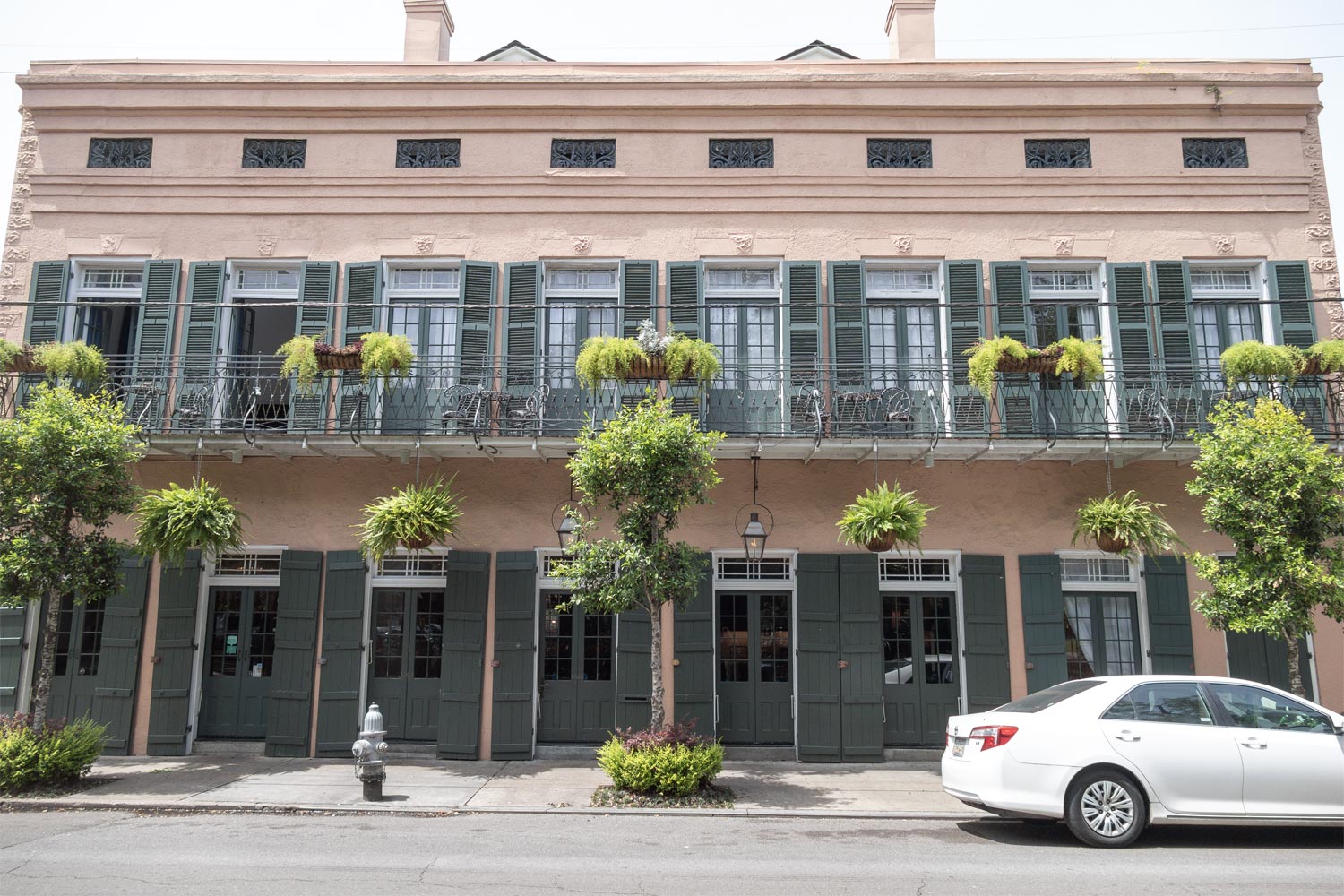
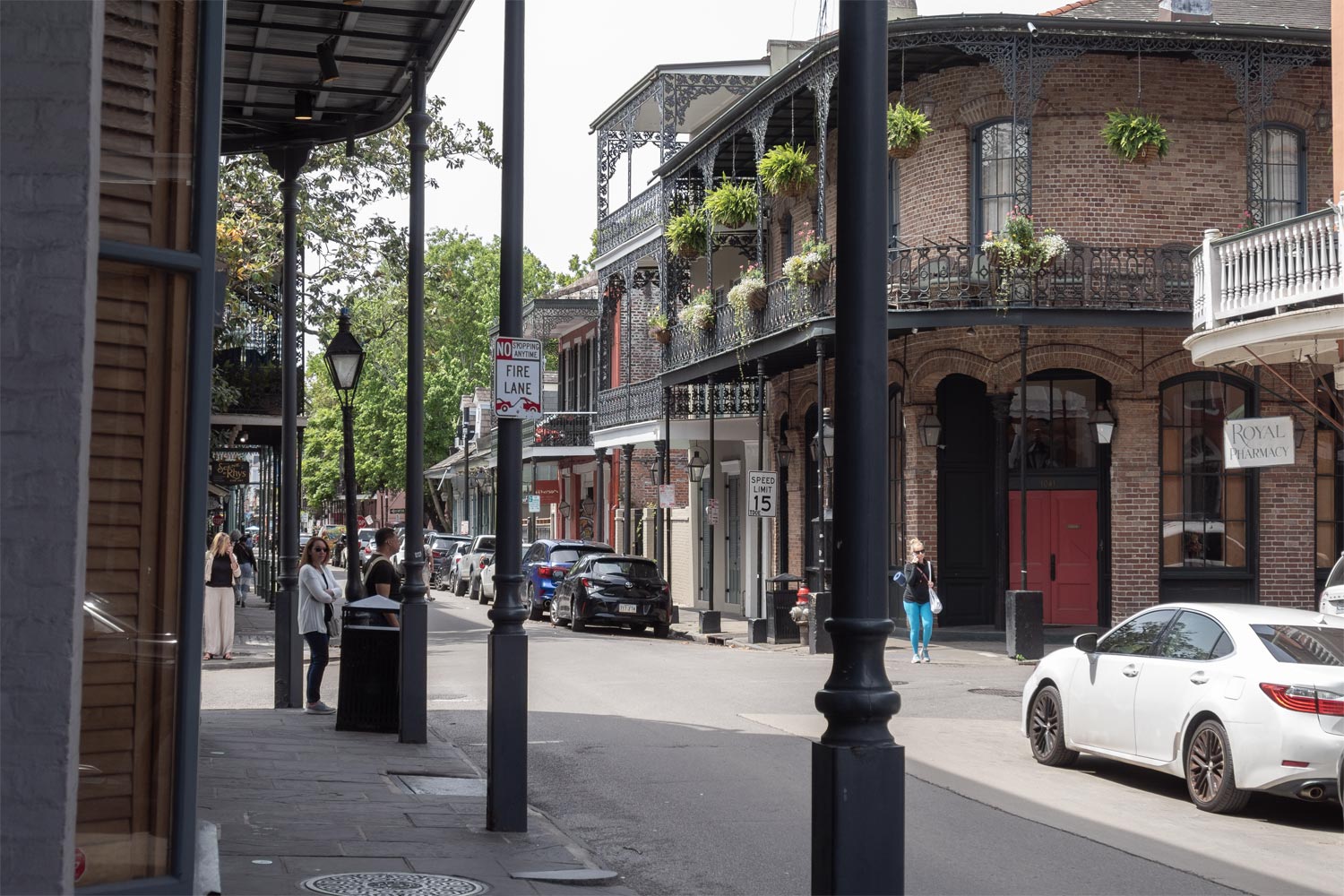
Thanks to its architecture, New Orleans doesn’t look like the U.S. at all. It’s more reminiscent of Cuba or Puerto Rico.
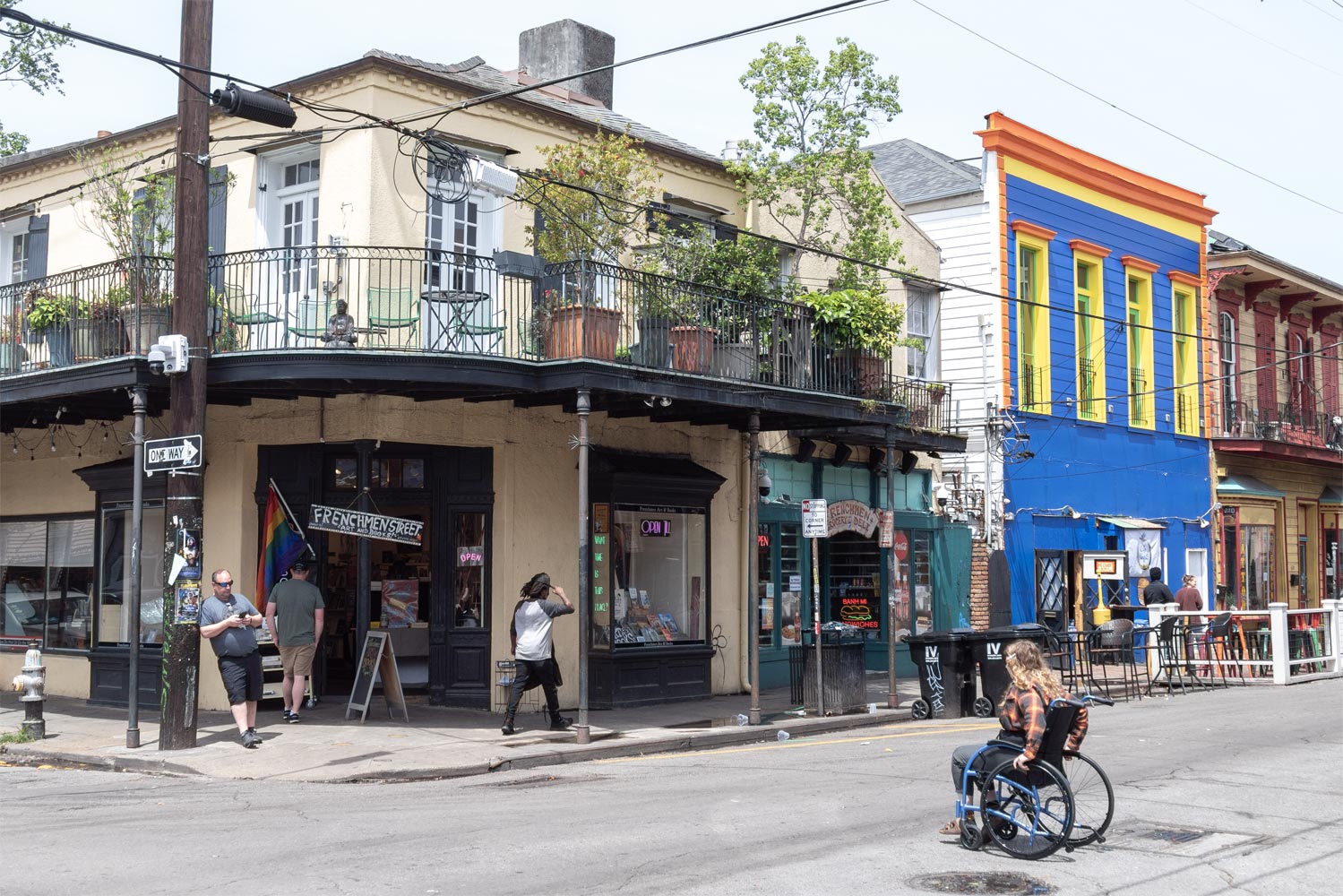
Not only the commercial buildings in the city center are built in the colonial style, but also private residential homes nearby.
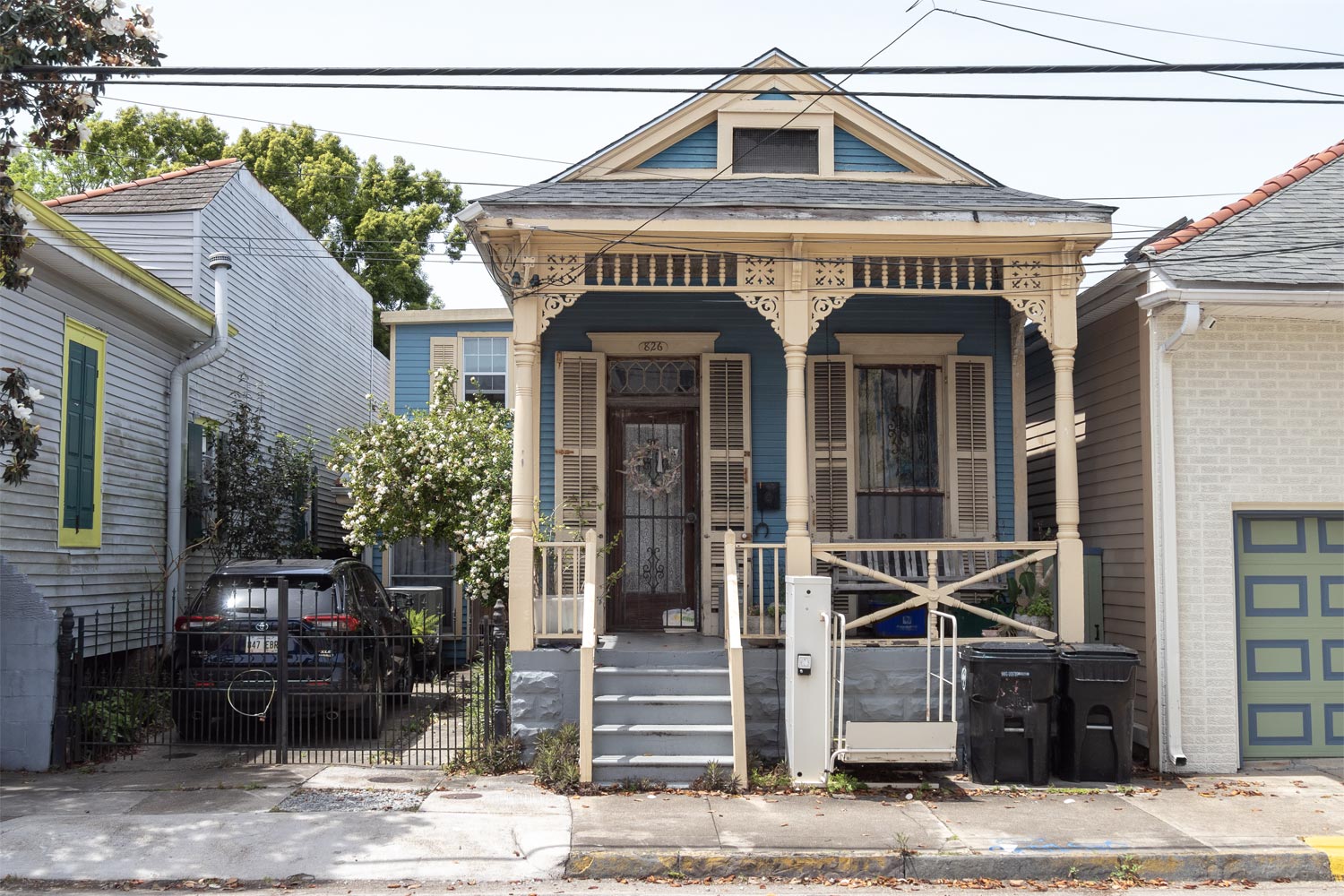
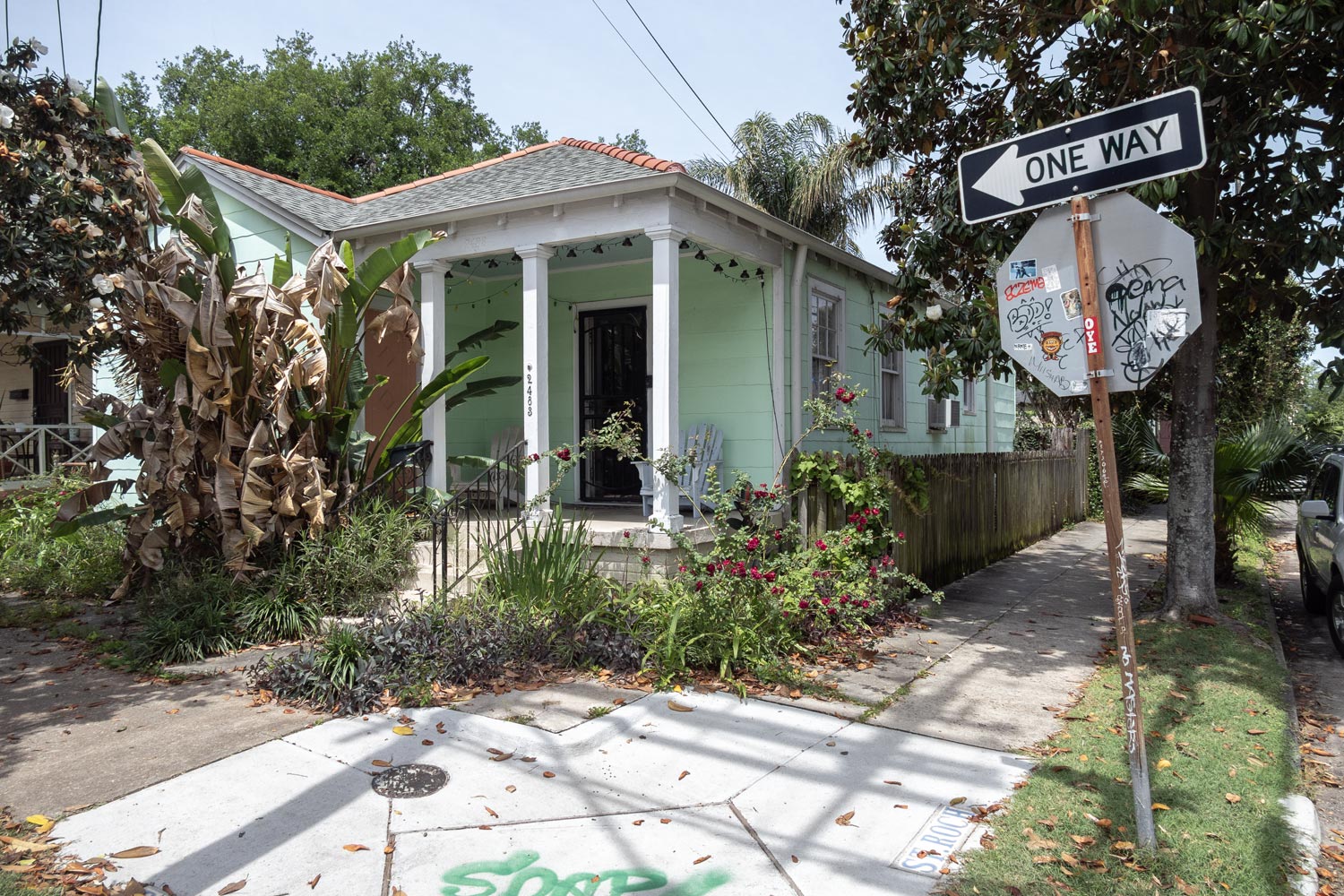
The streets in this neighborhood are incredible. All the houses are different and are often painted in sunny, tropical colors.
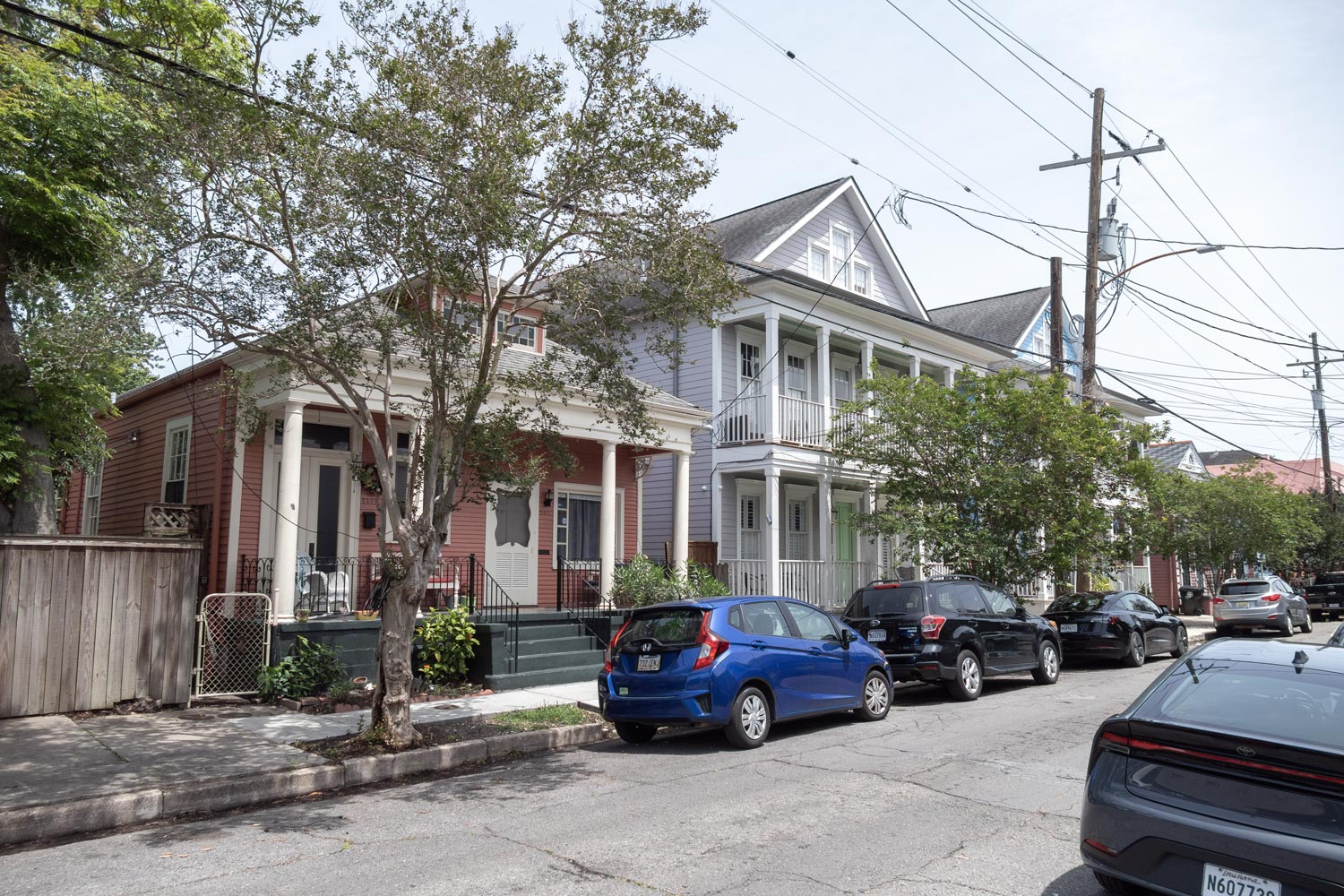
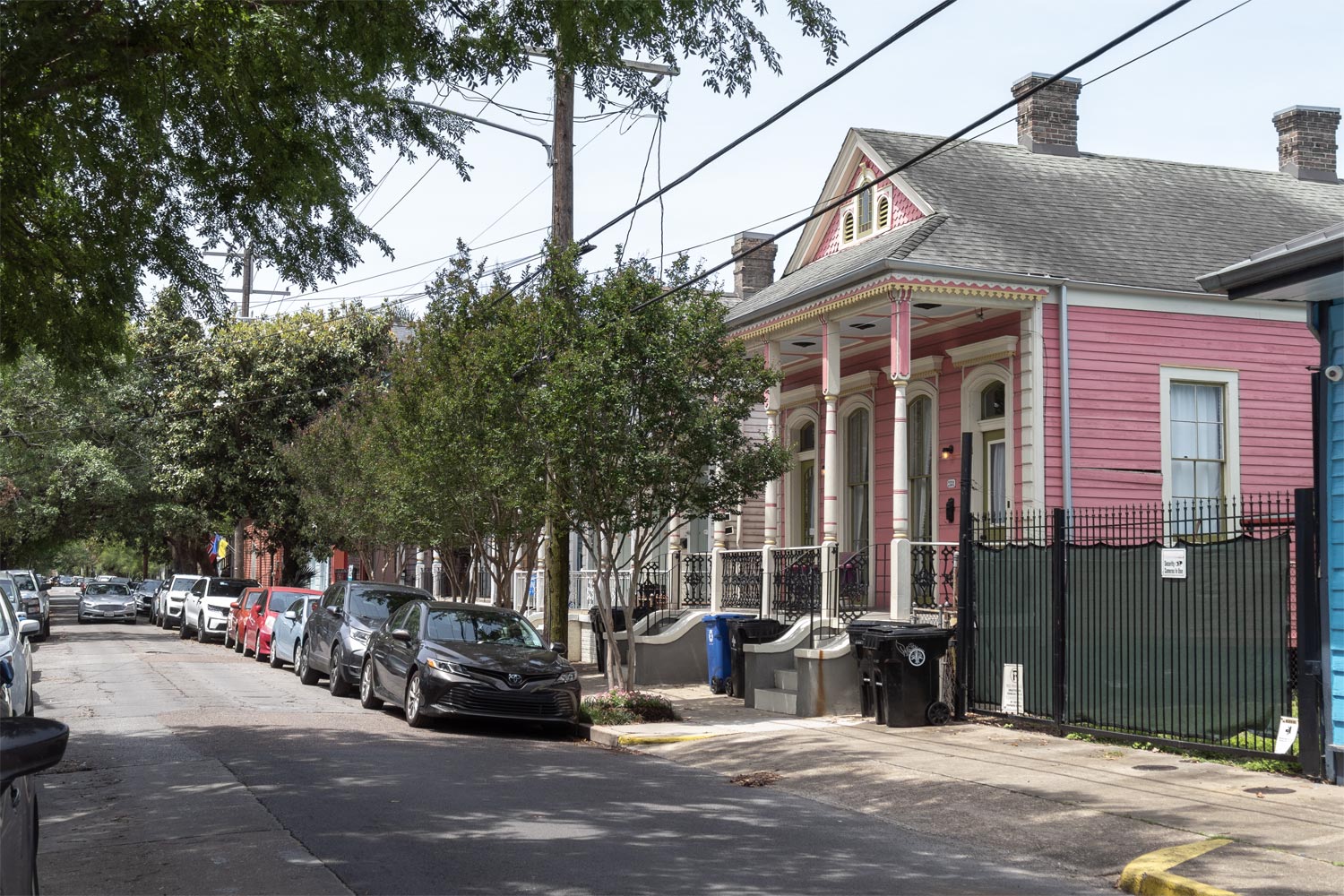
Many houses in the village have carved wooden patterns, vaguely reminiscent of traditional Russian log houses with their ornate window frames.
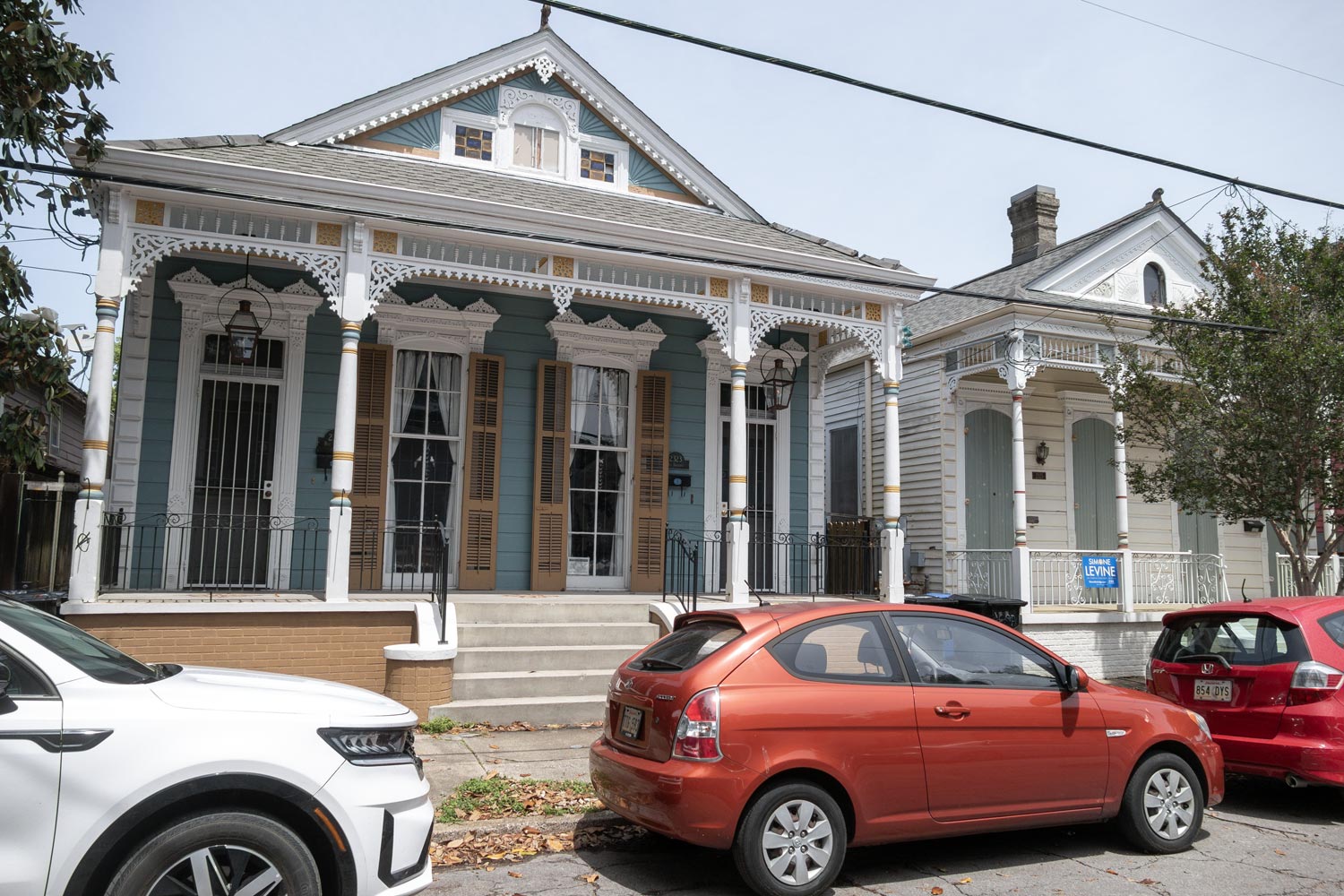
The other houses look simpler, but even if they’re finished with cladding, you can still recognize the city’s signature style in them: stunning colors and tall shutters.
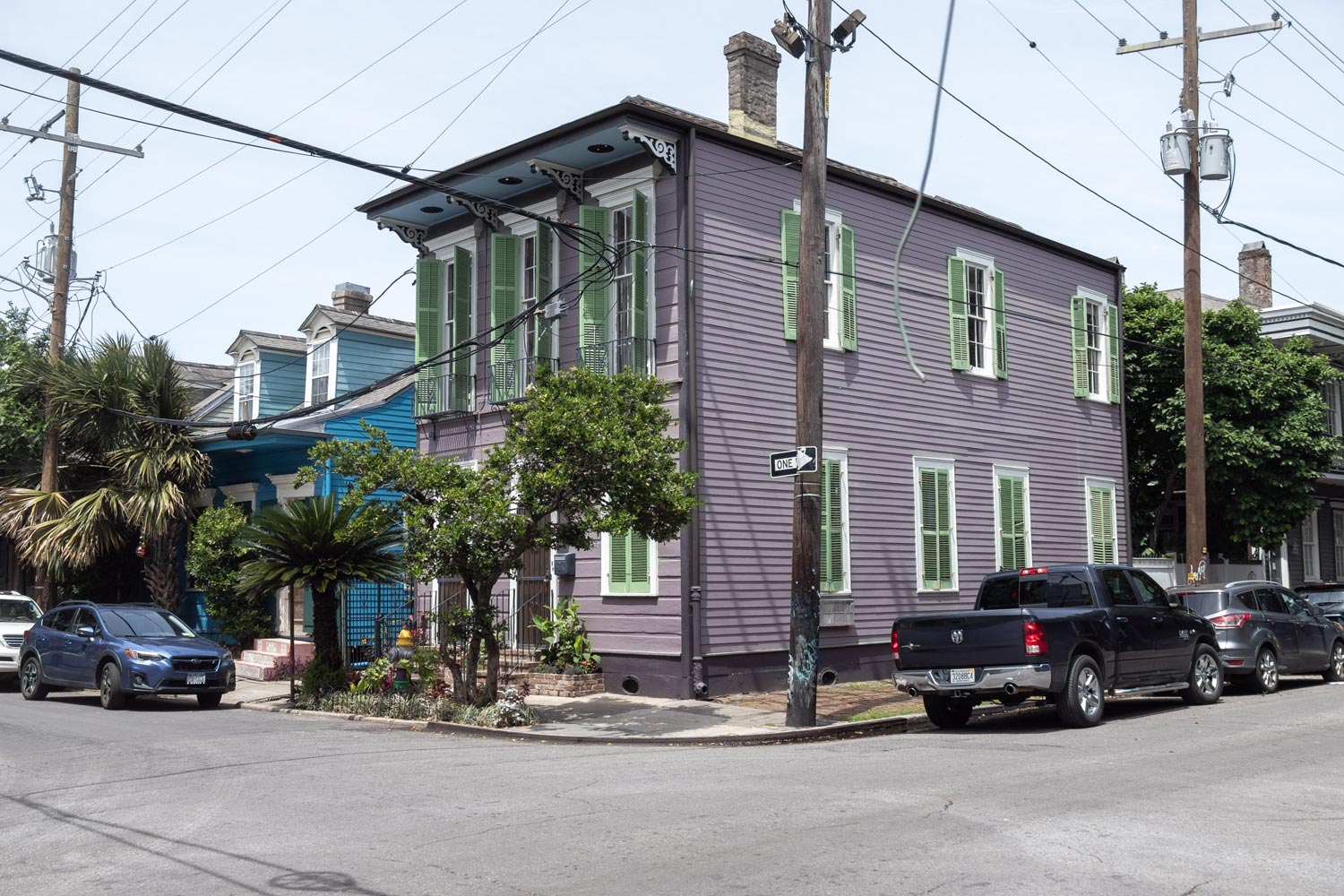
Unfortunately, many of these fantastic little houses are in poor condition. In some places the wear isn’t too noticeable yet, but there’s already a sign hanging up: “For Sale.”
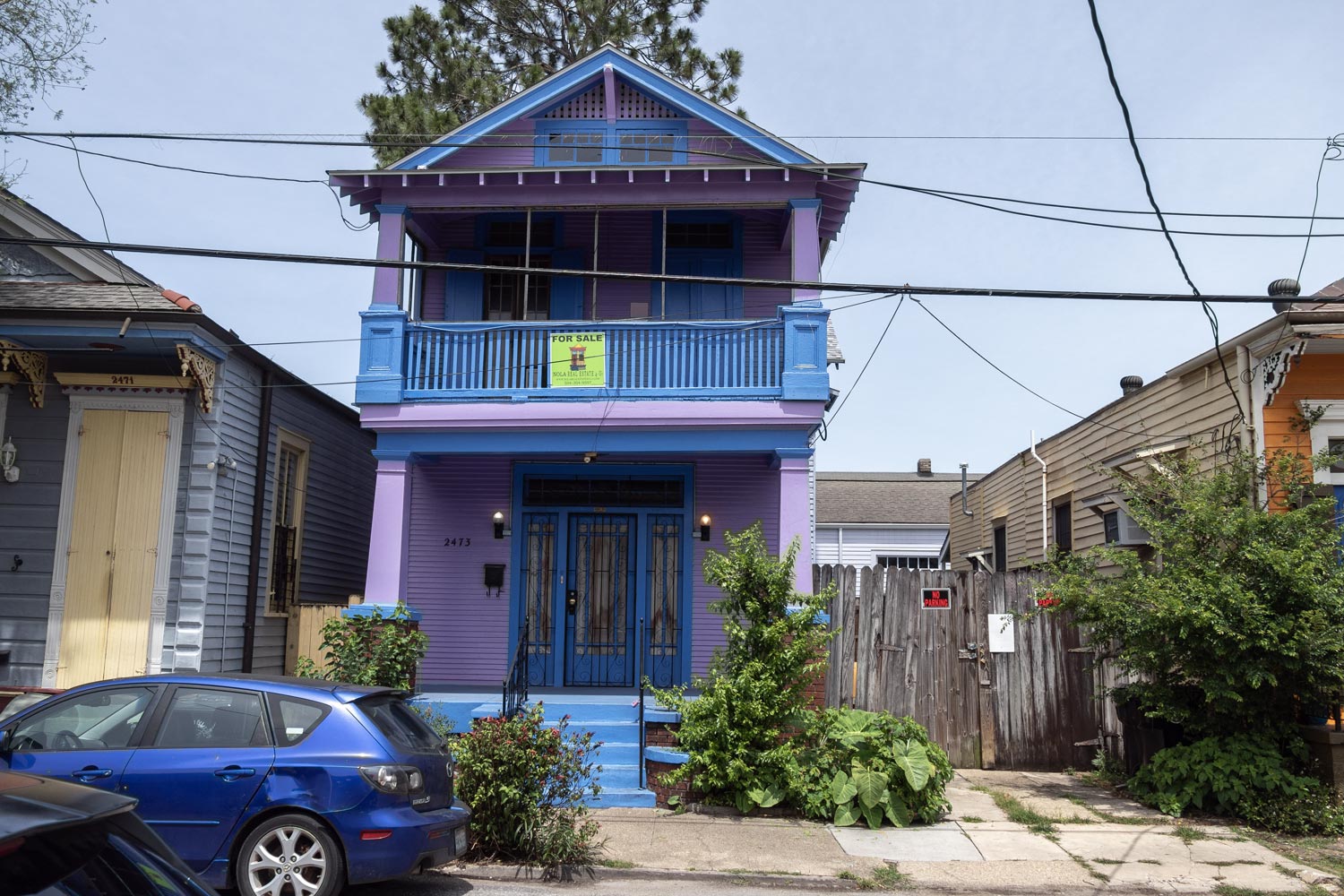
Somewhere you can tell the house is already quite old, and without repairs it won’t last much longer.
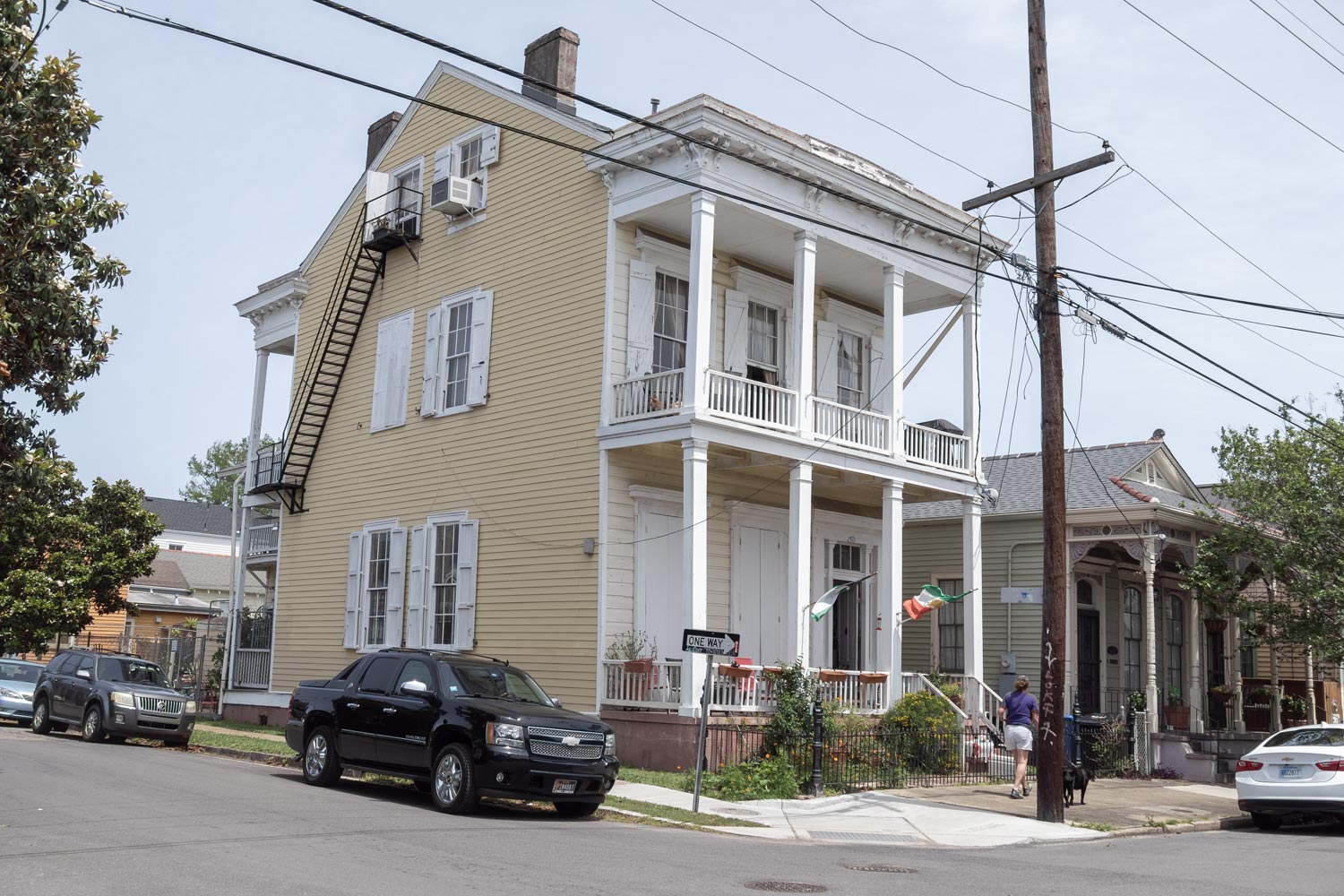
And sometimes houses just start leaning to one side from old age. It’s not even clear whether it’s safe to live in one like that. What if it tips over onto its side tonight?
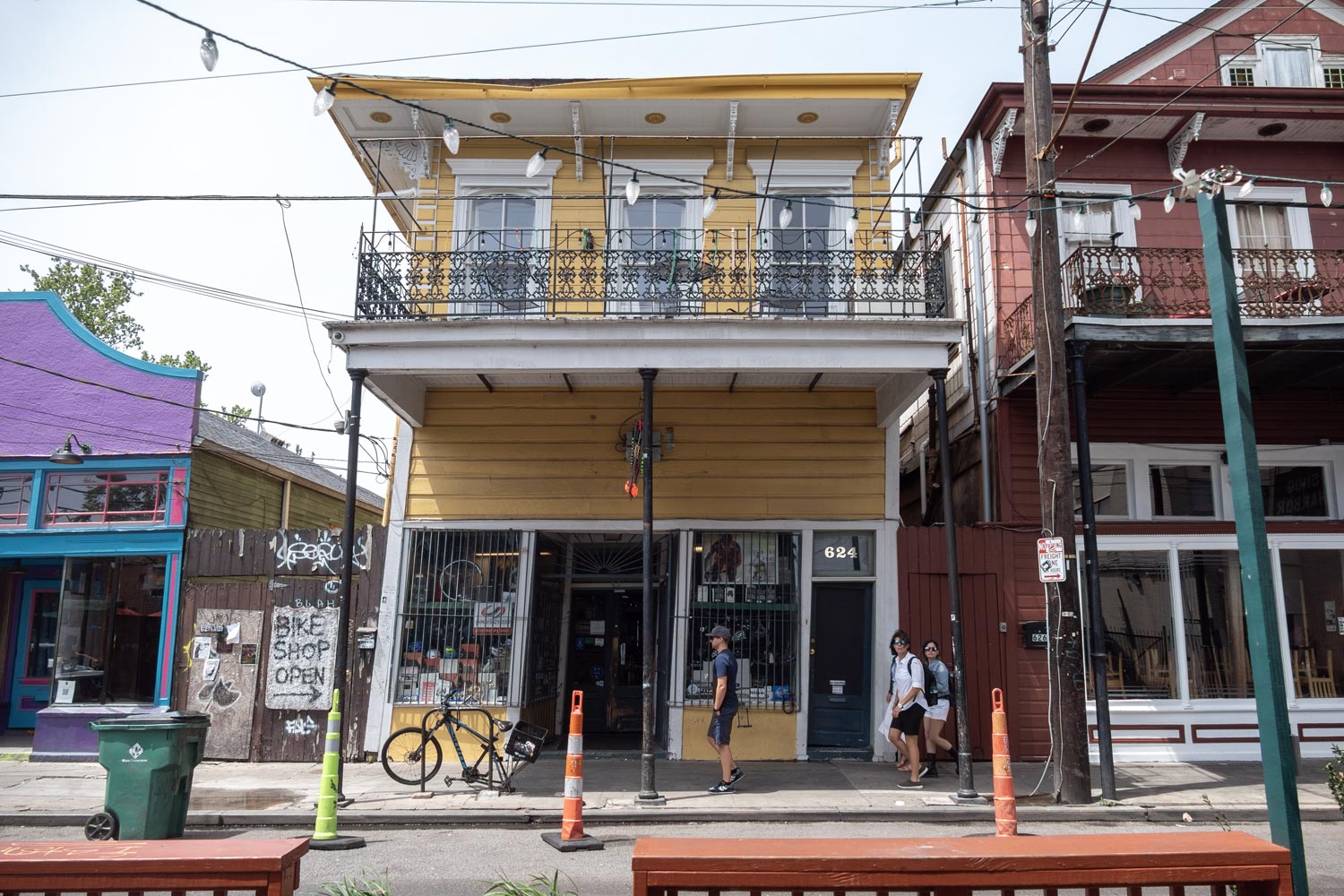
But let’s get back to downtown. If you forget about the devastation and the crime, New Orleans is actually something of the cultural capital of the United States.
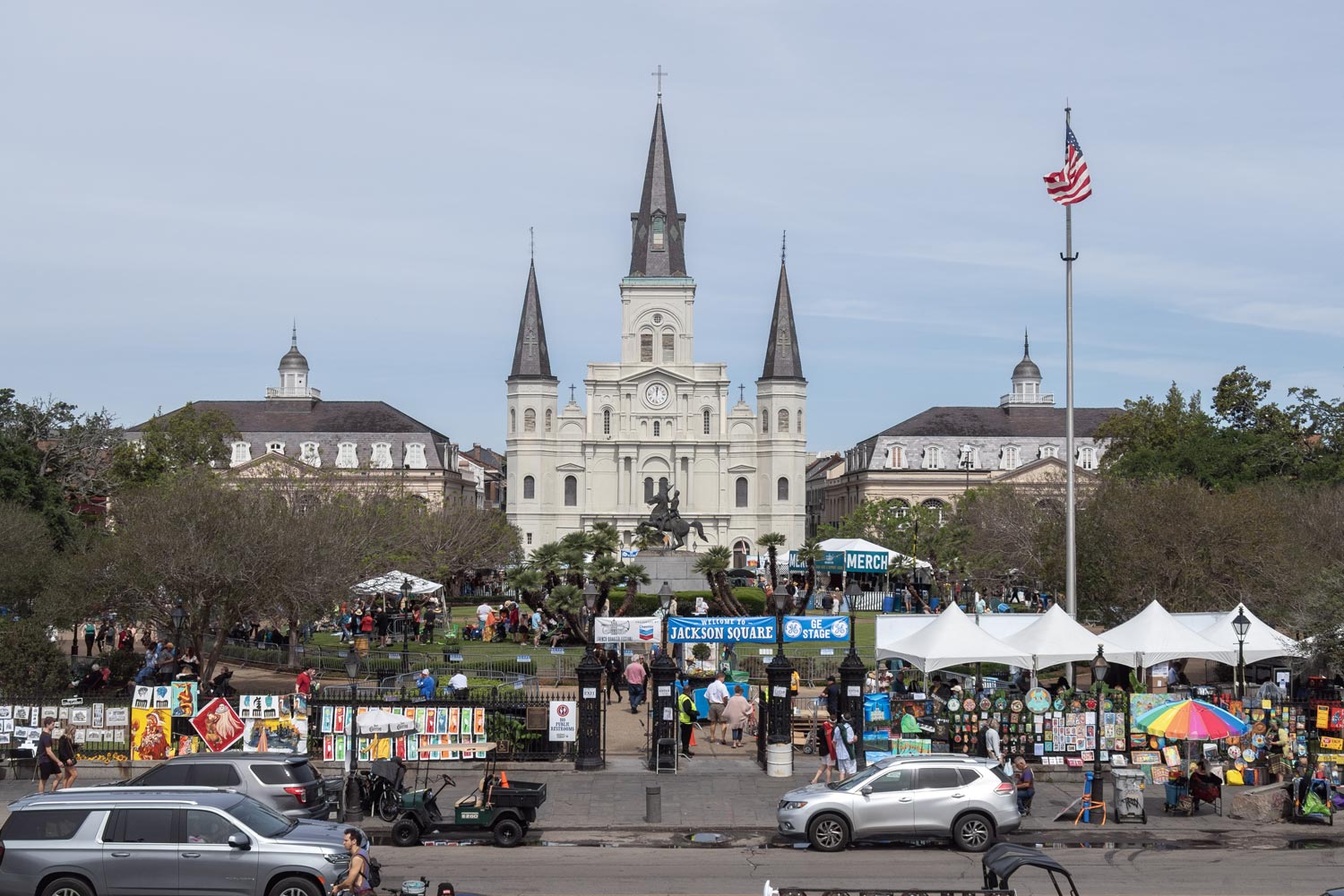
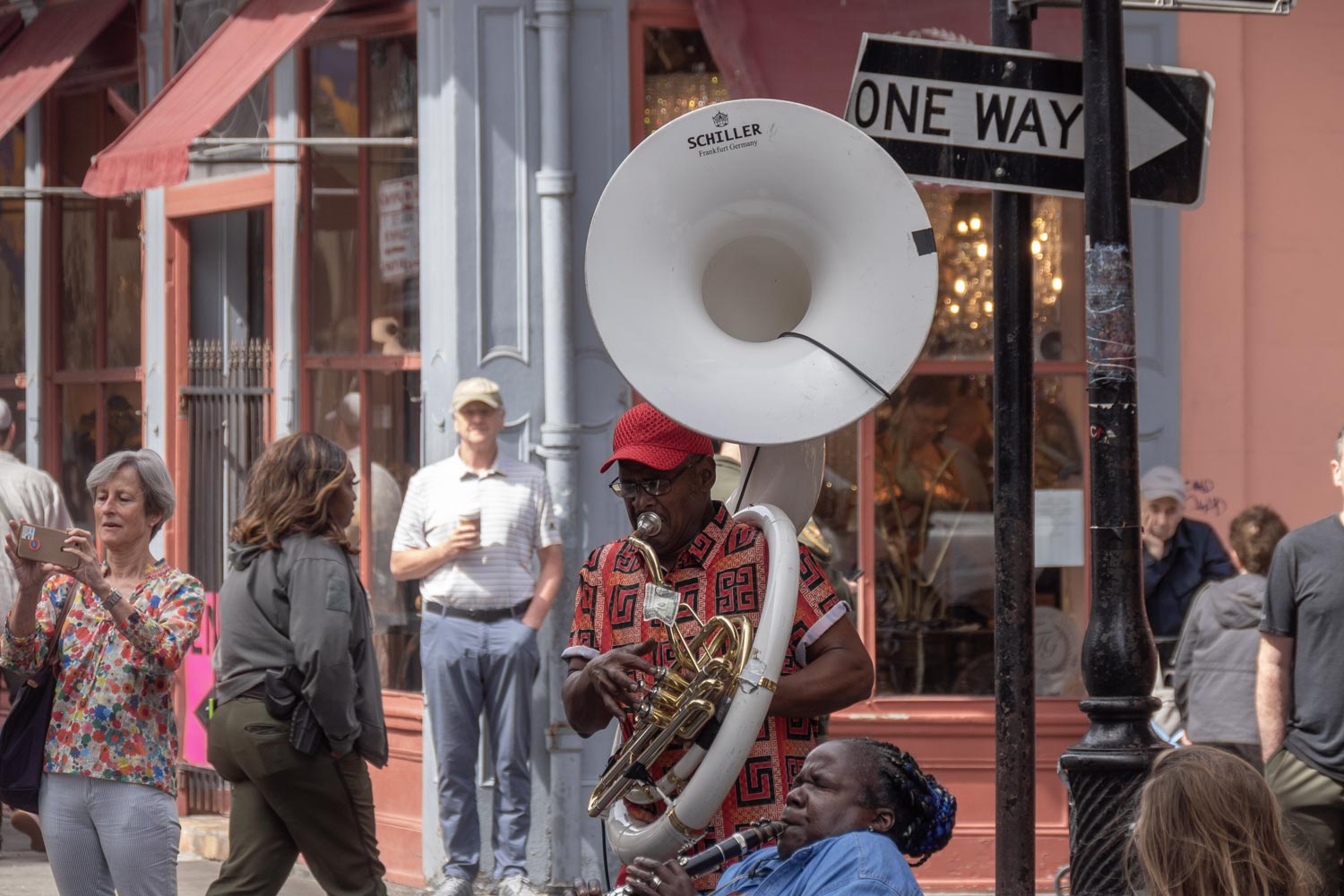
The city is considered the birthplace of jazz, is known for its local cuisine, and also hosts the Mardi Gras festival — an equivalent of the Russian Maslenitsa — during which people in New Orleans bake pies and wear carnival costumes.
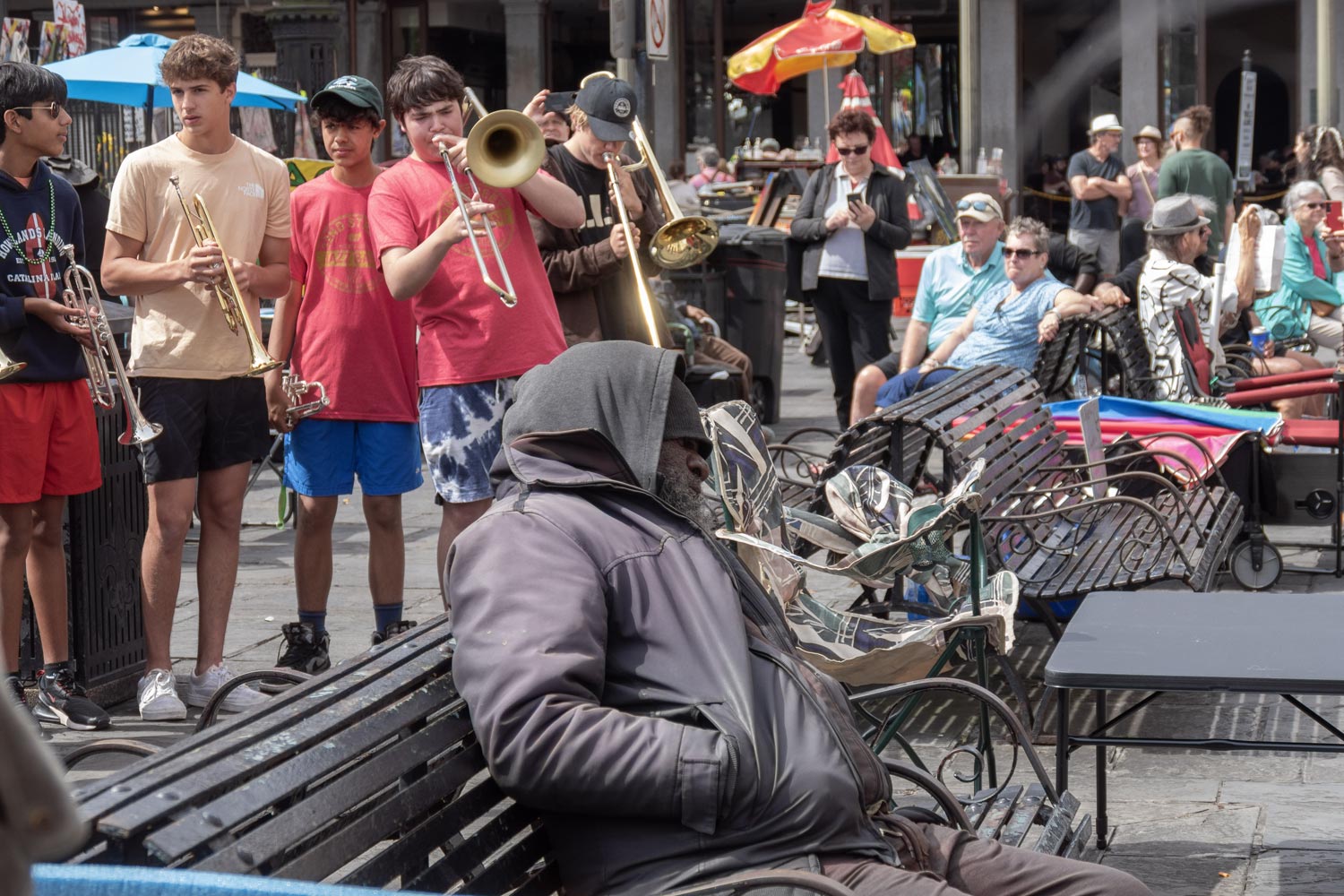
Unfortunately, Mardi Gras happens only once a year and draws huge crowds. But jazz and other music plays in the center of New Orleans every day, from morning till night.
In the central square, life is bustling. Someone is sleeping on a bench, and someone else is trying to stop him.
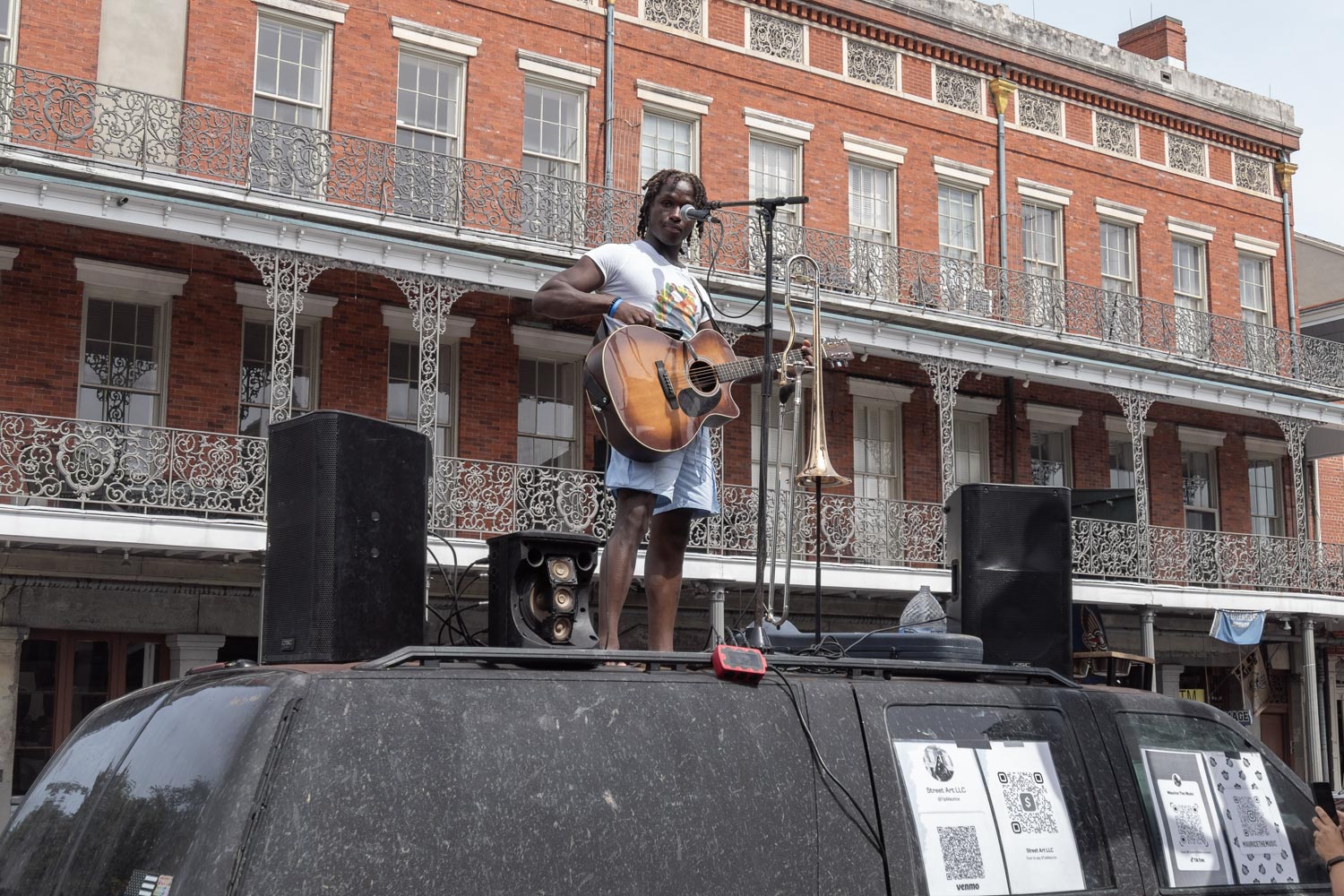
Someone climbs onto the roof of their car and blasts guitar through big speakers for the whole street to hear.
Well, and someone practice fortune-telling.
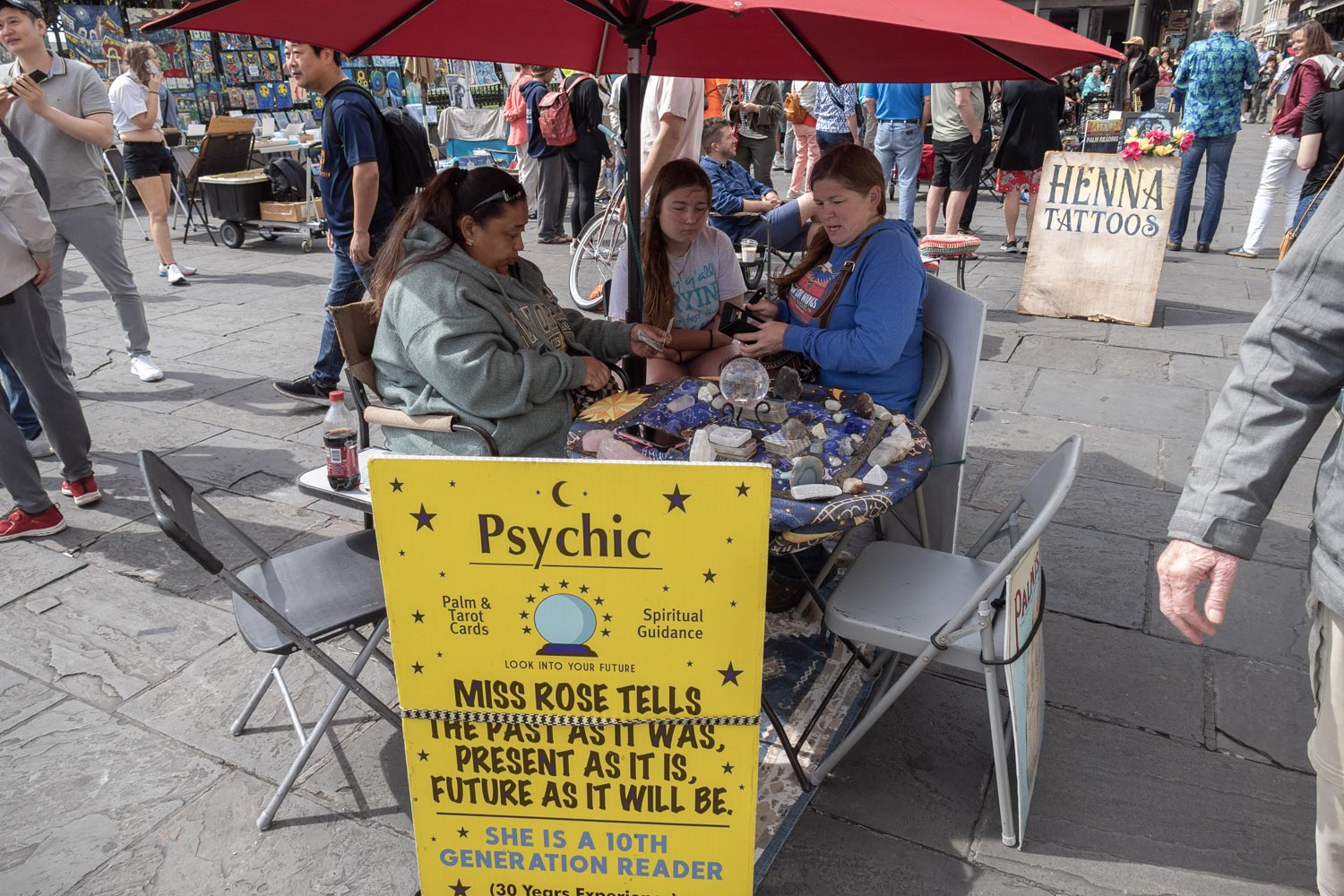
The low level of education in New Orleans is obvious to the naked eye. The author has probably never seen anywhere else such a number of fortune-tellers, astrologers, soothsayers, tarot readers, and other charlatans.
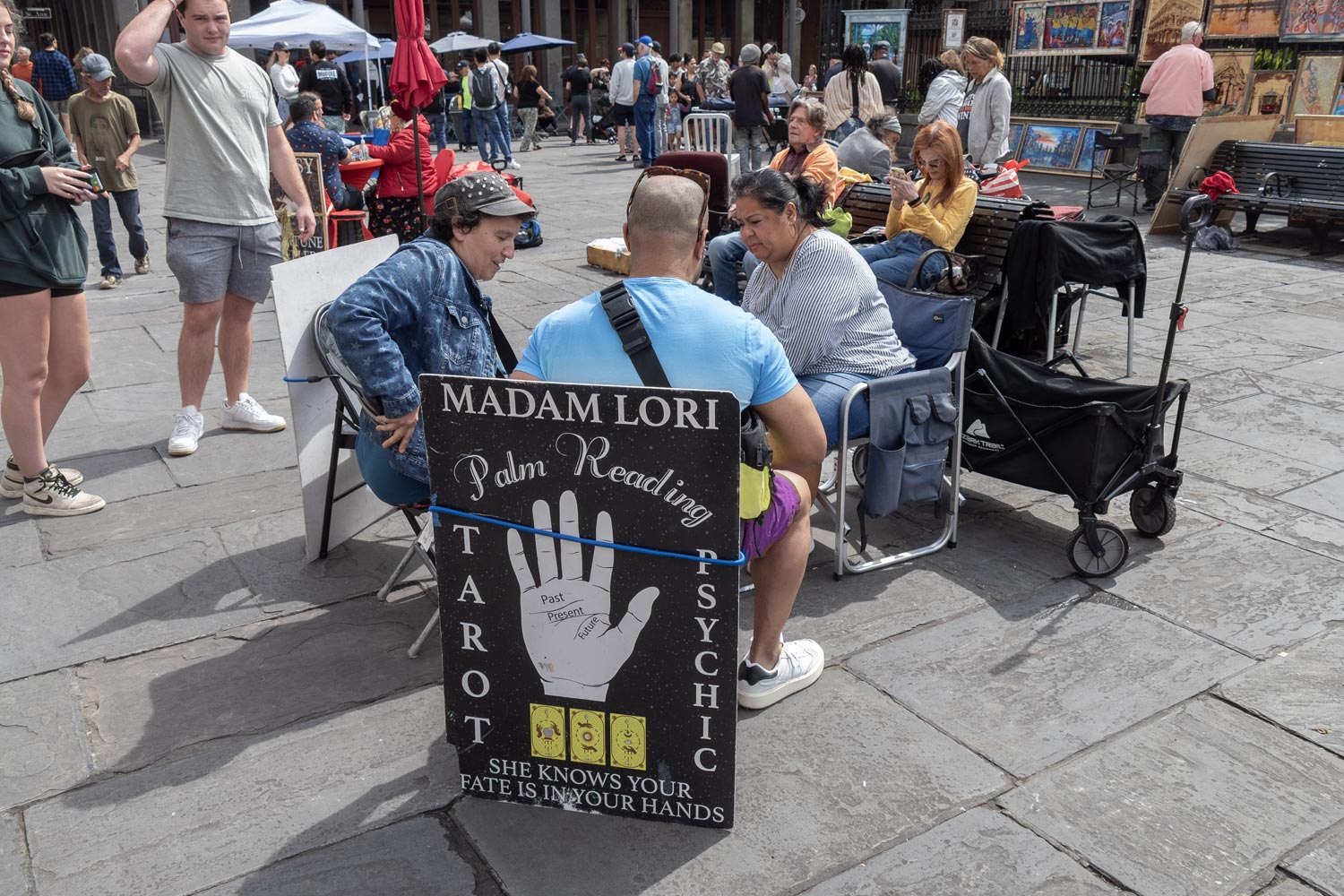

Overall, it feels like the carnival in New Orleans goes on year-round, not just during Mardi Gras.

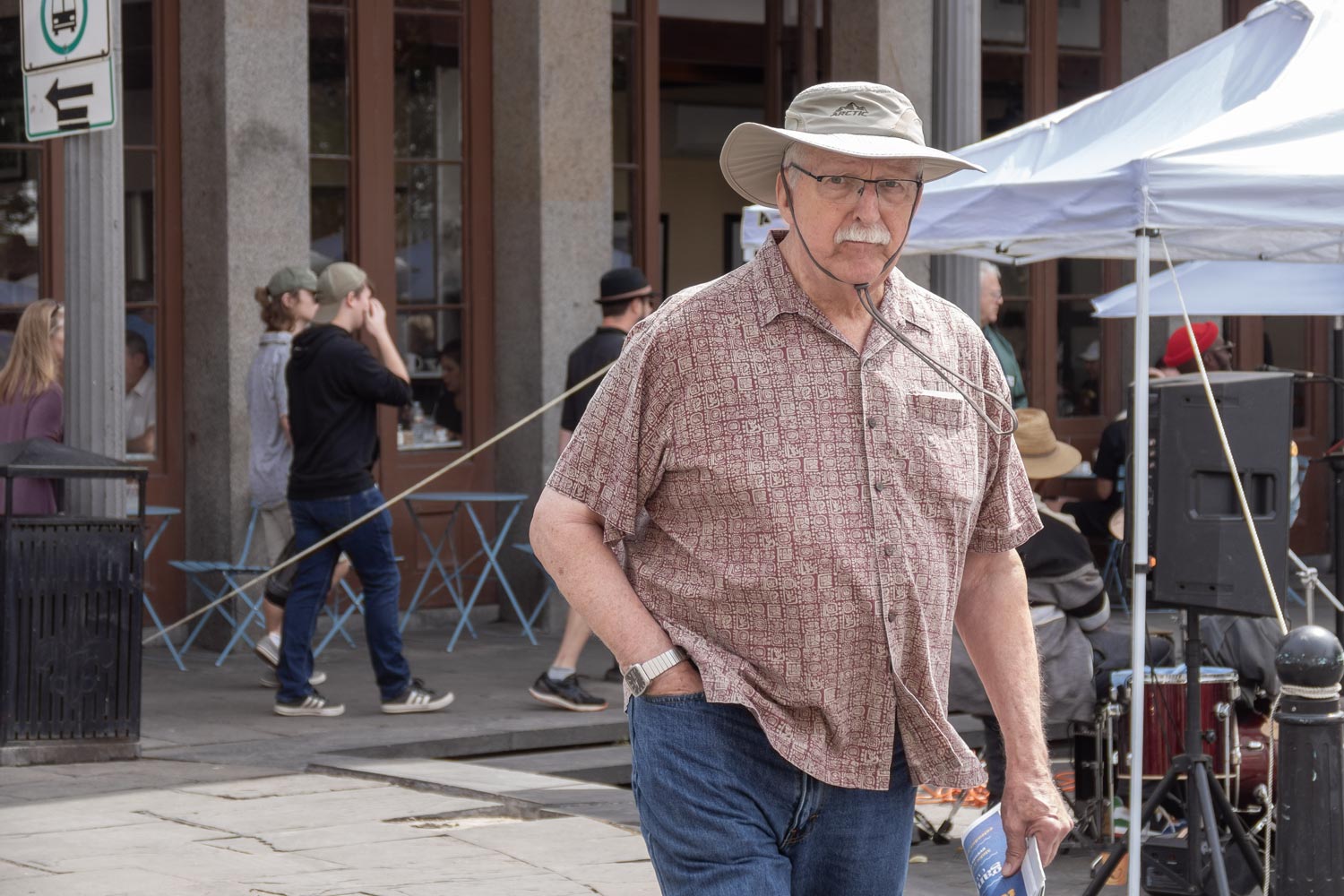
The residents of New Orleans are incredibly colorful characters. They probably don’t even need a carnival — they’re just like that by nature.

Mississippi
New Orleans is almost completely surrounded by water. To the north and east it is bordered by lakes that connect to the Gulf of Mexico. To the west, the city is surrounded by muddy swamps. And to the south, the Mississippi River winds around it in meanders.
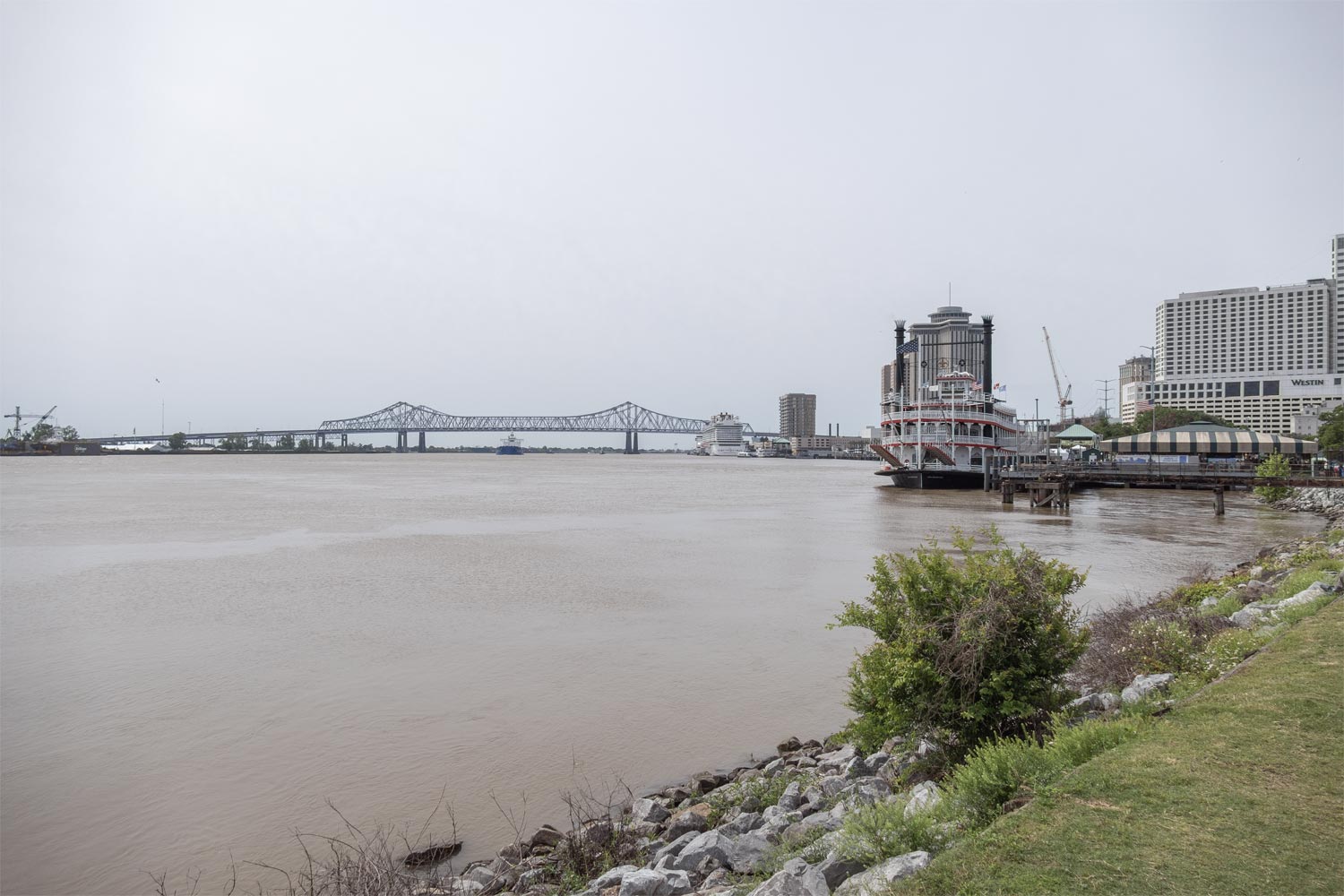
This river needs no introduction. It flows through the entire United States, starting almost at the border with Canada and emptying into the Gulf of Mexico here, by New Orleans.
Once, ships and boats traveled along the Mississippi, mainly carrying timber, fish, sugar, cotton, various other cargoes, and of course, people.
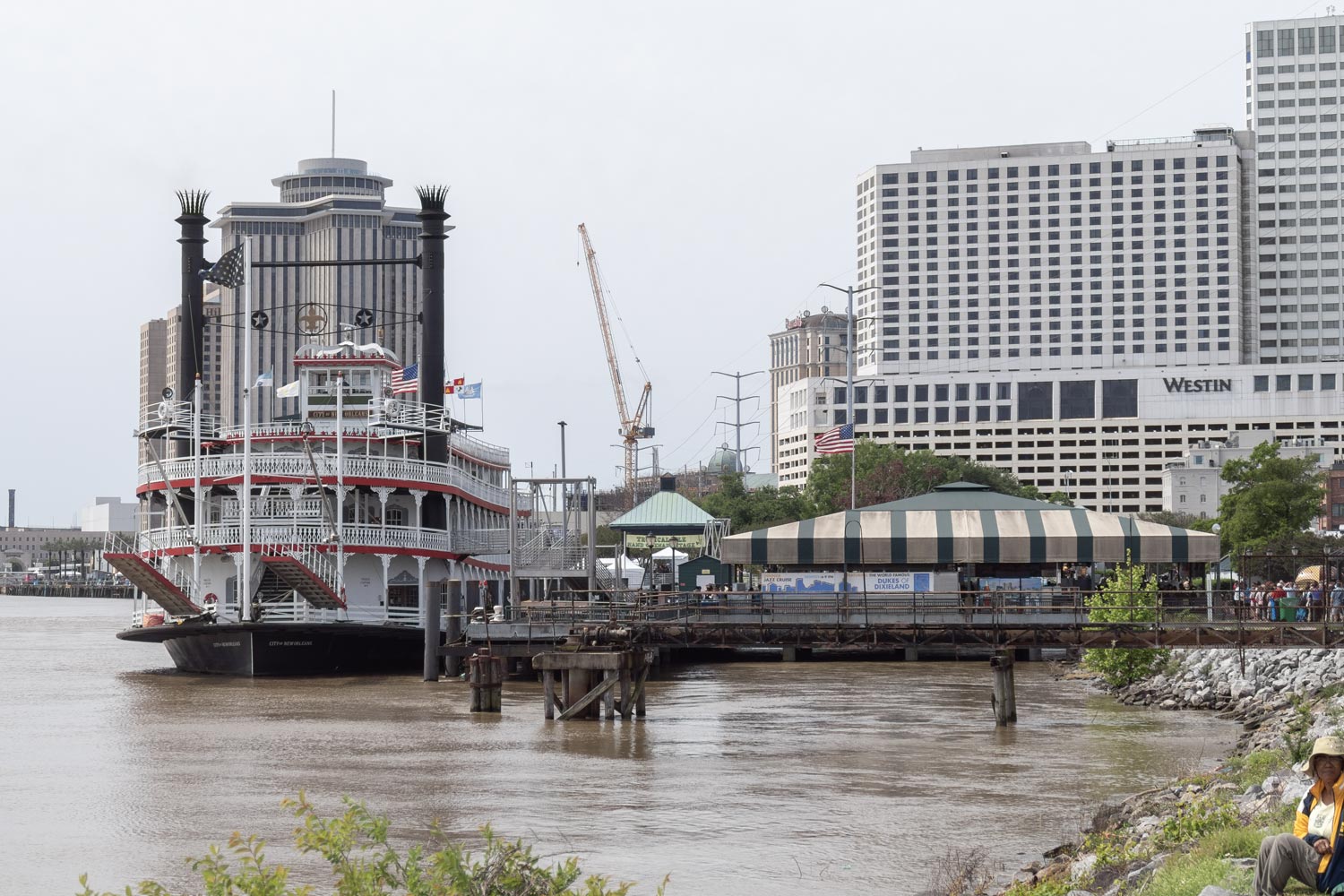
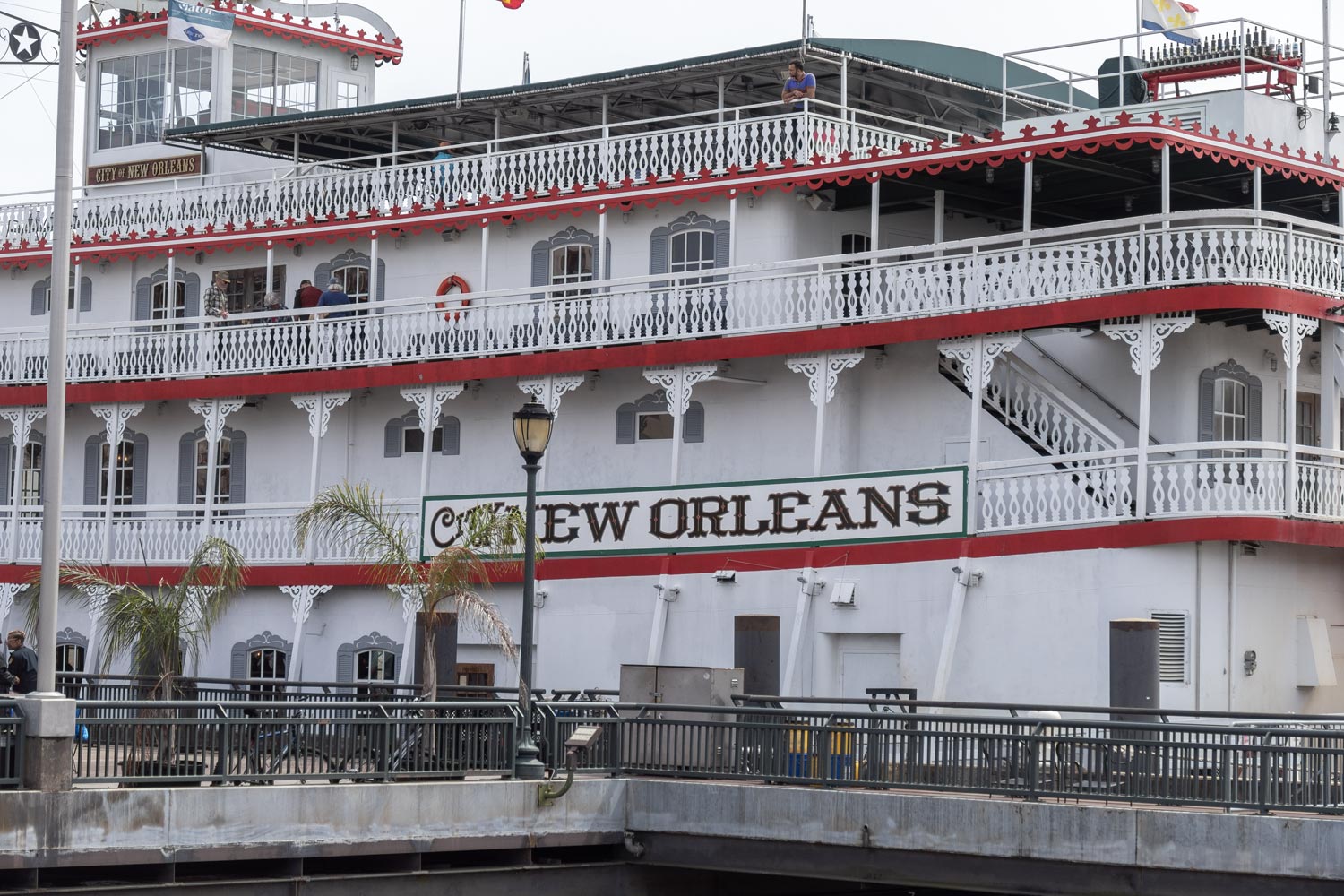
This continued until the 20th century, when bridges, highways, railroads, and airports were built in Louisiana. The need for cargo ships declined, but a need to entertain tourists emerged instead. Today, a luxurious 19th-century paddle steamer is moored at the riverfront.
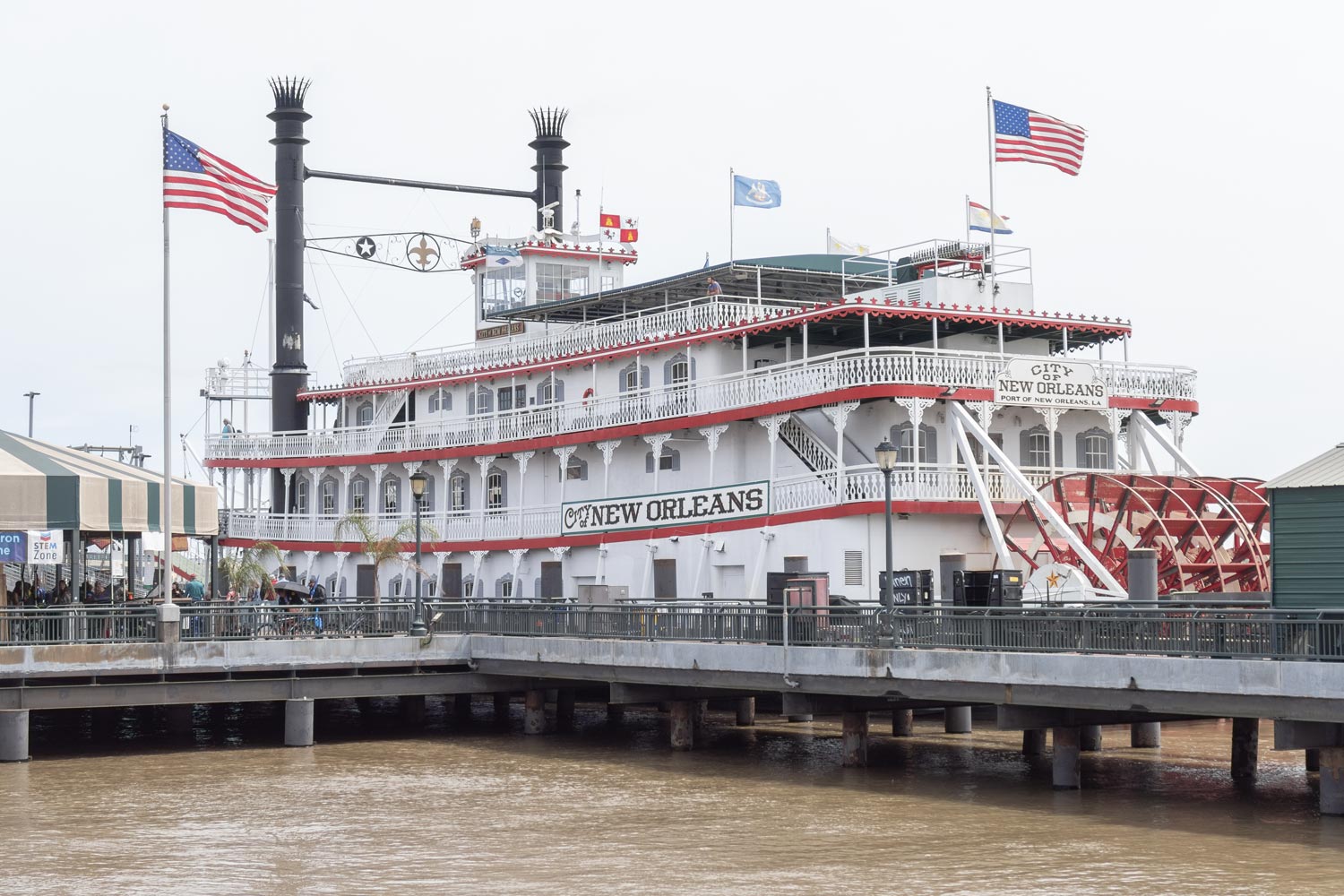
As if it had stepped right off a postcard or out of the illustrations for a Mark Twain book. In fact, it’s one of those very boats. The events of the Tom Sawyer books take place in the town of Hannibal, which is also located on the Mississippi.
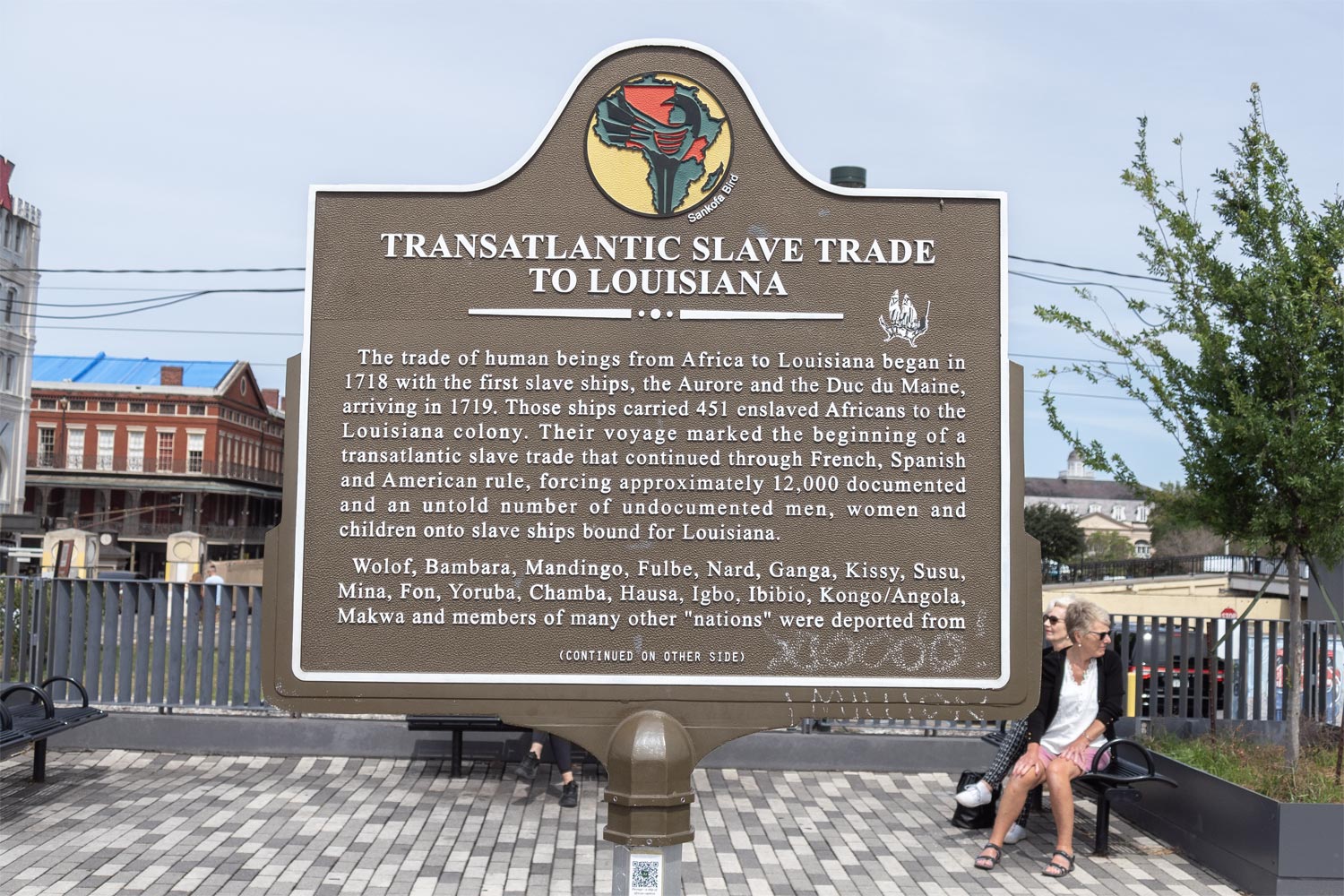
On the riverbank, an interesting plaque was found that tells about the first ship carrying Black slaves that arrived in French Louisiana in 1719.
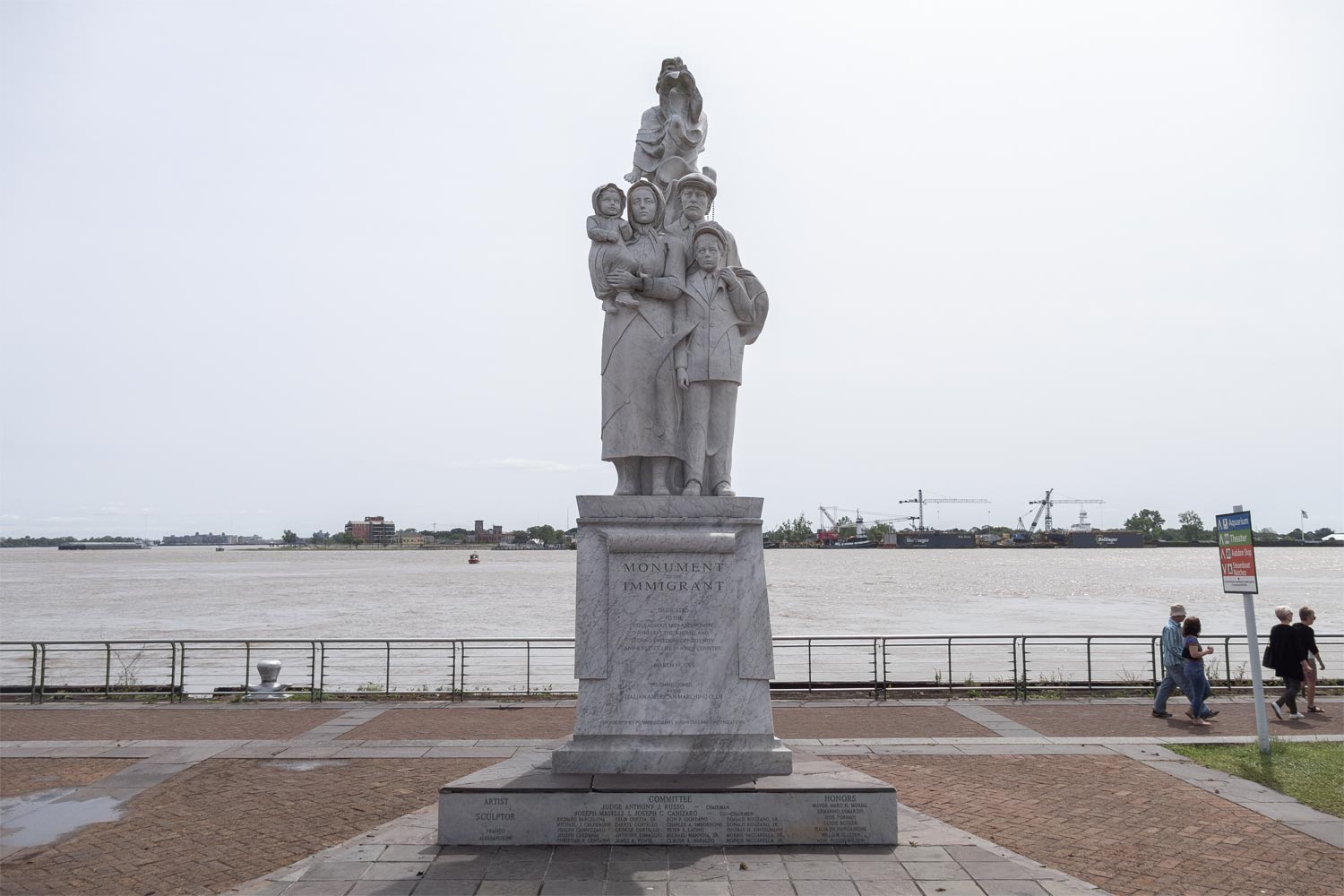
Next to the sign there is a monument to migrants. New Orleans was one of the places where settlers arrived, though not as major as New York.
By a twist of fate, Louisiana is now home to the harshest immigration detention center, with appalling conditions.
Downtown
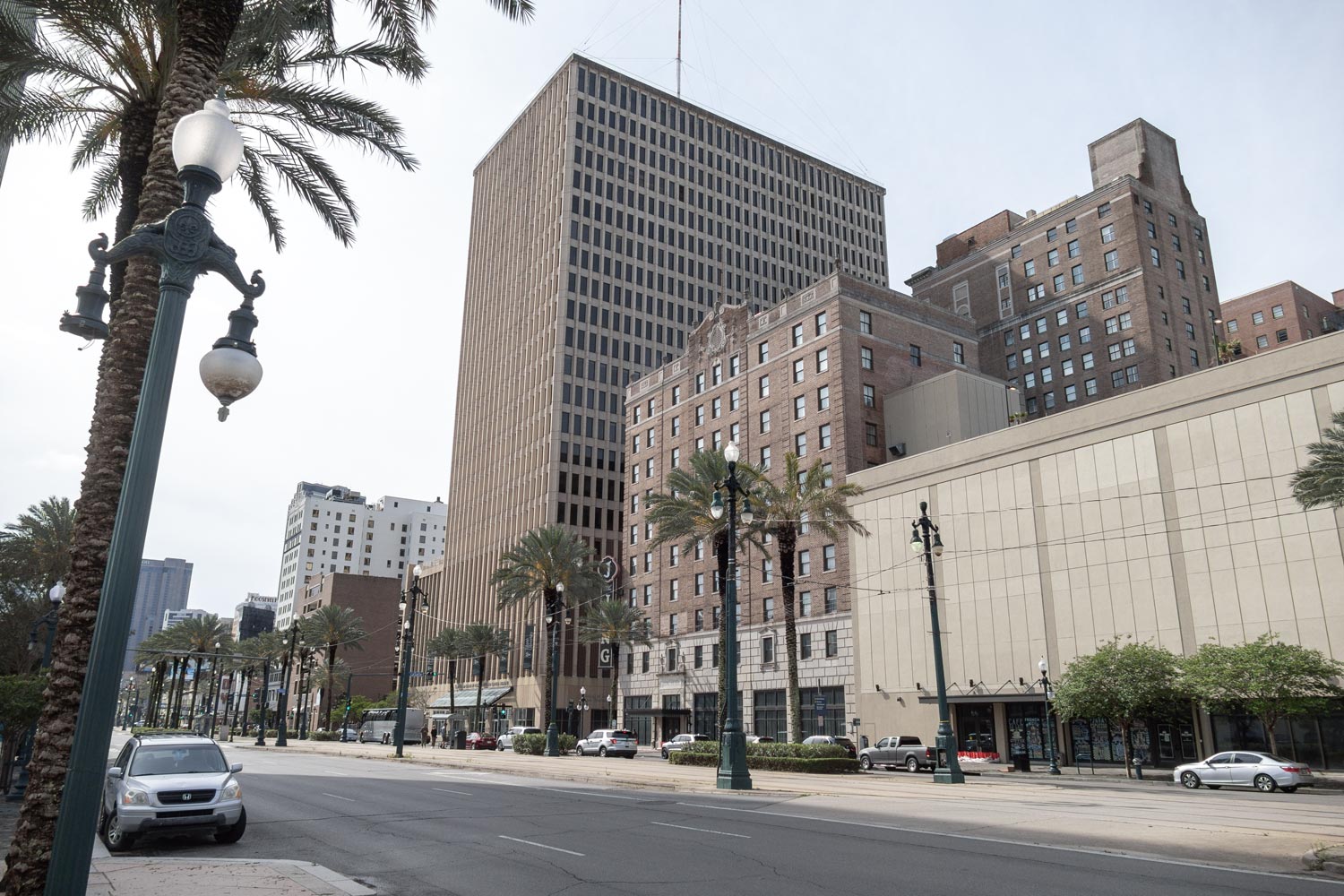
New Orleans has its own downtown, though there aren’t really any notable skyscrapers there — just a couple of tall buildings.
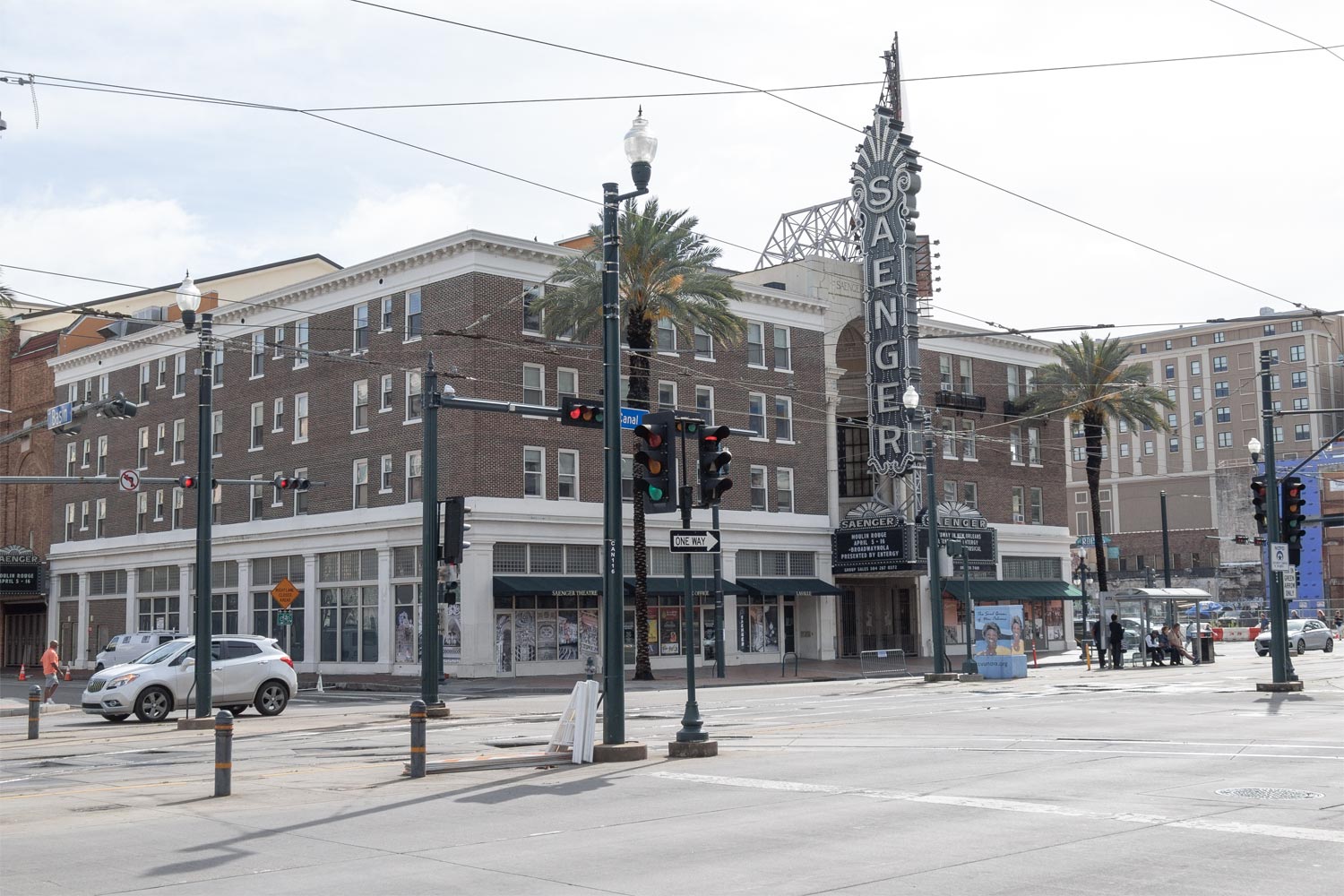
Since the city lays claim to the role of a cultural capital, downtown there turned out to be several movie theaters and regular theaters, with classic American-style posters.
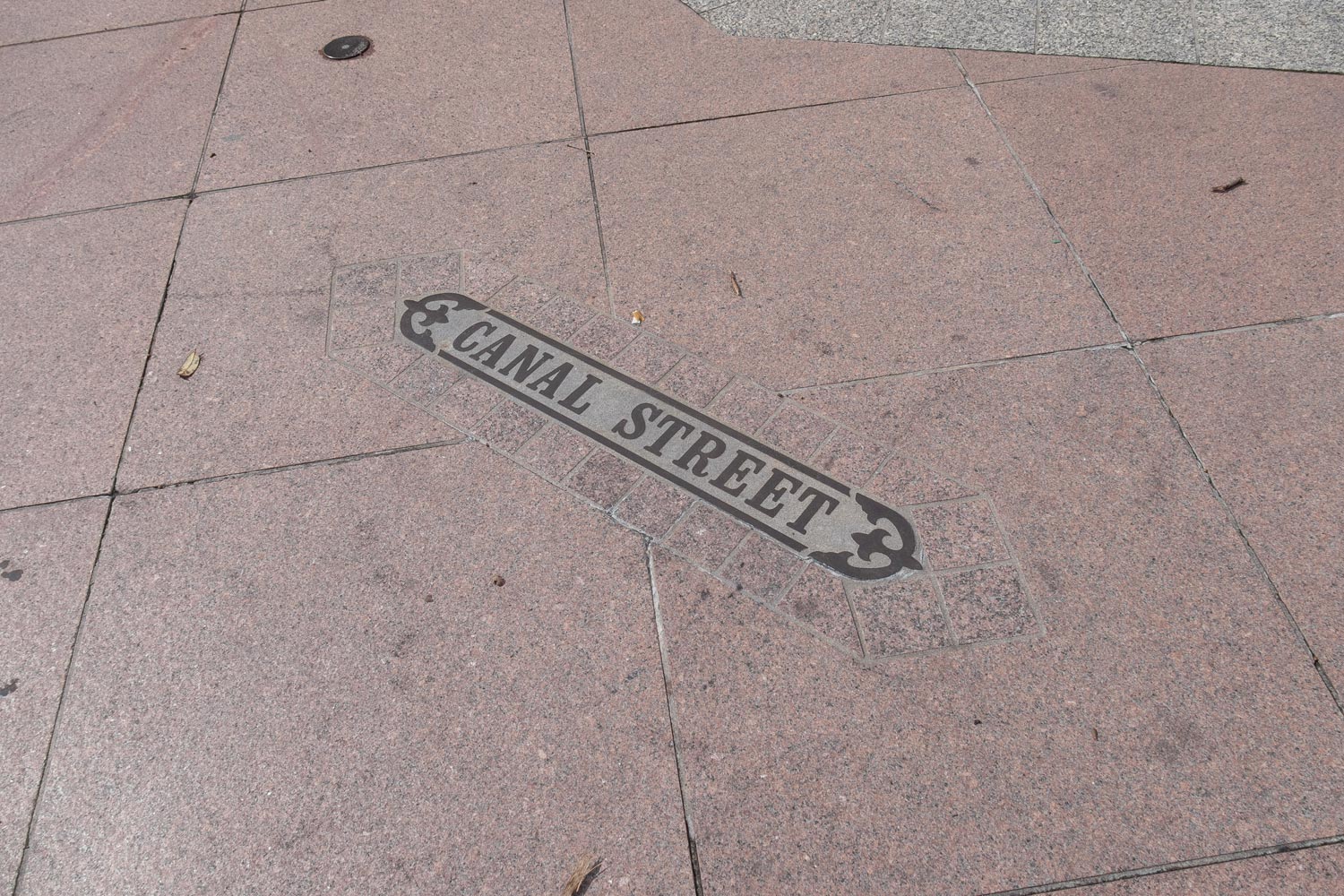
Some nice street signs were found on the sidewalk.
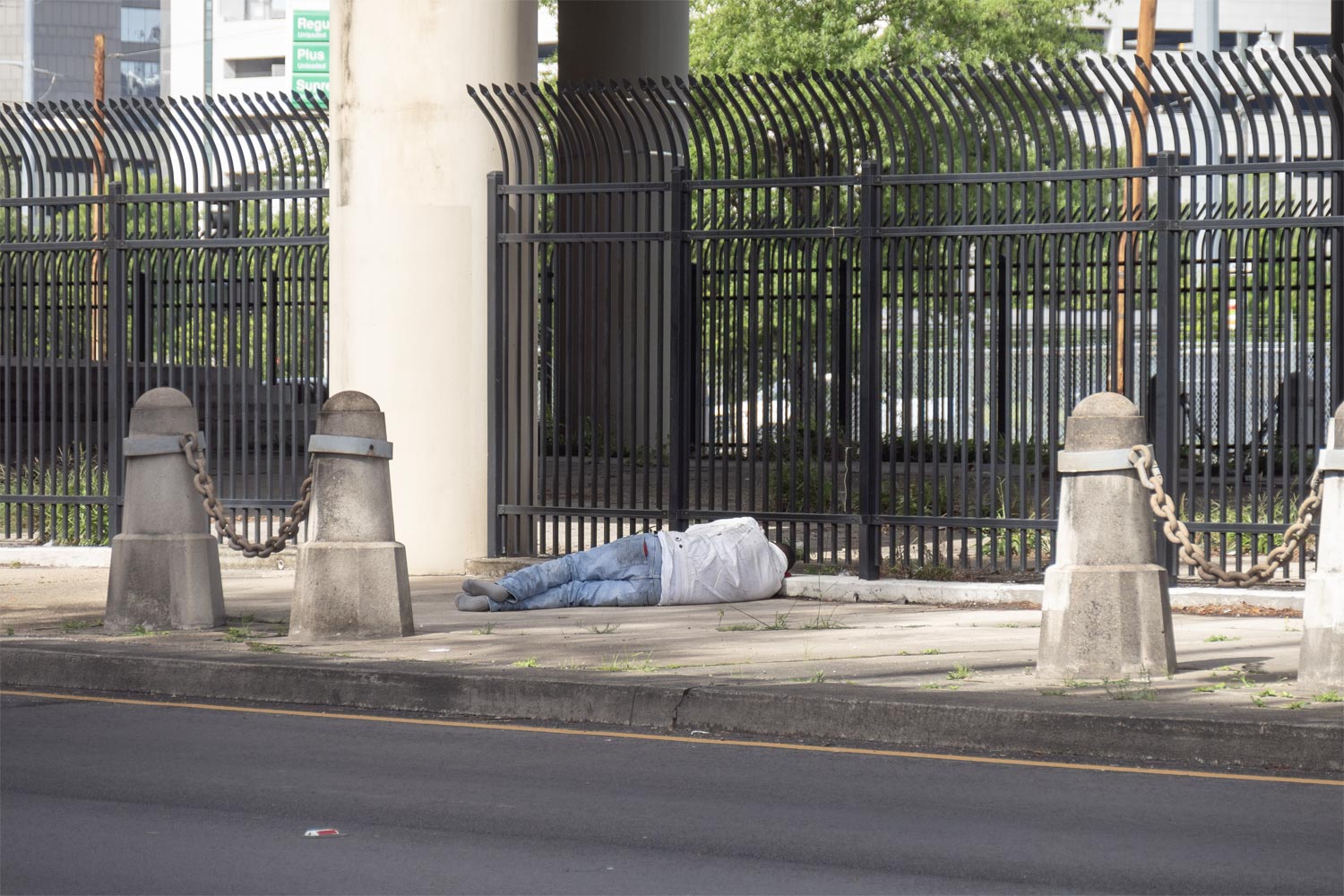
On the other sidewalk, there was a beggar. Downtown New Orleans is a rather unsafe place. There are a lot of homeless people and crime here, especially after sunset.
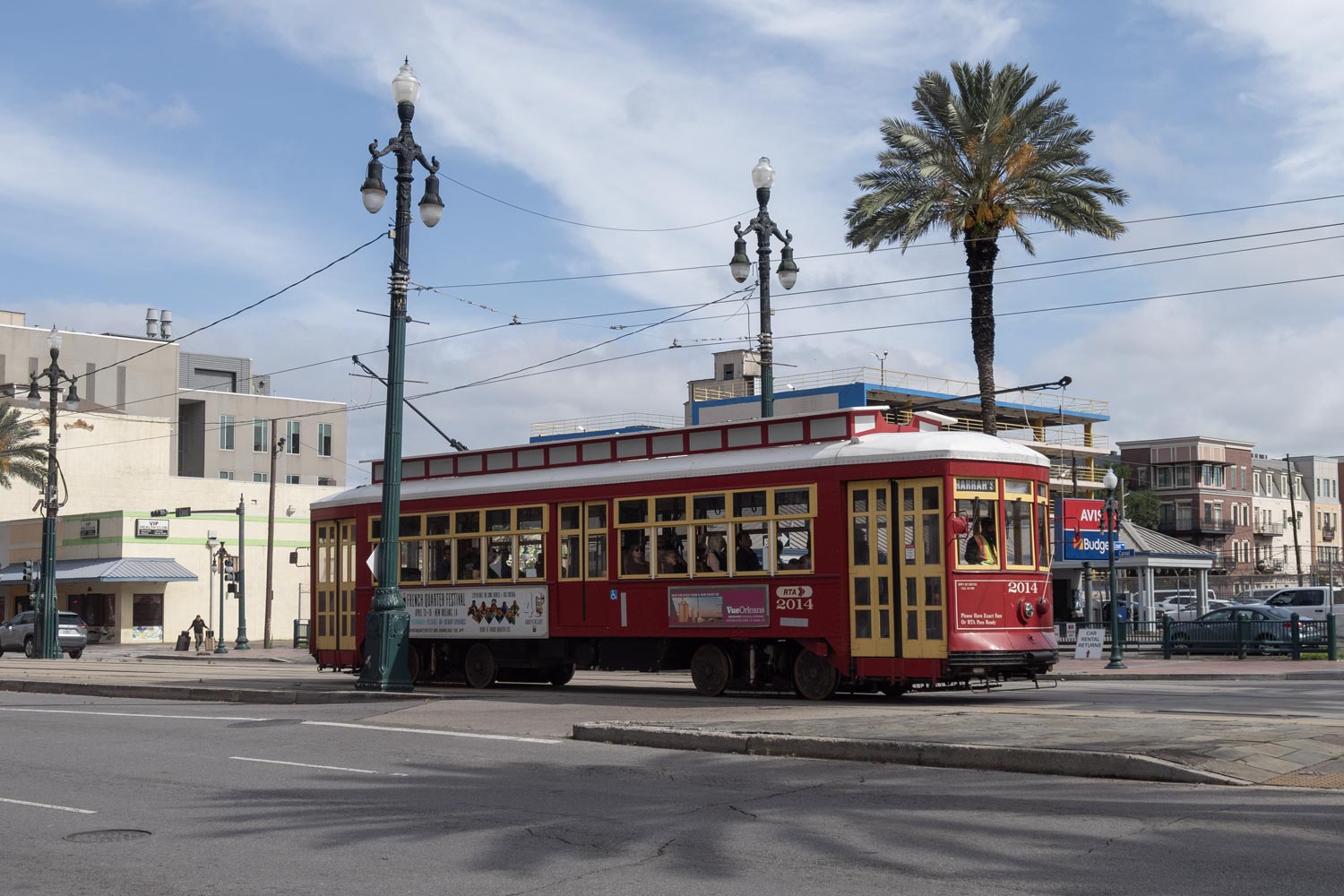
On the other hand, New Orleans is one of the few U.S. cities that still has streetcars. They run through downtown and continue on to the outskirts of the city.
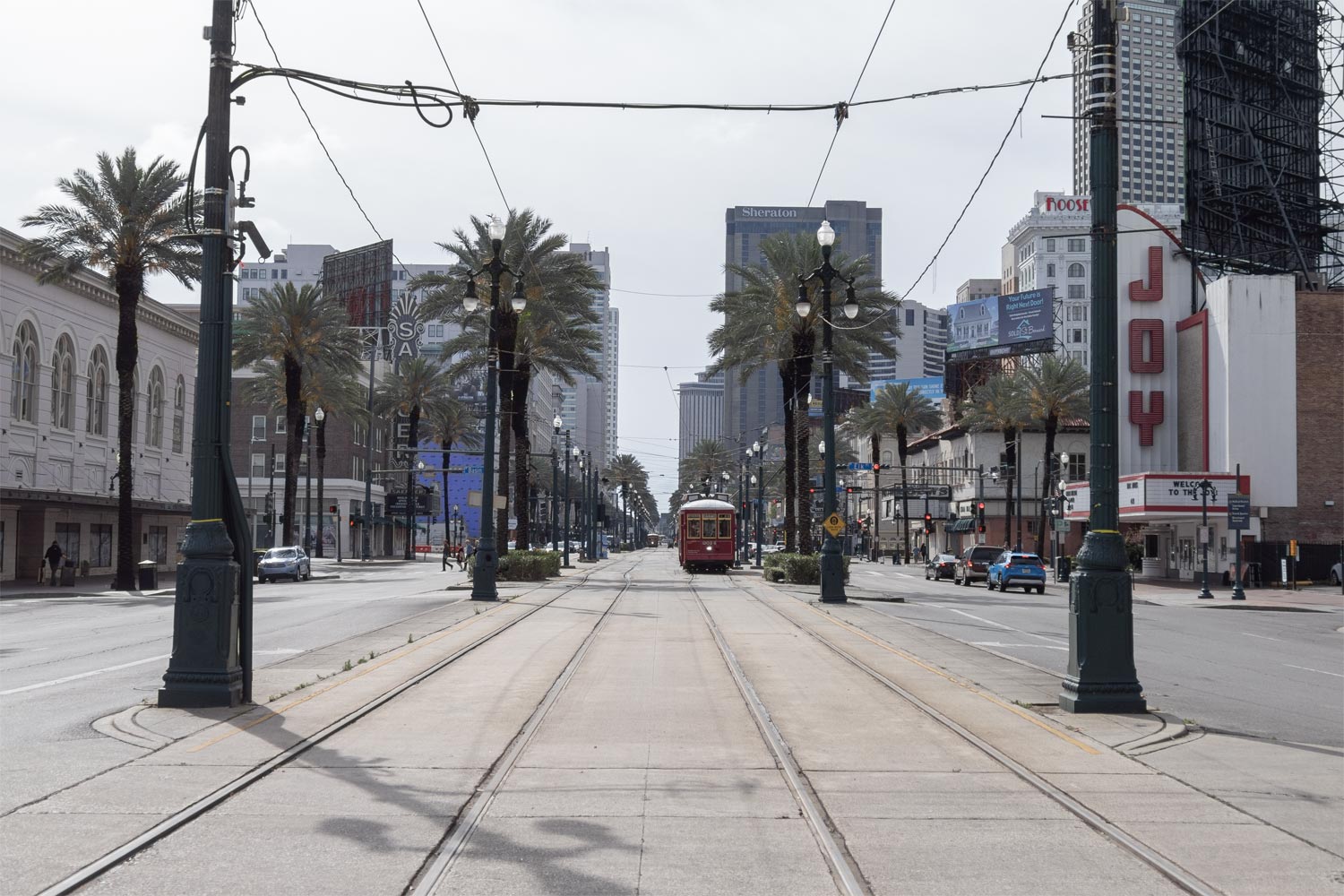
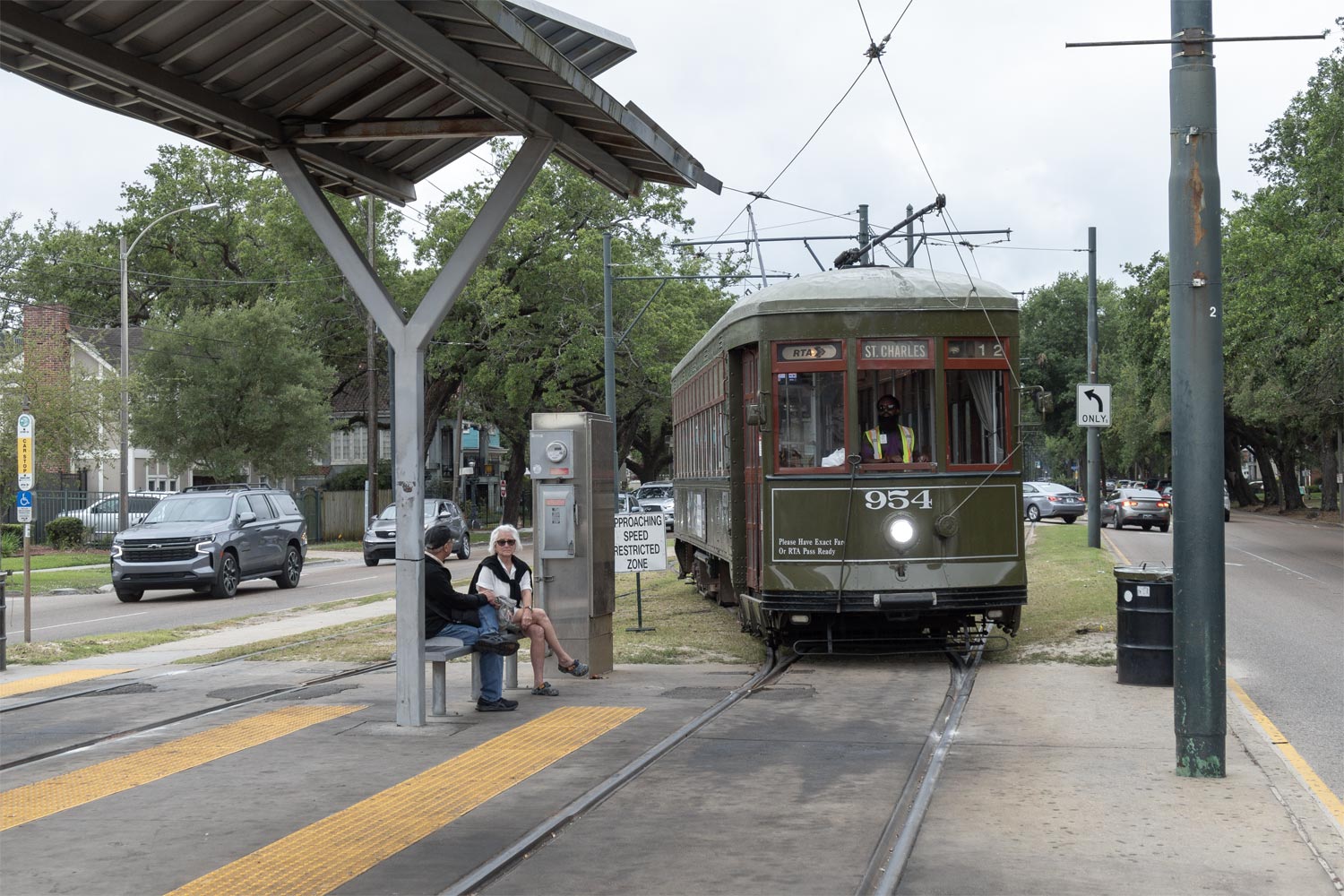
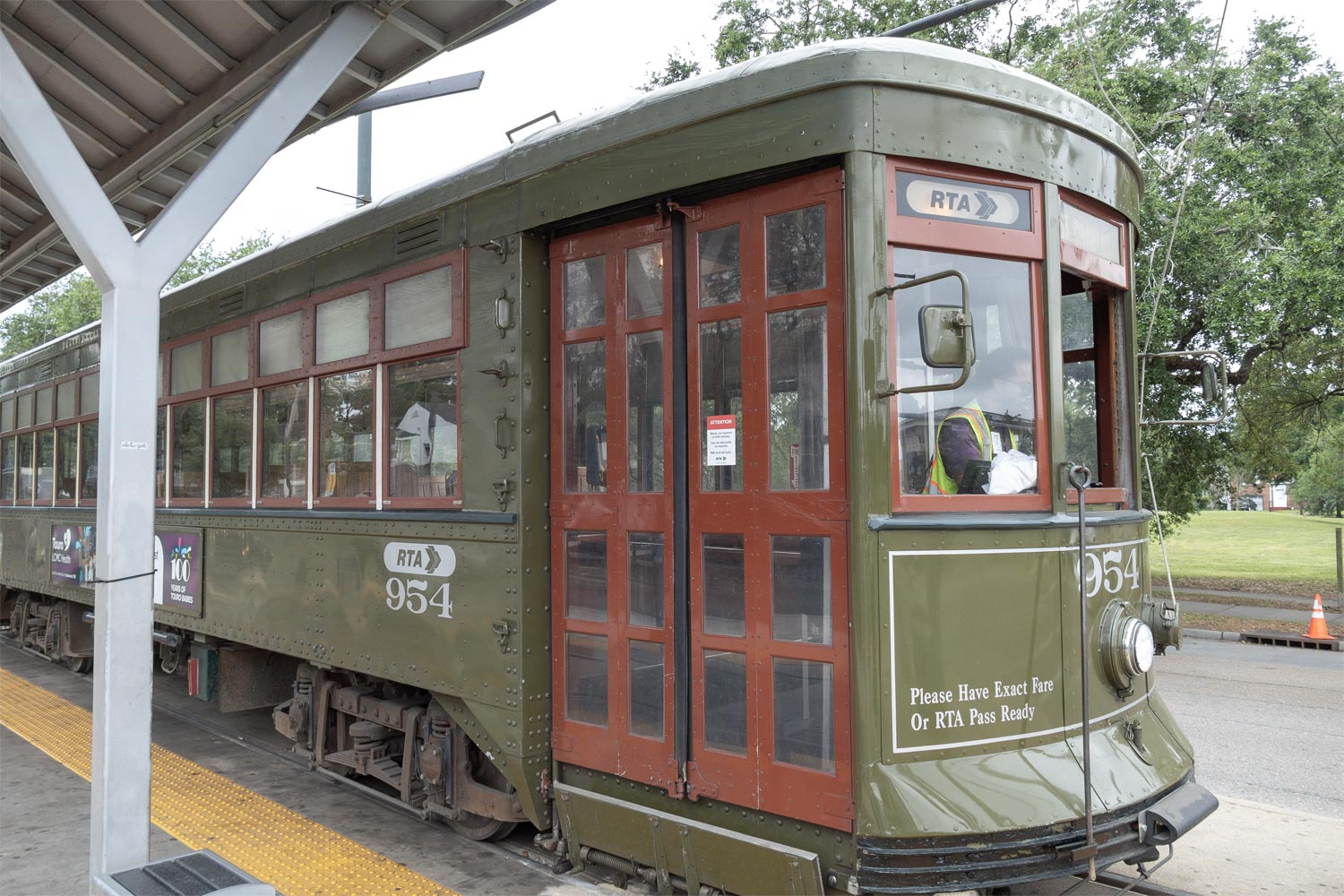
Besides the regular tram, there is another one — a historic tram. Its line was built in 1835. It is the oldest tram line in the world, which, incredibly, turned out to be not in Europe but in the USA — a very car-oriented country.
The old tram stands out for its dark green color, reddish-brown window frames, and an interior unchanged since those years. But the main thing is that it’s not a tourist attraction at all — it’s an ordinary tram.
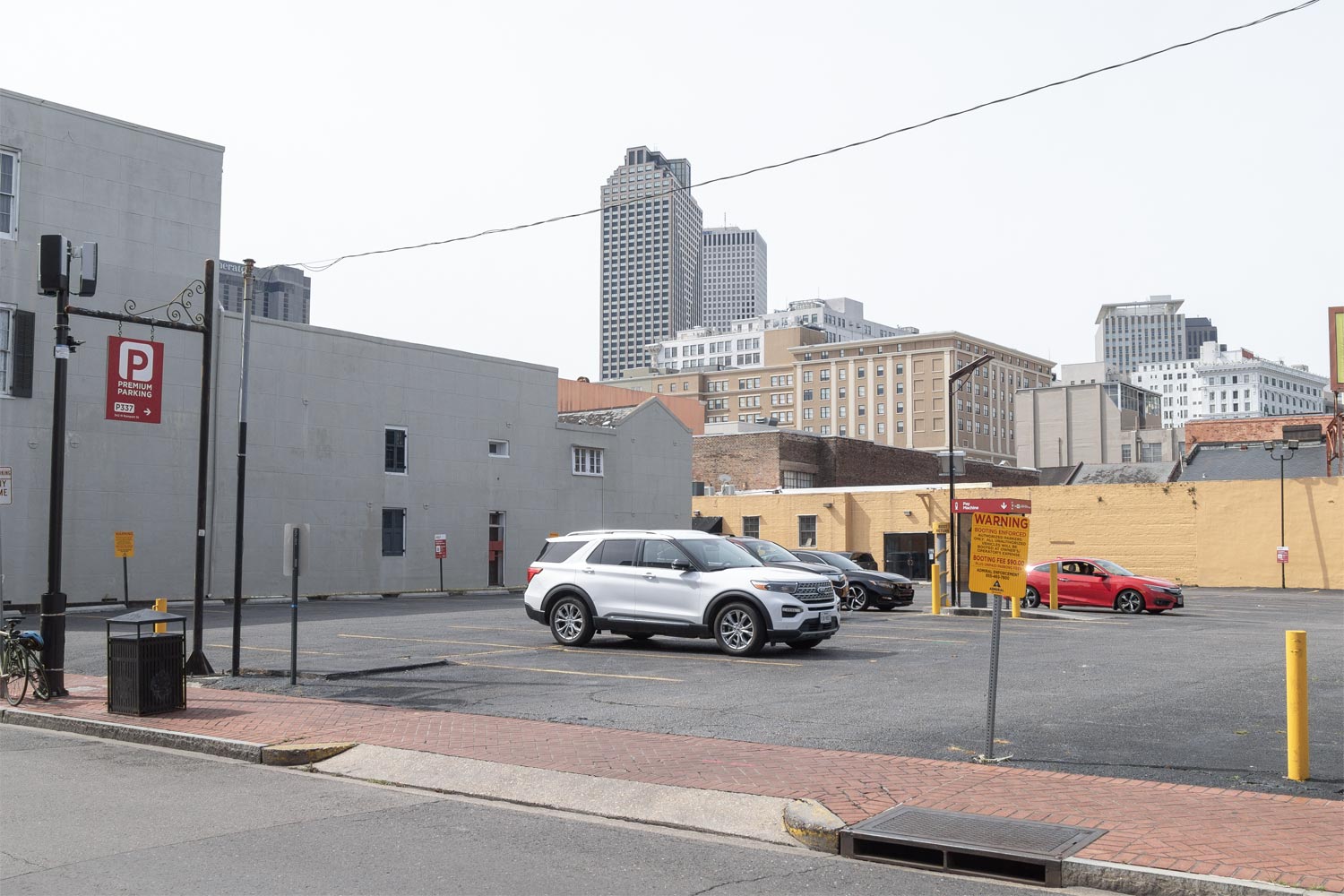
Downtown ends before it even begins. As is typical in America, it’s surrounded by vacant lots and parking lots.
Cemetery
Another distinctive feature of New Orleans is that there are several old cemeteries within the city limits, built in the form of mausoleums.

The cemeteries of New Orleans are remarkable not only because they were built in the Spanish style, as if in some Argentina. We already know that for a long time Louisiana was dominated by the French and the Spanish, who have always been known for their taste in architecture.
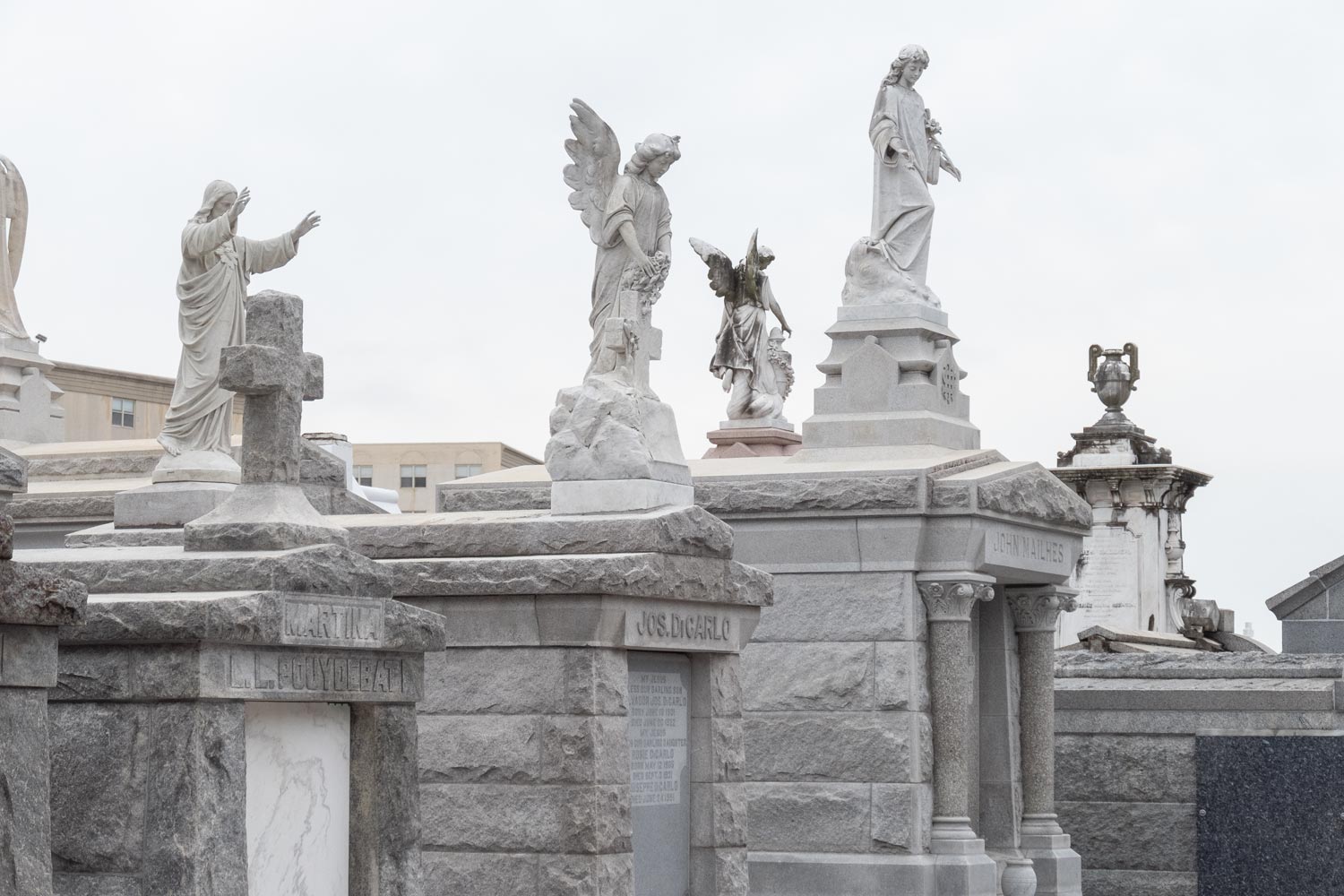
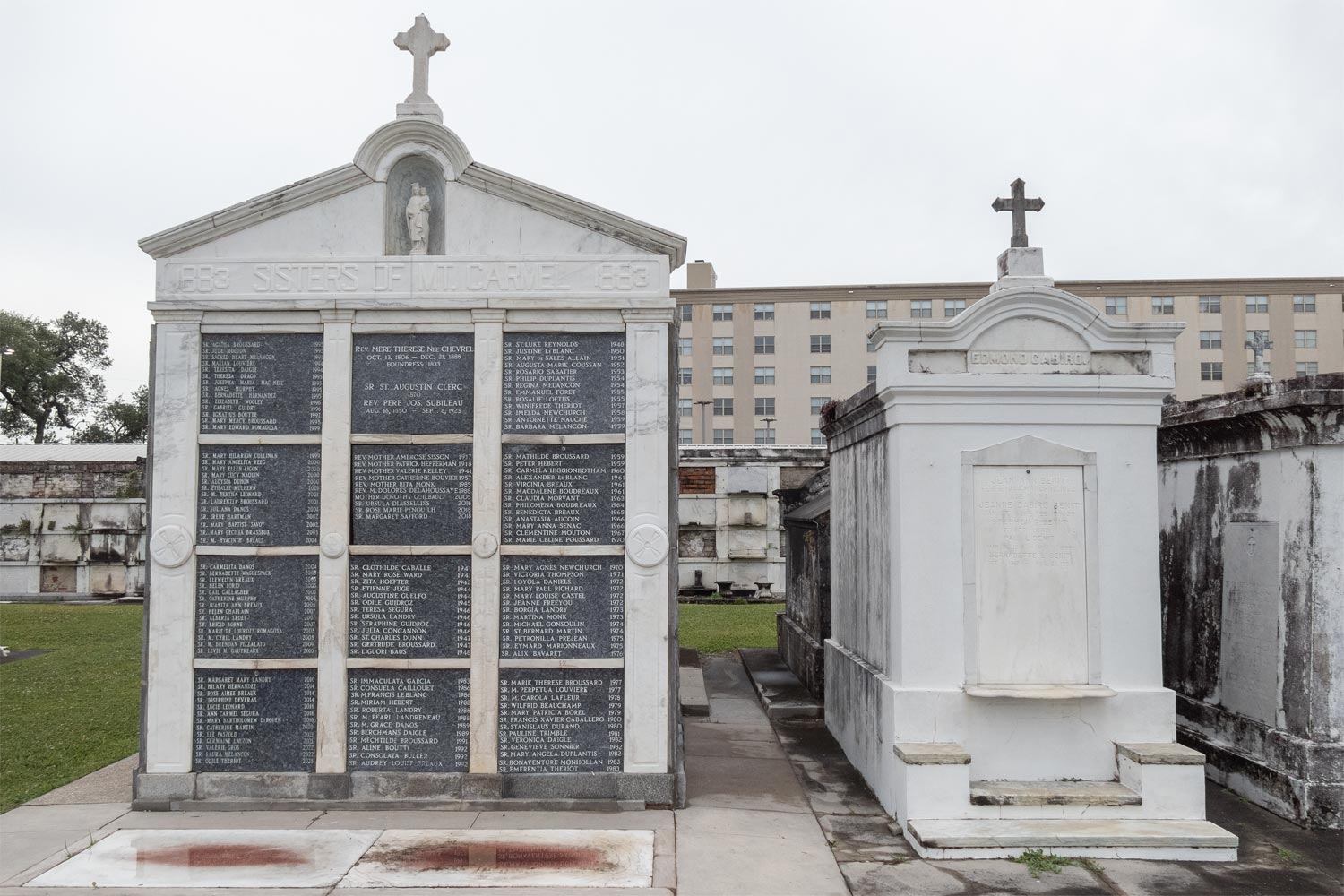
It’s also interesting that the graves themselves are above ground rather than in the ground. That’s because floods happen constantly in Louisiana.

This is a very wealthy cemetery. Many graves are adorned with sculptures of Mary, Jesus, and other figures from biblical legends.

Not everyone who died had money for a separate grave, so you can also find shared burials in the cemetery.
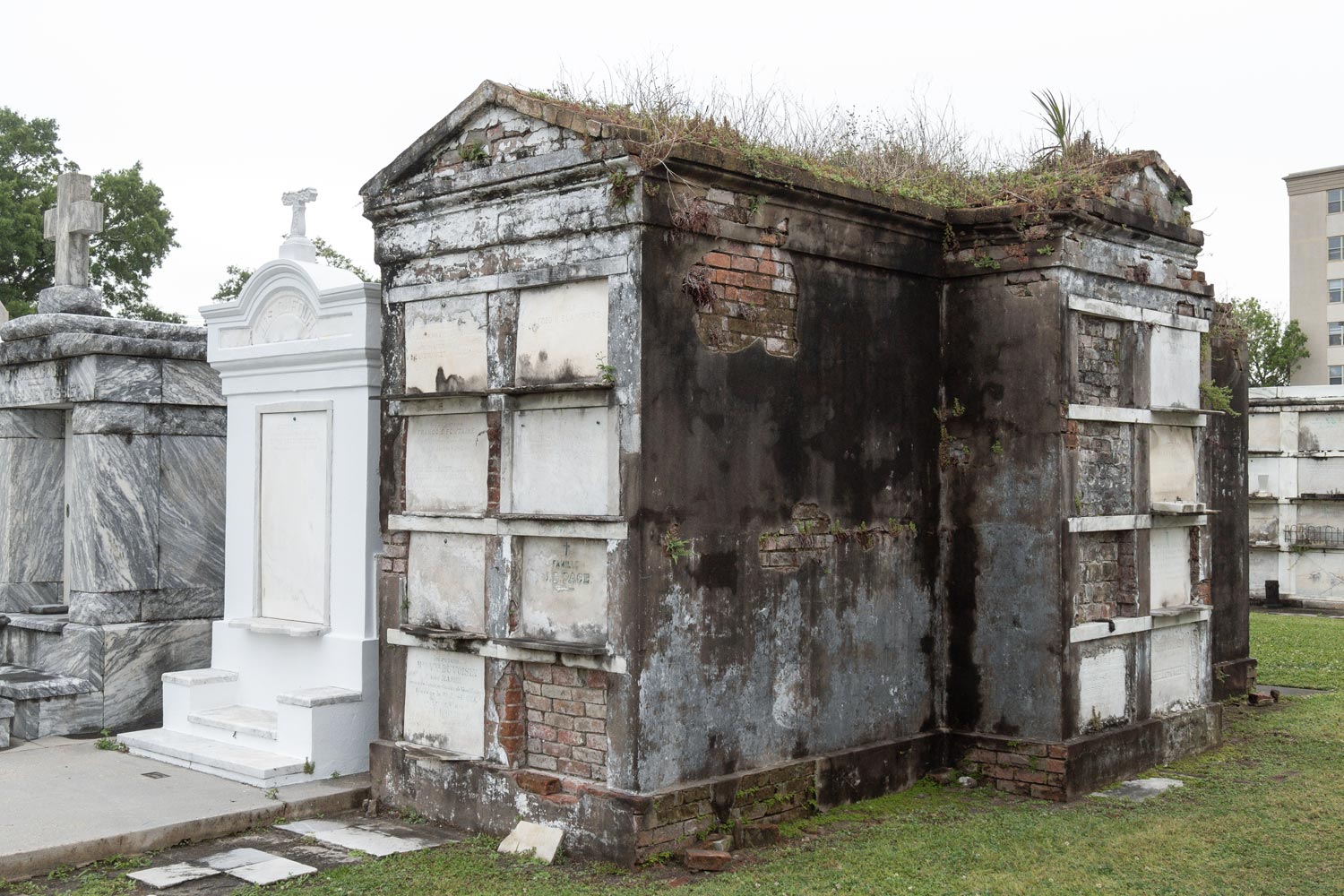
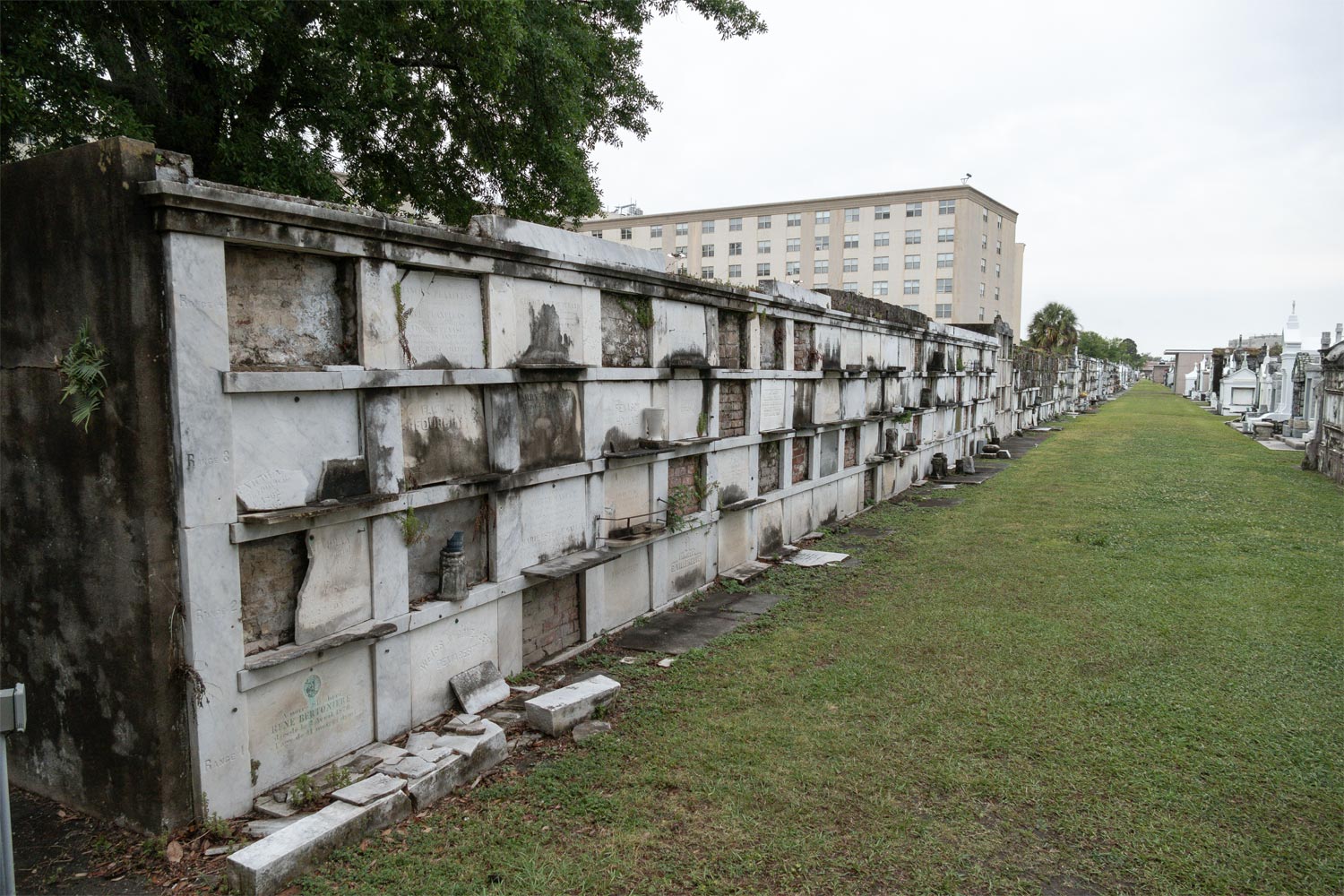
You also come across utterly dreadful, mold-covered graves that you can’t call anything but a crypt.
Neighborhoods
The best way to gauge the scale of the devastation unfolding in New Orleans is in its residential neighborhoods. If the asphalt is torn up even in the historic center, what can you expect from the city’s outskirts? Everything is very bad here.
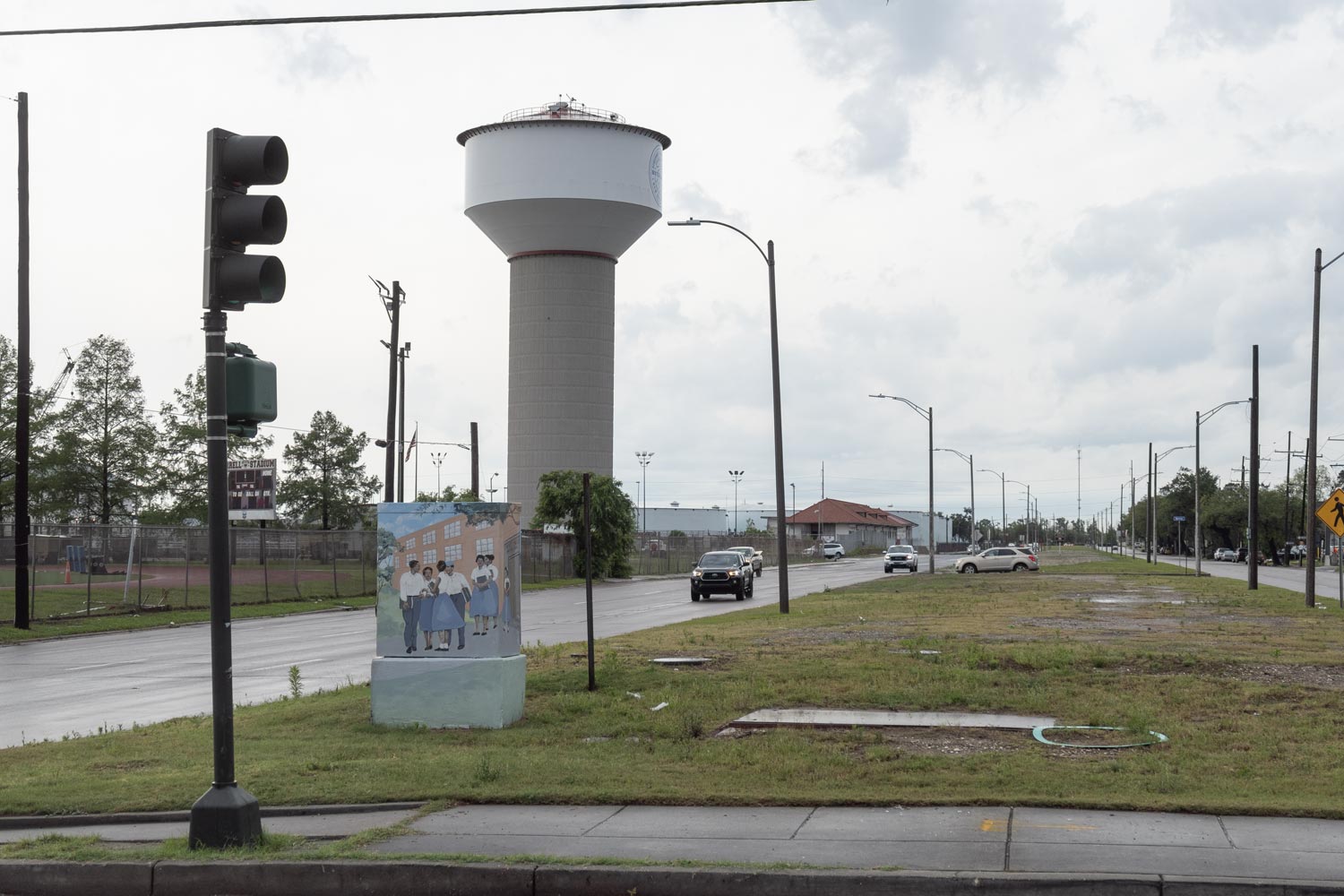
The asphalt isn’t just cracked up — it’s literally destroyed even in areas that aren’t the worst (and it’s better not to go into the bad ones at all).
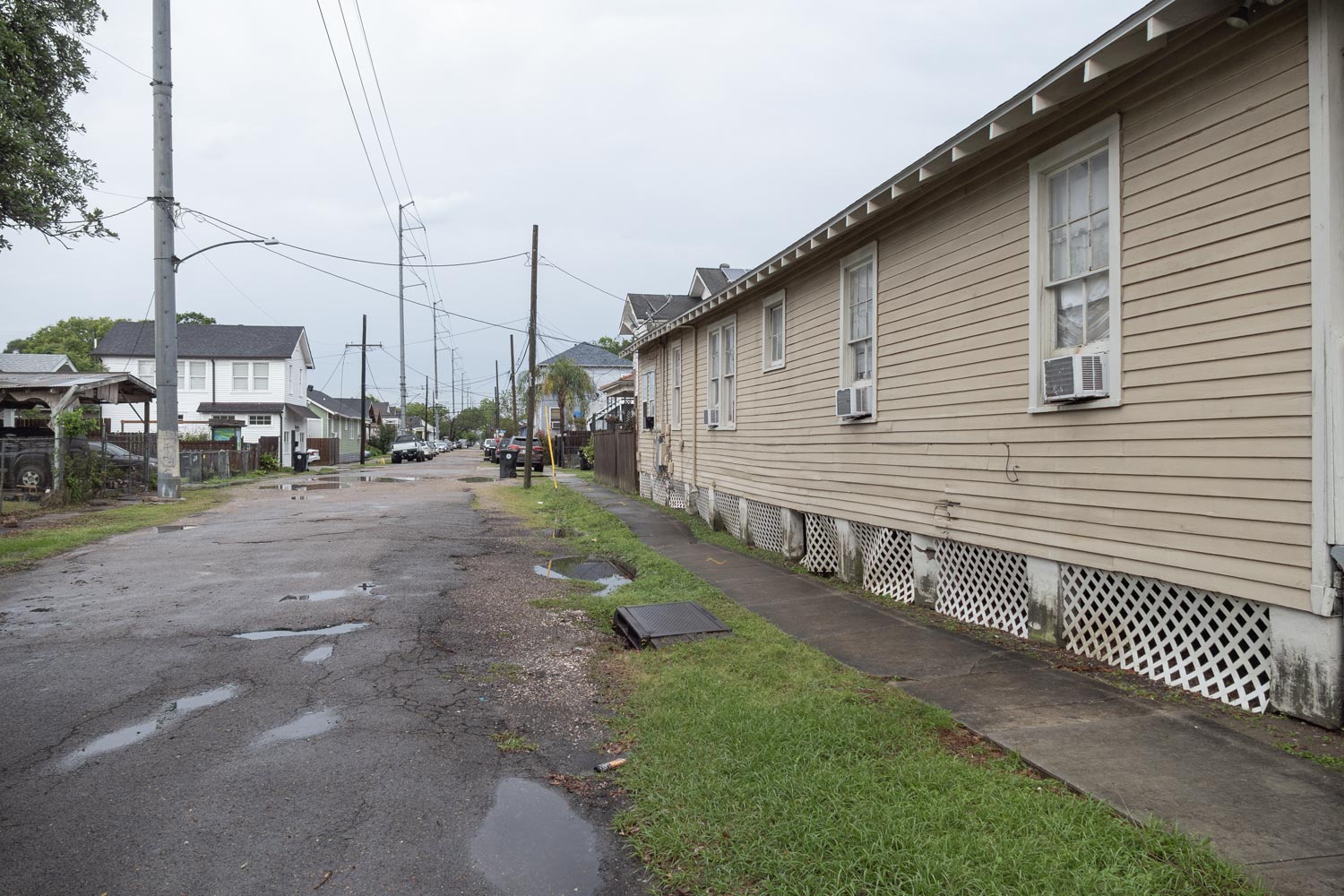
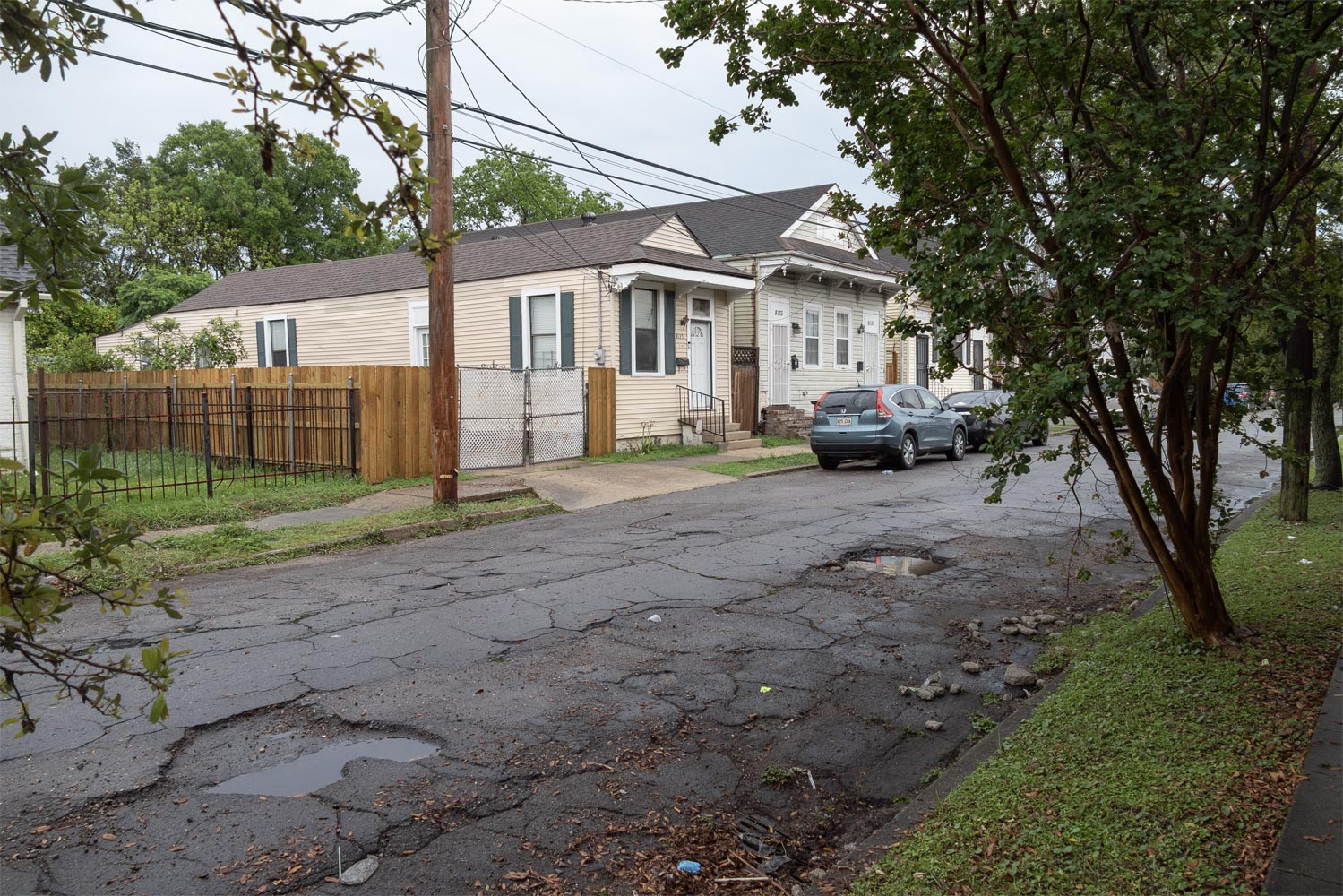
Any light rain leaves puddles in New Orleans that never dry out.
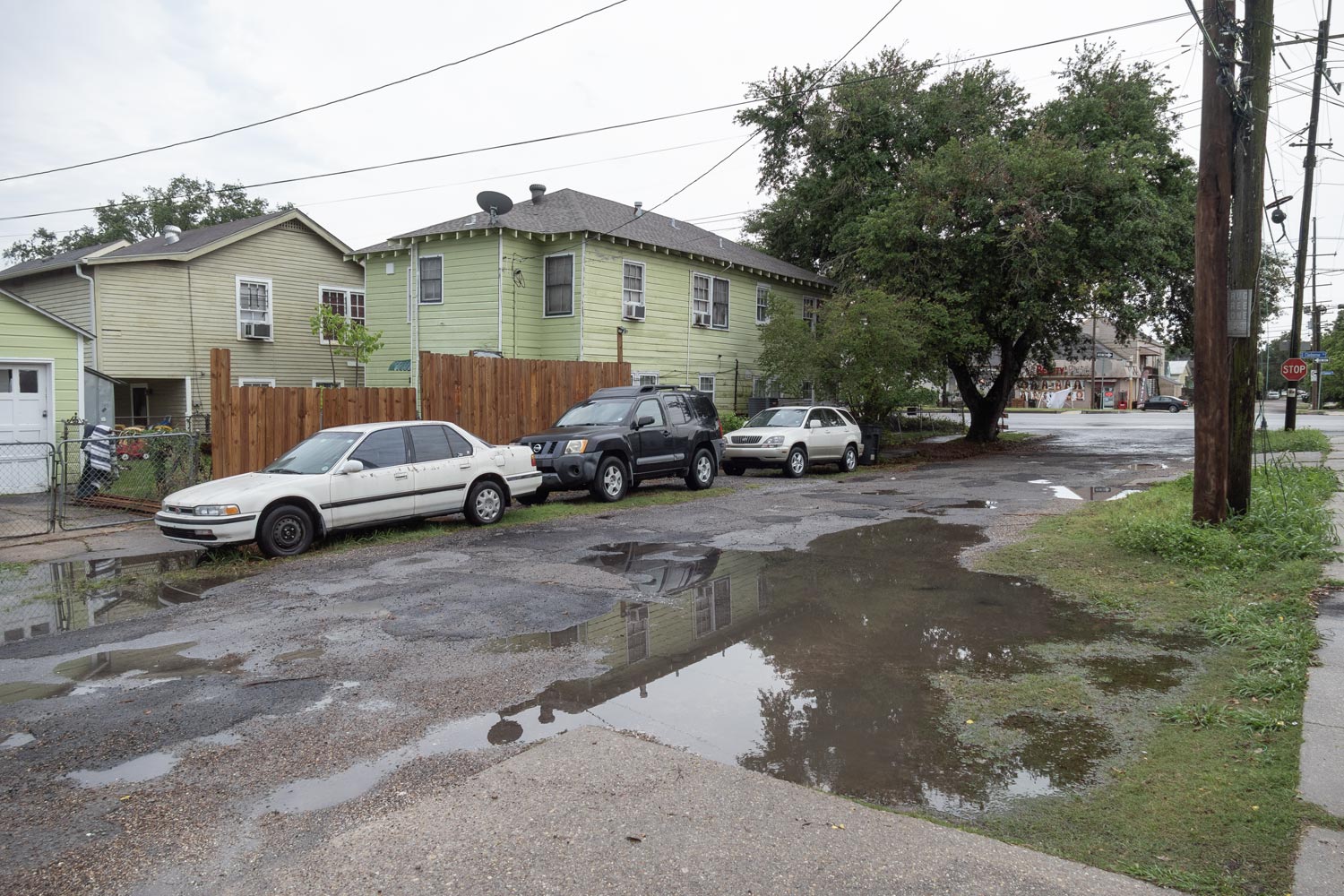
Walking around the city is becoming impossible without a pair of boots. At pedestrian crossings — puddles. On the sidewalks — puddles.
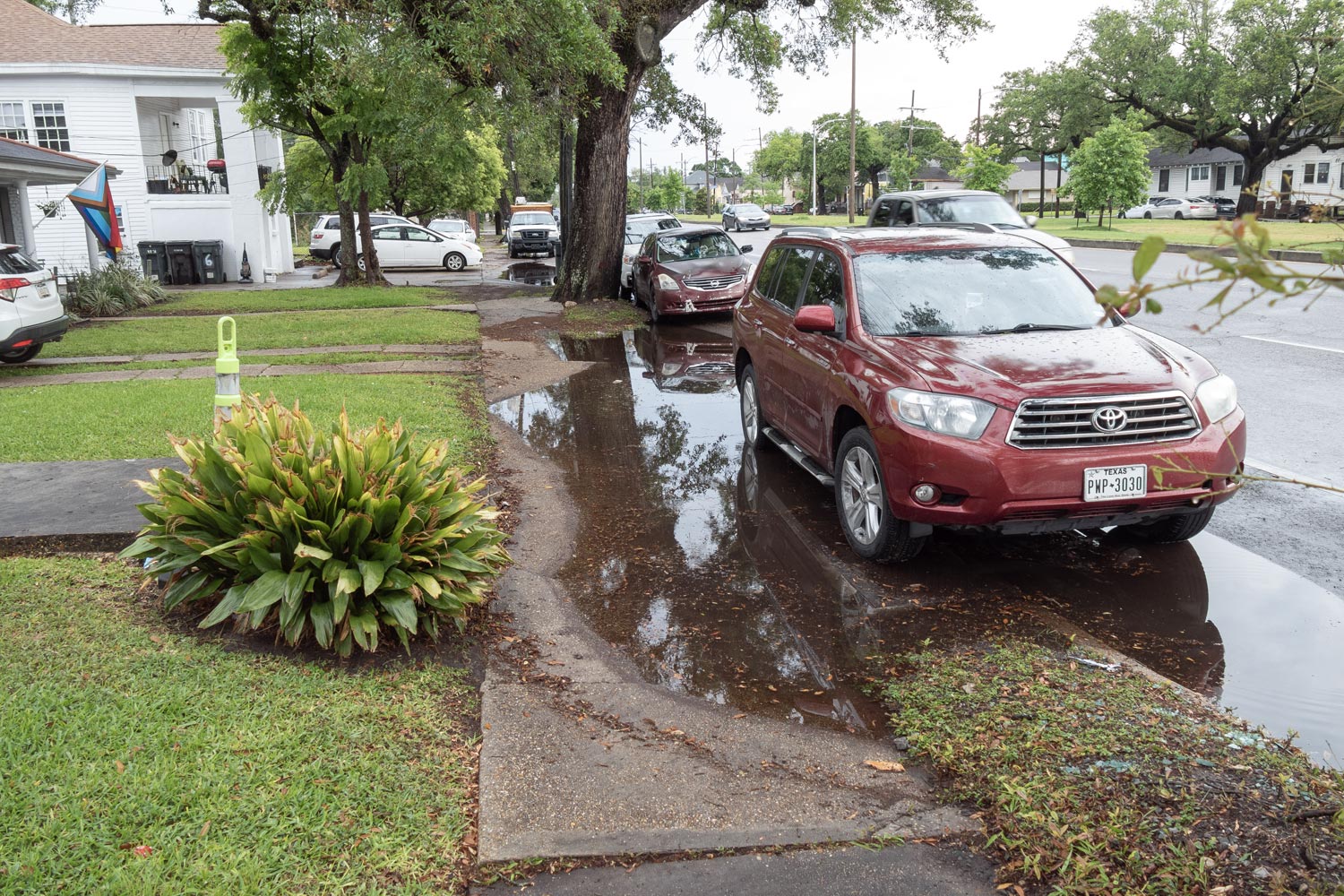
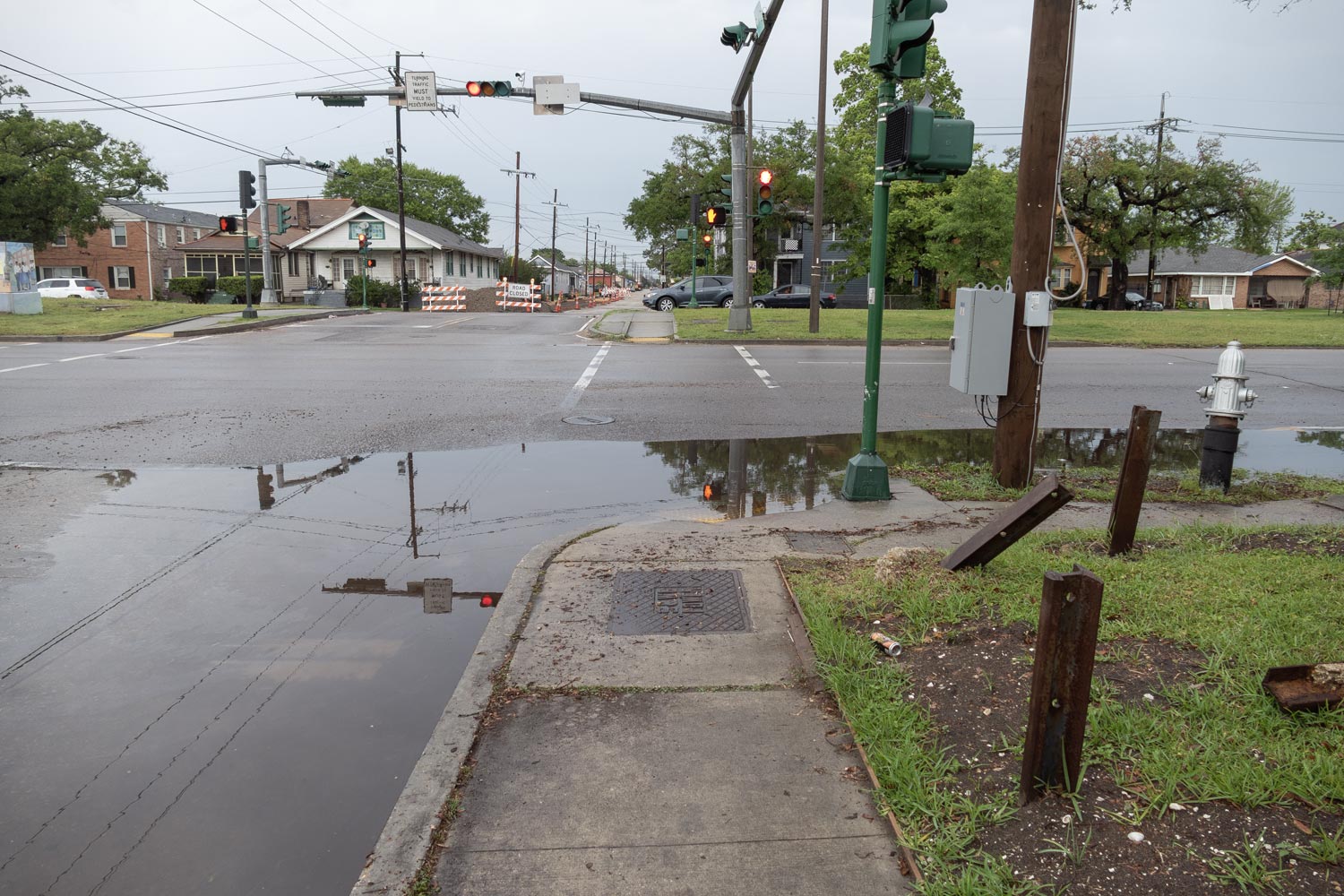
And what mud is here!
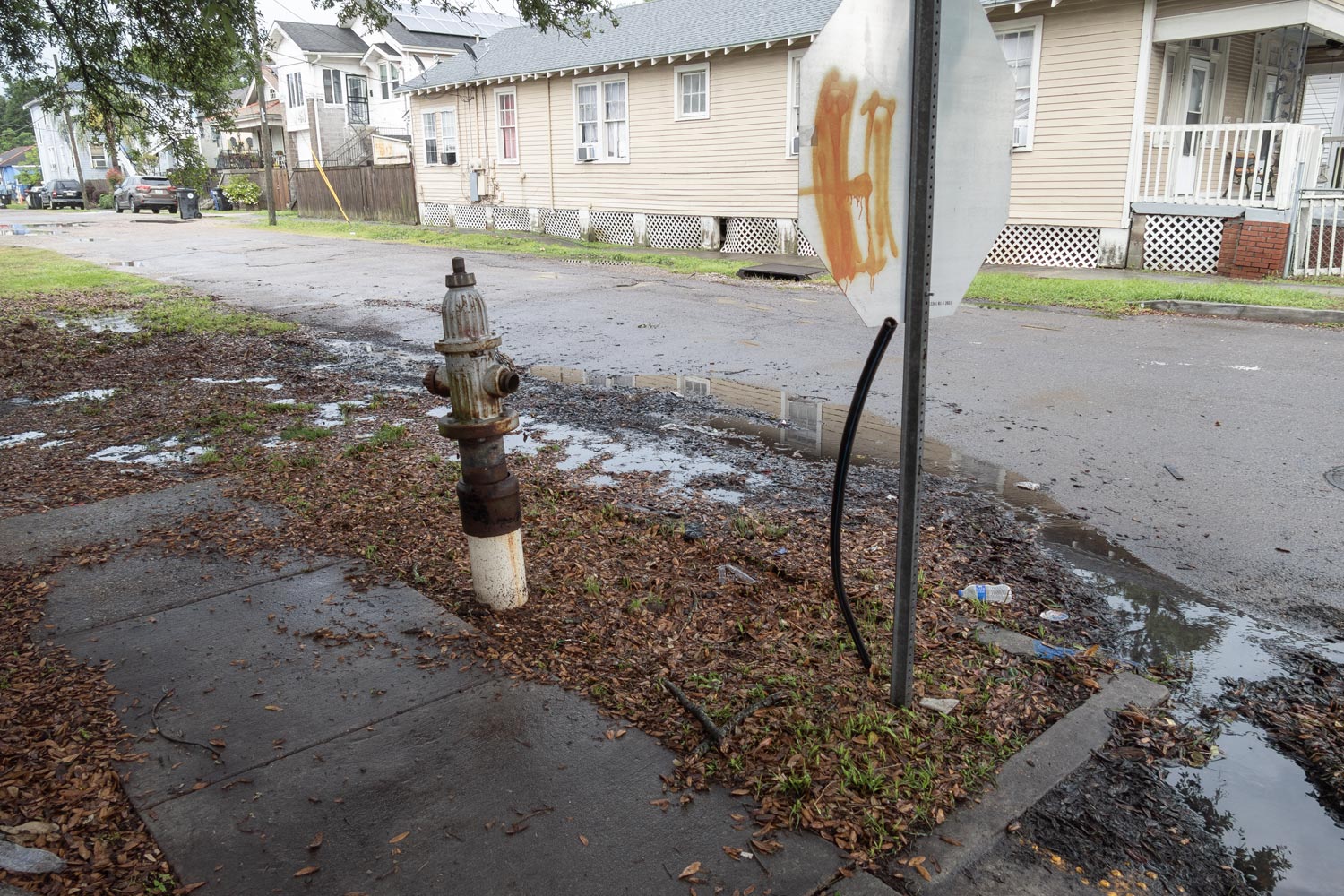
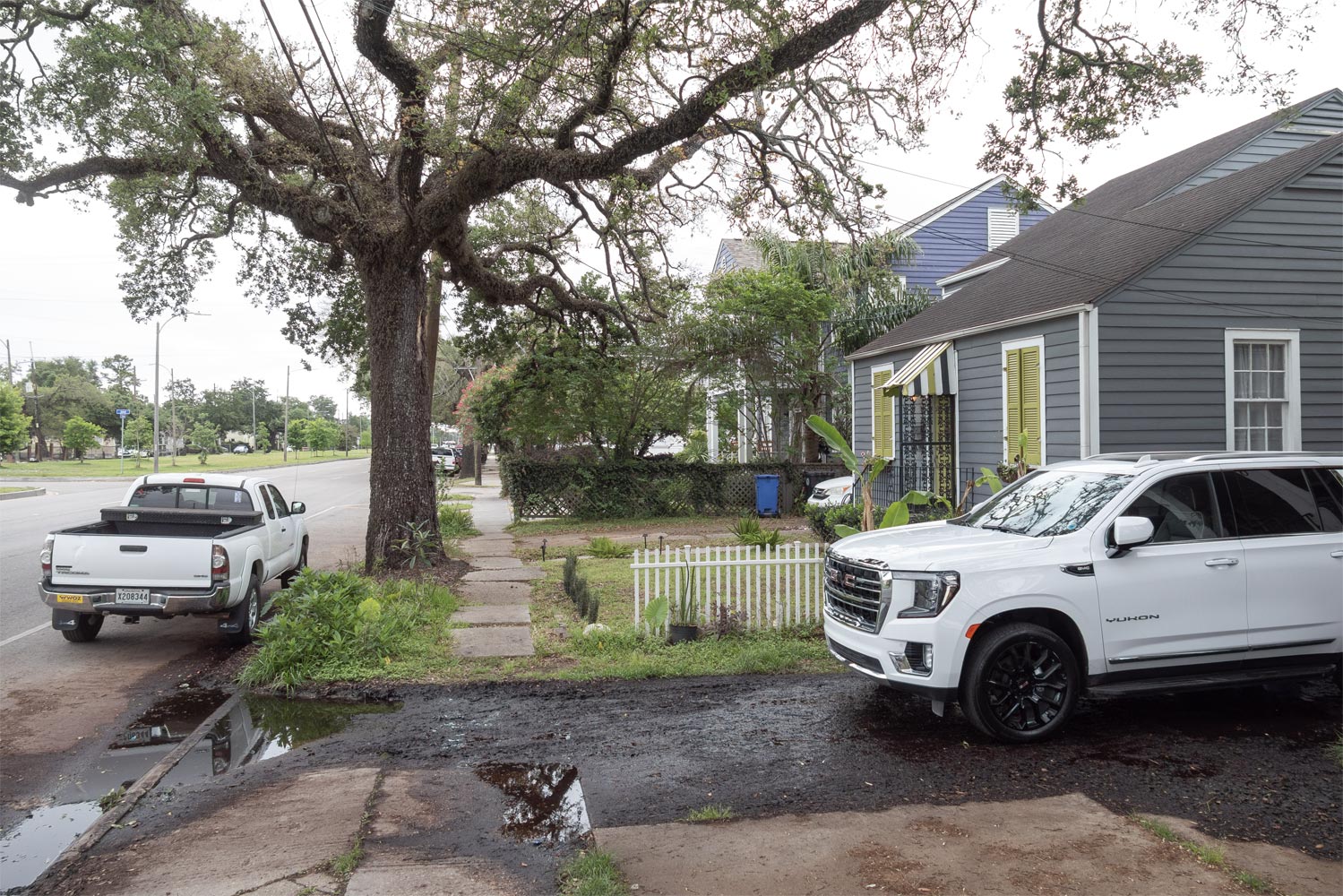
New Orleans is simply drowning in mud. It’s comes out especially beautiful when someone parks their car on the lawn and turns it into a muddy rut.
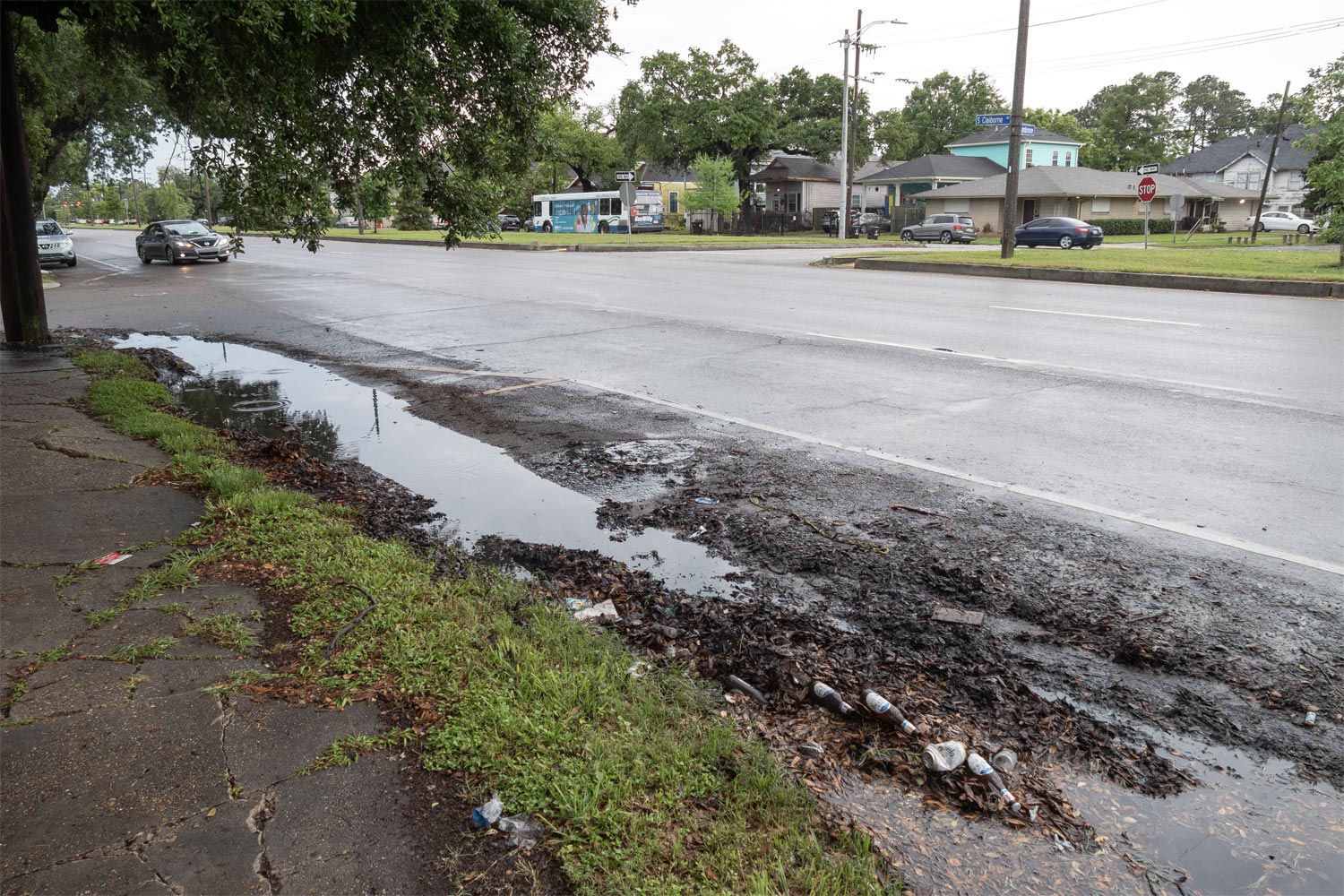
A curious sight. Everything seems American, but the mud looks like it was brought over from Russia!
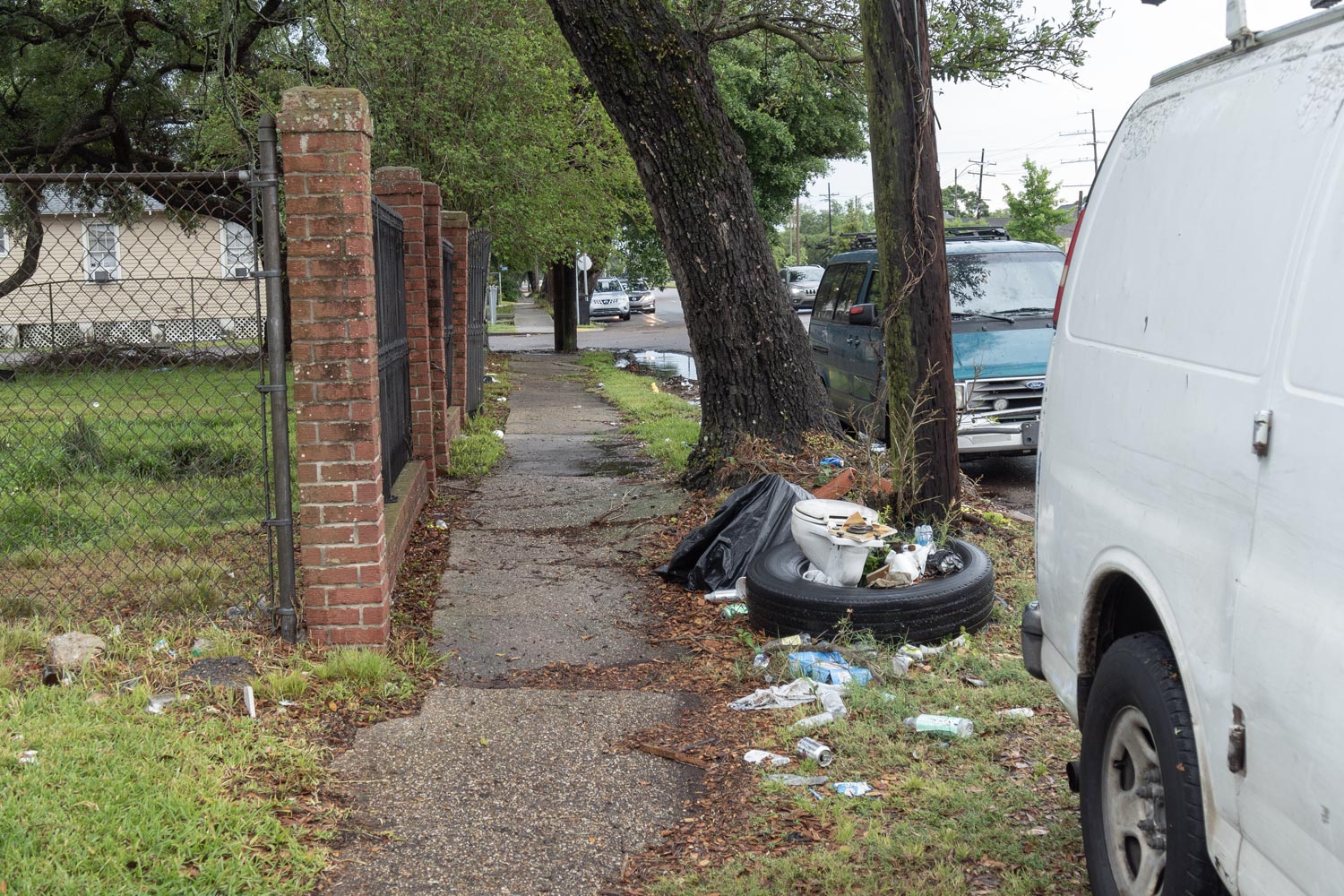
Besides the mud, there are piles of trash lying around in the streets. And it’s not necessarily just boxes and bottles. Once I came across a toilet in a car tire.
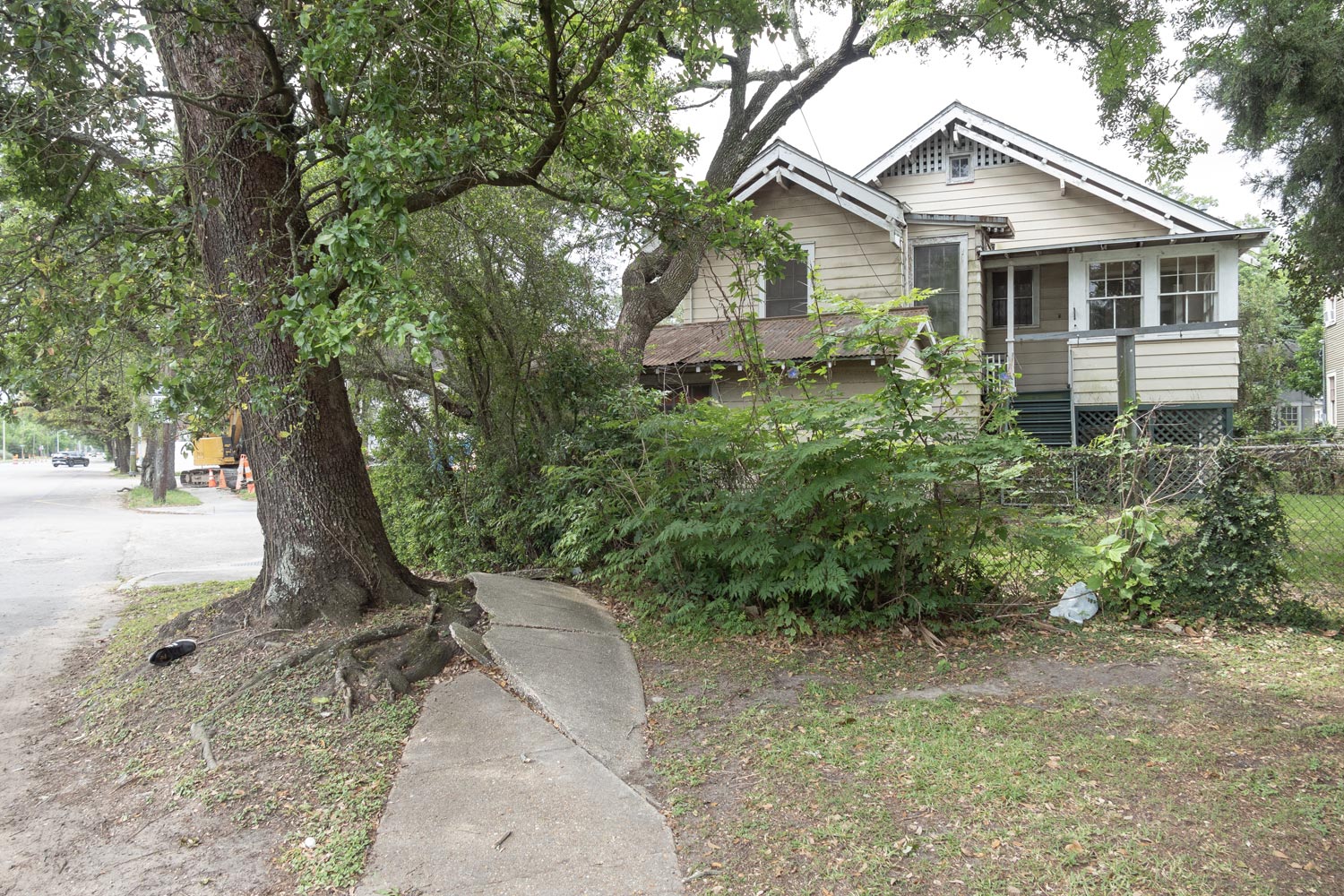
The heat in this hell is made even worse by the roots of trees, which long ago broke through and tore the concrete sidewalks into pieces.
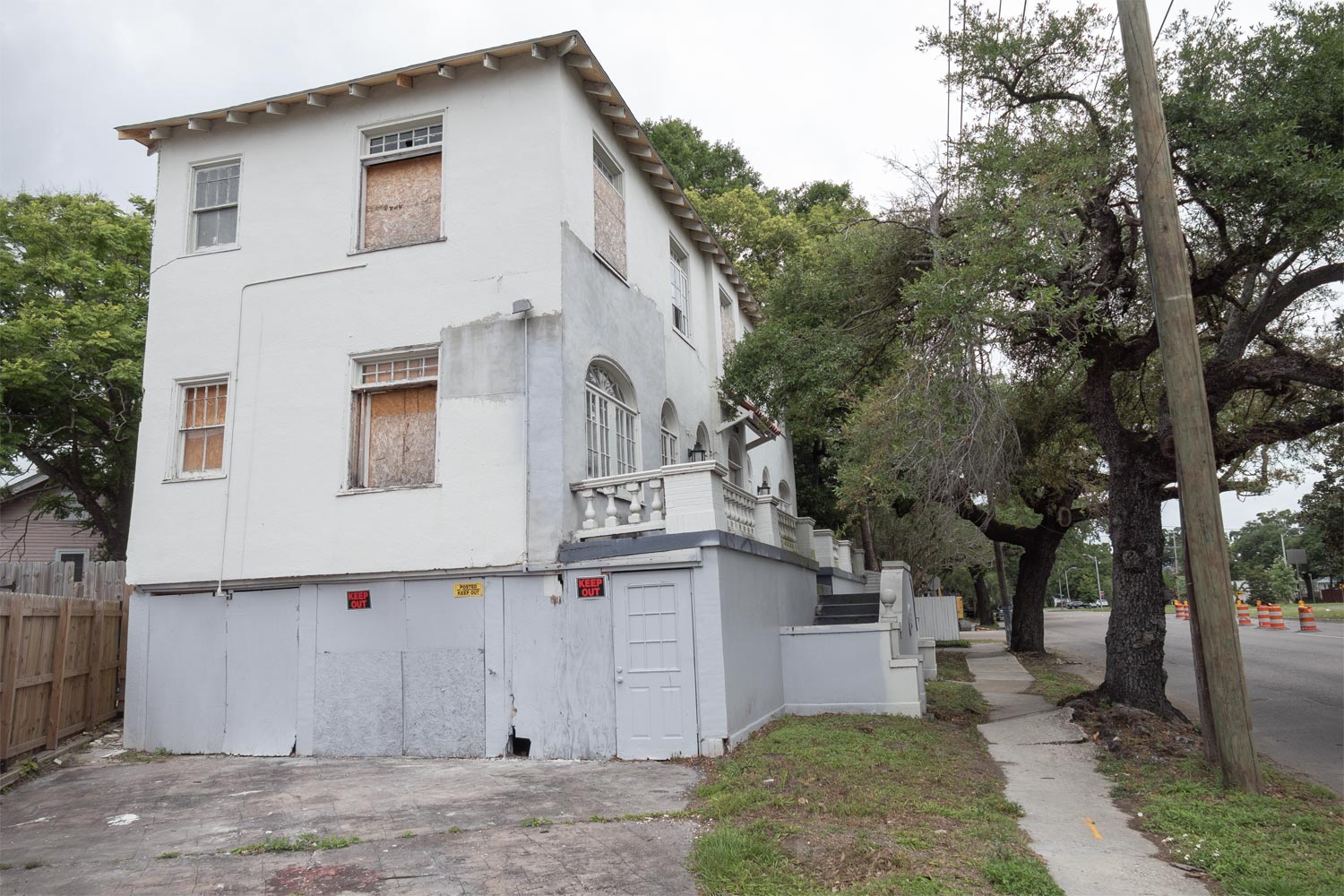
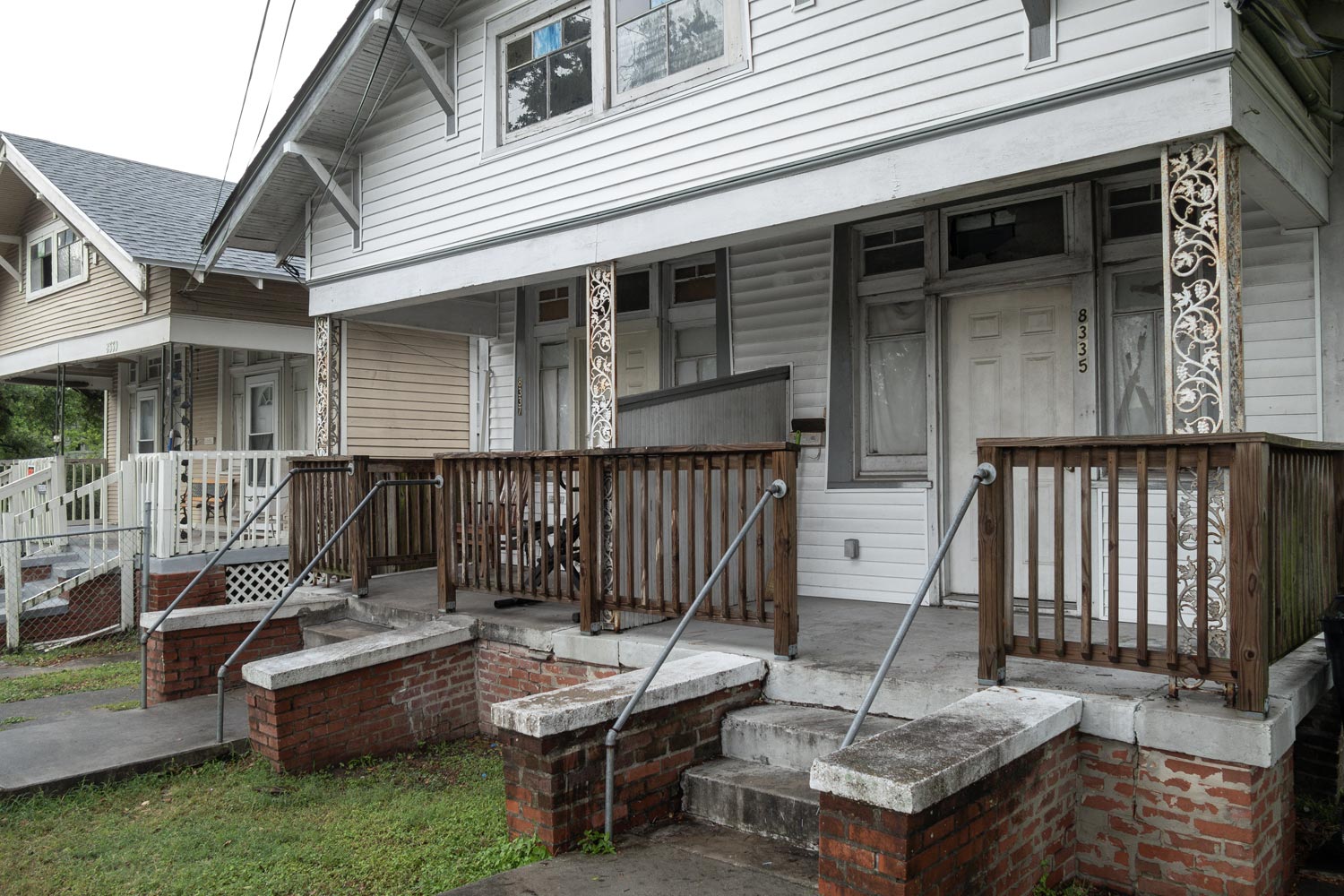
The houses in the district are in a monstrous state. One could film “A Nightmare on Elm Street” here.
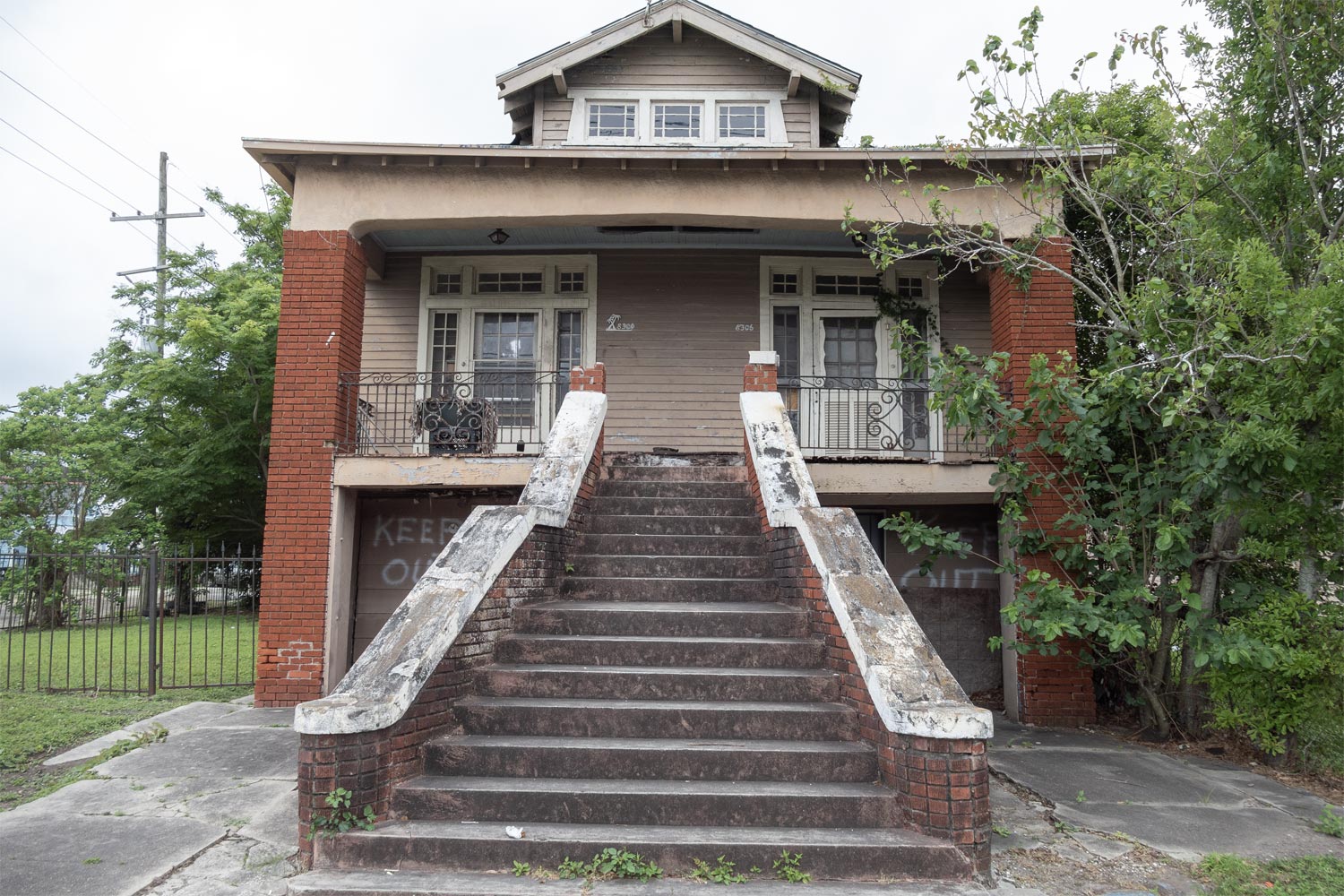
Many houses are simply abandoned and boarded up.
The others were half-rotten and covered in mold.
Others even resemble barracks.
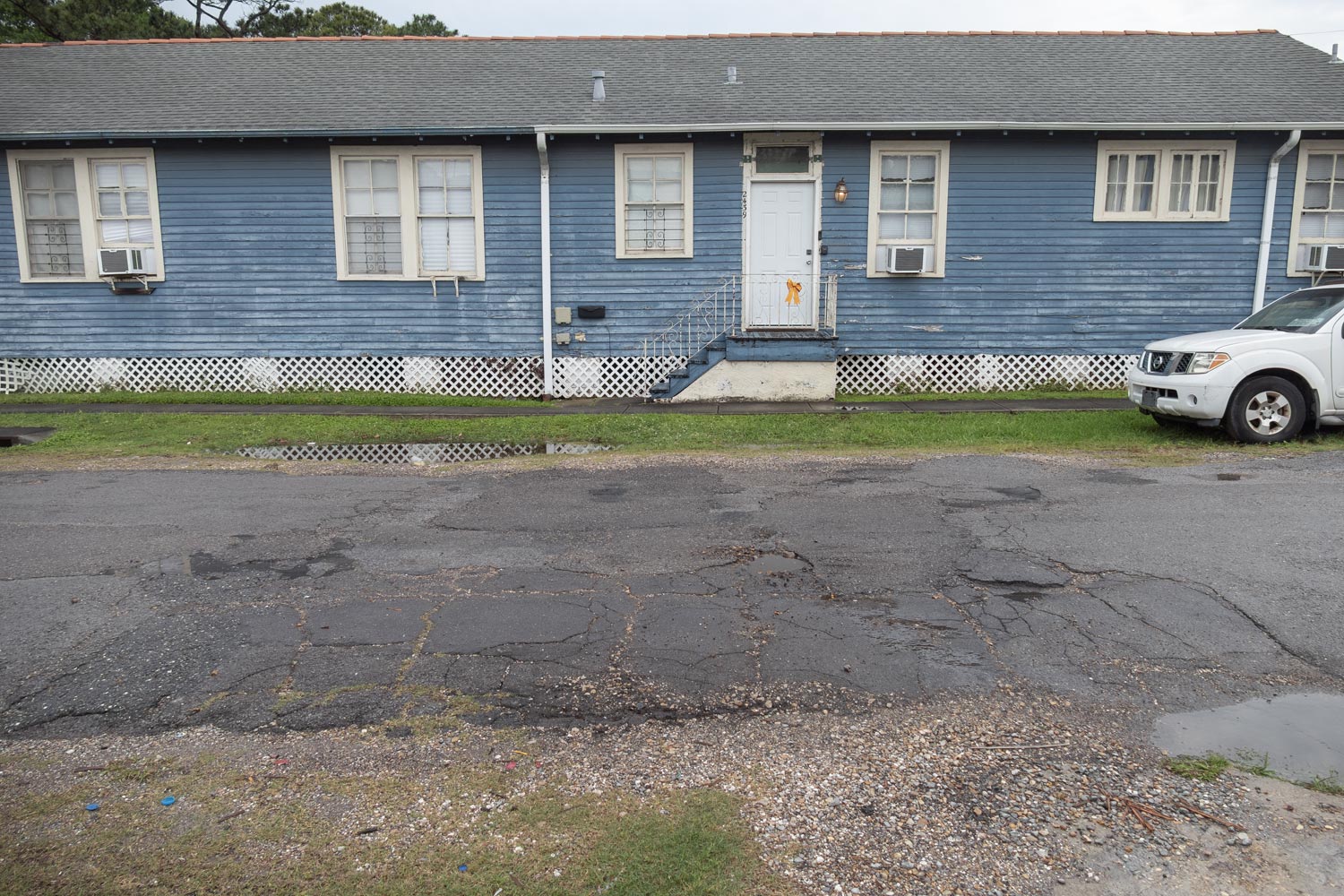
And it’s not at all about the rainy weather, as the reader might think. A barrack doesn’t stop being a barrack even on a sunny day.
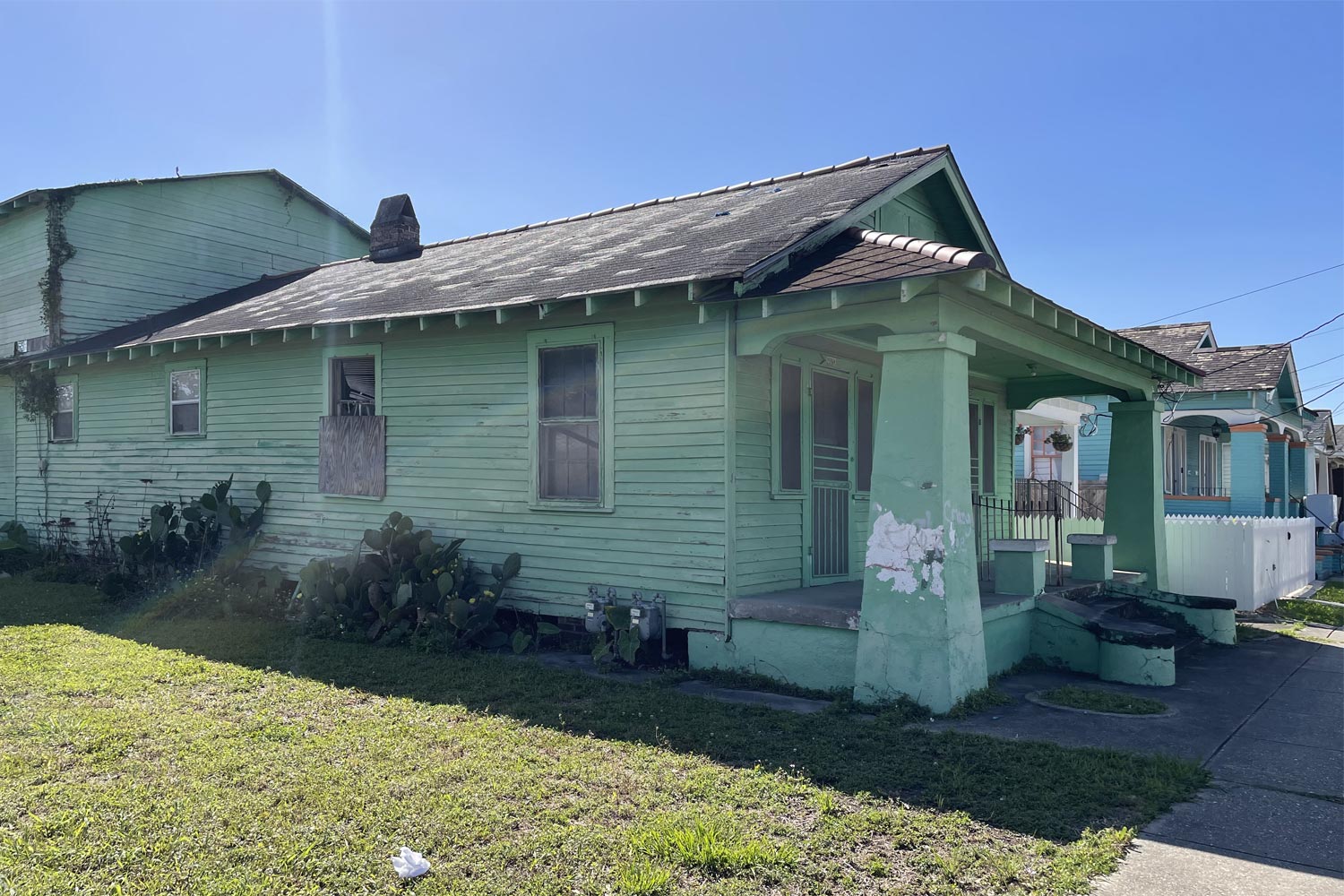
Still, the piles are understandable. Many houses really were set on piles after the hurricane.
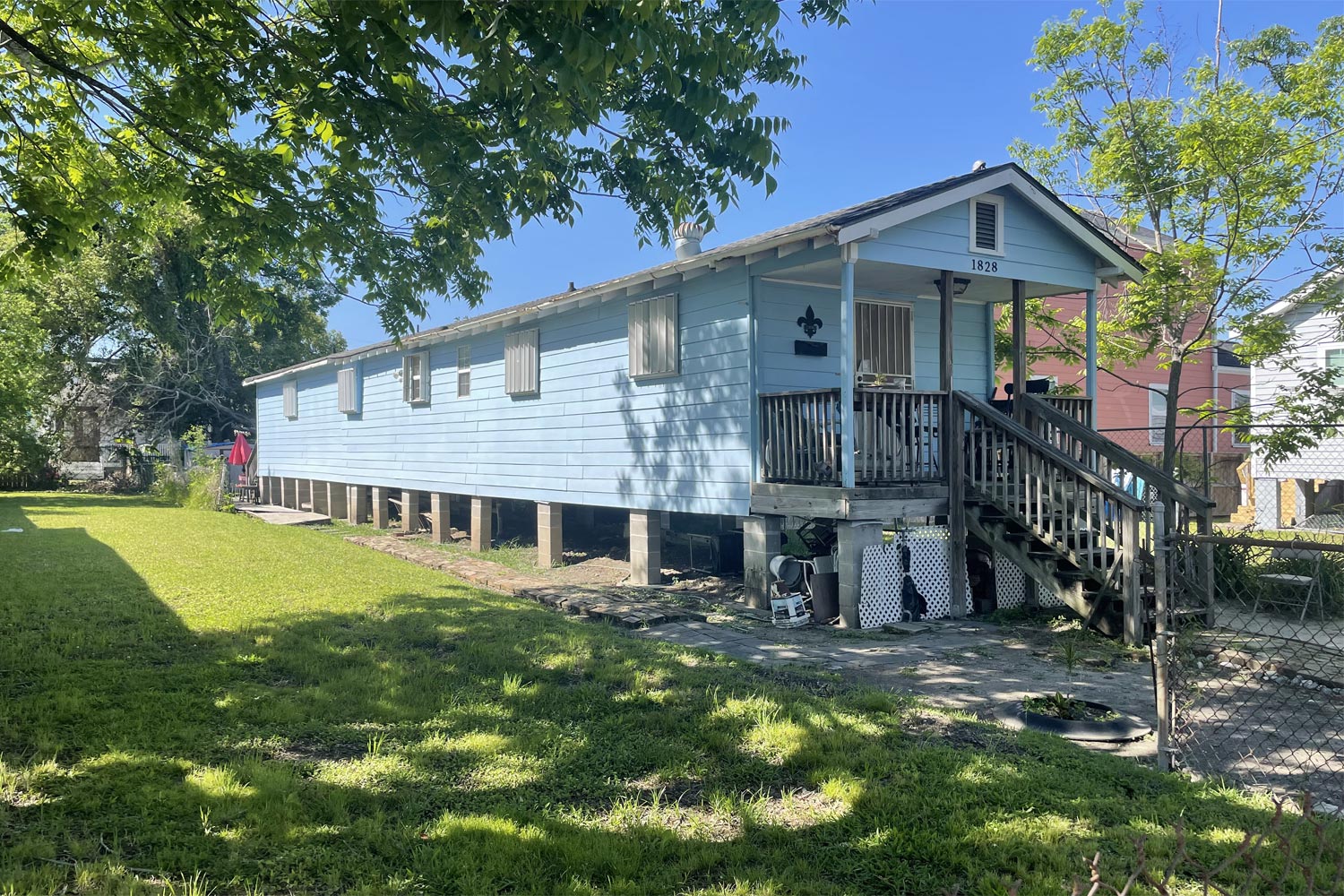
Inside, these houses aren’t too bad, but they’re far from good either. If you can still buy new furniture, it’s hard to do much about low ceilings and small windows.

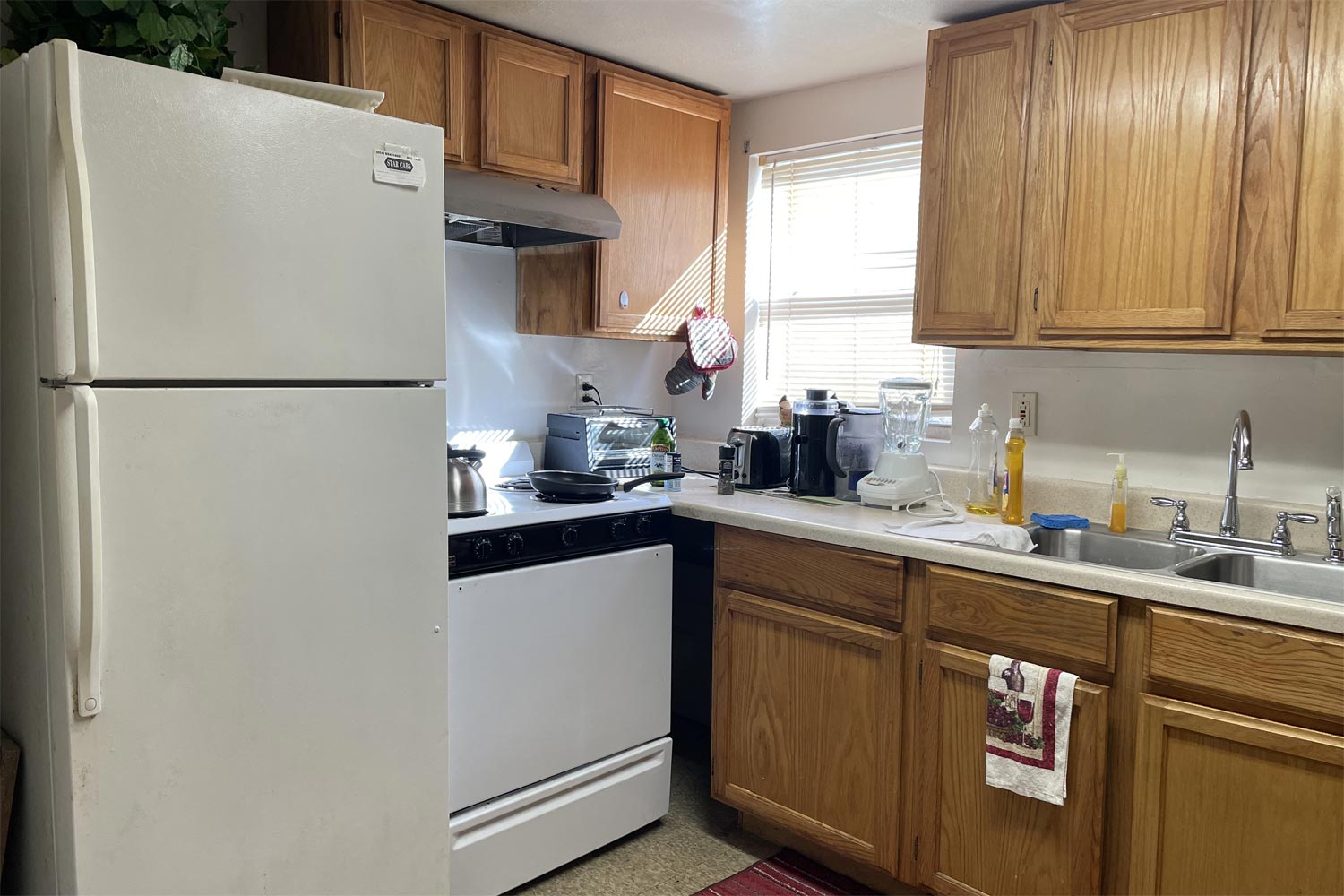
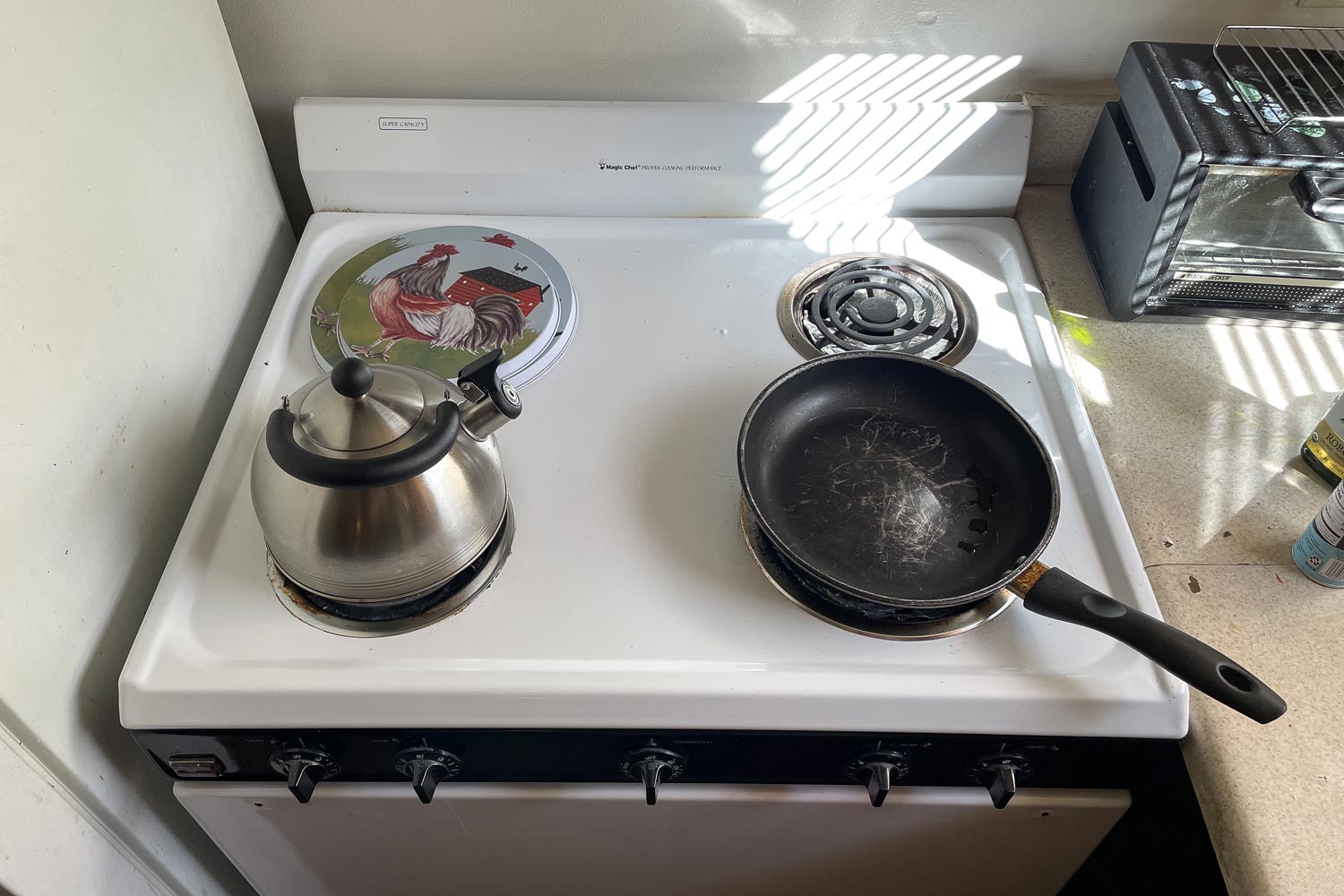
Even the kitchen turned out to be poor. Usually, even in an average American home there’s a two-door refrigerator and a big stove. Here, though, the refrigerator turned out to be terribly old, and the gas stove was like from a backwoods shack.
There usually aren’t many questions about the bathtub. In America, hardly anyone has a proper one. Usually it’s built into the floor and doesn’t have any feet, but for some reason the one in this house looked especially unpleasant.

Finally, the walls. Yes, these houses are like something out of the fairy tale of the Three Little Pigs: knocked together out of plywood. At the slightest knock you hear such a booming echo, as if there were a bottomless well behind the wall.
It’s completely unclear what or who will save unfortunate Louisiana. Perhaps it will be Jesus.