
Houston
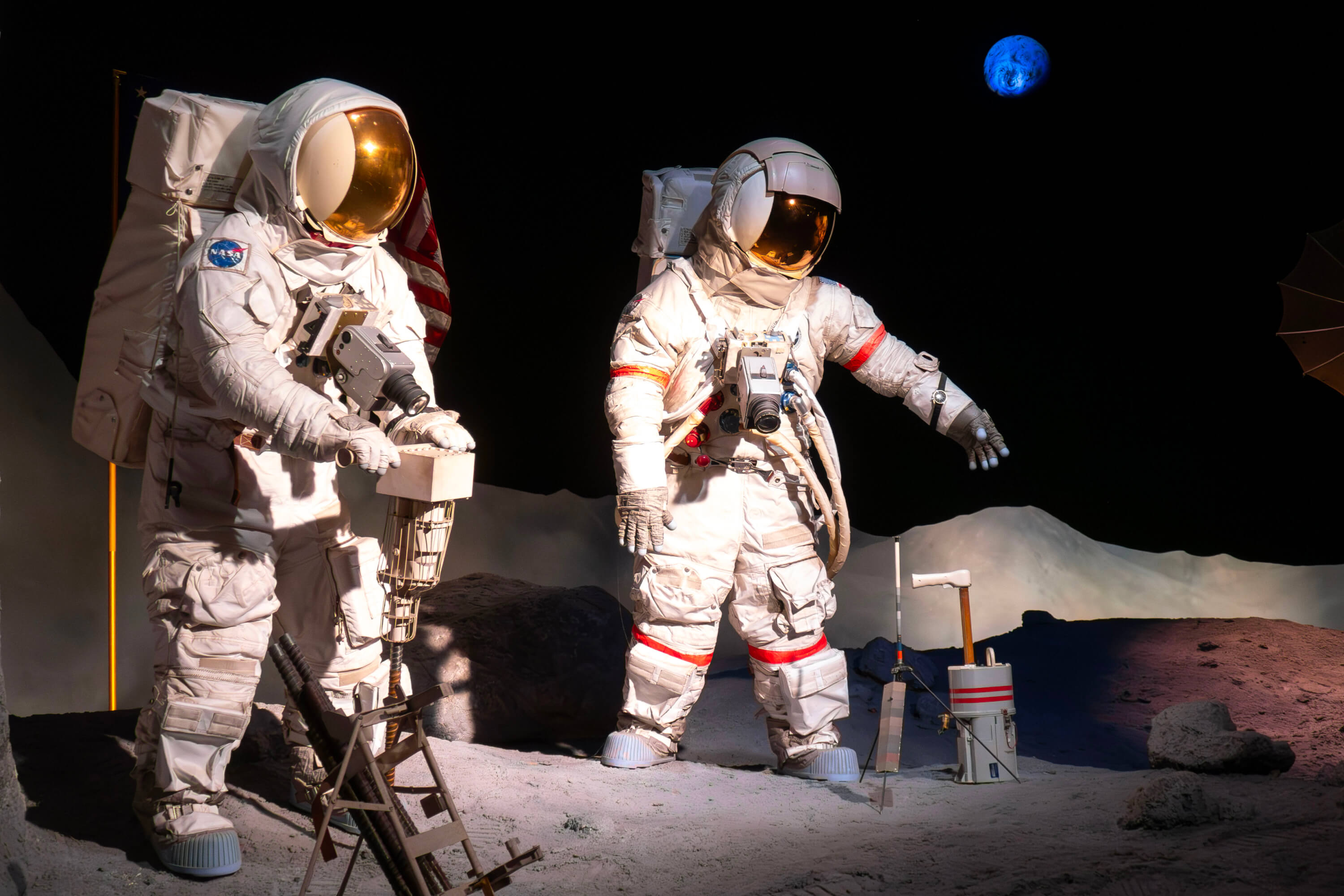
Houston is a huge city in Texas with 2.3 million people. Readers, of course, know it thanks to the phrase “Houston, we have a problem.” The spaceflight control center is located here.
Downtown Houston is big and completely pointless. There’s absolutely nothing to do there. Basically, it’s just an empty lot dotted with skyscrapers.
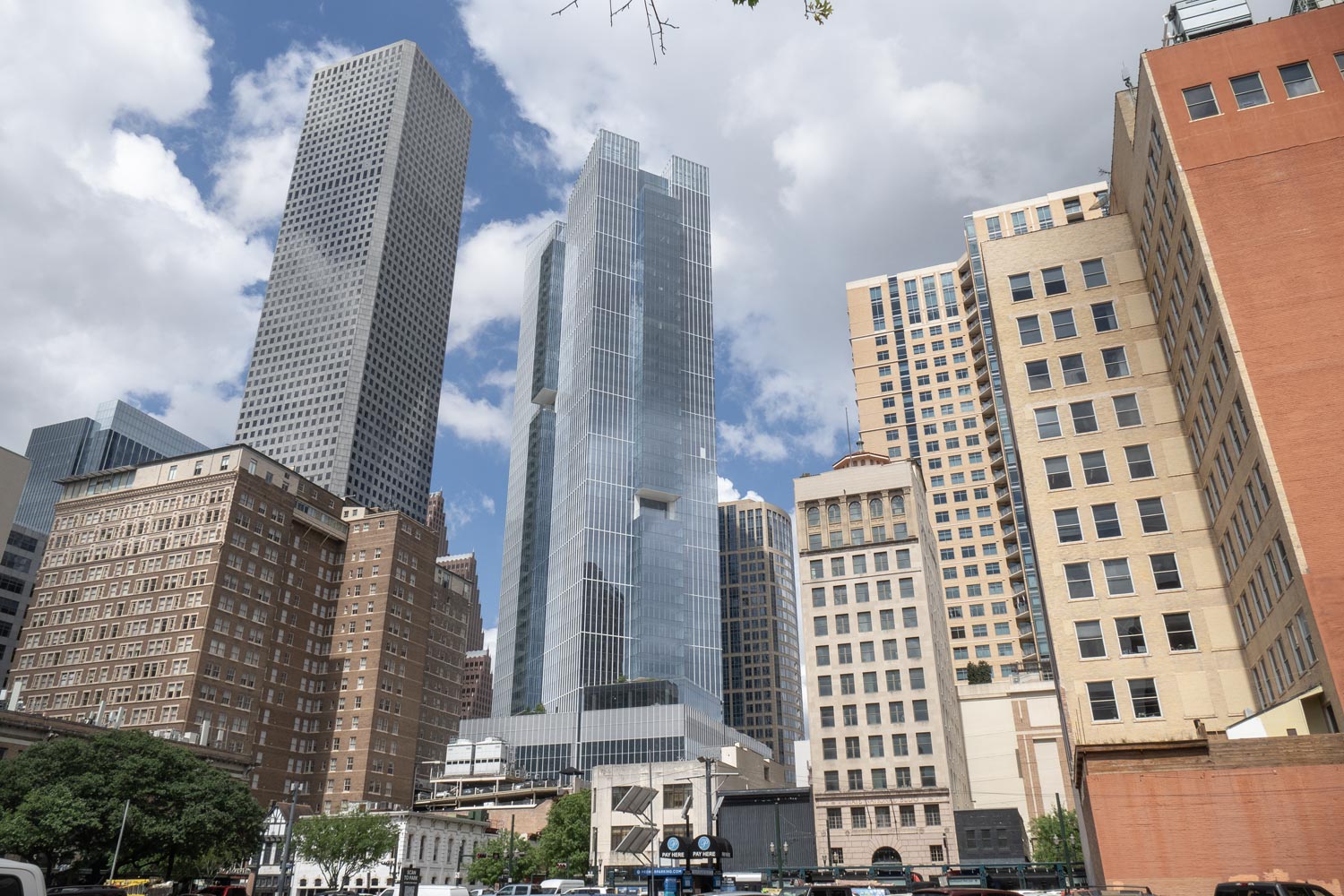
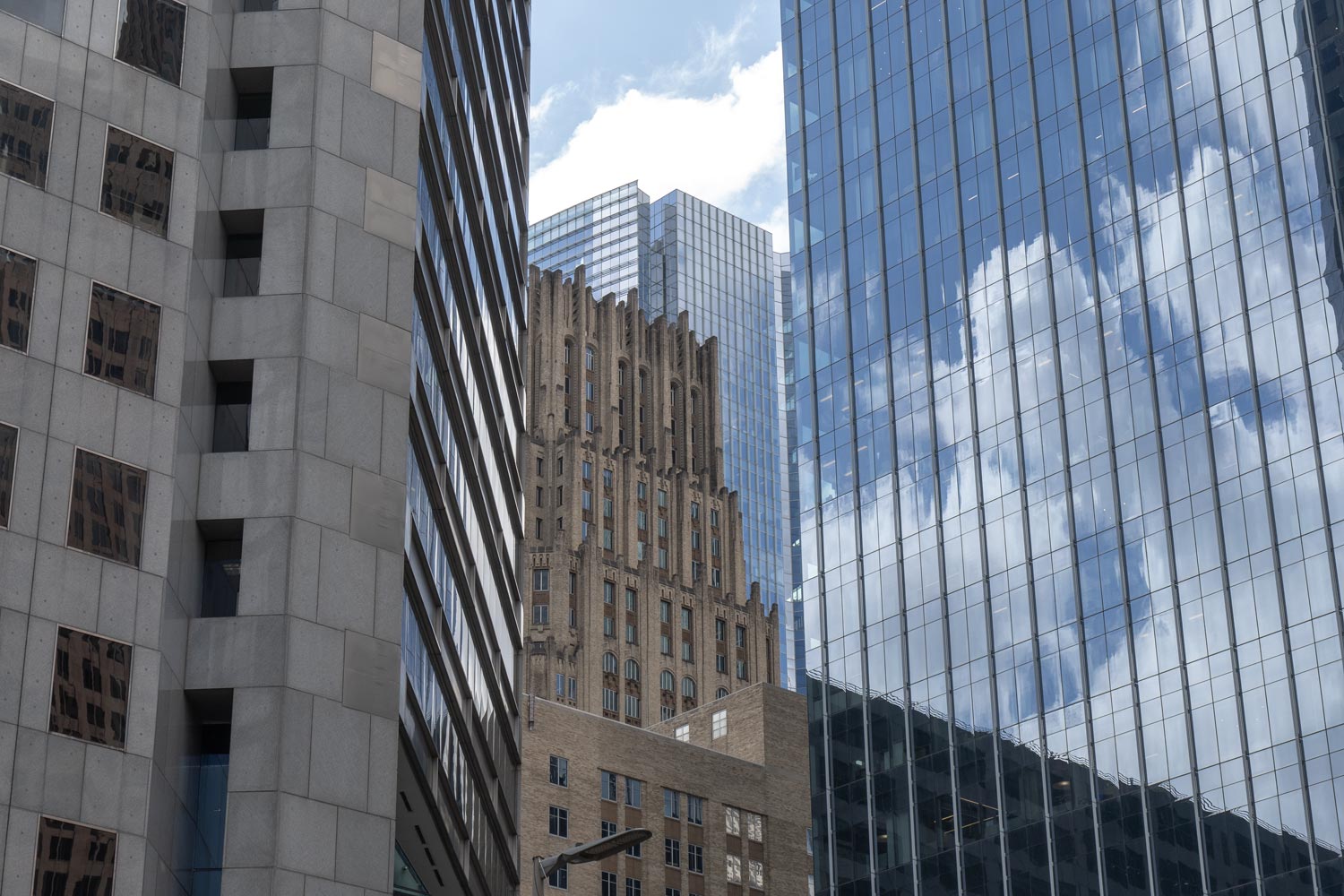
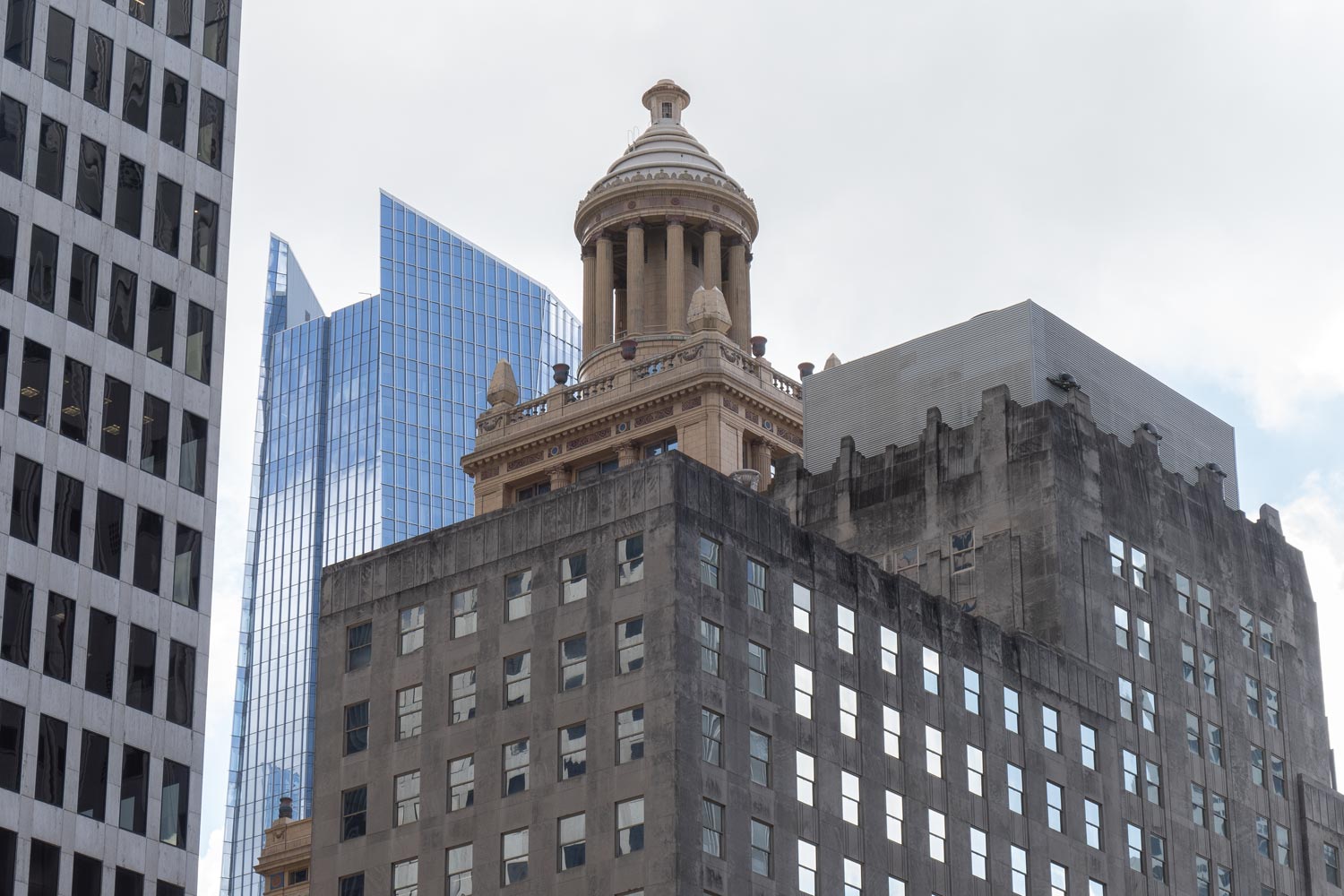
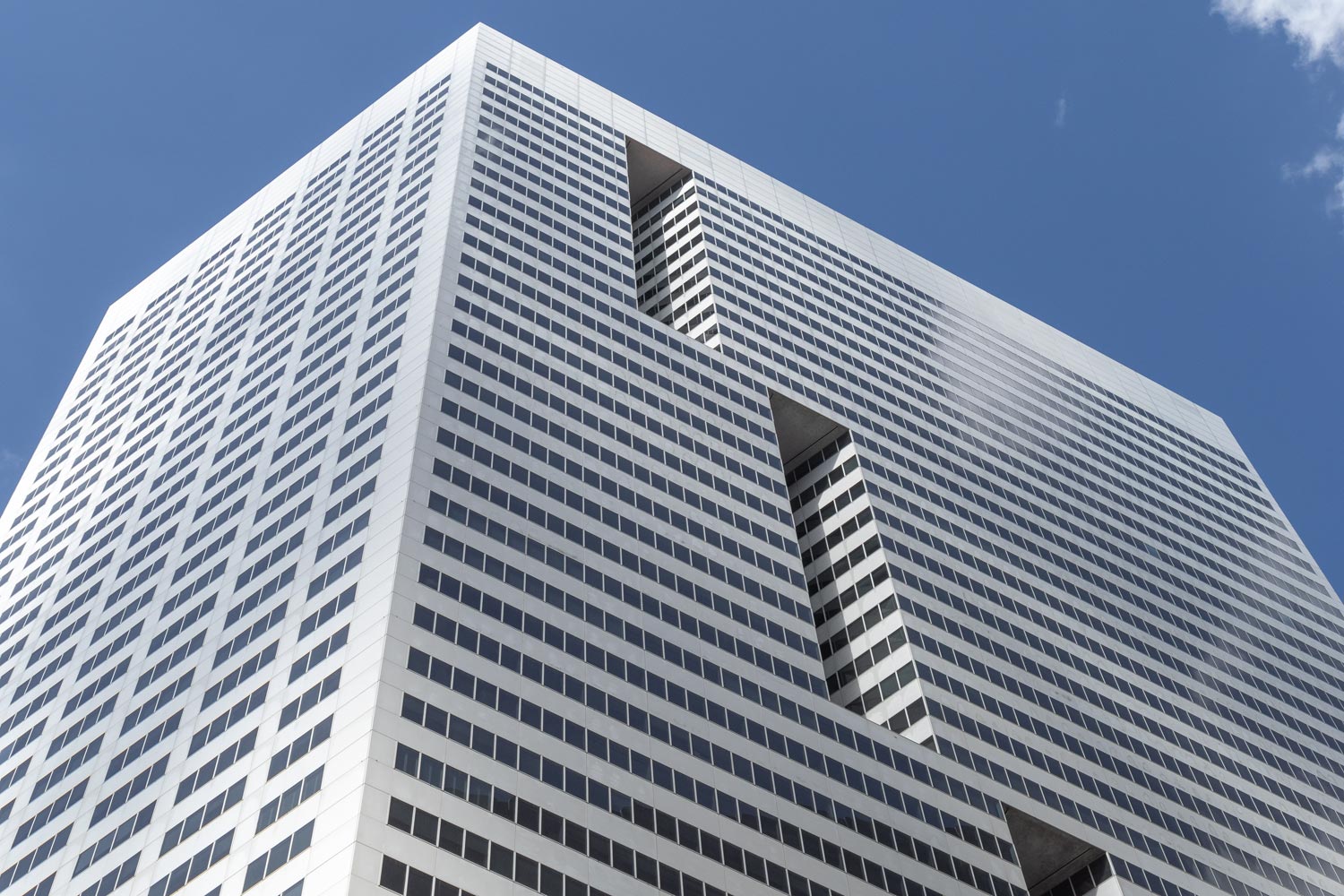
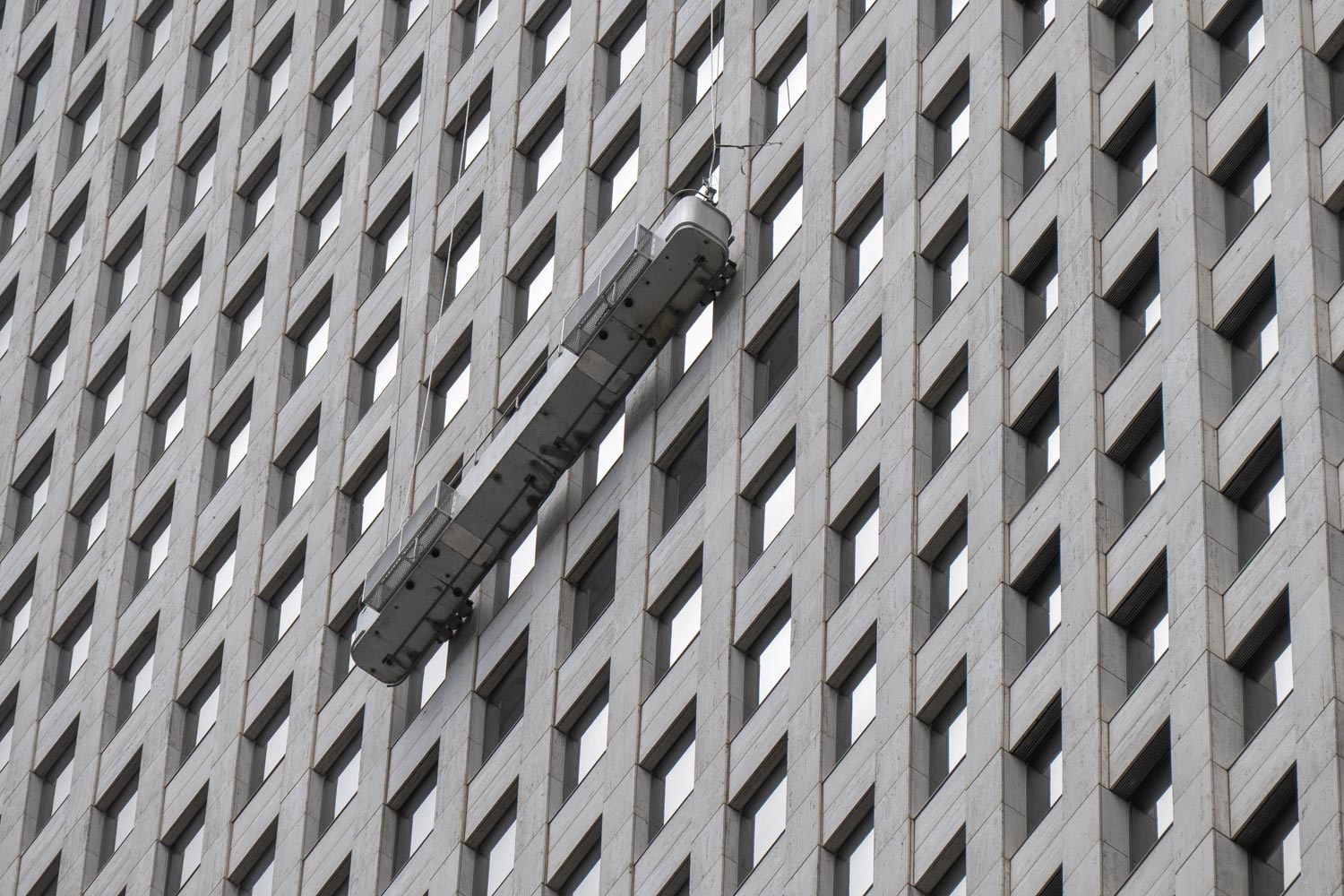
Unlike New York, most skyscrapers are dreary boxes of glass and concrete.
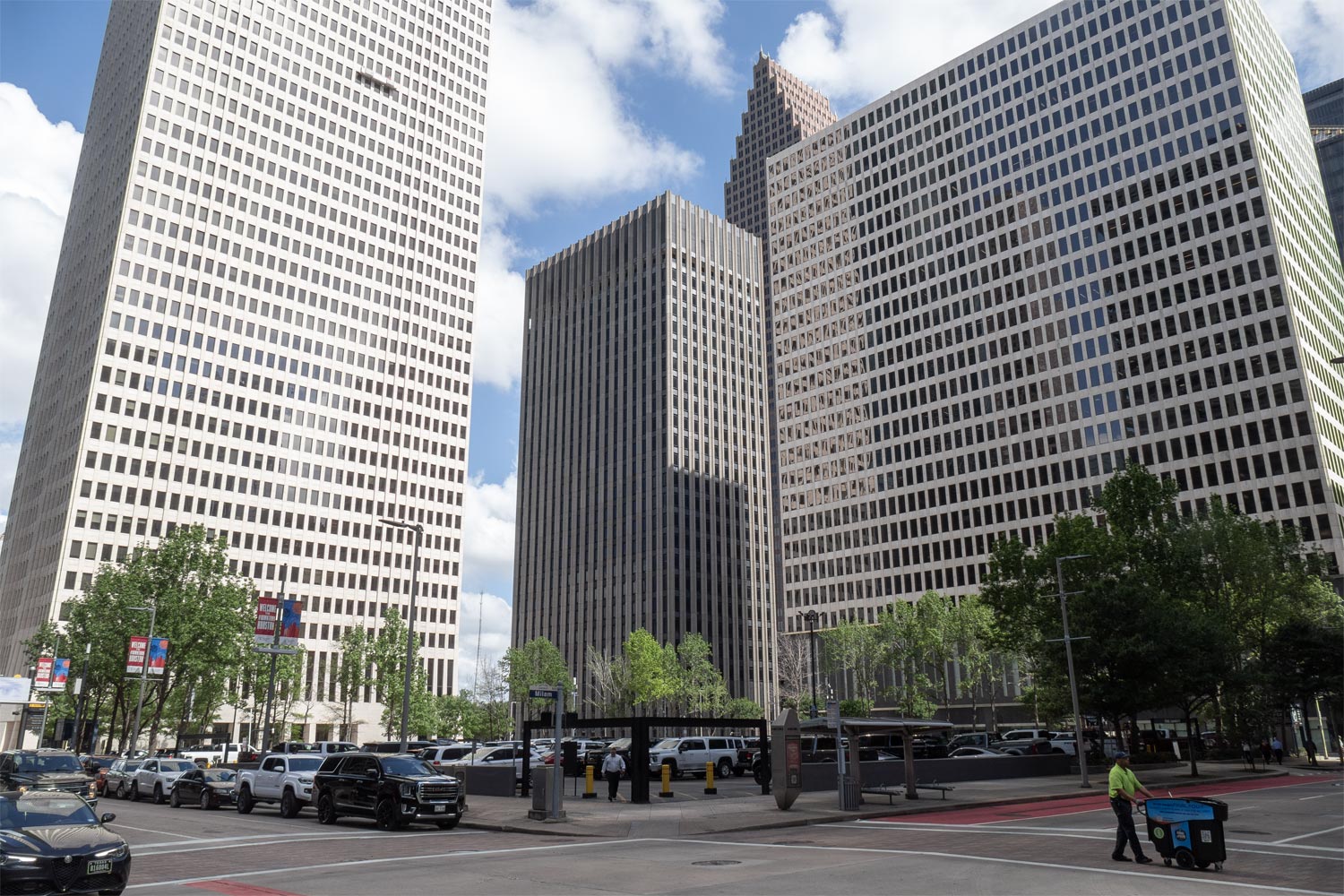
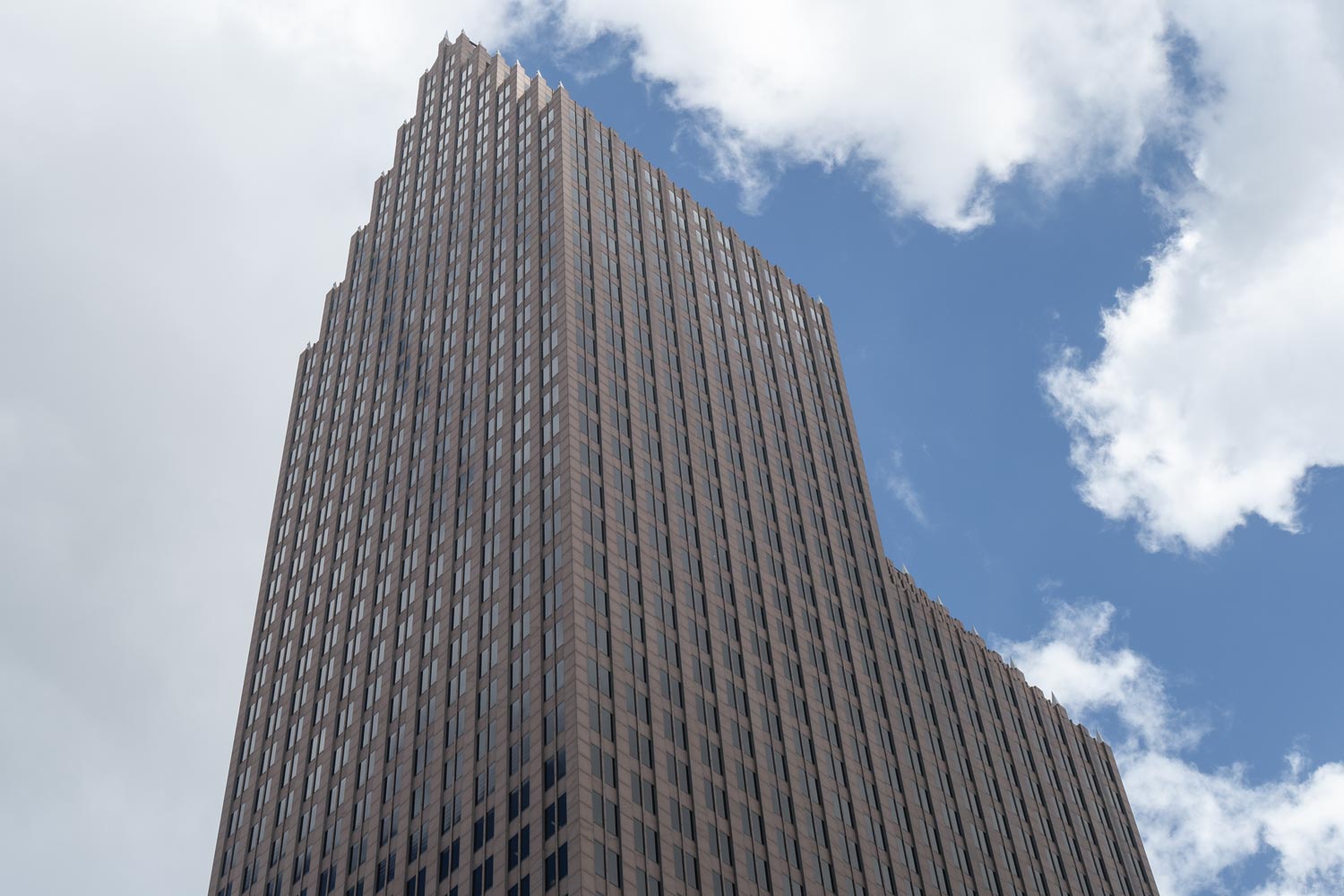
Few buildings can boast even a remotely decorative façade — the kind that in New York creates the city’s whole atmosphere.
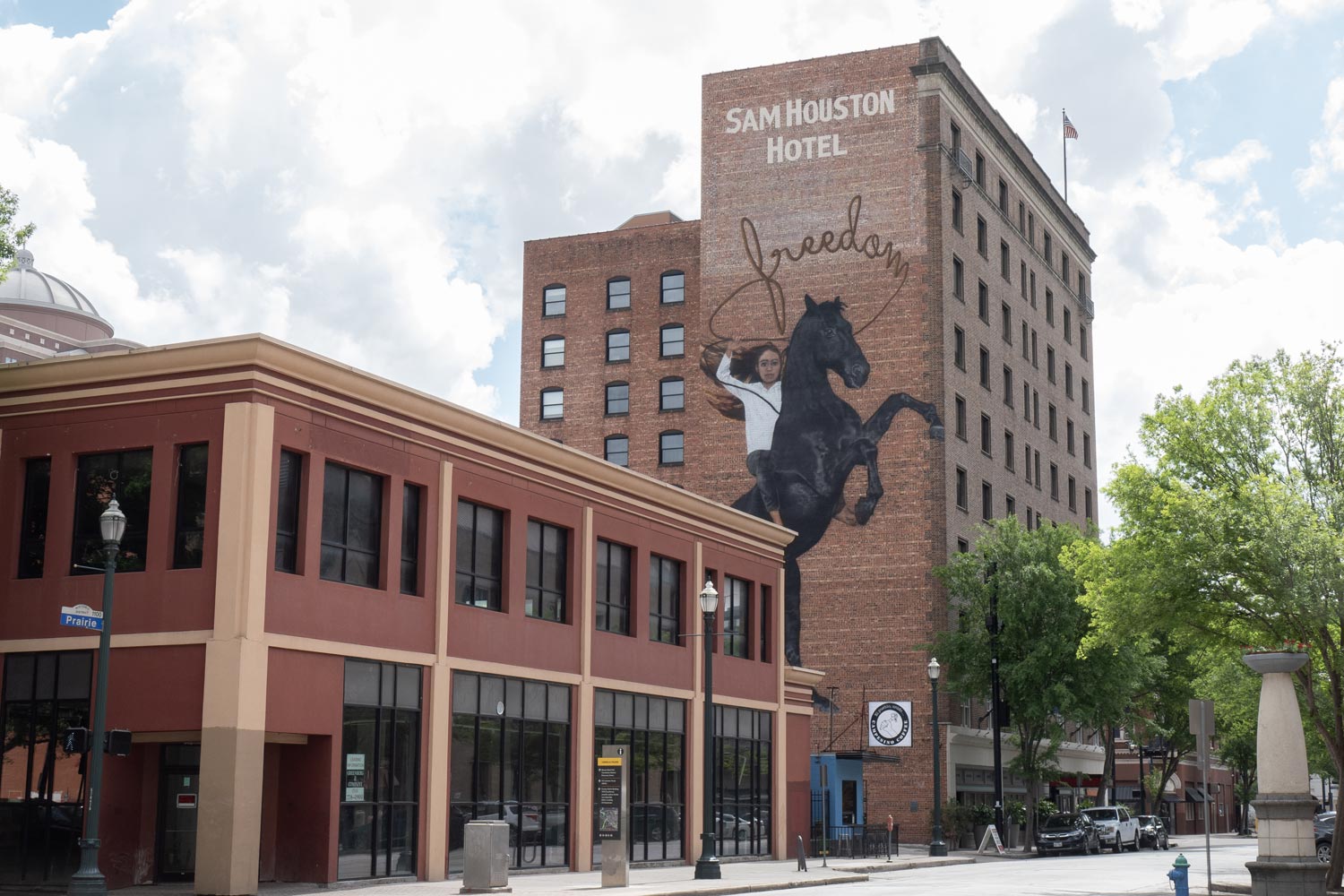
A couple of buildings downtown had some pretty decent murals. They look good, but they don’t really brighten up the city’s overall dreariness.

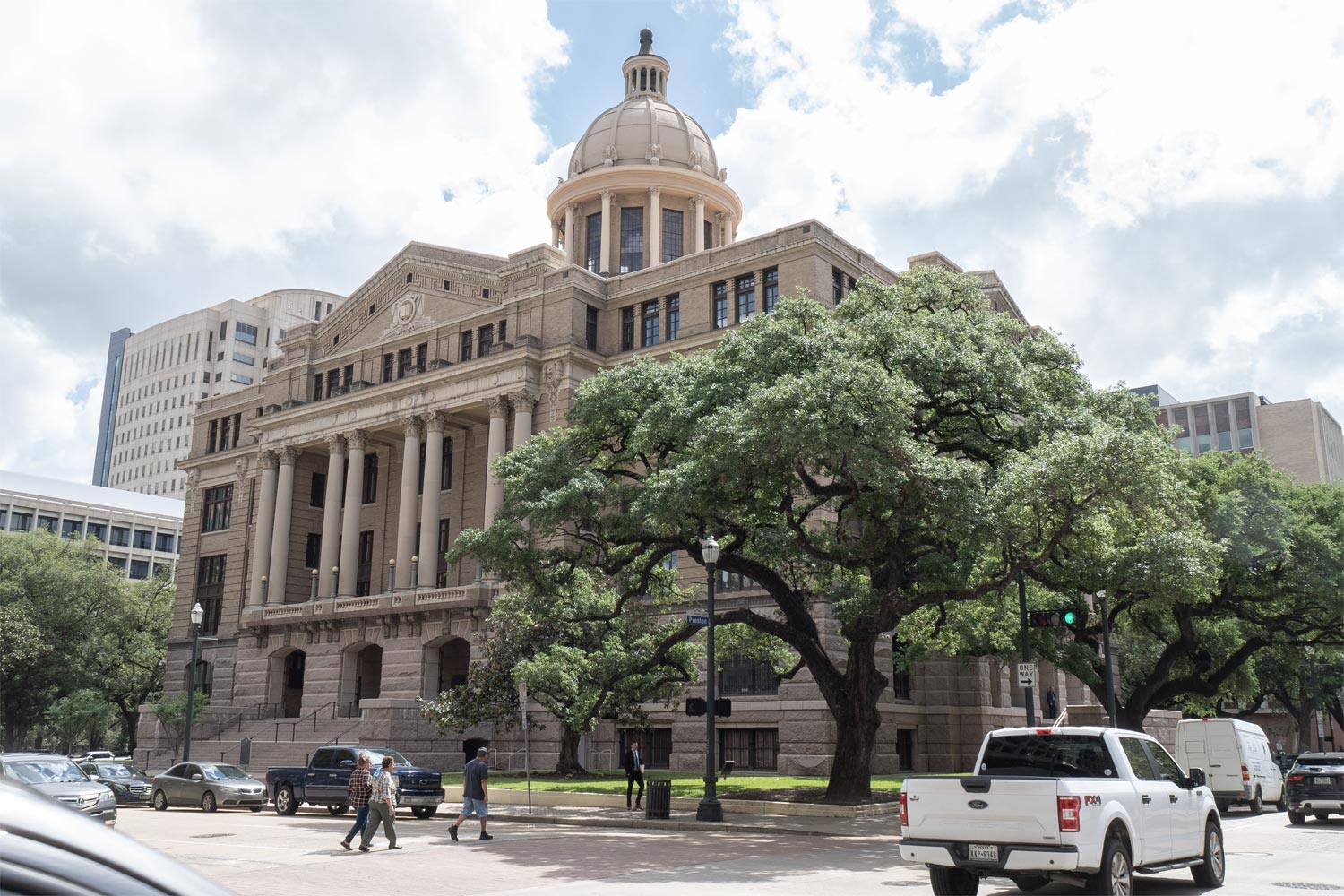
The only building in the city worthy of note is the county court, built in 1910 in the Neoclassical style.
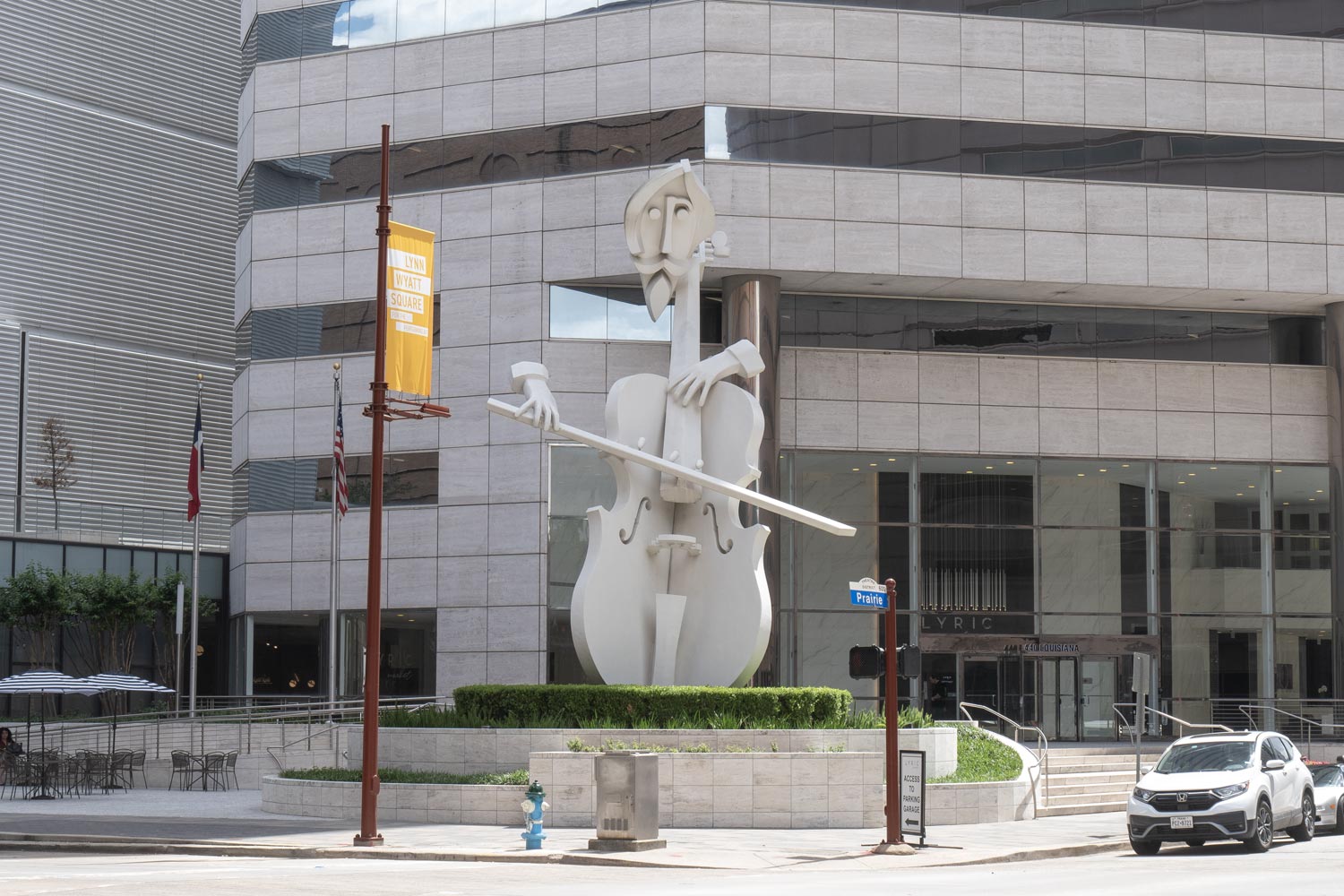
A couple of monuments were found too. One of them looks like Salvador Dalí playing the violin. Horribly tasteless.
Another one is dedicated to George Bush — but not the one who bombed Iraq, rather his father, who was president ten years earlier. In fact... he bombed Iraq too.

Also, there turned out to be a little tucked-away corner with an old church and a couple of colonial houses preserved as a museum.
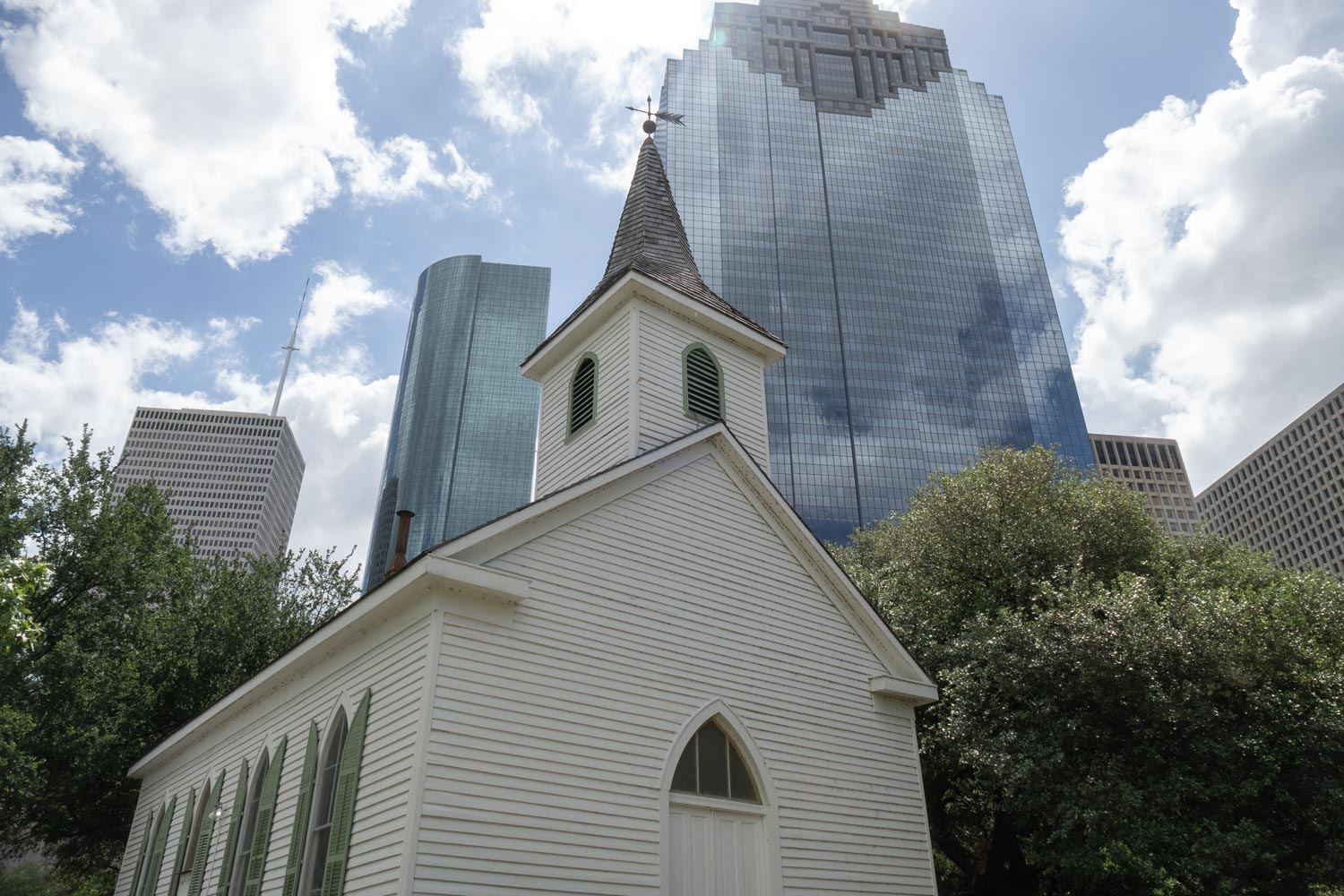
Otherwise, epitome of concrete jungle.
Across all of Texas, the climate is incredibly hot. From April to October in Houston, daytime temperatures stay above 30°C, and in the height of summer they can easily reach 40°C. At the same time, the city is not far from the Gulf of Mexico, so the humidity here is off the charts.
So, to avoid having to go outside again and again, some skyscrapers in Houston decided to connect themselves with elevated walkways. In their pure form they look like something you’d see in China: huge pedestrian skybridges hanging right over the intersections.
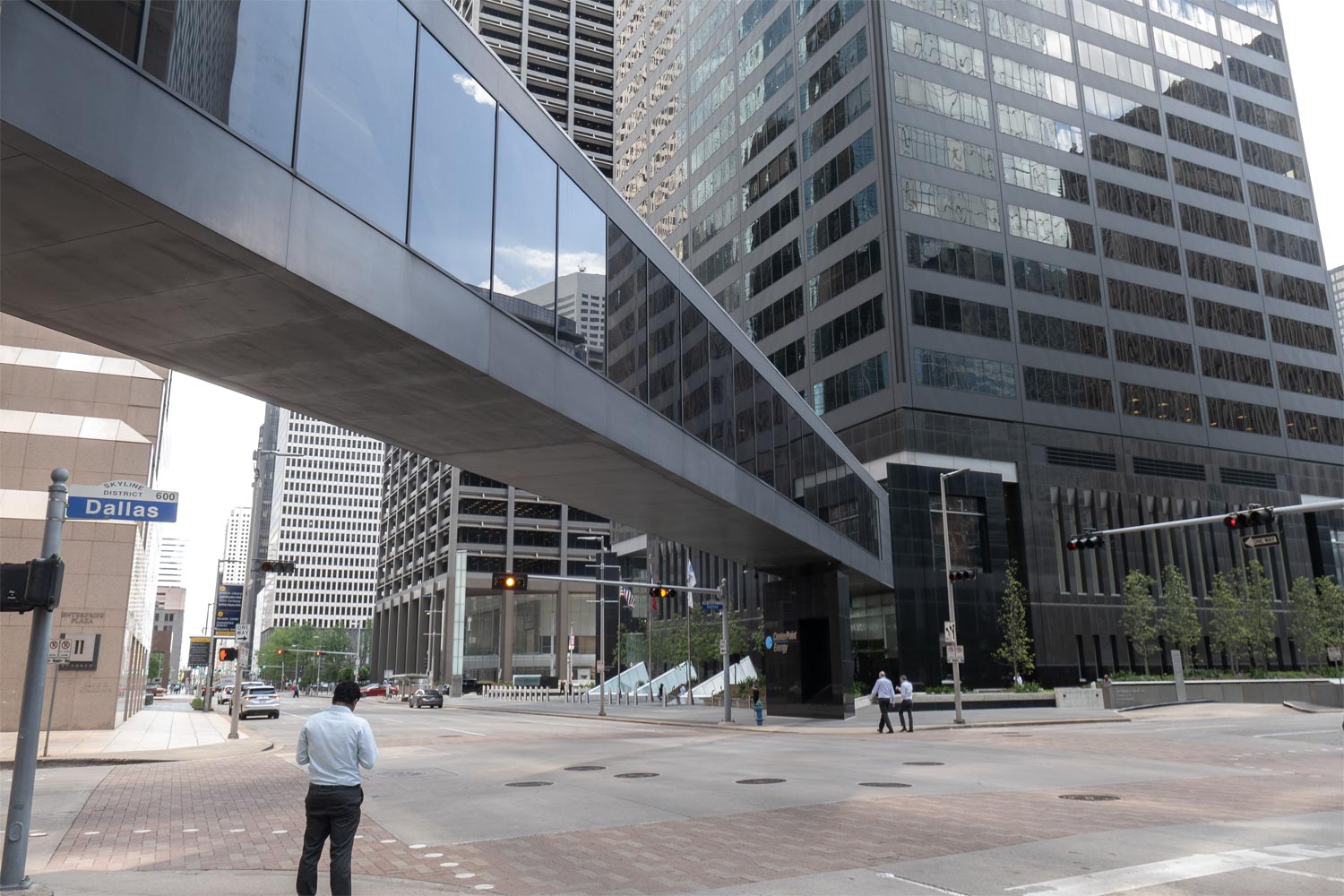
There was even a ring-shaped passage connecting three identical towers at once!
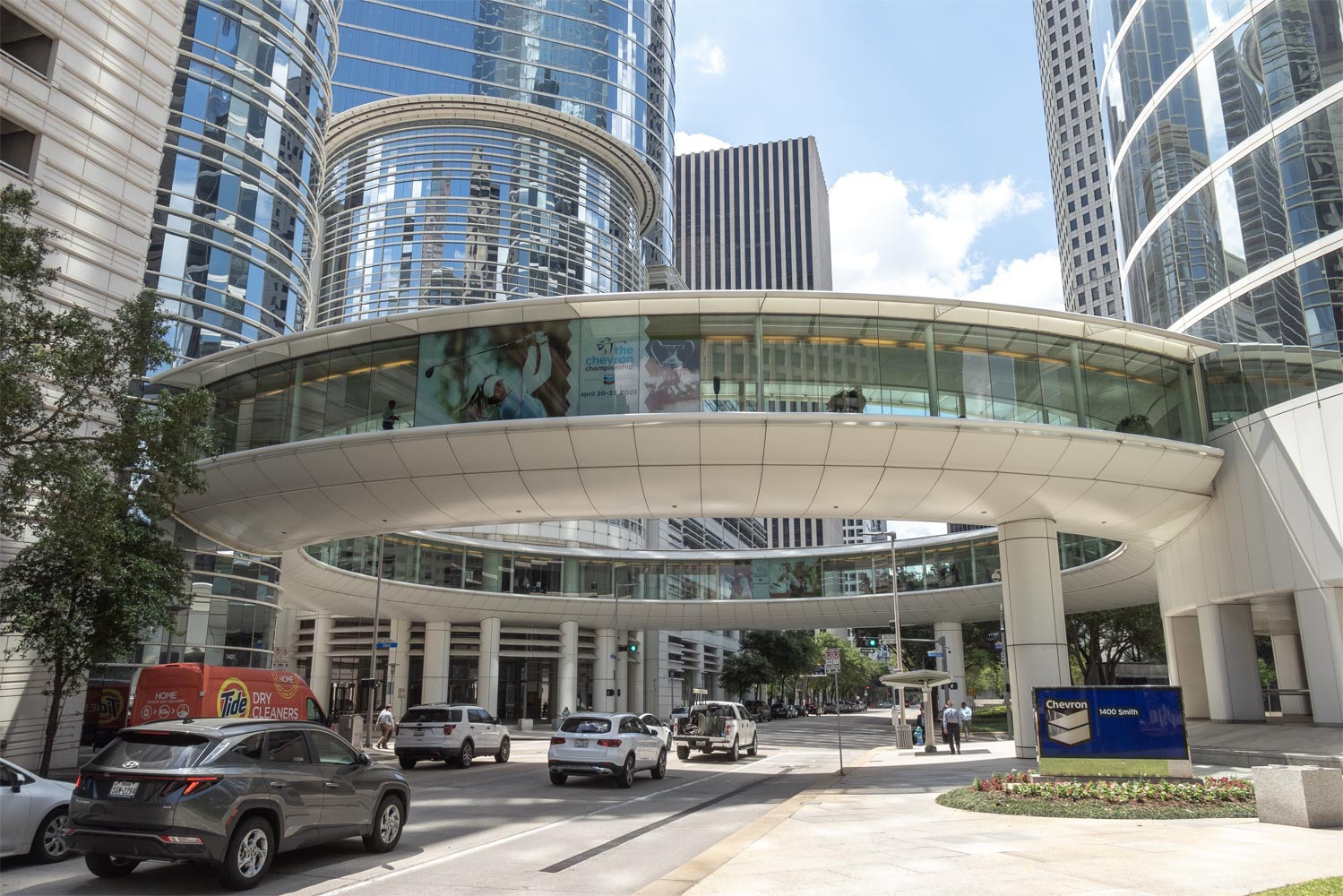
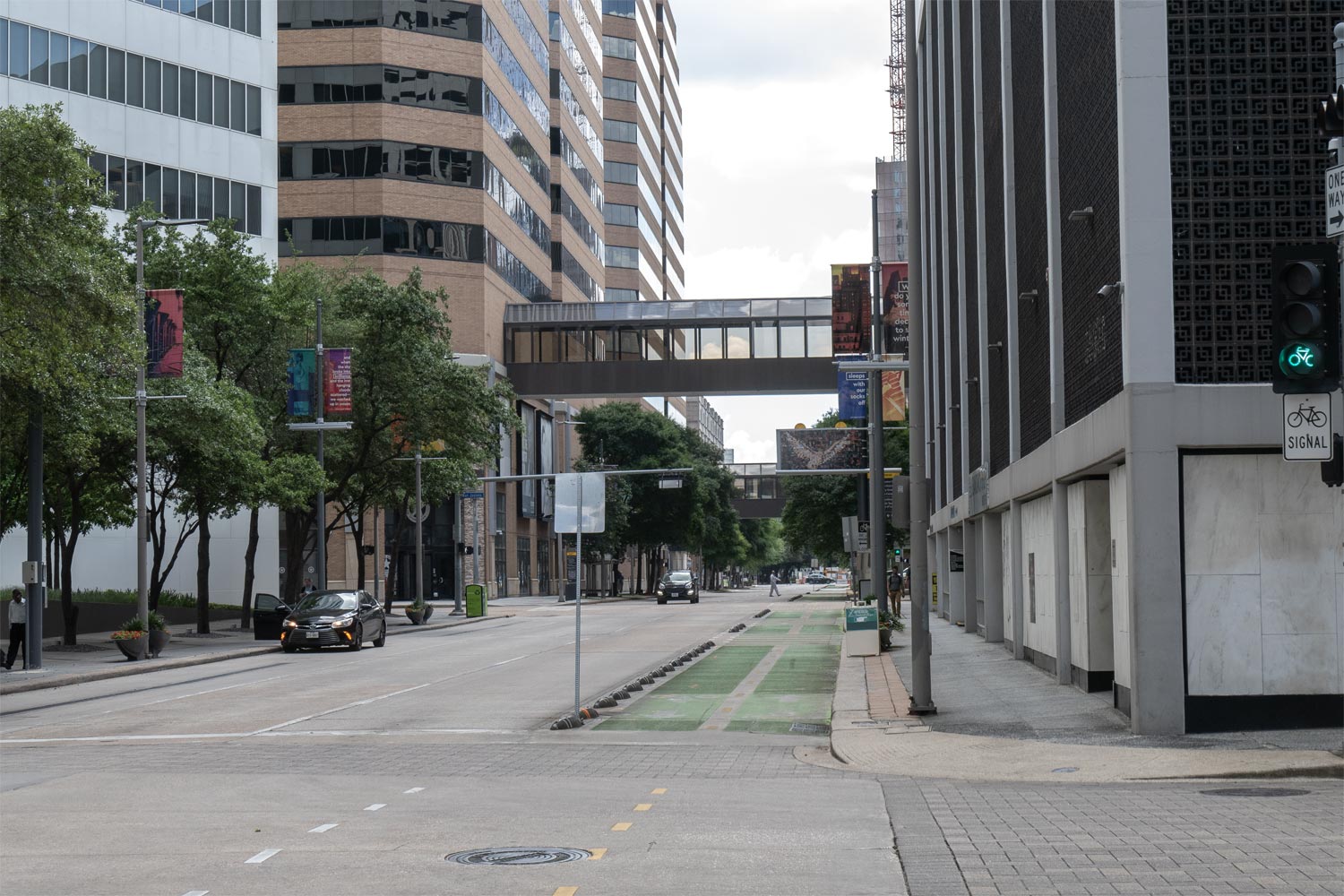
There isn’t just one or two of these crossings. There are probably around a dozen of them across the whole downtown, maybe even more. It’s not that they really spoil the view: it’s hard to ruin a stone jungle with stone. But they say a lot about work culture in Texas.
Houston suburb
Well, what is there to say about it? When the construction boom was underway in the United States in the mid-20th century, all the skilled workers were moving en masse to the suburbs, where the government was generously handing out land and offering preferential mortgages.
The result was, of course, the realization of a dream for millions of ordinary Americans. Many of them at that time acquired a spacious home, their own car, and a family as well. This set of things later came to be called the American Dream.
And everything in this utopia would be wonderful if not for one “but”: the growth of the suburbs led to the decline of city centers. If everyone moved into their own little country house, then what is downtown needed for now? Perhaps for just one thing: to come there to work.
That is precisely why downtown Houston — like the downtowns of dozens of other American cities — has been completely given over to corporate skyscrapers and parking lots. Every day, millions of Americans leave their suburban homes, get into their cars, and drive to the nearest downtown; there they go up to the Nth floor of a glass-and-concrete structure, sit out nine hours under air conditioning, and then get back into their cars and drive back the same way — to the same suburban home they started from.
Obviously, such a daily flow of traffic requires enormous capacity. That’s why they built insanely huge interchanges and wide highways for Americans. After all, even traffic jams need room to be experienced on a grand scale.
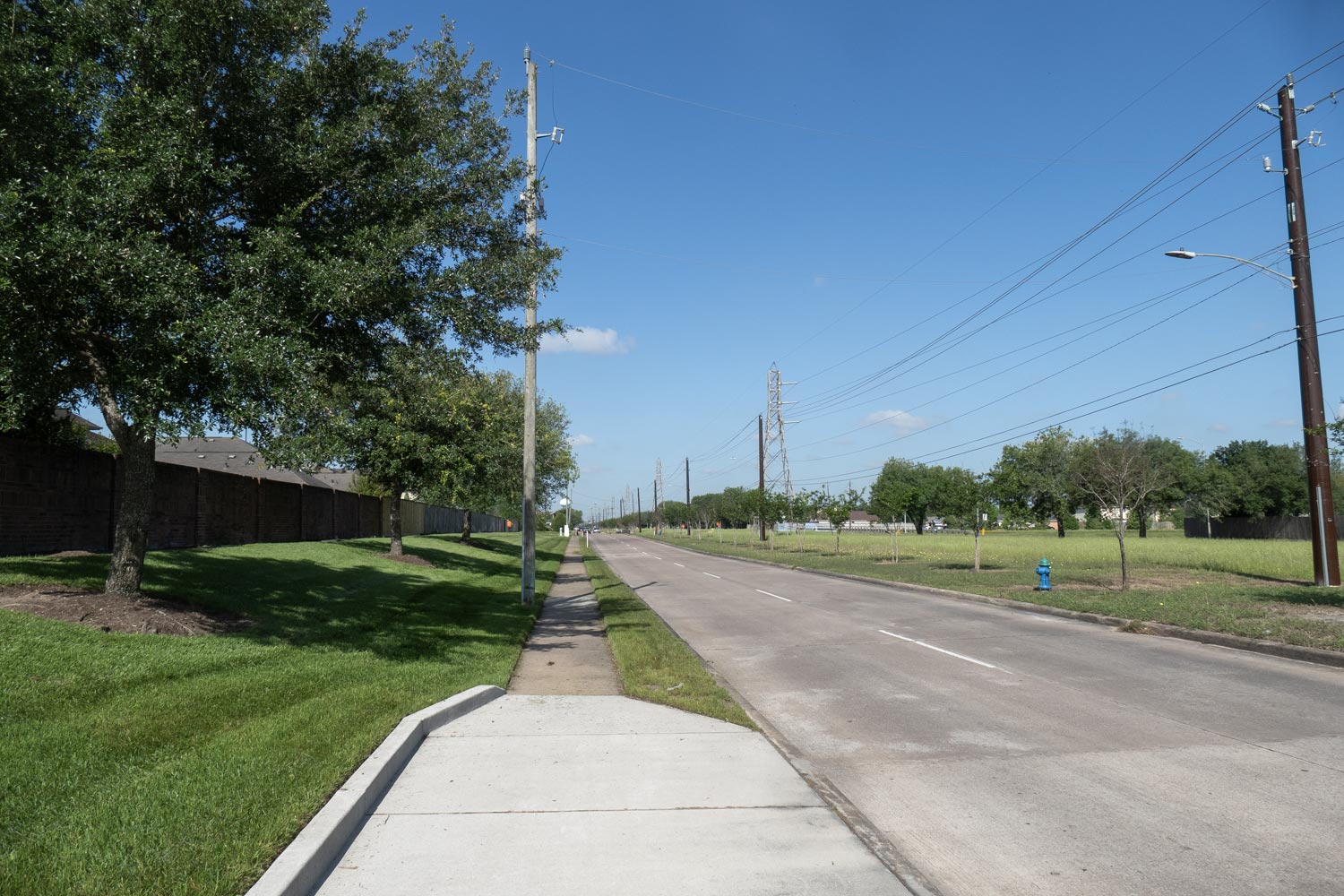
As for the suburbs themselves, the author had the chance to visit one of them not far from Houston. Housing there can be completely different: from old single-story developments built in the 1960s to brand-new two-story mansions. I’d previously had a chance to live in the first type of neighborhood in a suburb of San Antonio, but this time I came across the second type — a fresh new block of picture-perfect little houses.


You could get here from downtown Houston by bus. Contrary to stereotypes, the U.S. has fairly decent public transportation. When people talk about how inconvenient it is, they usually compare it to Europe. Of course, Texas isn’t Germany. But it’s not Russia either, where in many cities buses have been pushed out by marshrutkas (shared minibuses).
The bus took almost an hour to get to the stop I needed. The stop itself turned out to be purely technical: no roof, no bench — just a concrete pad and a sign with a single route number. The American who was hosting me was extremely surprised when he learned it even existed.
The house turned out to be truly big, bright, and spacious. I’d never lived in one like that before. Although it was single-story, I managed to count as many as five rooms in it.
The living room, as is often customary in America, was combined with the kitchen and the entryway, creating the impression not of a home but of a miniature princely palace.
The kitchen, of course, was furnished on a grand scale. It had a gas stove with six burners and an oven the size of a furnace, a two-compartment refrigerator with an ice dispenser, a huge microwave, the familiar American-style sink with a garbage disposal, a dishwasher, a coffee machine, a whole array of mixers and food processors, and even a device for making sparkling water.
The house itself was equipped with the latest technology. All the devices were controlled through an Amazon smart speaker. Using voice commands, you could turn on the TV, switch off the lights, activate the ceiling fan, and even open the front door with its digital lock.


A hatch was found in the corridor ceiling, with a little rope dangling from it. If you pulled it, you could get up into the attic. There, however, were no secret grandmother’s trunks. On the contrary: it was completely taken up by a tangle of huge corrugated ducts that provided the house with cooling and a supply of fresh air.
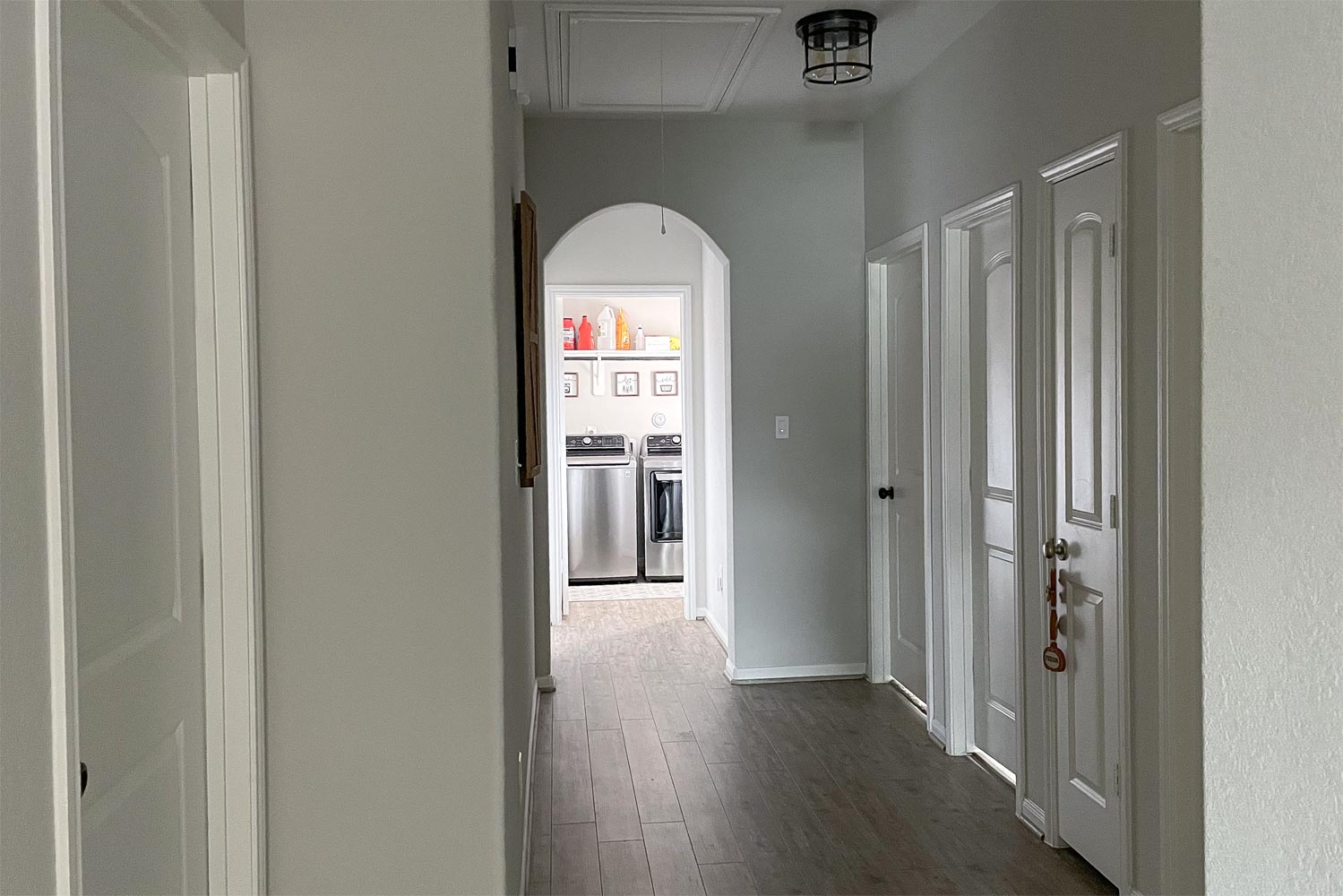
At the back of the house there was a large washing machine and, next to it, a dryer. The backyard itself was unusually empty. There was only some covered garden furniture and a barbecue grill.

Despite the luxurious apartments, being in the house was monstrously boring. After just a week of living like that, I started climbing the walls from boredome. Outside, it was so hot that the reason the backyard was deserted became obvious: it’s simply unfit for staying there for most of the year.
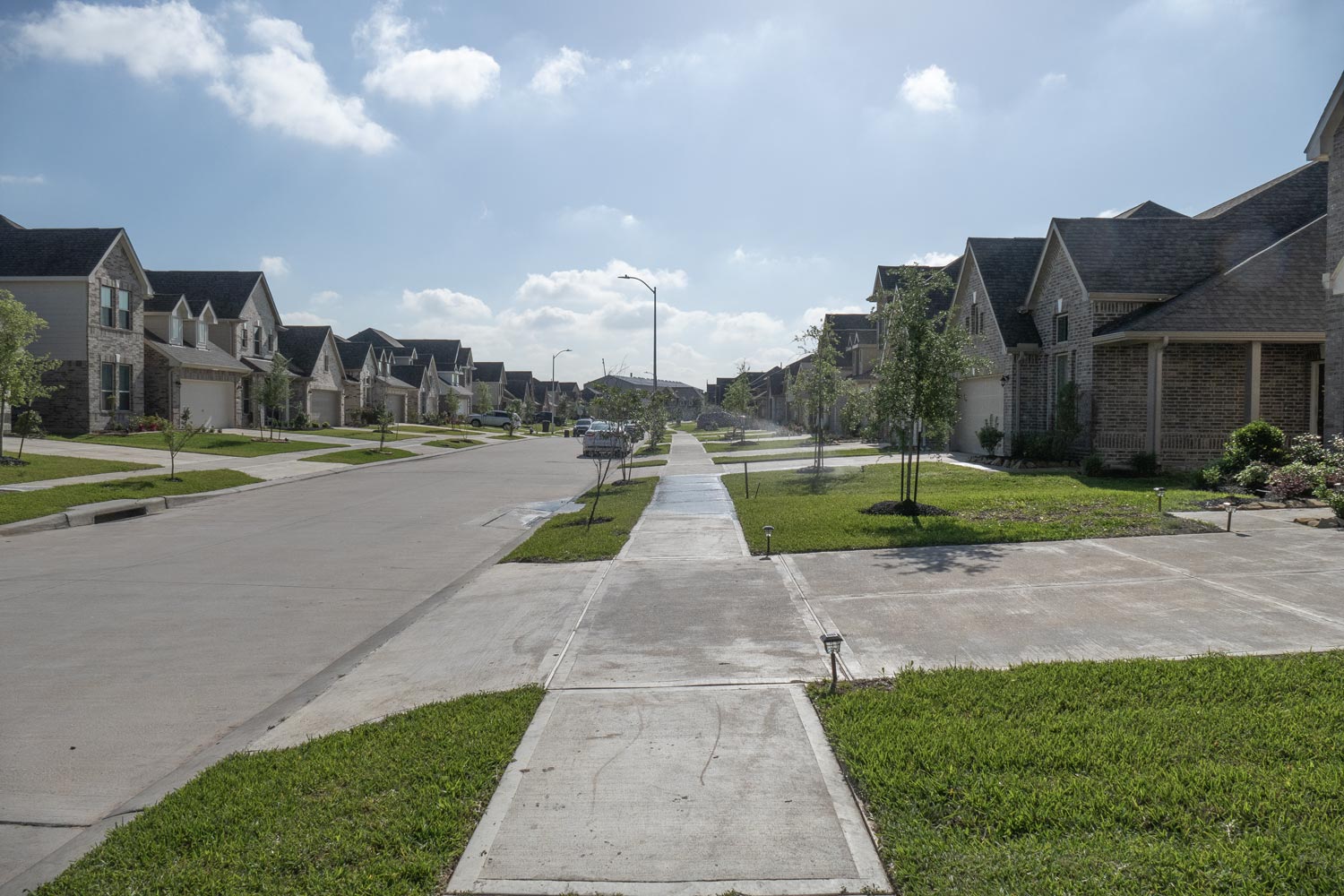
The next disappointment was the view from the window. Although the front windows looked out onto a beautiful American street, the side ones faced walls belonging to exactly the same houses standing next door.

The settlement itself turned out to be anything but a dream — more like an American dystopia. For miles around, the area was built up with nearly identical houses. In turn, hundreds of settlements like this one were linked by roads that, like little streams, flowed into a few major highways leading to downtown Houston.
Among entertainments in the settlement, there was an overgrown pond.

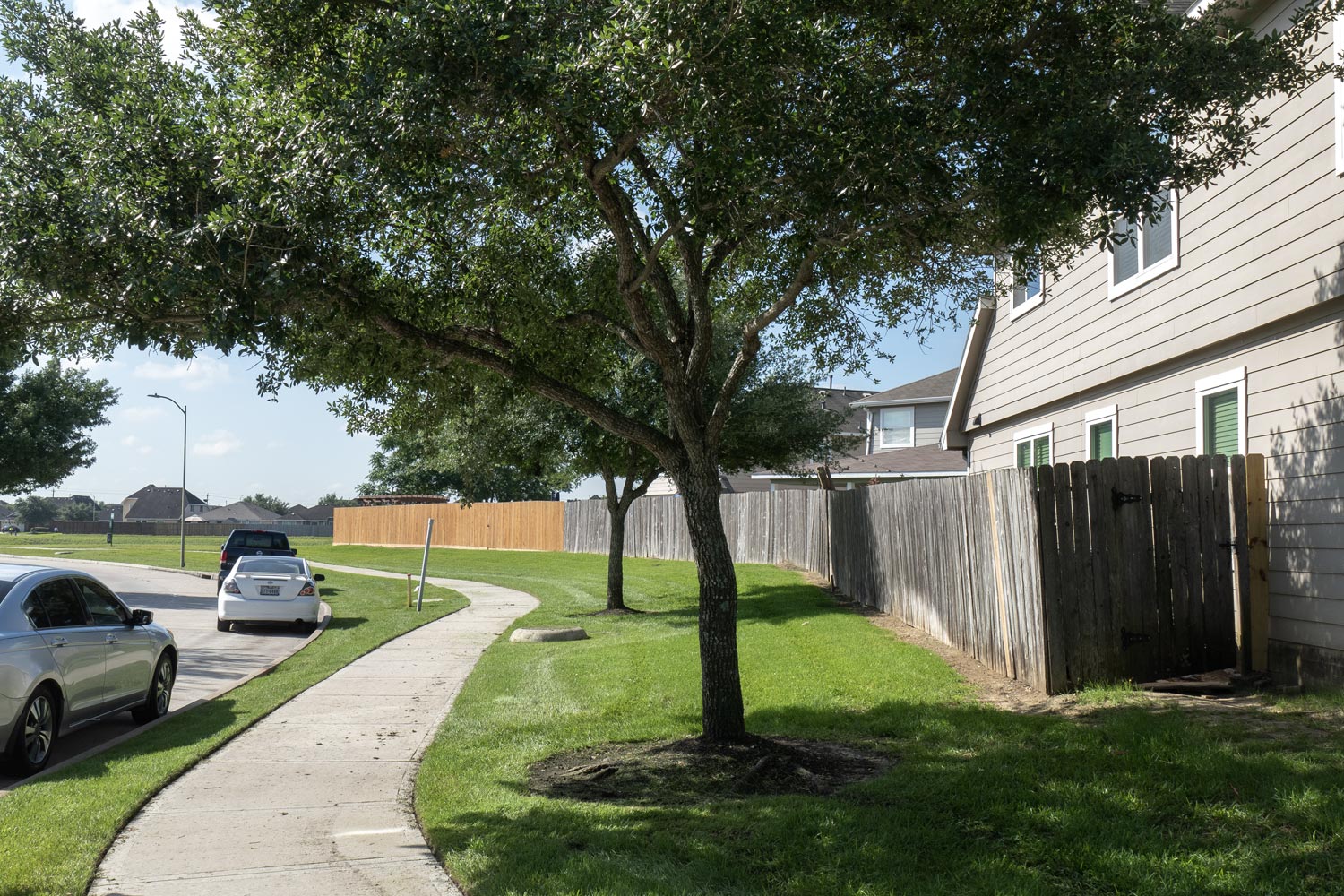
Among all the variety, there was a palisade fence, which, as people commonly believe, doesn’t exist in the U.S.
Getting to any nearest restaurant could be possible only by car. And what kind of restaurants could there be in Texas suburbia? The map turned up a couple: “Take the Wheel” and “Mad Max BBQ.” Bon Appétit!
Space Center
You can’t come to Houston and not visit NASA’s Space Center. But it’s so far from the city that public transportation doesn’t reach it.
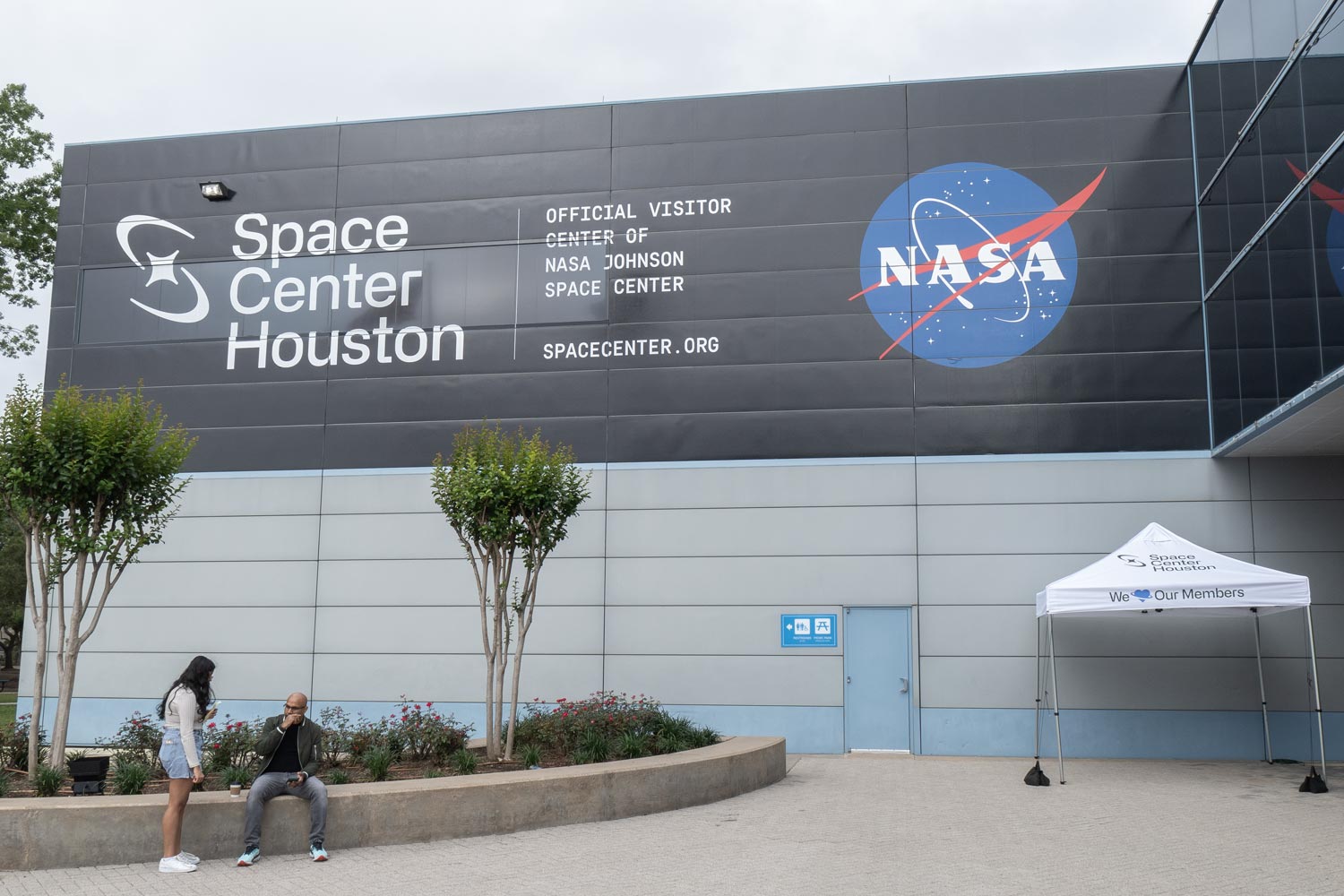
The place is stunning. It’s worth coming all the way to Texas just for it, because only a small part of it is set aside for the museum, while most of it is a working space center where astronauts are trained and space flights are controlled.
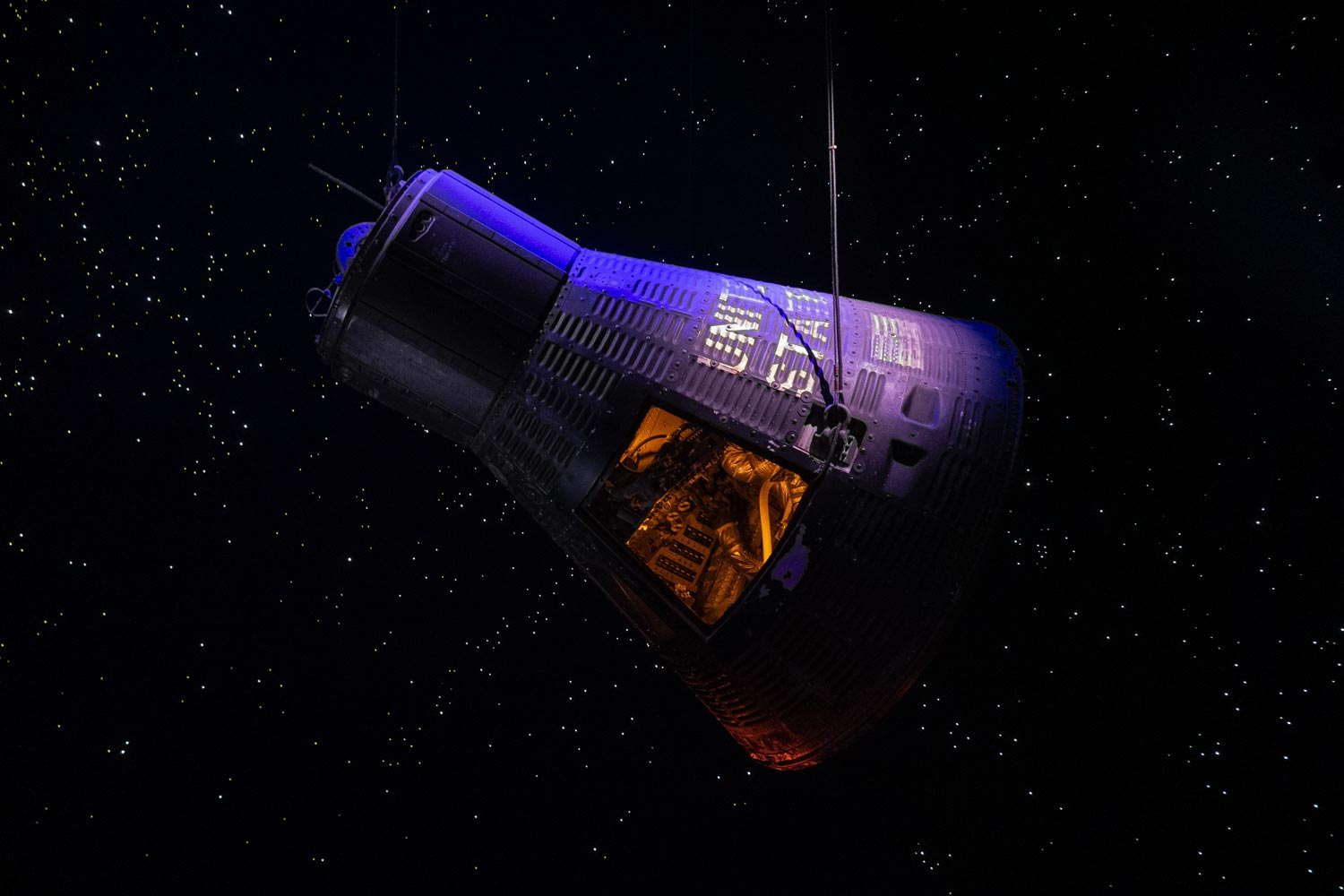
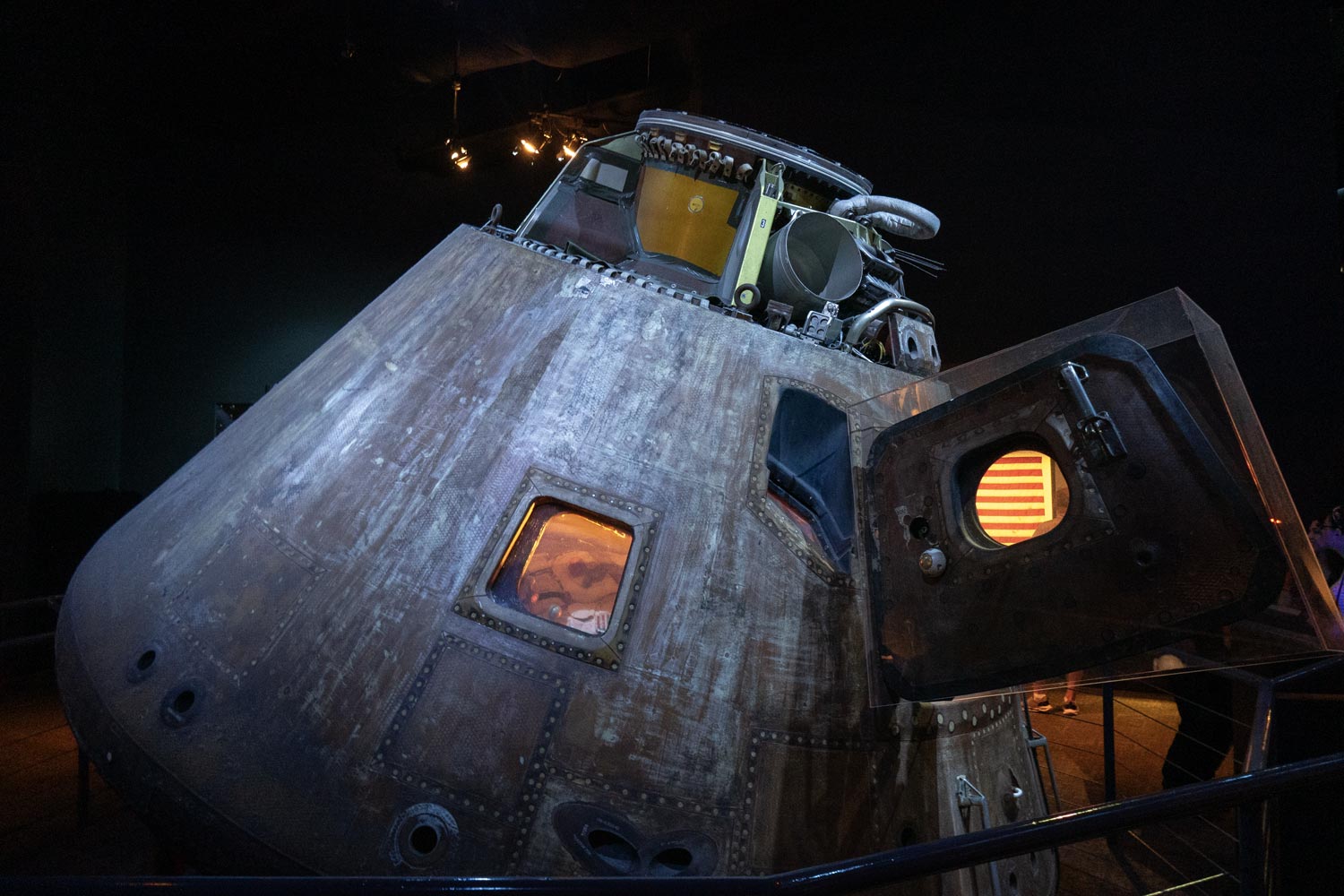
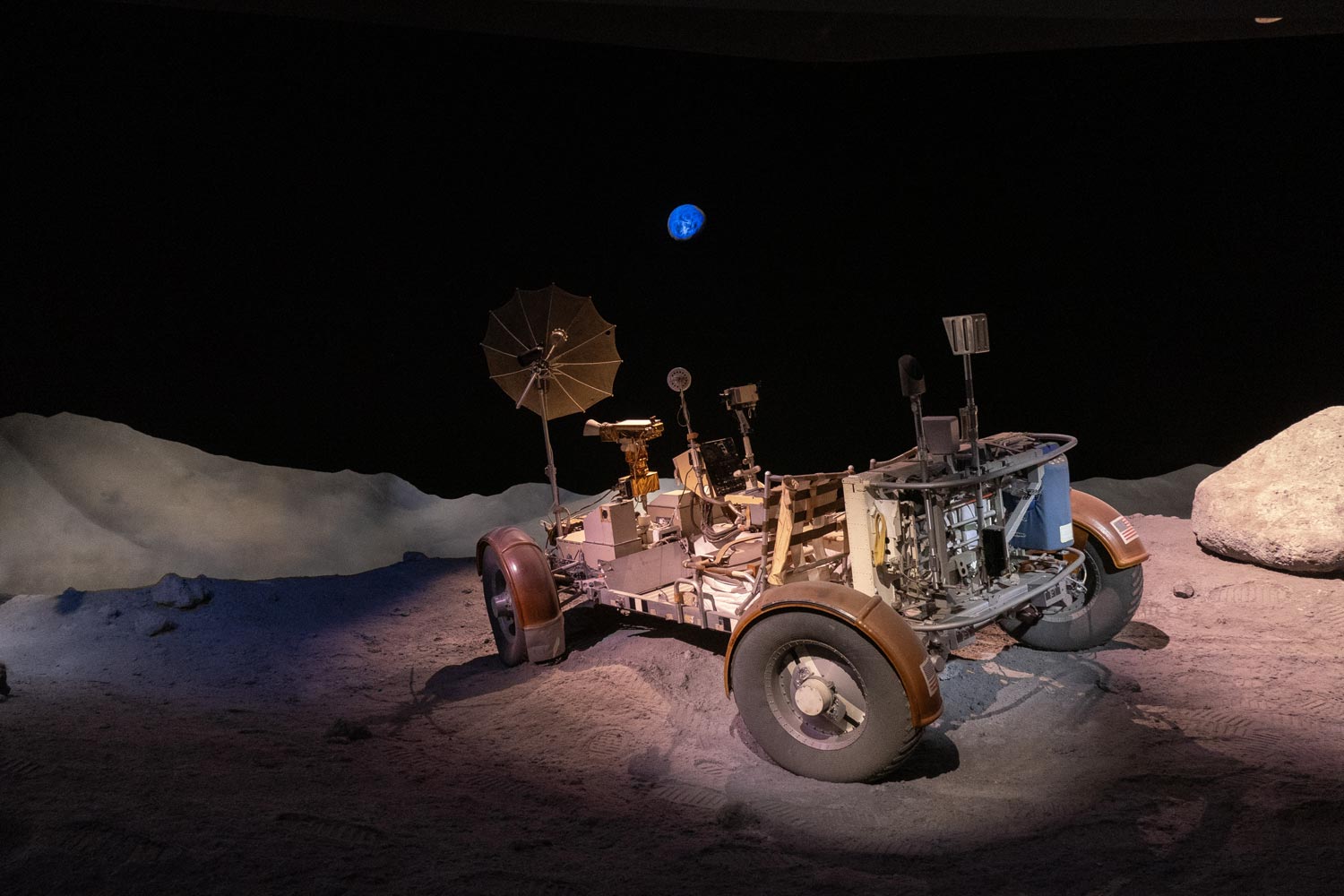
However, even the museum itself is one of the best in the world. Where else can you find a real Apollo 17 mission module and an exact replica of the lunar rover?
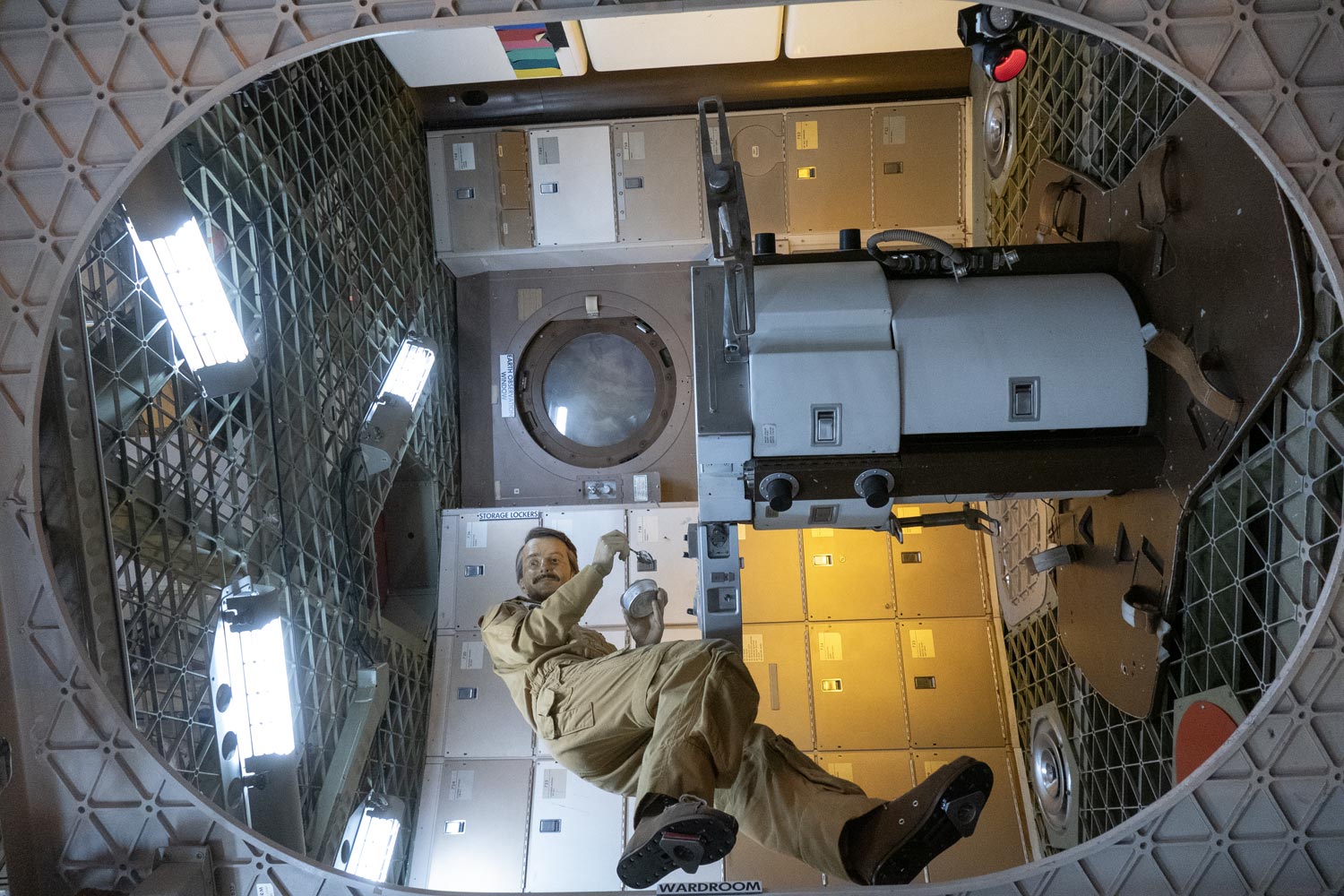
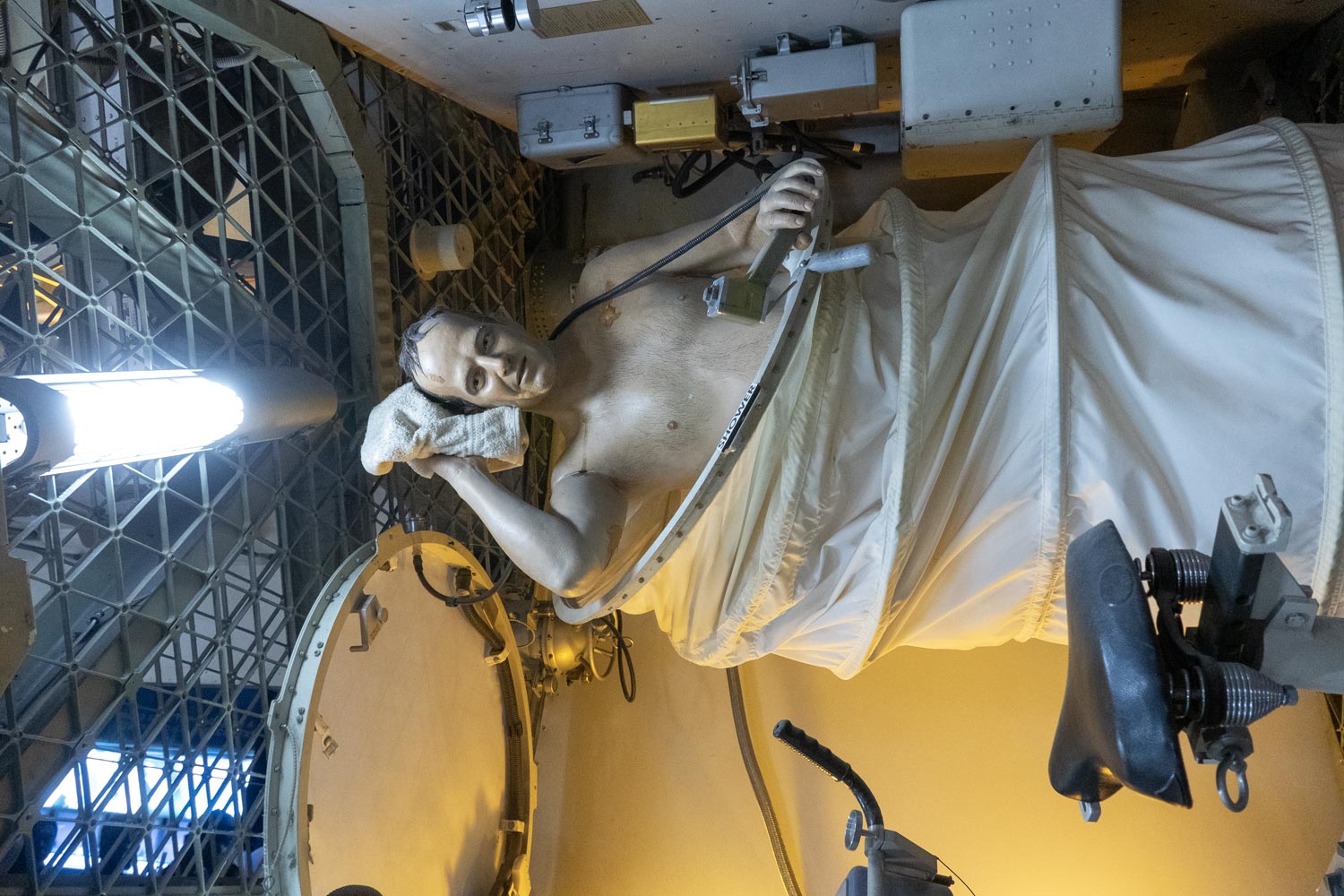
Space life is depicted excellently. The ISS replica is arranged so realistically that your head starts spinning at the sight of astronauts hanging in midair. Total immersion in zero gravity.
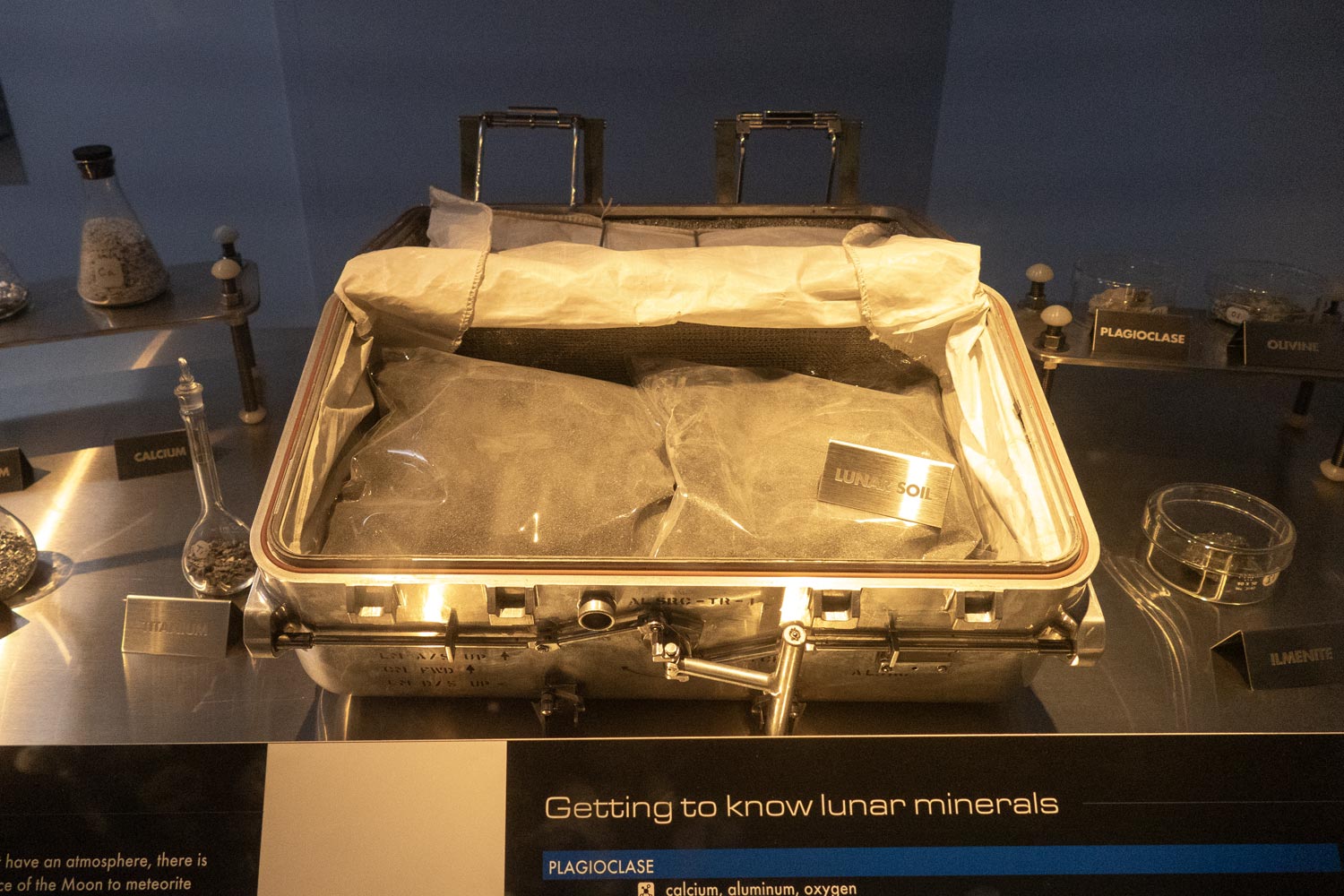
There are whole sacks of lunar soil lying around in the museum.
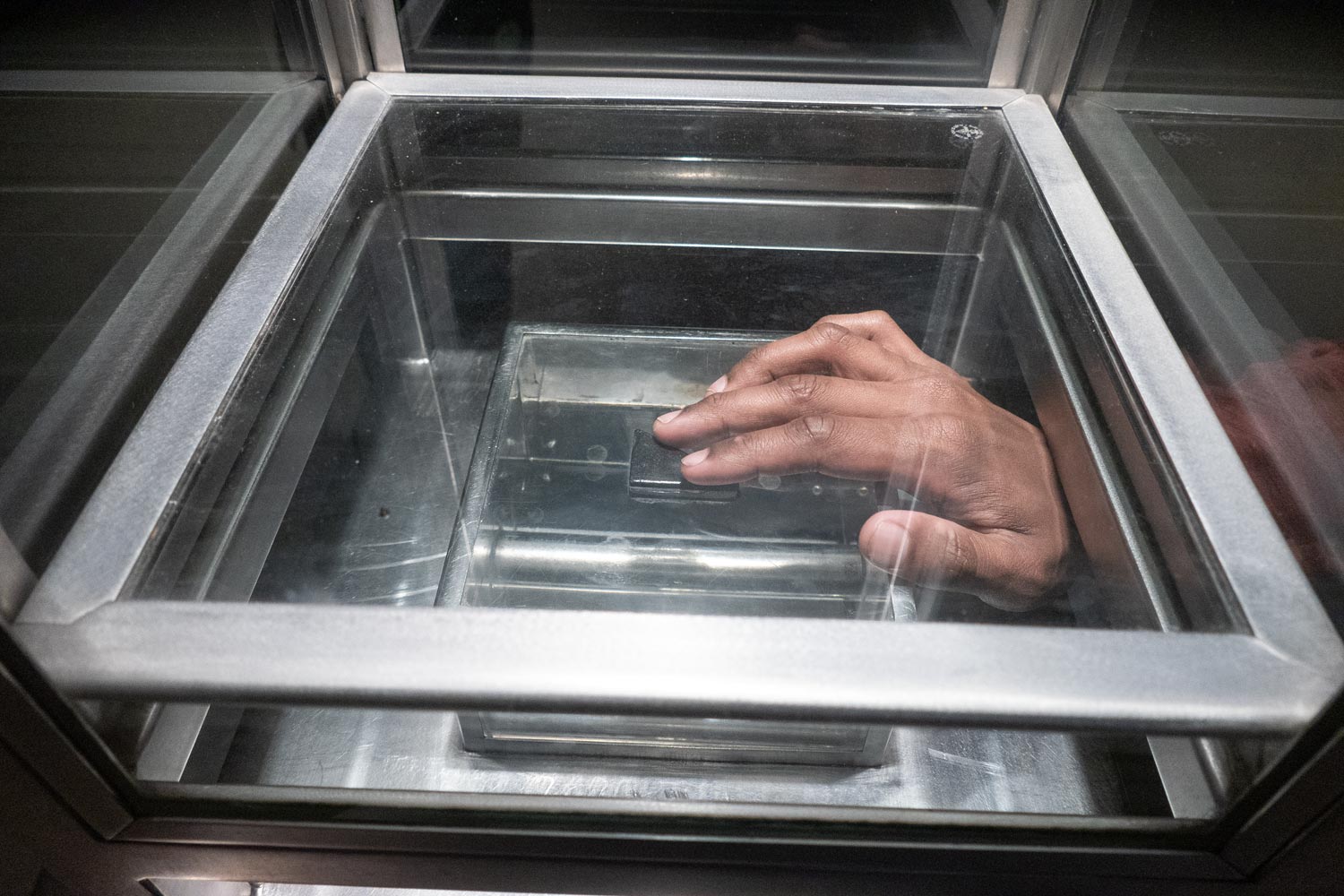
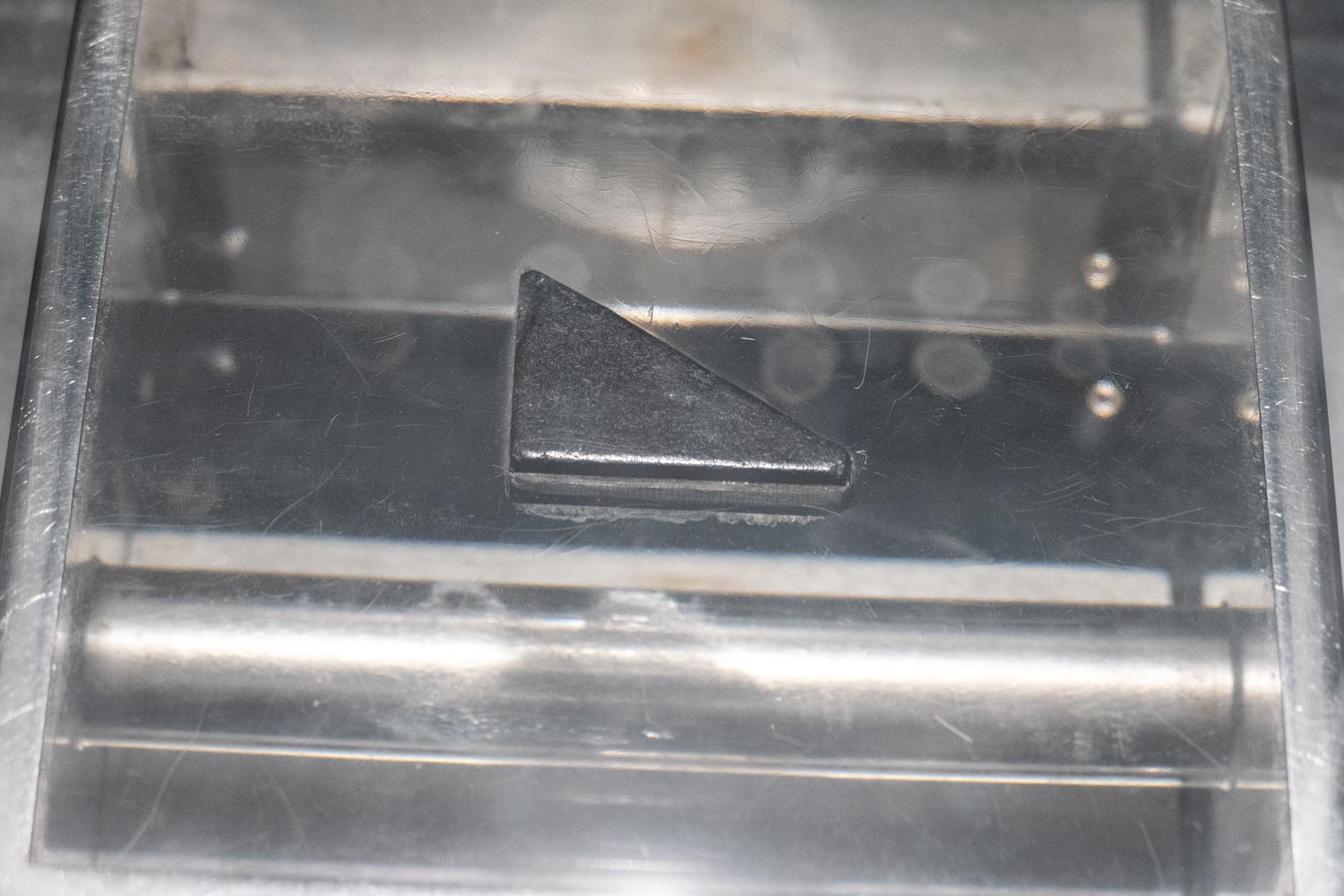
The main exhibit is a stone from the Moon that visitors are allowed to touch. To be precise, it’s lunar basalt.
But all of that pales in comparison to what is shown in the real part of the center.
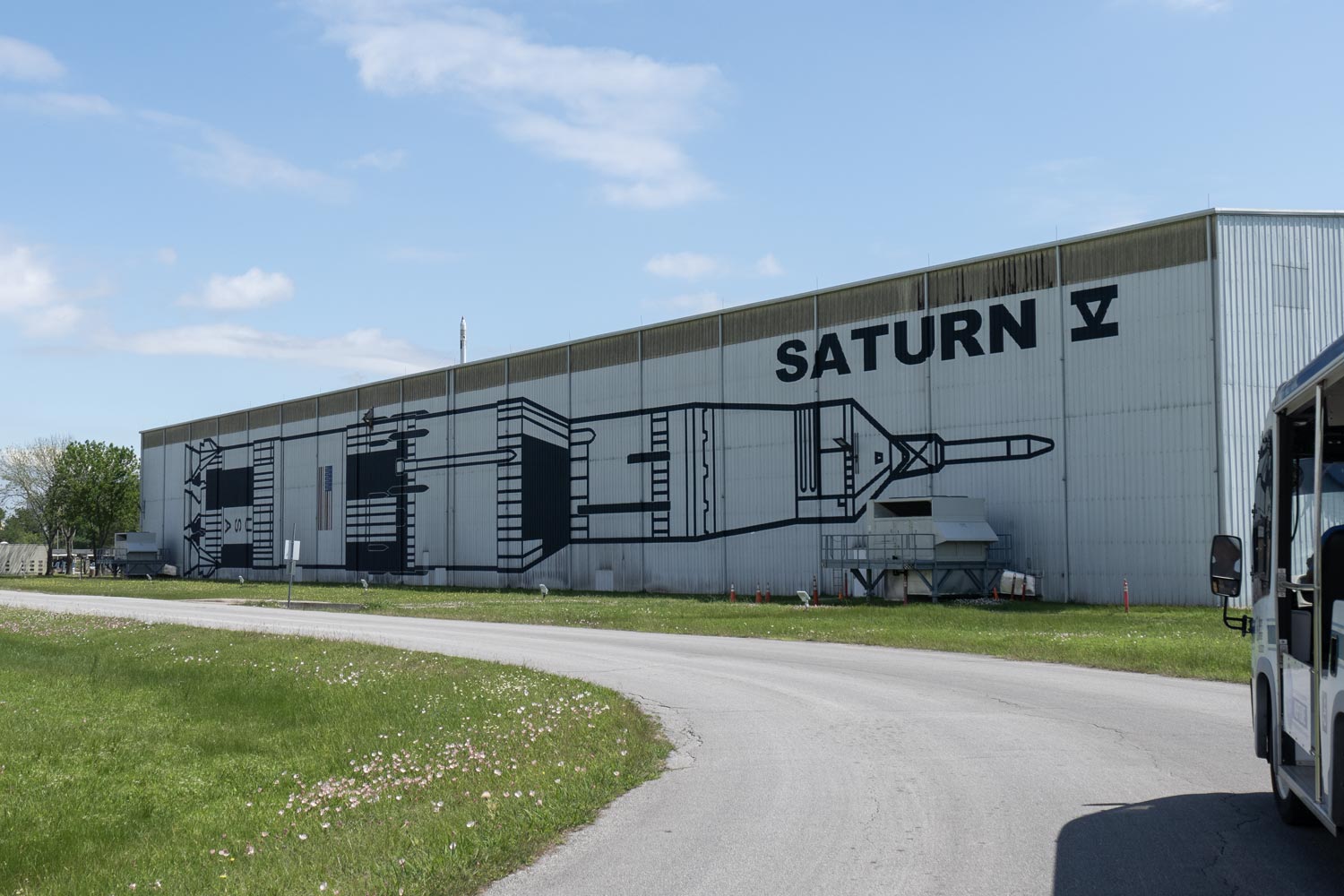
In one of the hangars lies a Saturn V — the super-heavy rocket that carried people to the Moon during the Apollo missions. The development of this rocket was personally led by Wernher von Braun, the father of rocketry and a former officer in Hitler’s SS, who surrendered to the Americans in 1945.
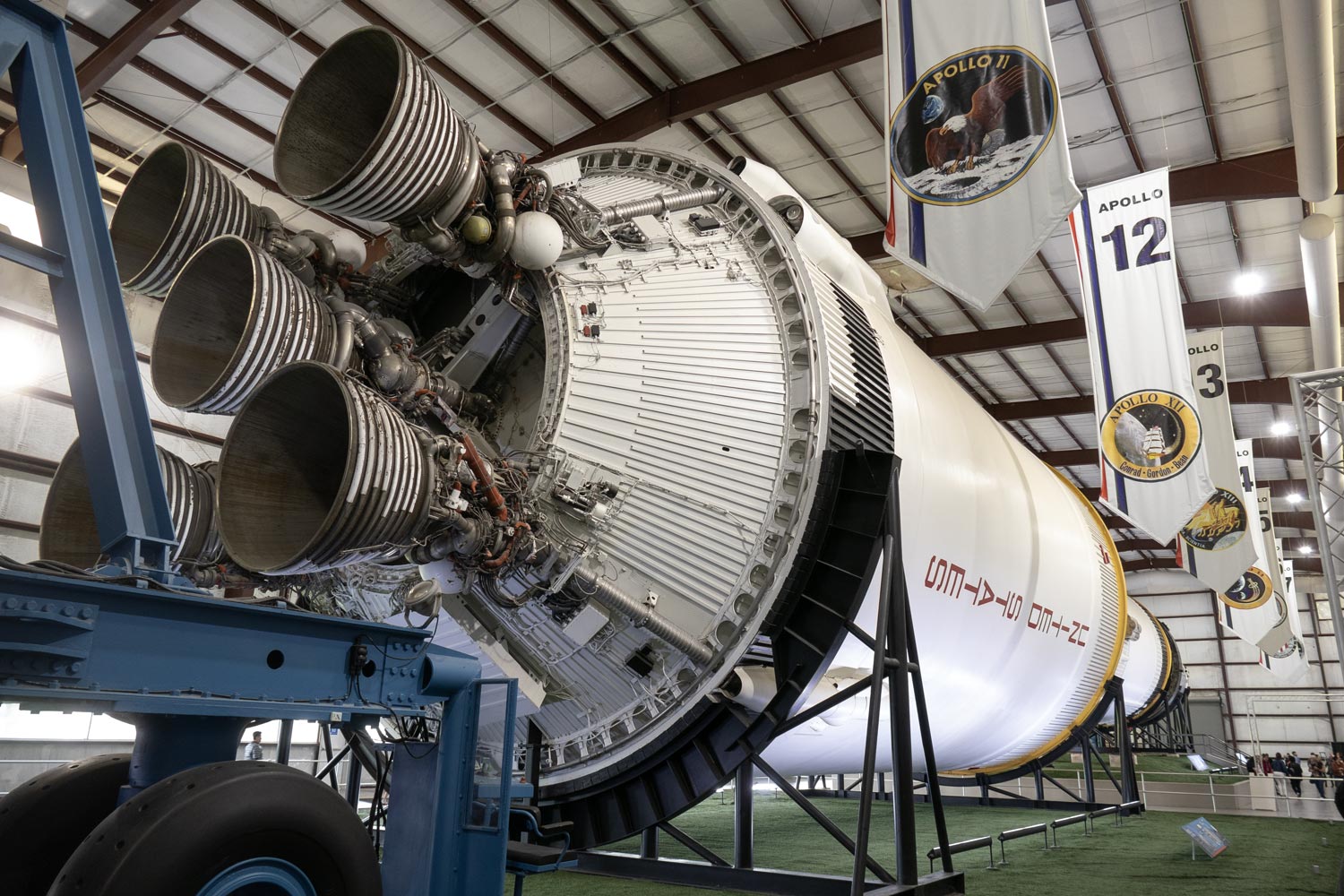
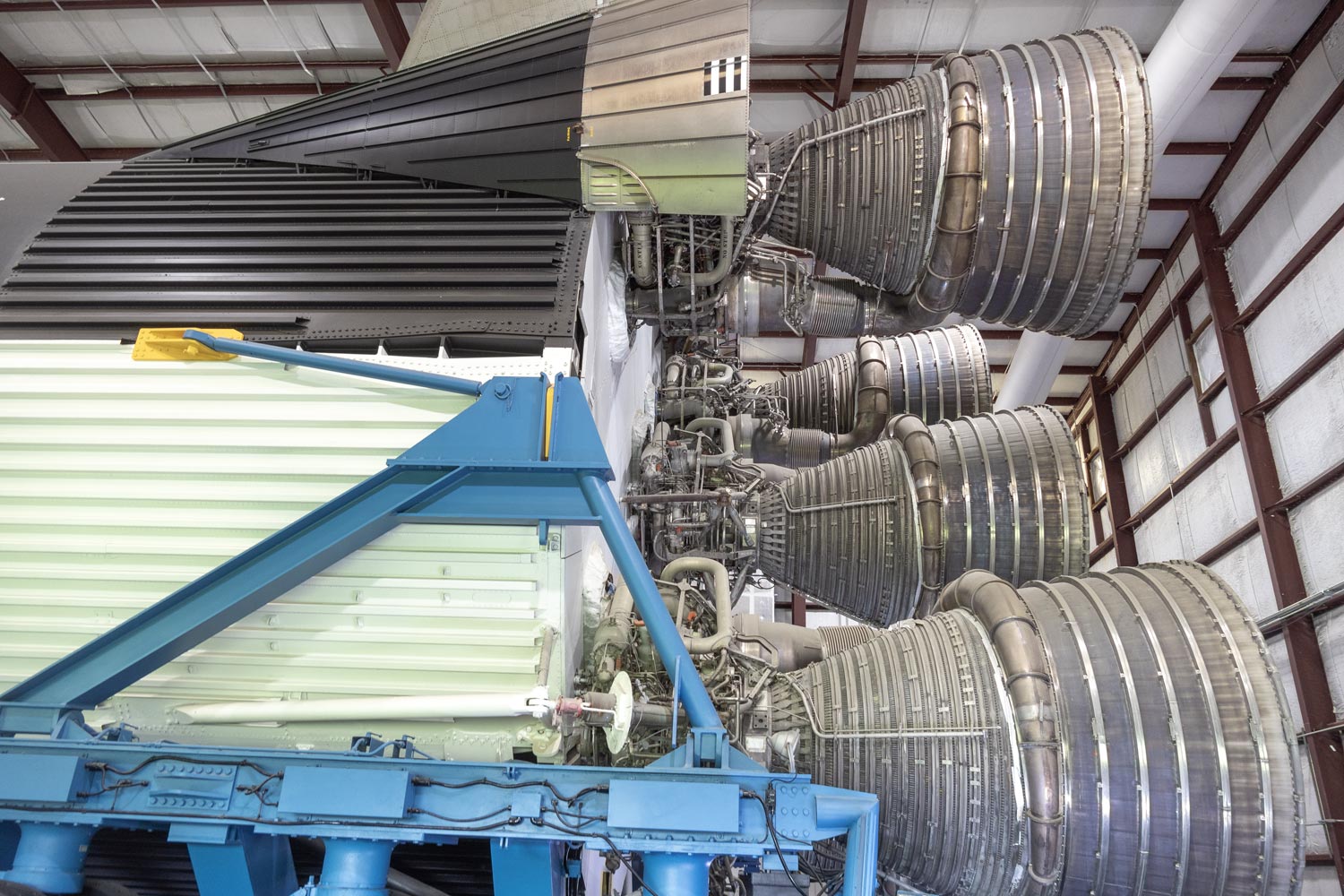
So that the reader has no doubts, let us note that this is neither a model nor a replica of the rocket. It is a genuine Saturn V, assembled from original parts. The only thing is that it was not assembled for a flight into space and never flew anywhere itself. Obviously, it is impossible to display a rocket that actually flew into space, because it breaks apart during launch.
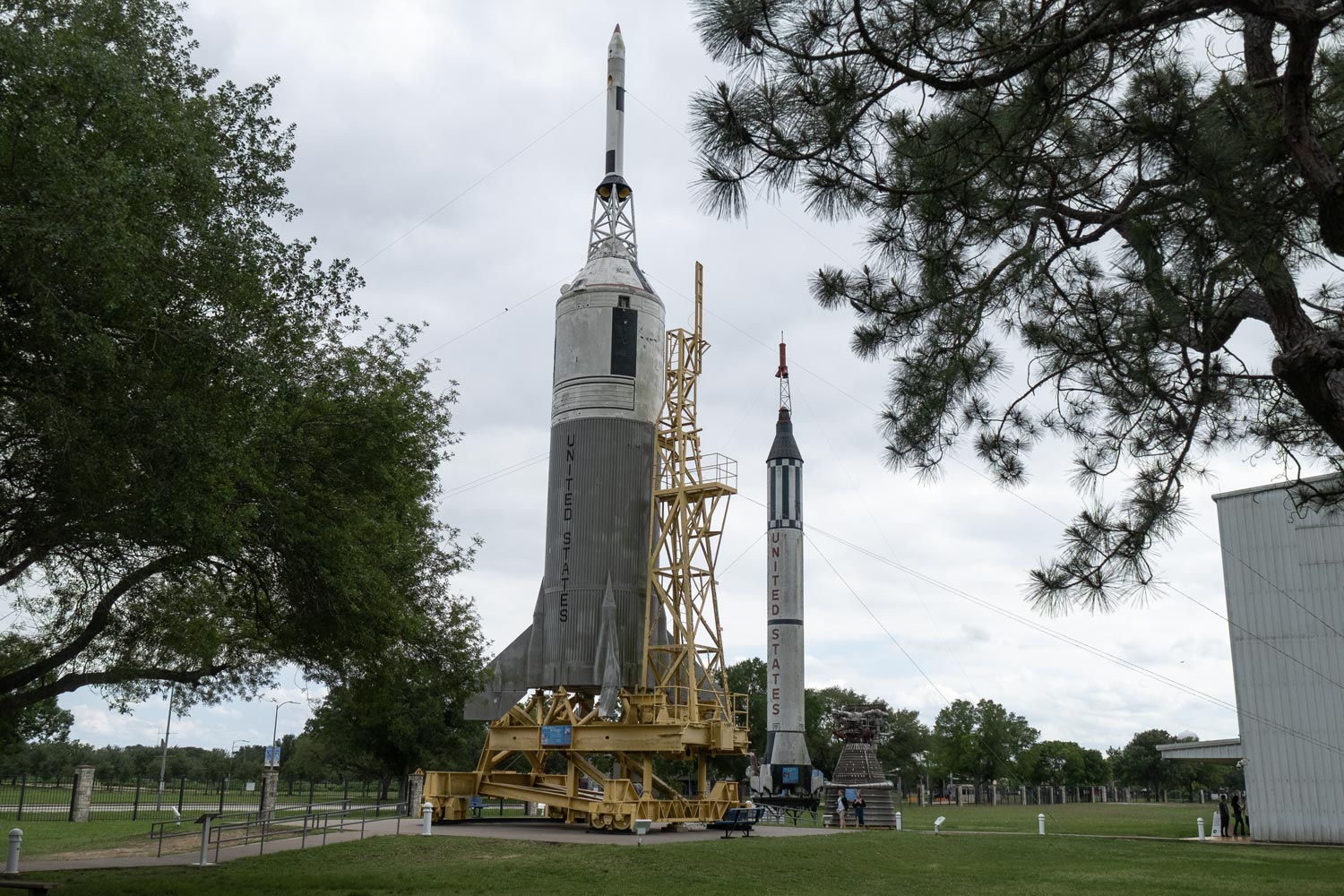
Near the hangar there are also other, smaller rockets.
But even the Saturn V isn’t the limit of what’s incredible in Houston. The thing is, with a special ticket you can get into the very mission control center that directed the Moon landing.
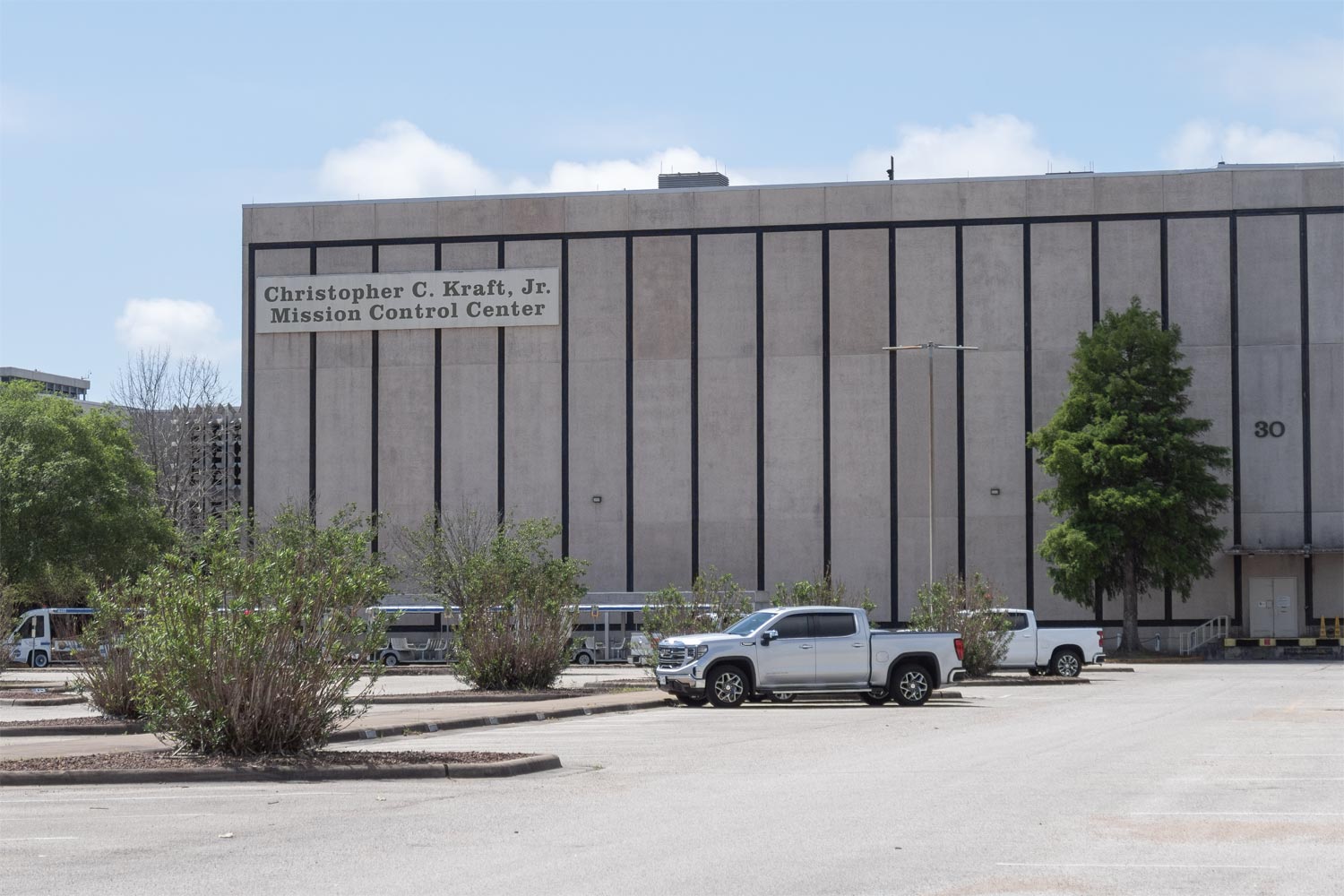
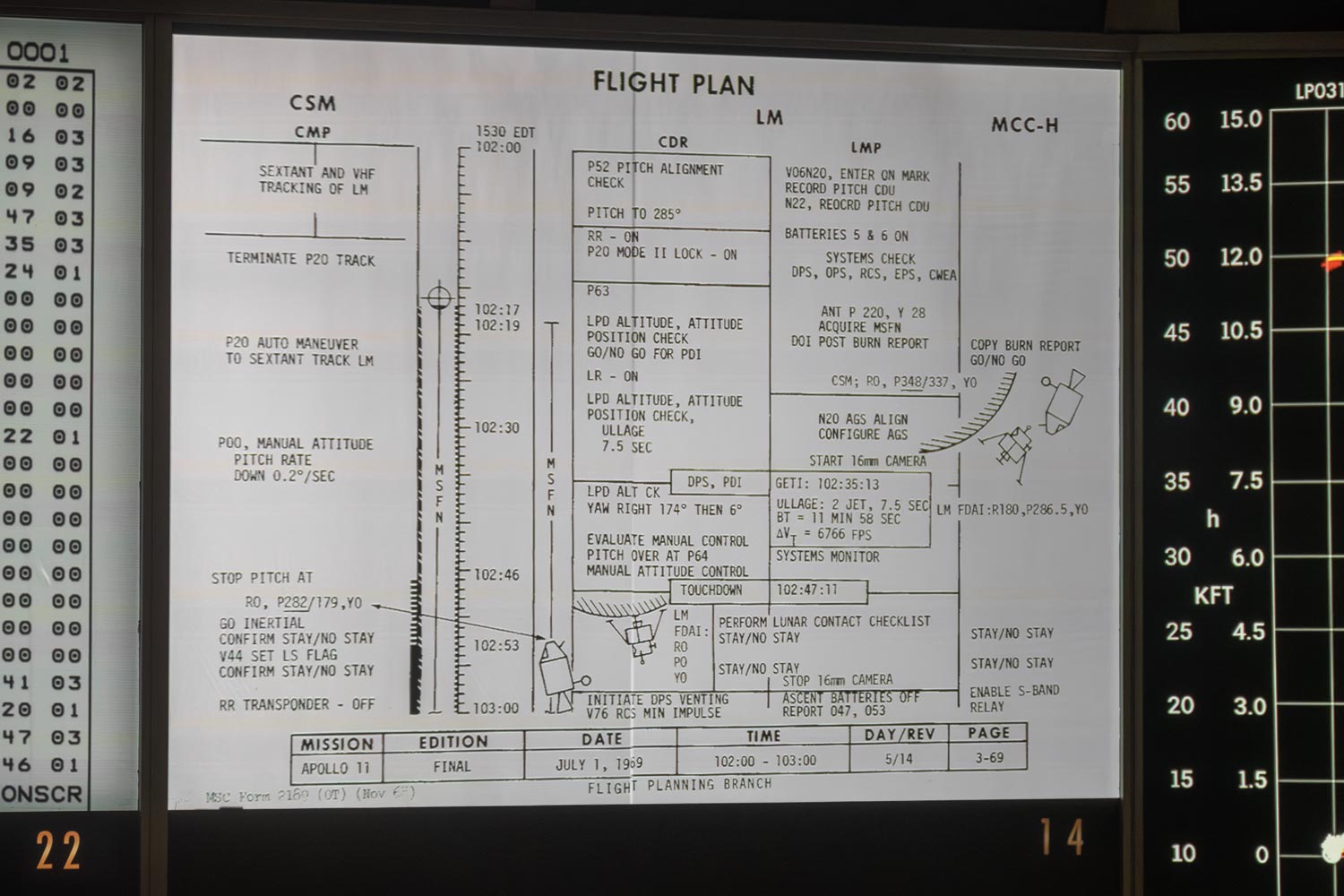
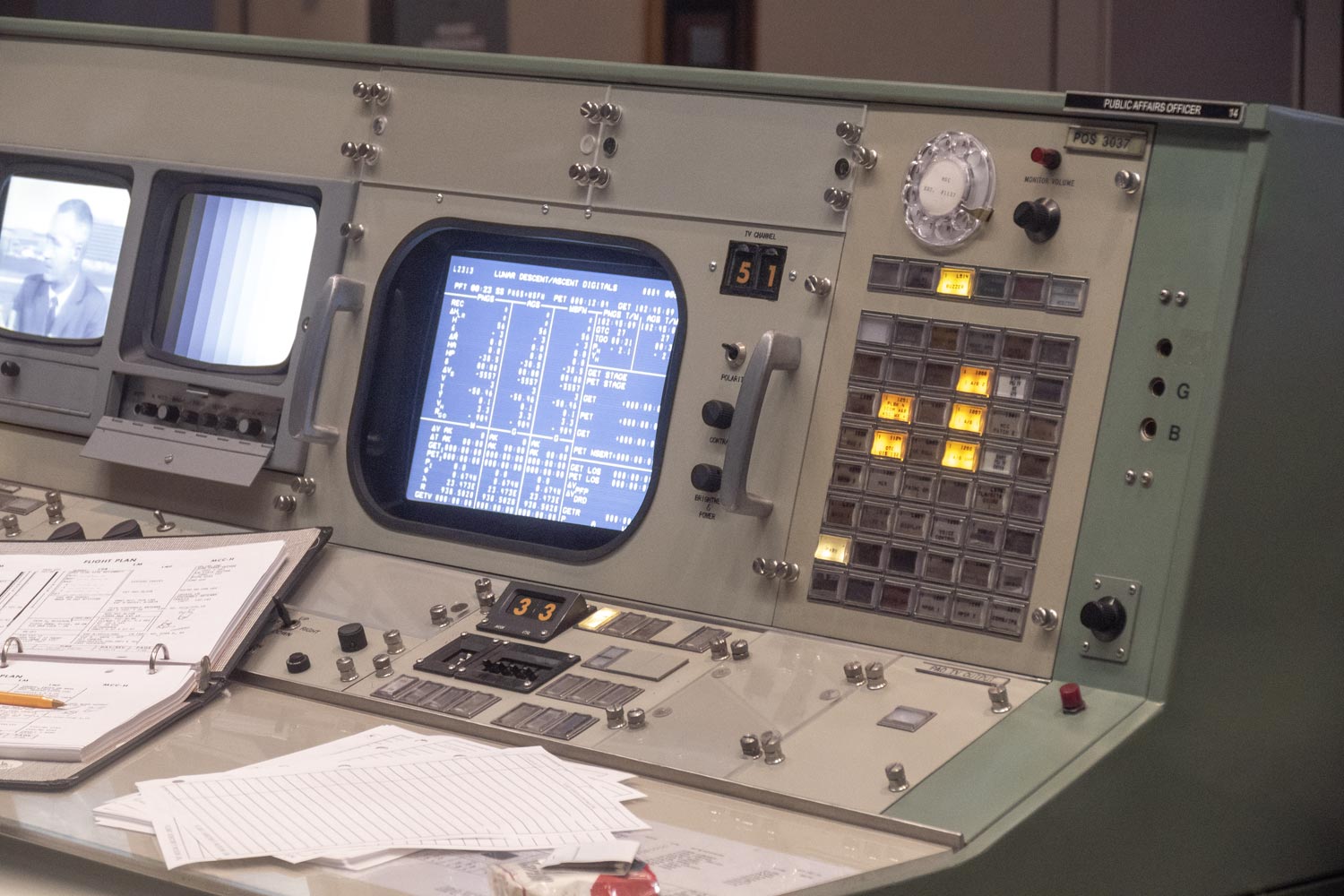
The action takes place in the original control room from which the Apollo 11 mission was managed. The room recreates in every detail the flight process and the moment astronaut Neil Armstrong landed on the Moon.
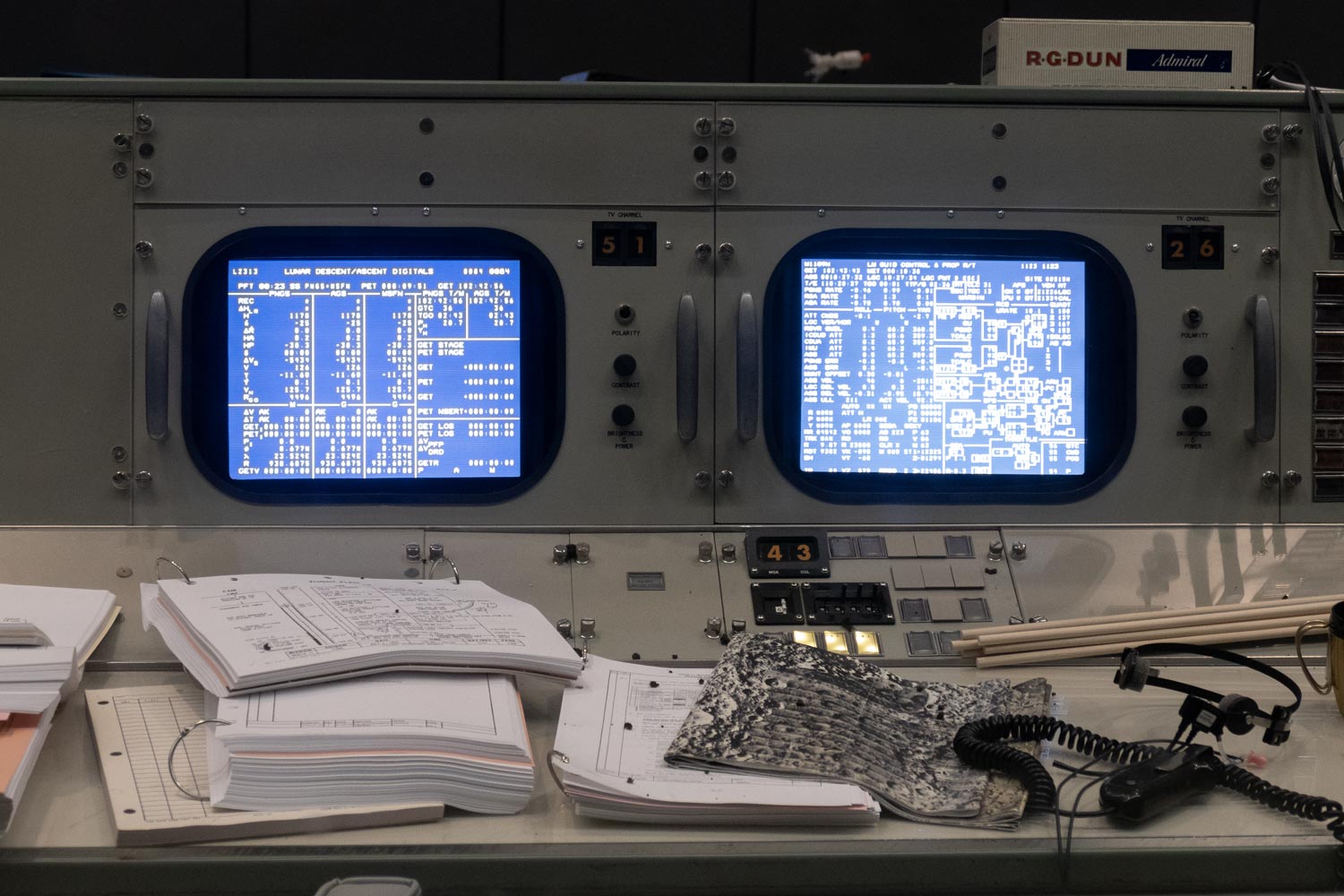
That is, literally: recordings of the dispatchers’ conversations are played through the speakers, while graphs are drawn on the displays and tables of numbers scroll by.
The author had never seen anything more breathtaking in any of the hundreds of museums he had visited.
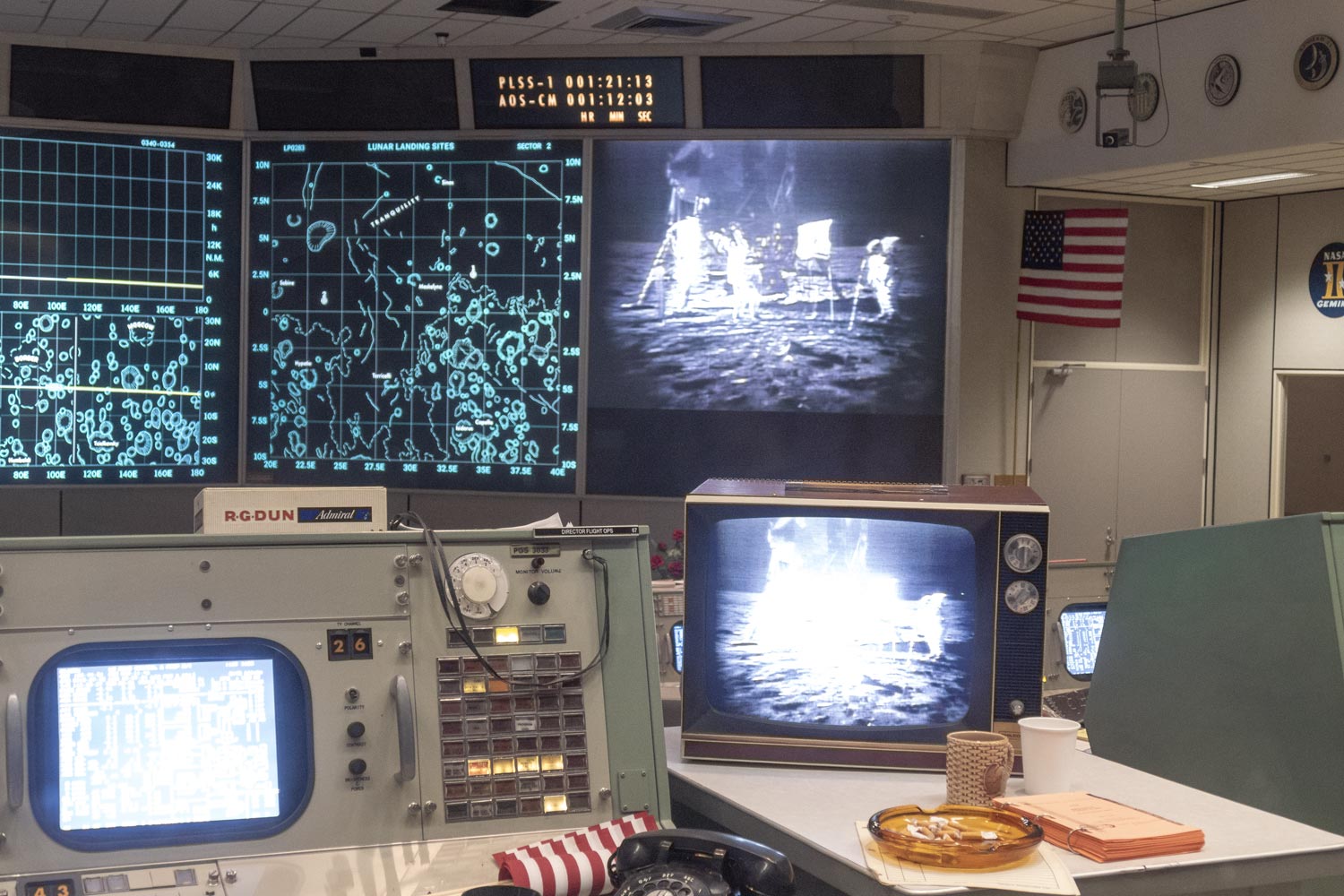
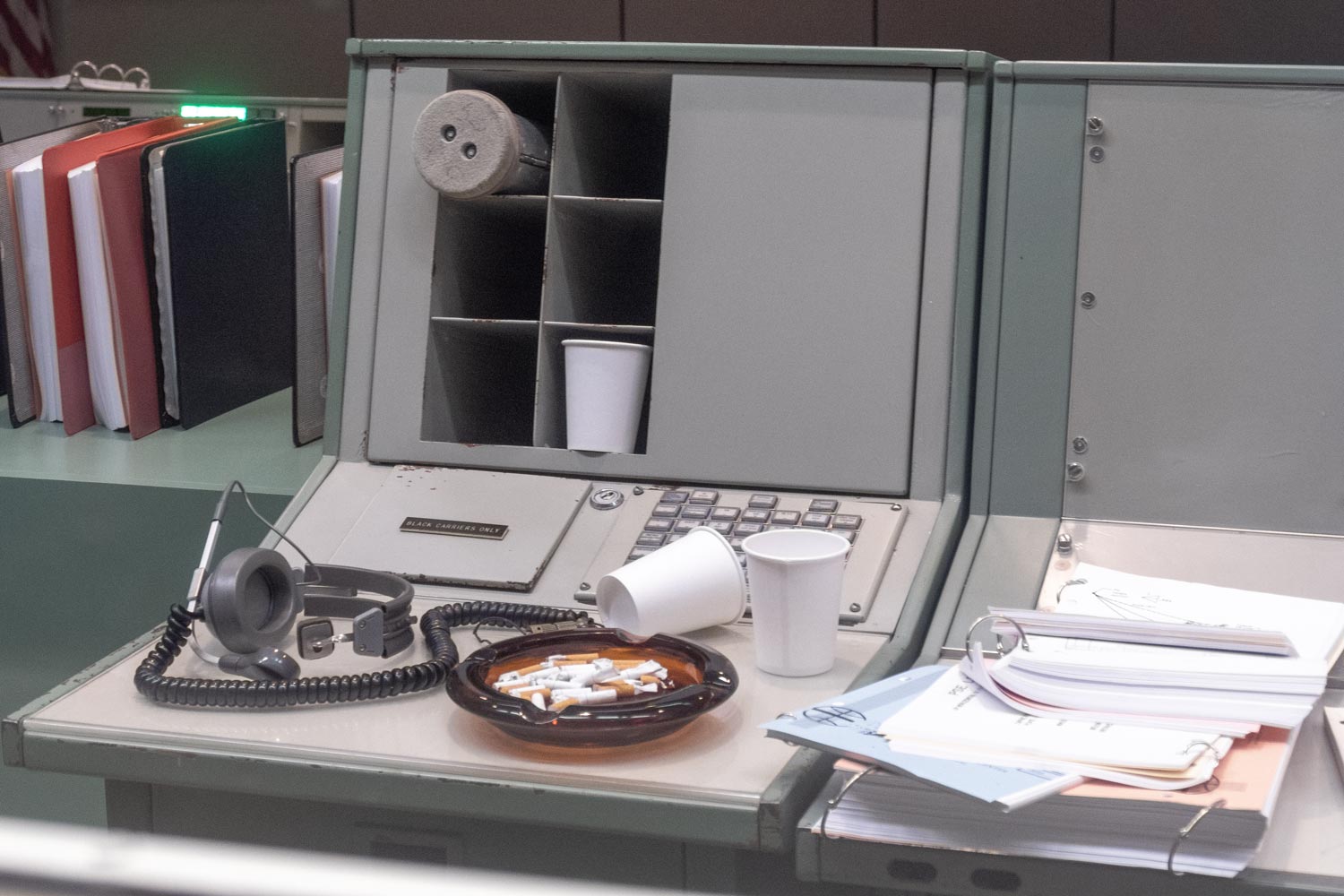
Damn it, they even laid out the cigarettes they’d smoked from nerves!
For dessert, they also show the status of the current work. In the modern part of the center, NASA engineers are working.
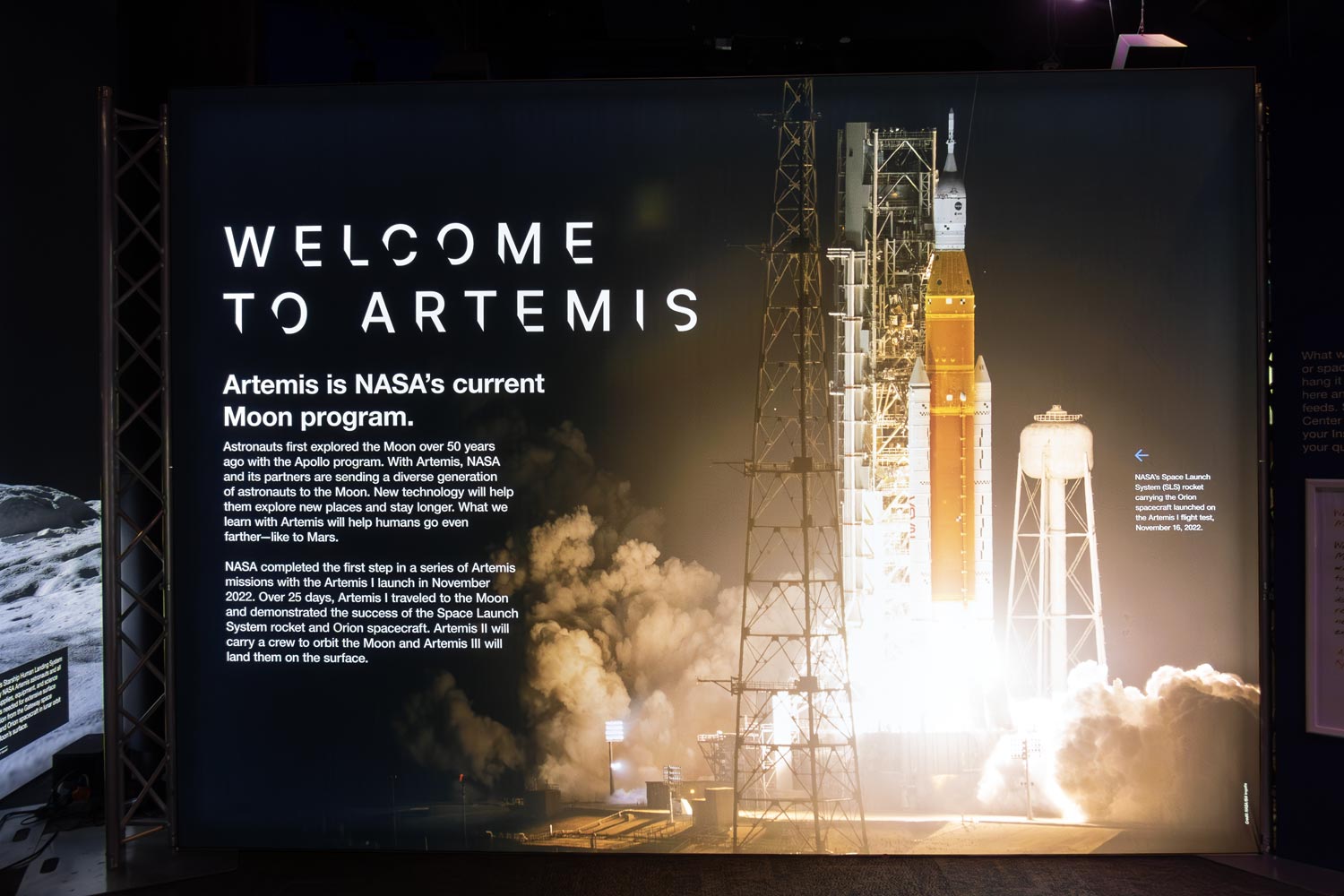
Today the center is focused on the Artemis mission, which consists of three stages. The first stage — an uncrewed flight around the Moon — has already been completed successfully. The second stage will be a crewed flight. And in the third stage, the Americans plan to land at the Moon’s south pole — for the first time in decades.
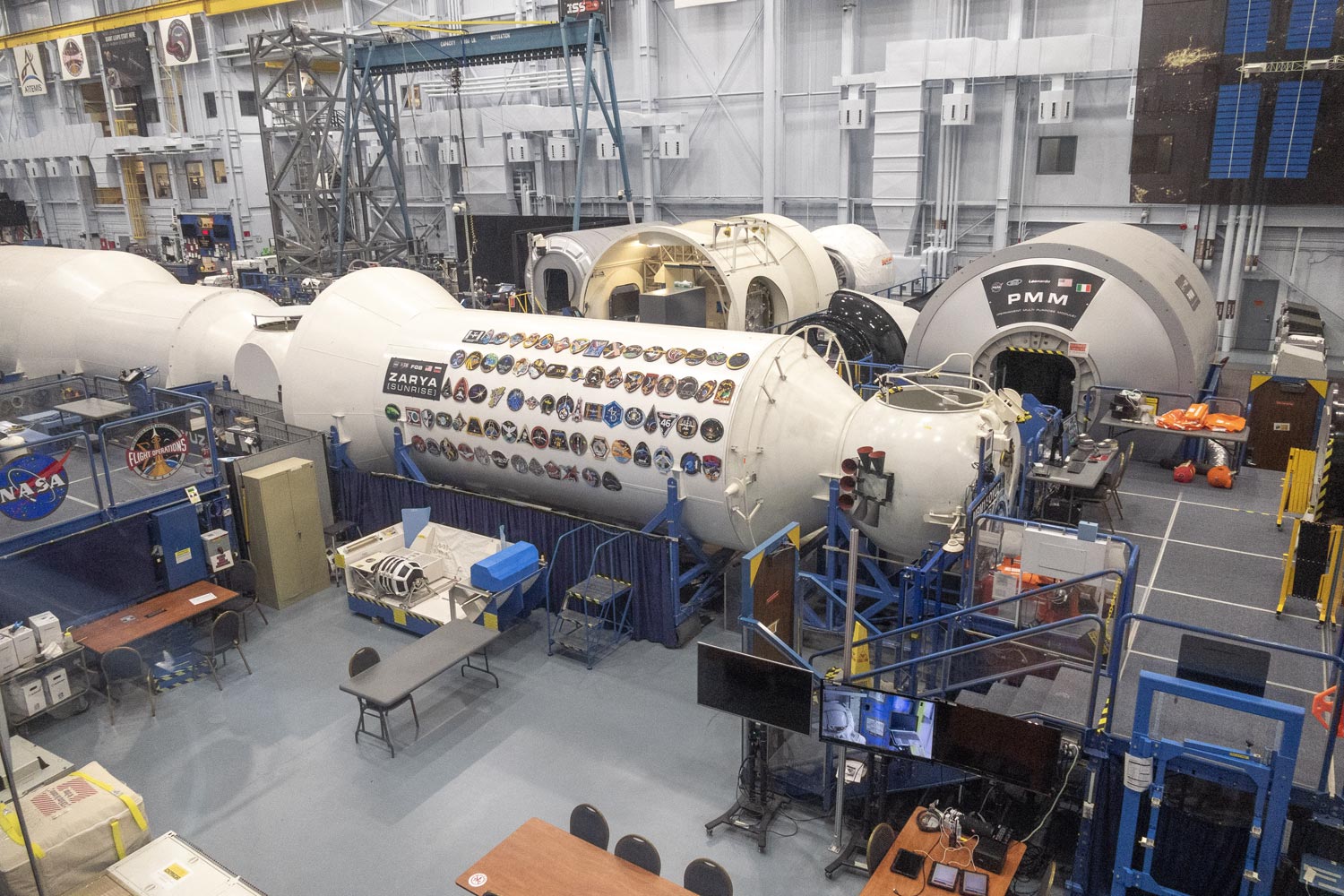
They take you through the working hangar fairly quickly so as not to annoy the engineers. Here they’ve assembled replicas of ISS modules, including the Russian segment, Zarya.
Some robots are installed on the stands.
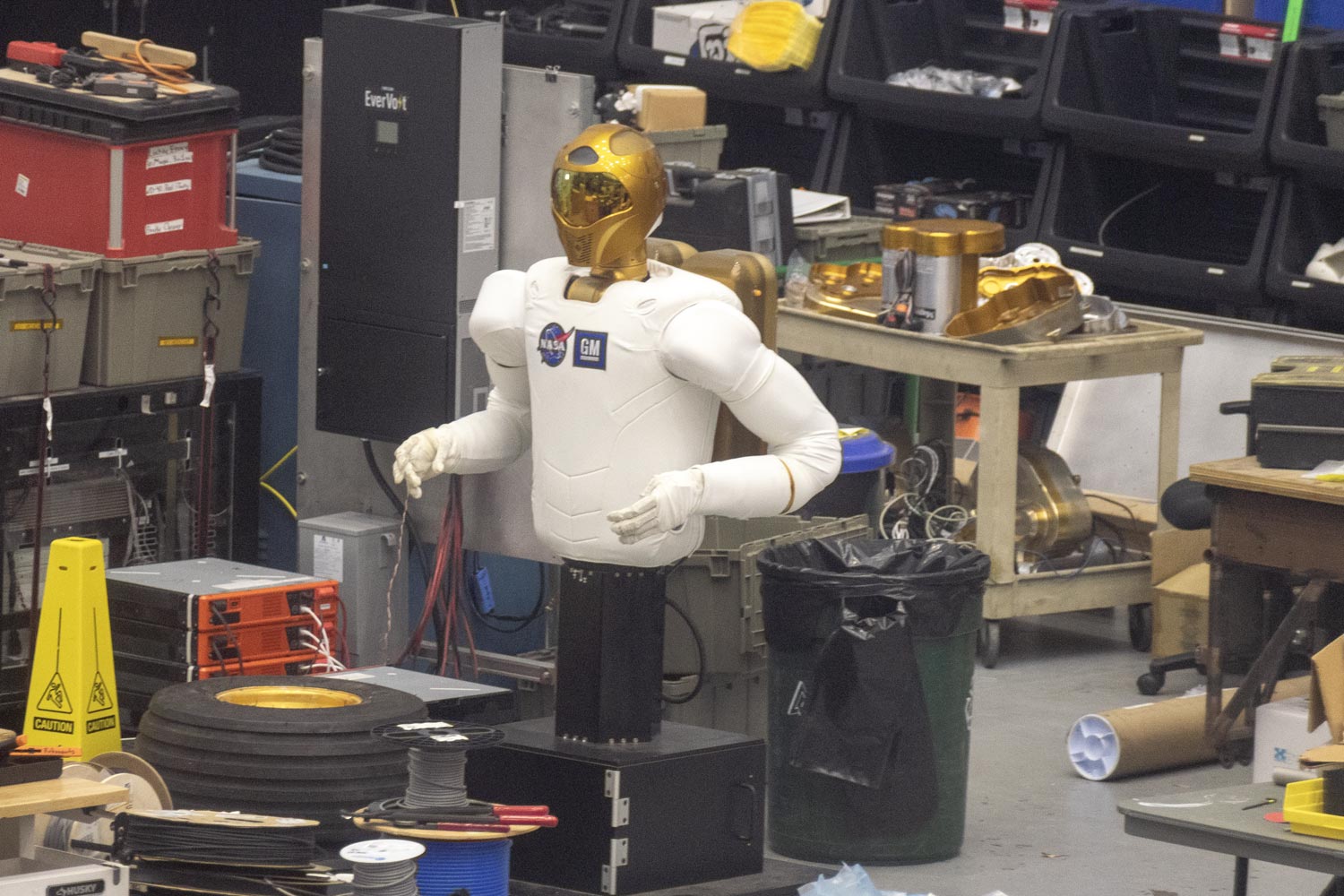
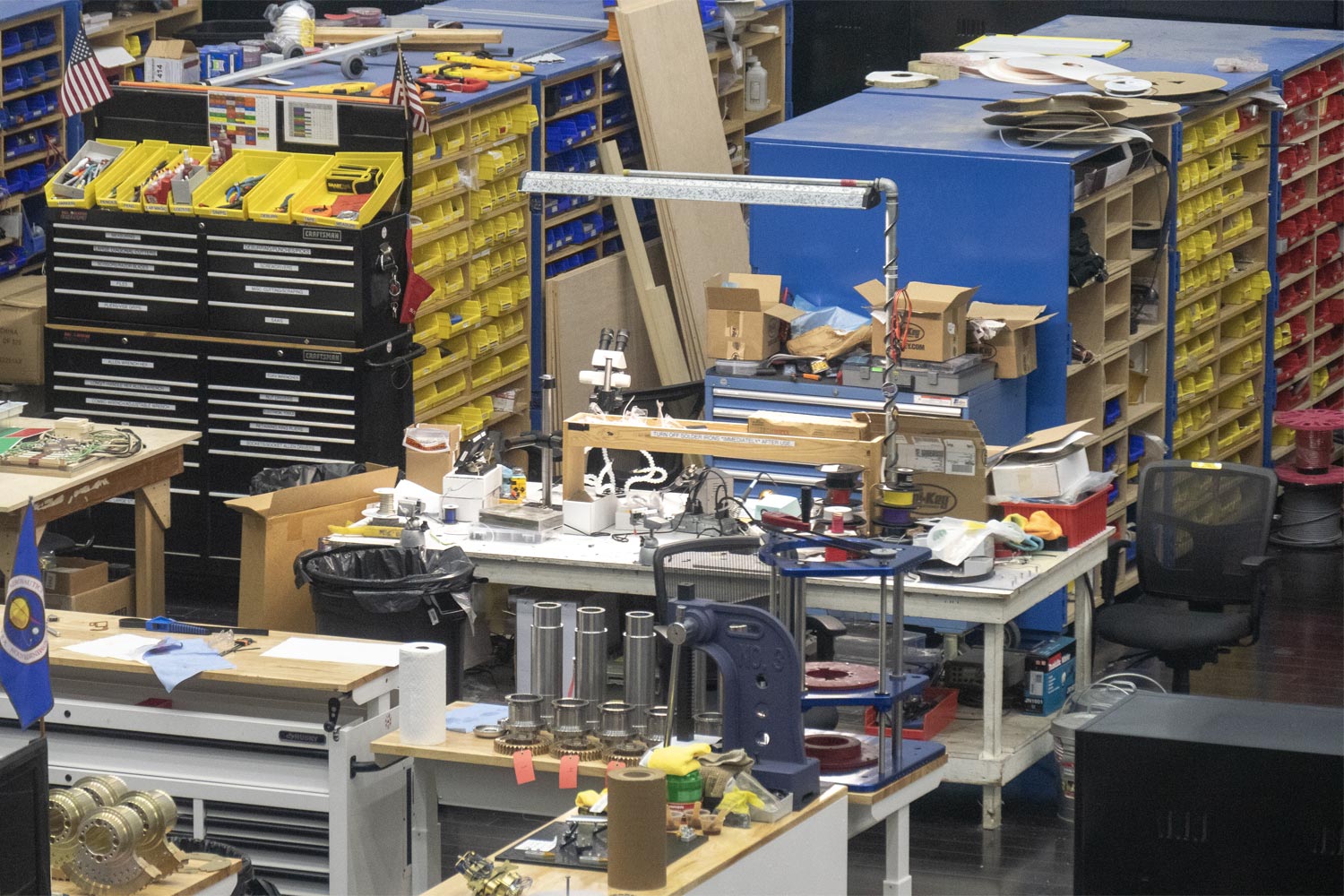
The workbenches are cluttered with equipment, tools, machines, nuts, and bolts. Dozens of yellow little drawers stick out of the cabinets like honeycombs, and one can only guess what they contain.
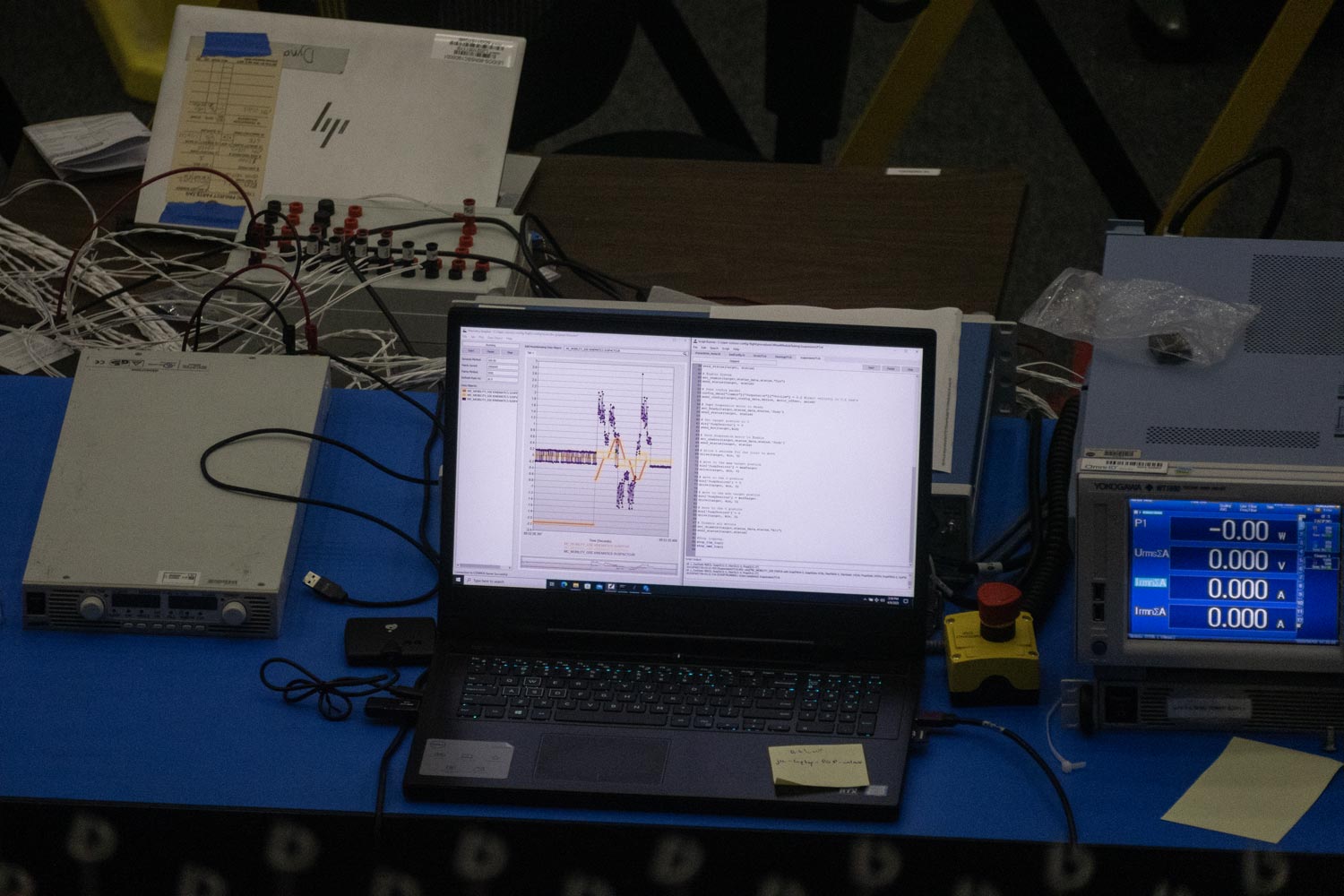
With a telephoto lens, one can even try to make out what’s happening on the computer screens. In the right window, you can see code in a C-like language. In the left, there’s a graph of some kind of telemetry.
Anyway, let’s not give away NASA’s secrets. Who knows — maybe Chinese hackers are reading my stories? Have a good flight, Houston!