
Miami
Miami is Florida’s main city and Americans’ top domestic resort.
Miami is an exclusively tropical city with an extremely hot and humid climate. The author spent two weeks here and was afraid to go outside any more than necessary. Filming a report at 32 °C and 100% humidity was unbearably hard. And it was only the beginning of May.
At the same time, Miami is one of the most vibrant, high-energy, and overall best cities in the U.S., along with New York and San Francisco. And Boston. And Chicago. And San Diego. Nah, never mind.
Downtown
Downtown Miami is medium-sized and not very interesting, but it’s tropical.
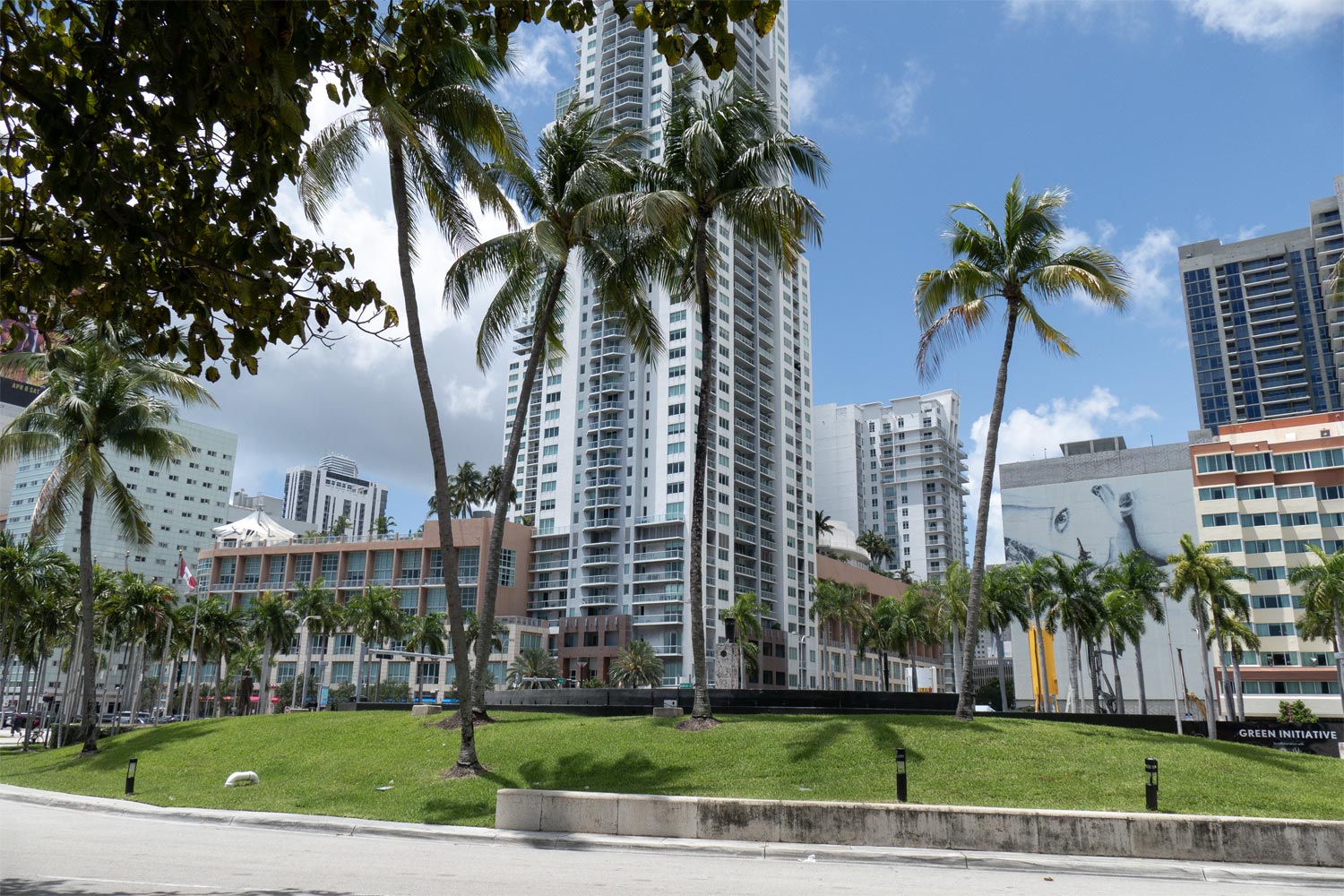
In southern cities, it is customary to build skyscrapers in a light azure color. High-rises in sea-like shades can be found in Miami and San Diego, as well as in other countries — for example, in Panama.
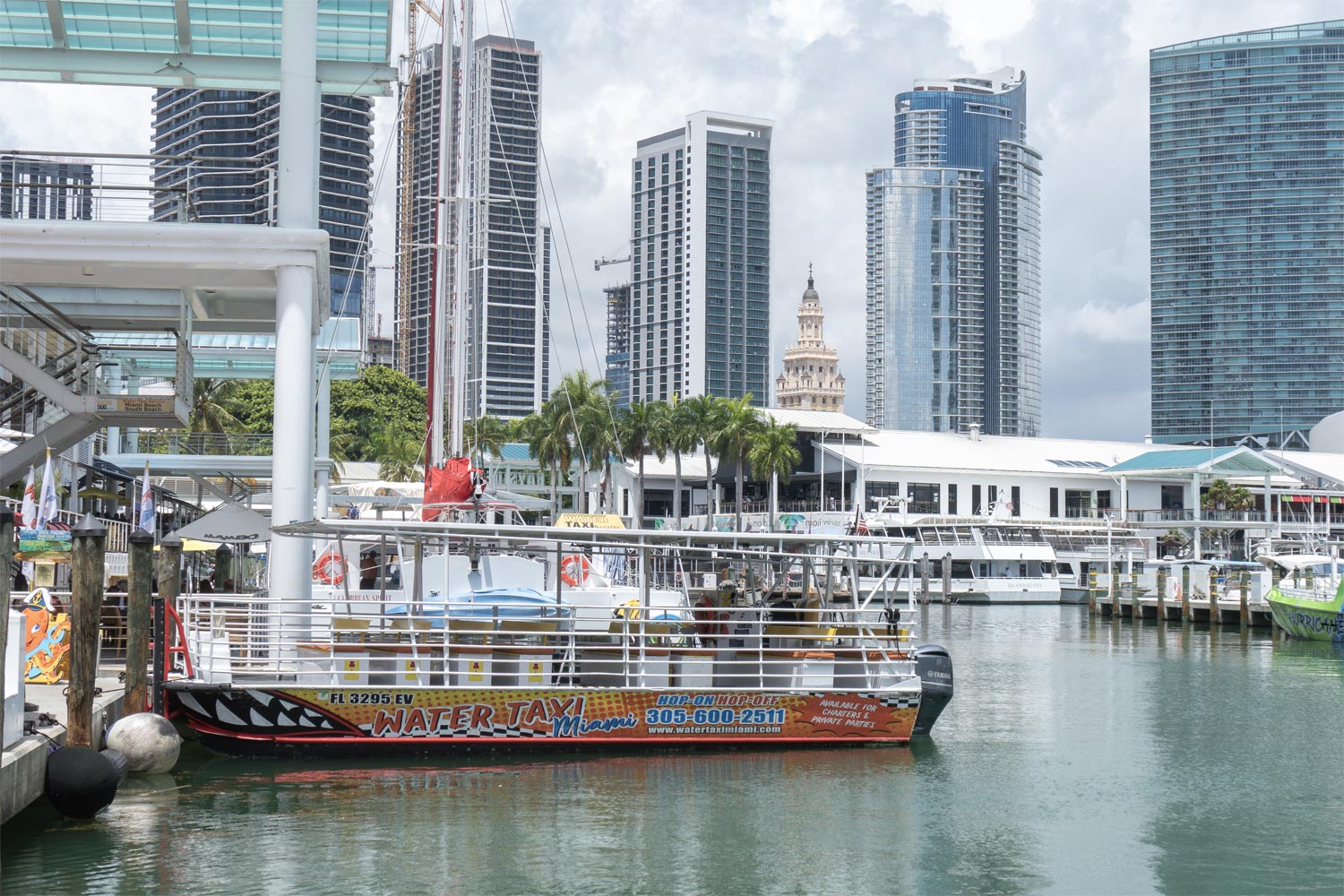
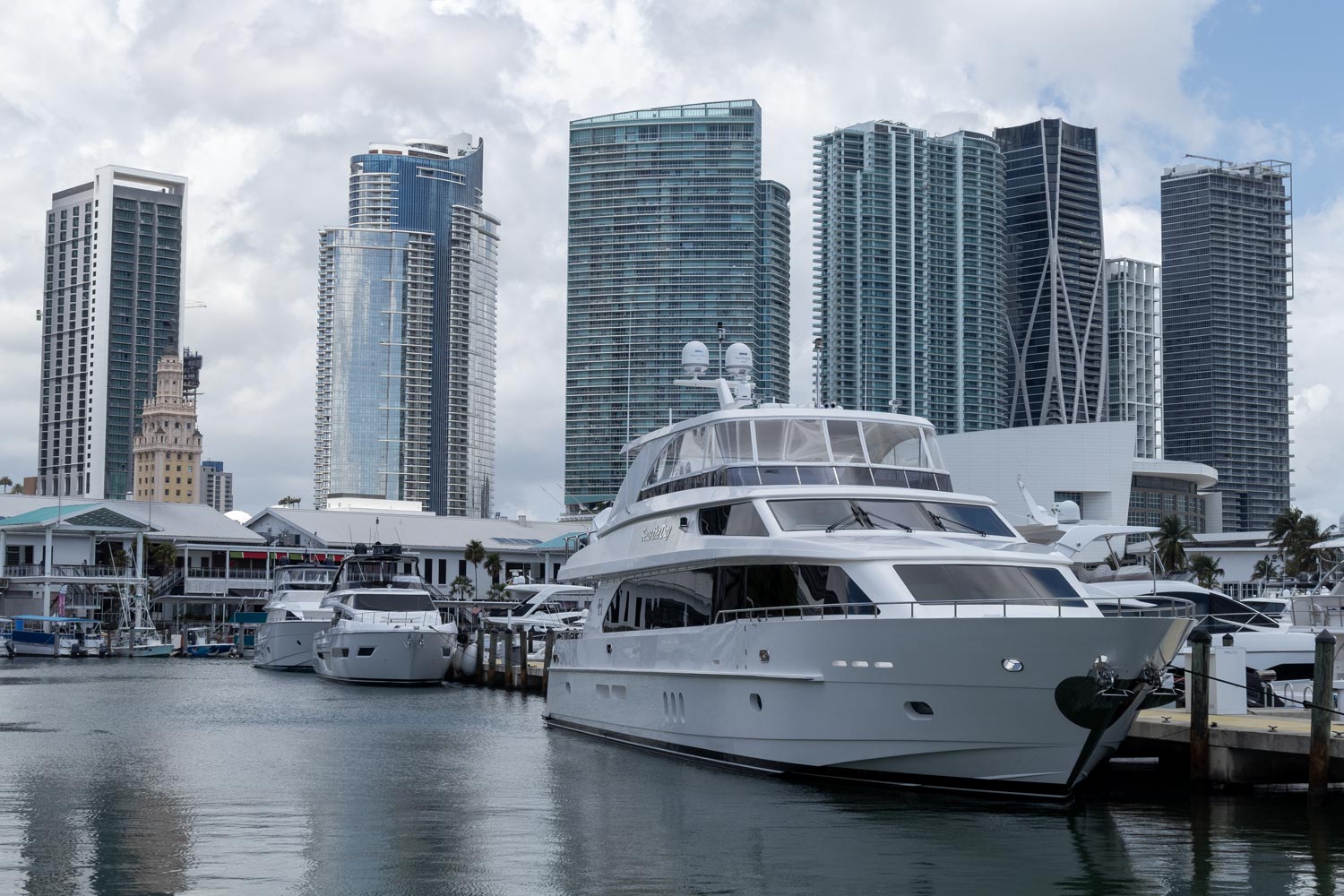
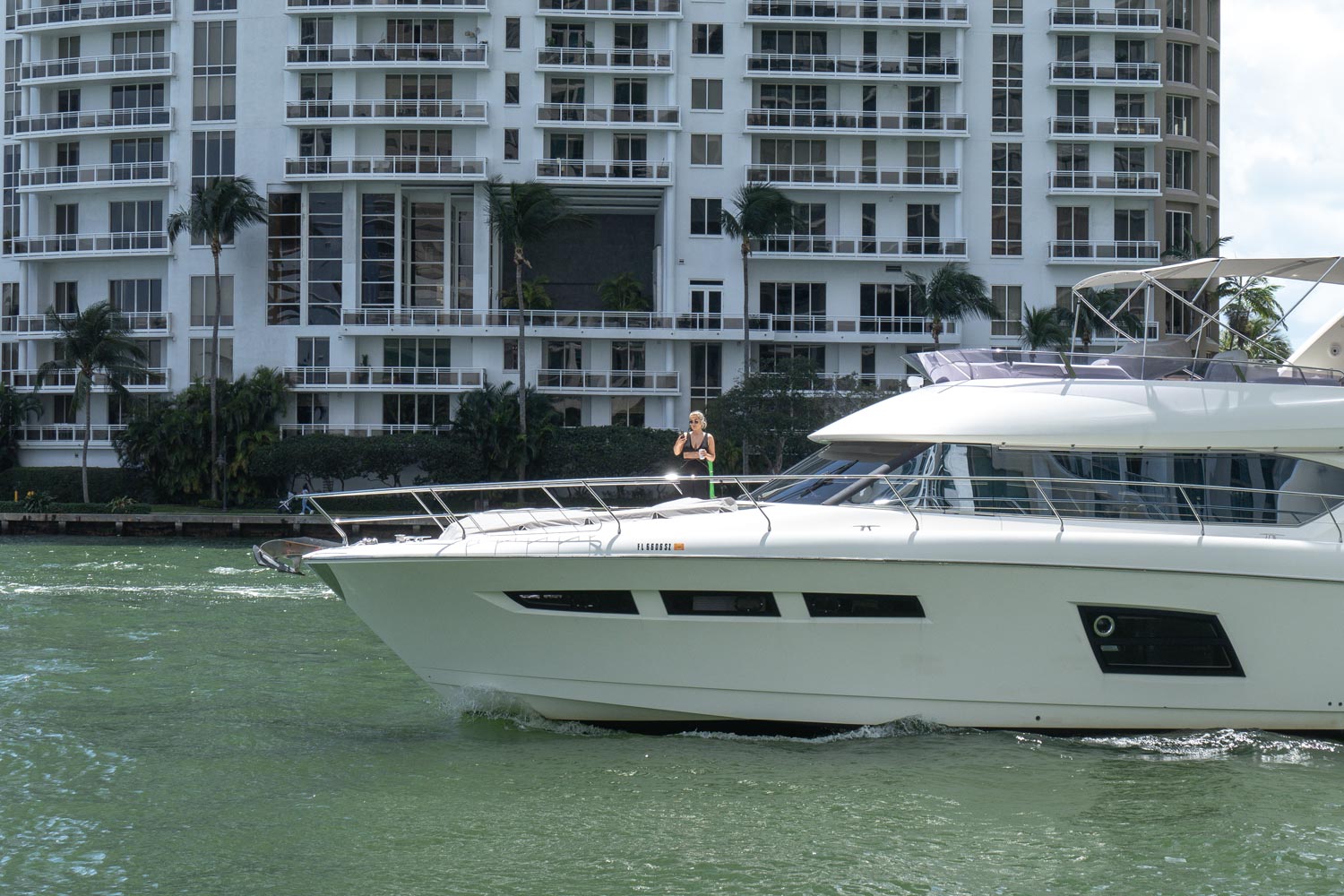
Downtown opens directly onto the marina, where millionaires’ yachts are moored.
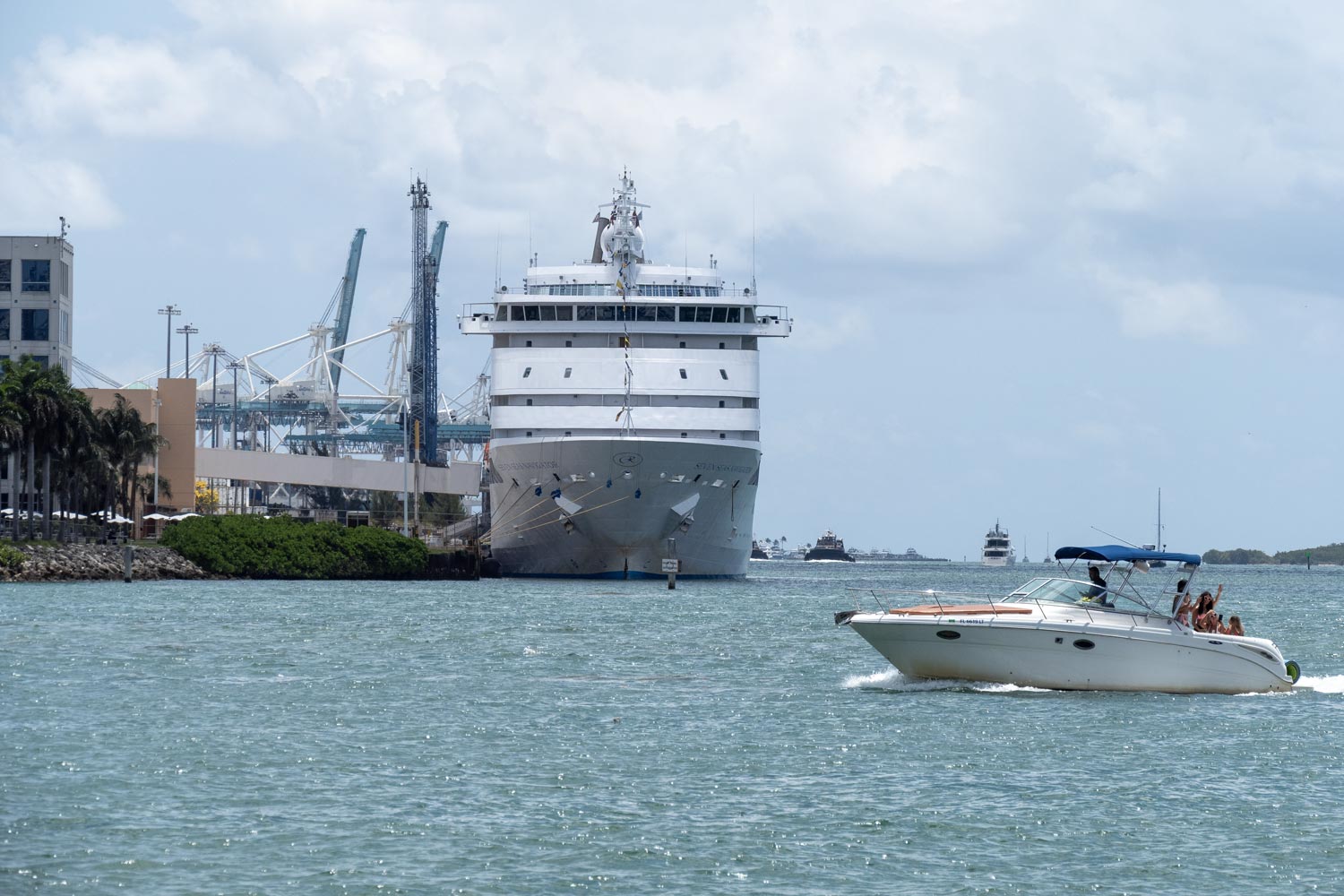
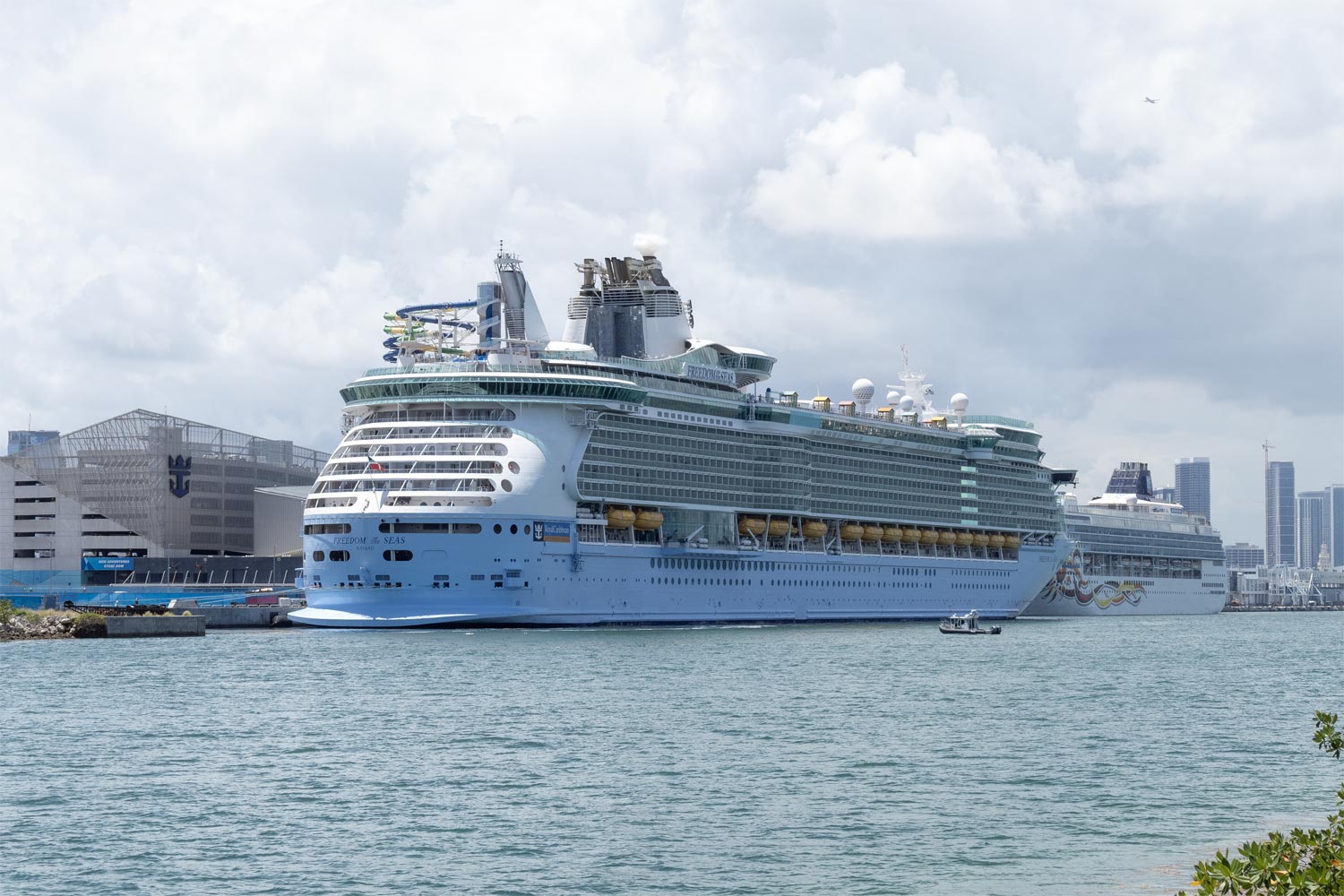
Not far away, you can also see the port with large cruise liners, which — by the dozens, every day — set off from here toward the Caribbean islands.
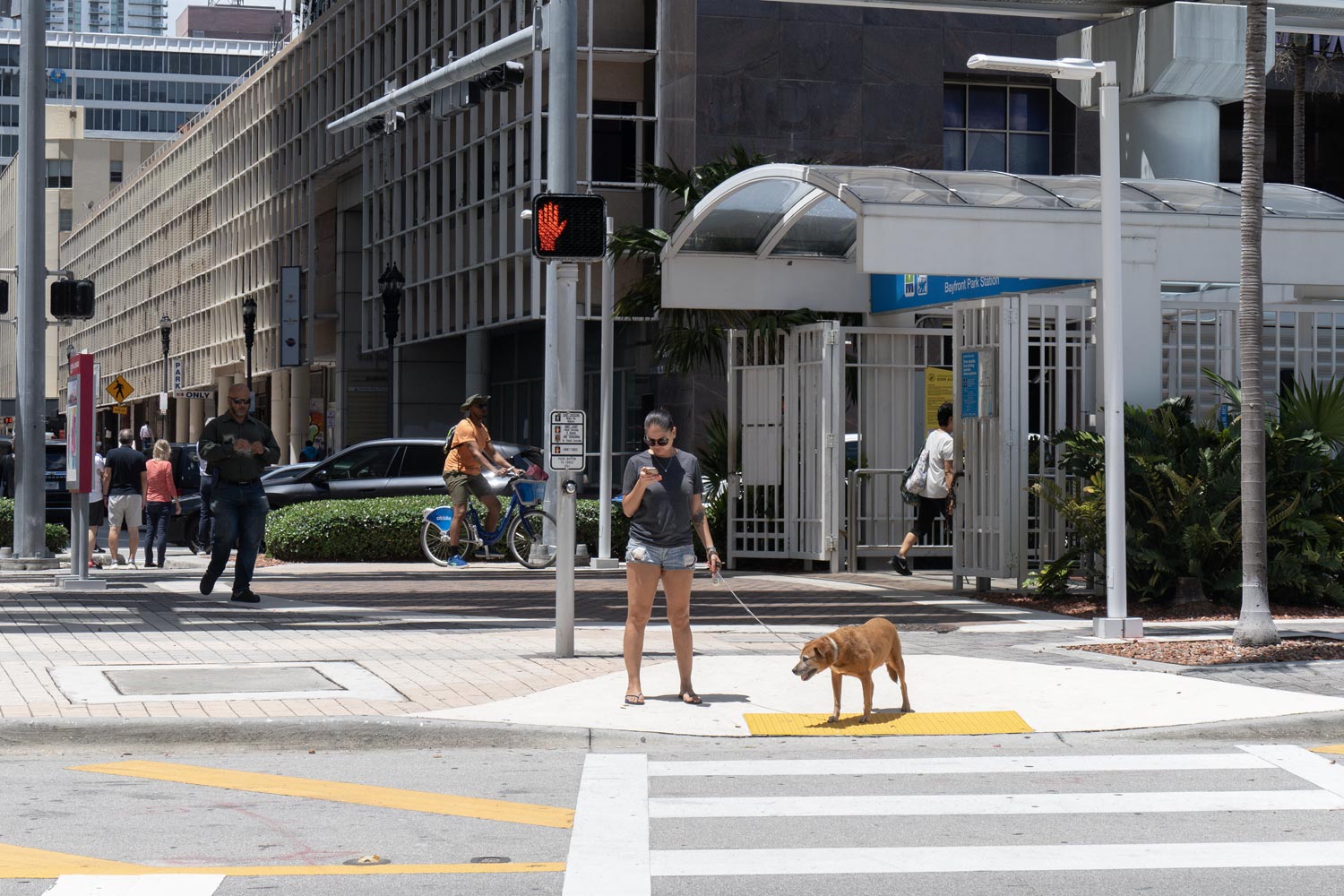
There’s absolutely nothing to do on the streets of downtown. Unlike the center of somewhere like Houston, in Miami many of the skyscrapers are residential. Naturally, a particular sort of crowd lives here — middle-class people with aristocratic pretensions and no taste.
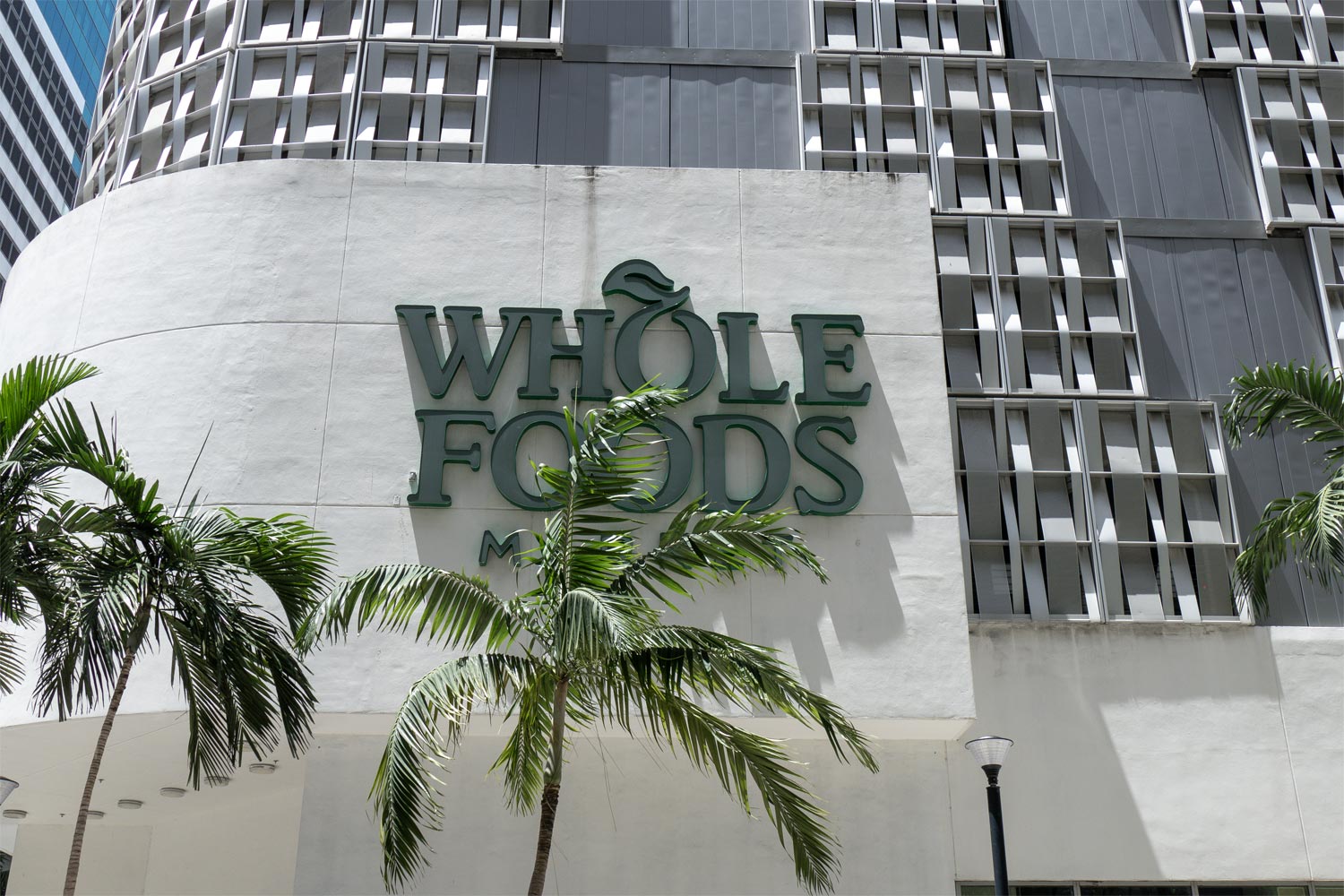
They shop at Whole Foods, a premium supermarket chain specializing in natural products.
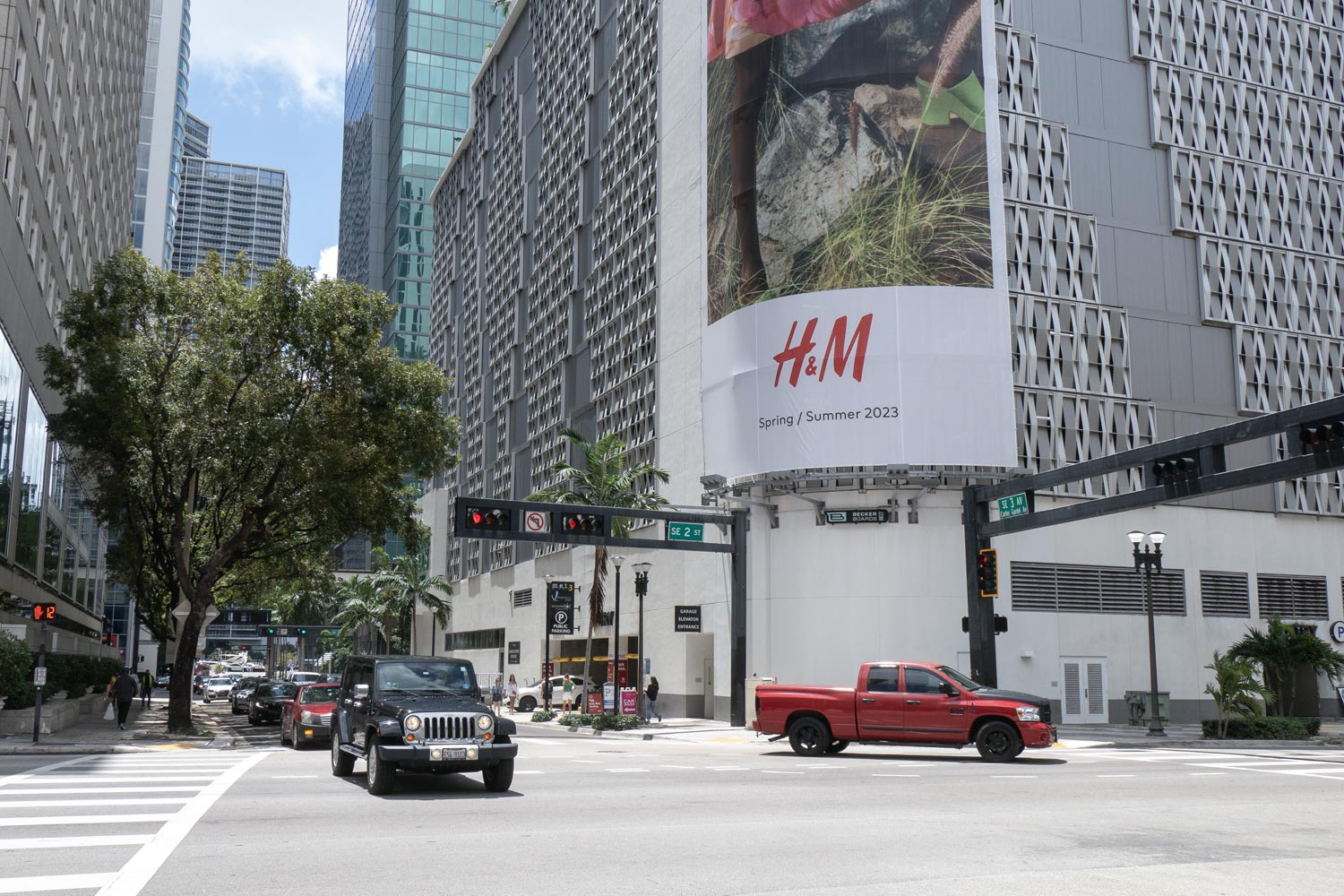
They dress in Swedish mass-market H&M, because after Whole Foods there’s no money left for anything else.
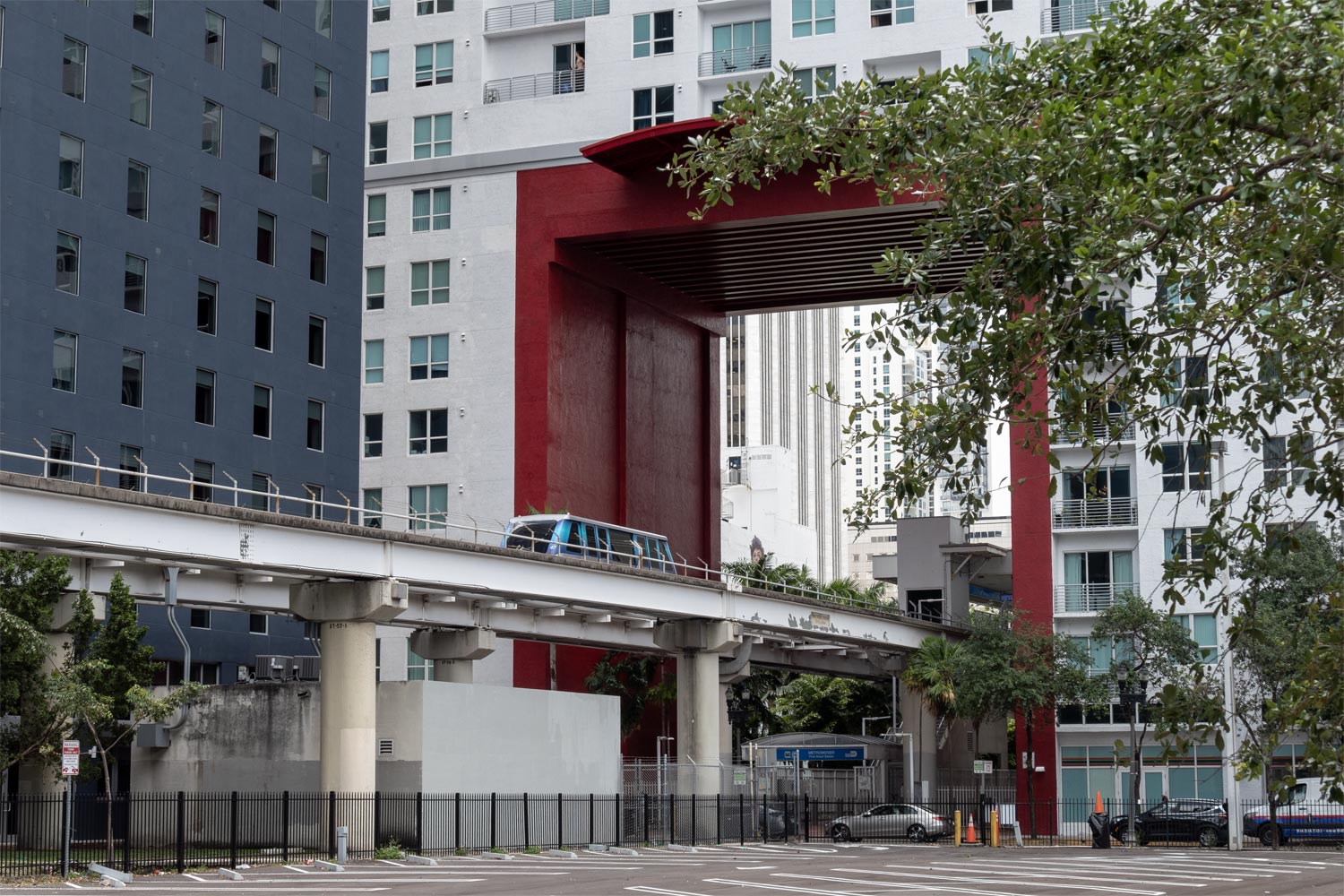
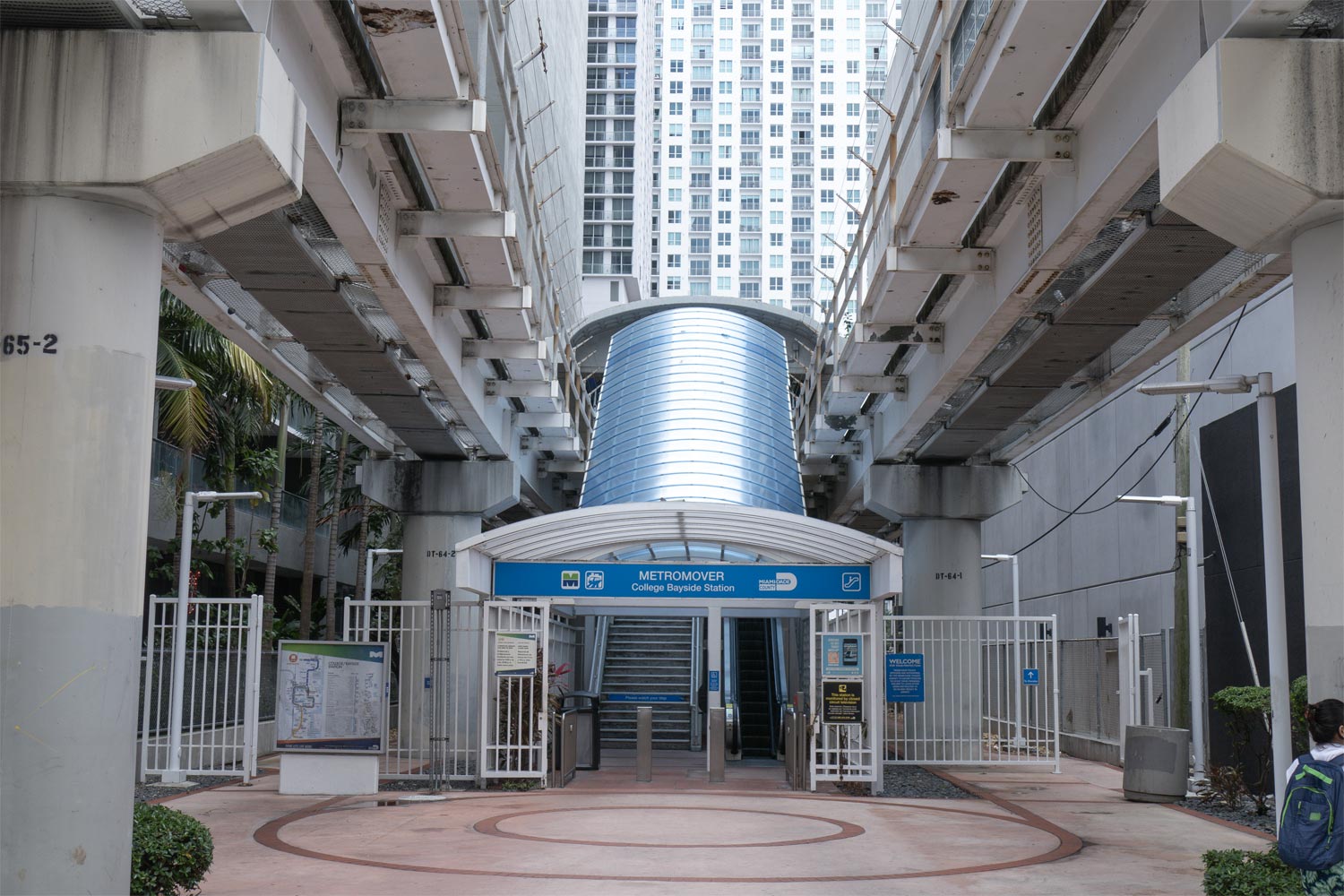
Amid the skyscrapers, unexpectedly turned up a monorail.
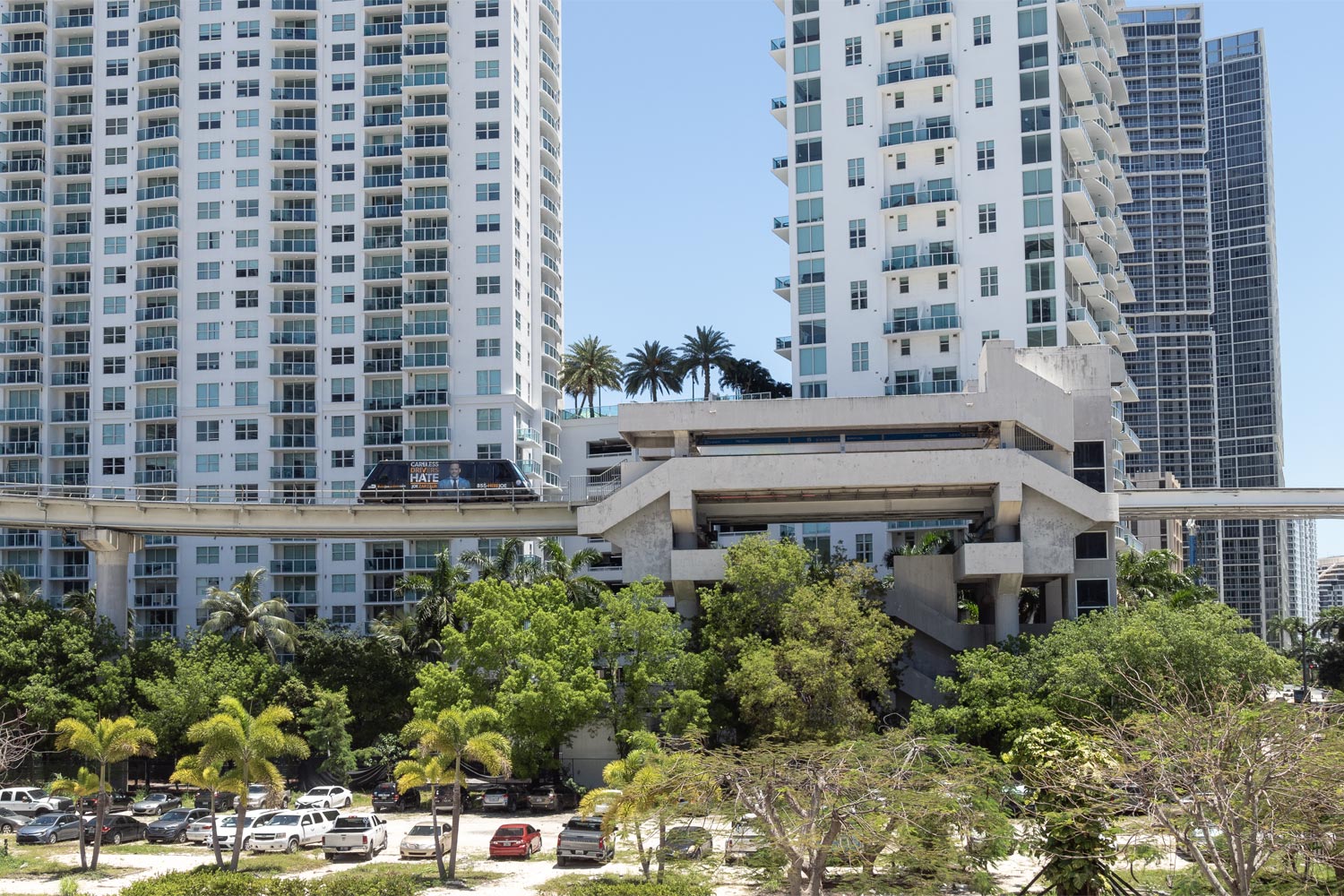
Even more unexpectedly, this monorail runs right through the a huge hole in skyscrapers. Almost like a modern-day “wonder” in China — only this one was built in 1986, back when in China they were weeding plots with hoes.
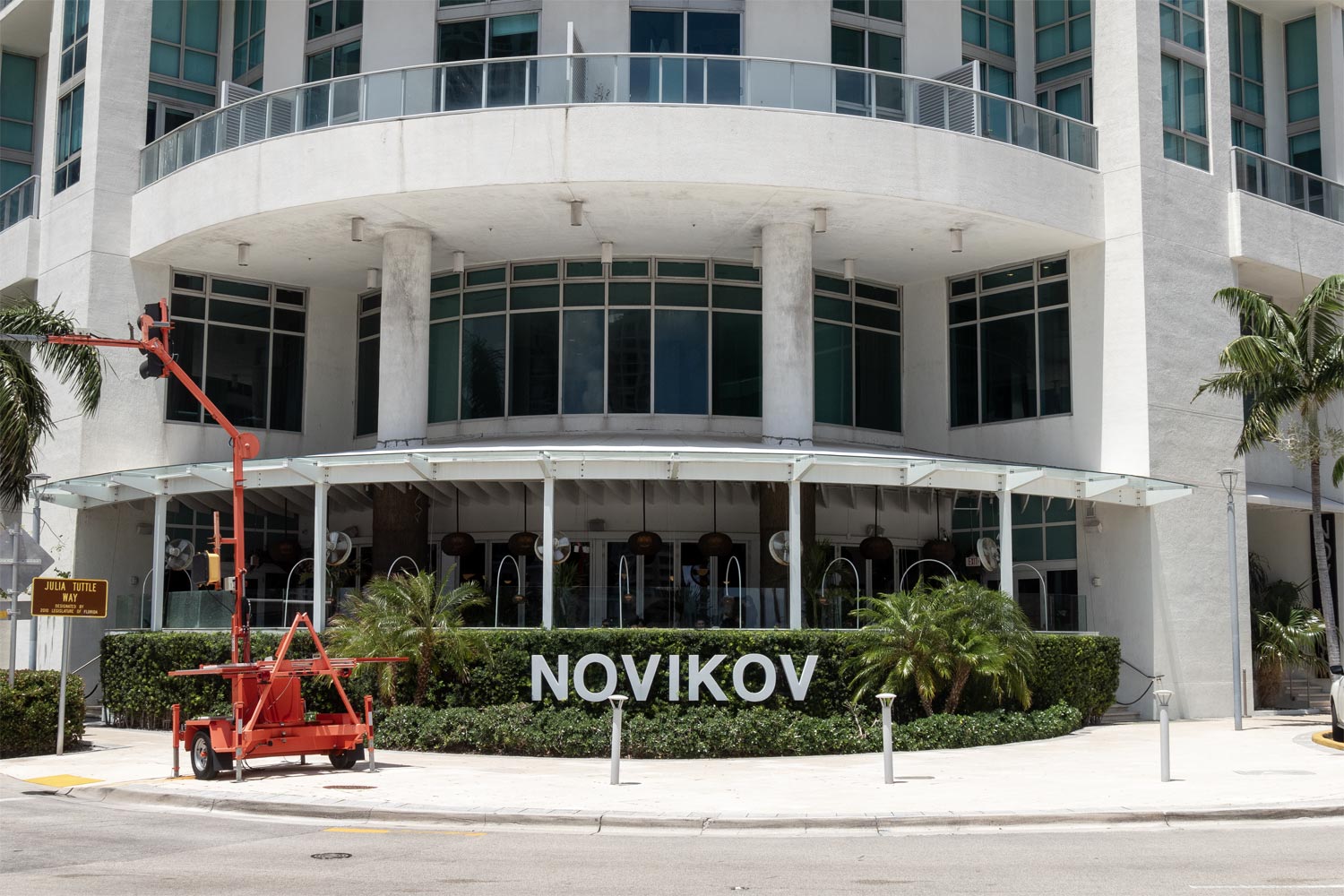
On the tip of downtown, facing the bay, turned out a restaurant owned by Arkady Novikov, a well-known Russian businessman.
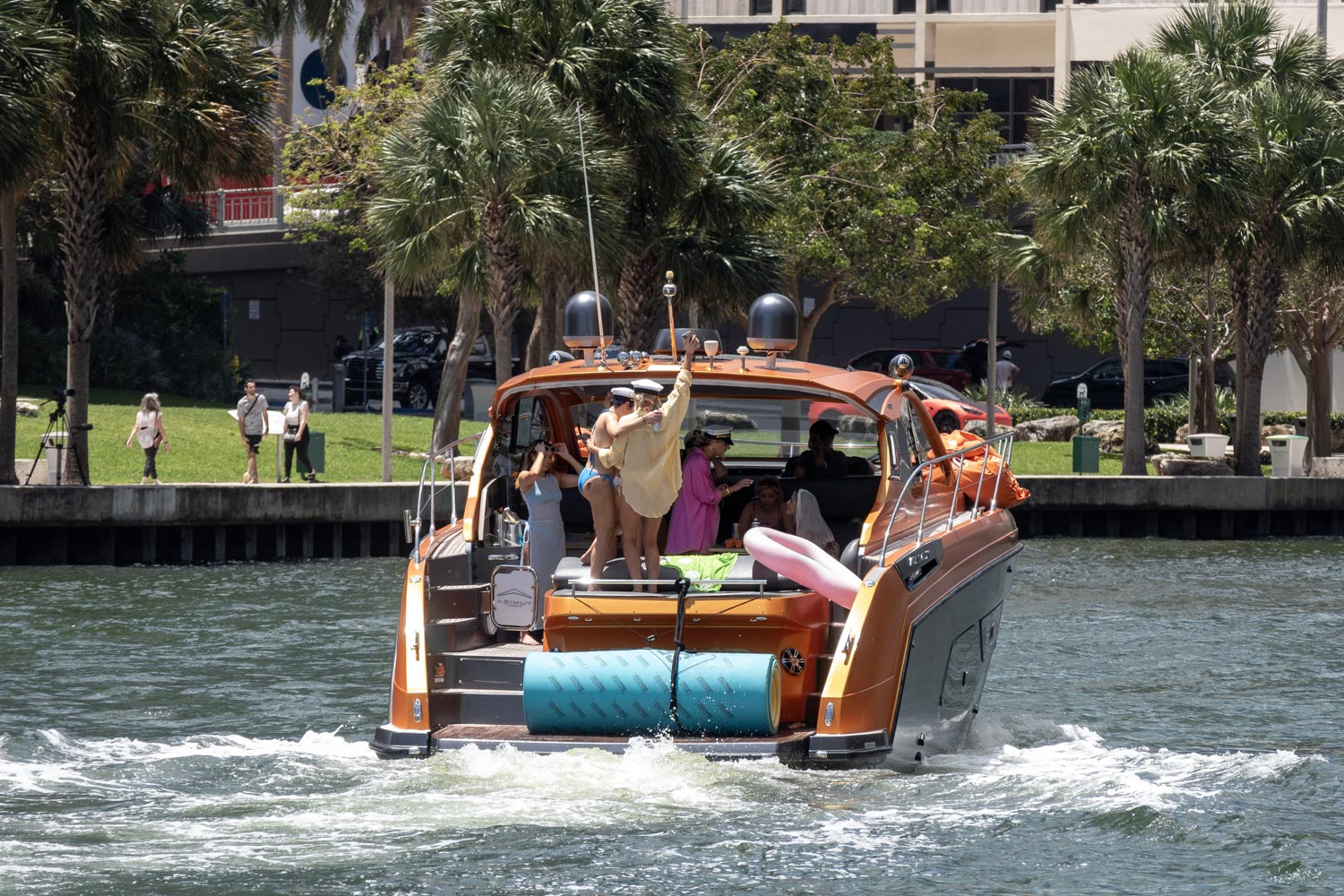
Boats rented out for the day were cruising around the bay itself, and on their decks people were cheerfully celebrating something to 1980s music.
More expensive yachts were having a completely different atmosphere on board.
Star Island
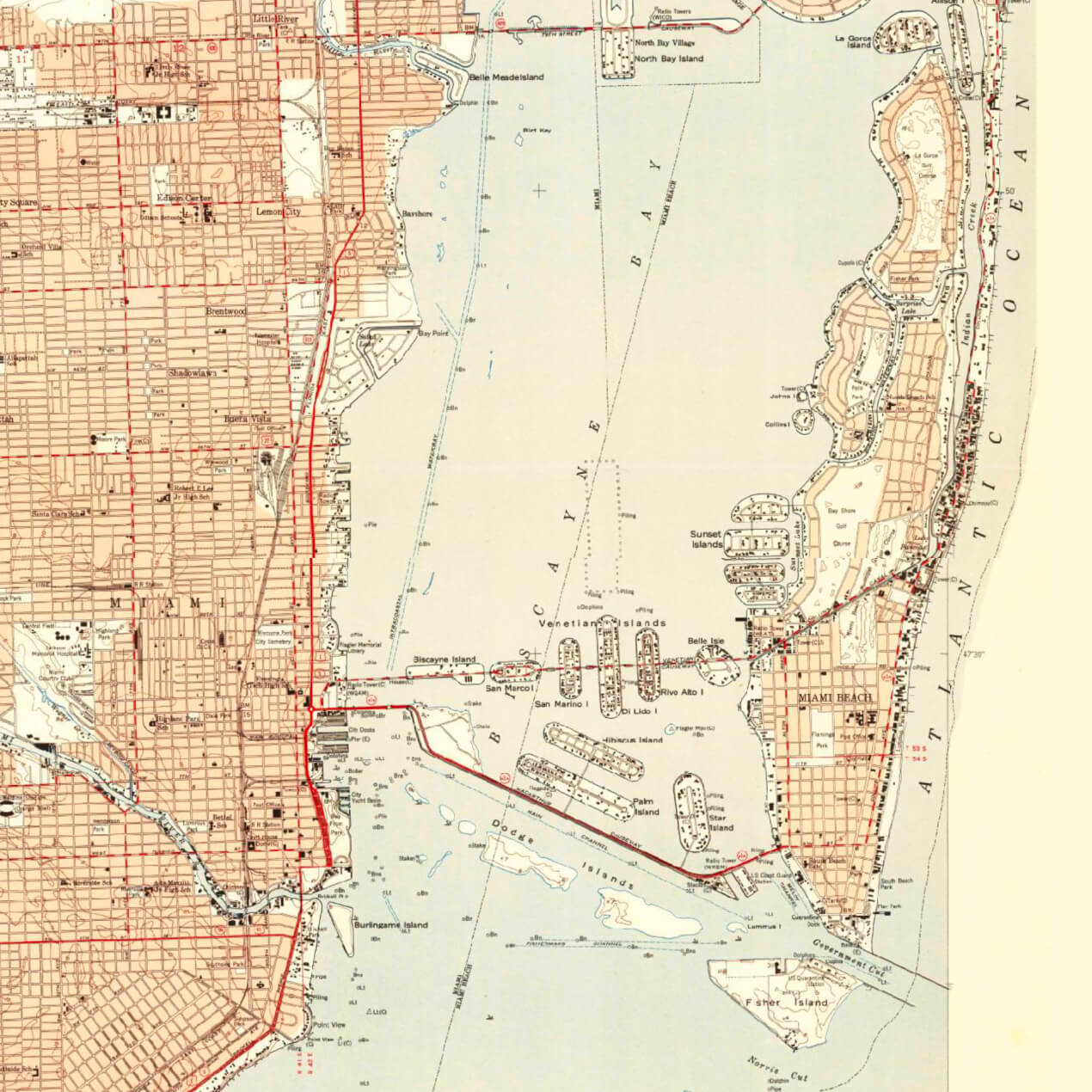
The city of Miami consists of two large parts: the mainland, where Downtown is located, and a chain of man-made barrier islands called Miami Beach. The mainland and Miami Beach are connected by a number of bridges, some of which pass by other, smaller islands... Nah, it’s easier to show it:
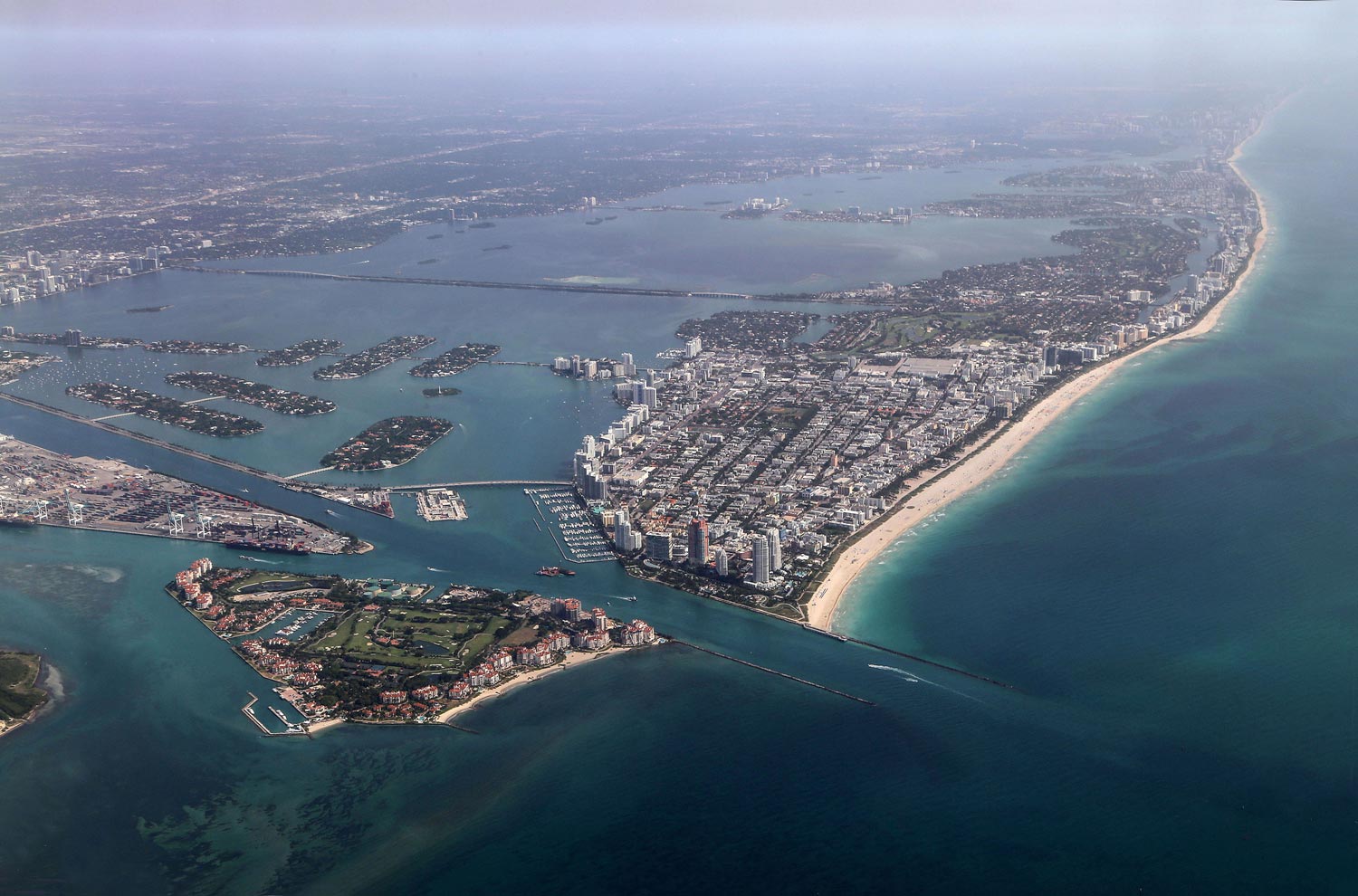
Miami’s landscape is unique and perfectly suited for films and video games. Of course, the most famous of them is Grand Theft Auto. And the most famous island in this game is Starfish Island.
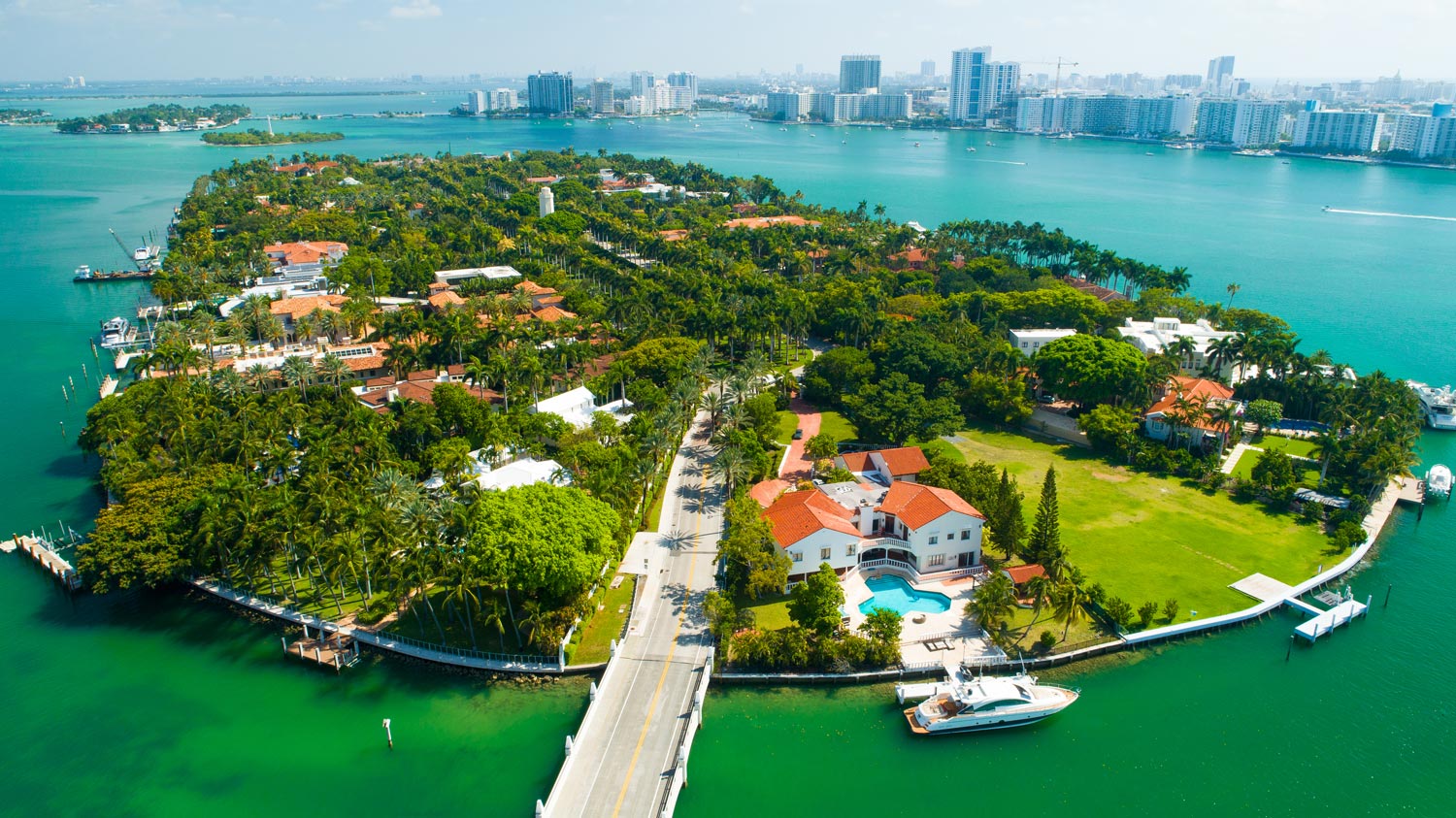
Like other locations in the game, the island is copied from the real Miami, where it is called Star Island. On the island, just like in the game, stand billionaires’ villas.
One can get to the island by a regular bus. You need to get off at the stop in the middle of the bridge and walk a little to the side along its branch.
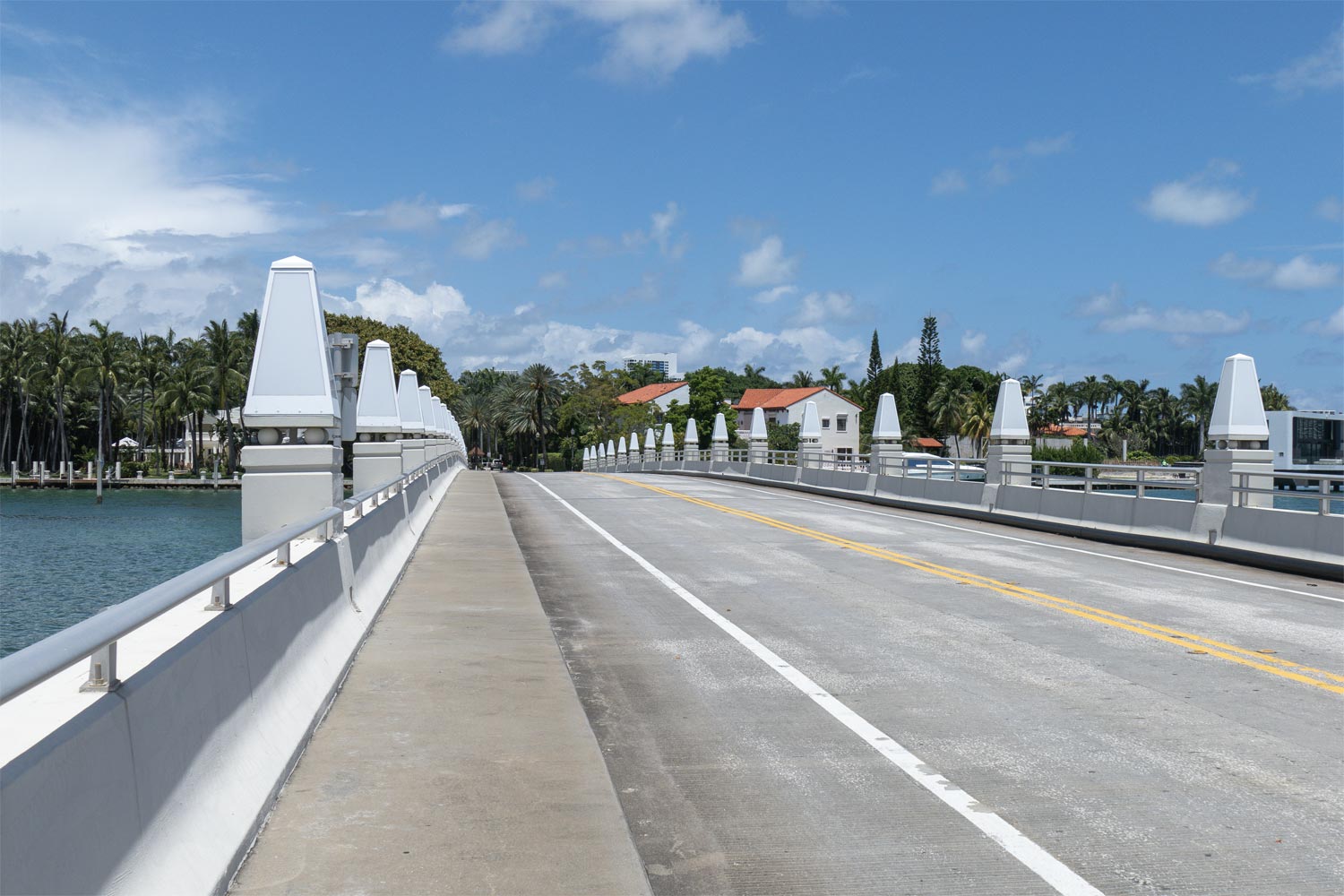
Alas, you can either not get onto the island itself at all, or you can, but only with a scandal.
At the entrance there’s a security guard and a police car on duty, and they let through only island residents. Some folks say that by law they have no right to do this, and that if you press them you can get onto the island, but the author chose not to trust rumors or pick a fight with the American police.
A couple of houses can be seen even without going onto the island.
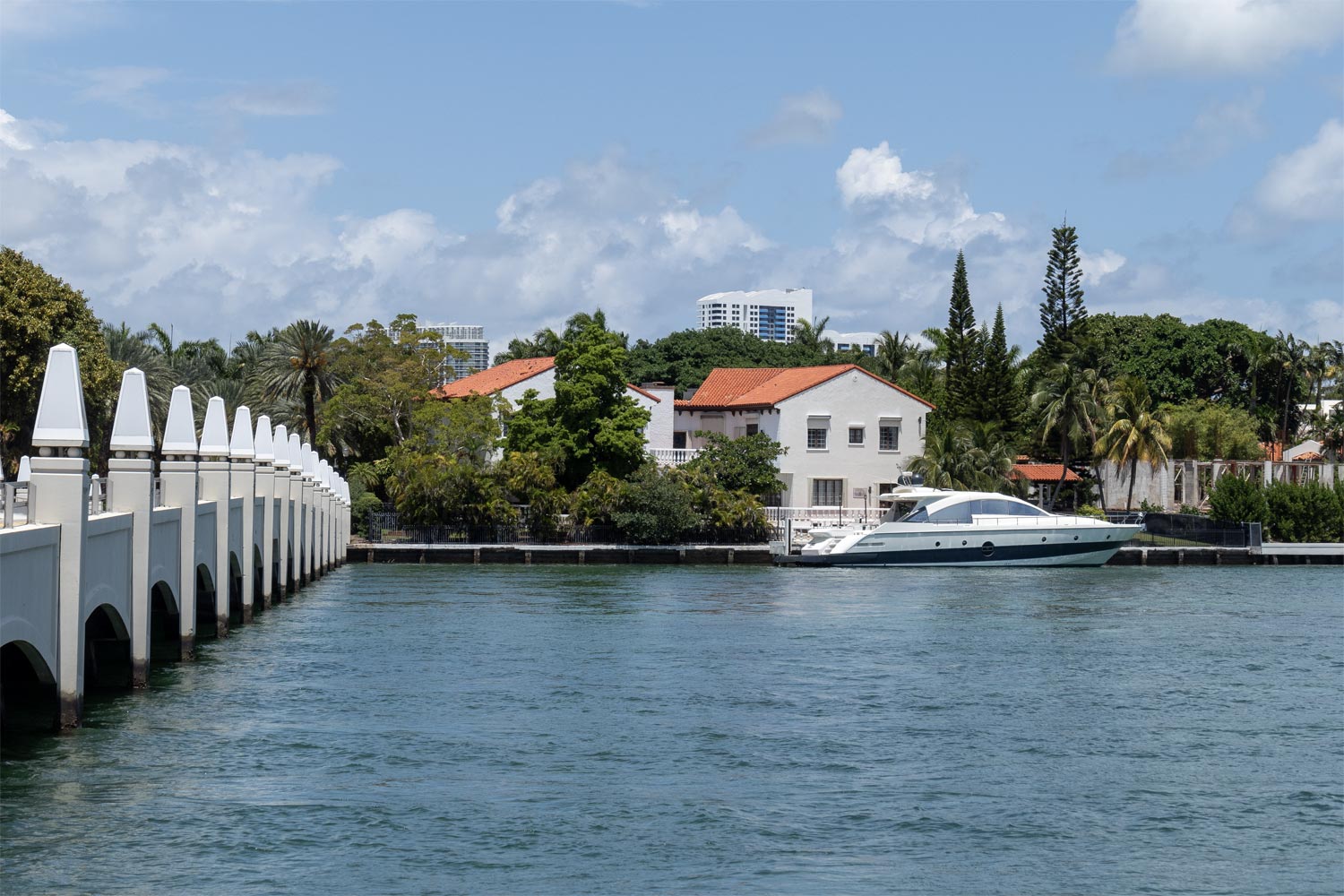
Celebrities and businesspeople live on the island. Among them are the singer Jennifer Lopez, the basketball player Shaquille O’Neal, and the billionaires Philip Frost and Vladislav Doronin. Someday the author will buy a mansion there too. I swear, I’ll rent it out on Airbnb to troll the security guard.
Miami Beach
After crossing the bridge and continuing on, one arrives at Miami Beach.
Despite its name, Miami Beach isn’t just a beach at all, but a huge residential part of the city, which, of course, comes with a lo-o-o-ong beach stretching along the entire shoreline.
In a nutshell: the place is magical.
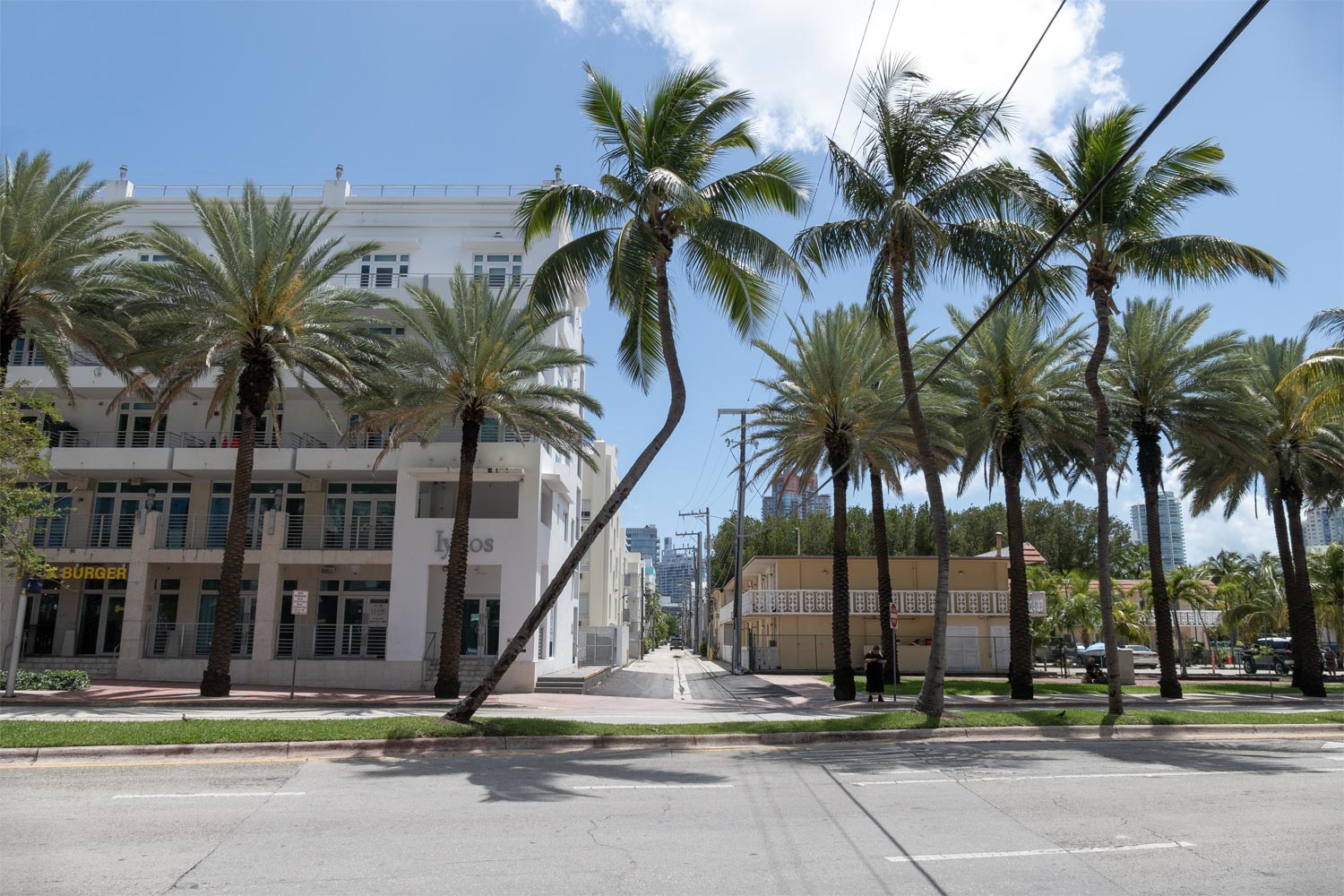
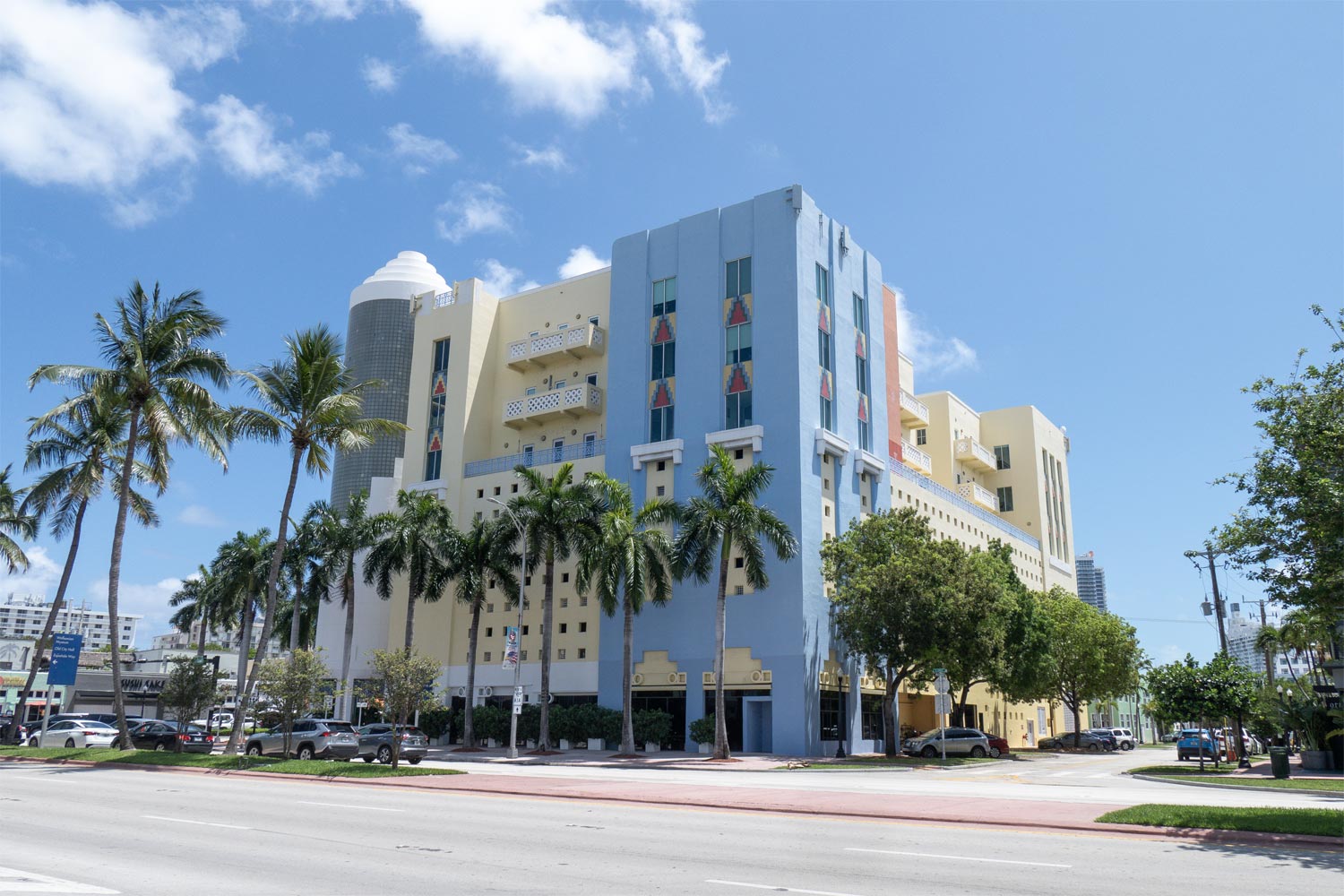
Most of the city is built up with charming houses in a style reminiscent of Bauhaus, painted in tropical colors.
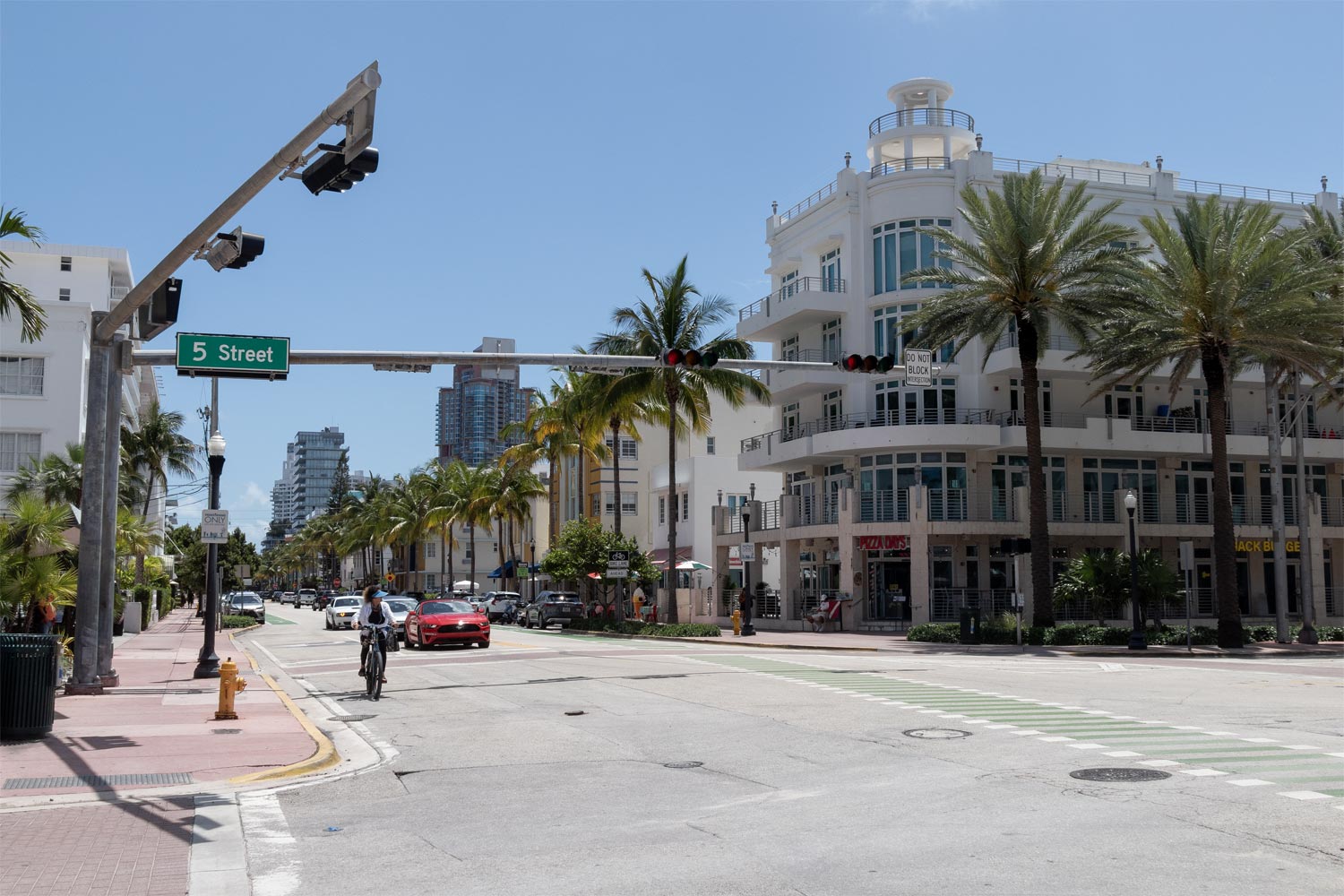
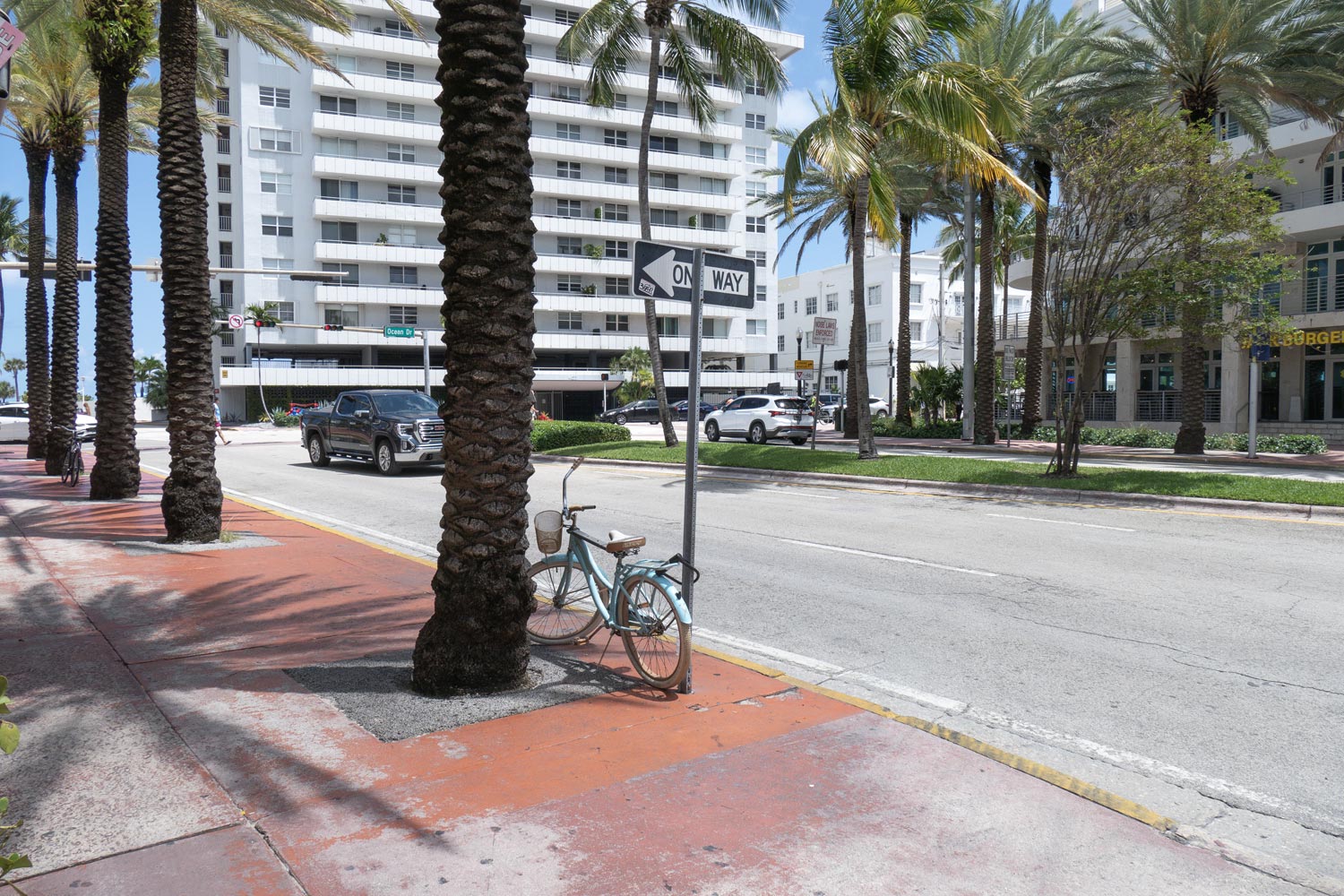
Over the roads hang American traffic lights of unreal length. The bike lanes are painted green, the sidewalks pink, and the curbs yellow.
Every frame from Miami can confidently be broken down into textures and incorporated into a video game.
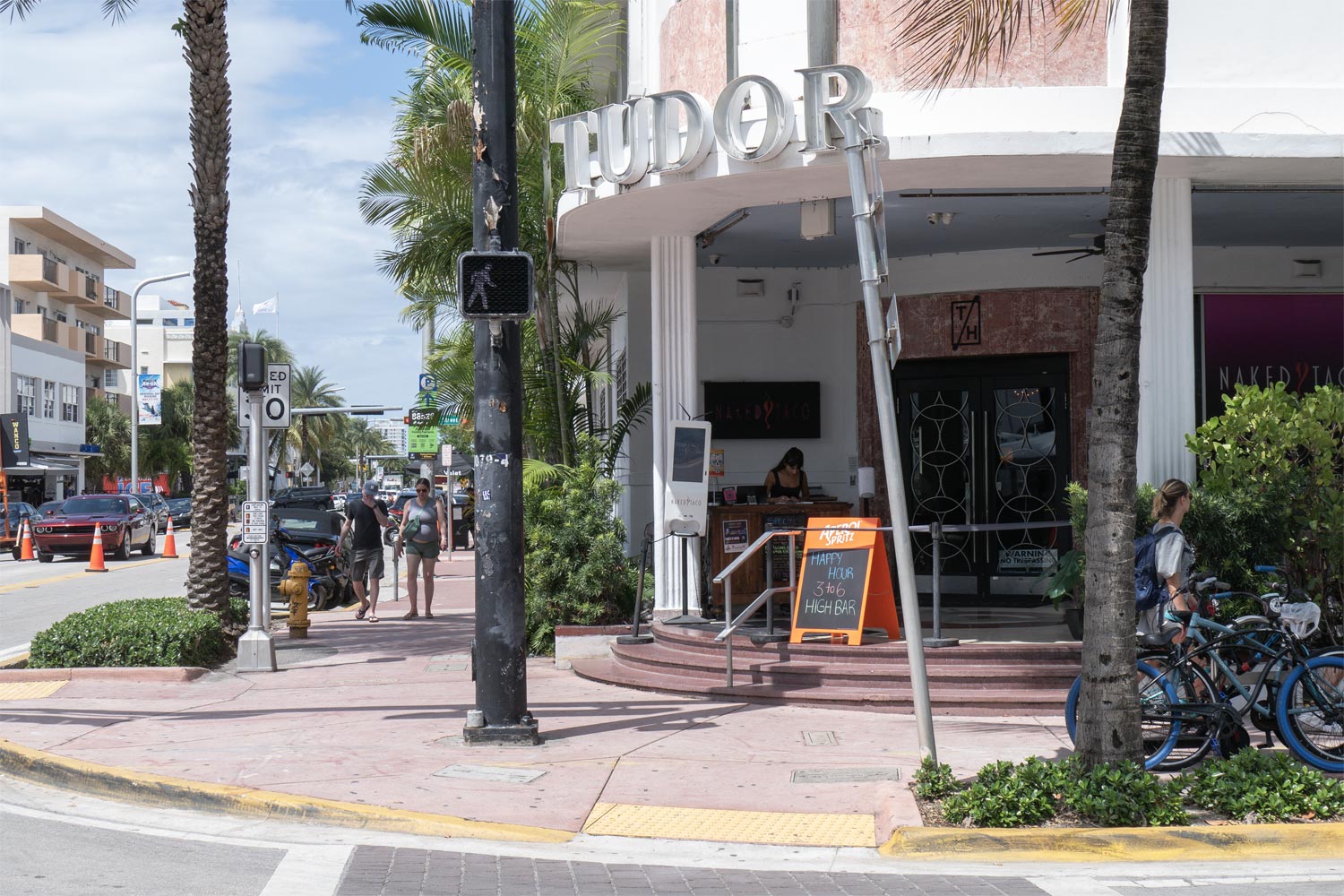
The most tropical police station in the world:
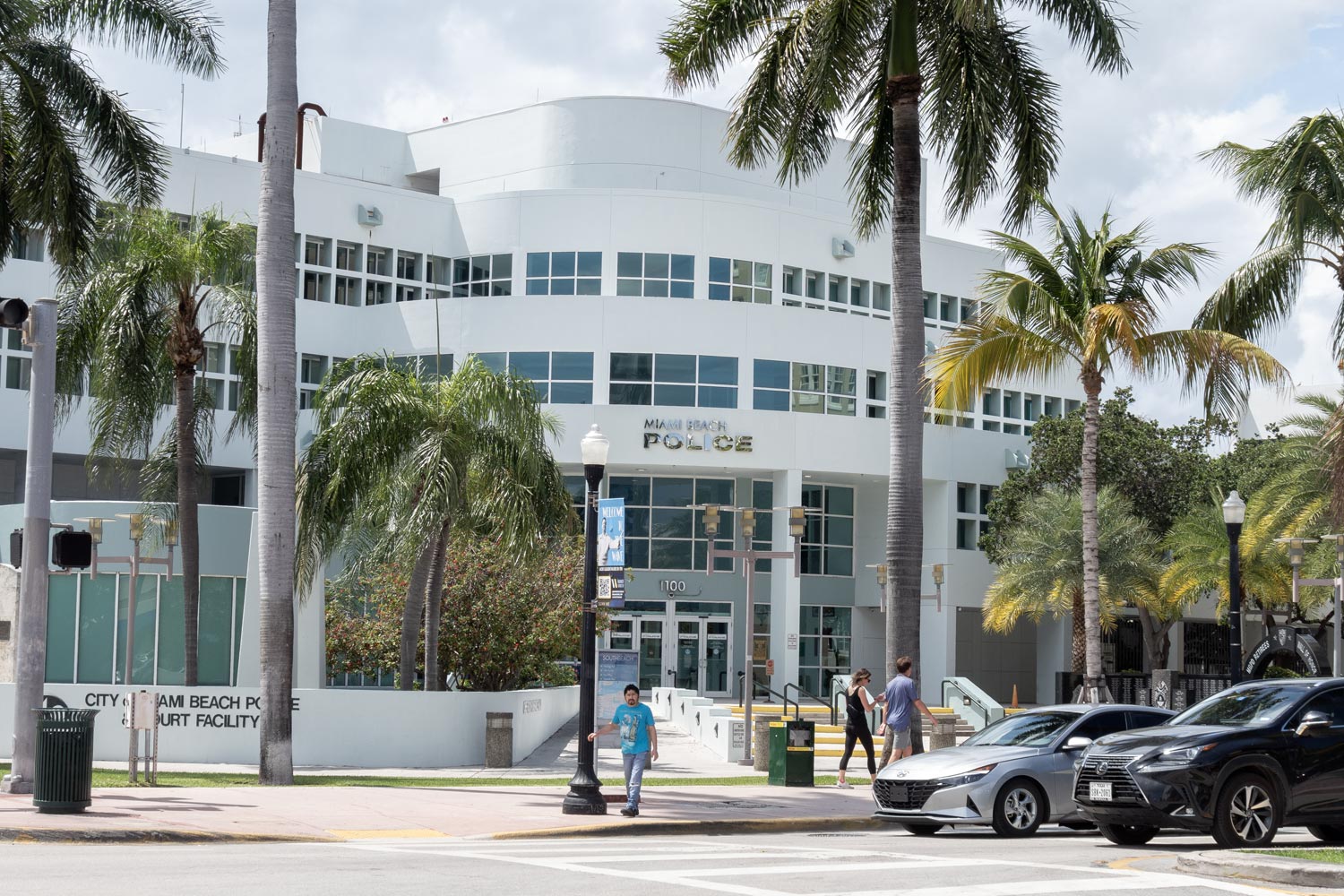
Most magnificent Art Deco examples:
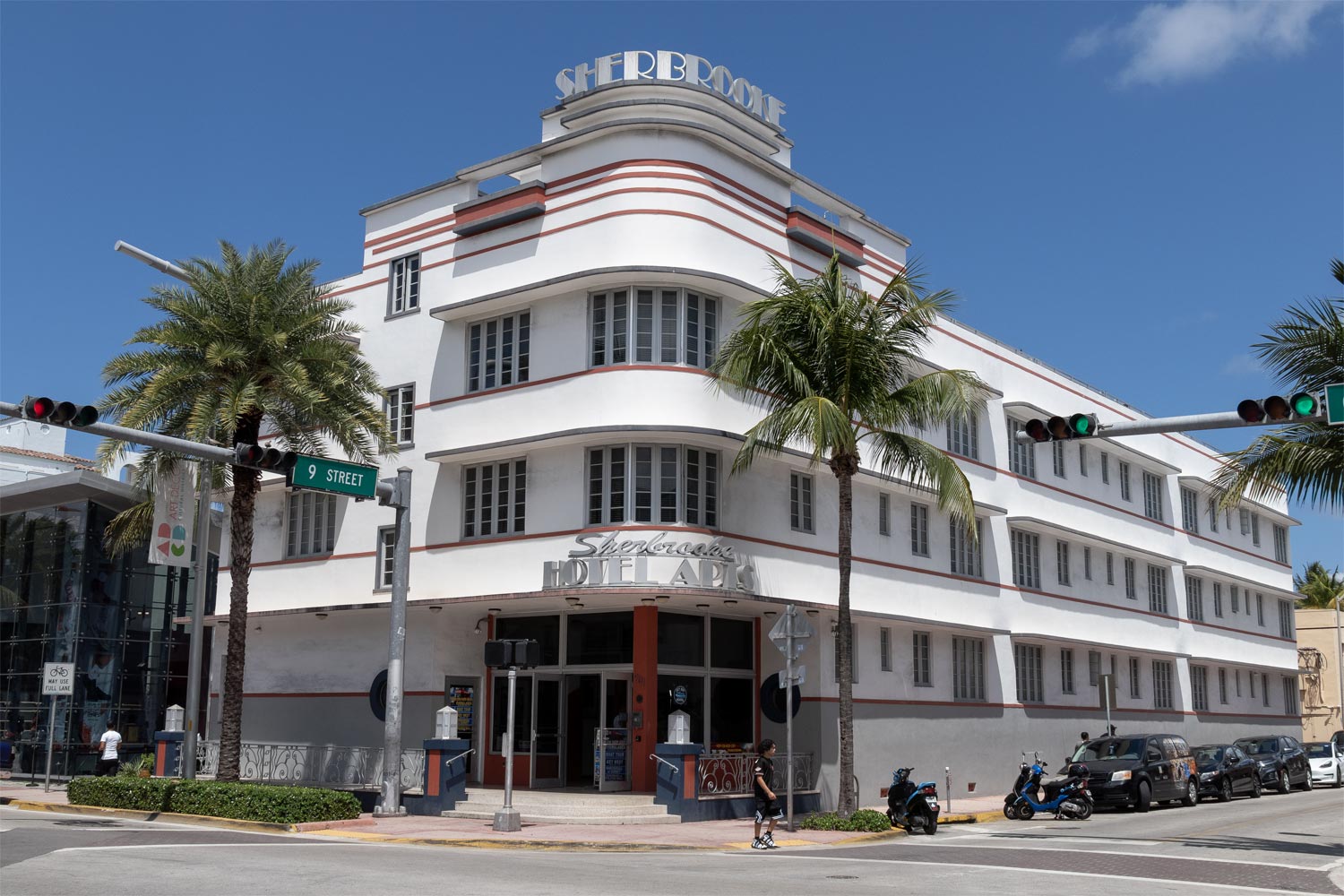
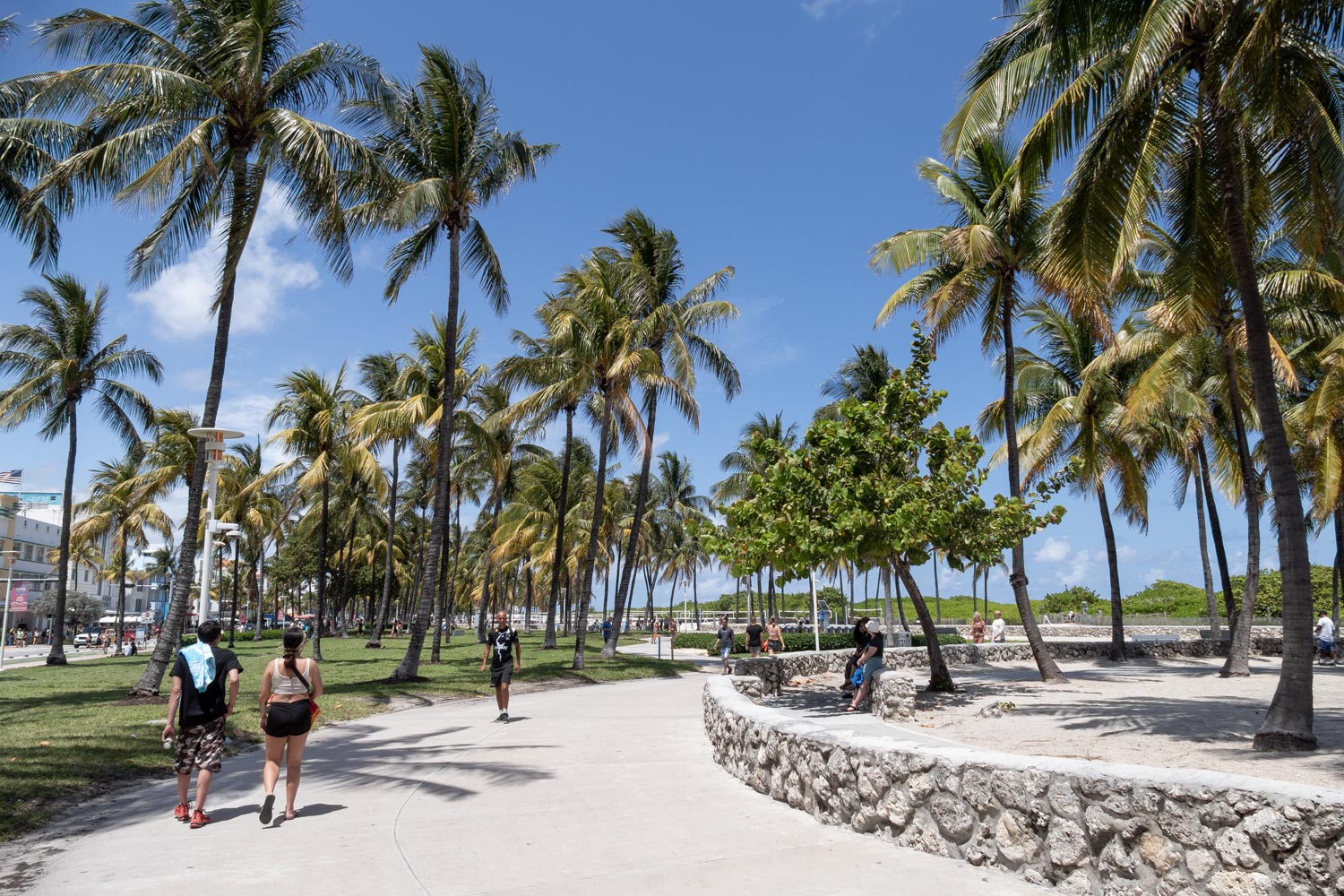
Palm trees along every street:
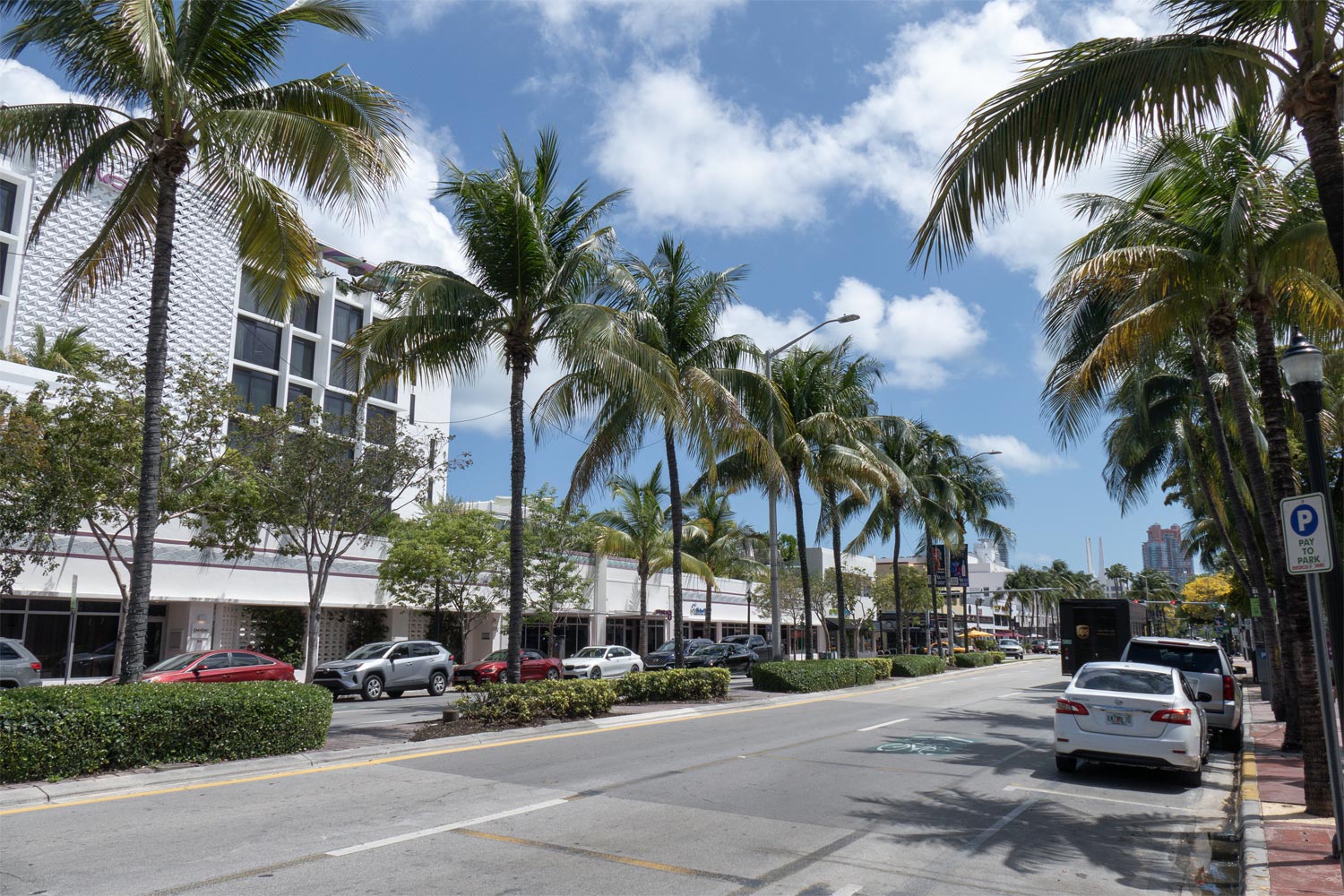
In Miami Beach, for obvious reasons, motorcycles, mopeds, and bicycles are very popular. With the exception of the latter, all of them were carefully brought over into GTA: Vice City.
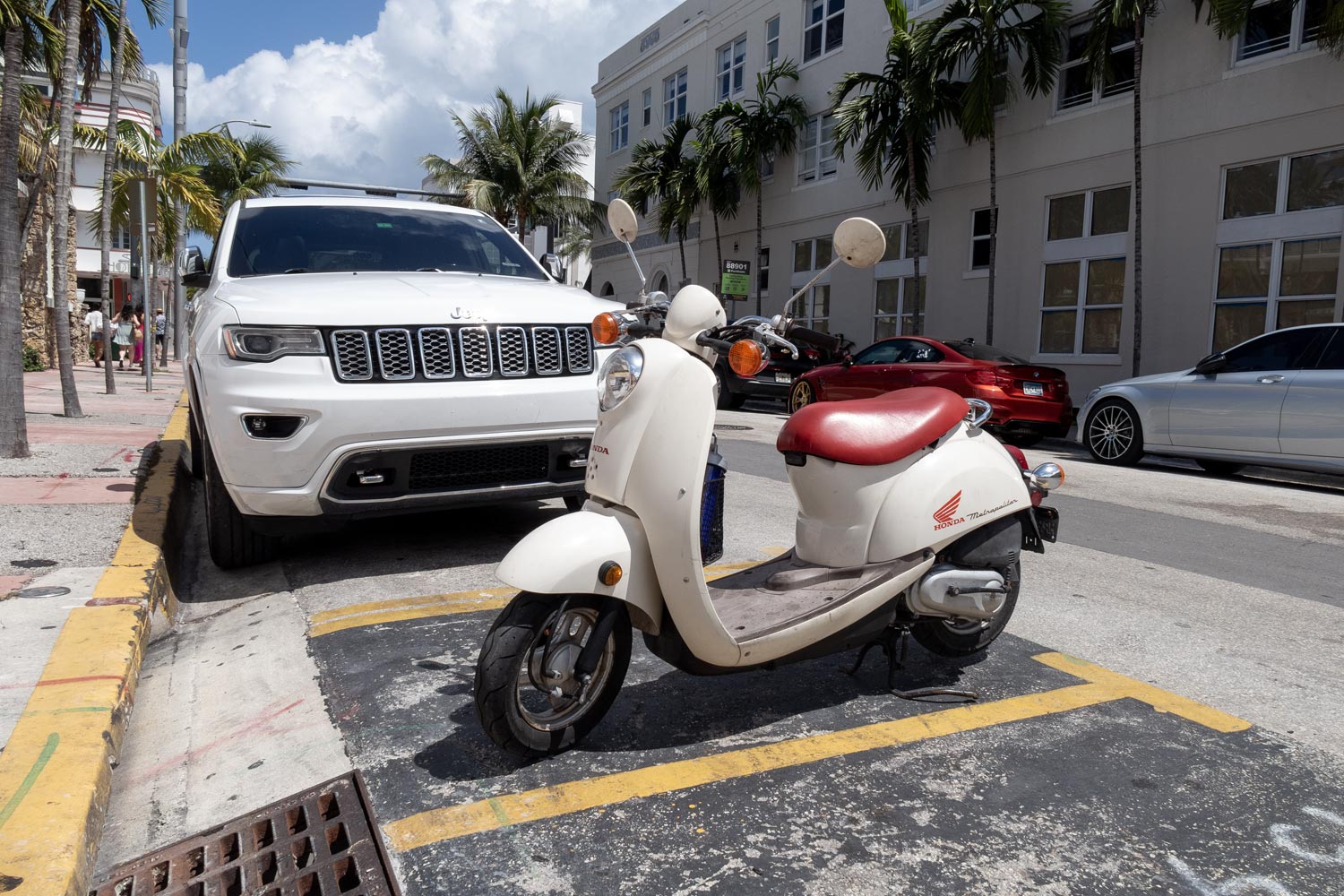
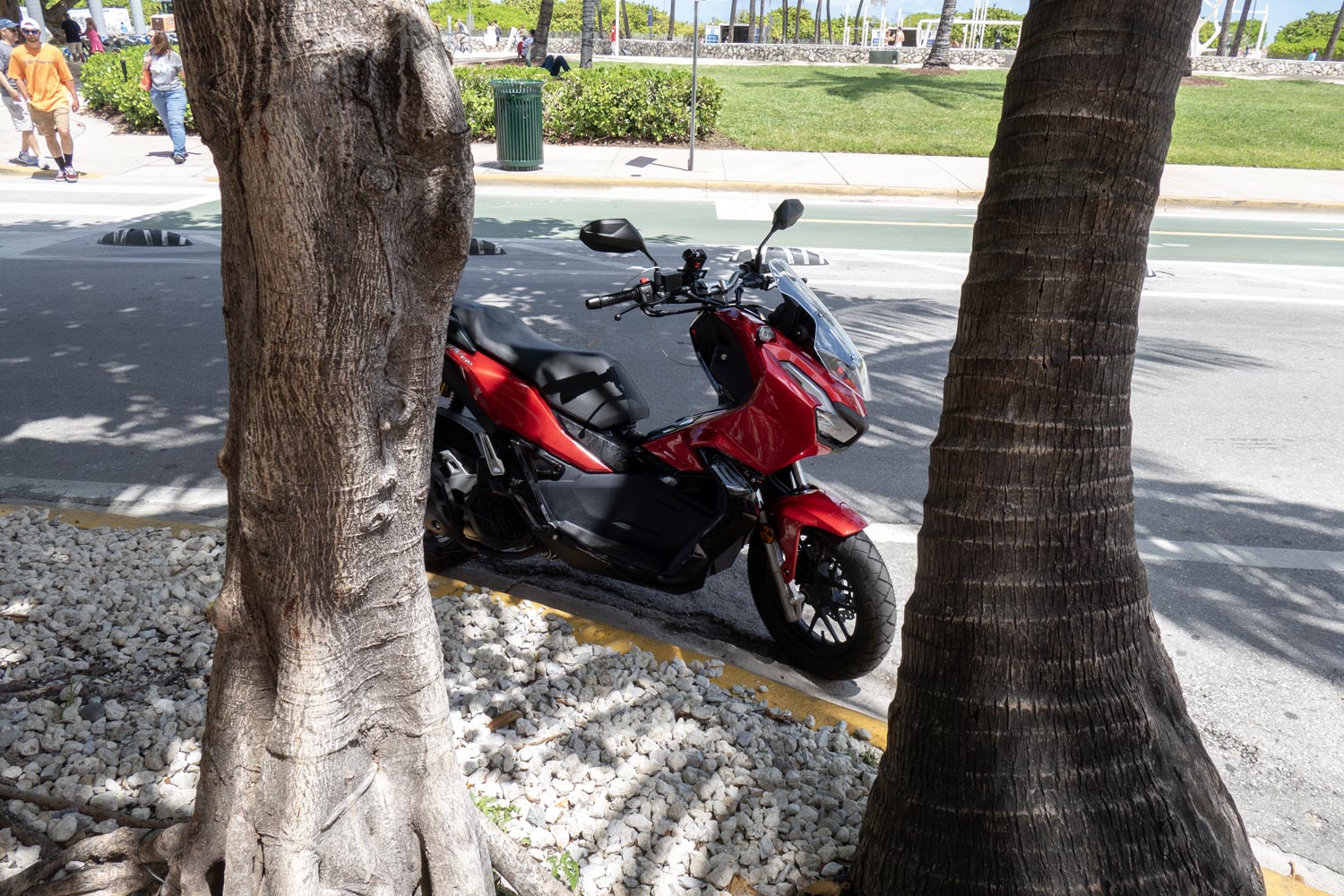
Between the buildings, another familiar detail from a computer game turned up as well: long service alleys with a strange stripe running down the middle.
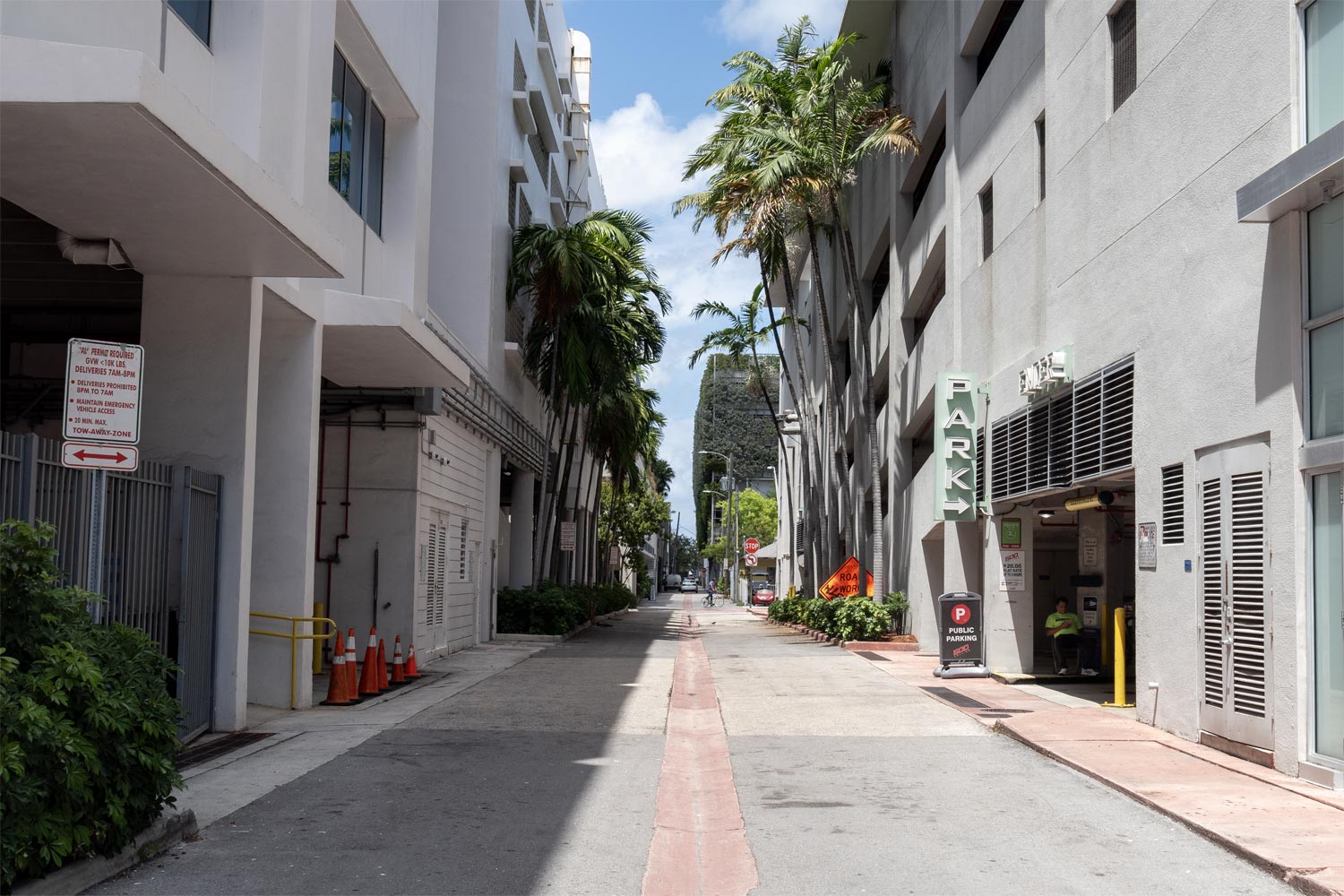
This strip never let me rest. I couldn’t figure out what it was for, and it looked as if it was used to glue two parts of the street together so they wouldn’t be washed into the ocean during a storm. It turned out to be an ordinary drain. Water from the edges of the street runs down to the middle, and then flows along it to the nearest manhole.
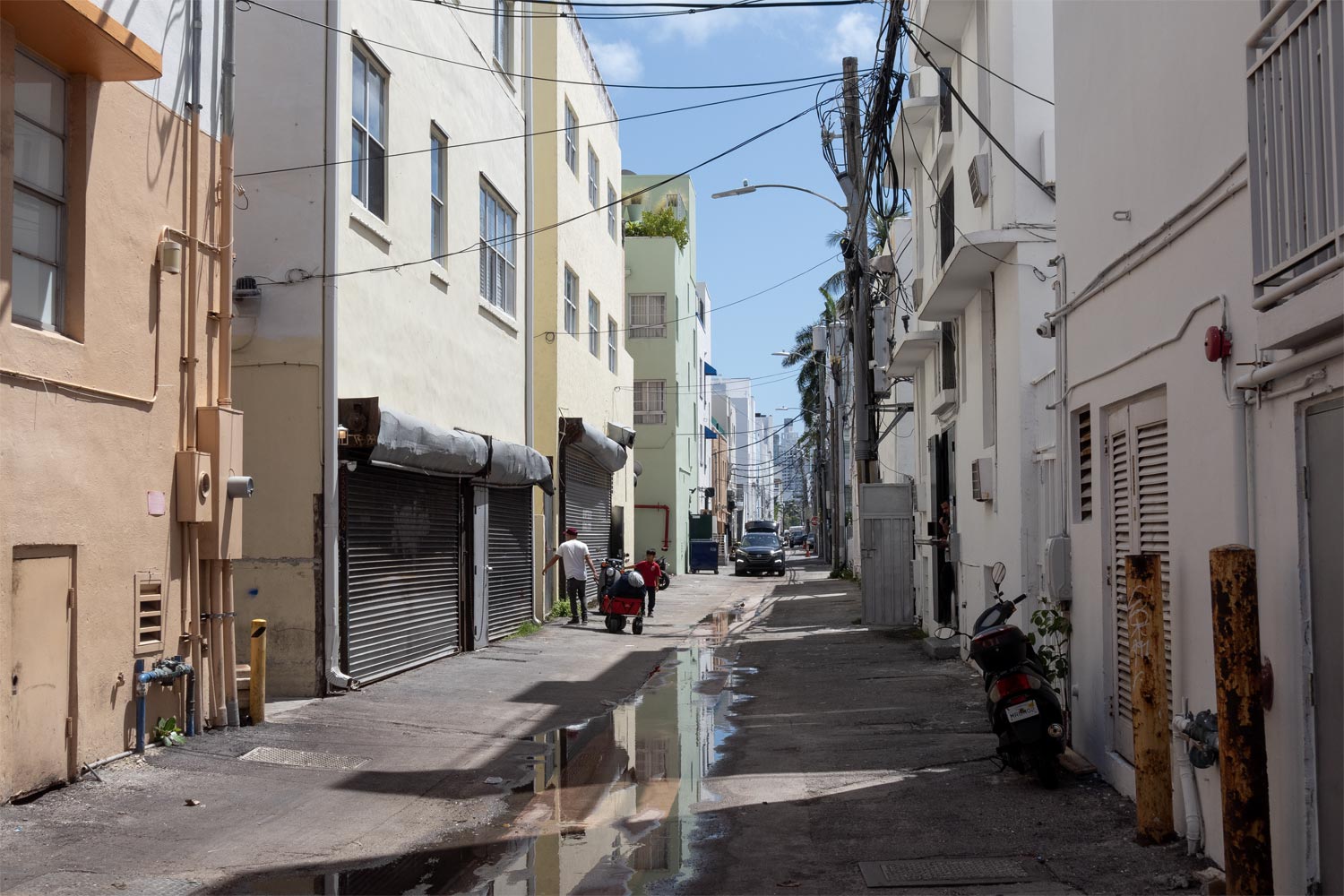
Ocean Drive
However, let’s not dwell on that. The main street of Miami Beach is Ocean Drive. This is exactly where all the Miami scene is buzzing.
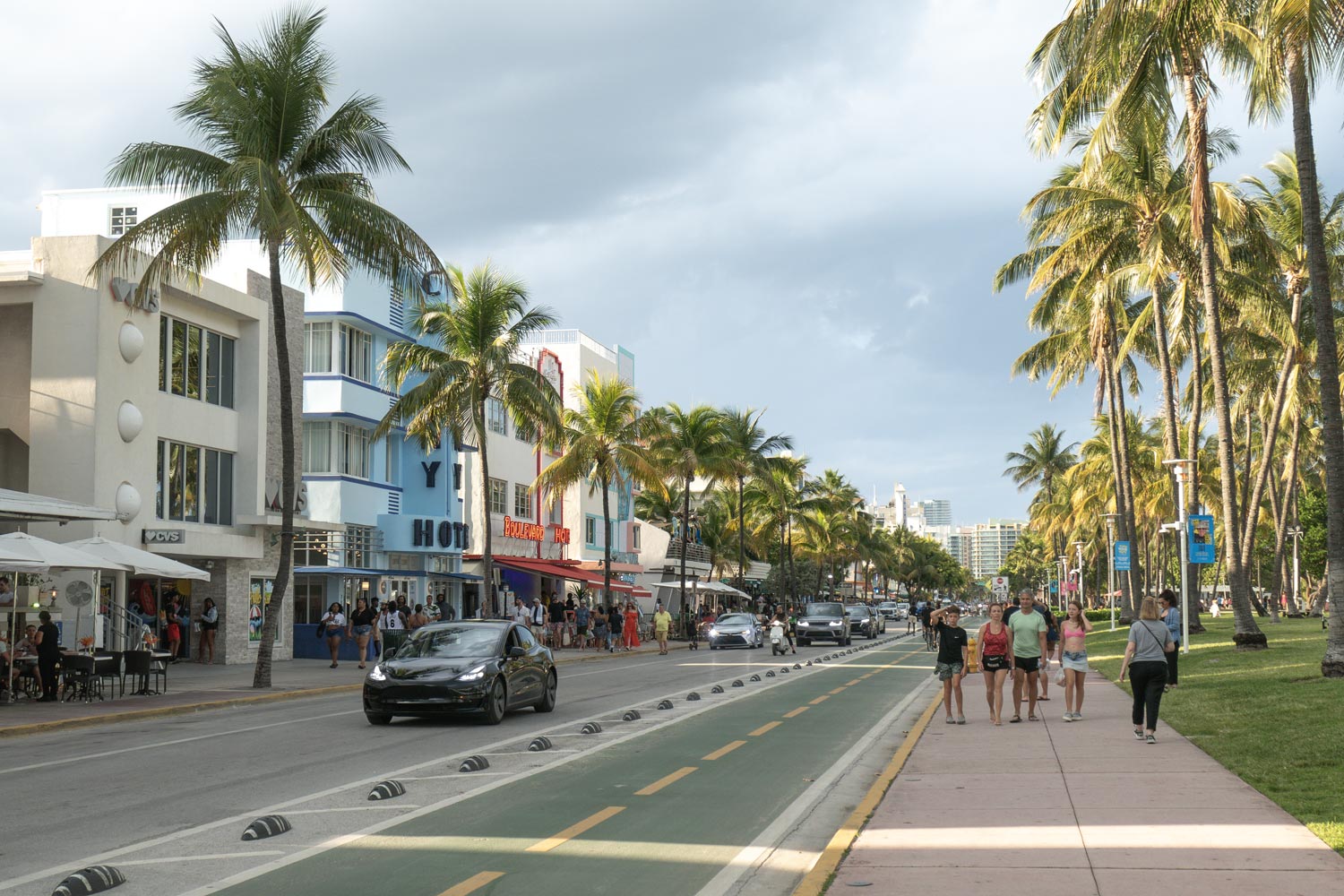
Ocean Drive is the city’s last street. Beyond it begins the beach and the ocean, and along it stand Miami’s best hotels, bars, and restaurants.
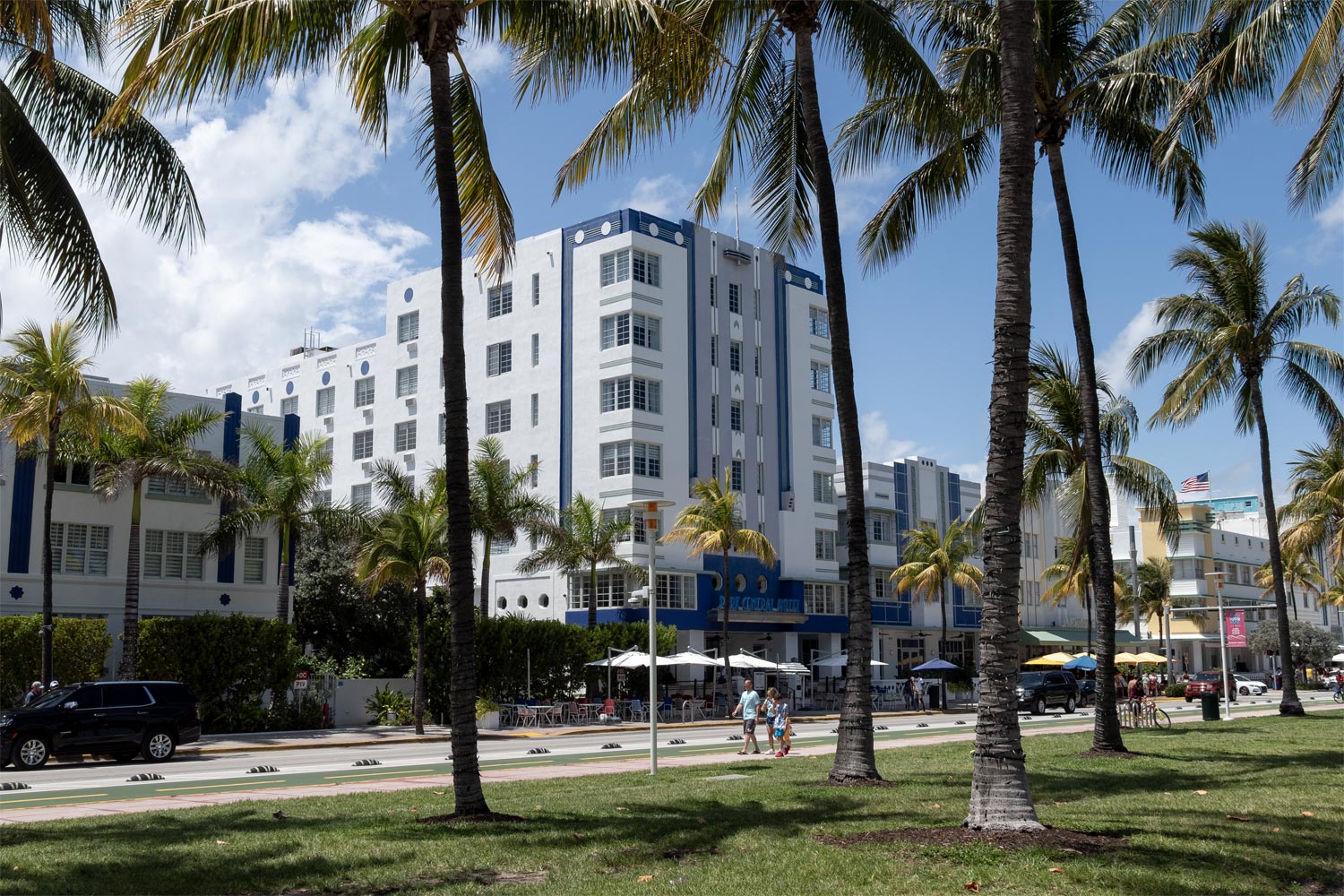
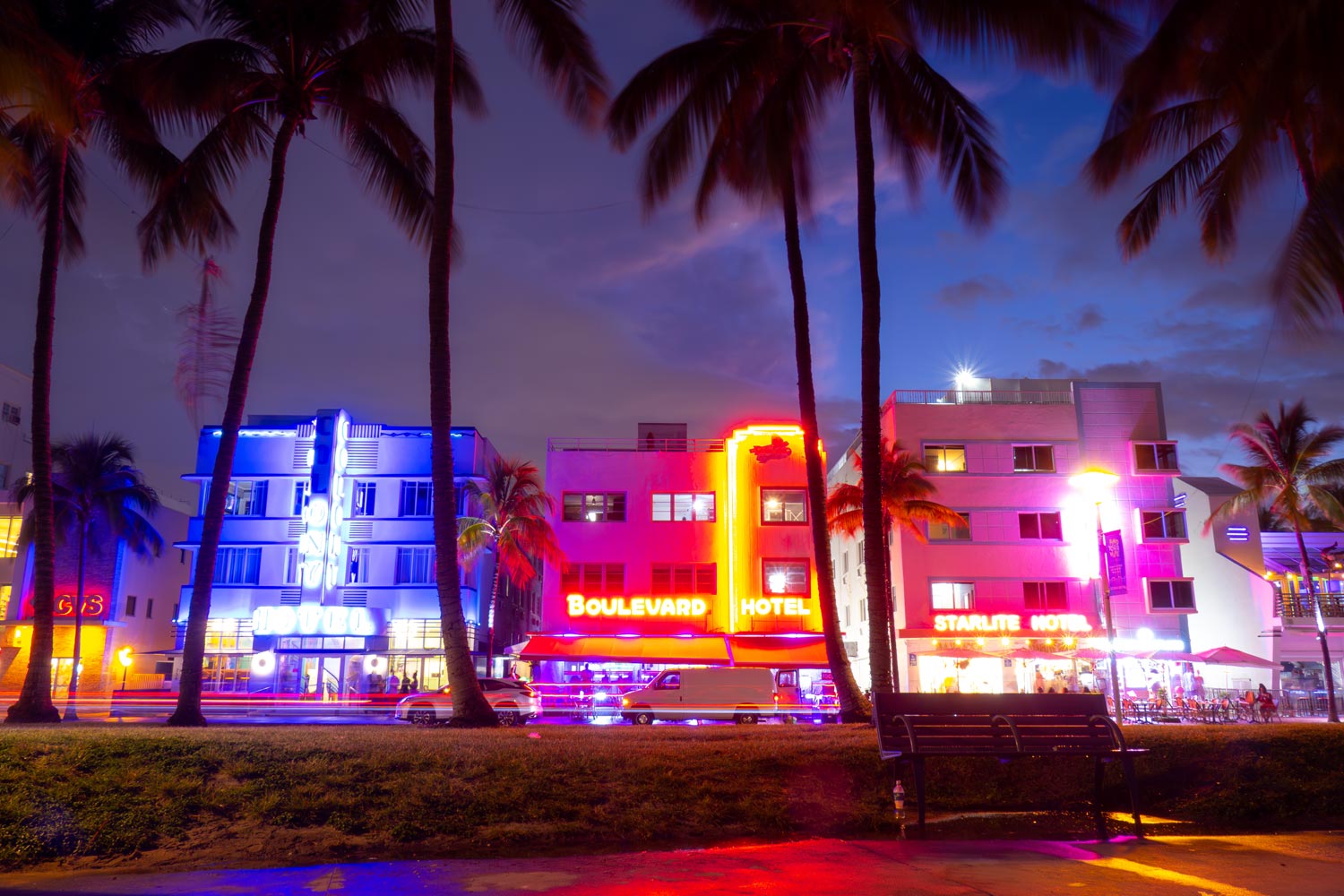
I bet that when the reader hears the words “the best hotels,” he pictures a forty-story Hilton. But on Ocean Drive, it’s not soulless glass hotels that line the street, it’s stunning examples of Art Deco!
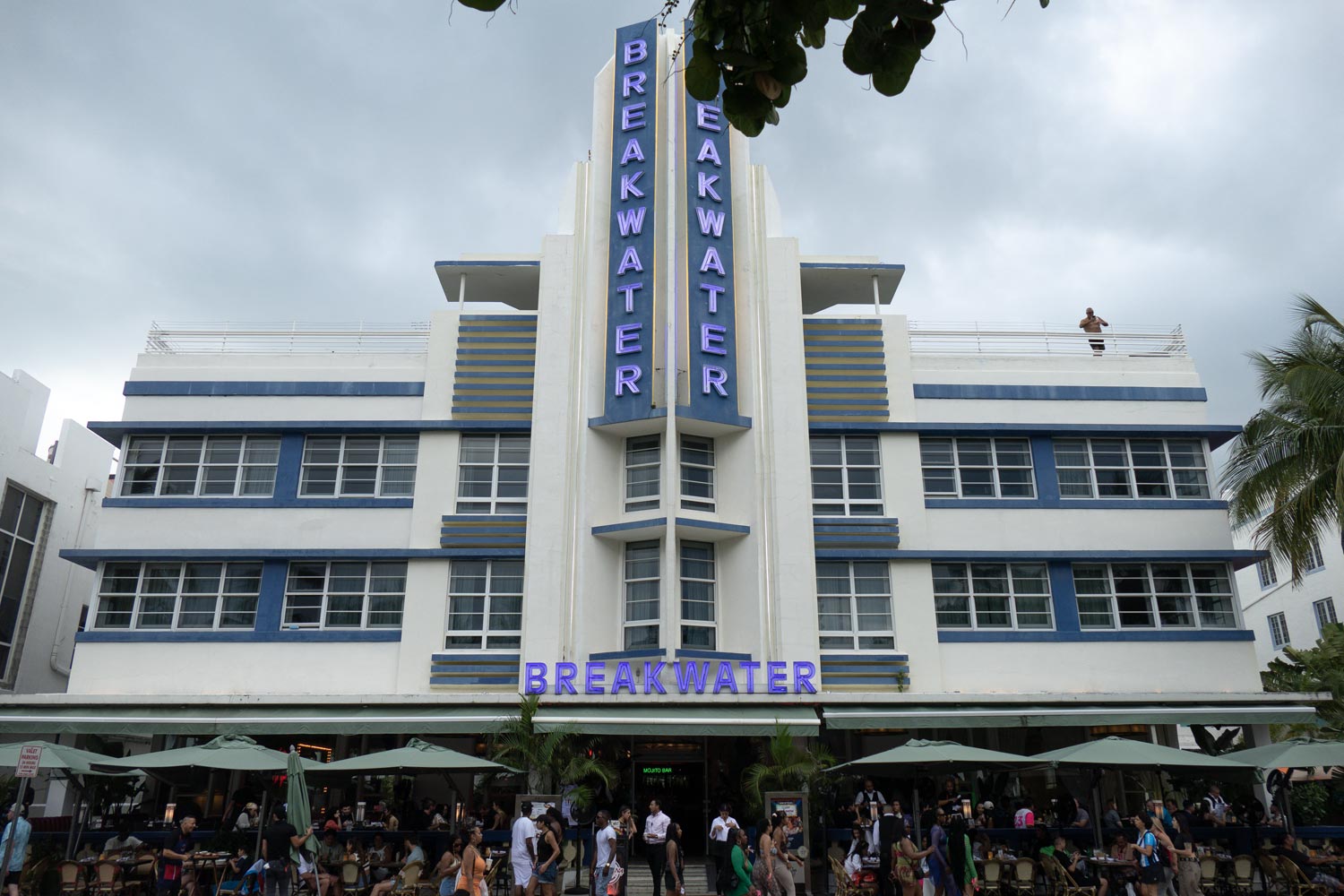
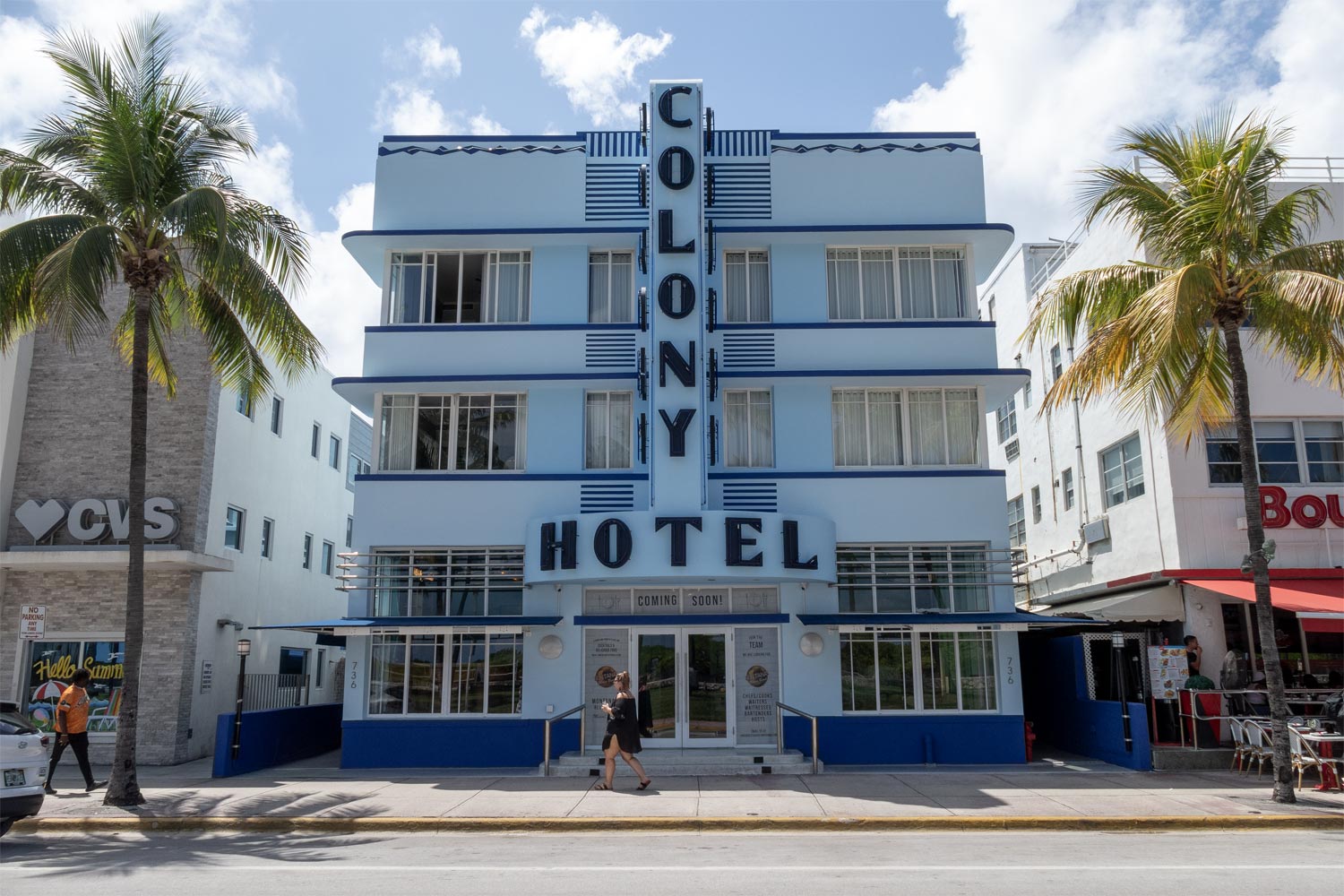
These hotels were built in the 1930s, when the Bauhaus style was popular. In addition, the United States was entering the Great Depression, so on the one hand it was necessary to cut construction costs, and on the other to create a positive atmosphere. Tropical Art Deco accomplished both tasks.
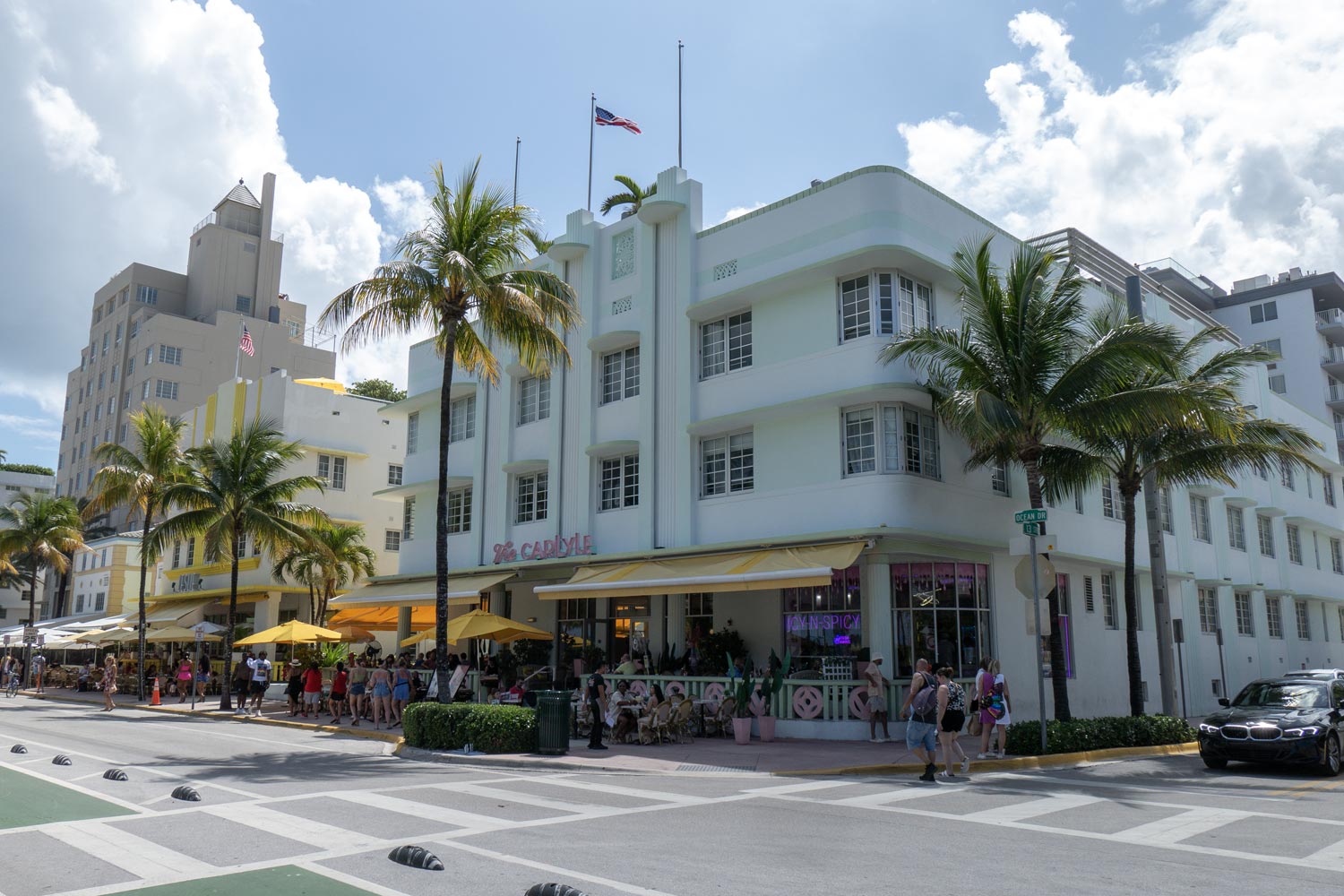
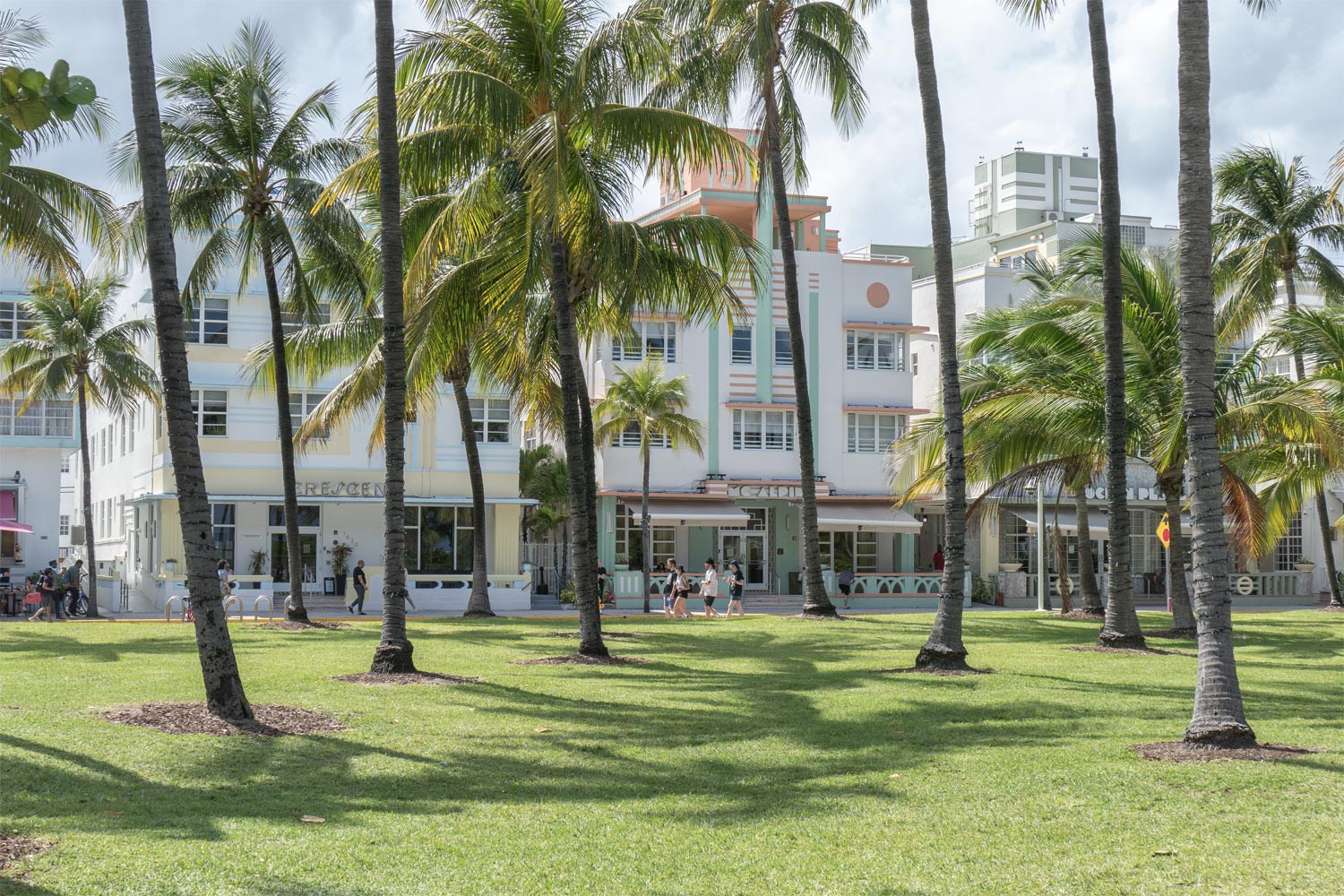
As if that weren’t enough, these amazing hotels have vintage cars parked outside.
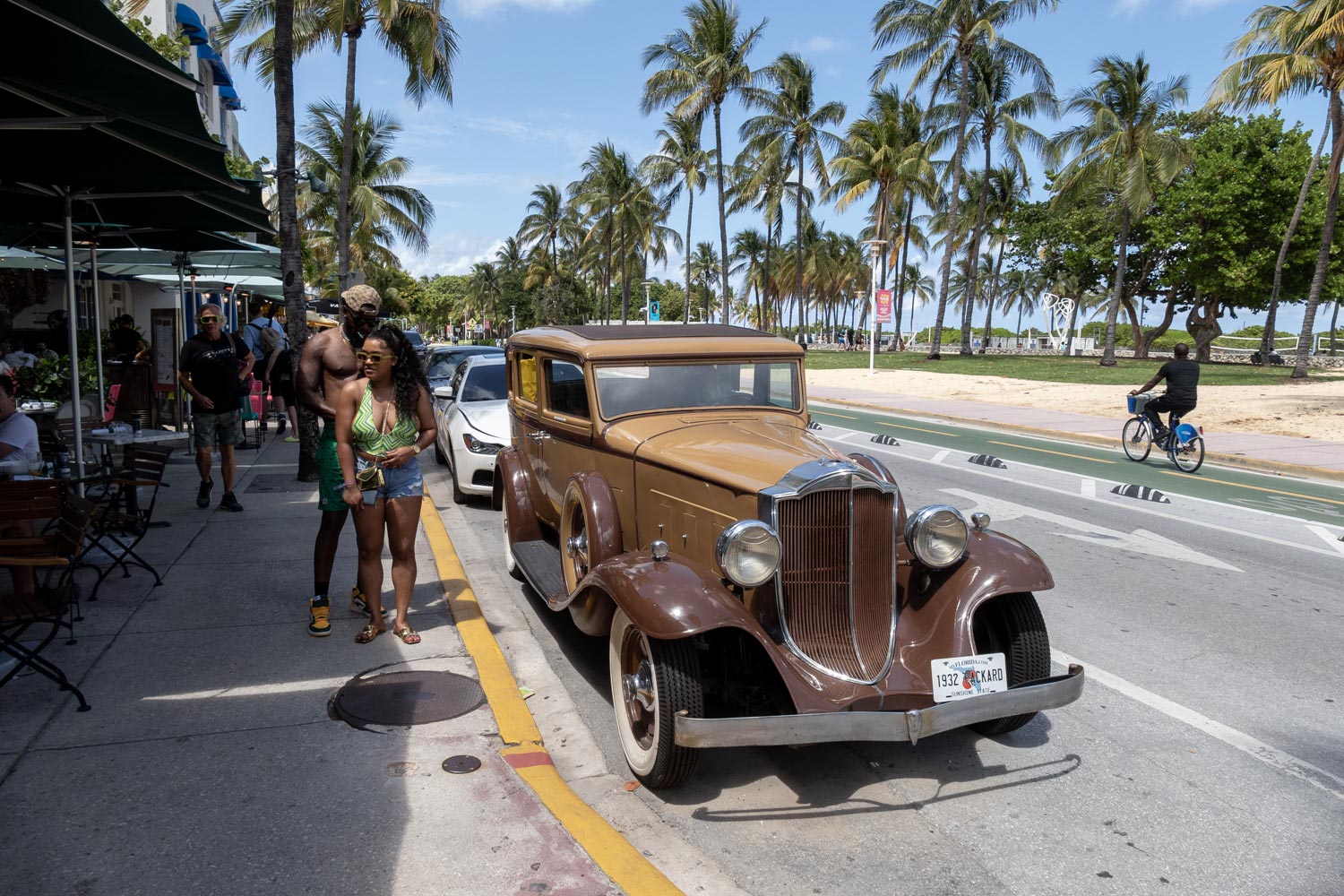
The reader probably thought that the vintage Oldsmobile parked outside Tommy Vercetti’s house was an invention by Rockstar Games. Not at all!
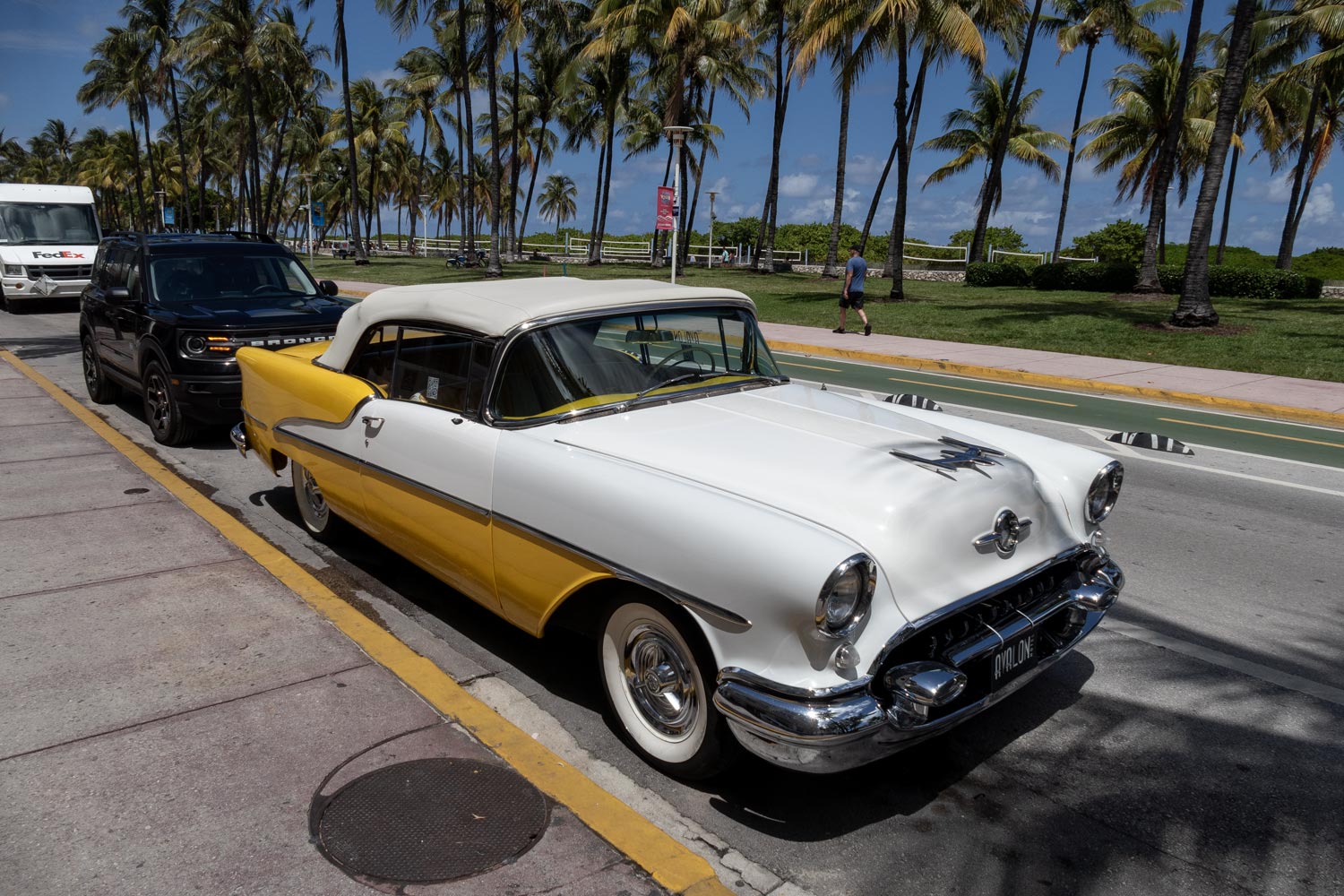
In the famous game, it seems there’s nothing at all that was actually invented. Absolutely all of its content is taken from the real Miami.
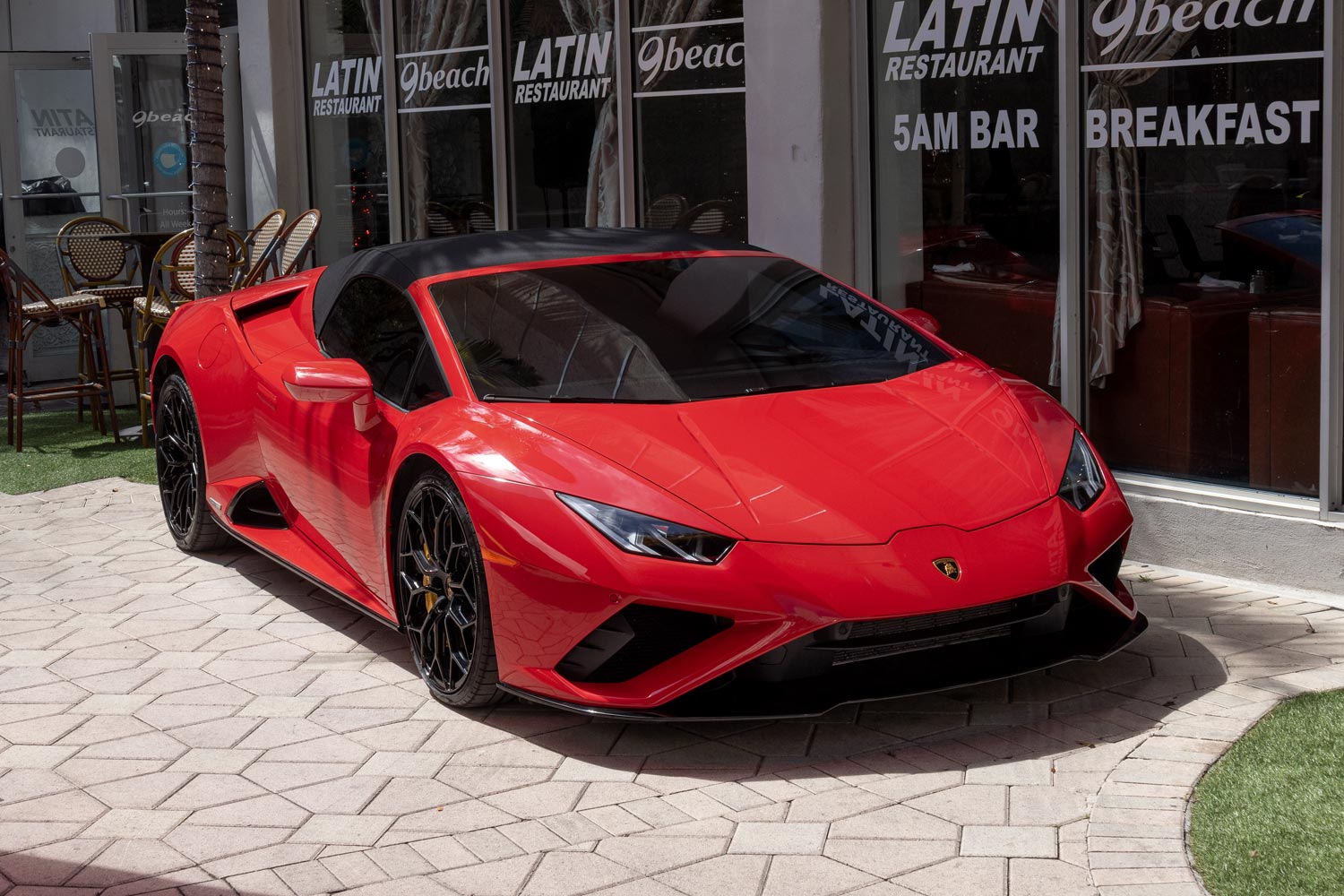
Moreover, a lot didn’t make it into the game. For example, this three-wheeled roadster, which looks cool but is actually cheap junk rented out to tourists.
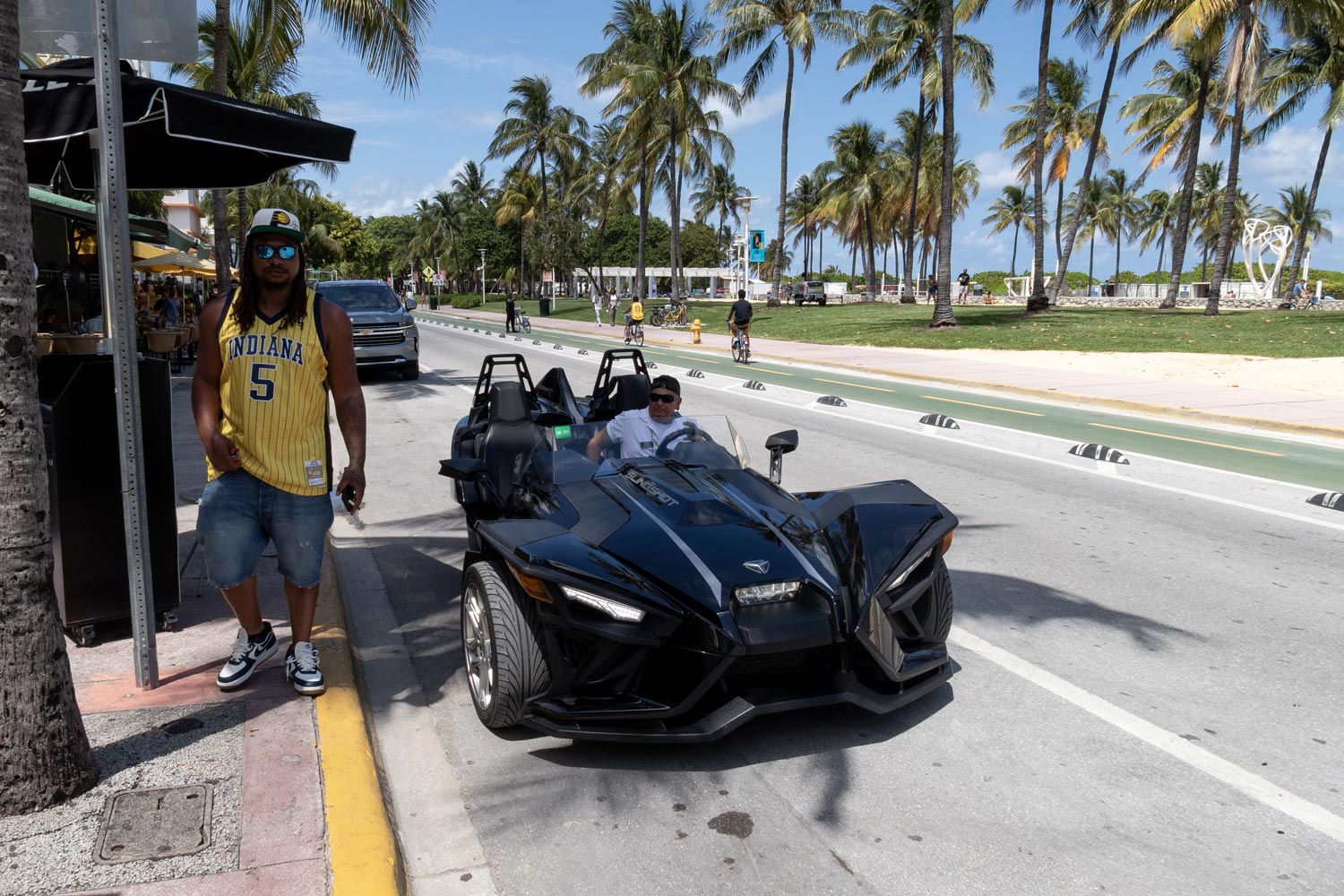
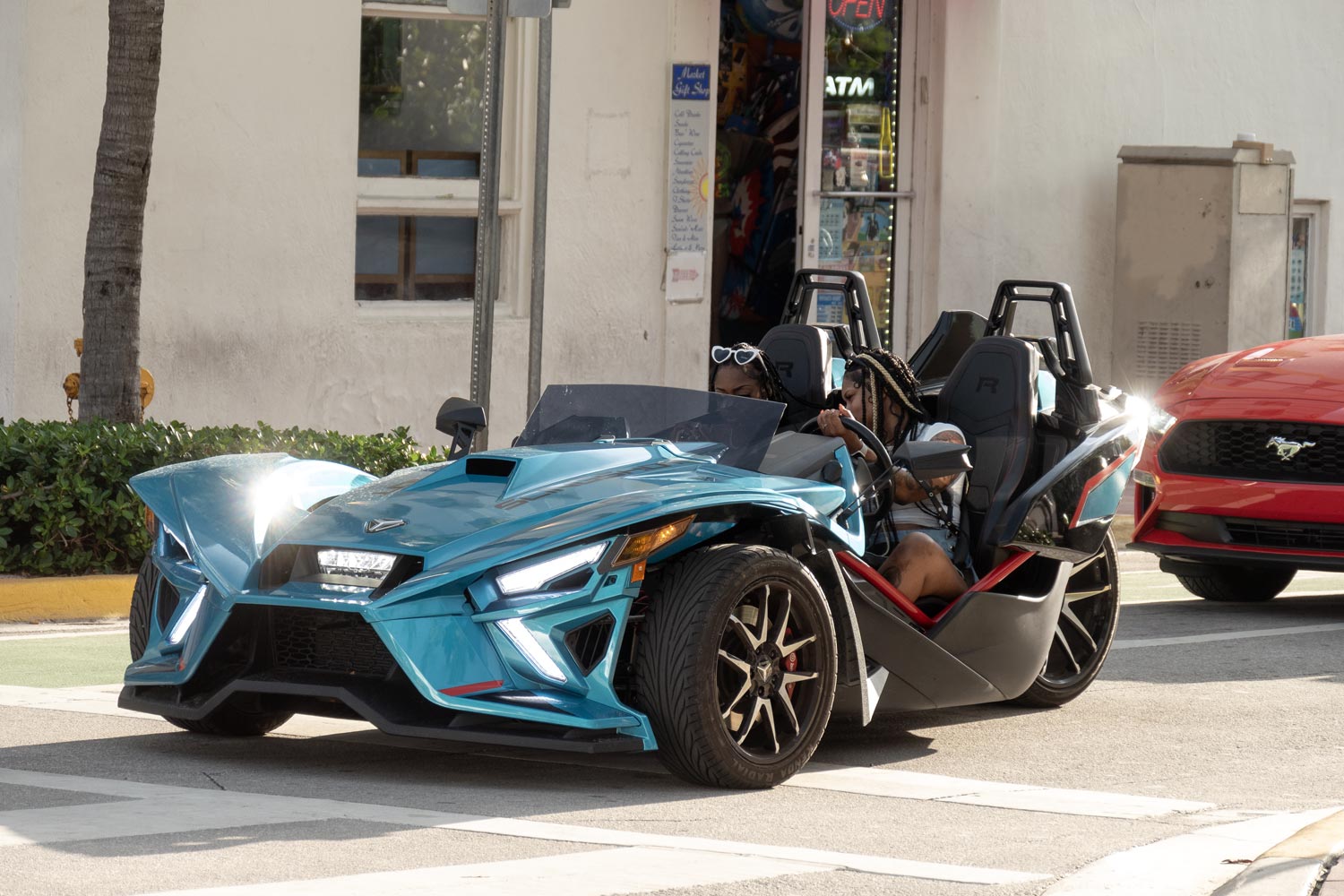
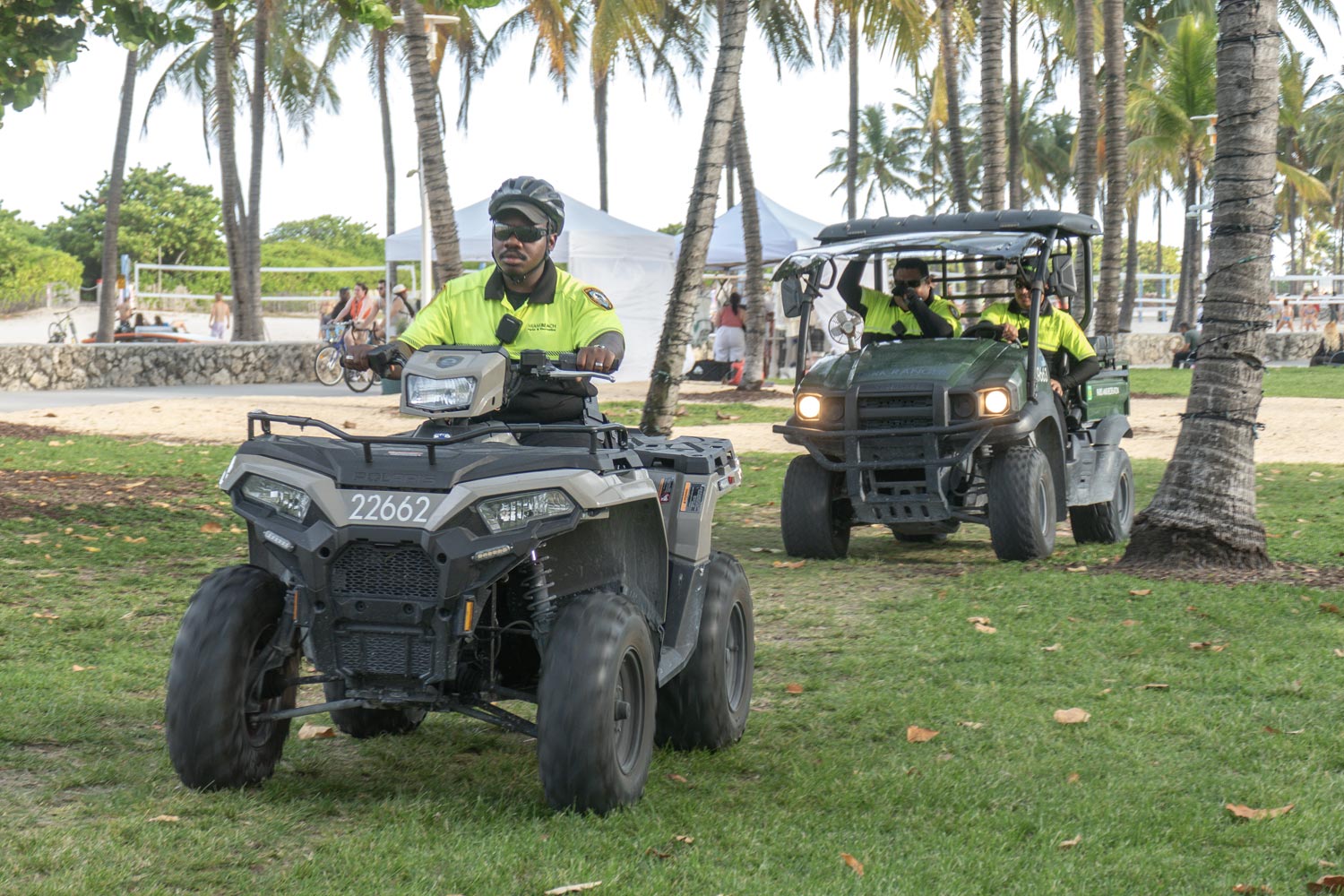
Or those movie-style ATVs that the beach police tear around on. They already showed up briefly in the GTA 6 trailer and will soon be added to the new episode of the game.
But Ocean Drive looks especially incredible at night. When the hotels’ lights come on and the many bars light up, Miami turns into a postcard stretching for several kilometers.
Beach
The last bastion on the way to the beach is a narrow, elongated park adjoining Ocean Drive.
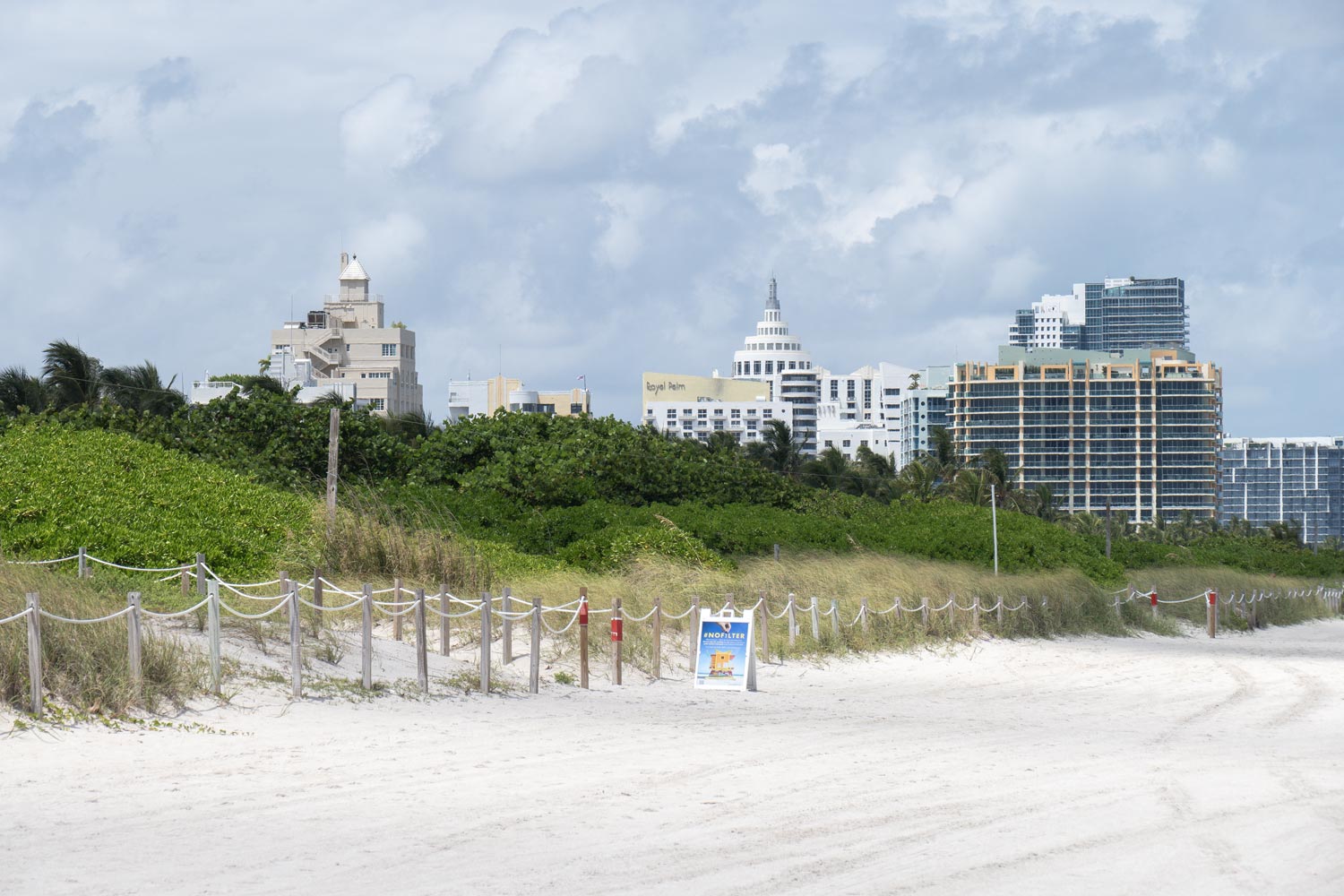
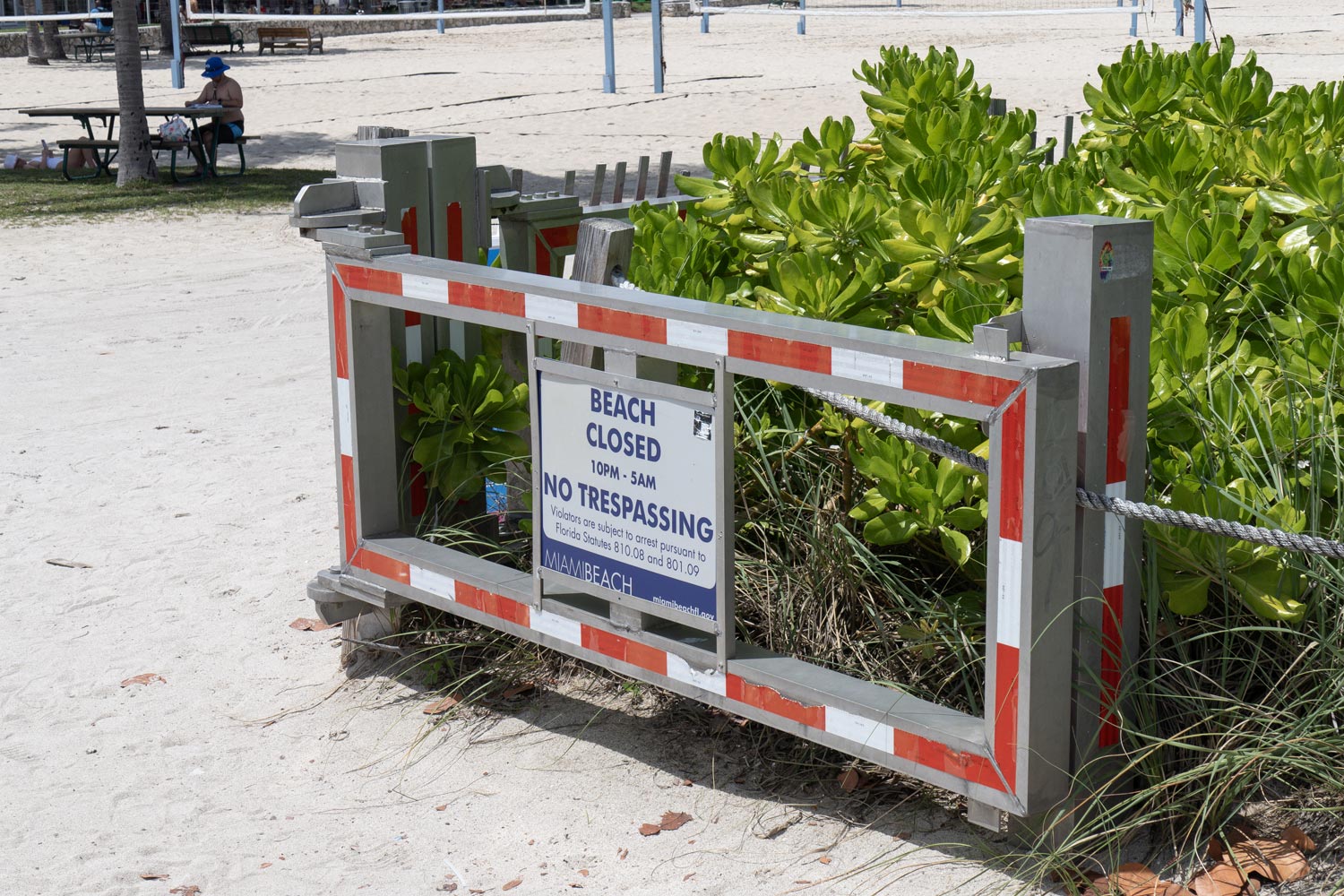
The beach itself isn’t particularly remarkable. Only two things are interesting. First, it turns out they close the beach at night. Second, it’s separated from the town by dense thickets of shrubs, so the sand doesn’t blow into the hotel windows.
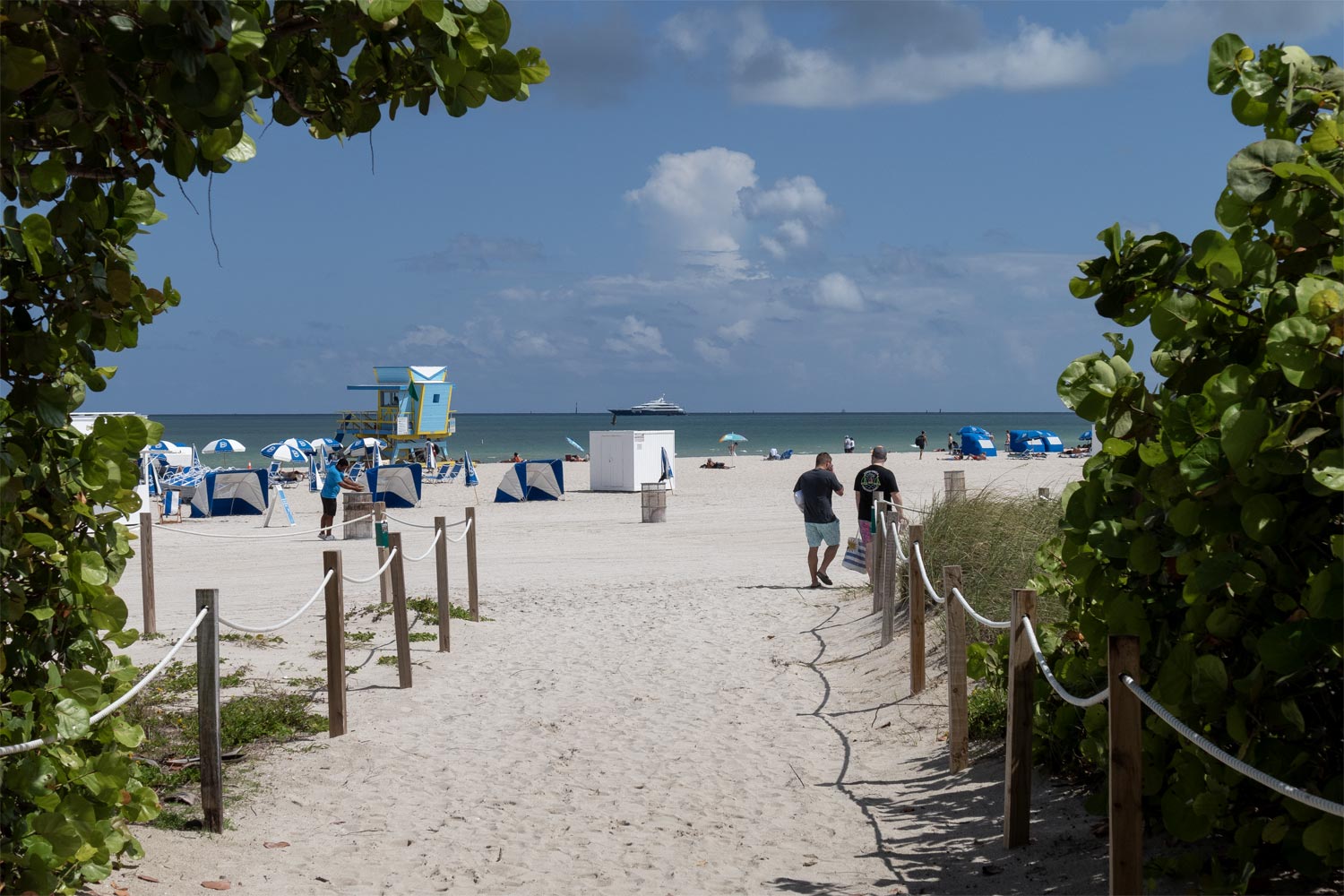
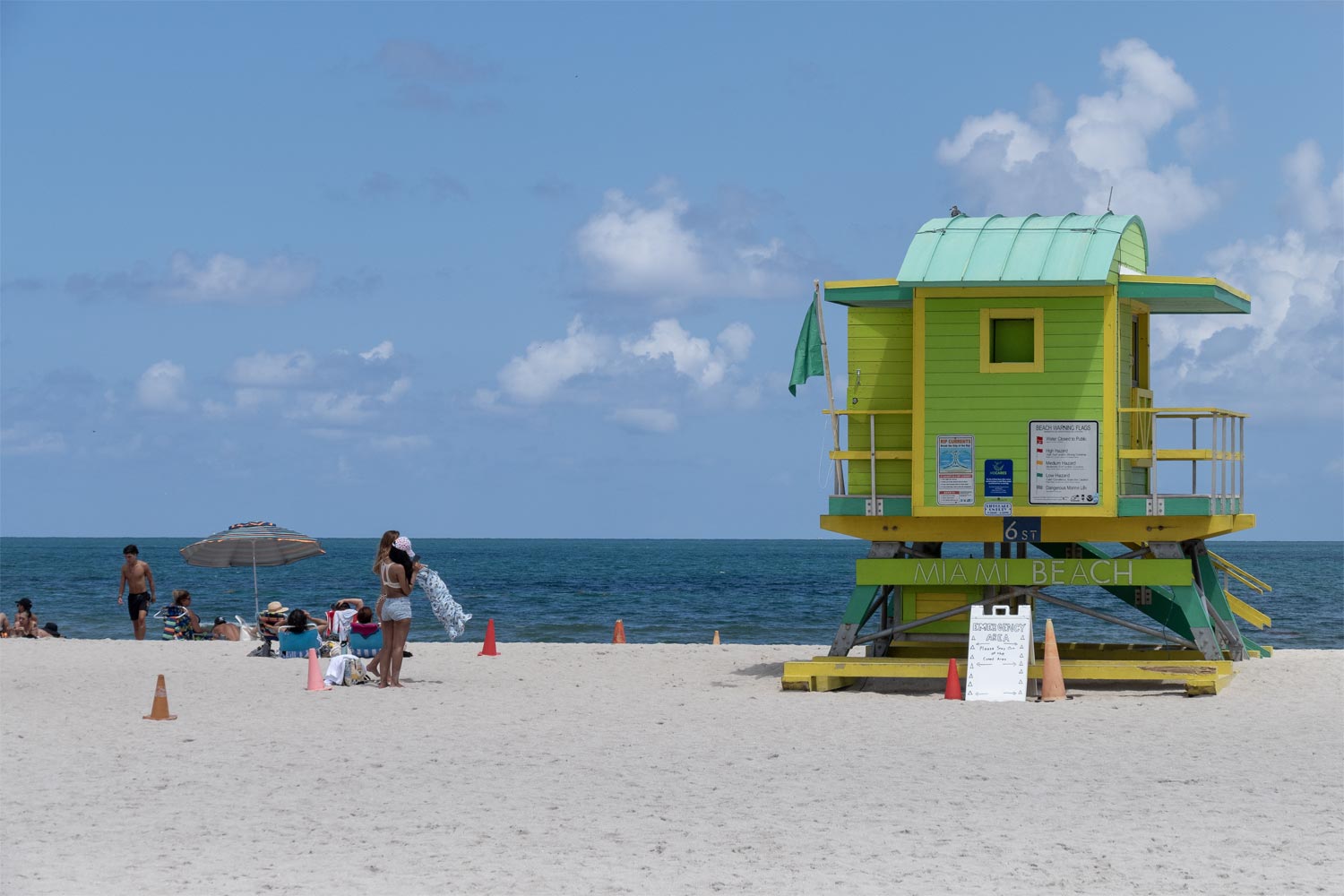
Every few meters along the beach there are lifeguard lookout huts, where lifeguards are on duty.
Life on the beach is bustling. People are relaxing, playing volleyball, or just lying unconscious in a chair.
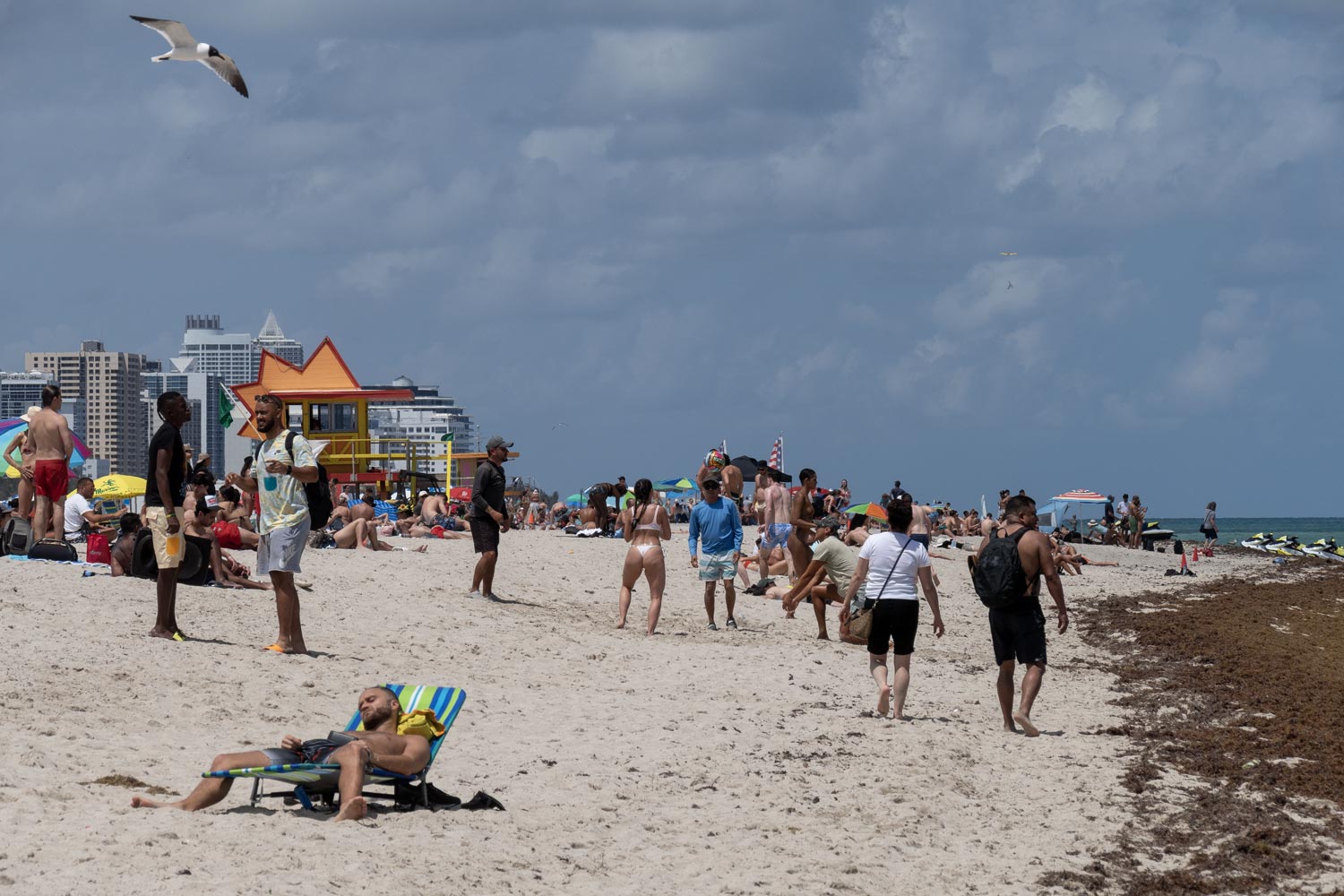
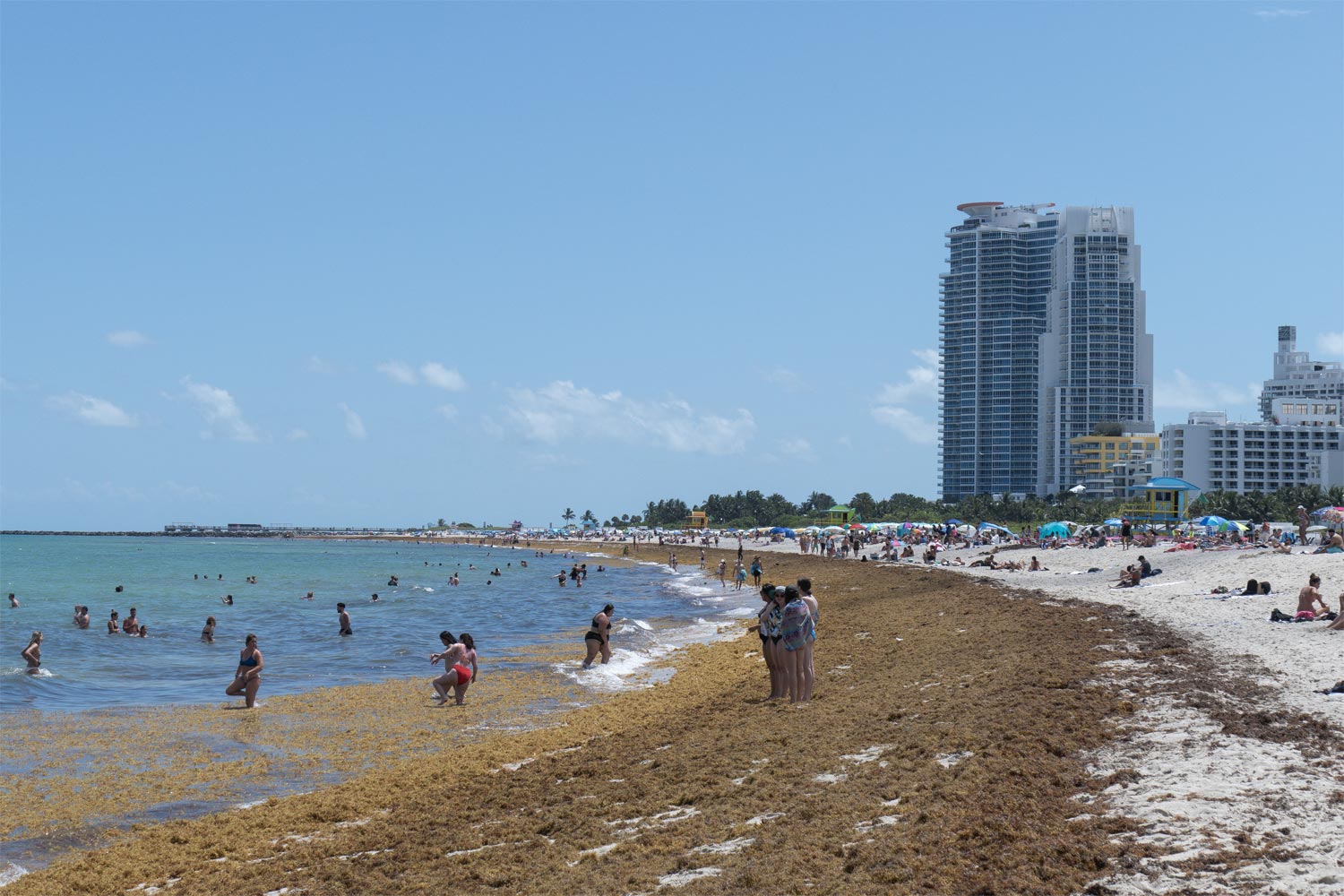
As anywhere, the golden sand can suddenly get buried under a mountain of seaweed, and Miami starts to look a bit like Tunisia.
Little Haiti
Let’s go back to the mainland.
According to the plot of GTA: Vice City, the so-called “second island” (whose prototype was the mainland part of Miami) had an interesting location. It was called “Little Haiti,” and there lived Haitians.
In one of the game’s missions, the main character Tommy Vercetti gets into a conflict with a local gang, and the mission giver tells him, “Kill all the Haitians.” Because of this line, a huge scandal erupted in the United States, since Little Haiti is a real neighborhood in Miami where Haitians actually live.
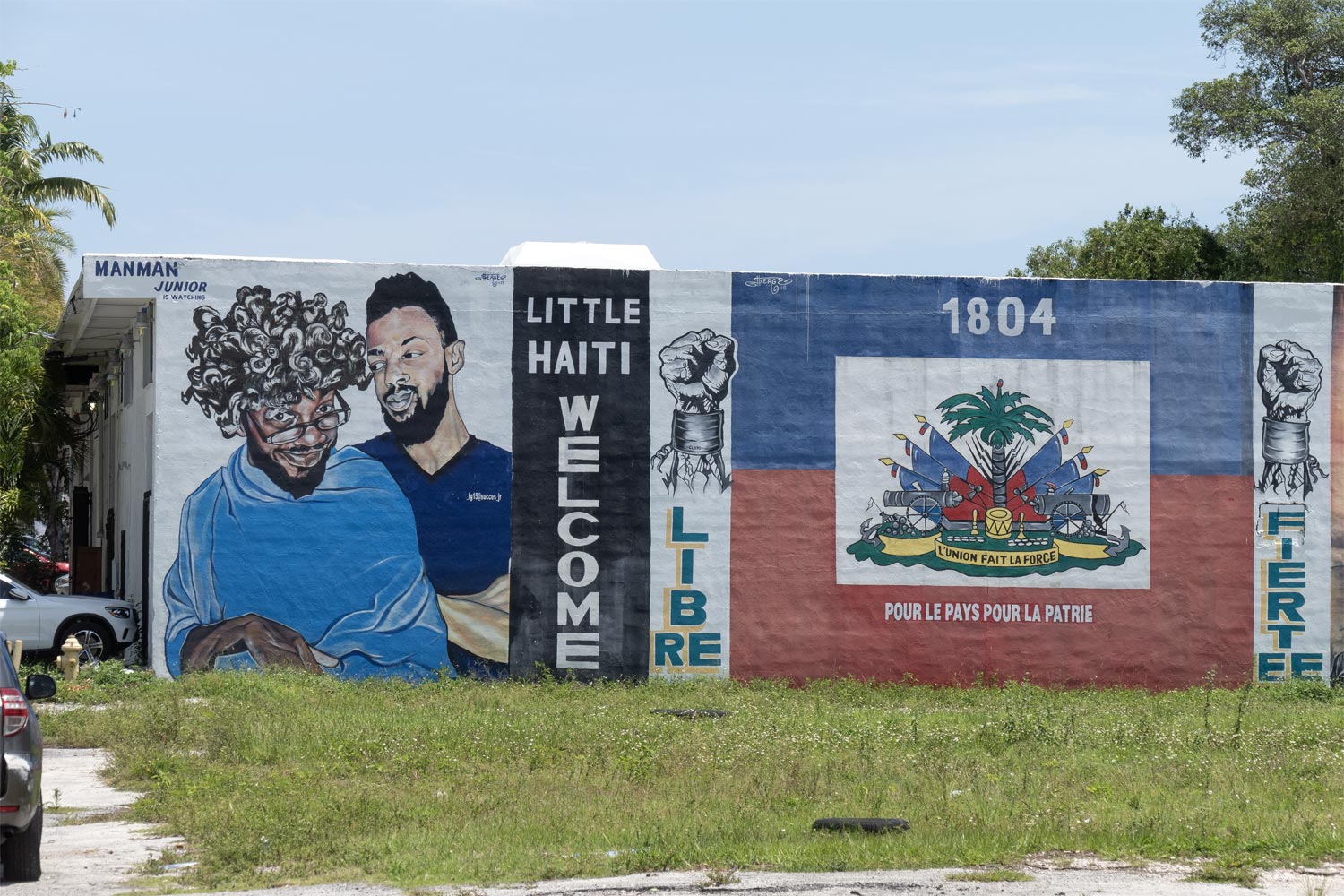
Little Haiti is the most dangerous neighborhood in Miami. Coming here with a camera slung over your shoulder is very risky. Even the cops patrolling the area move around in groups and are armed.
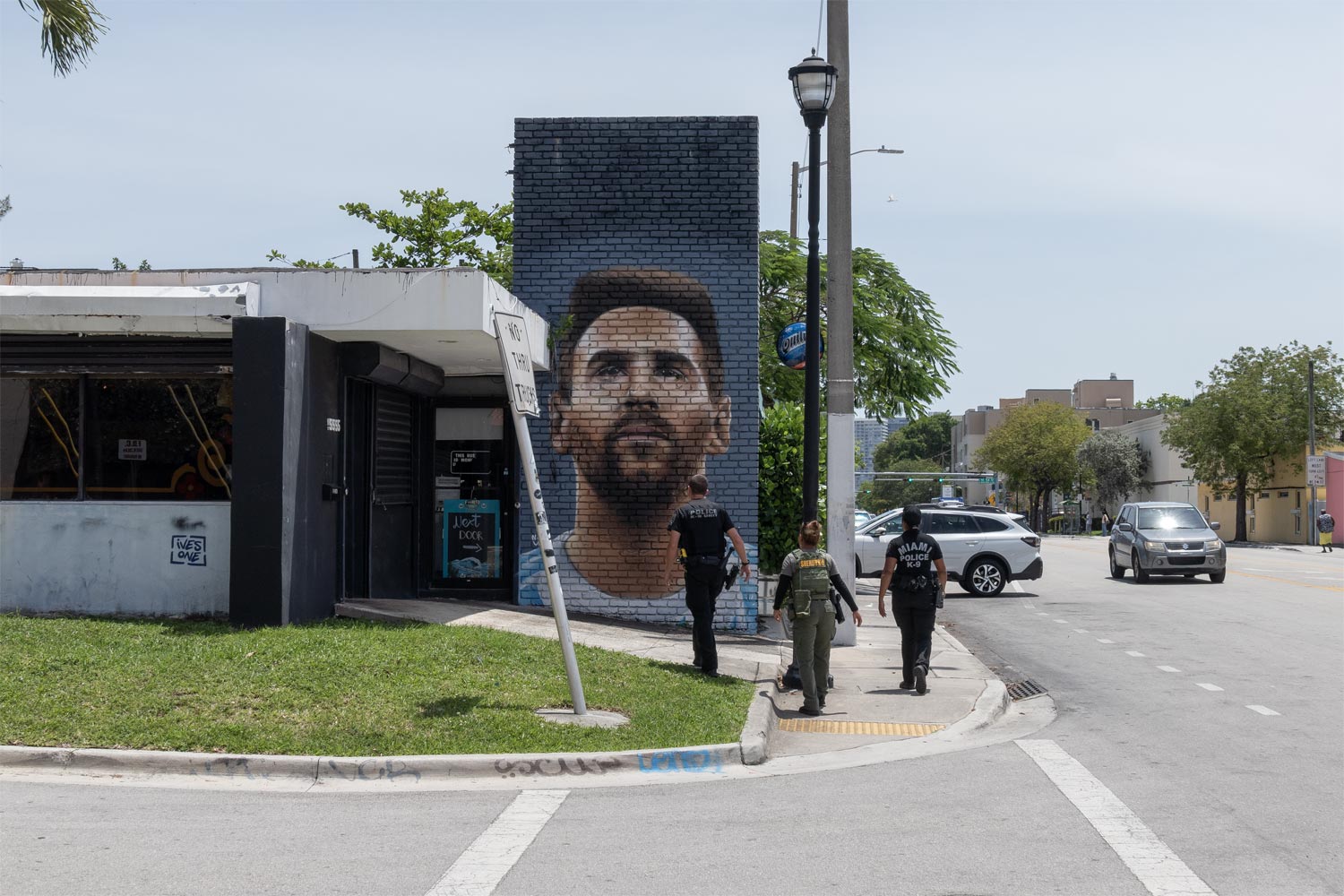
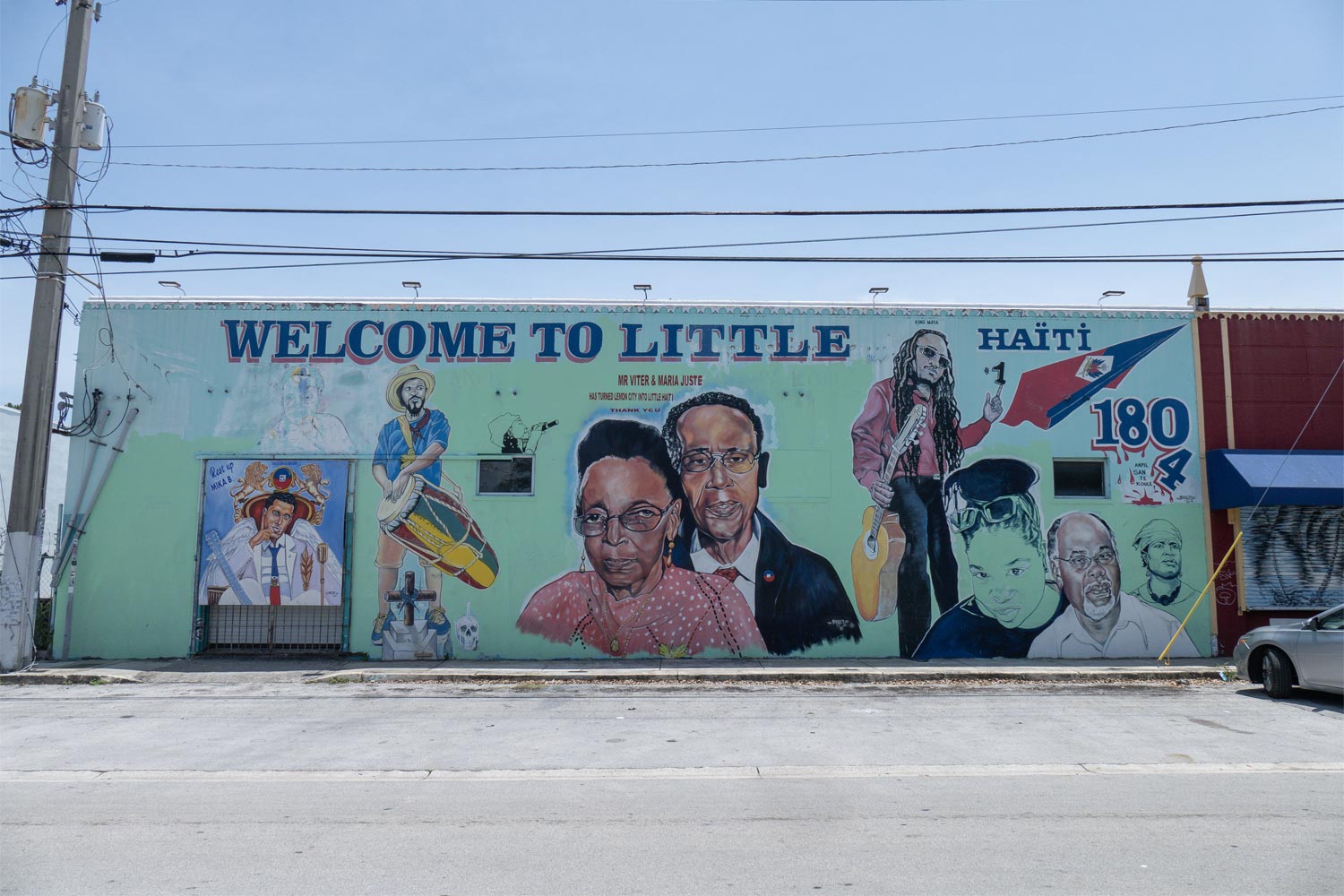
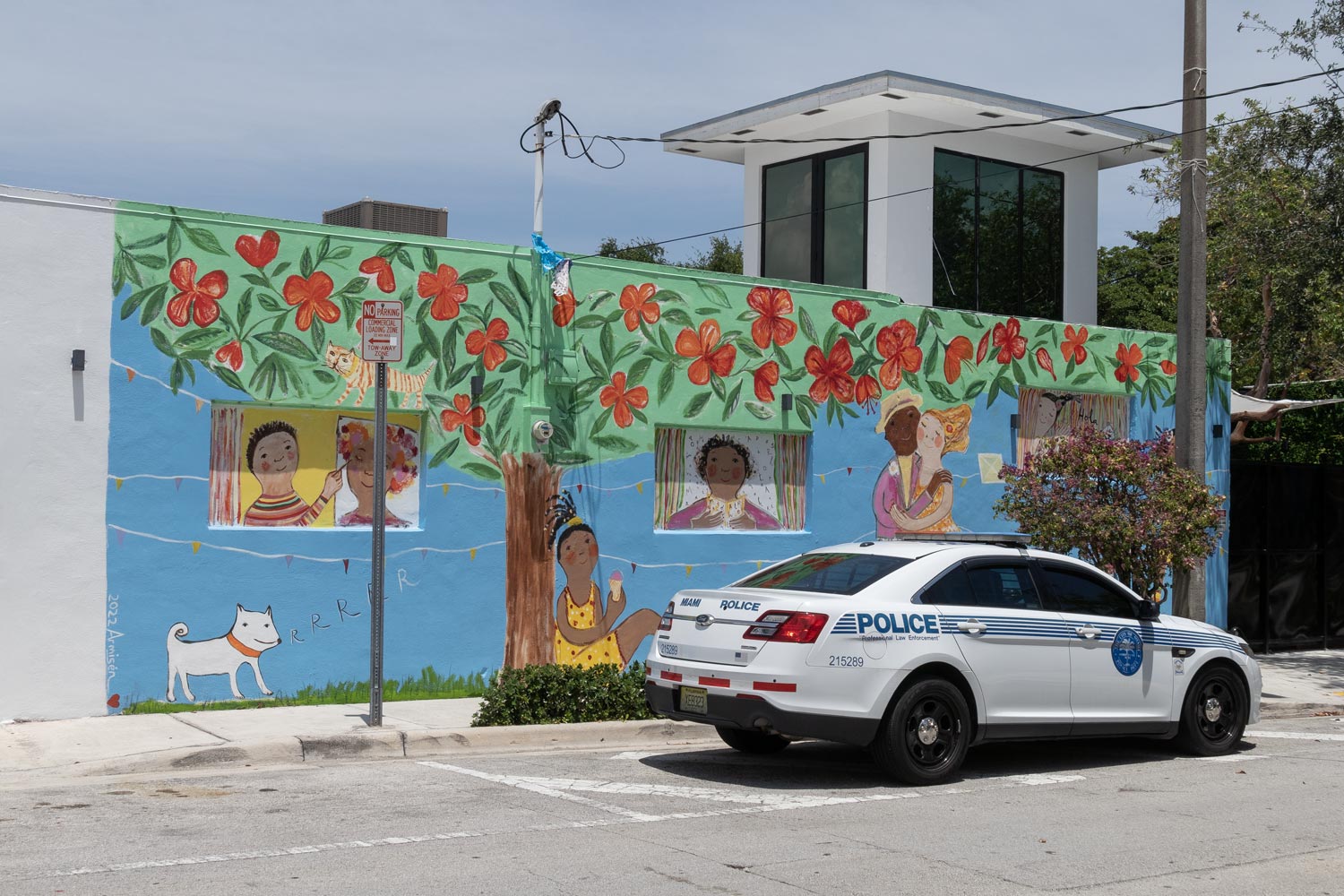
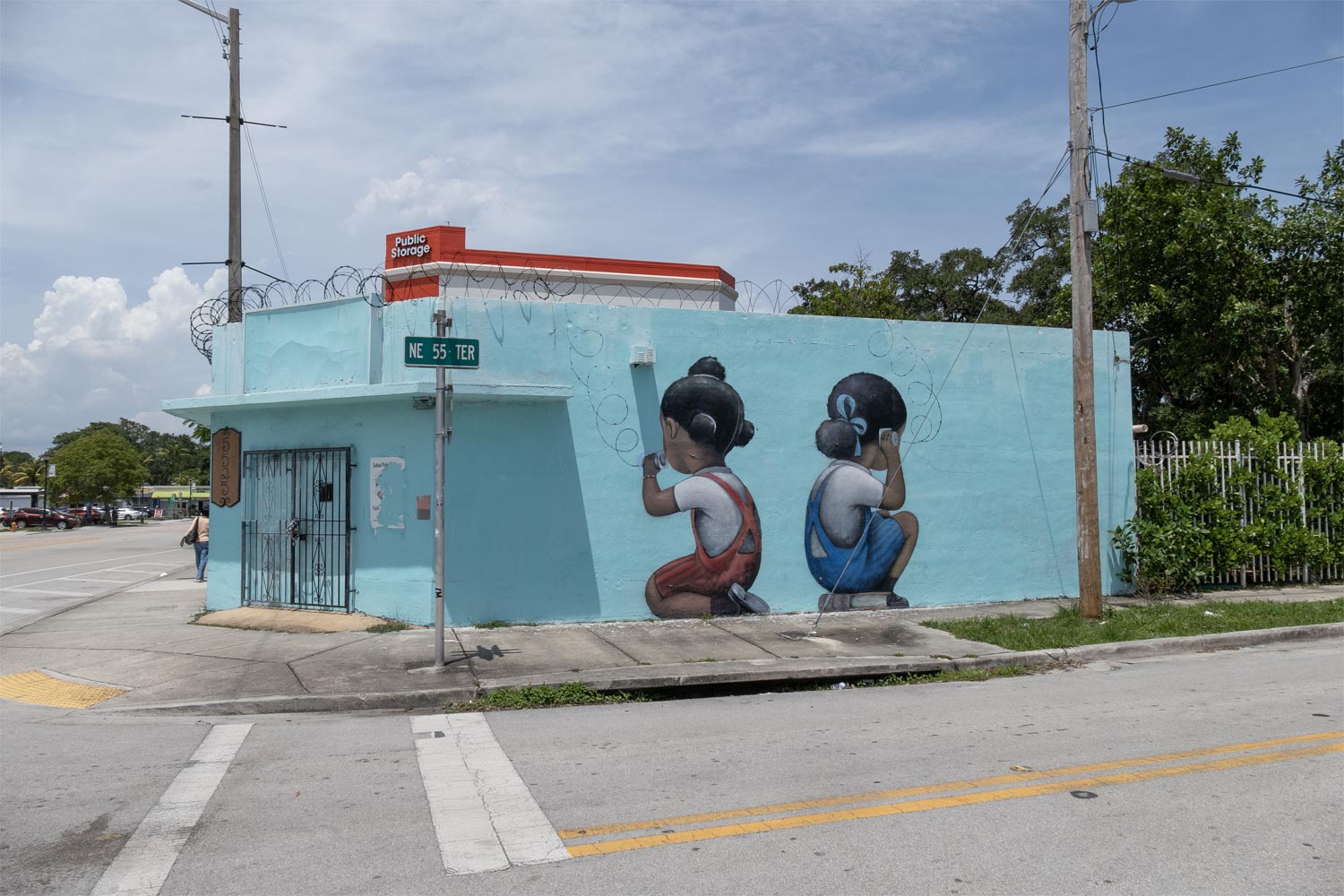
The neighborhood itself is extremely uninteresting, and there’s absolutely nothing to do here. I only found a few cool graffities.
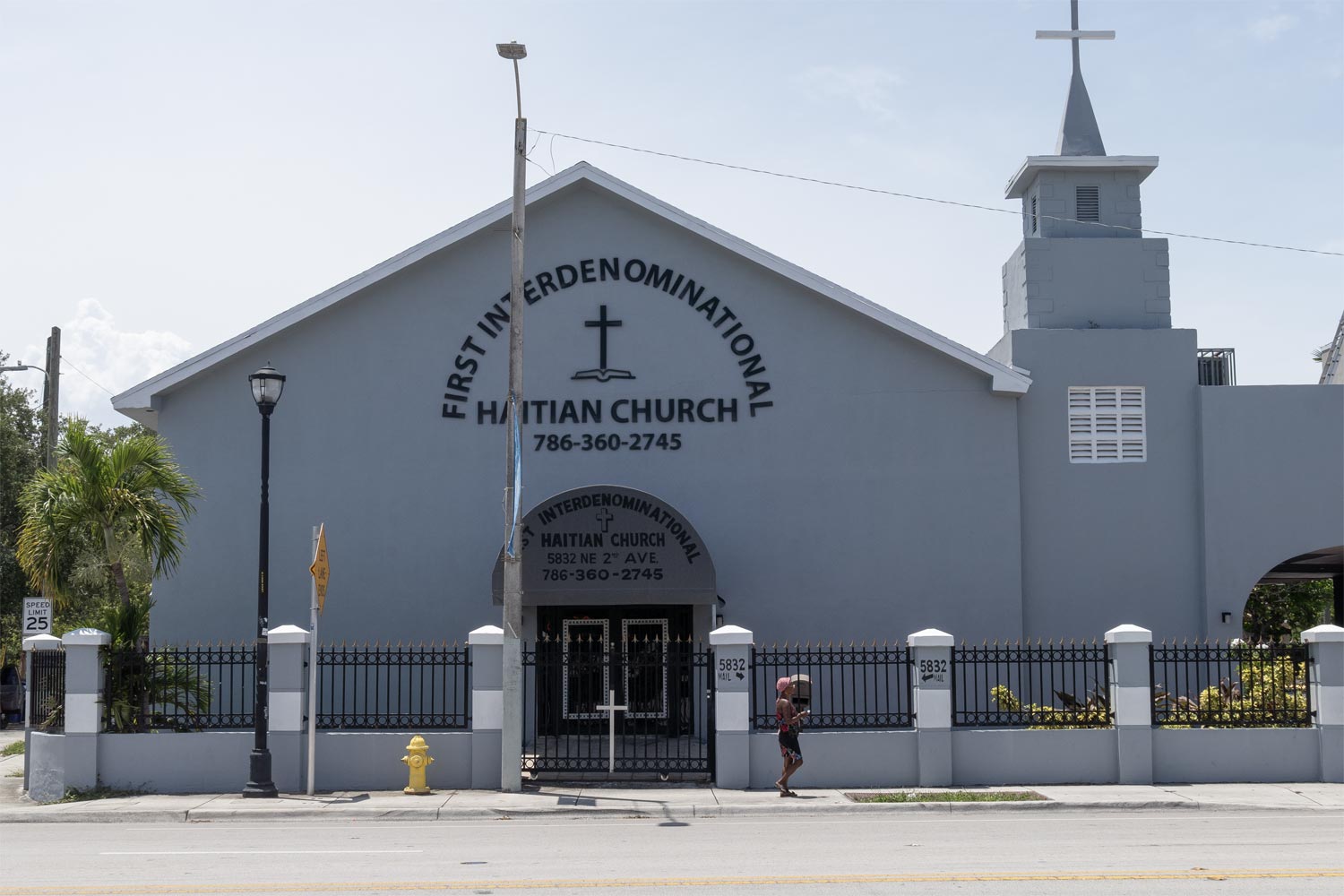
And a Haitian church.
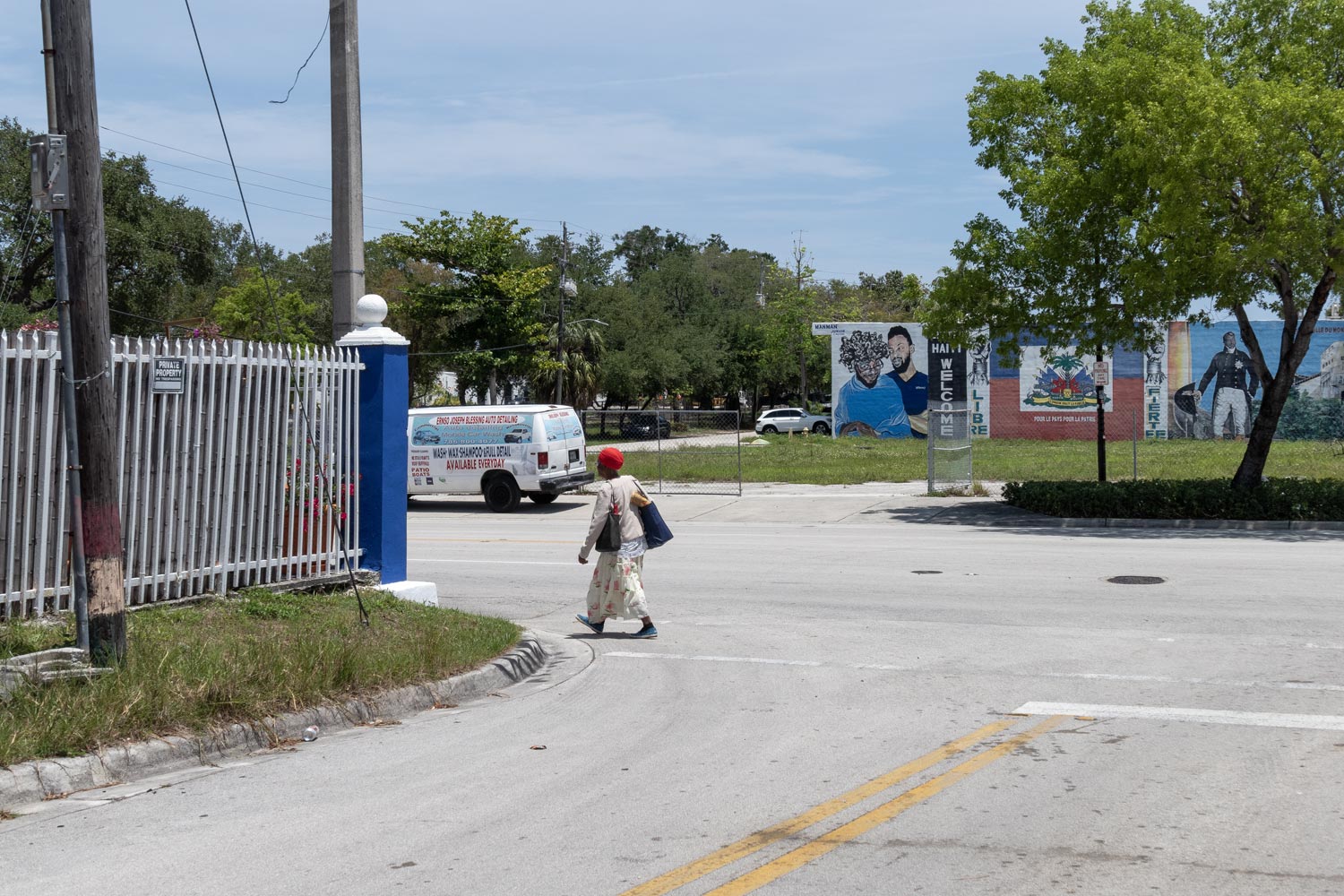
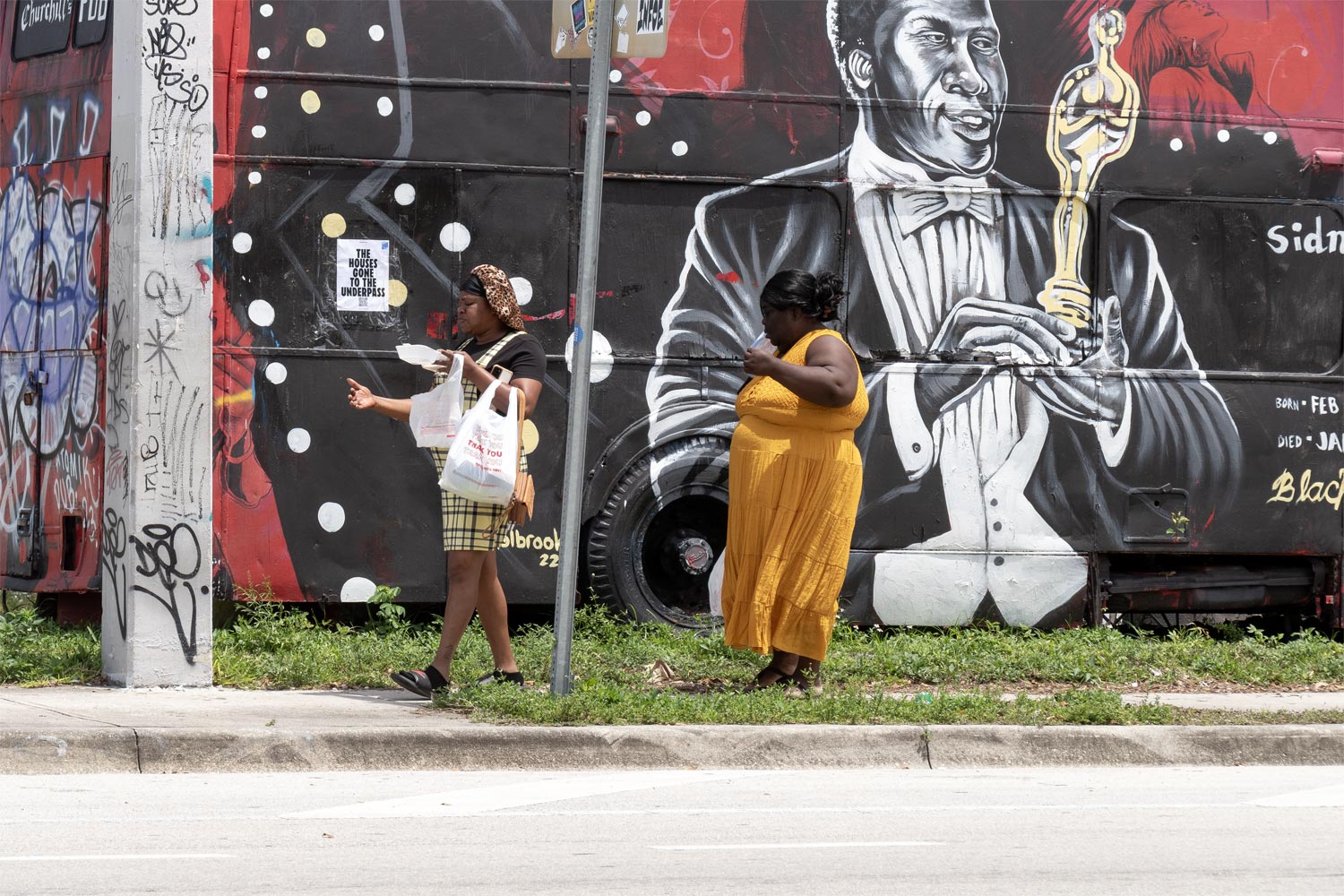
Haitians are walking around the neighborhood; some are wearing traditional clothing — a colorful dress and a headscarf.
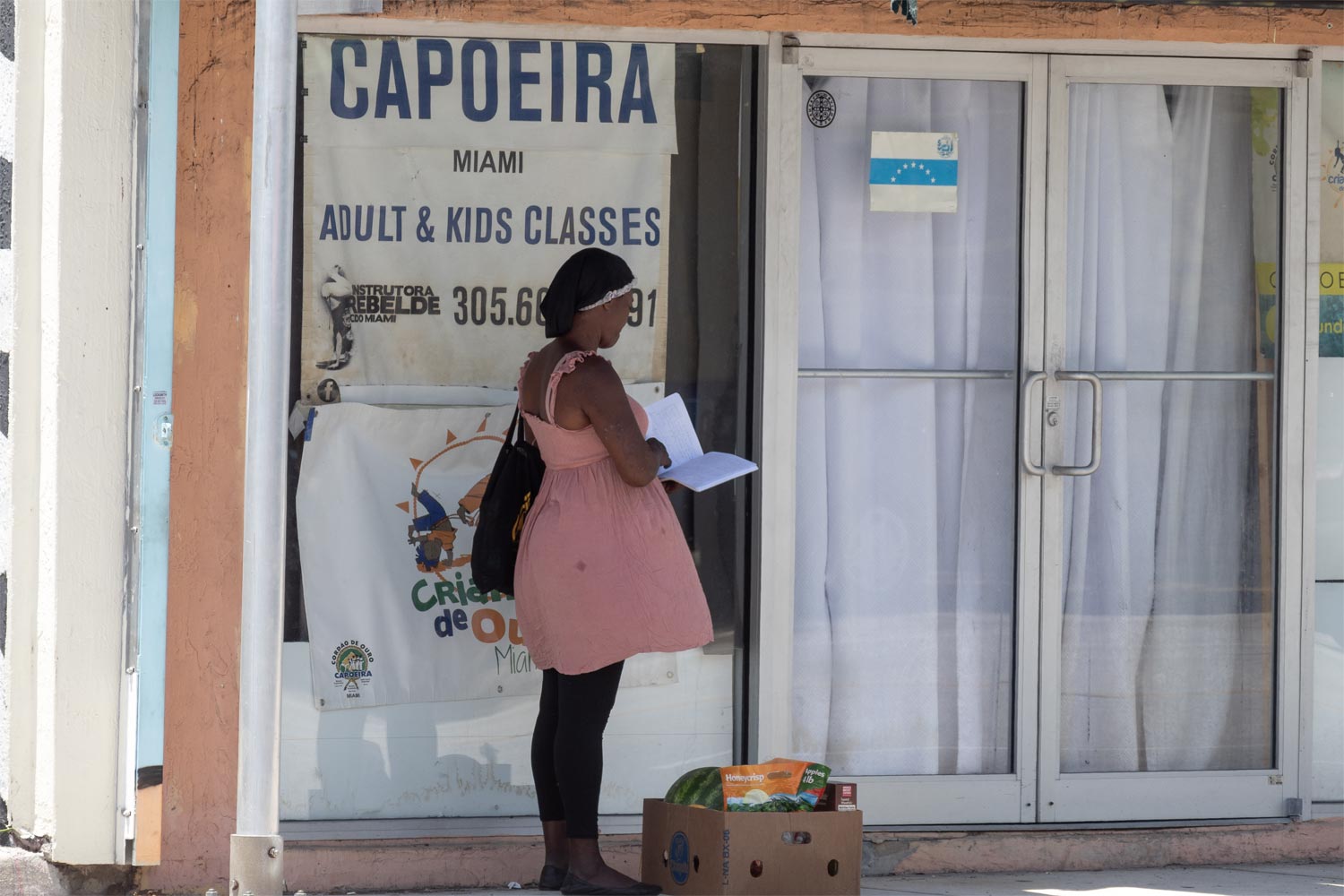
Auntie Poulet, flesh and blood!
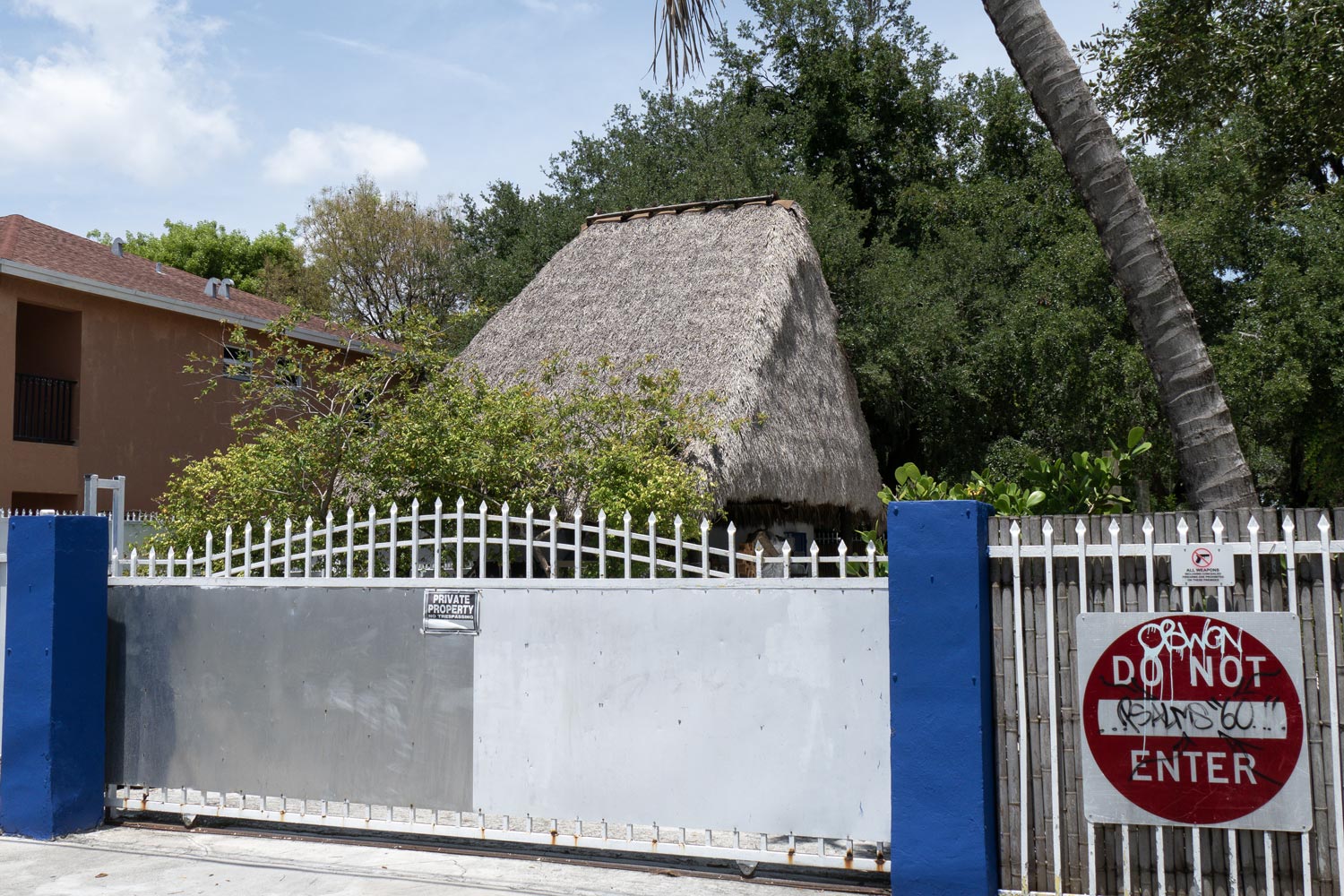
A Haitian hut turned up on someone’s plot of land. Now that’s what you call nostalgia.
The local supermarket is a typical American neighborhood grocery store. As a rule, they sell all kinds of crap like cookies, canned goods, and frozen chicken. Next door there’s always a cramped little office for an accountant and an immigration lawyer.
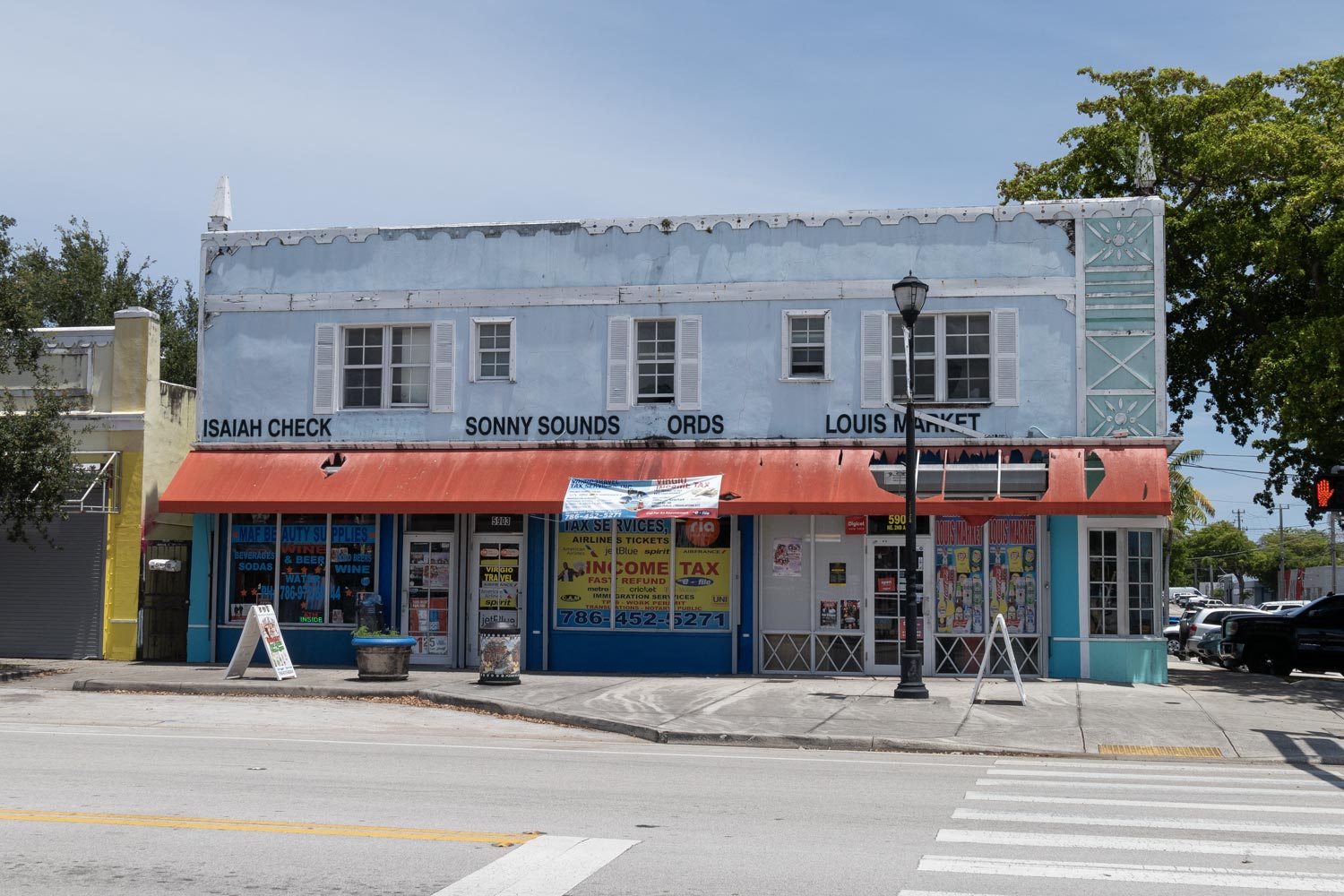
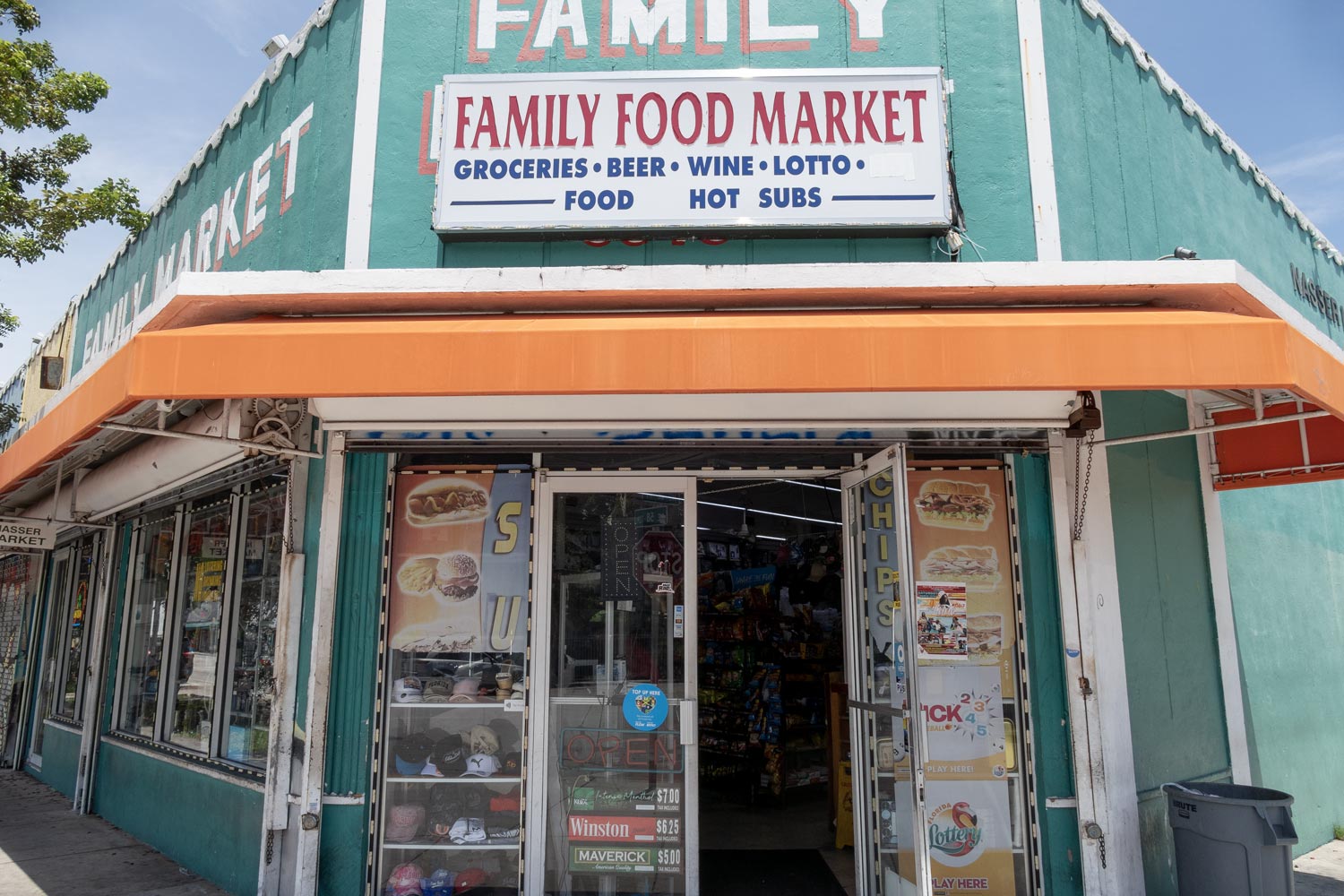
Overall, the area is extremely poor and dangerous. It’s better not to go further in.
Wynwood
Not far from Little Haiti lies a completely different neighborhood called Wynwood. It’s a pretty decent place where settle all kinds of creative people and freelancers.
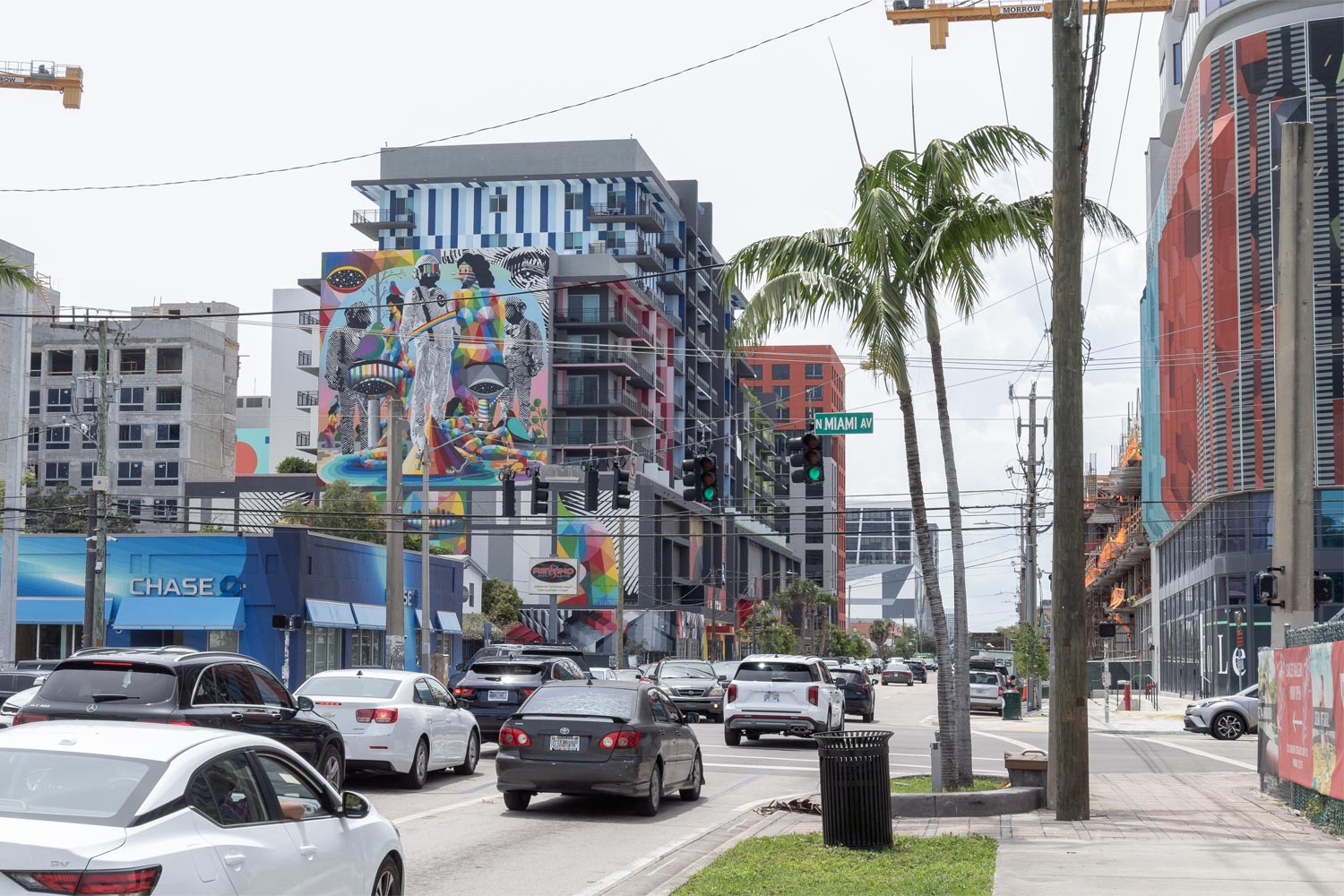
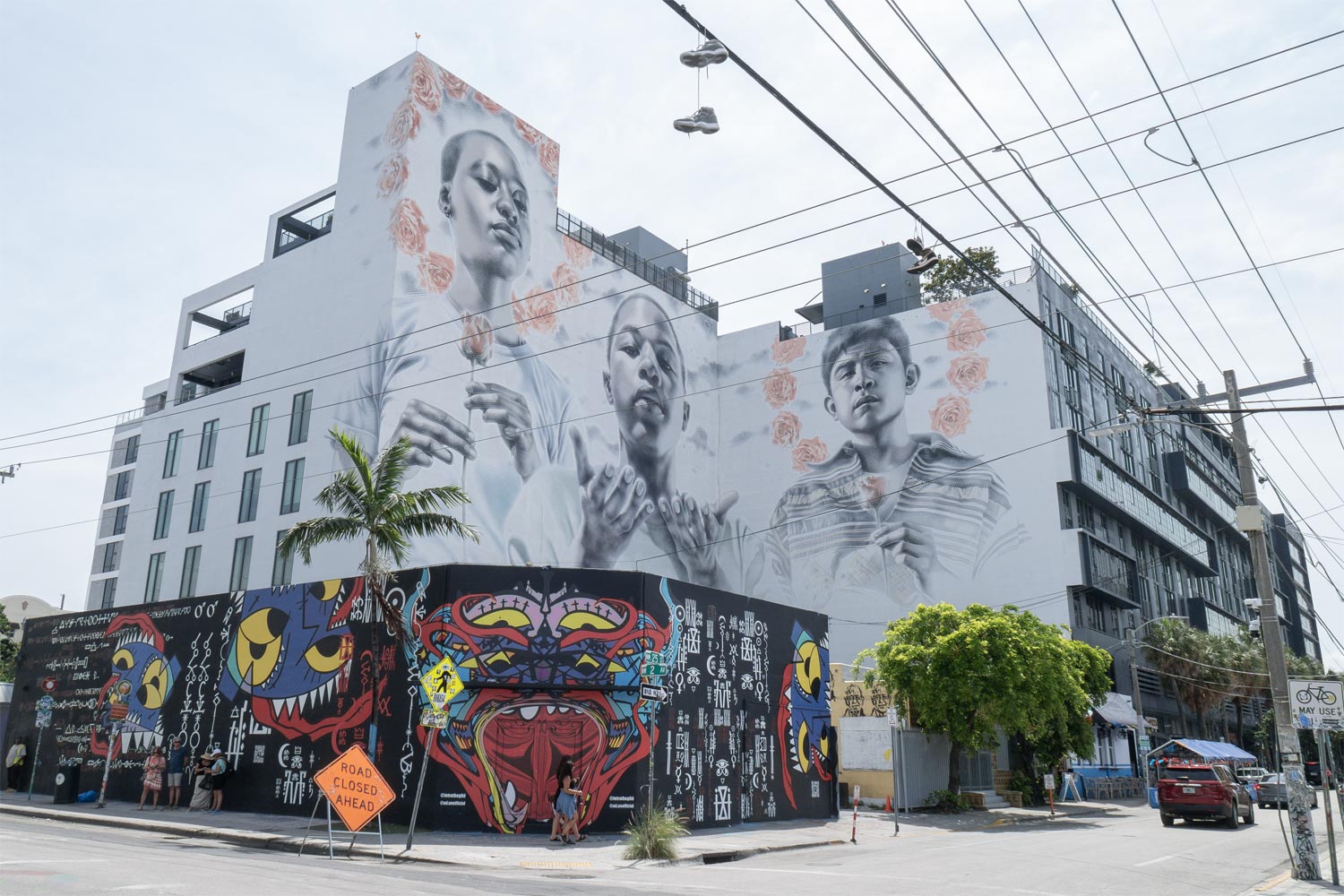
The atmosphere in Wynwood is super vibey. The neighborhood is packed with awesome murals and arts scattered all around.
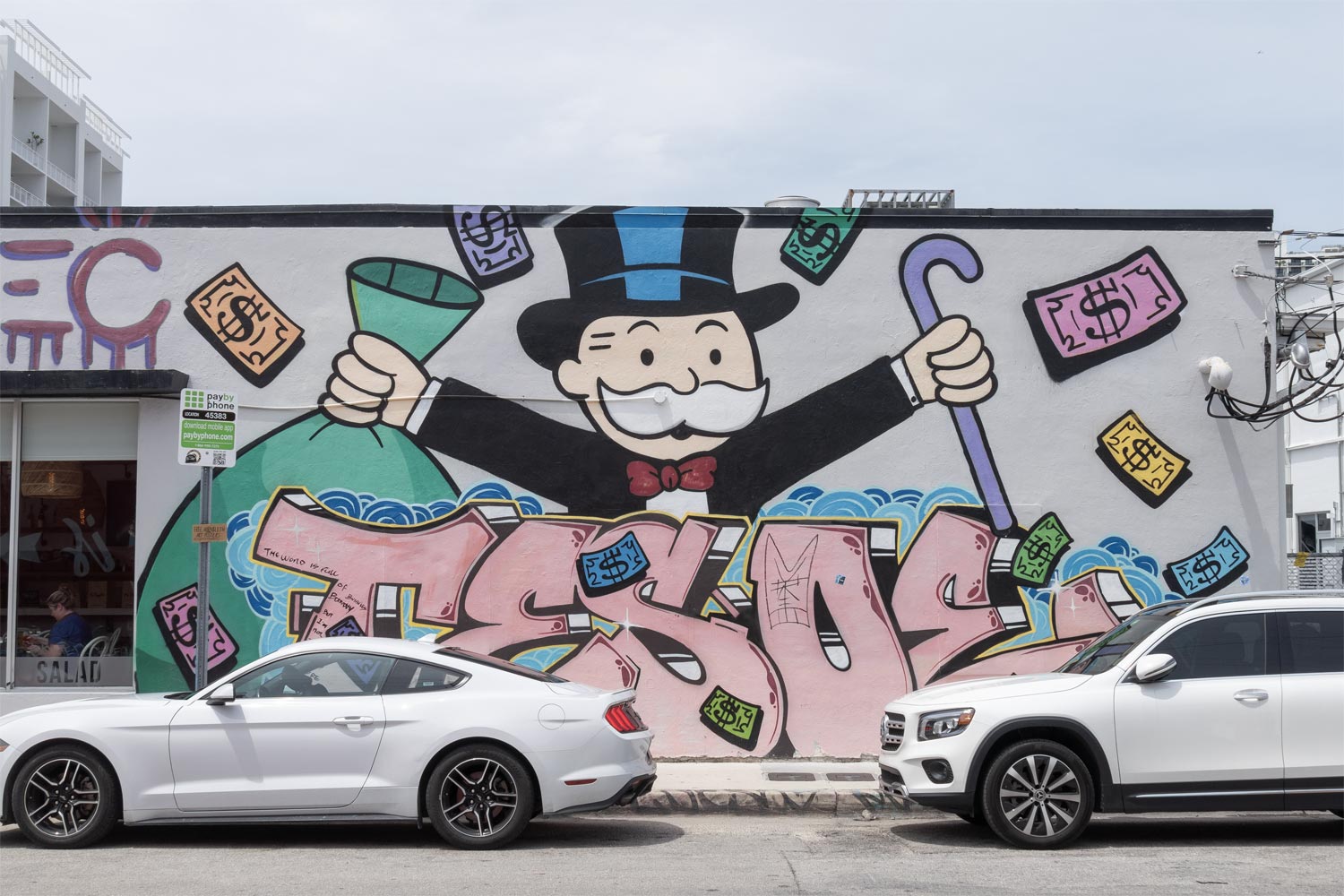
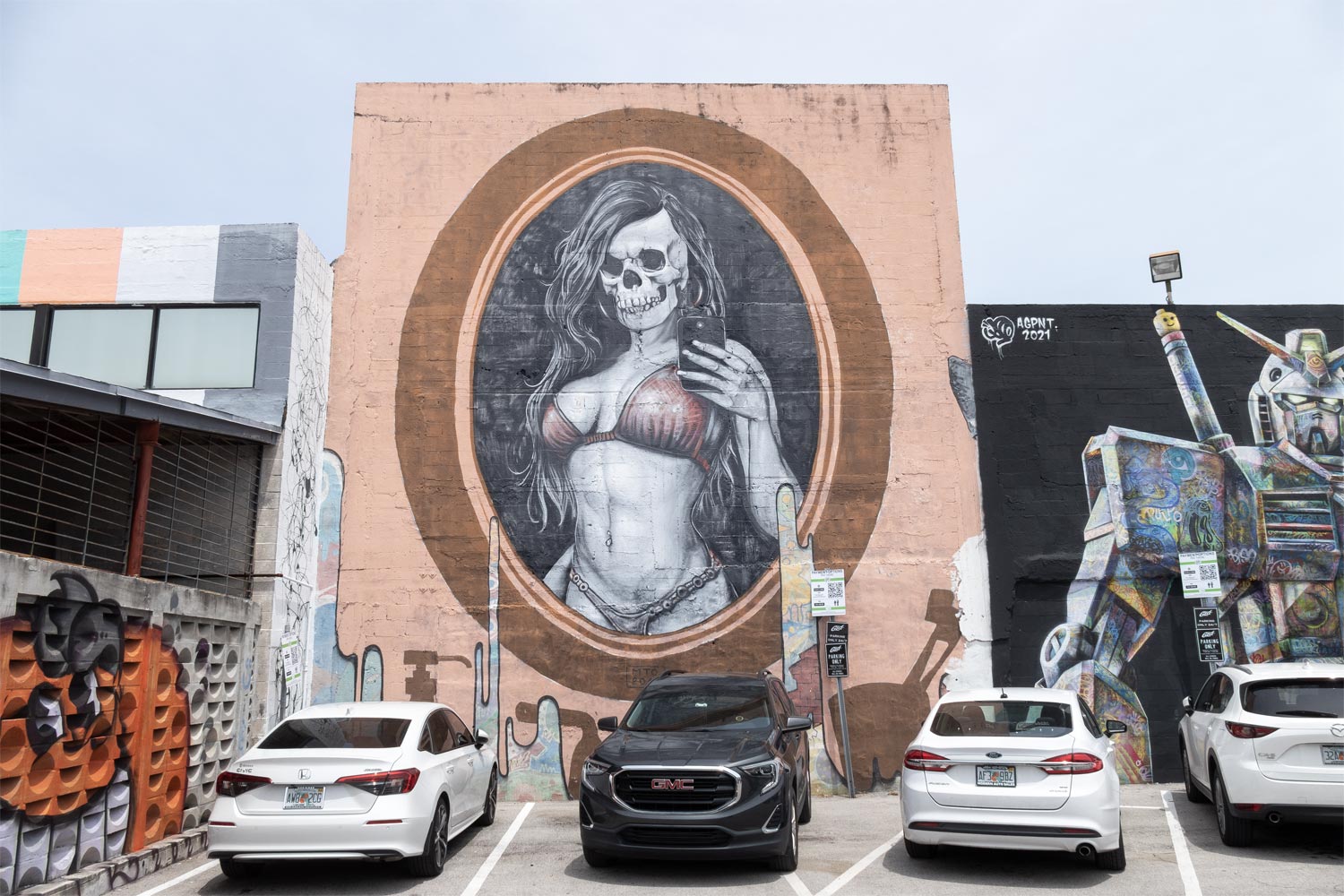
The place is definitely interesting. Miami’s whole underground scene happens here, not on the beach at all.
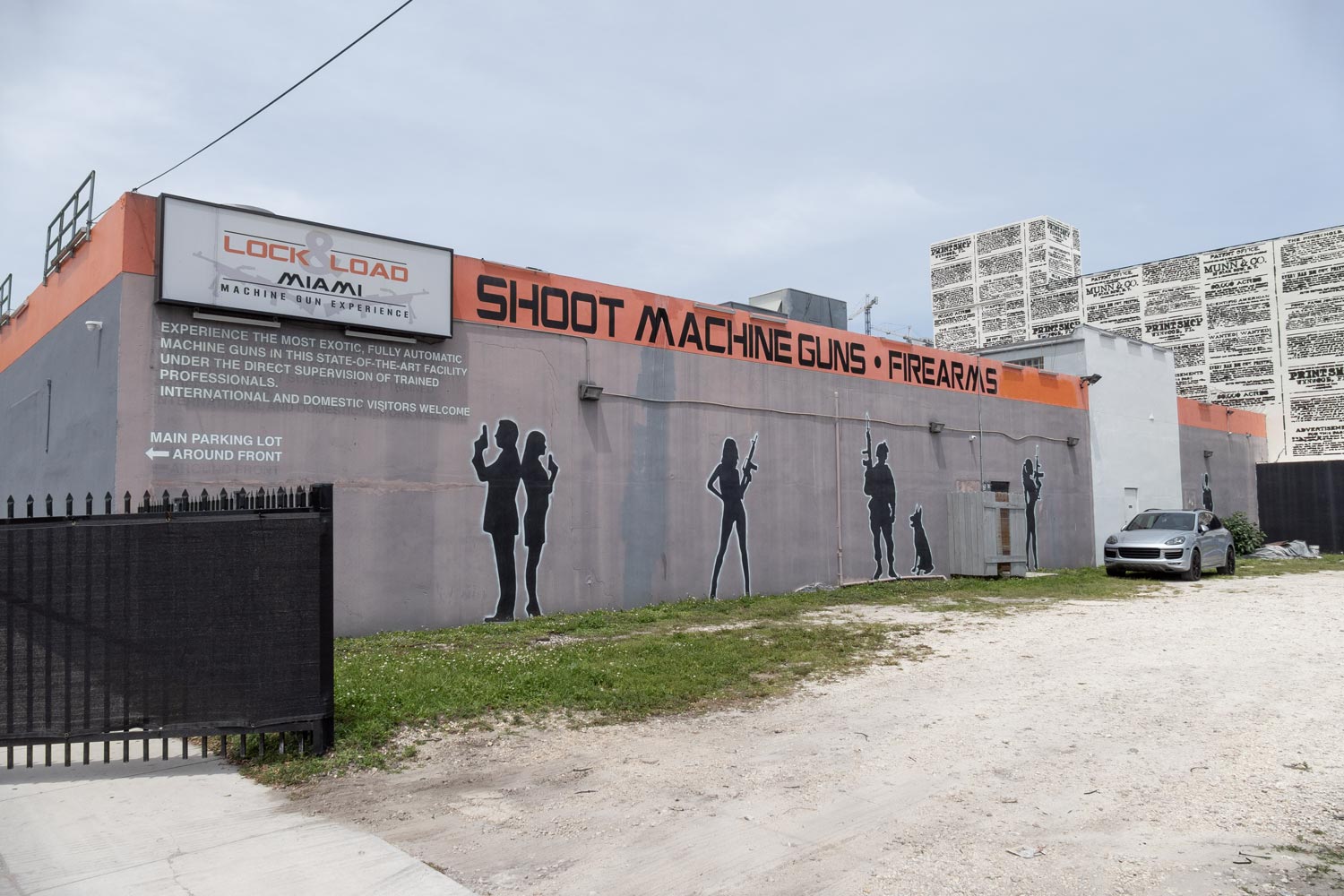
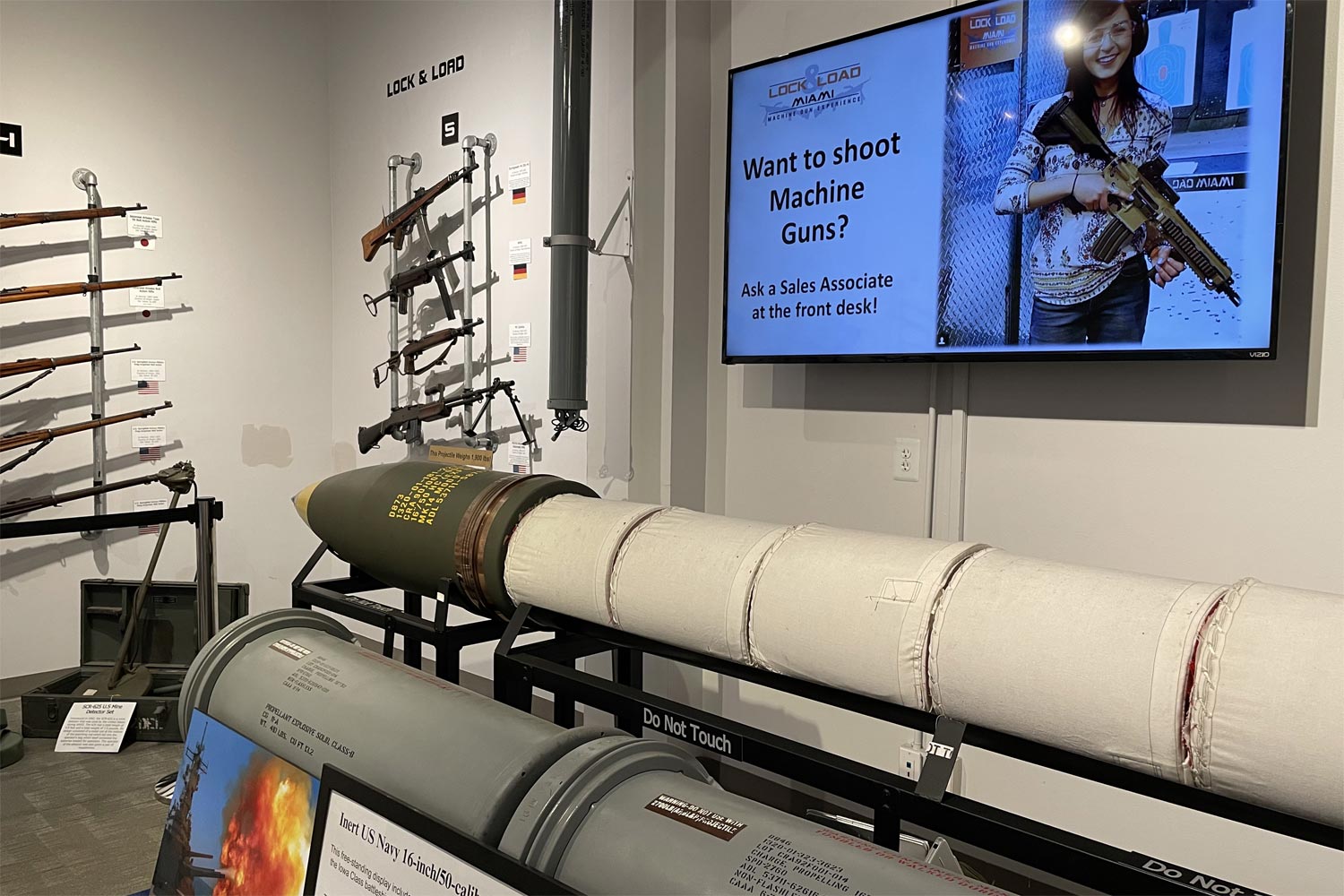
In the area was found one of the shooting ranges. There are plenty of them in Miami. Florida is one of the most heavily armed states. Here you can even buy a rifle or a shotgun without a license or registration, and carry it with you anywhere.
Inside, it’s a real weapons museum. It has verything one can imagine! Pistols, rifles, shotguns, Uzis, bazookas, grenades, machine guns. They even had shells for the Russian howitzer ПУ-105.
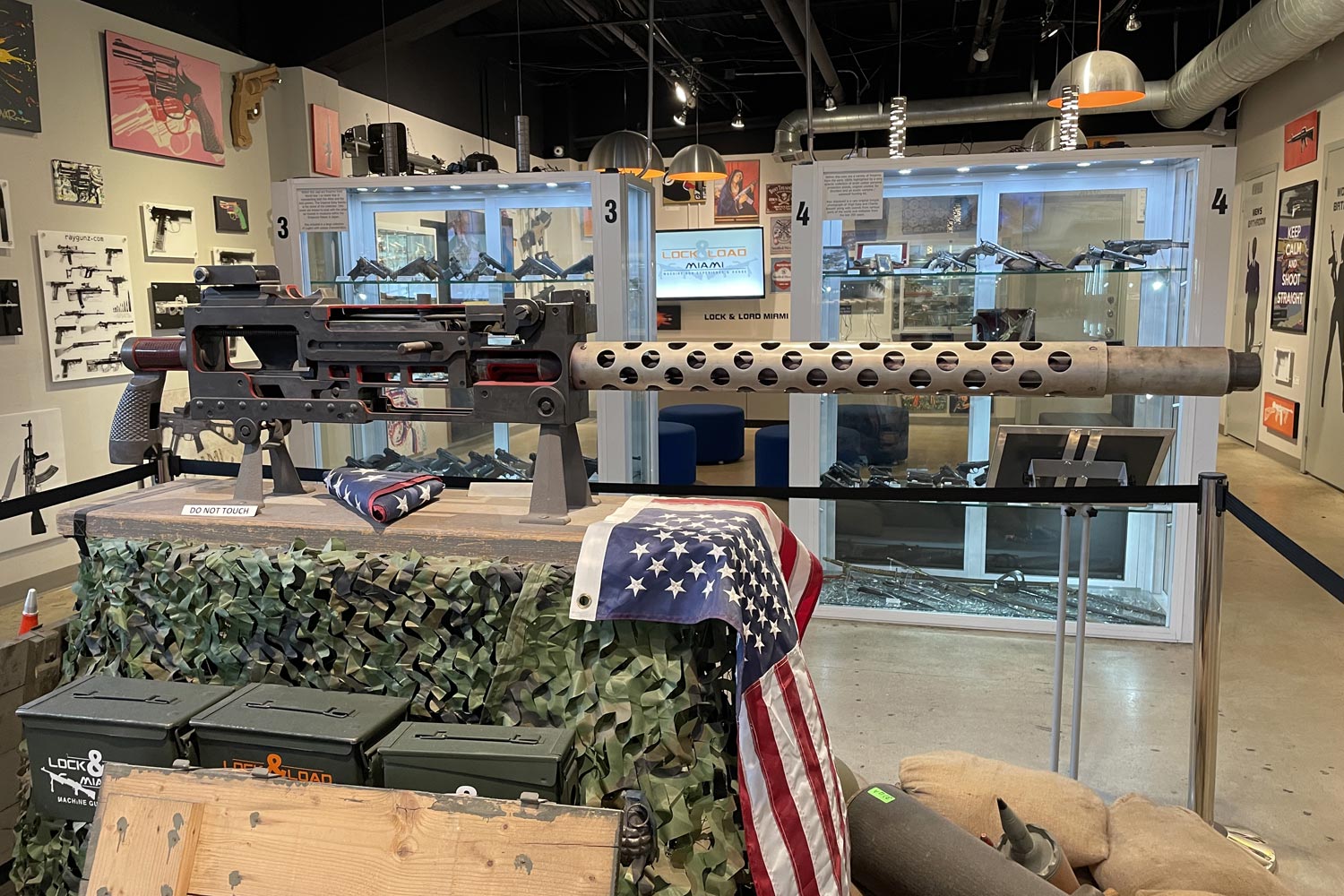
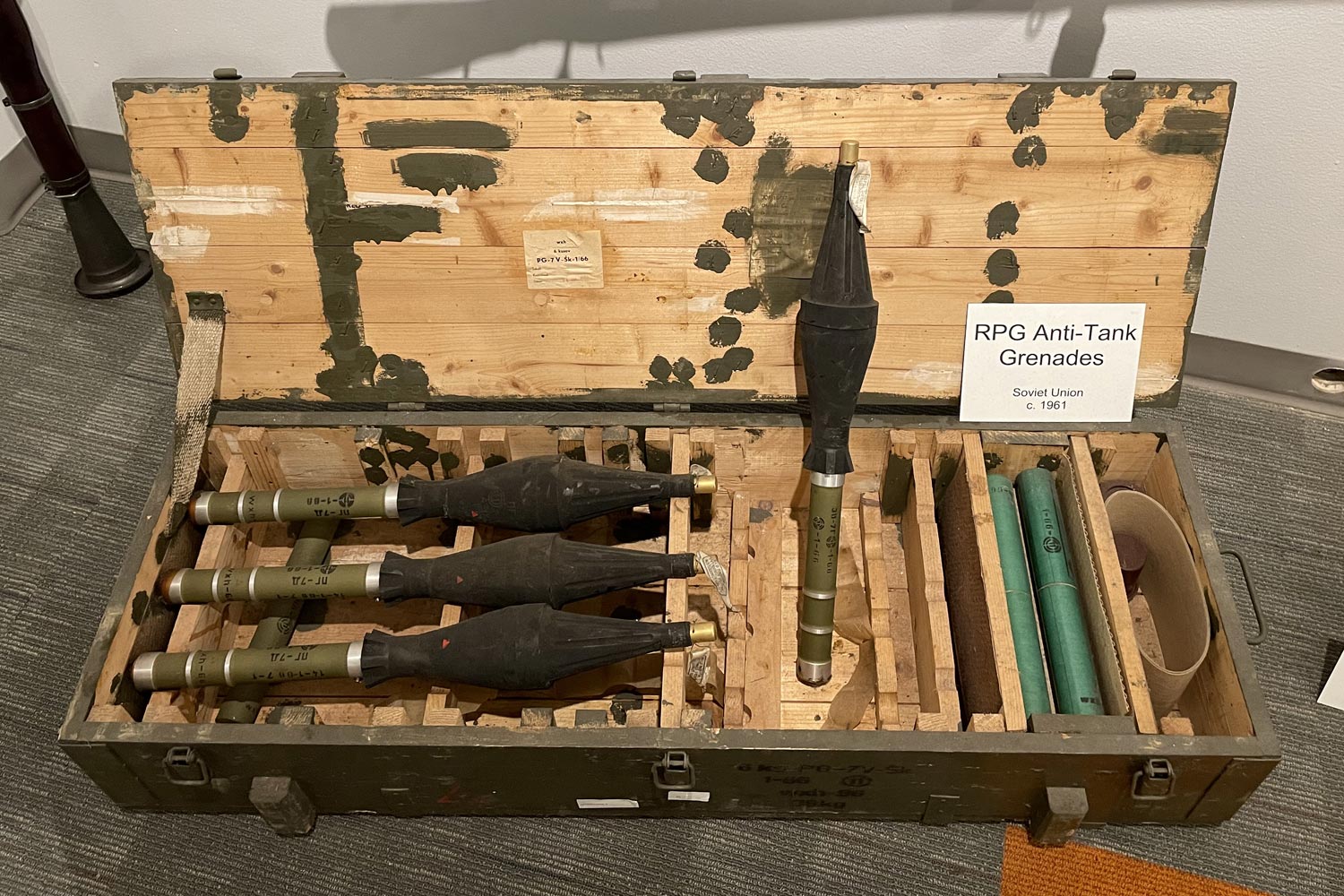
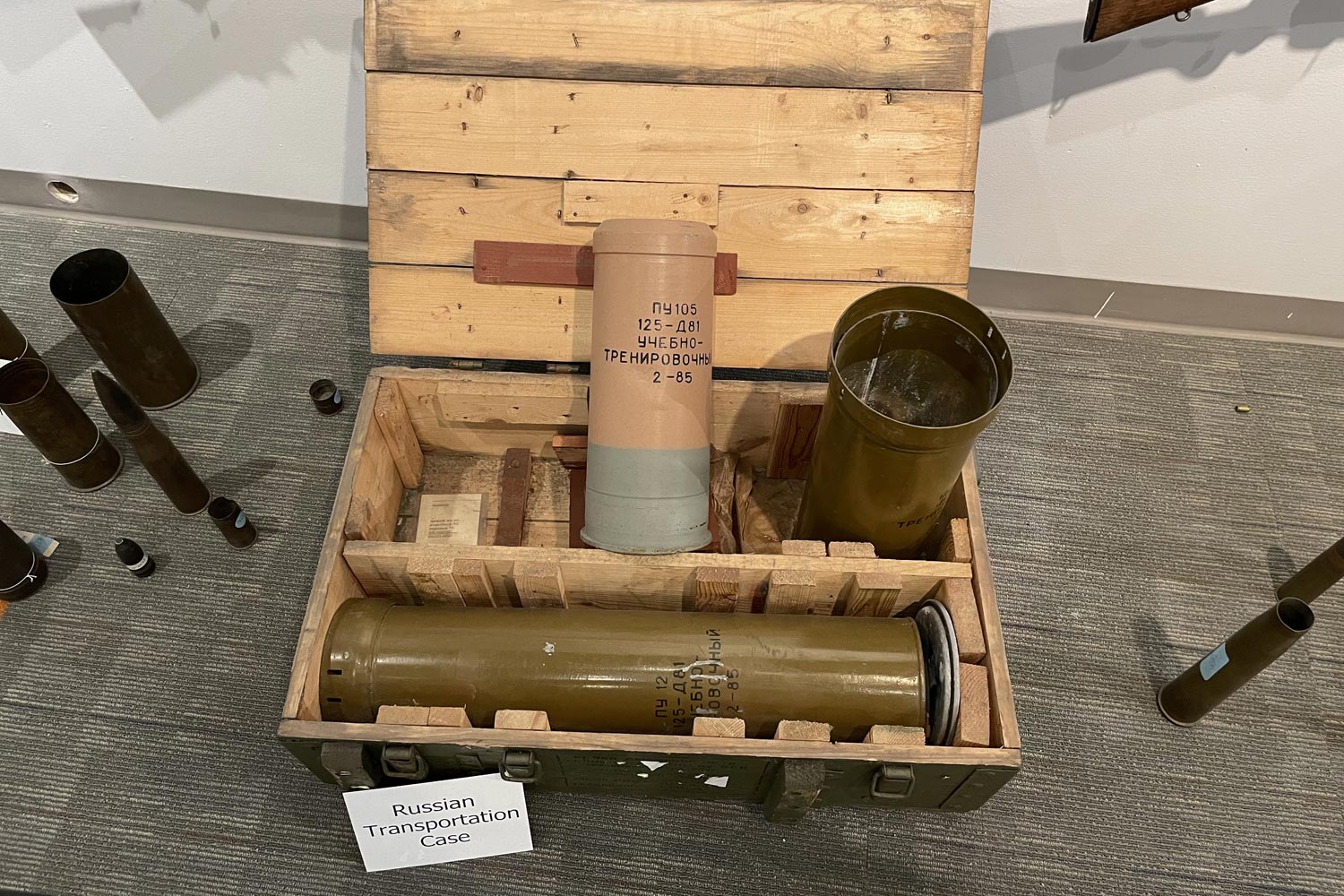
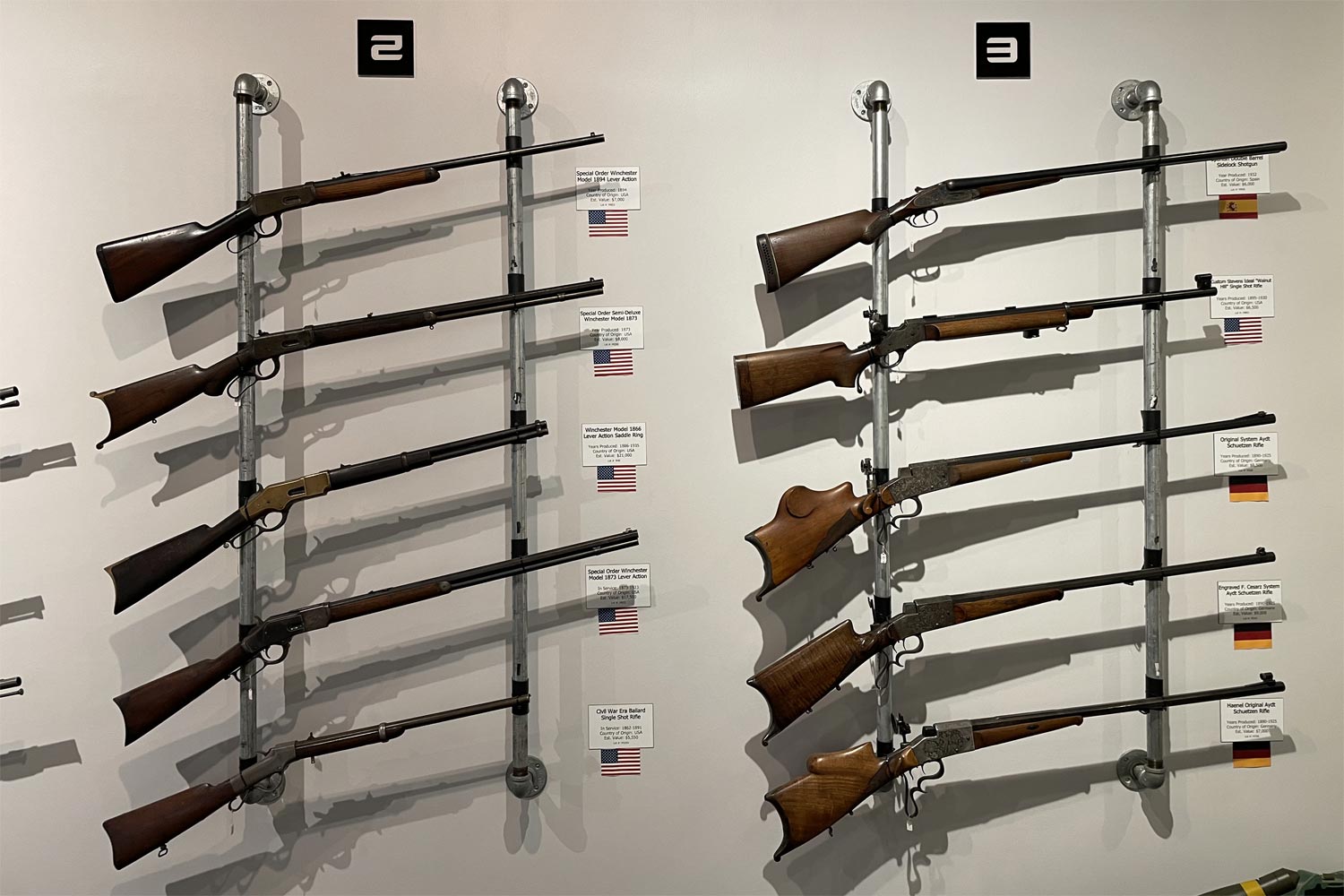
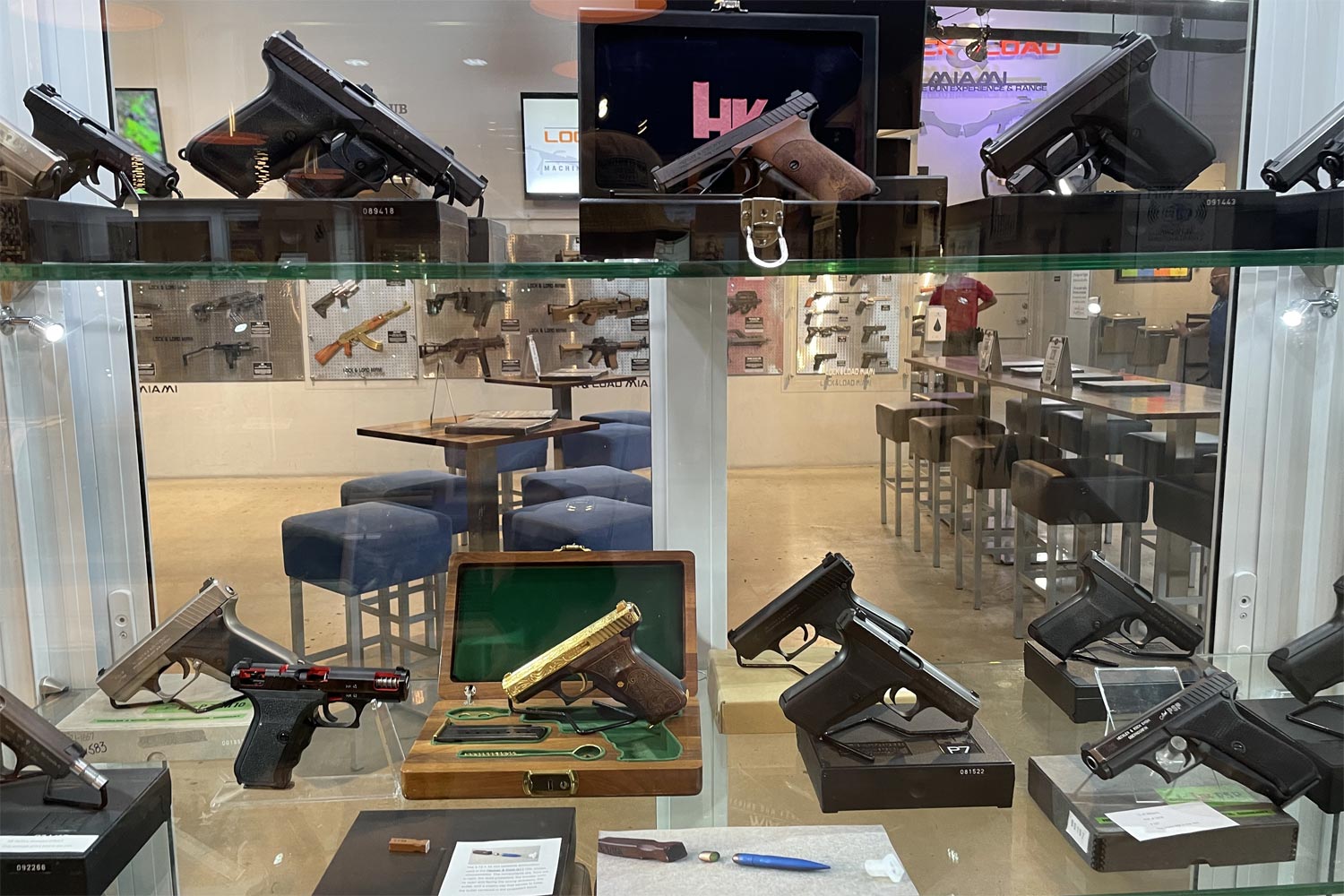
Nah, howitzers! In the display case there’s an artillery shell from the battleship Iowa. Of course they won’t let you fire that. But an M16 or a Kalashnikov — you can.
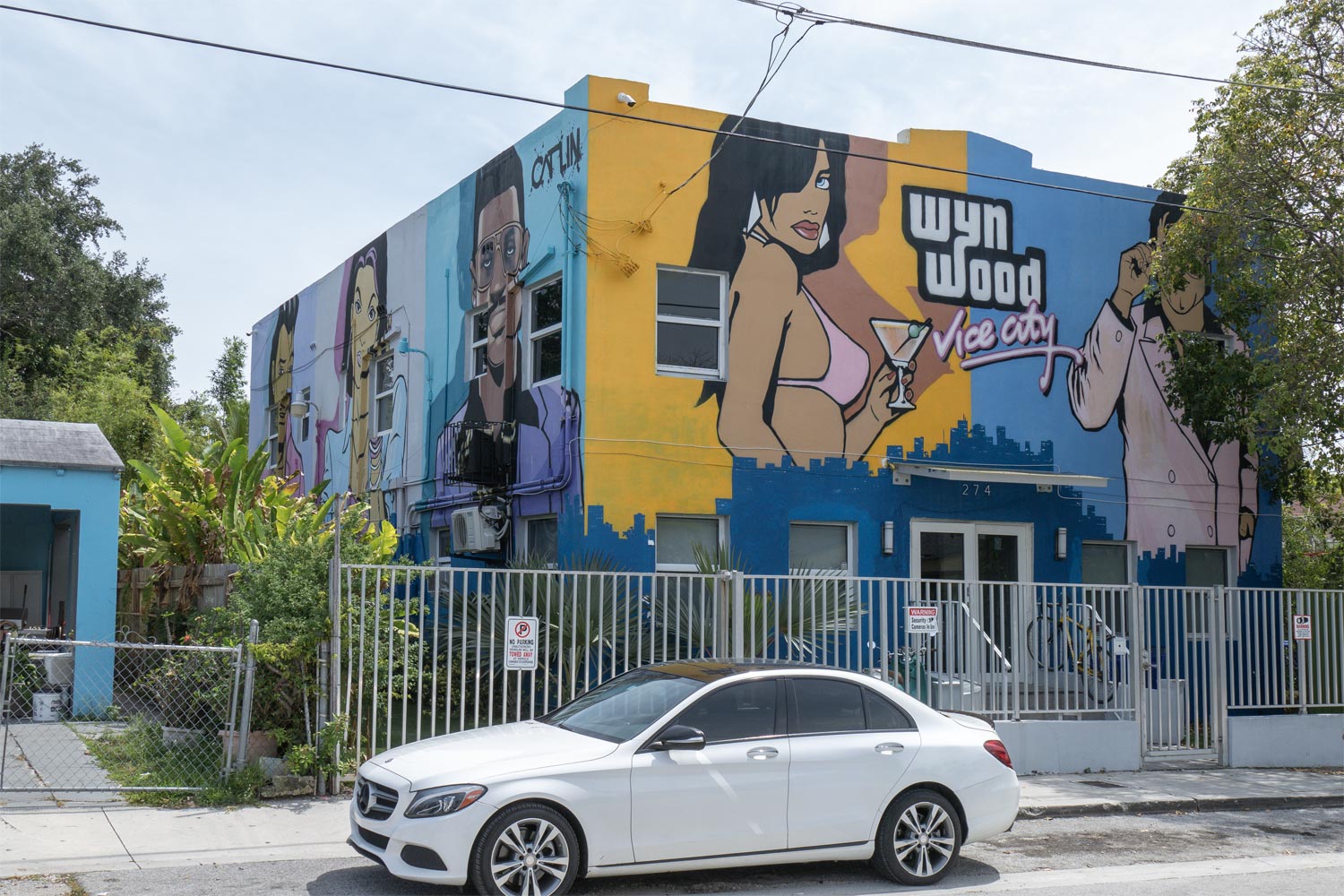
Finally, in Wynwood there’s a direct reference to Vice City — a large mural featuring characters from the game.
Little Havana
Not only Haitians live in Miami, but also immigrants from a dozen other Latin American countries. The second most well-known diaspora is the Cubans, who live in the Little Havana neighborhood.
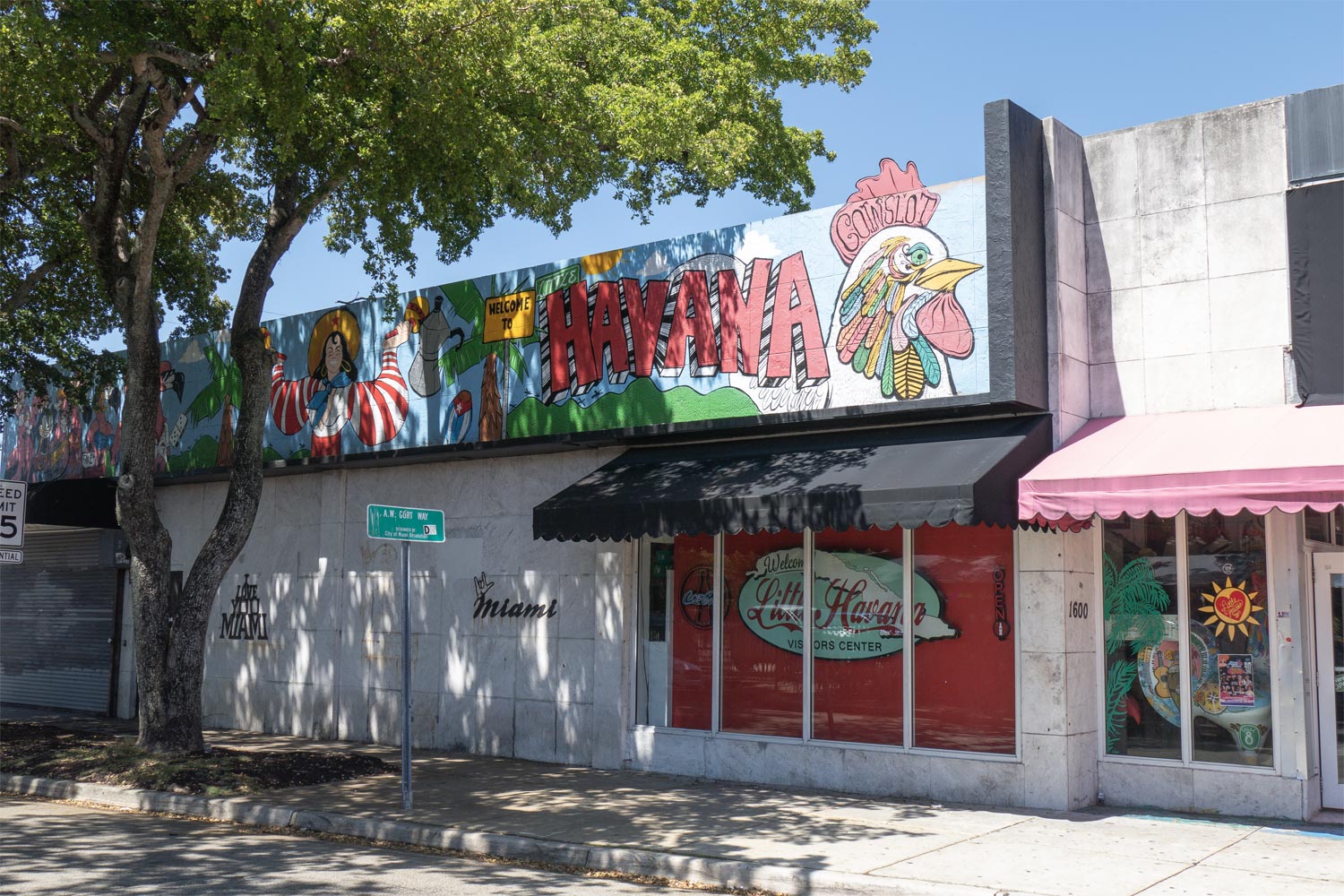
Unlike the Haitian neighborhoods, the Cuban community is a relatively safe place. And yes: it’s in the game too, but the real-life fate of this place is far more interesting.
Cuba is located very close to Florida. From Miami to its capital, Havana, it’s only 360 kilometers. After Fidel Castro came to power in Cuba, a mass exodus of Cubans to America began.
In 1965, the United States arranged free flights to Miami that operated five times a week and, over eight years, transported 300,000 refugees. The program was called Freedom Flights, and $12 million was spent on it. Fidel himself did not obstruct it and even helped get rid of undesirable citizens.
When the program ended, the flow of immigrants seemed to dry up, but by 1980 Cuba’s economy had collapsed. And once again a wave of Cubans fleeing the communist paradise poured into Miami. This time they crossed by sea, and their number reached 125,000 people.
There was a third, a fourth, and a fifth wave as well. Each time communism achieved new successes in the economy, hundreds of thousands of new Cuban refugees made their way to Florida. Of course, they settled all over the city, but a particular magnet was the area between the airport and downtown. That was what later came to be called Little Havana.
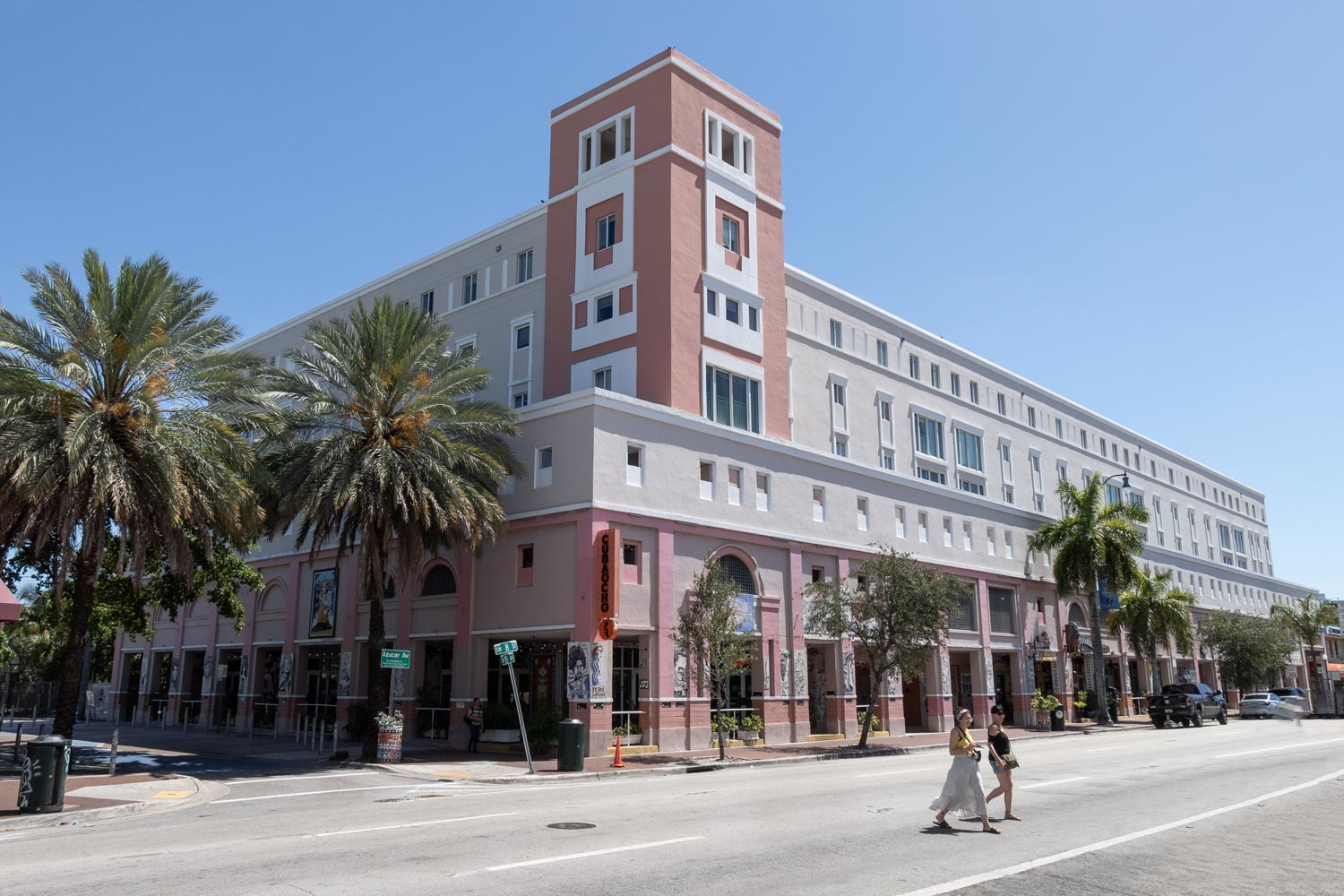
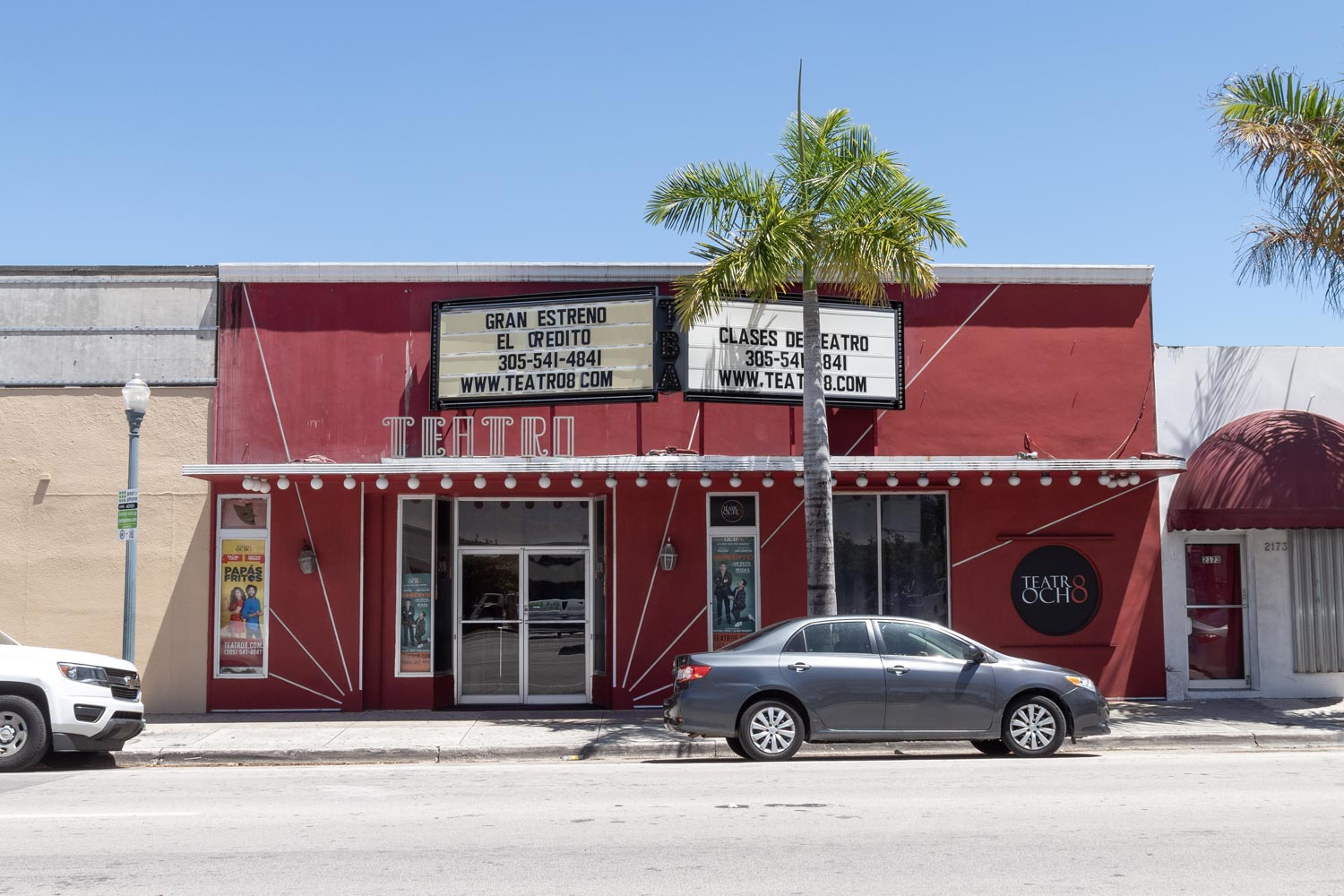
The Cuban neighborhood is quite decent. After all, Cuba had education and culture, and the best people were the ones who left. So in Little Havana there are cafés and theaters.
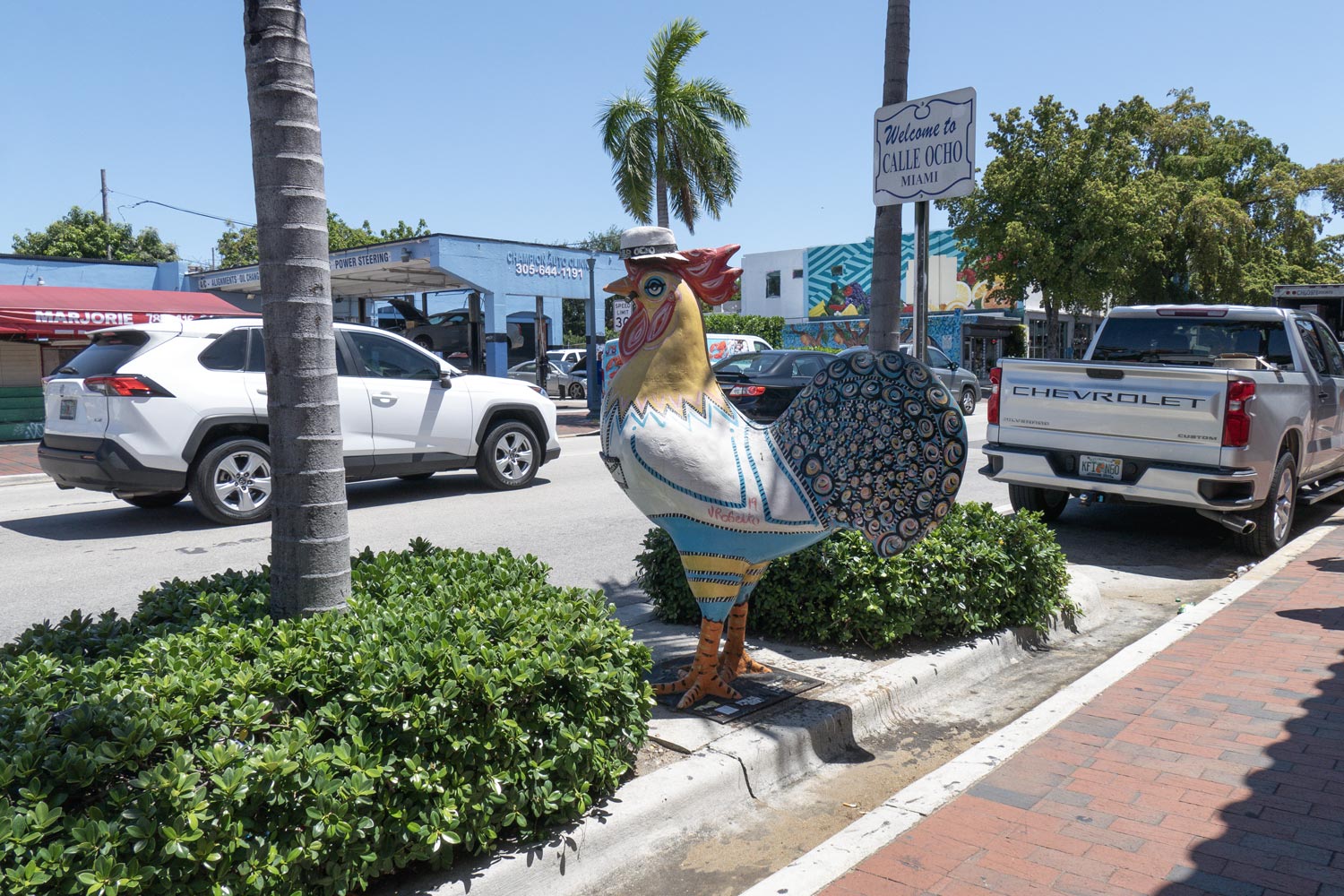
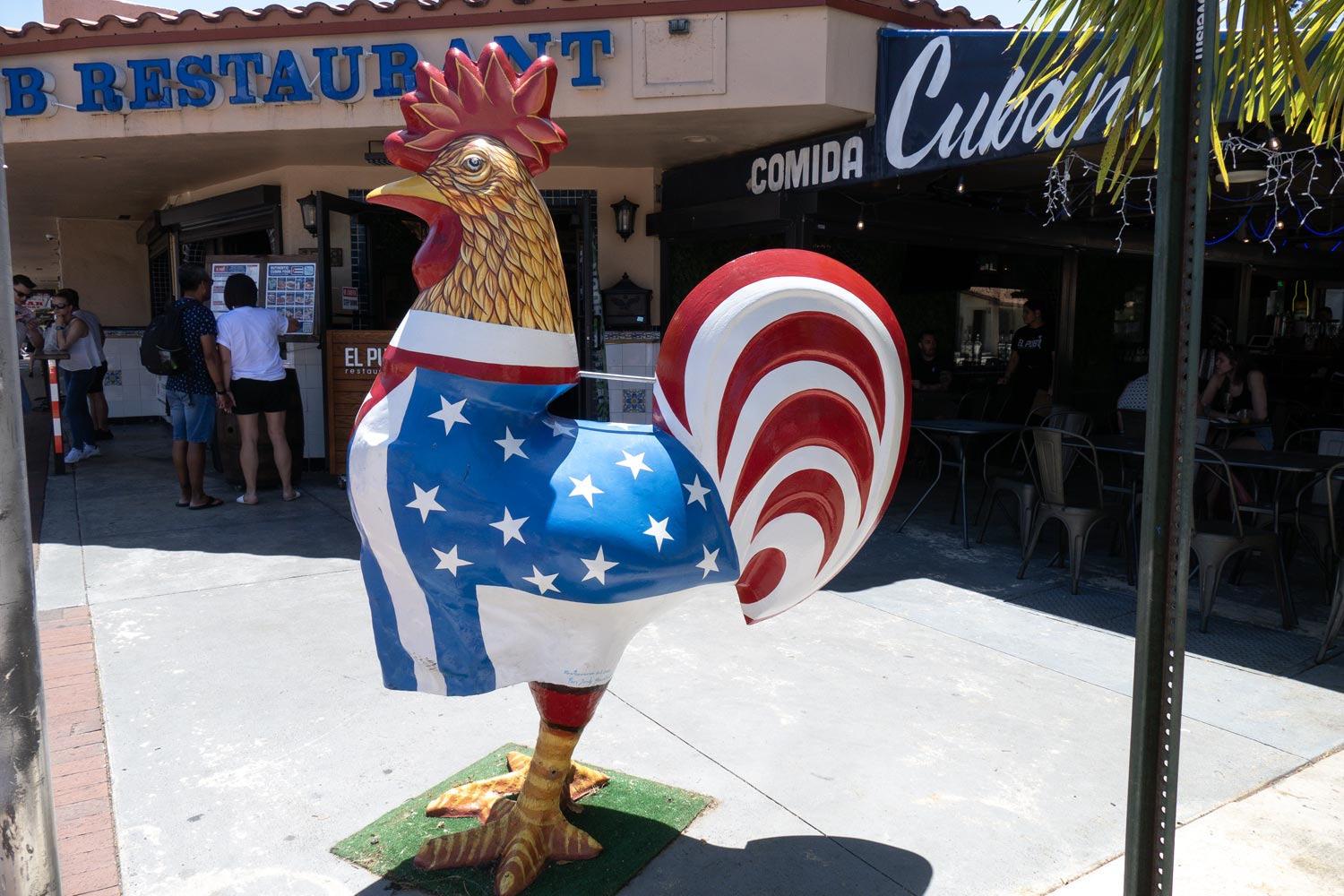
One of Cuba’s symbols — and of the Caribbean islands in general — is the rooster. Apparently because, aside from chicken, nothing else has ever really been found there. Anyway, rooster sculptures are set up all over the area, painted in all sorts of different colors.
However, one shouldn’t be too taken in by the sweet Florida life of the Cubans. Yes, among them — like in any diaspora — there are millionaires and successful people, and in Little Havana there are some quite nice little mansions.
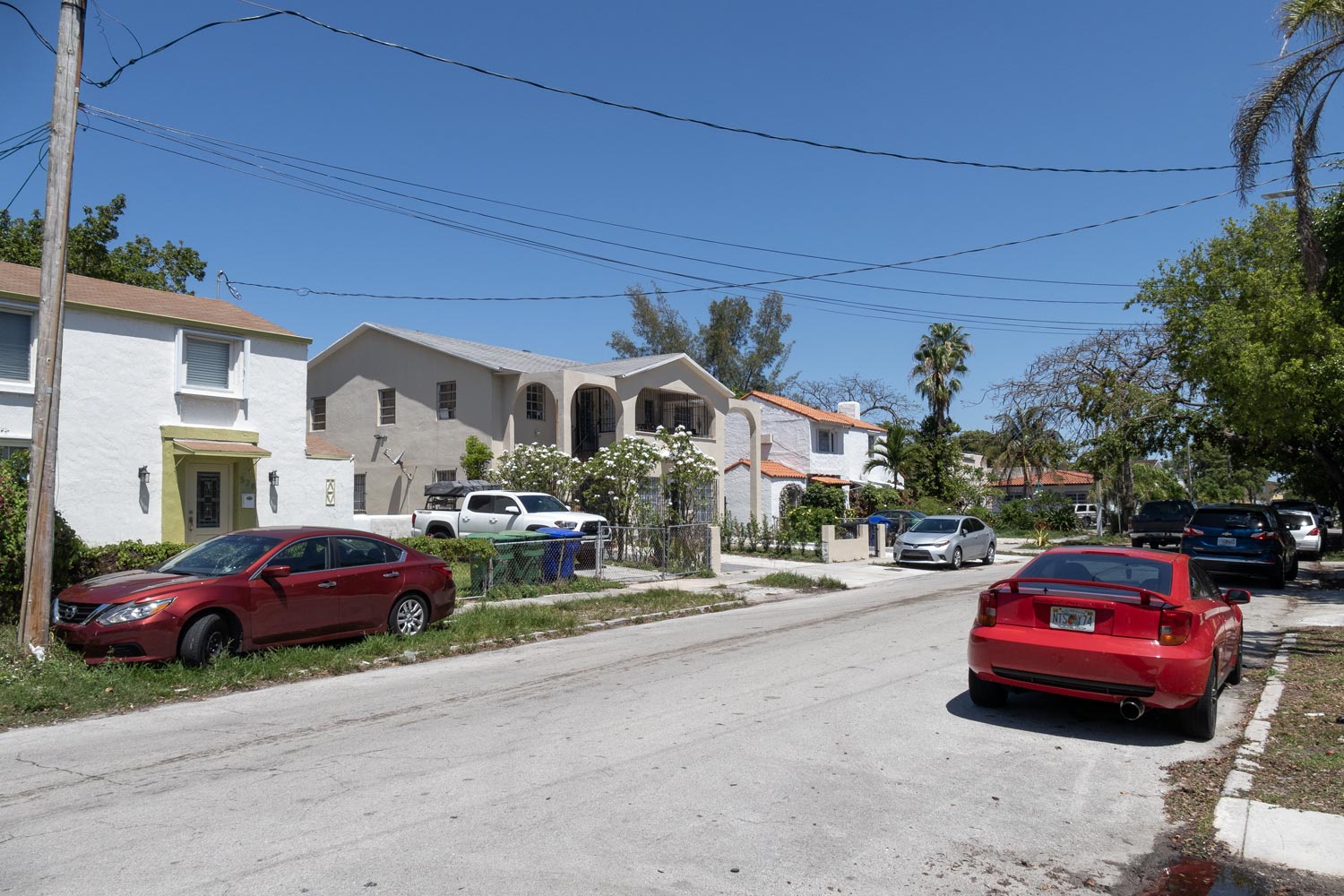
However, most of the district is still built up with extremely cheap housing and resembles a ghetto.
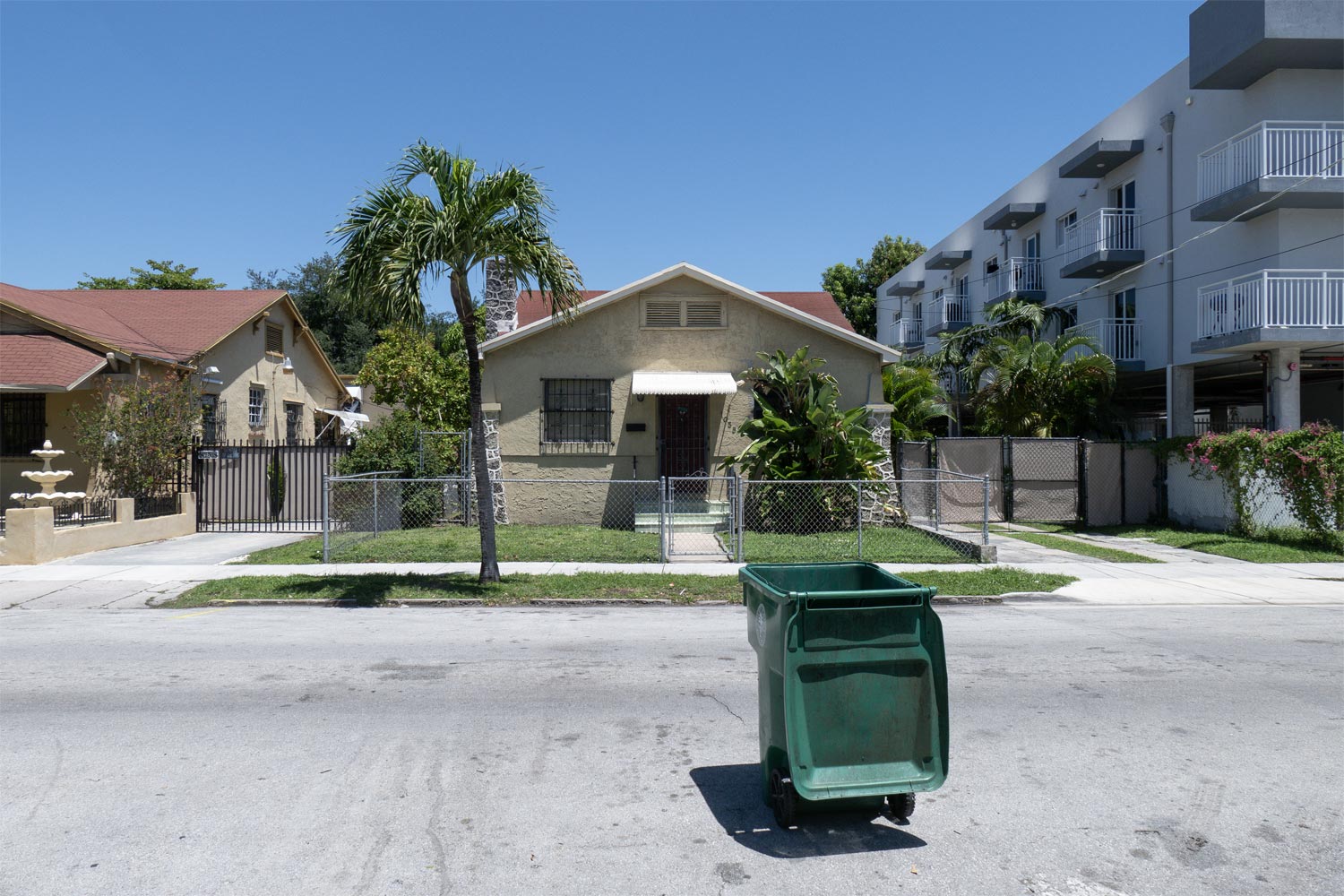
Many houses seem to have bars on the windows purely out of habit. Of course, there’s theft in America too. But what is there to steal in a poor Cuban ghetto? It feels like the bars on this house cost more than everything inside it.
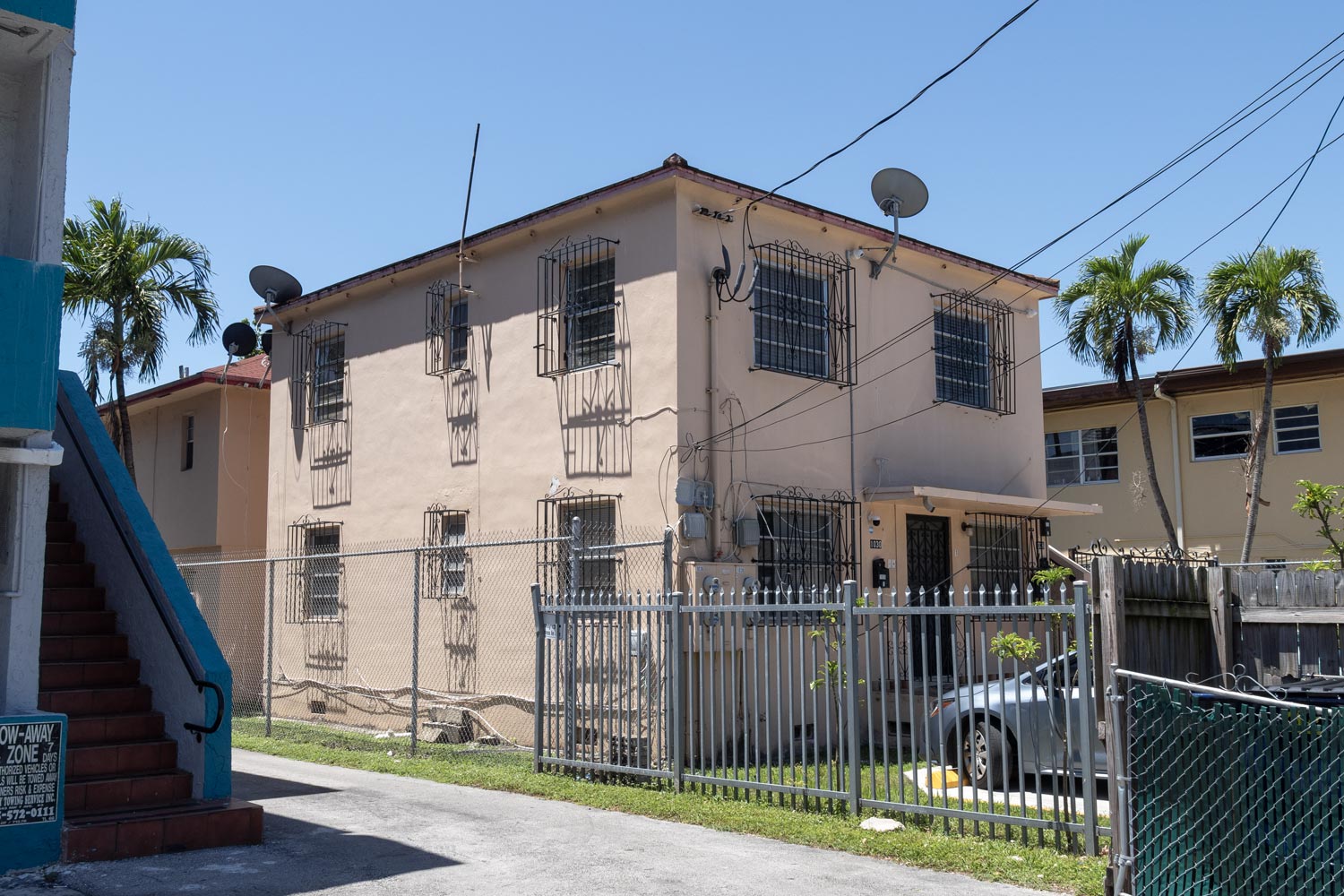
Be that as it may, today about 75,000 Cubans live in Little Havana. In total, more than 2 million refugees from Cuba live in Miami, including the suburbs, and 3 million across the United States.
Fewer than 10 million people remain on Cuba itself. And hardly anyone has even heard of a computer game about a Vicy City.