
Grand Canyon
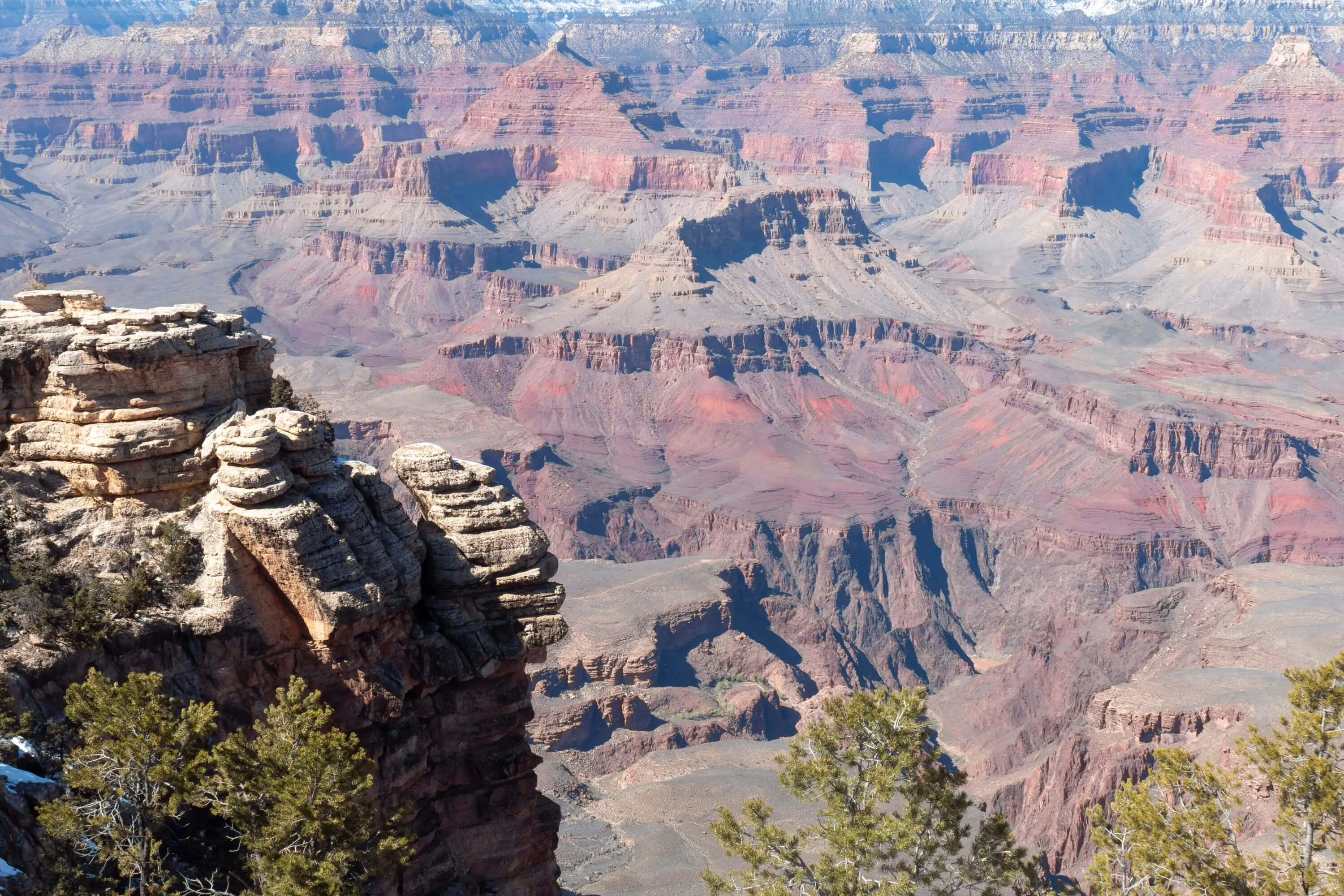
The Grand Canyon is one of the most famous places in America. In terms of fame, it’s probably only outdone by the Yellowstone geyser.
Unlike the geyser, getting to the canyon is fairly easy: it’s only a five-hour drive from Las Vegas. More precisely, that’s how long it takes to reach the canyon’s South Rim — the most scenic spot, and the one most tourists head to.
Well, what can you say? The Grand Canyon is grand.
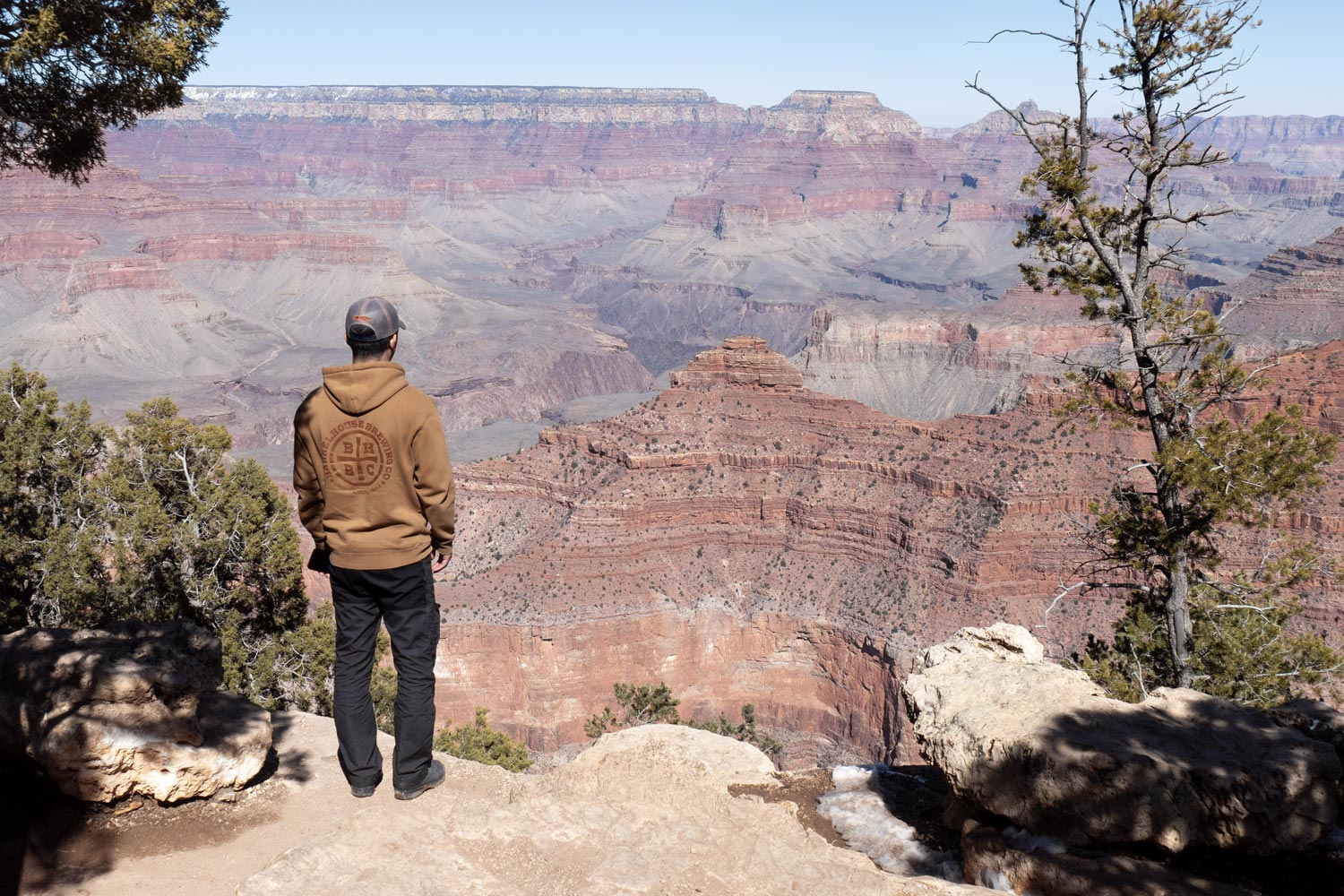
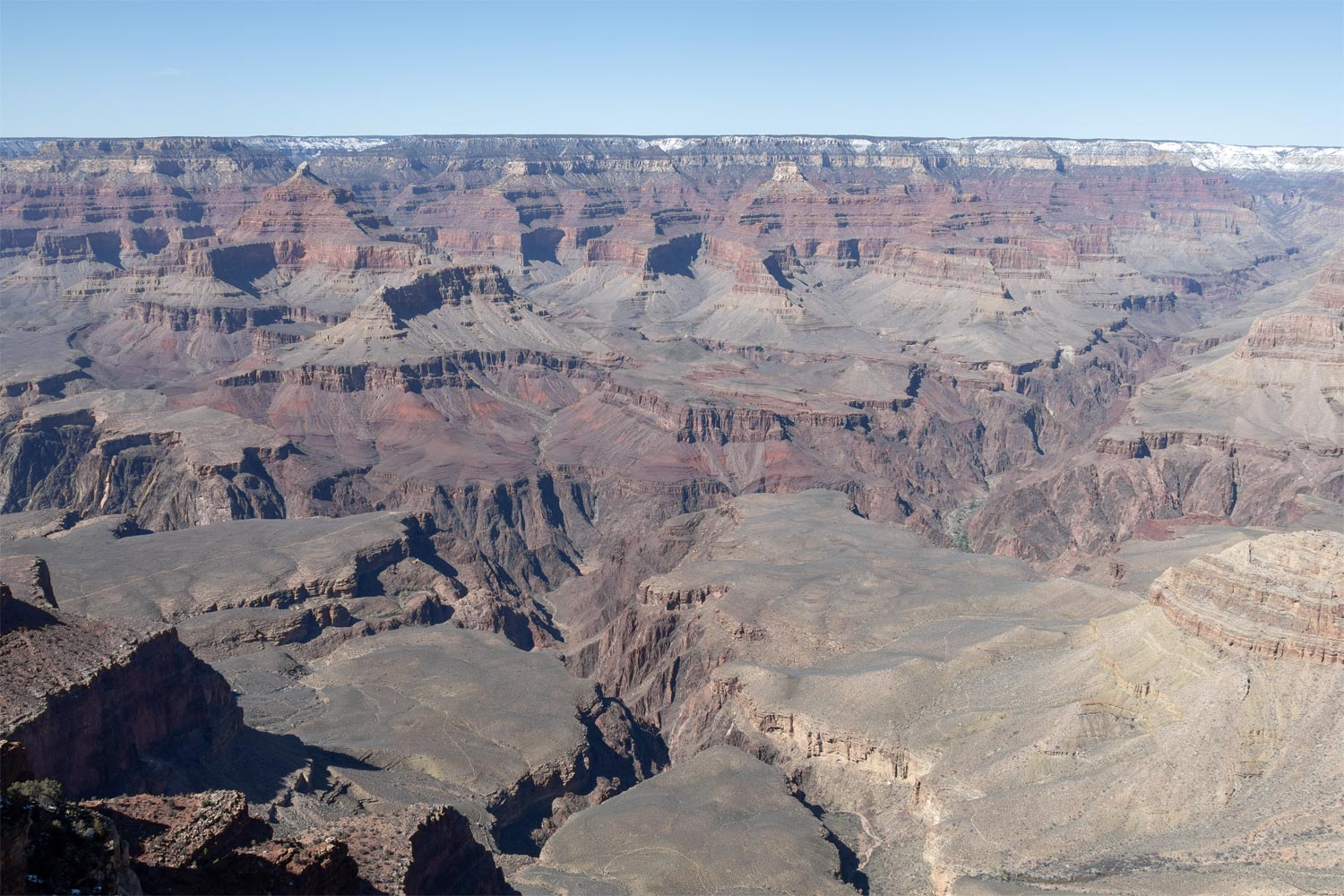
This is both its main trump card and, oddly enough, its main drawback. The thing is, the Grand Canyon is so big that it simply looks flat: filling the entire horizon, it leaves you nothing to compare it with.
Take, for example, Charyn Canyon in Kazakhstan. On average, it’s about 6–8 times smaller than the Grand Canyon. But that’s precisely its main advantage. You can easily take it in at a human scale — and you can also climb down and explore it back and forth in a couple of hours.
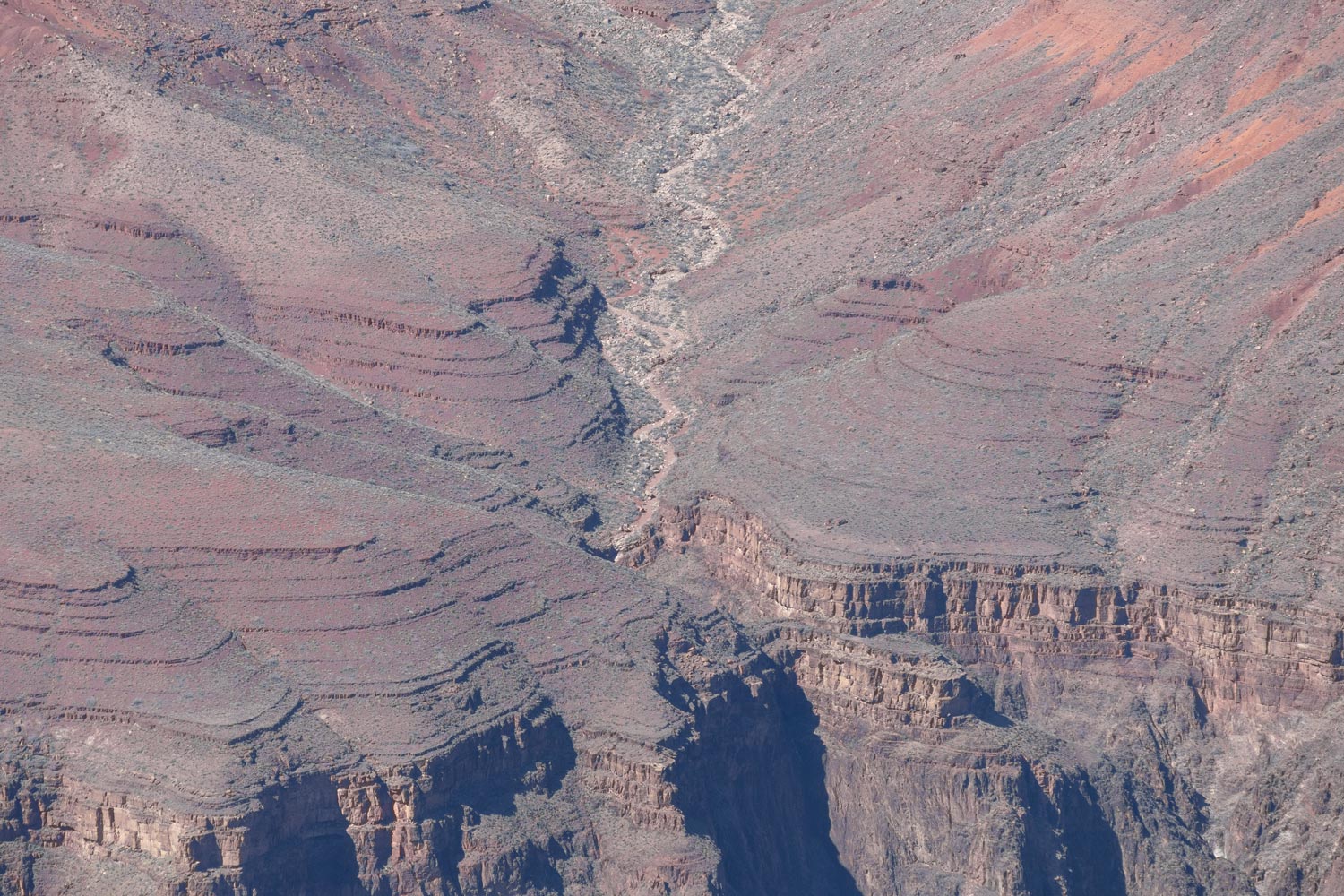
That won’t work with the Grand Canyon. In a single day you can only drive there from Las Vegas, spend an hour or so walking along the rim, and barely make it back to your hotel before nightfall.
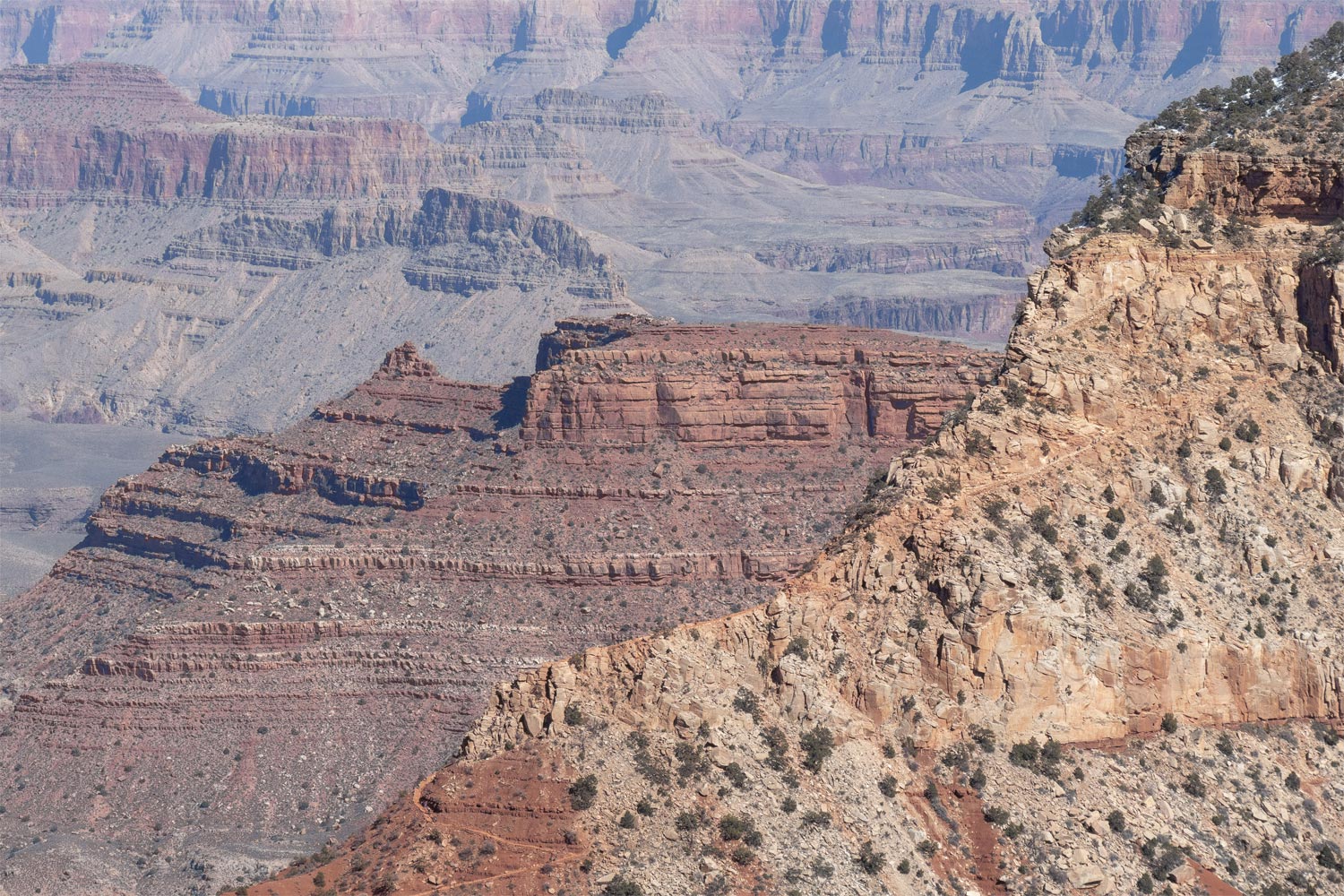
To get down to the bottom of the Grand Canyon, you’ll need at least one full day and decent physical shape. There’s no pleasure in it at all — if you’re going to do it, plan for three days and set up camp at the bottom.
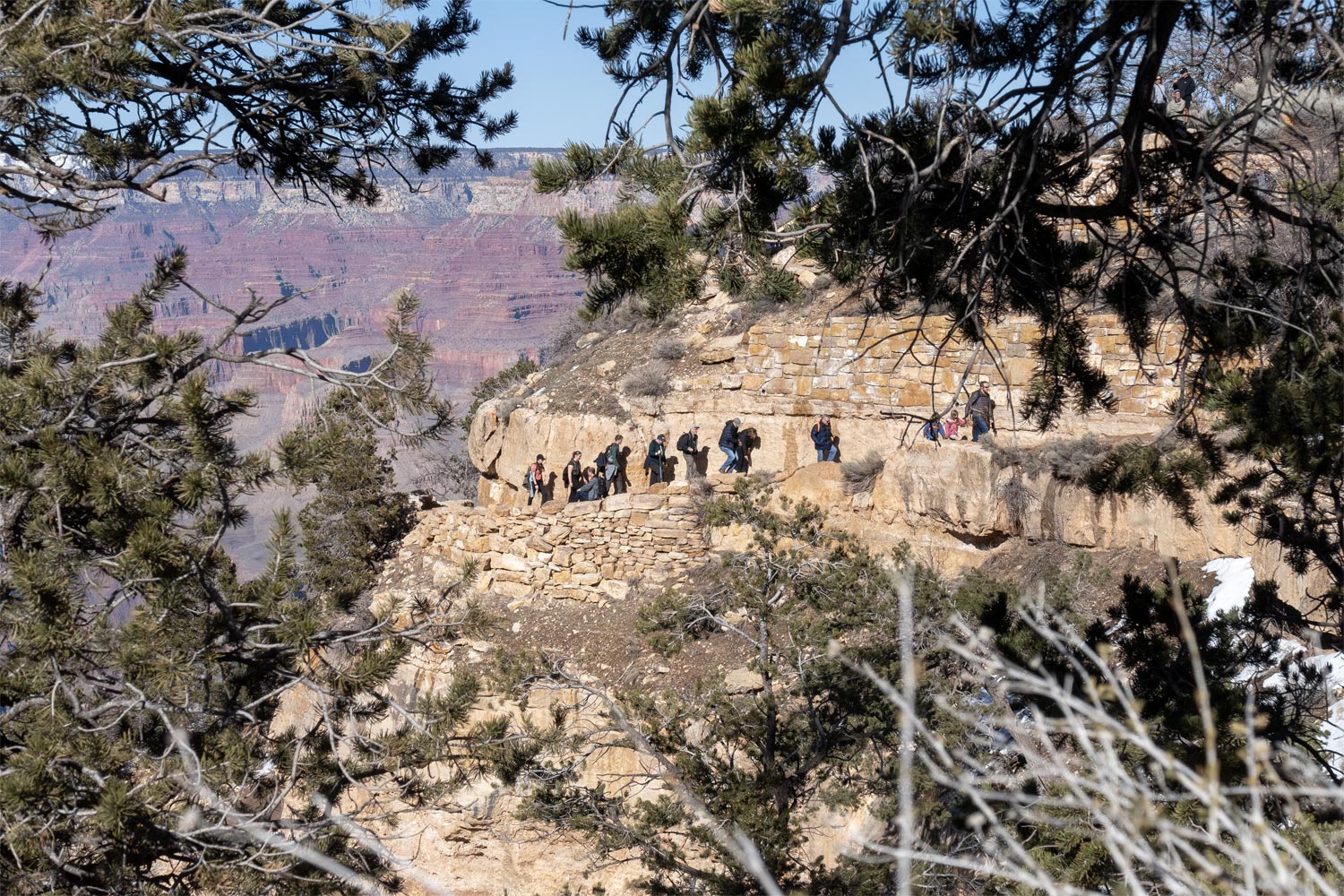
They say that down there the view is completely different, and from there it no longer looks flat. By the way, it’s the Colorado River that flows along its bottom.
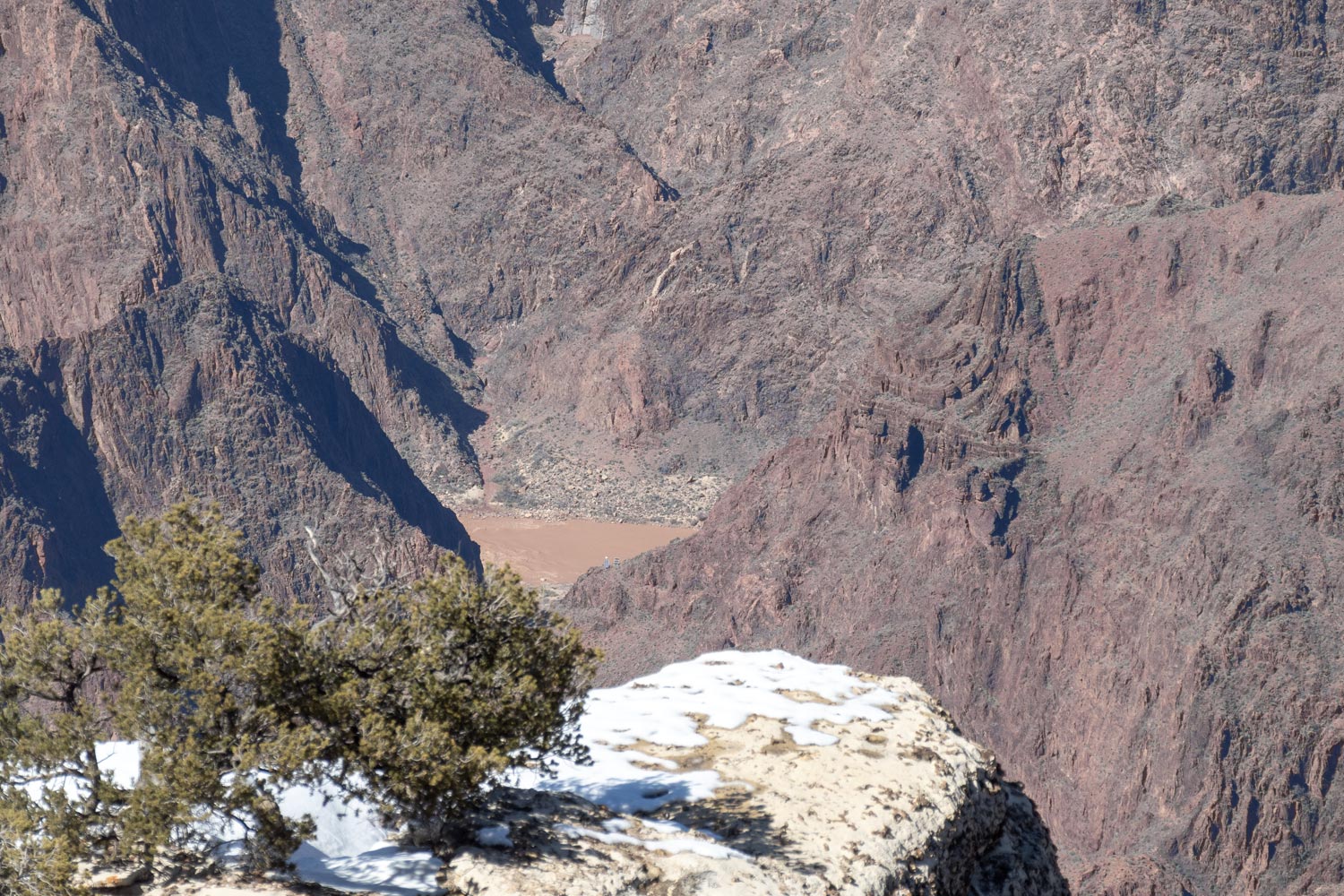
Here’s the answer to where the canyon came from. It was carved by that very river, which flowed across the mountain plateau for about five million years, cutting through it layer by layer like a saw.
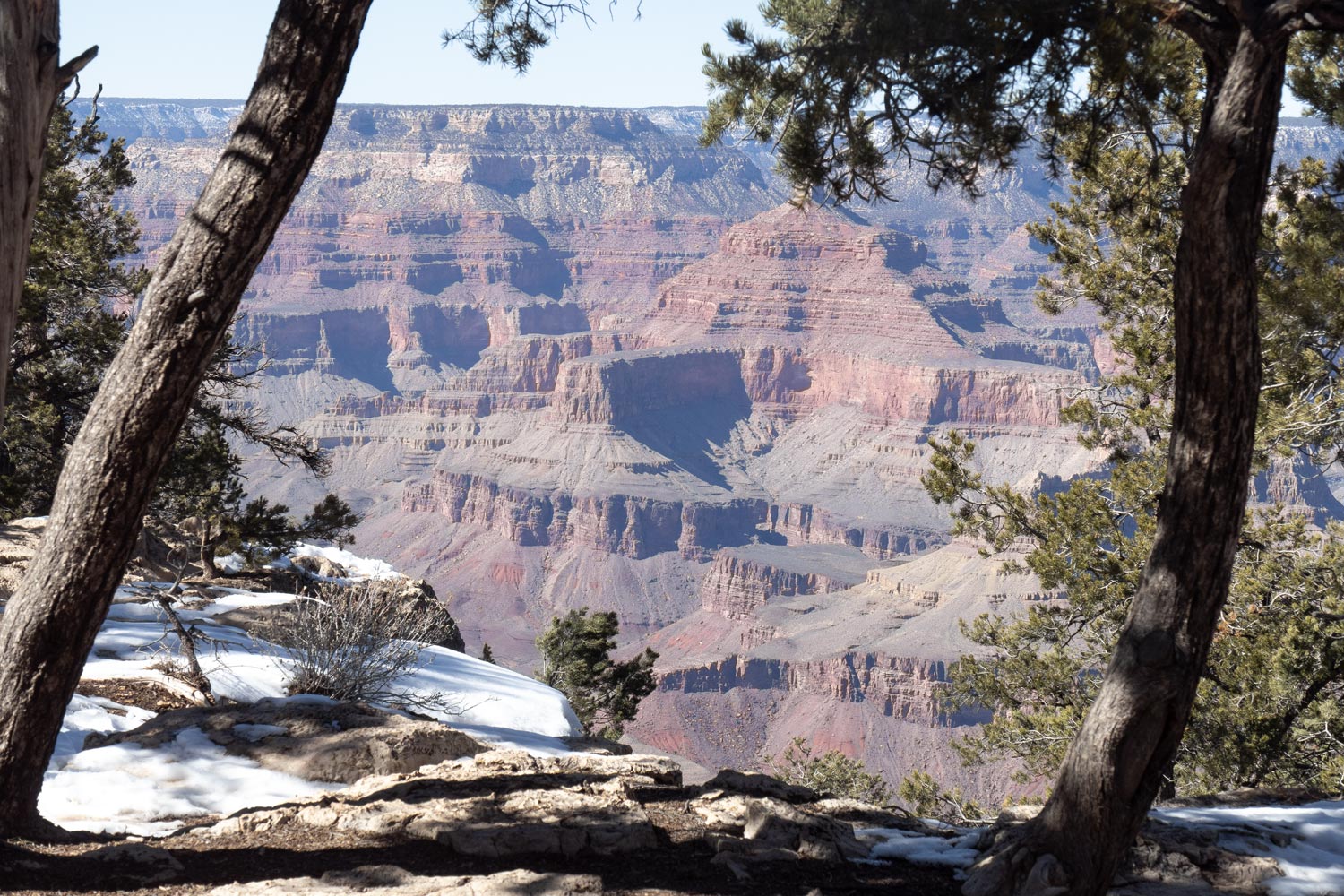
Of course, the river also had tributaries and rain-fed streams. So the canyon turned out not only long but also wide, with hundreds of branches spreading out from the Colorado in a fractal pattern.
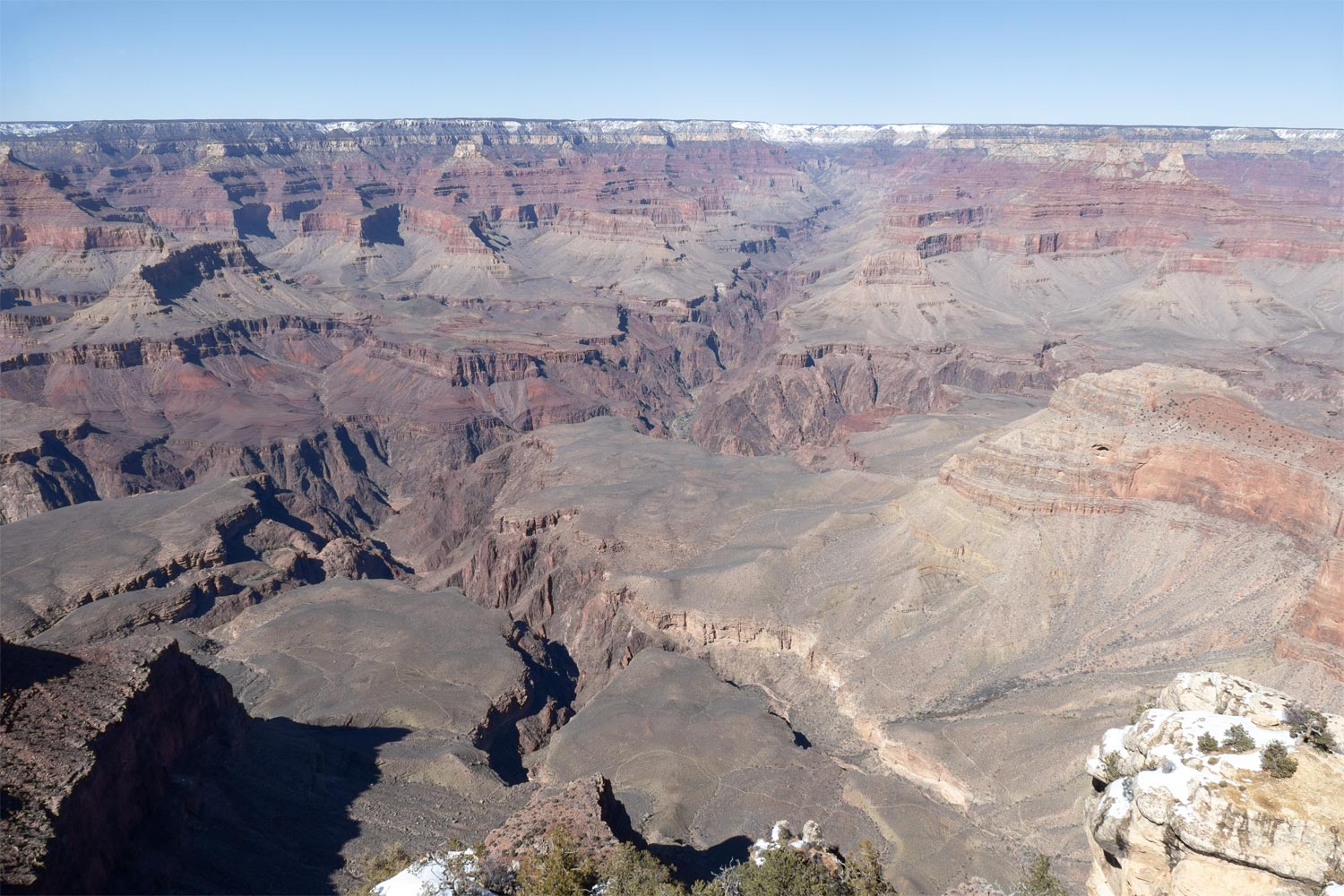
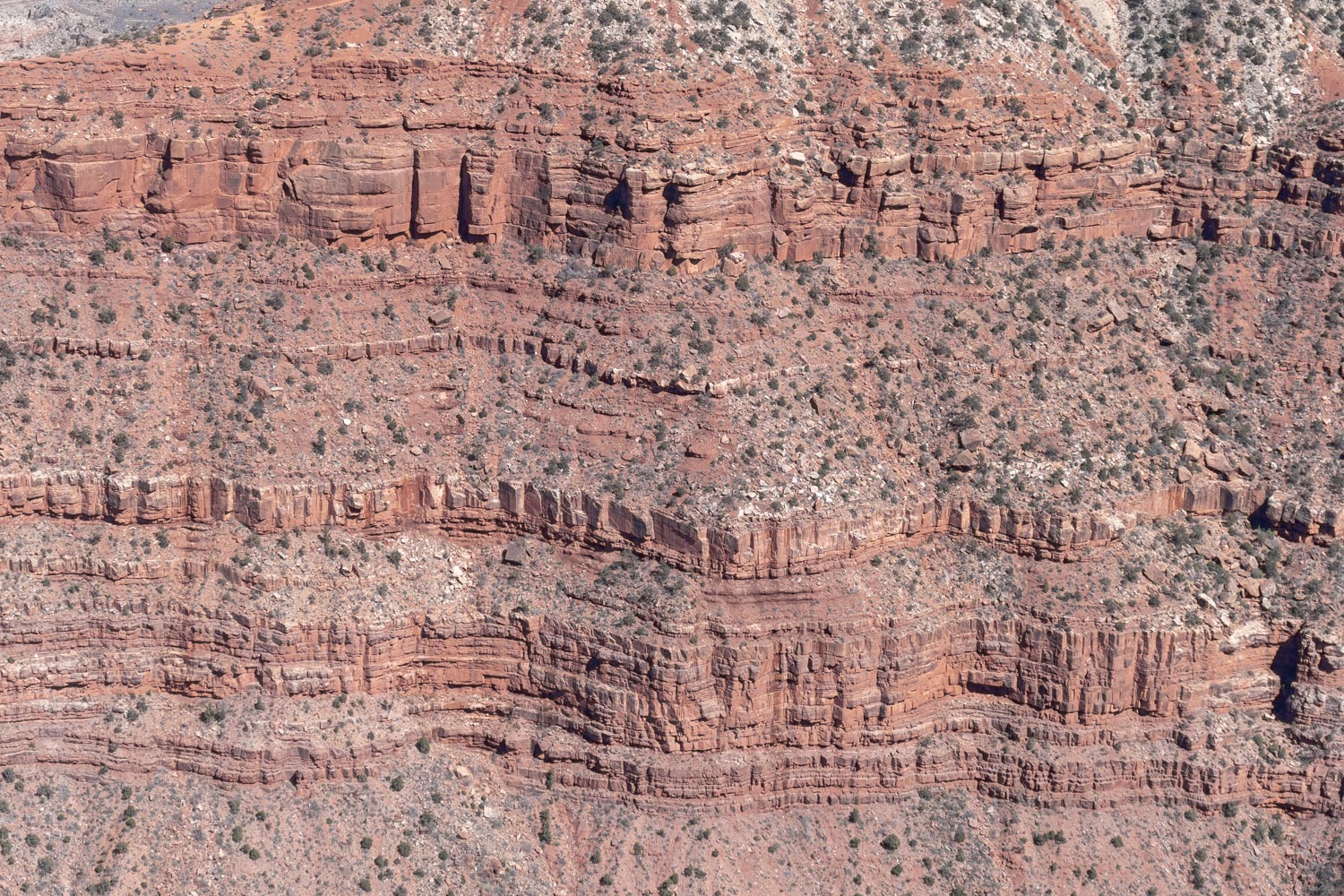
The rock itself is a full two billion years old. It’s unclear, though, why that number is supposed to be impressive: who knows how old a stone might be.
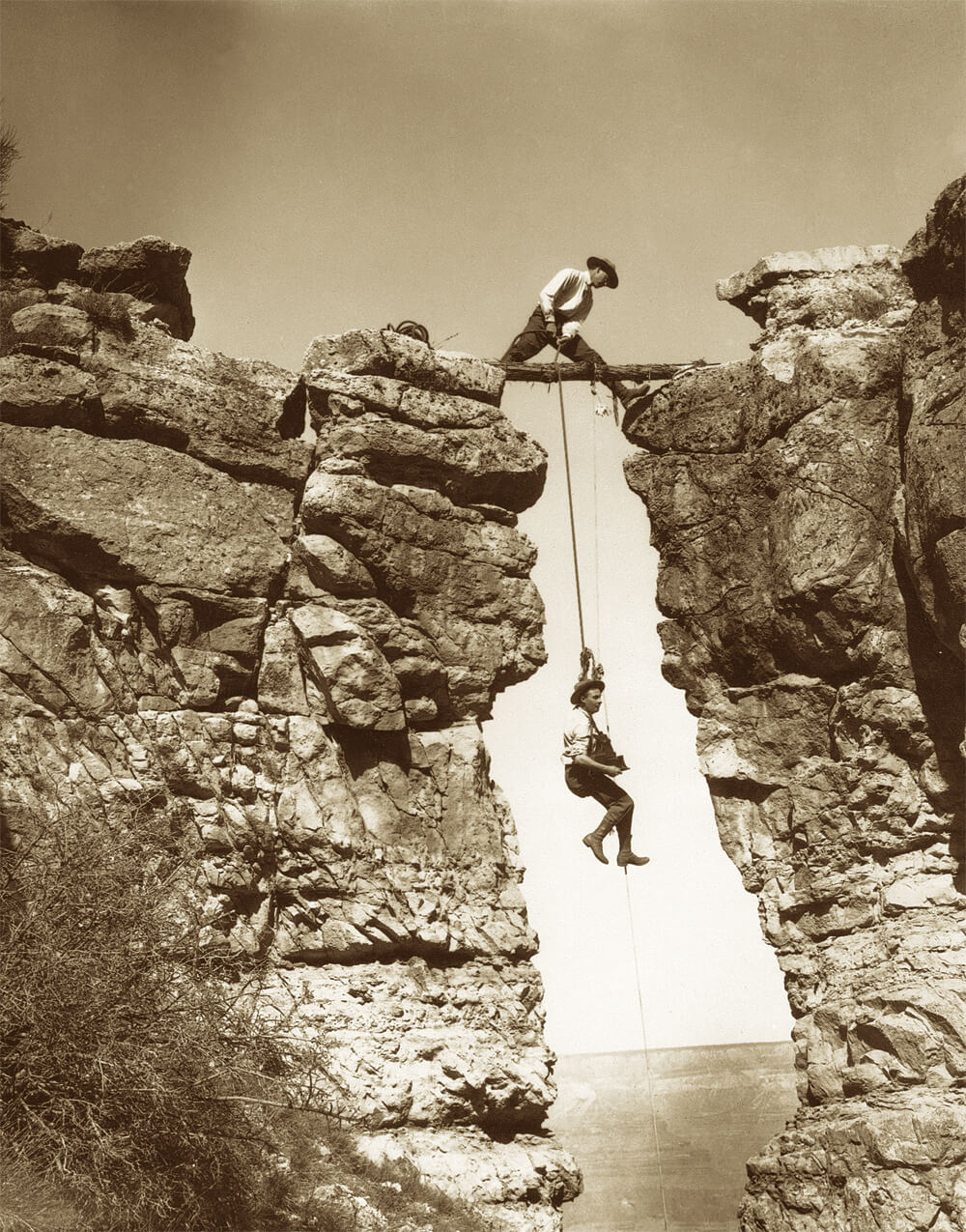
I found a wooden cabin right on the edge of the canyon. It turned out that some Kolb brothers once worked here a long time ago.
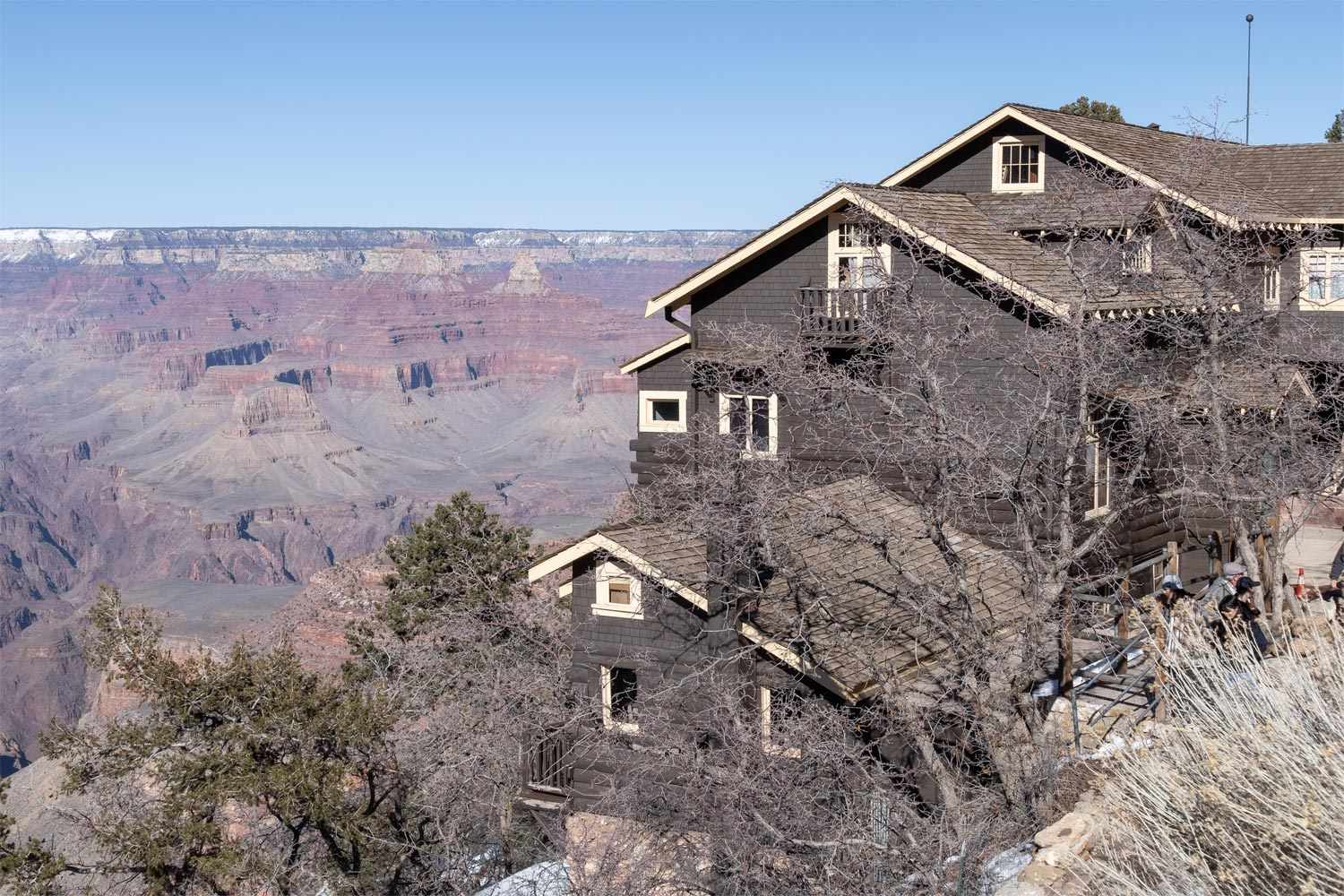
Ellsworth and Emery Kolb were the first to descend to the bottom of the Grand Canyon with a camera. That was in 1911. The brothers didn’t capture any revelations, but their assistants filmed the process itself. Absolute madness, considering the weight and size of cameras back then.